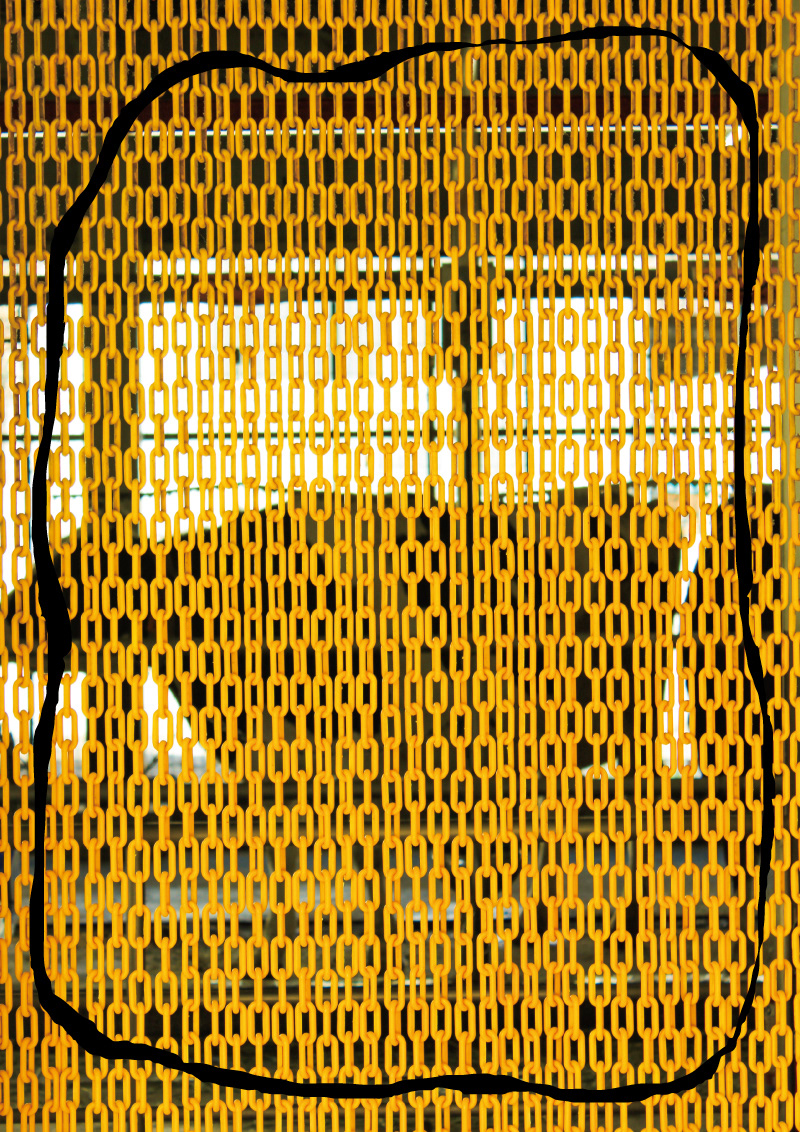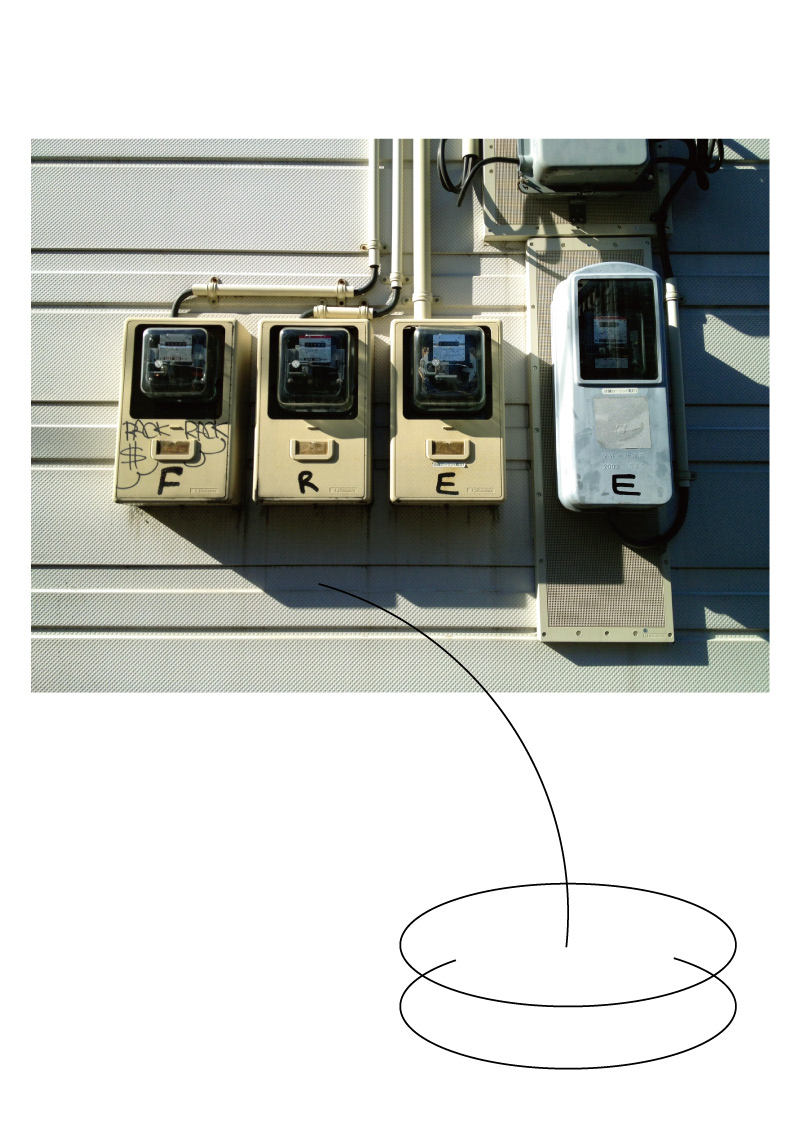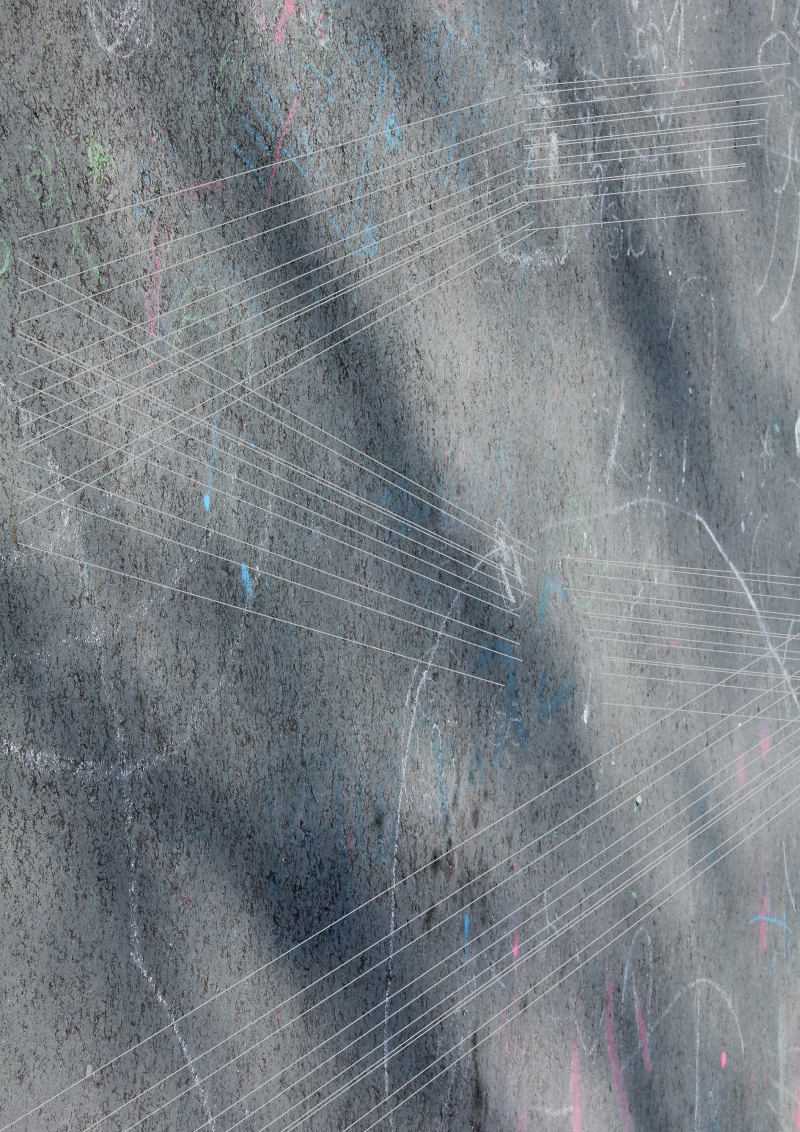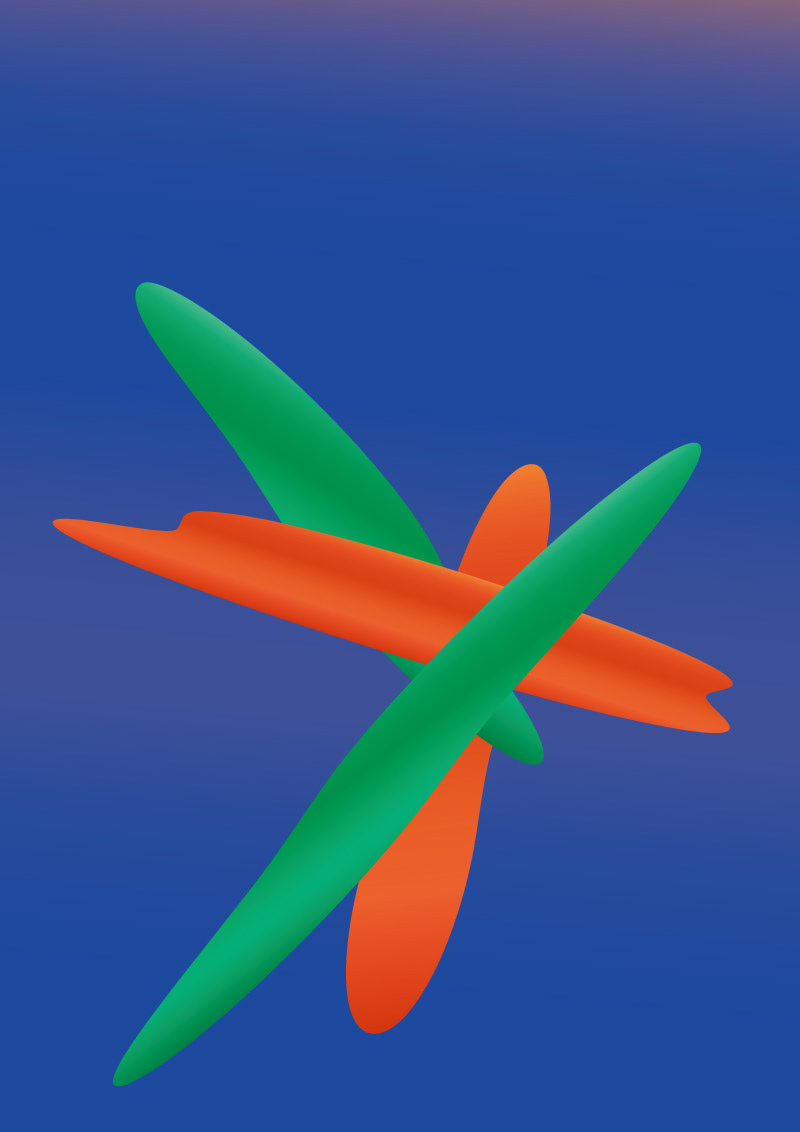
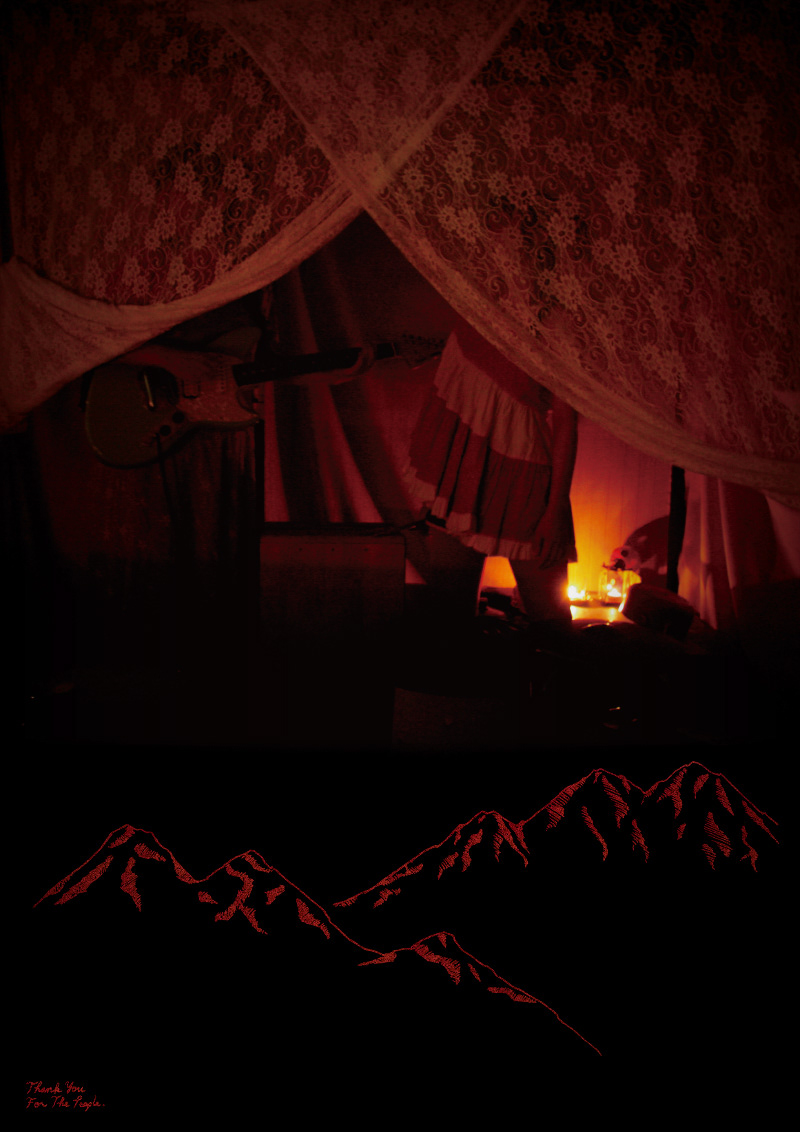
noichigo_source
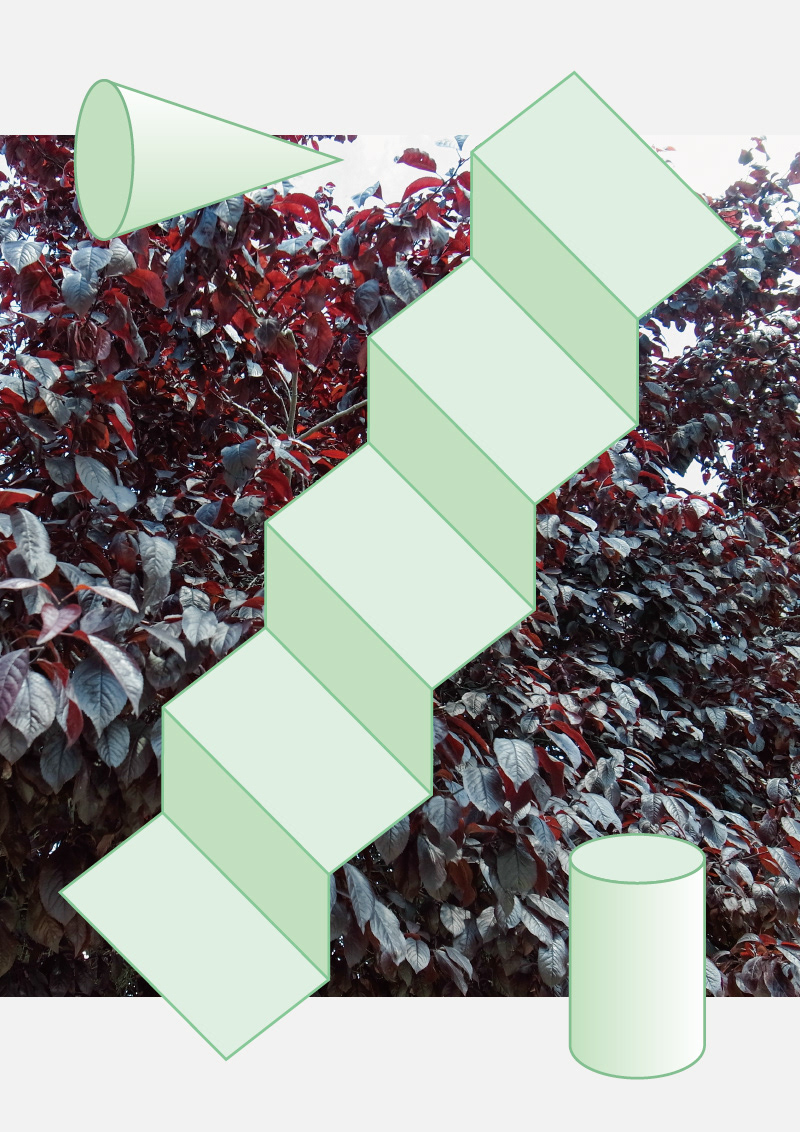
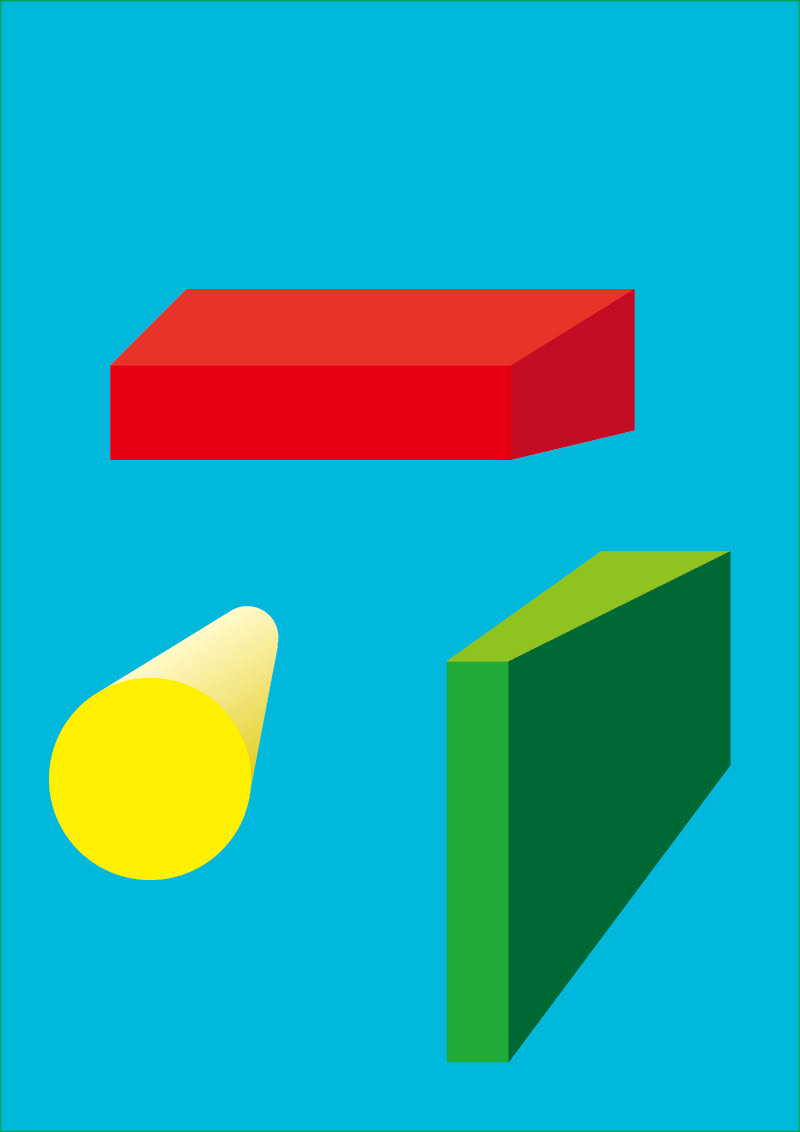
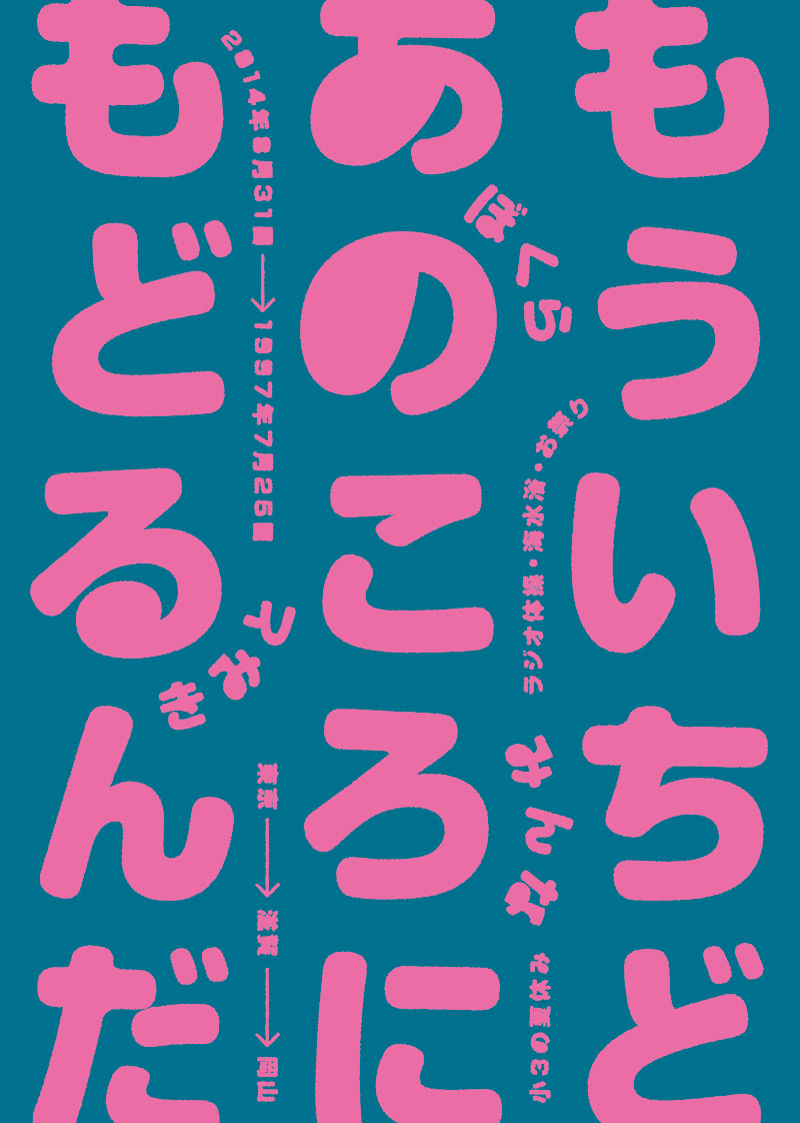
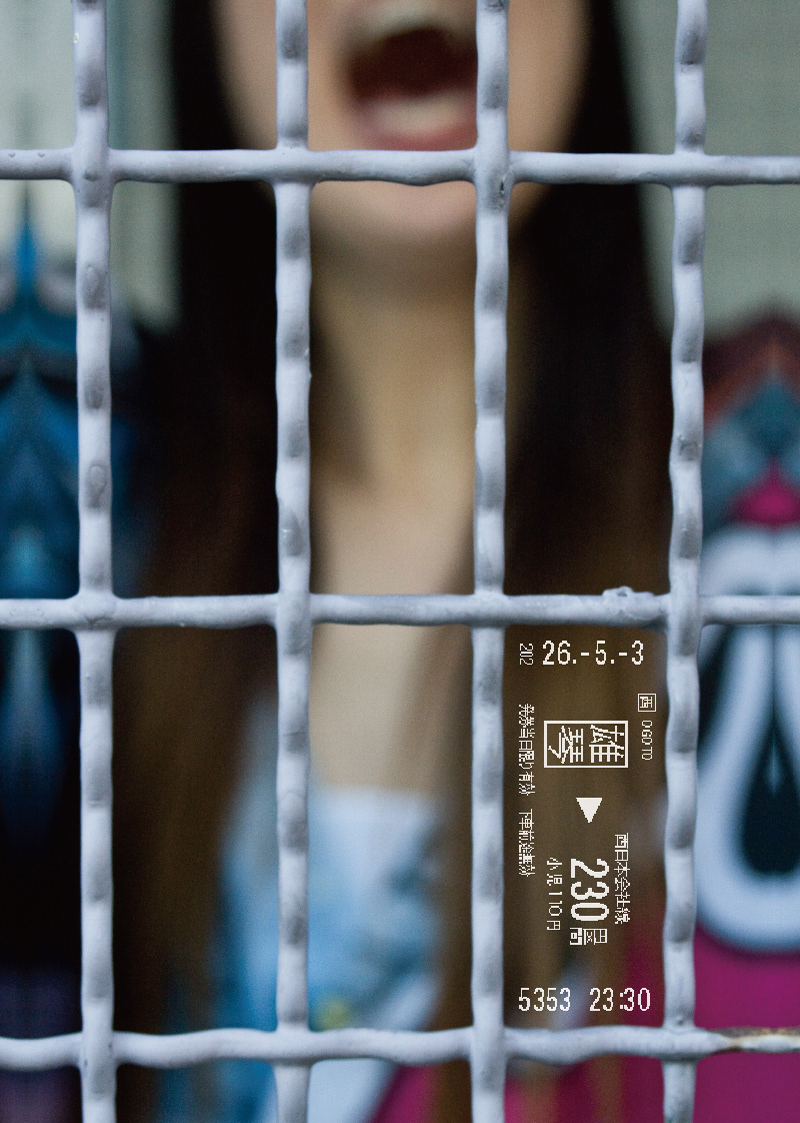
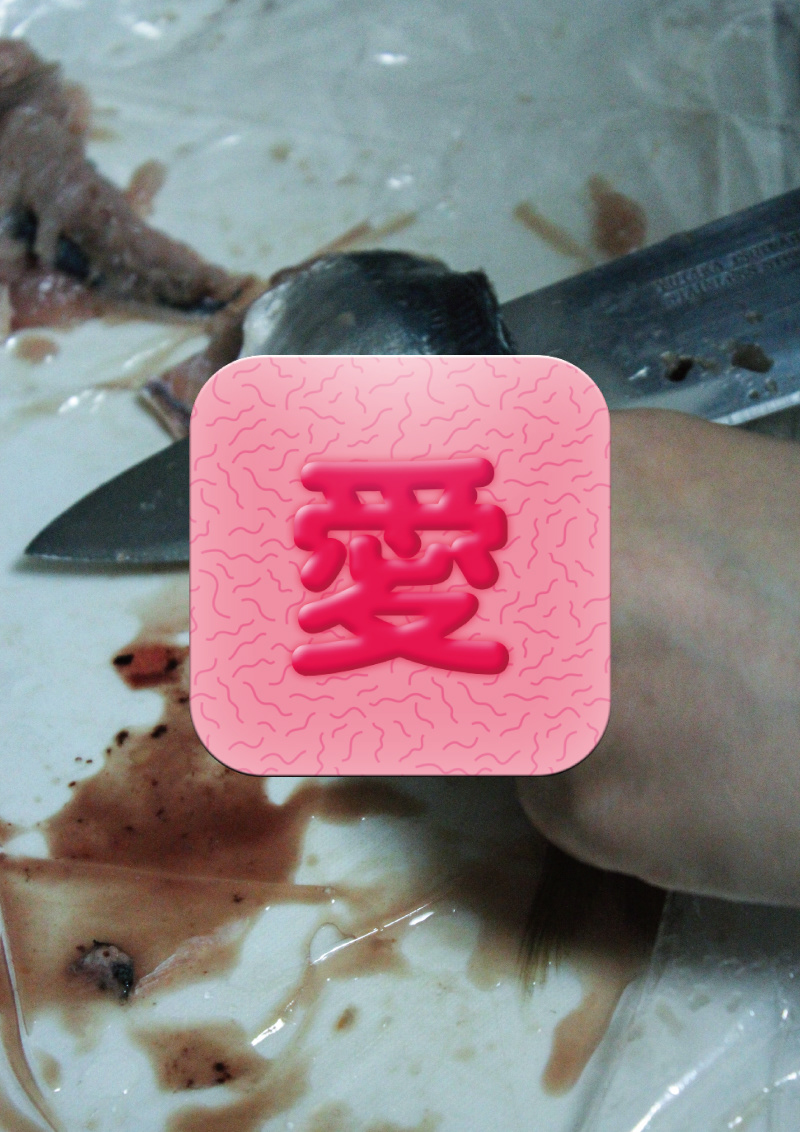
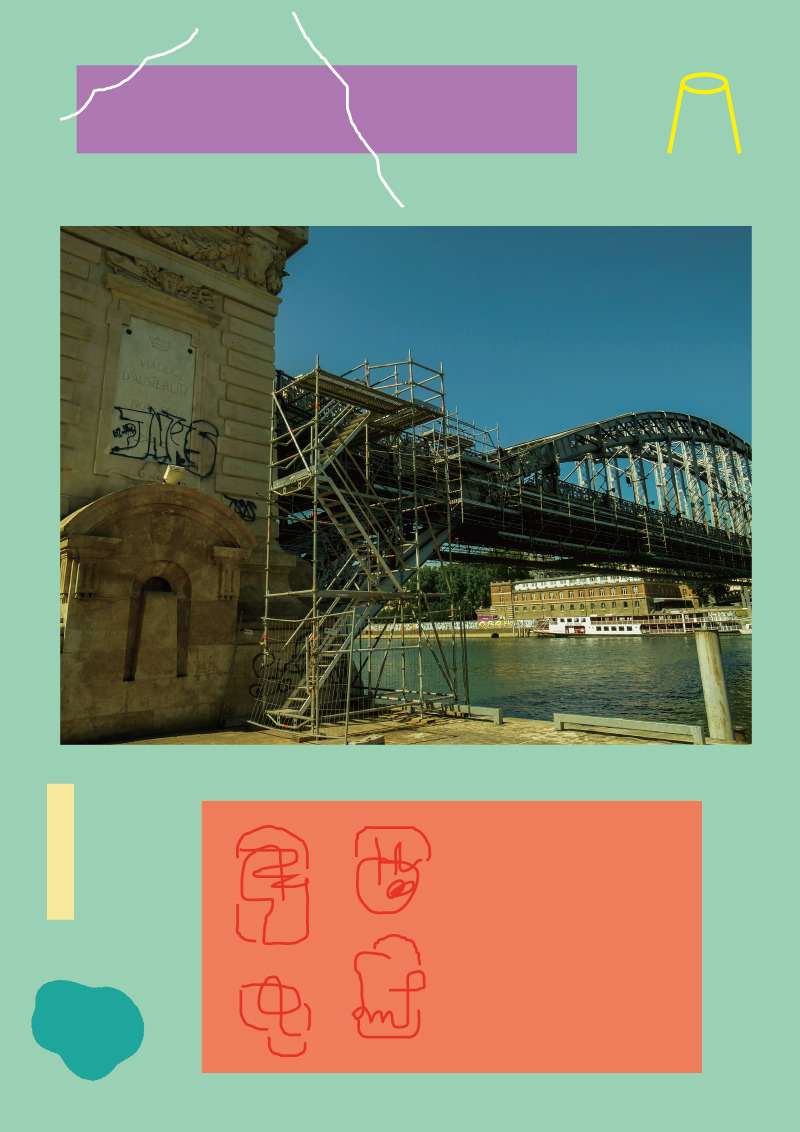
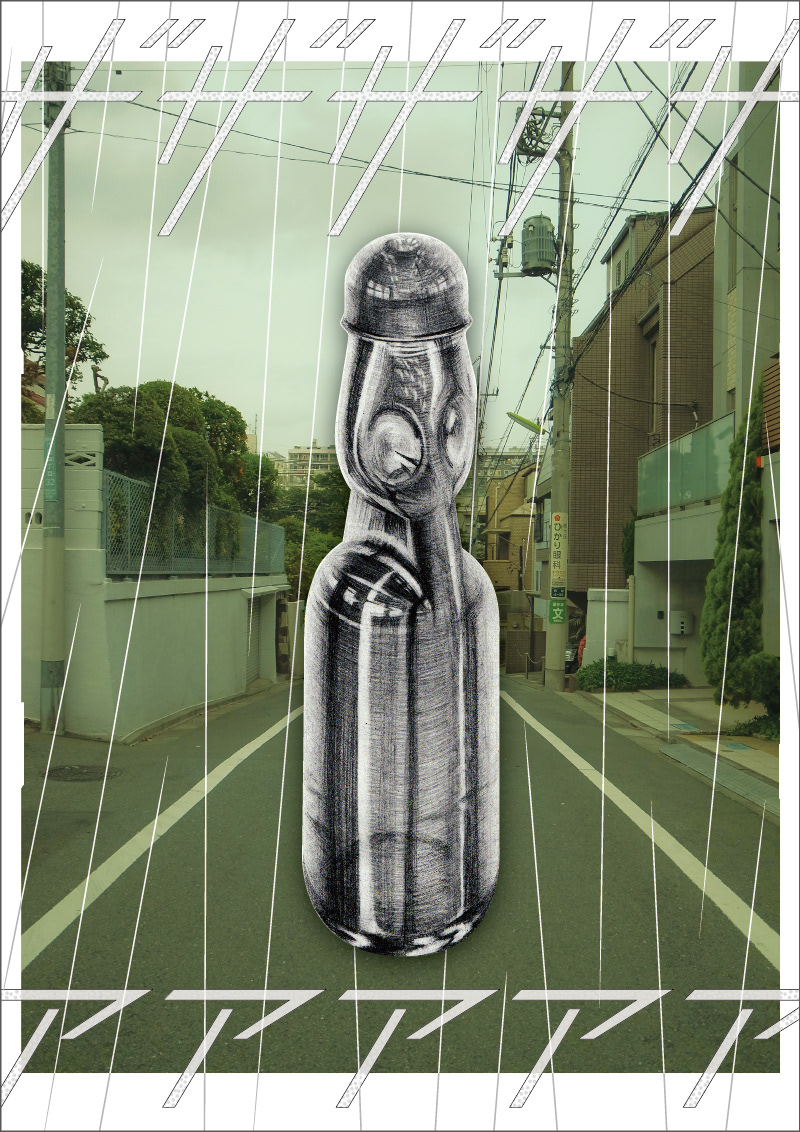
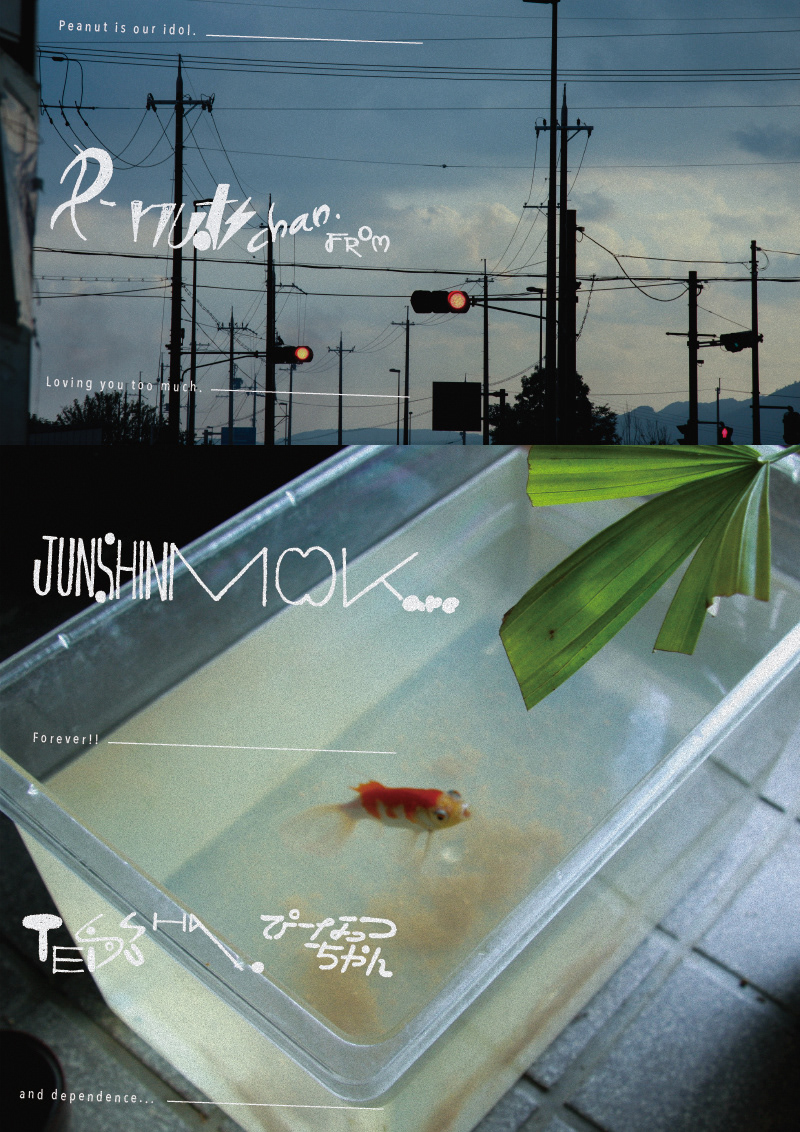
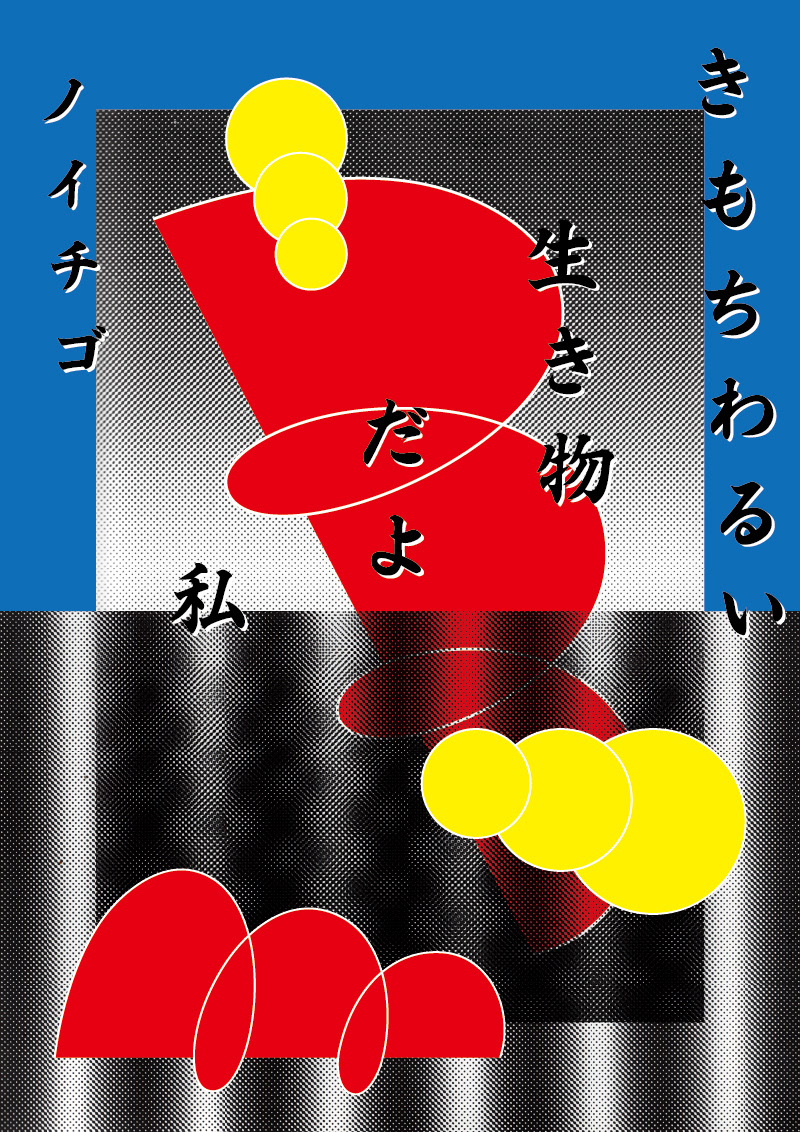
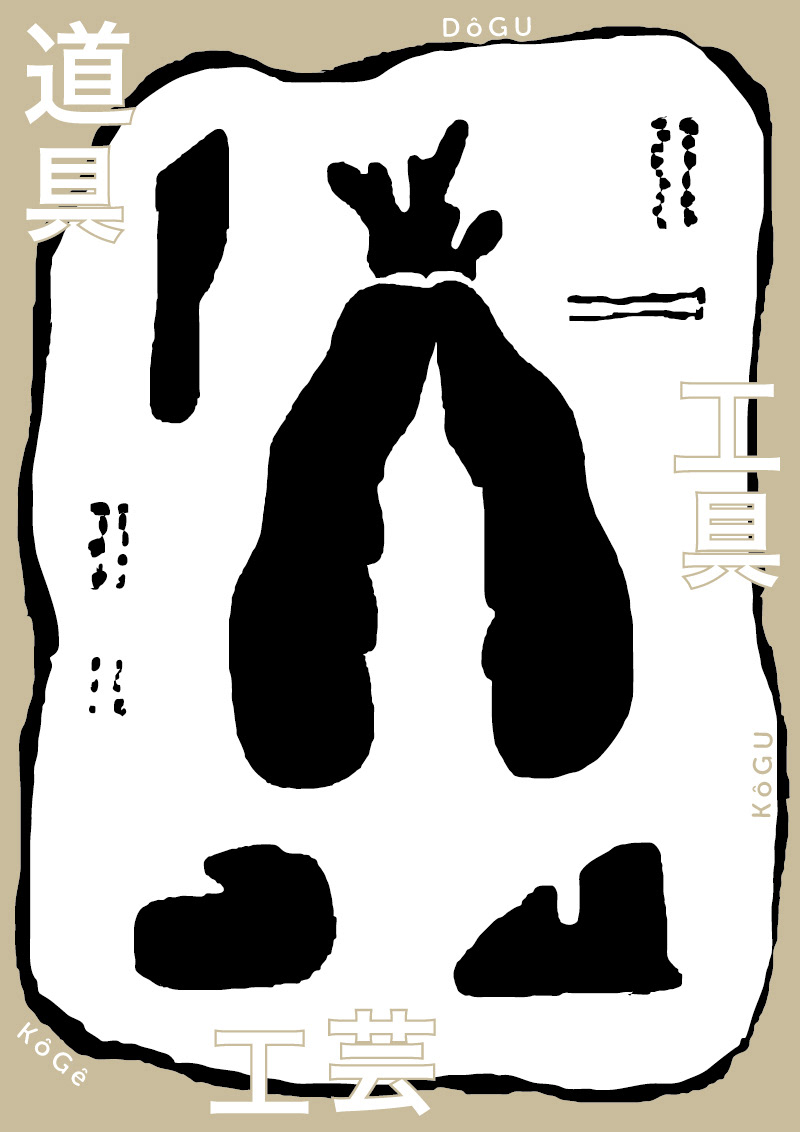
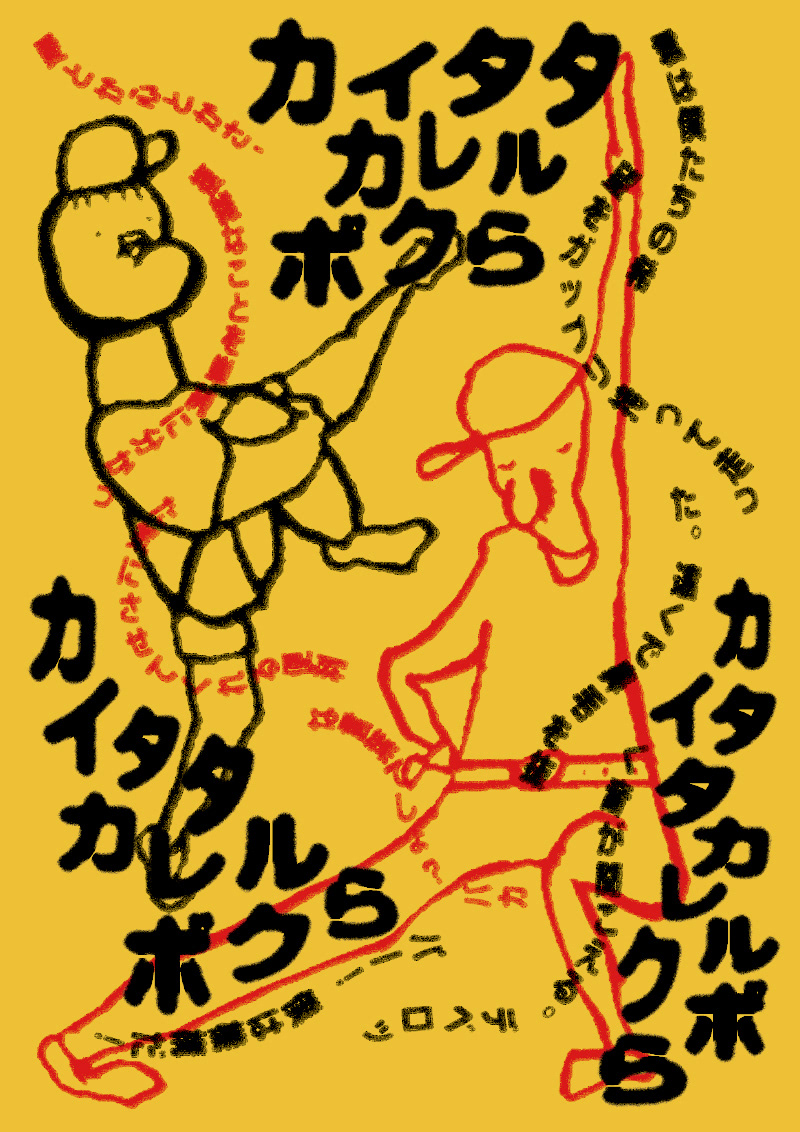
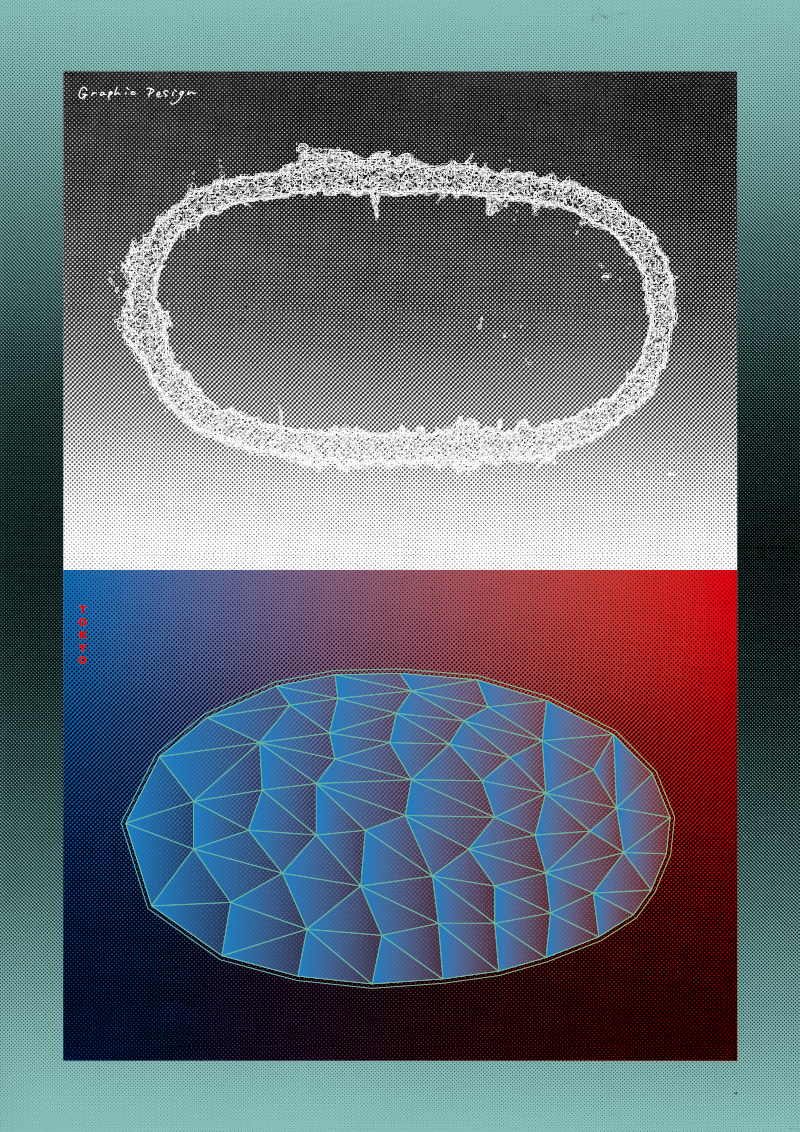
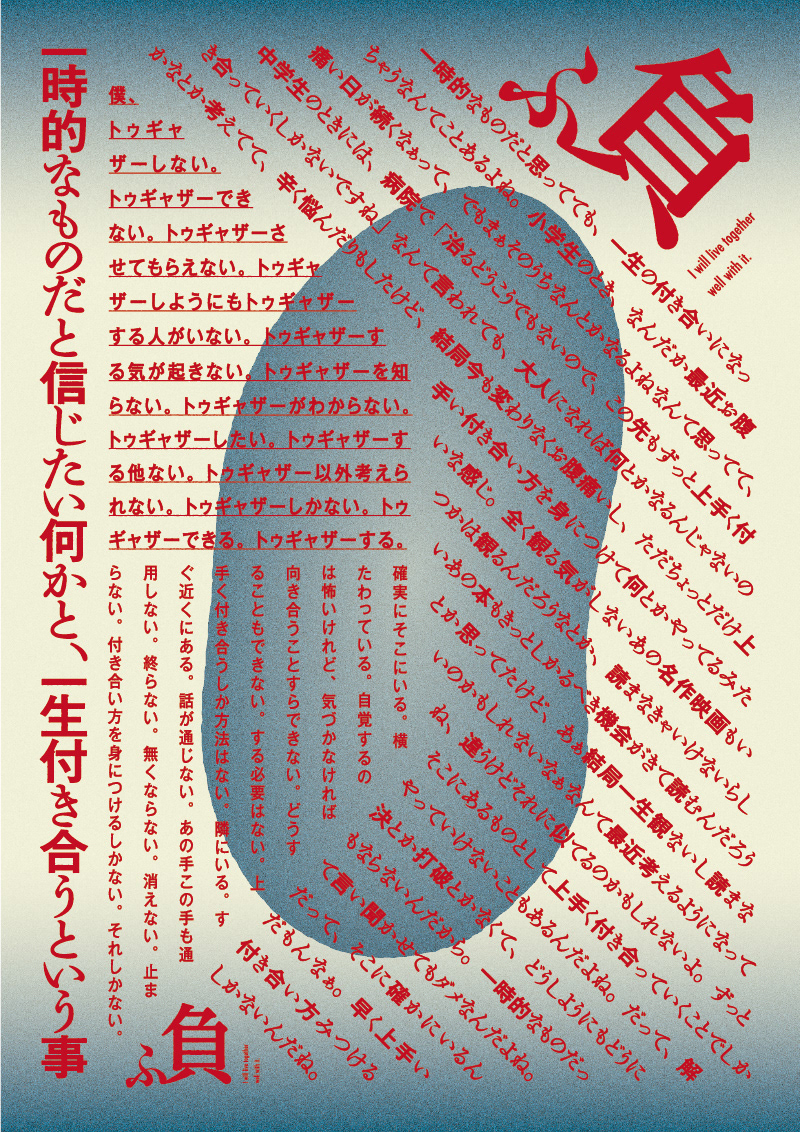
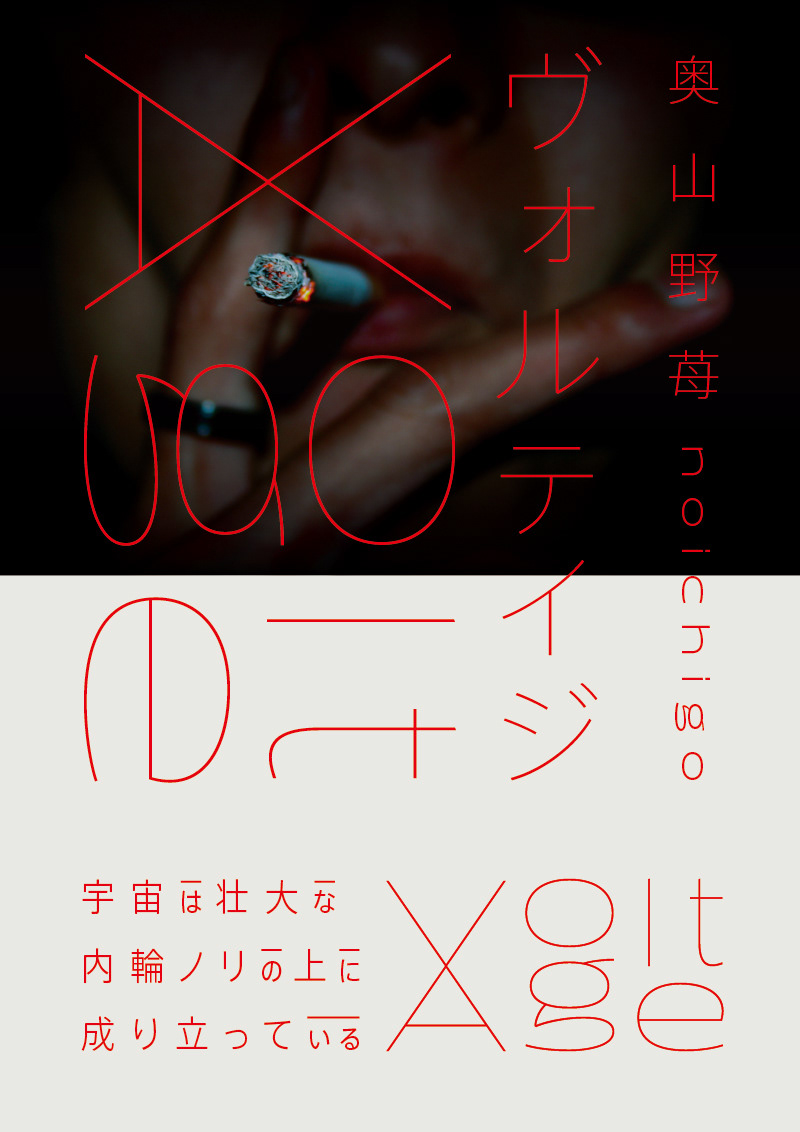
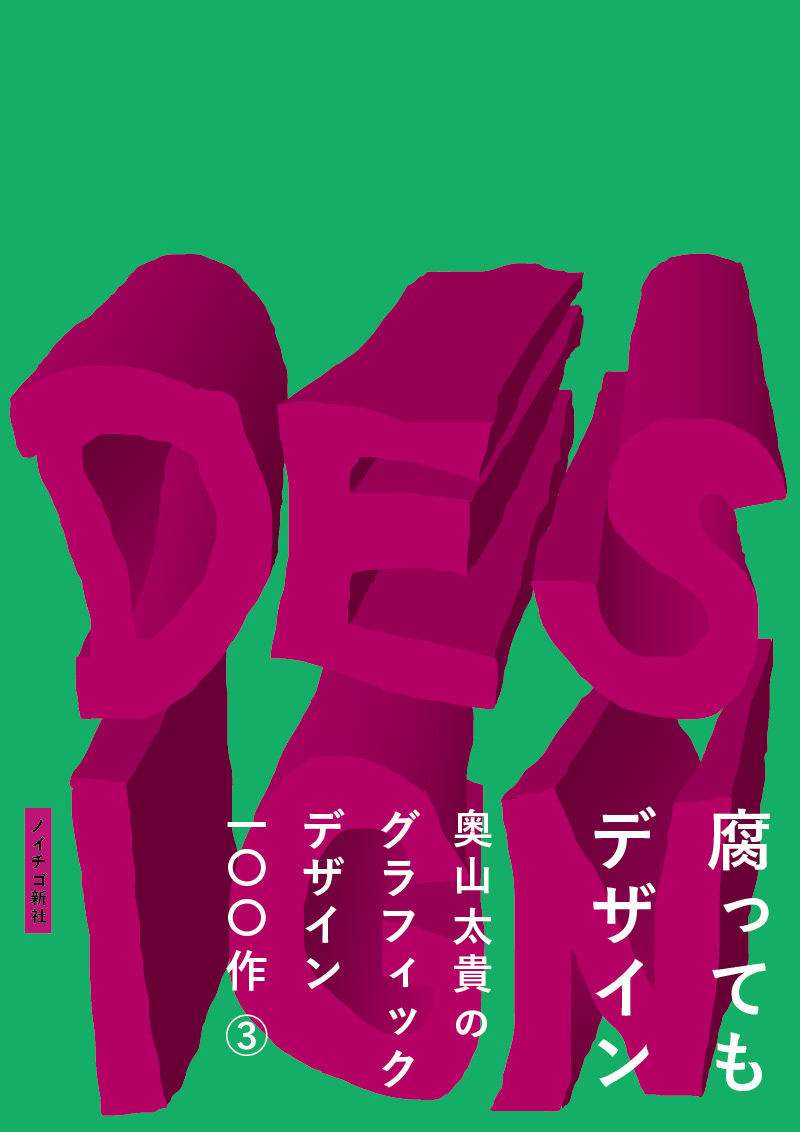
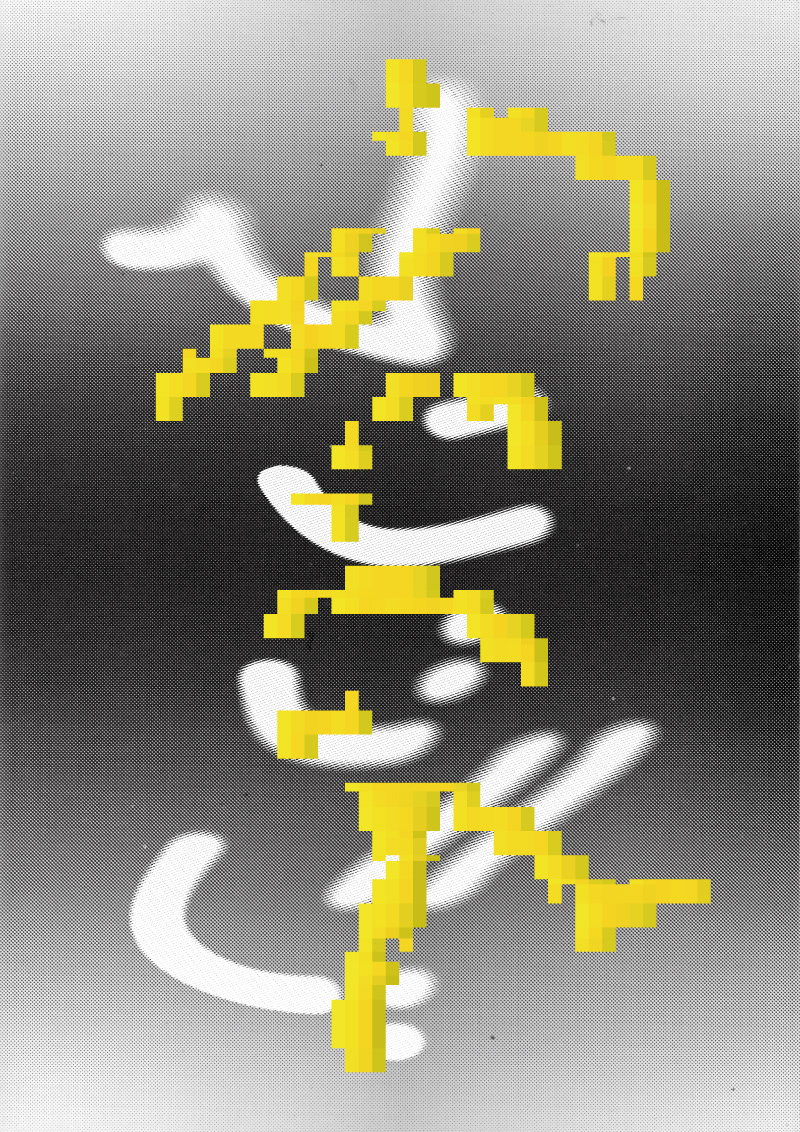
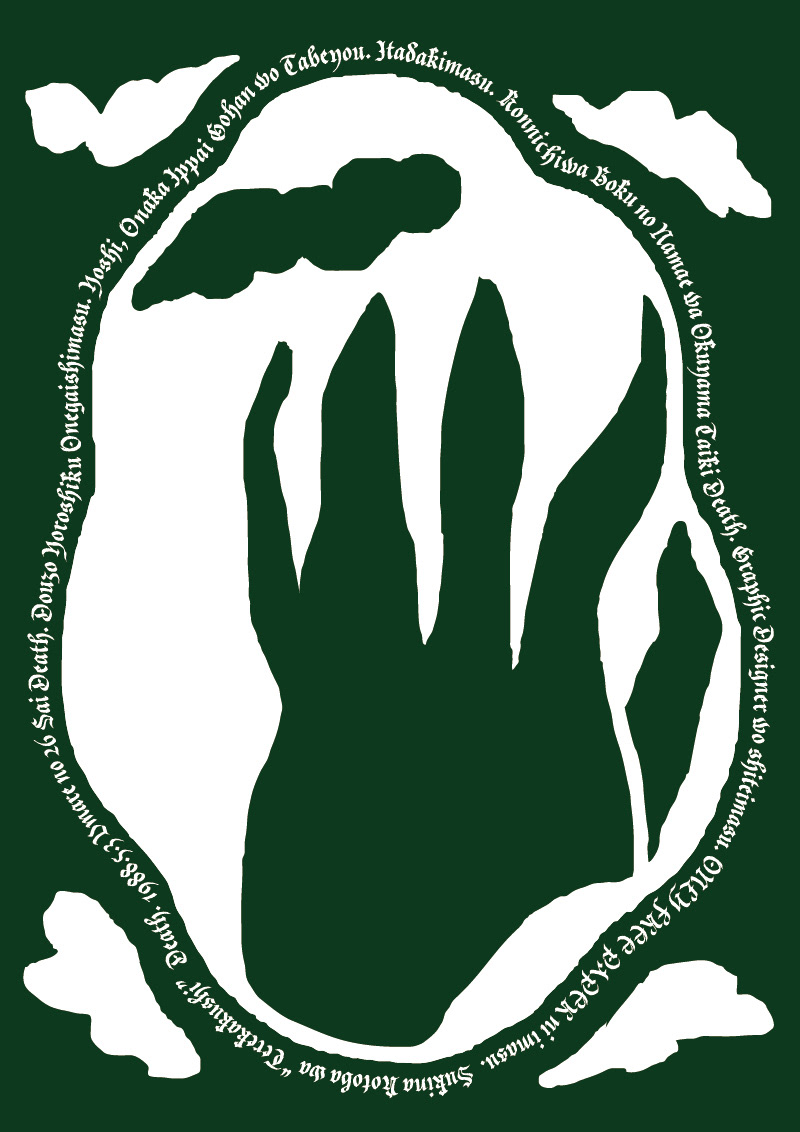
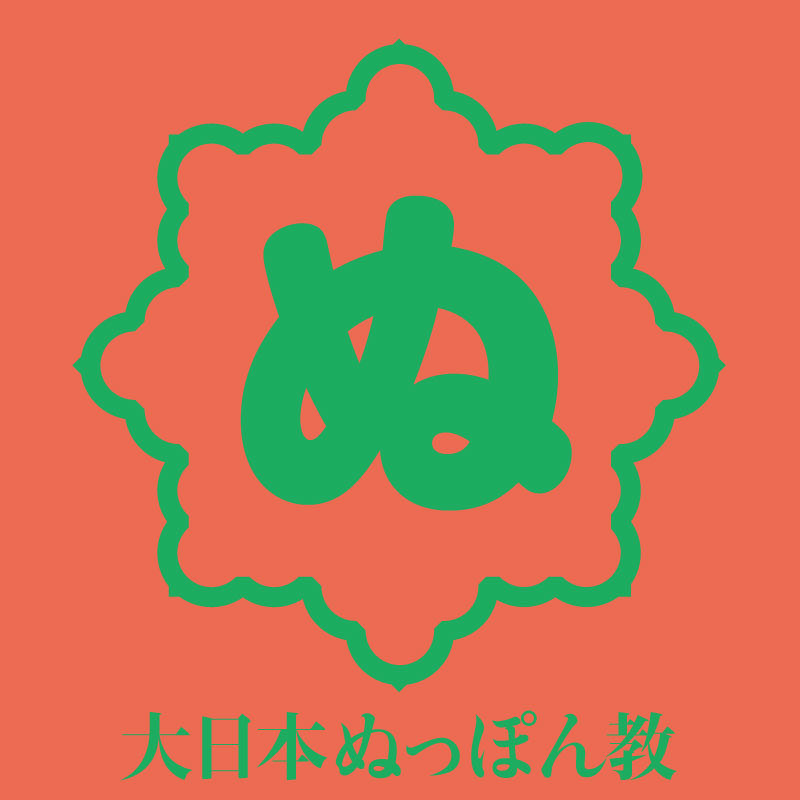
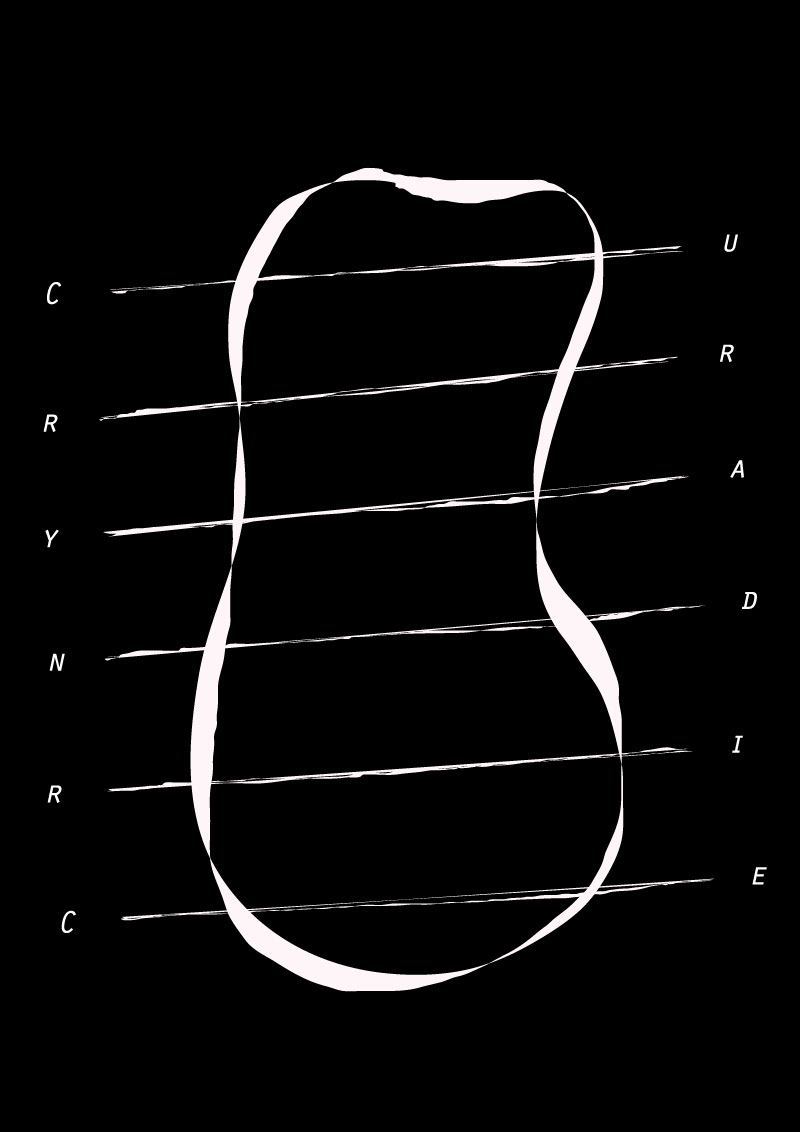
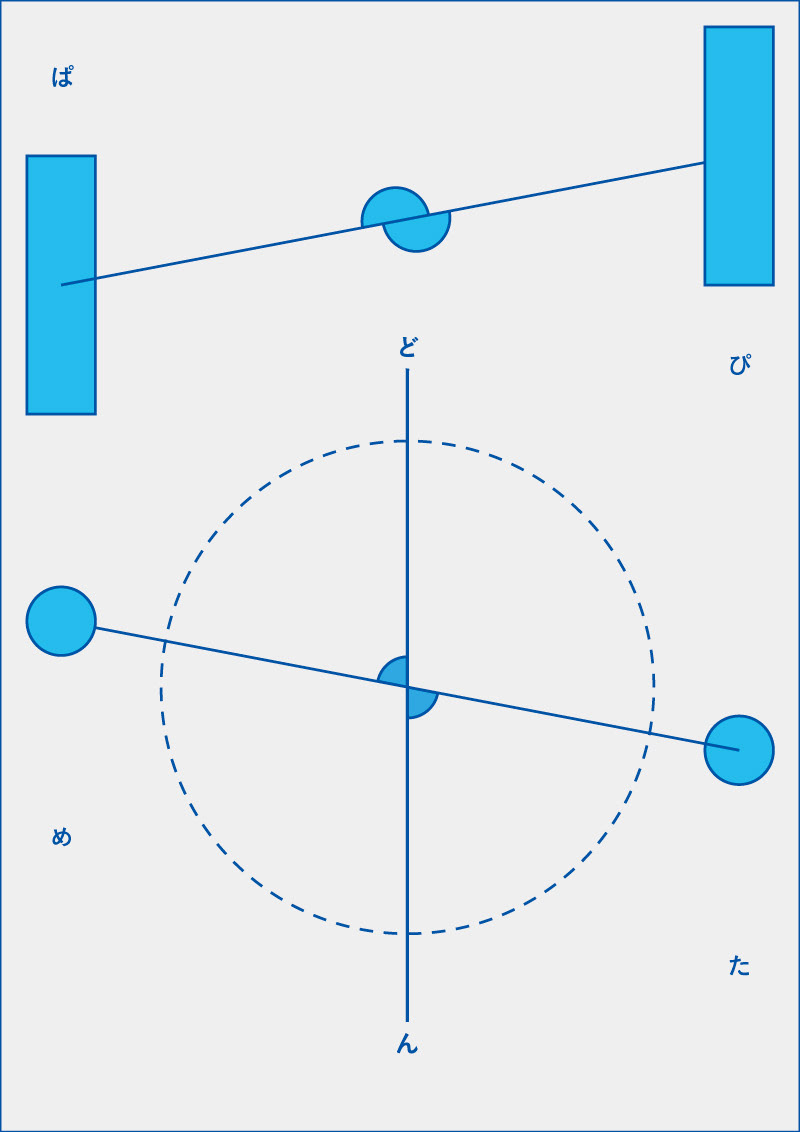
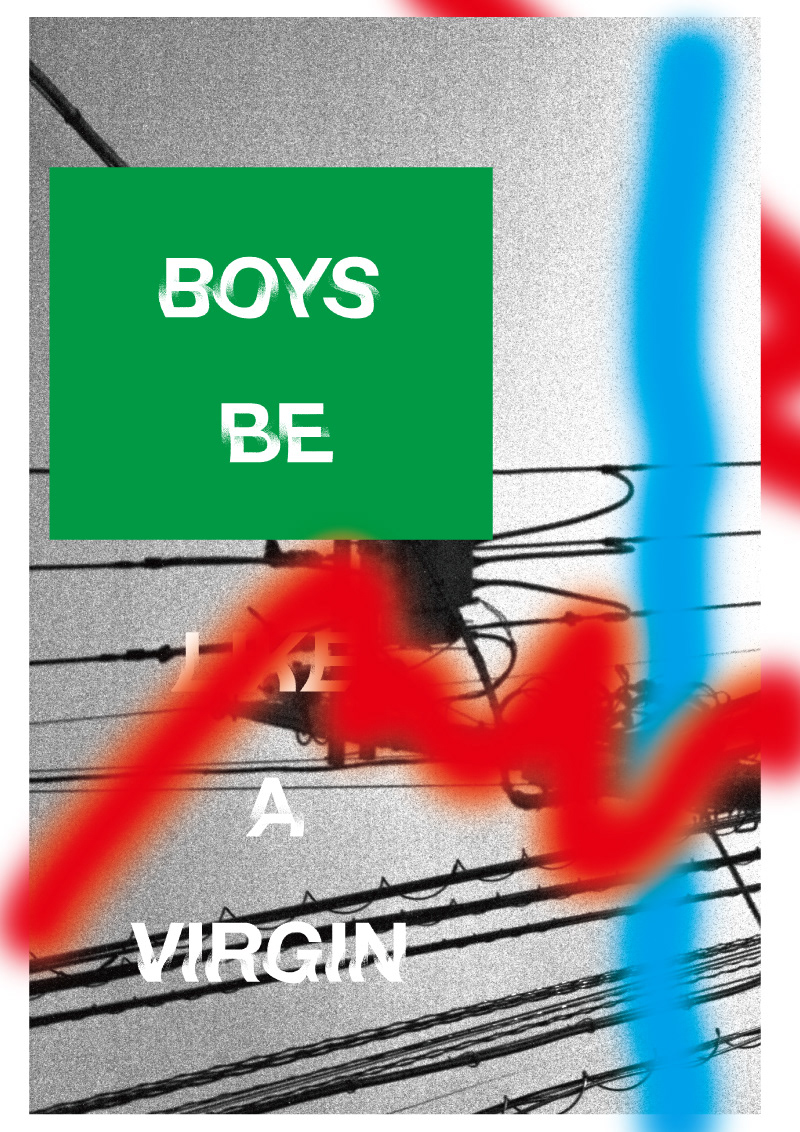
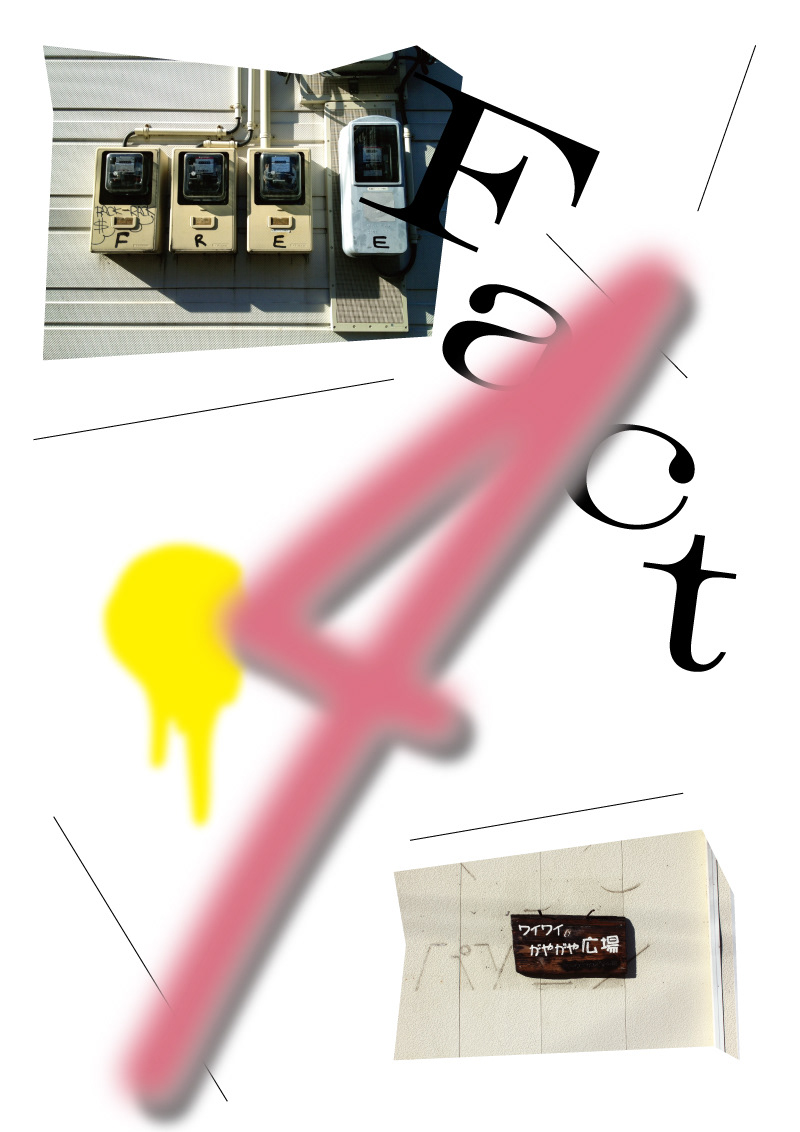
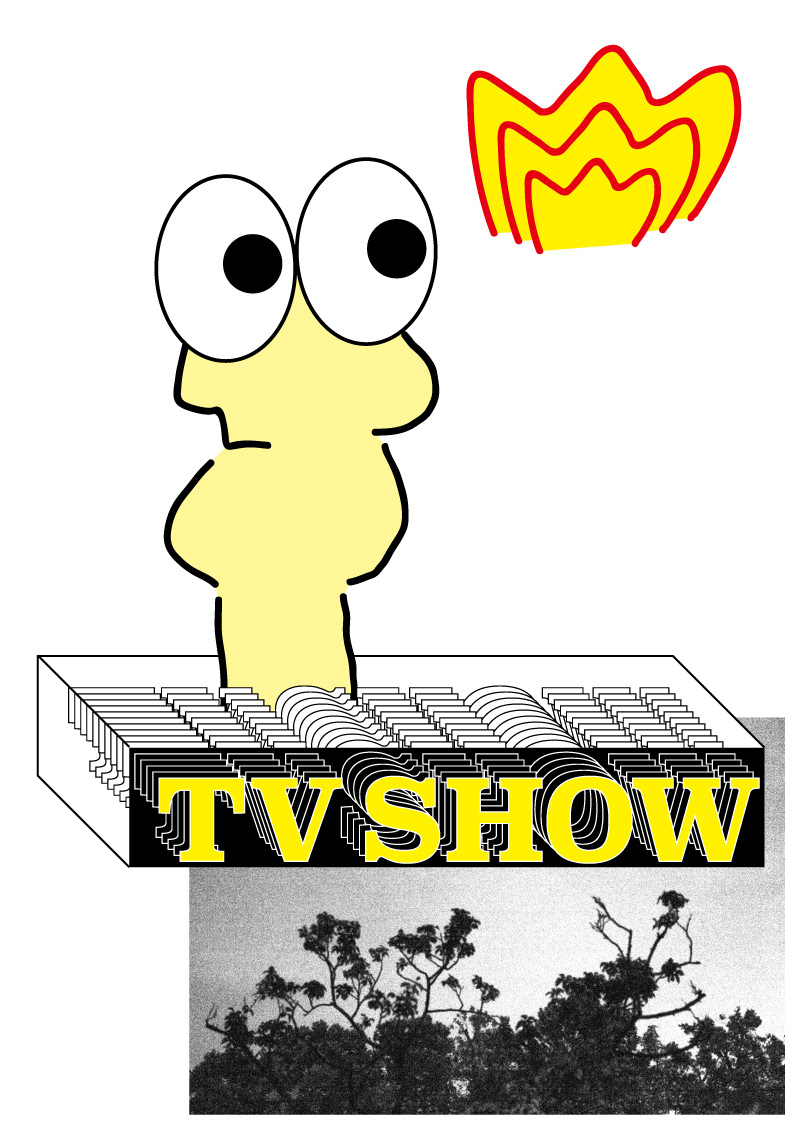
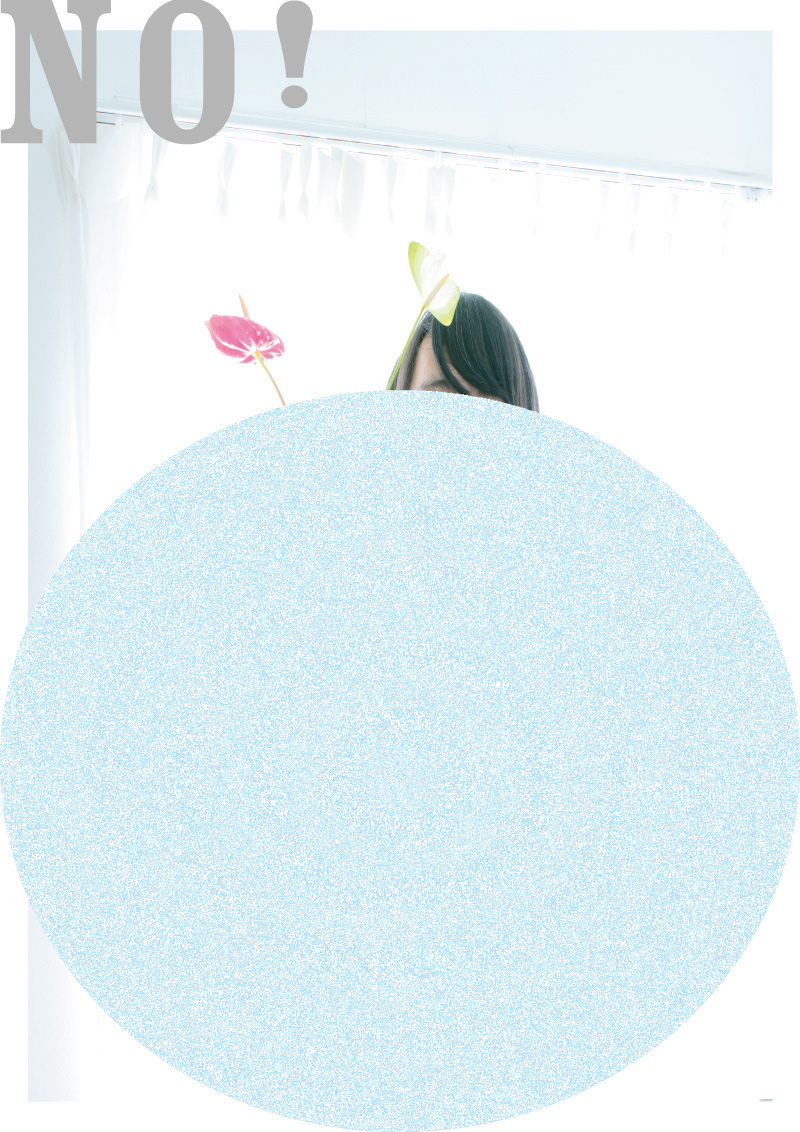
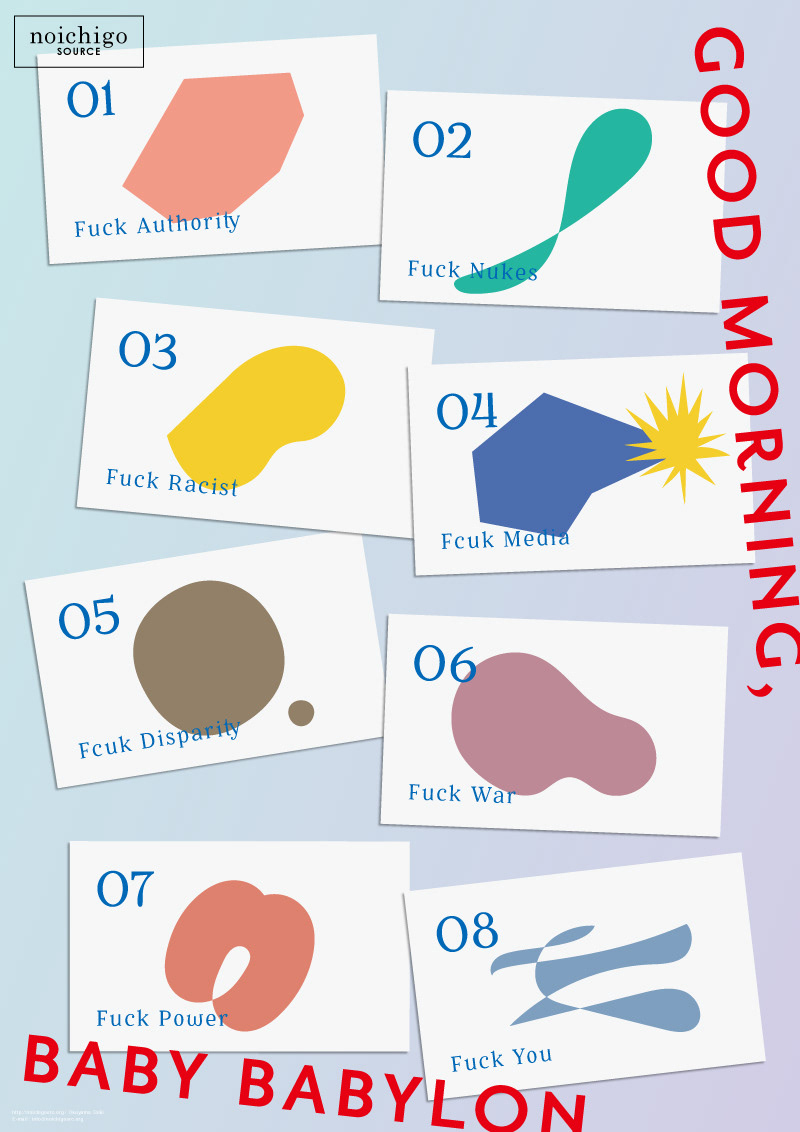
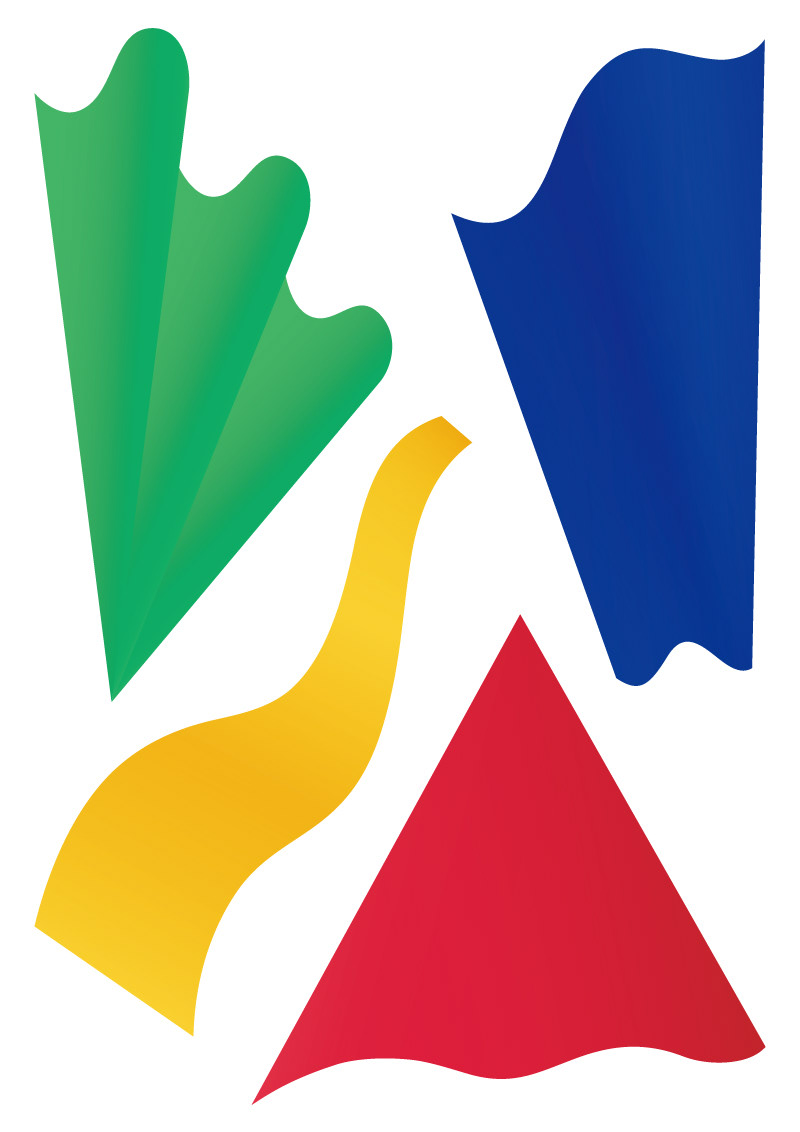
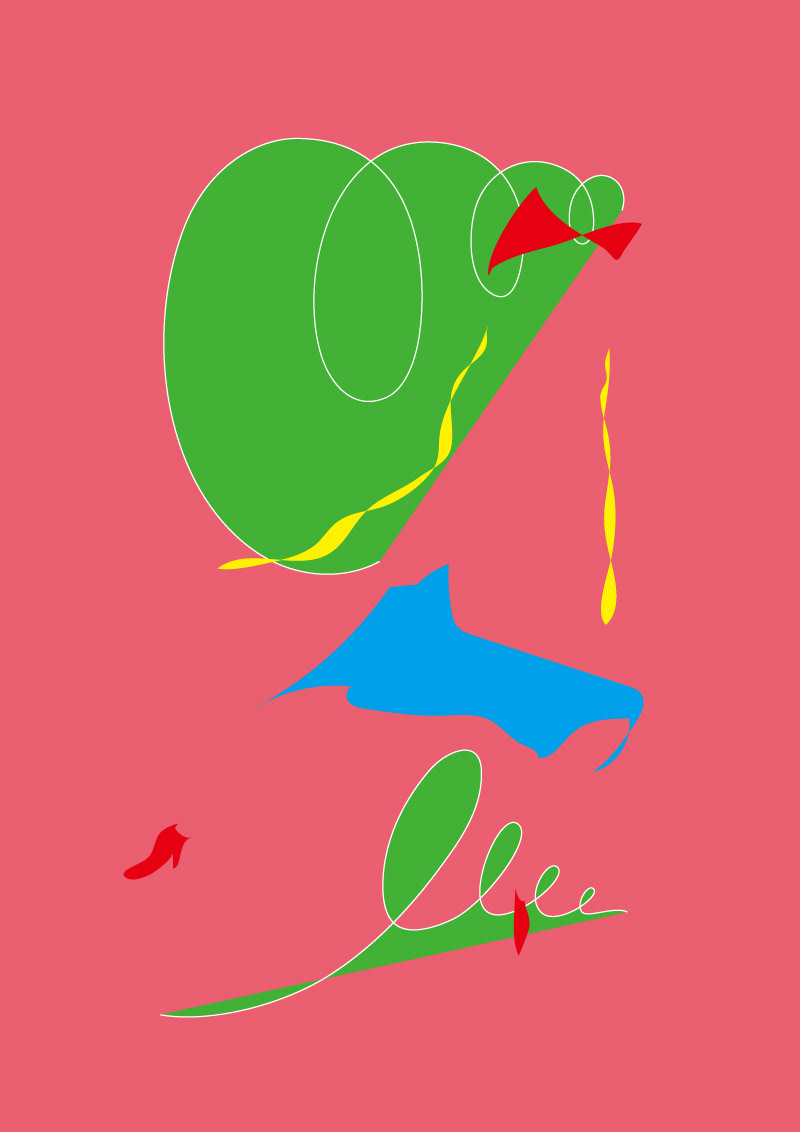
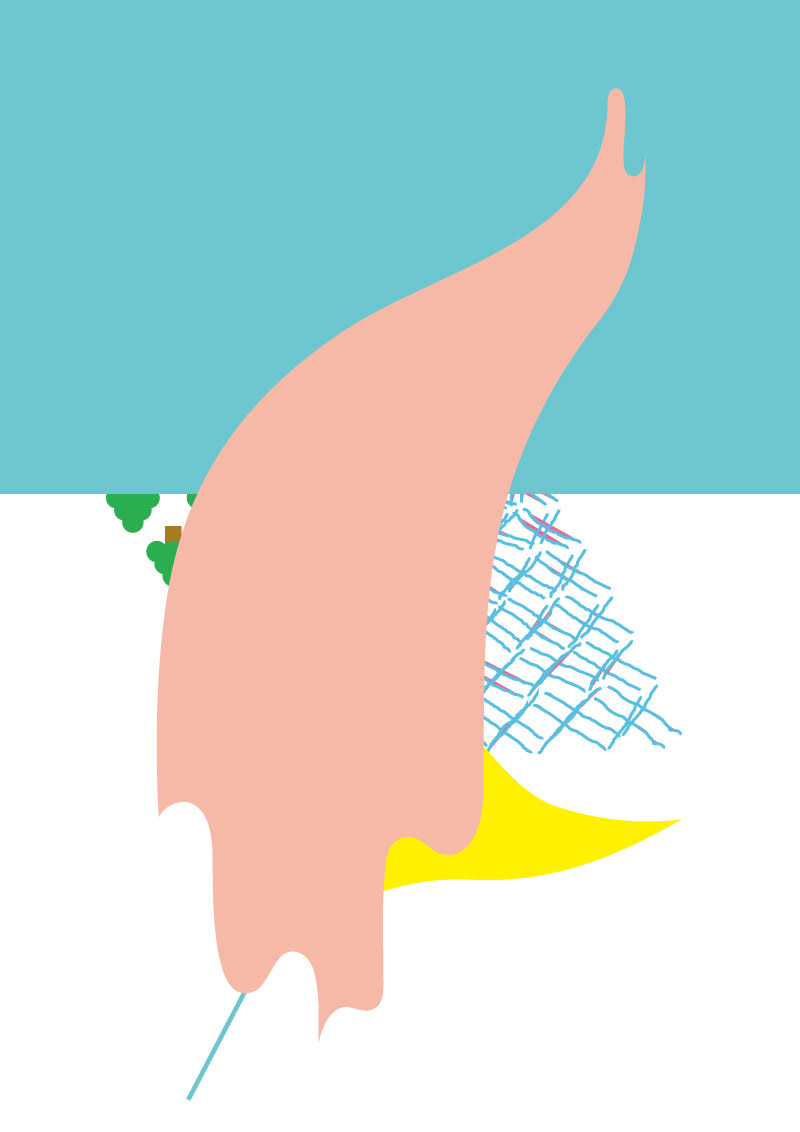
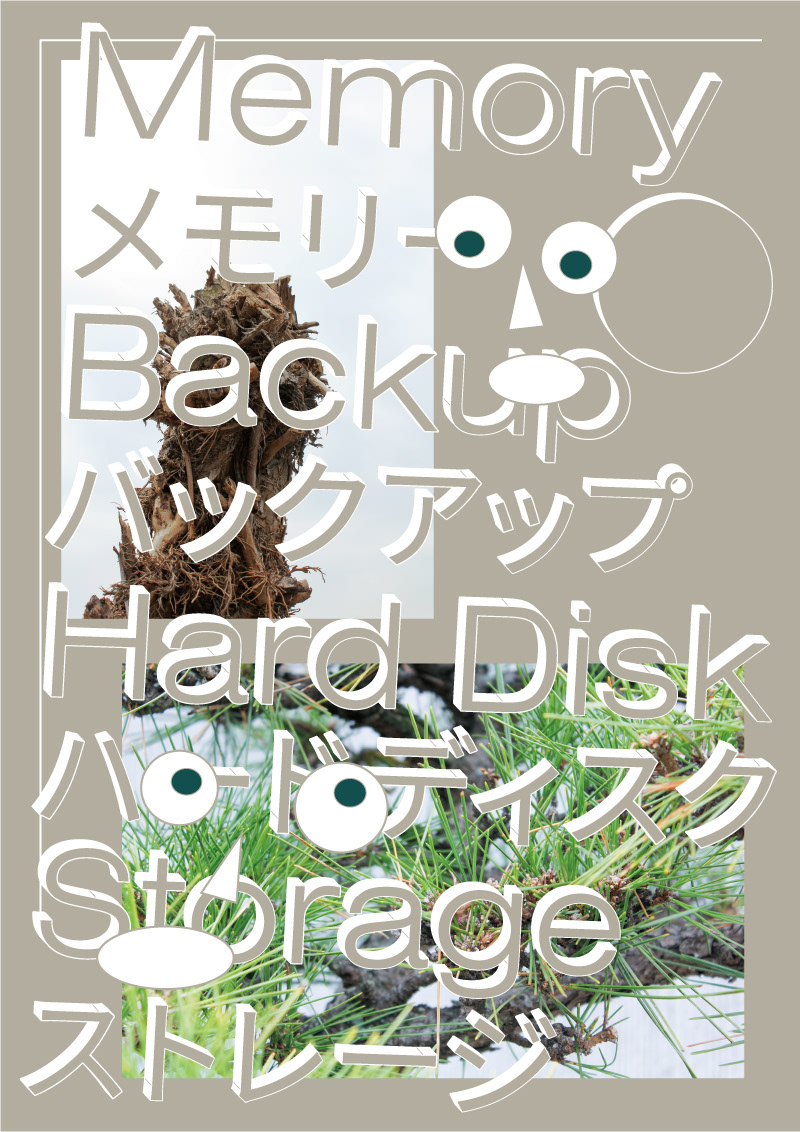
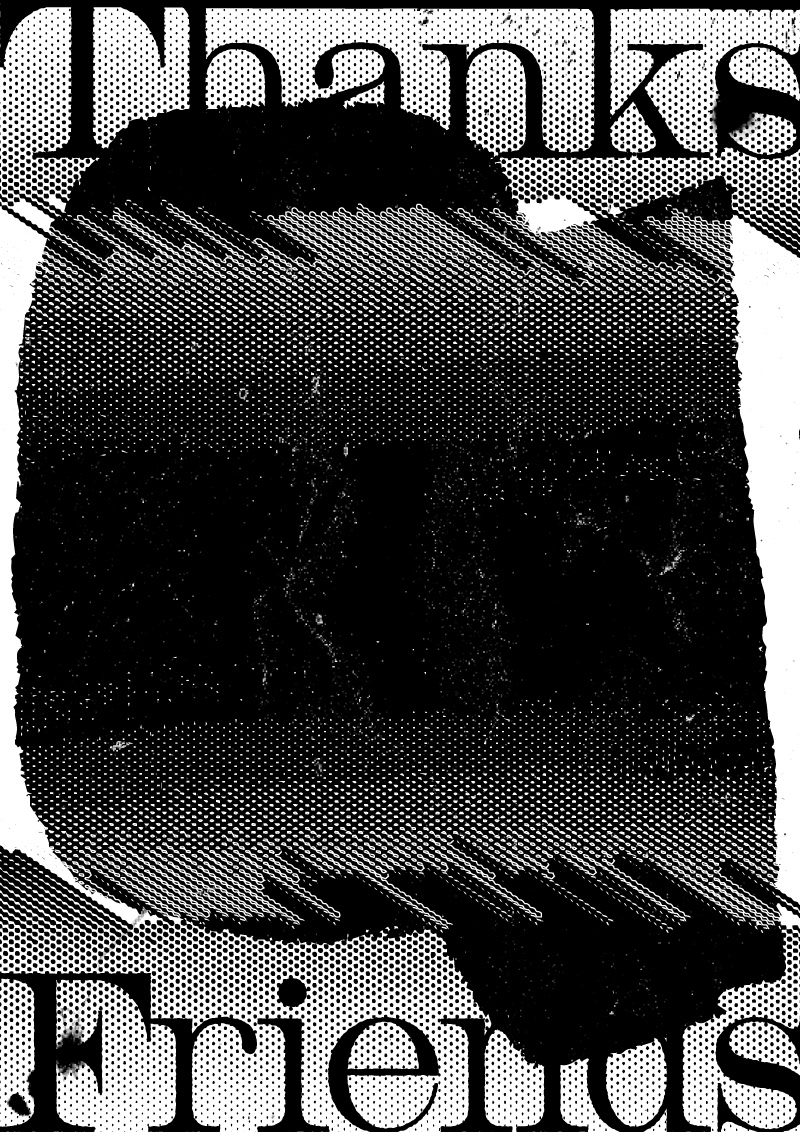
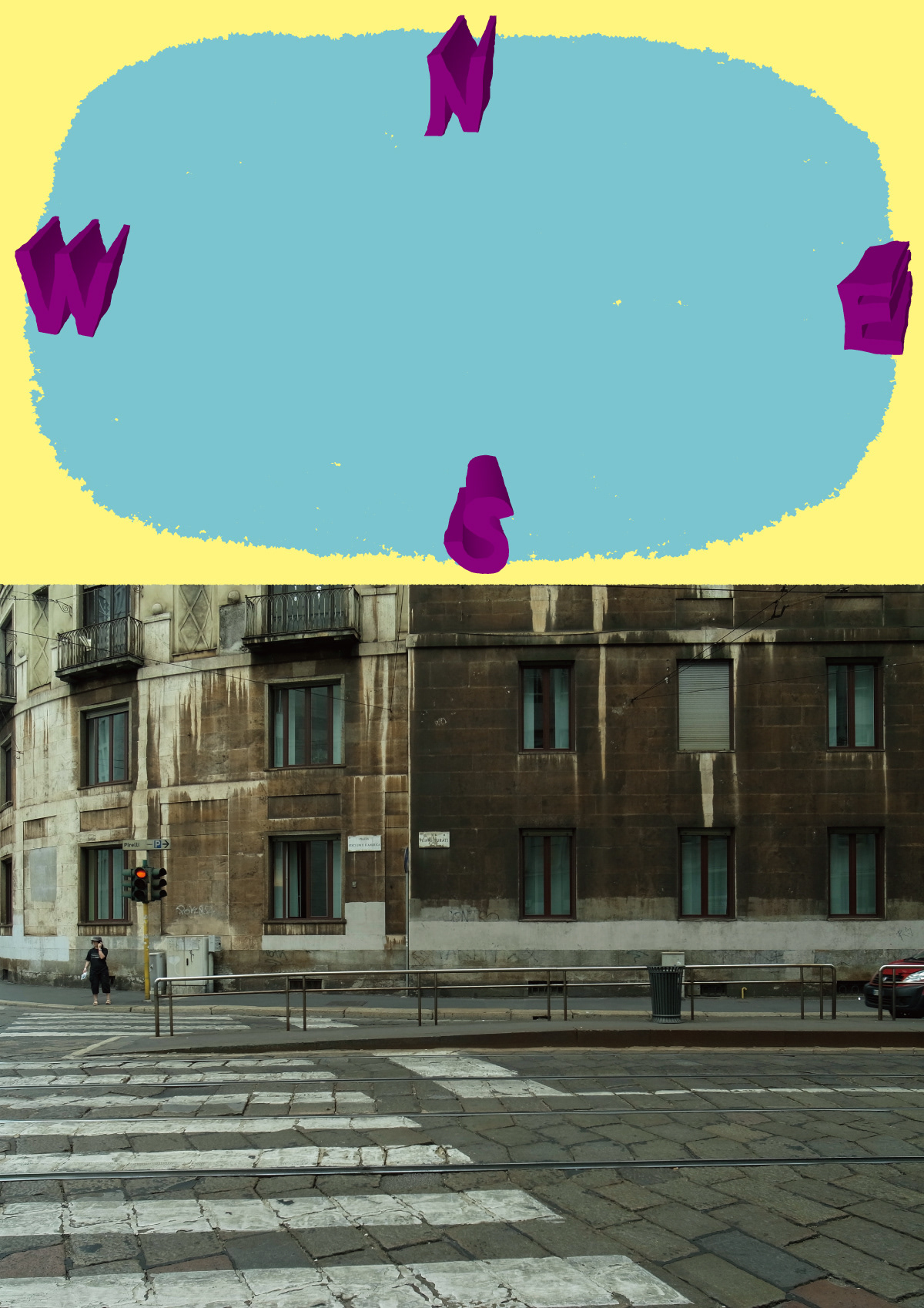
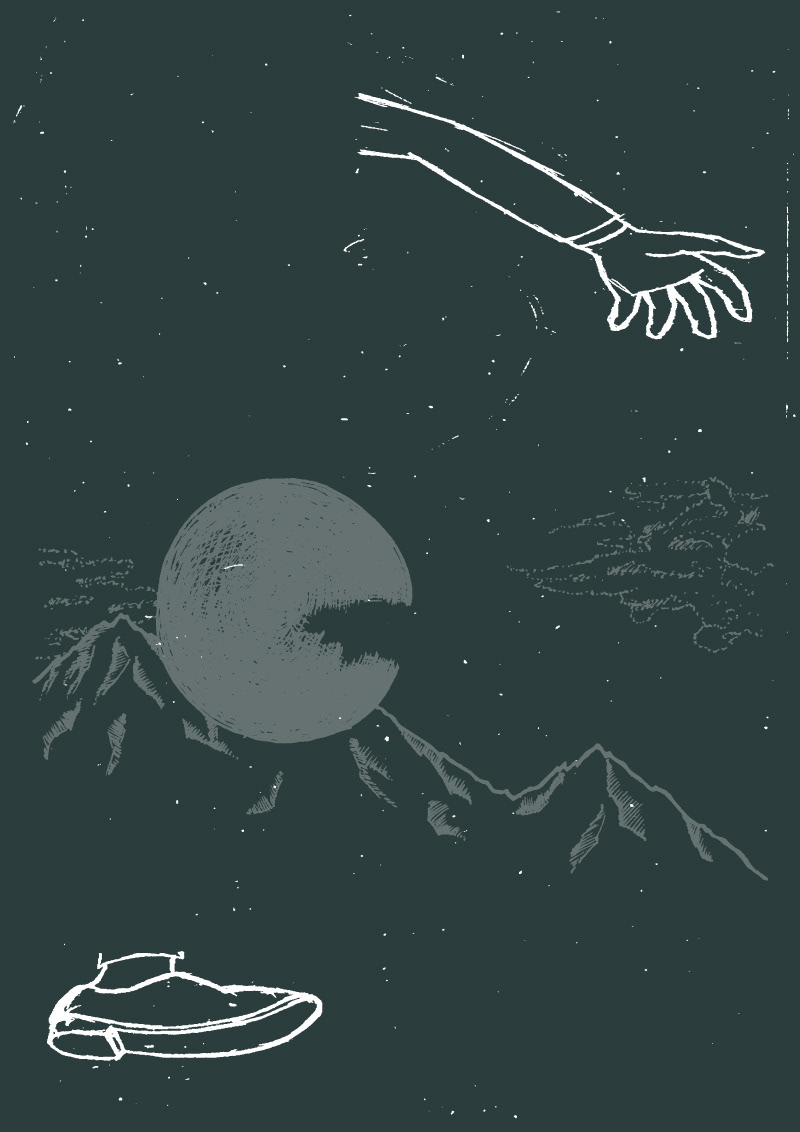
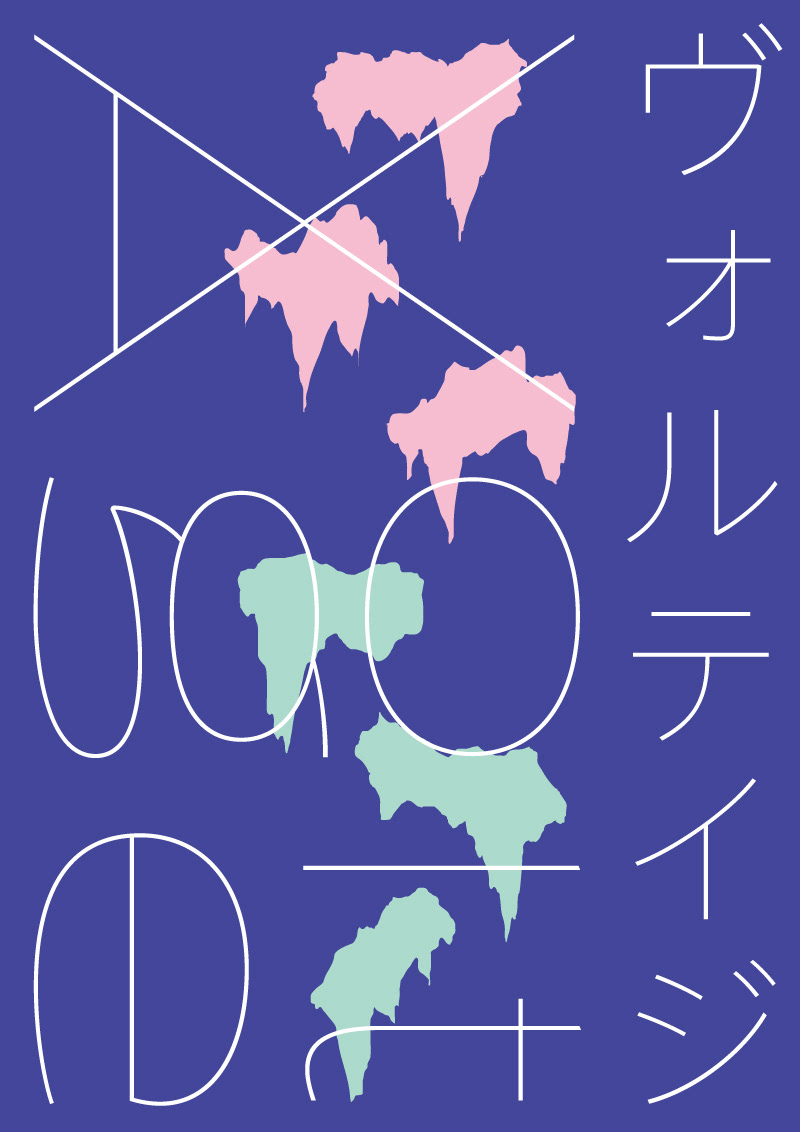
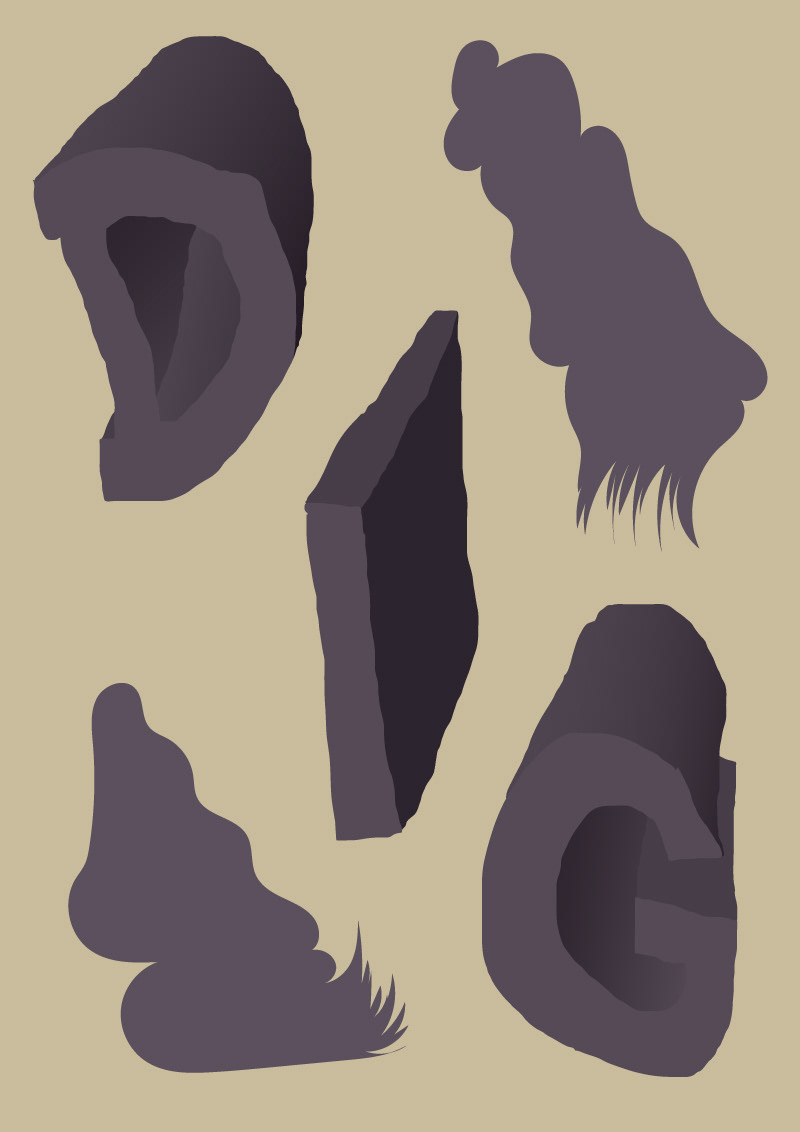
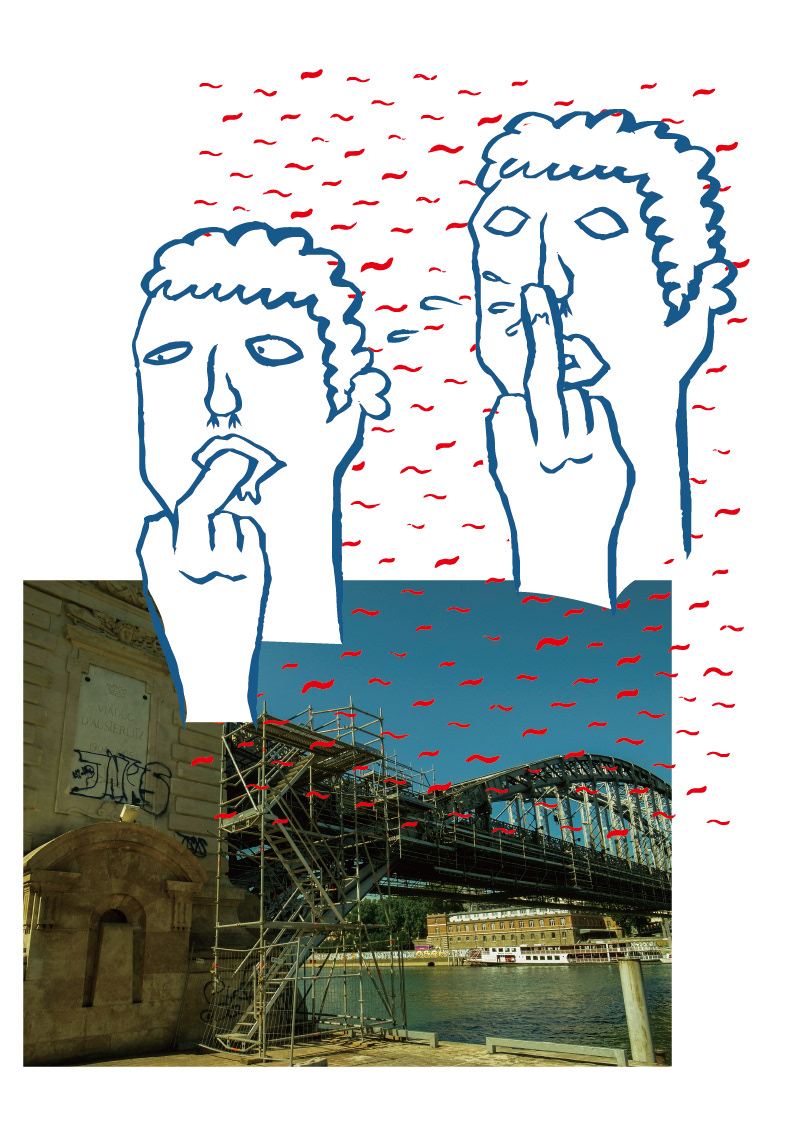
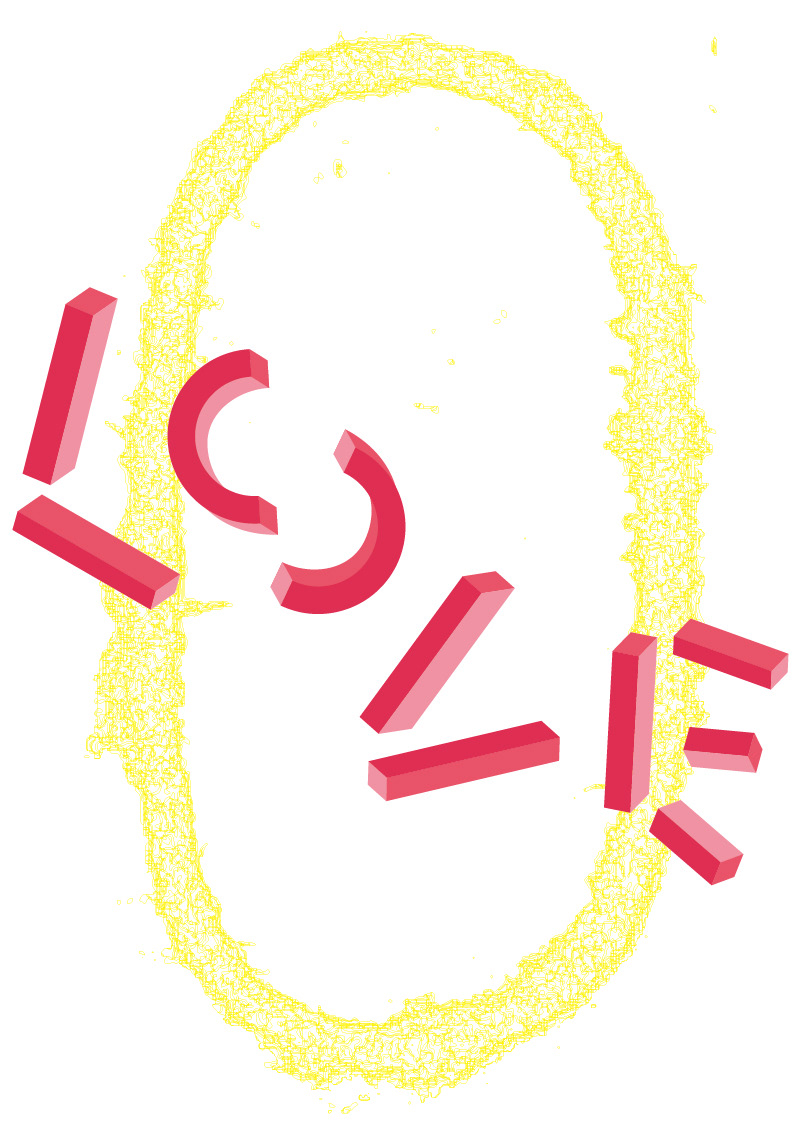
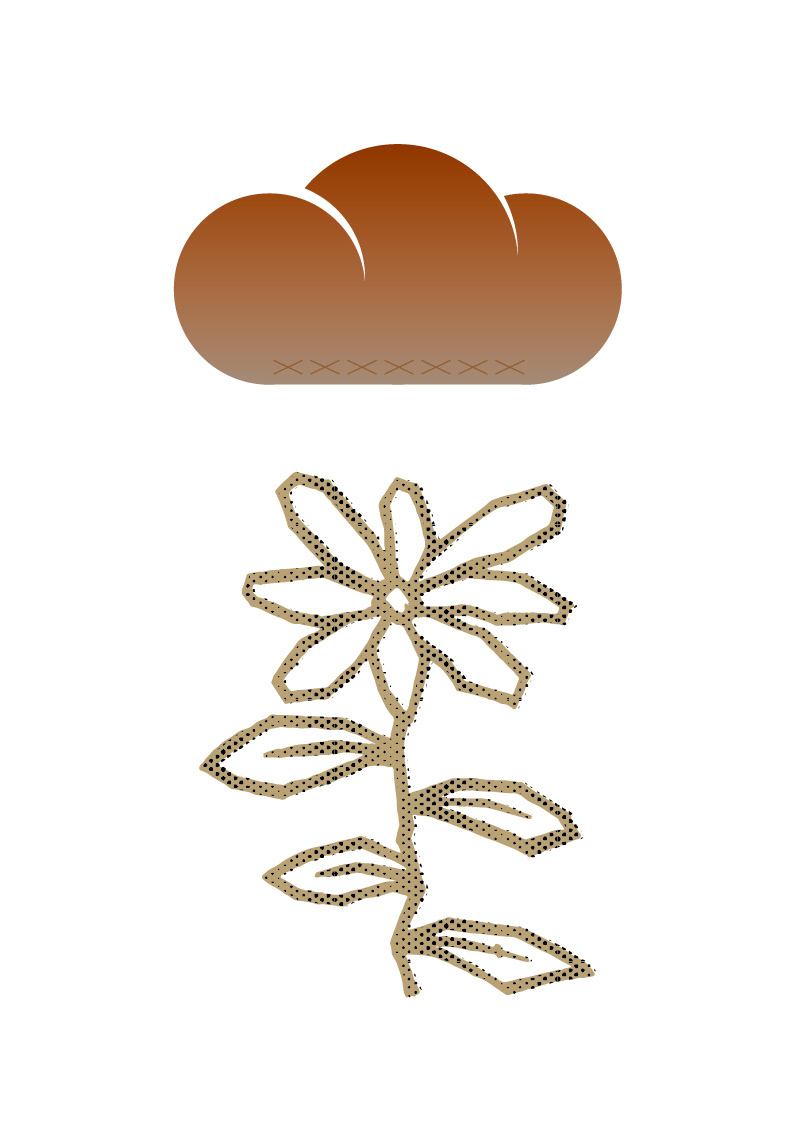
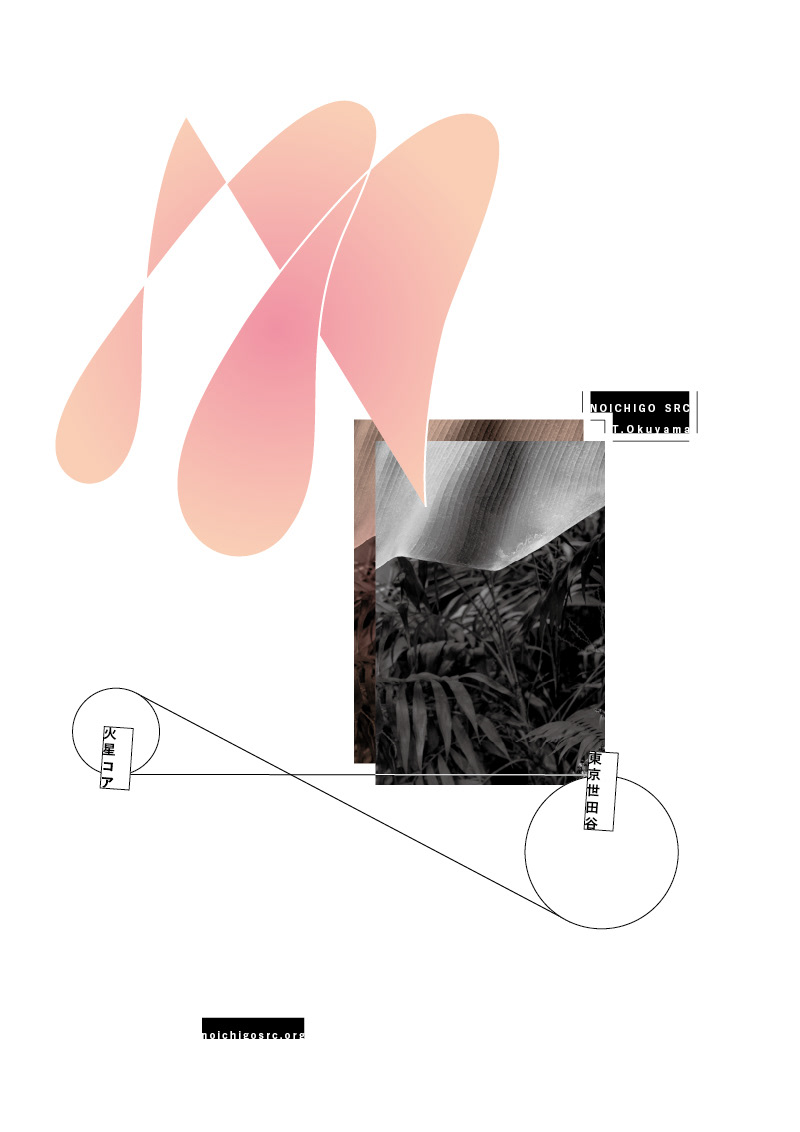
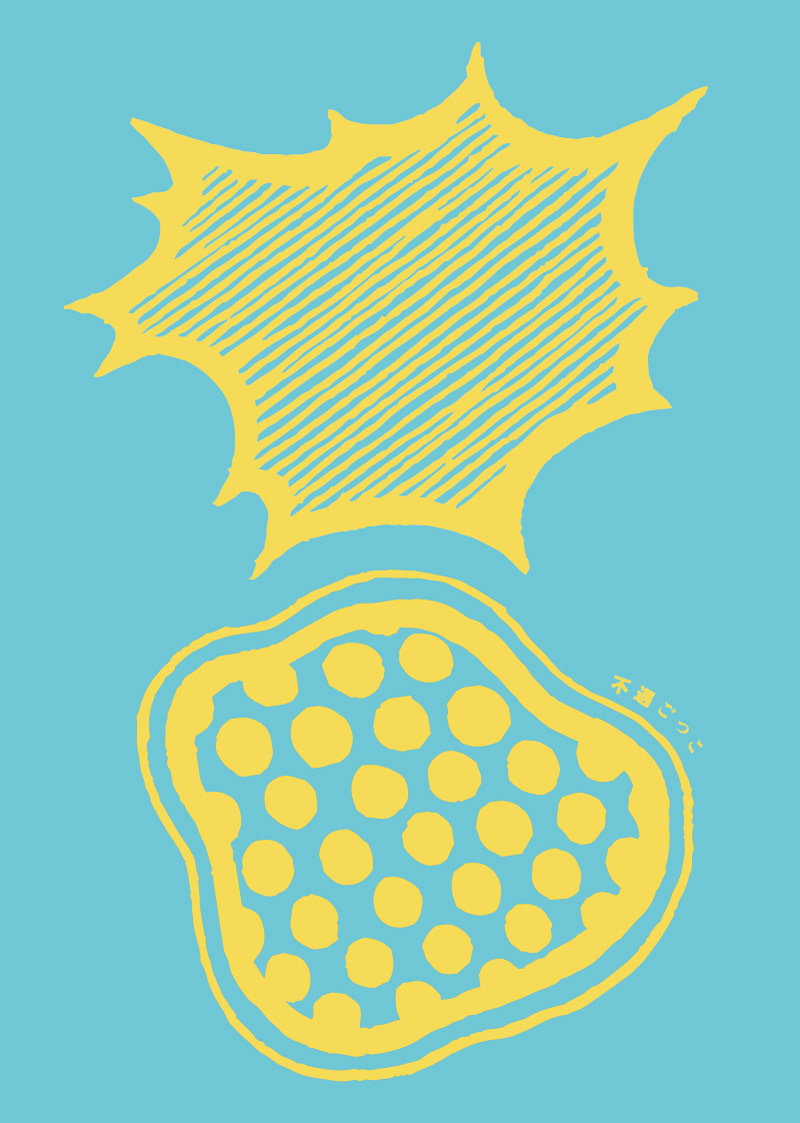
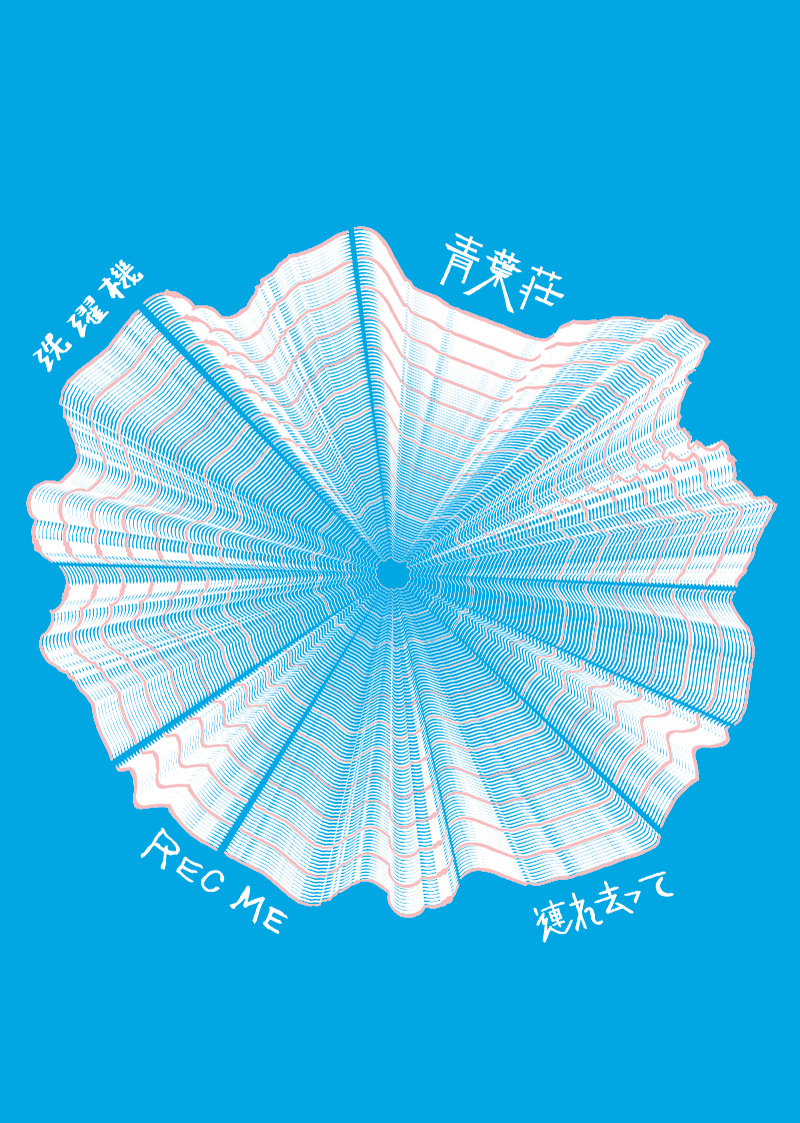
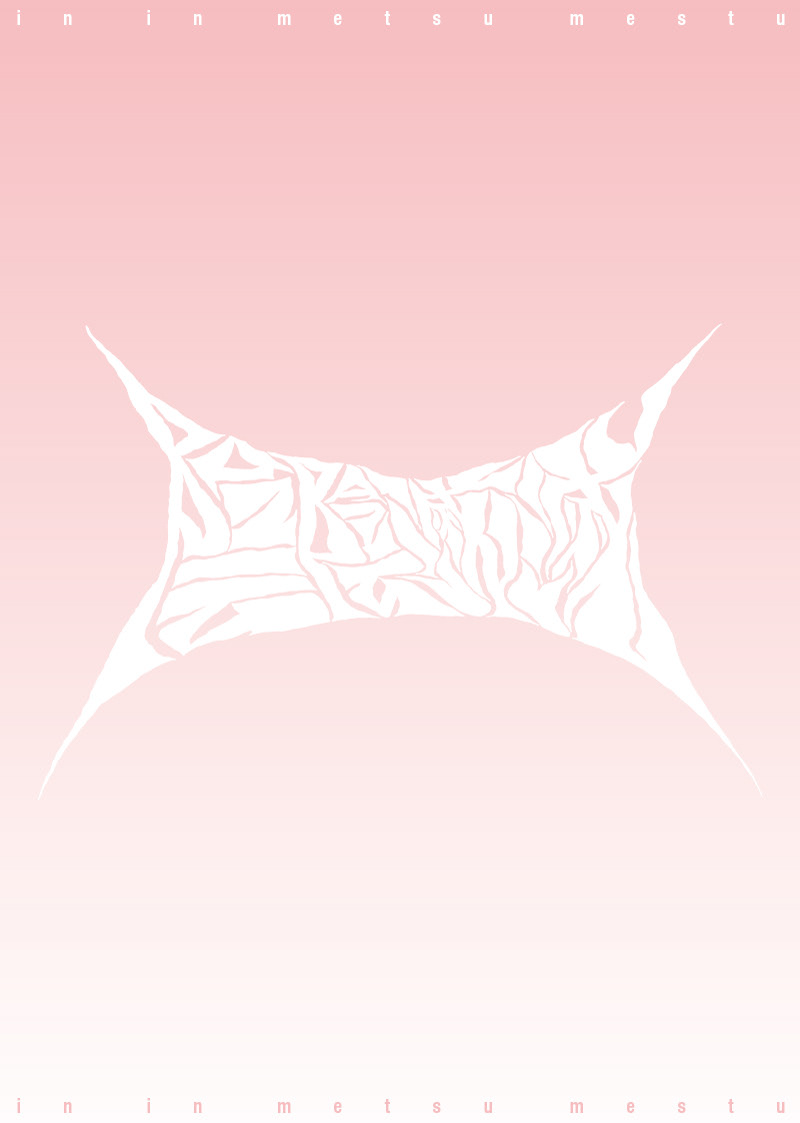
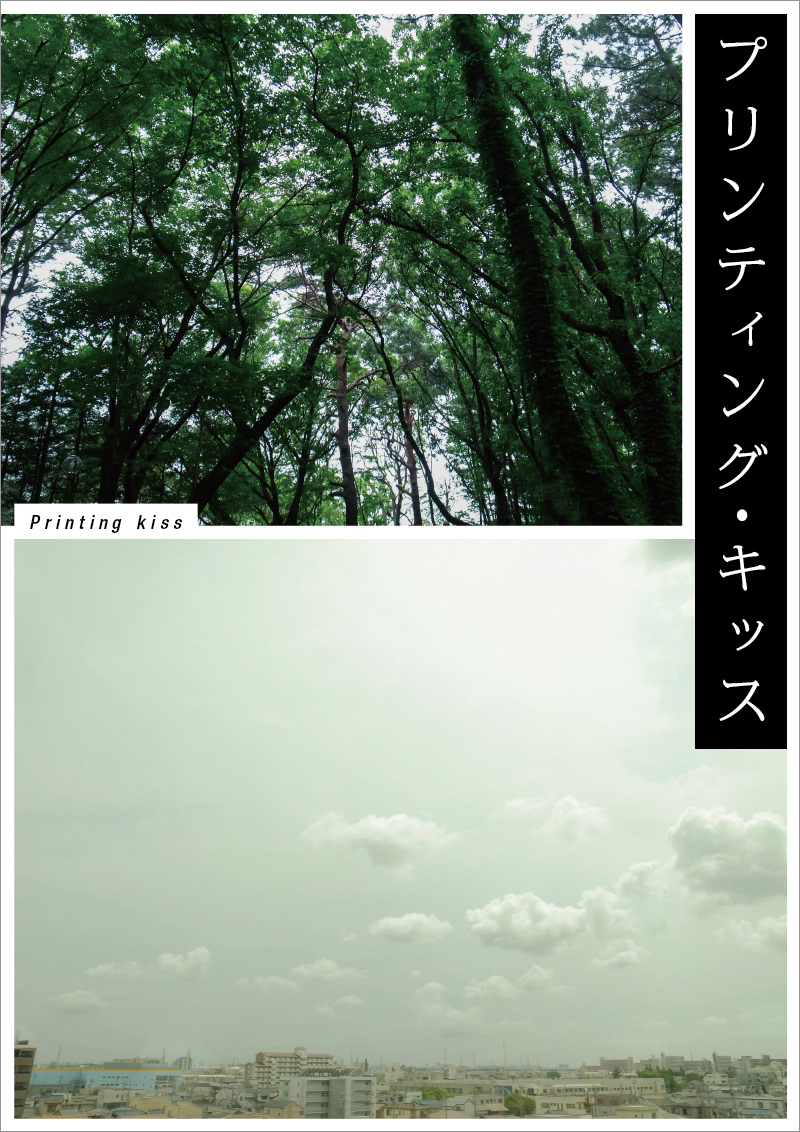
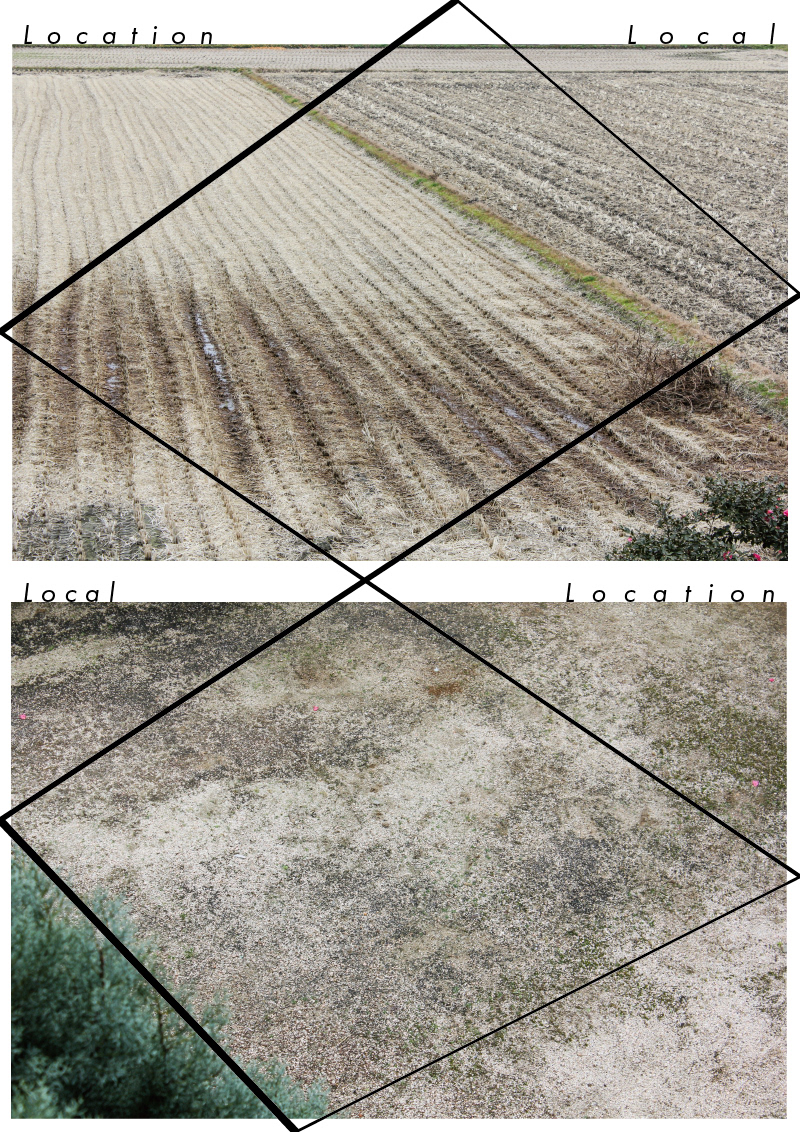
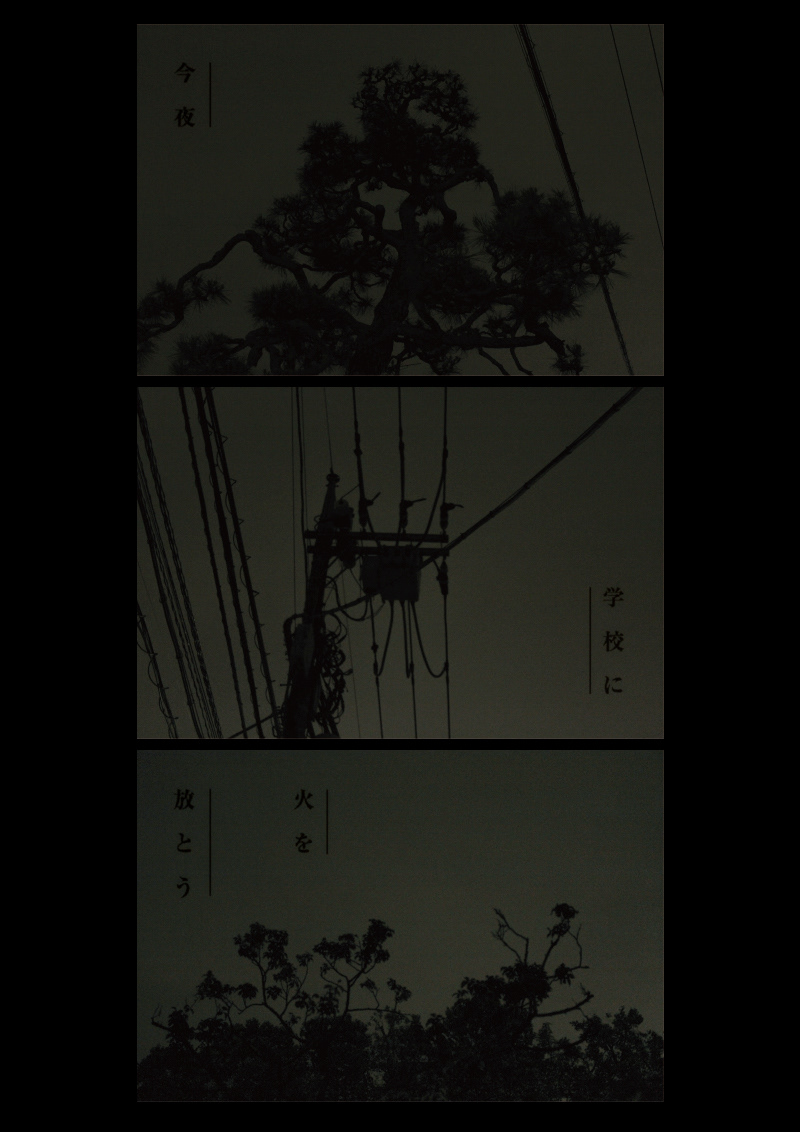
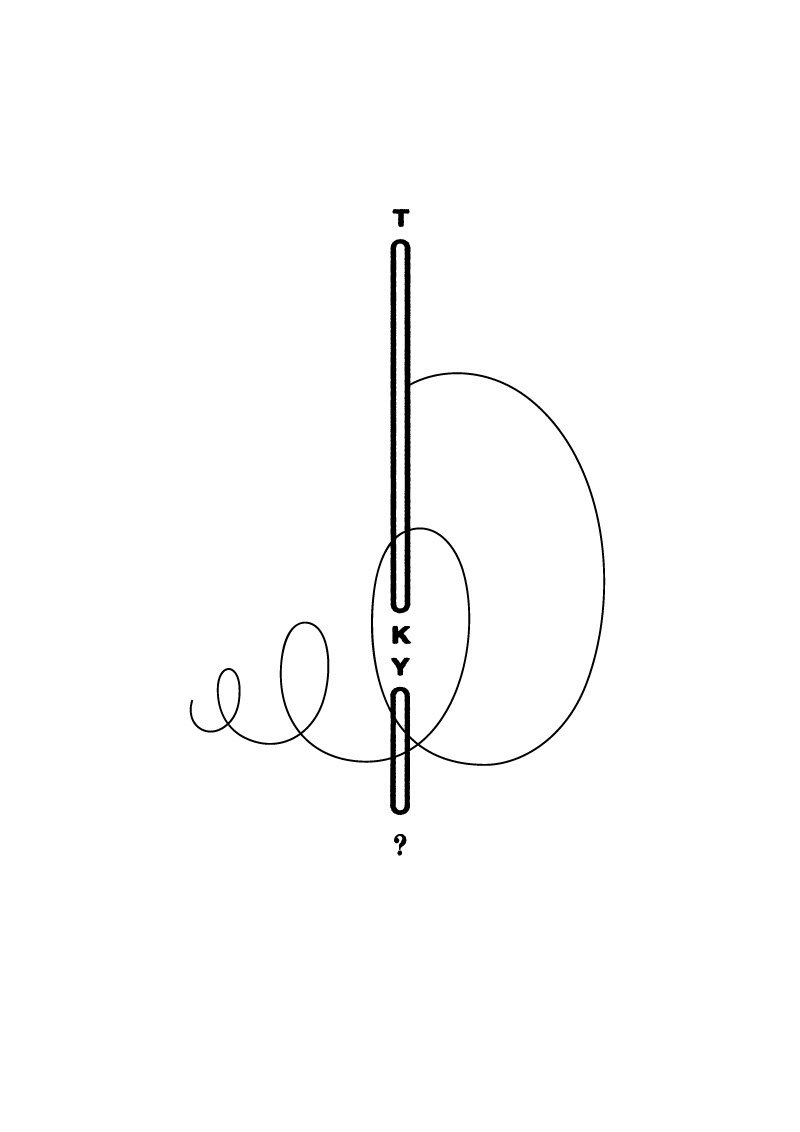
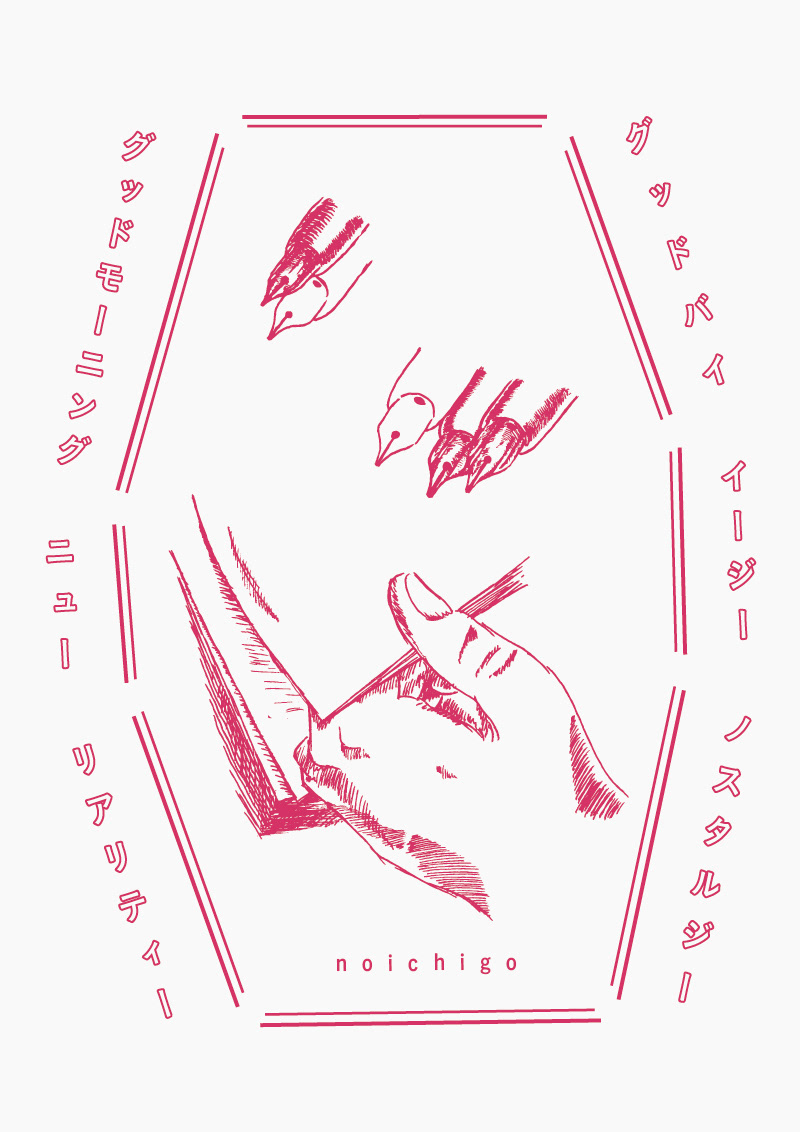
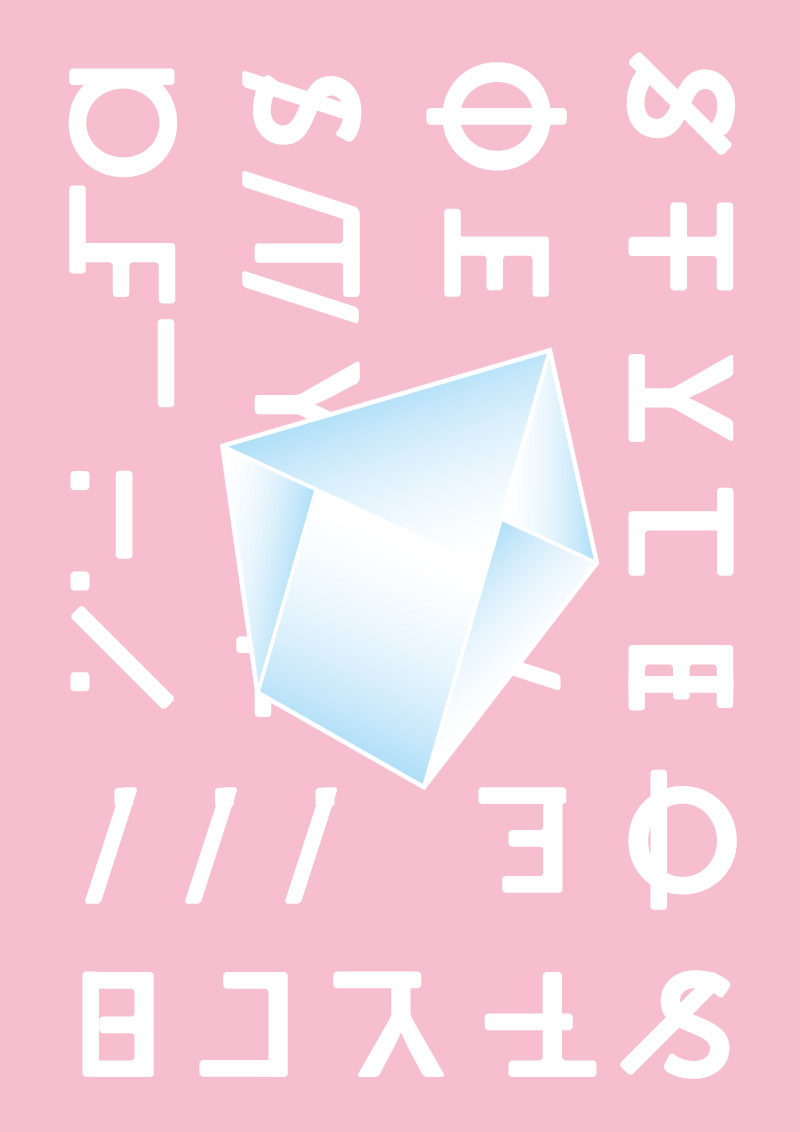
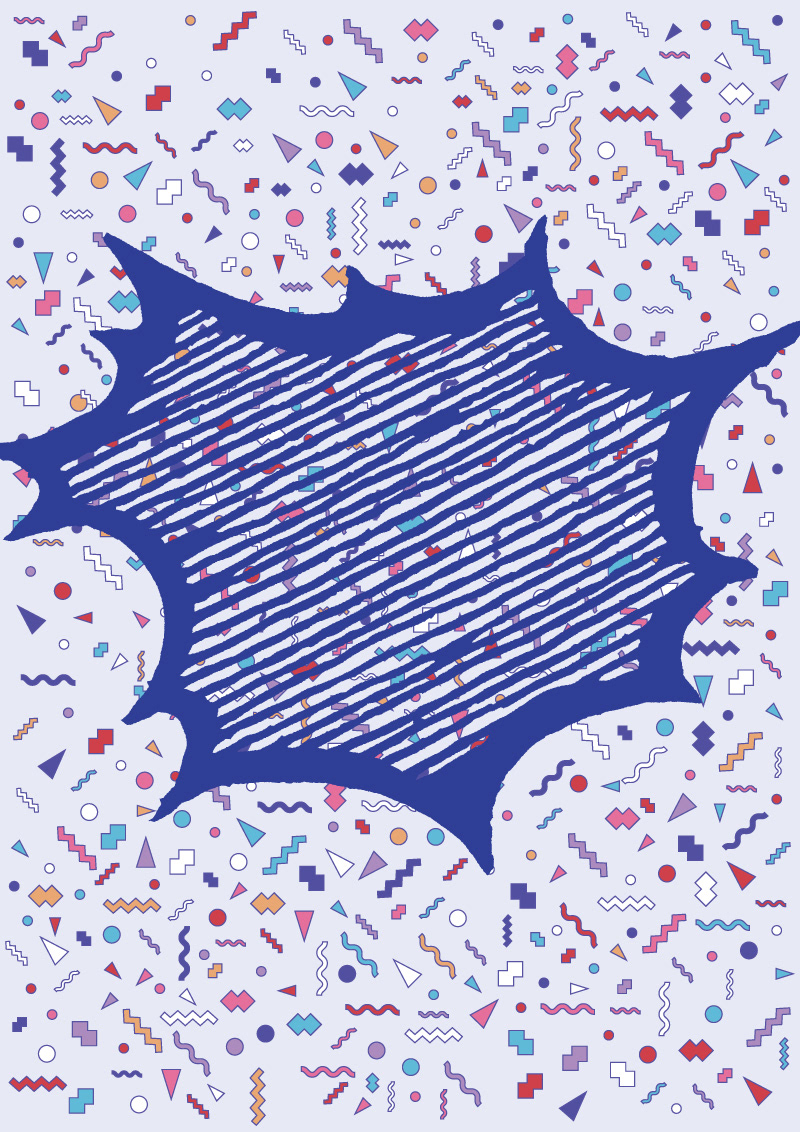
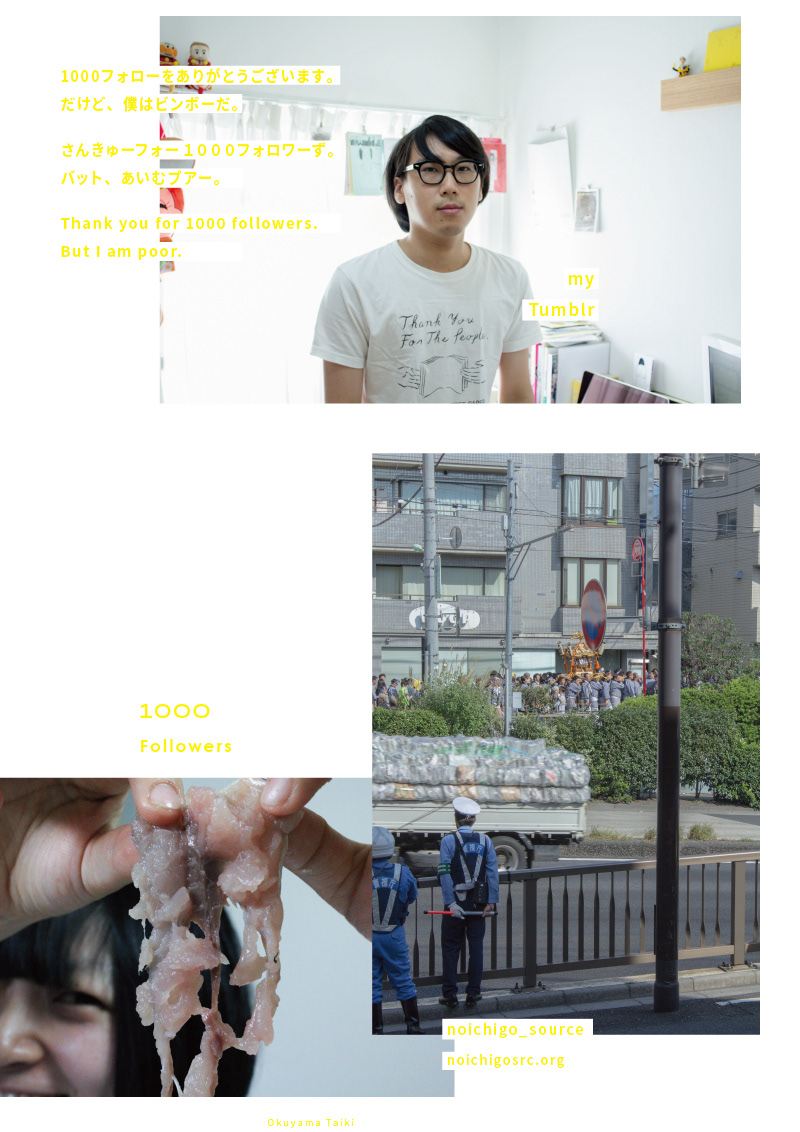
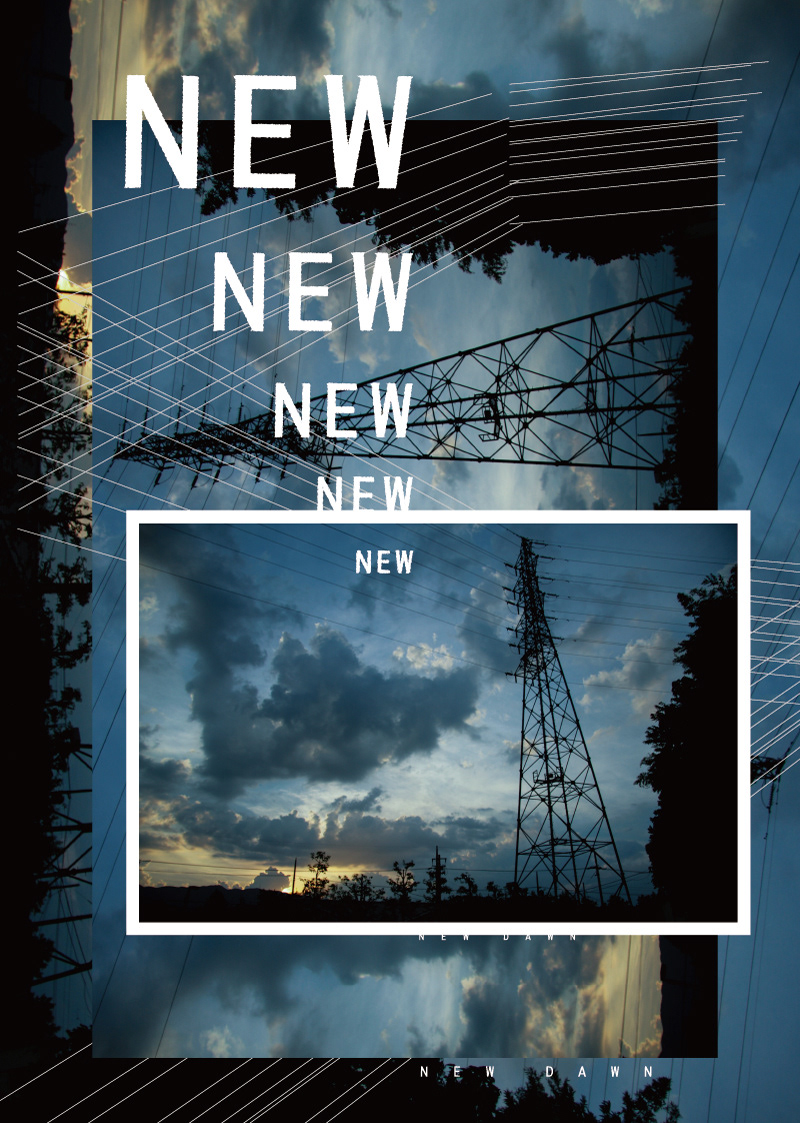
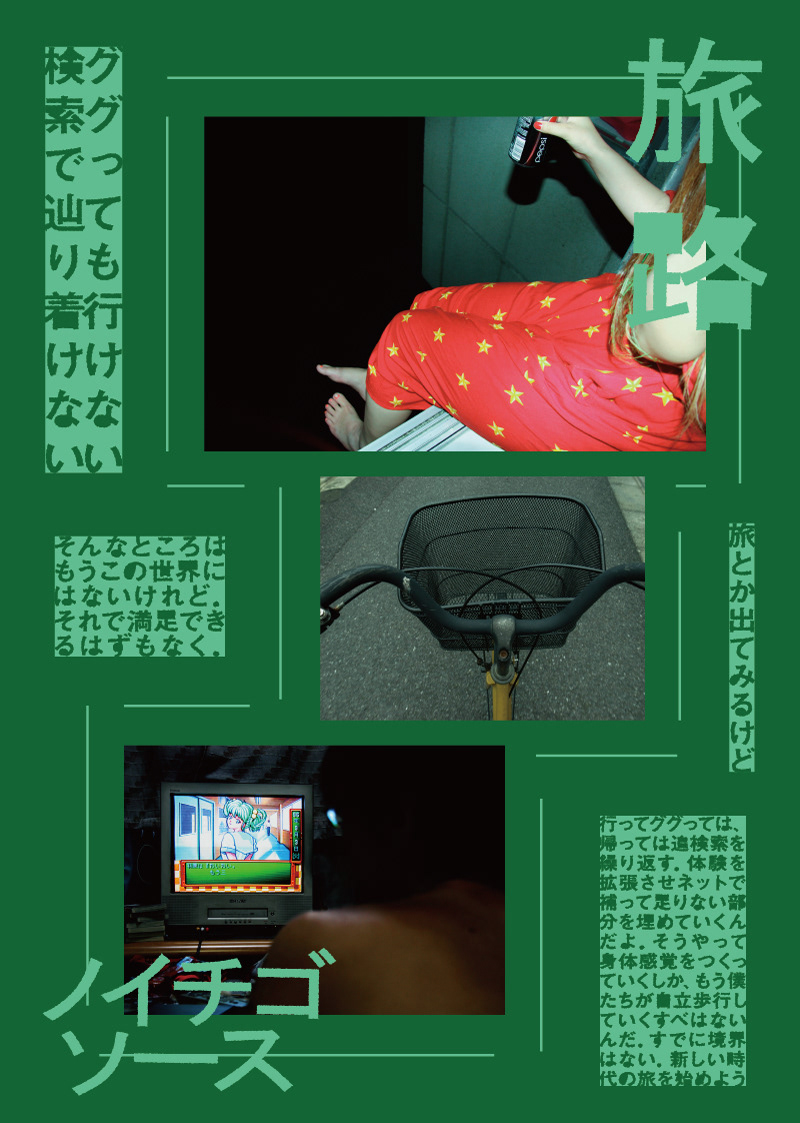
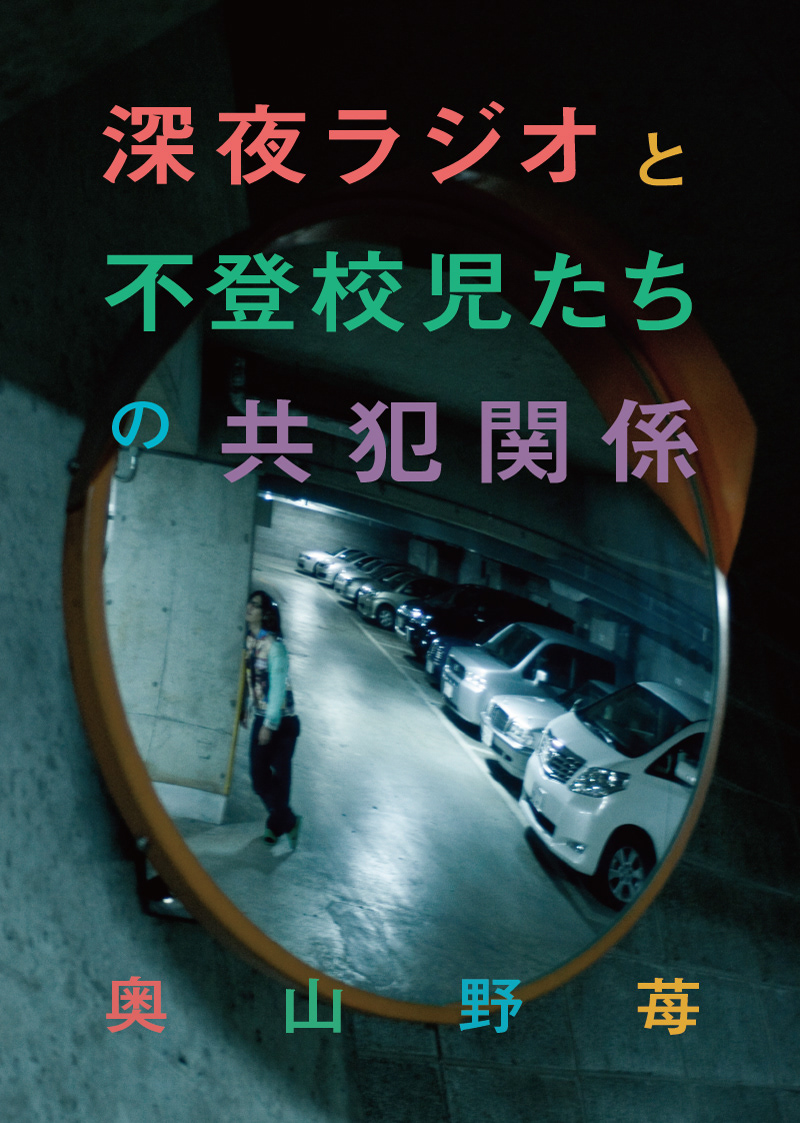
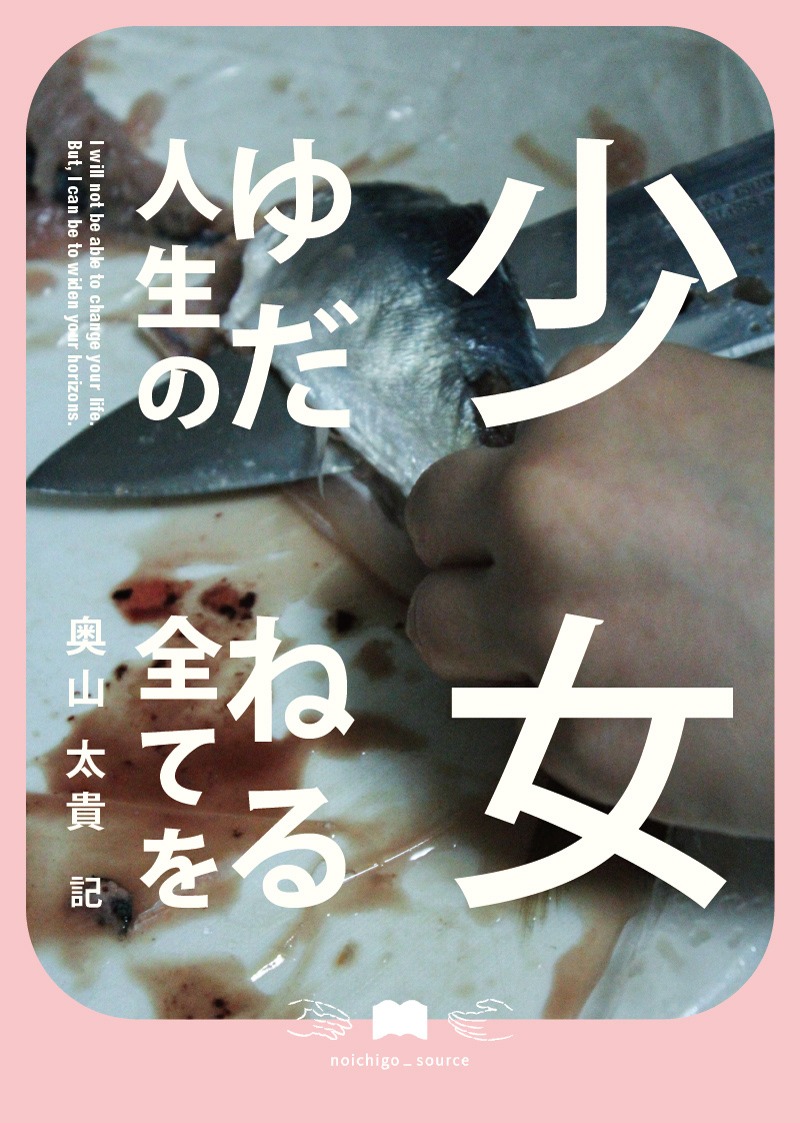
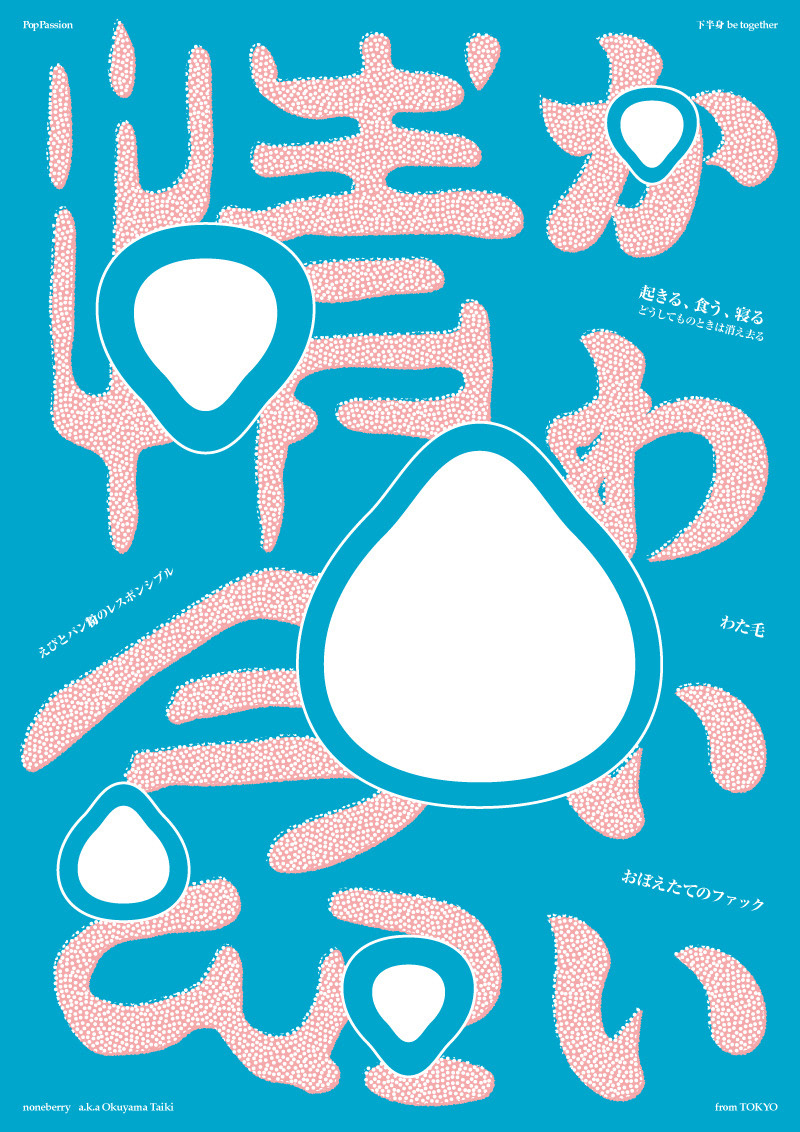
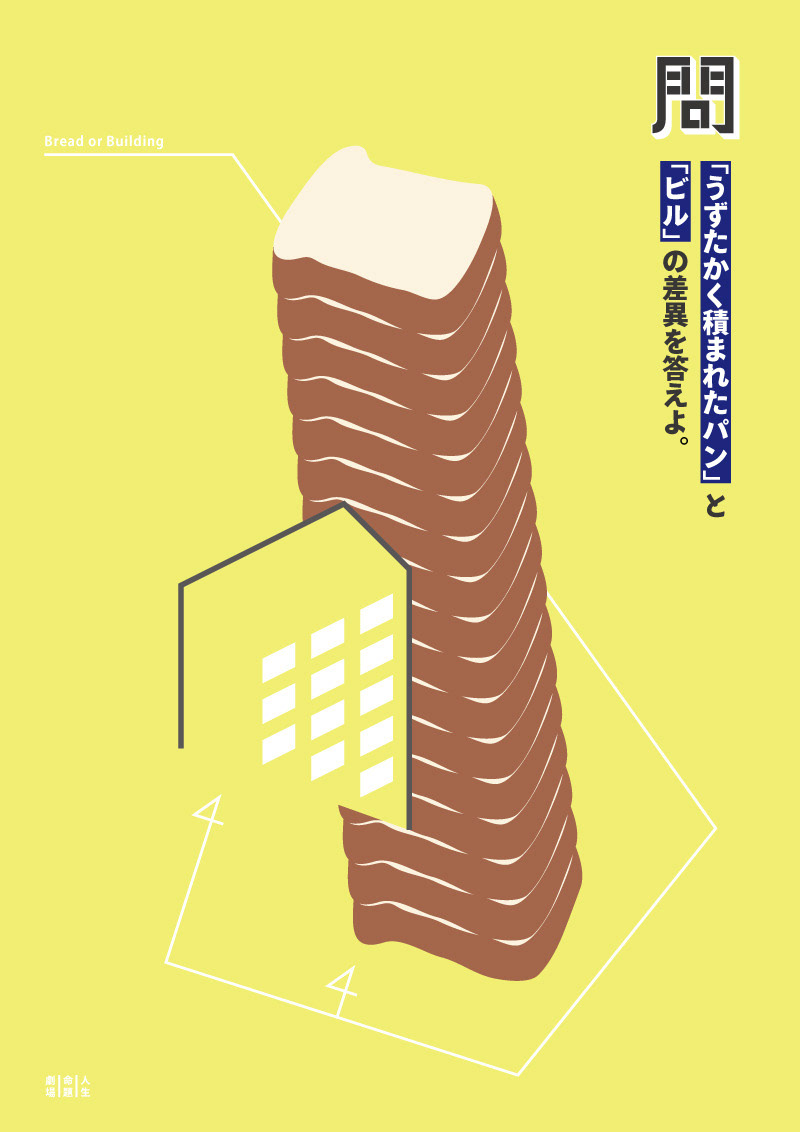
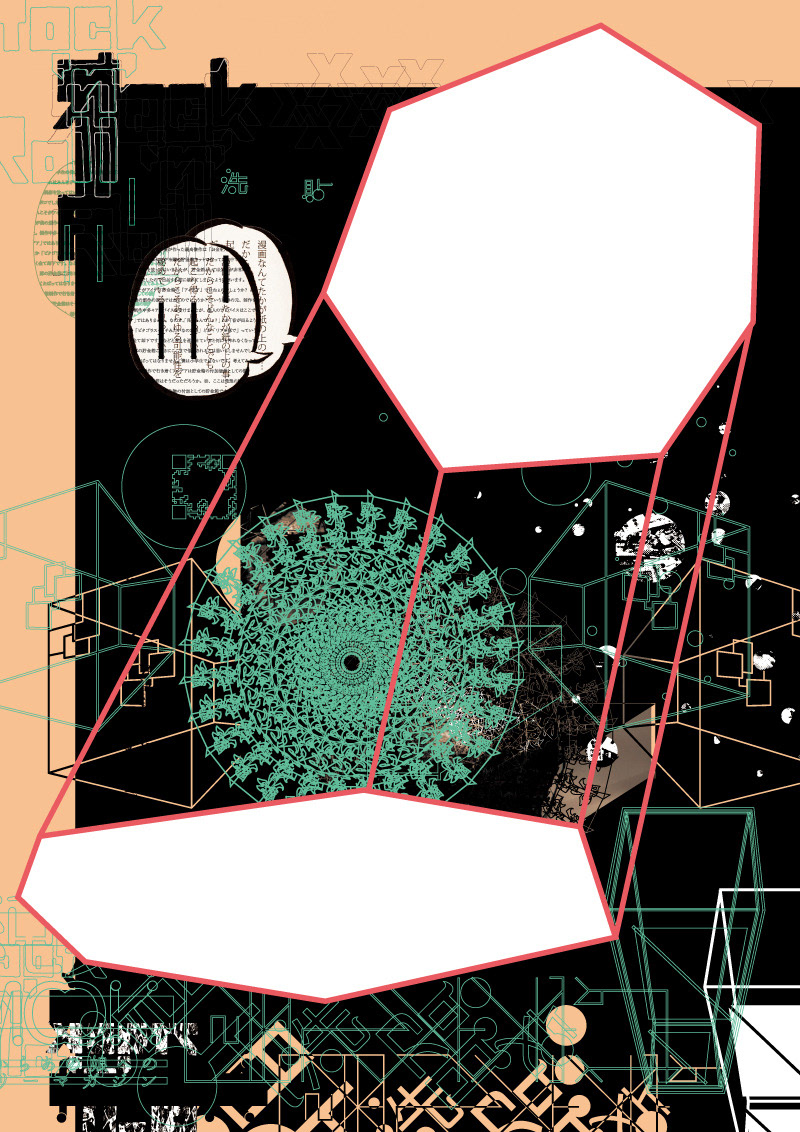
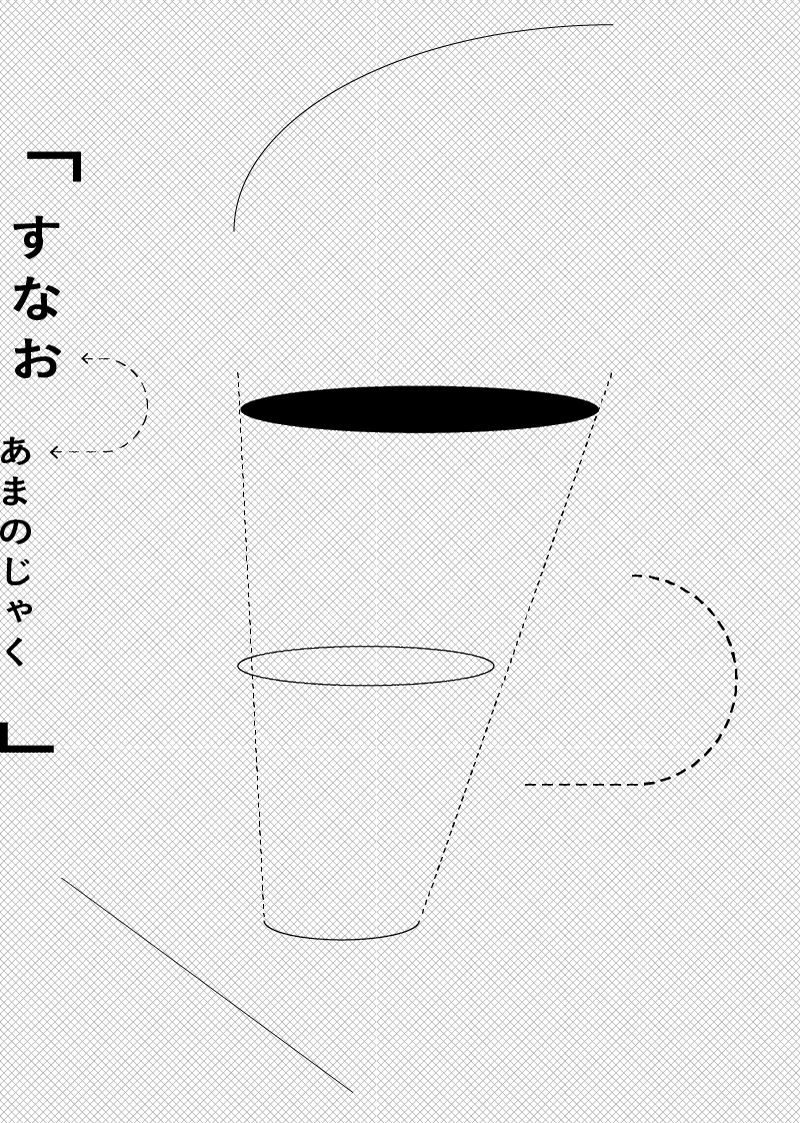
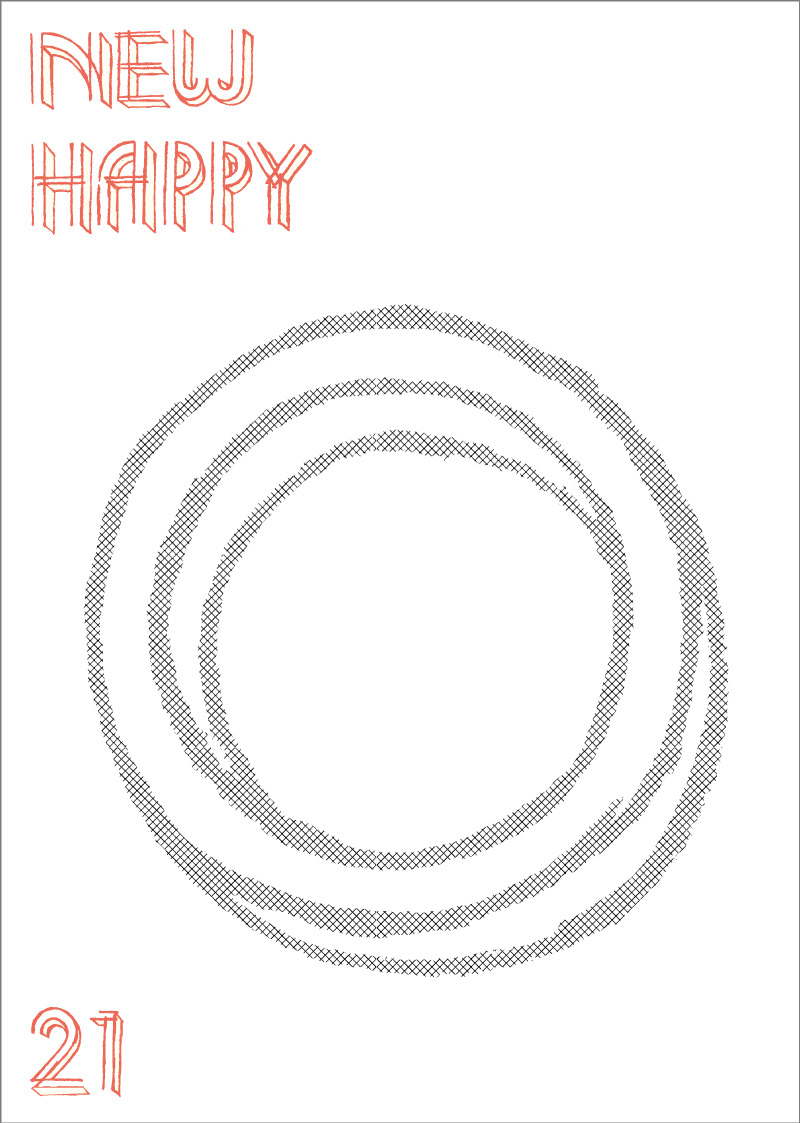
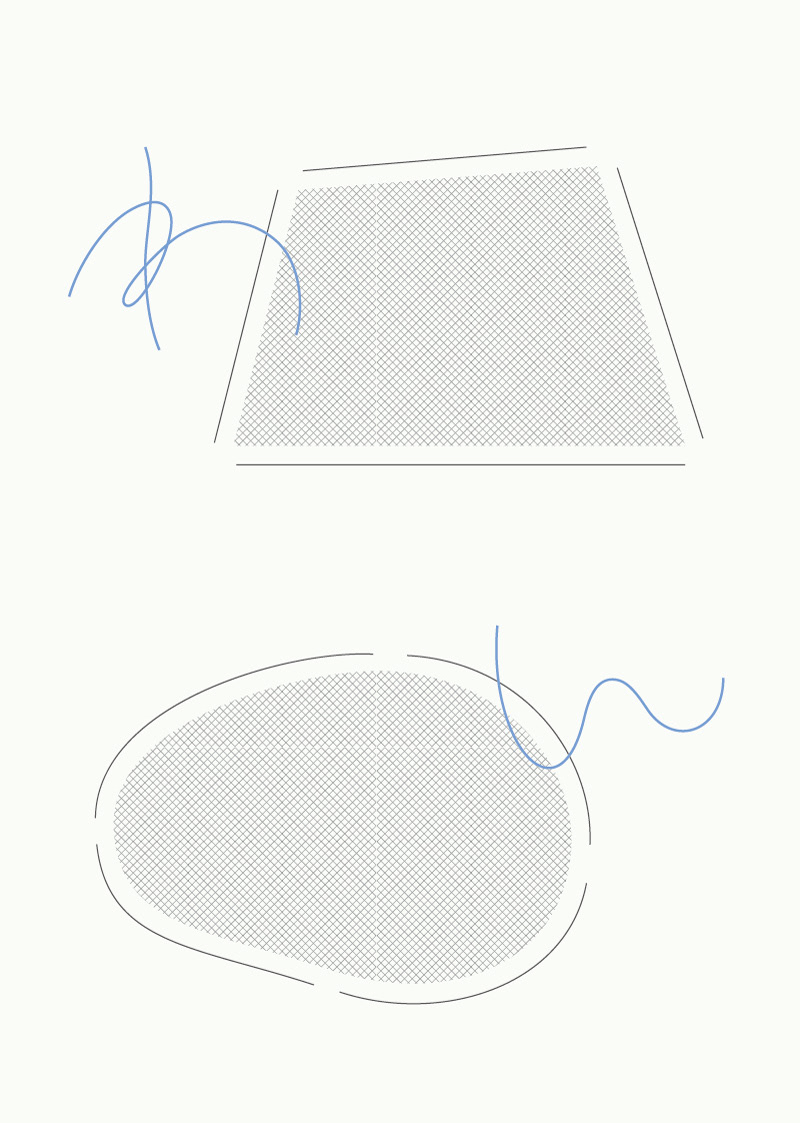
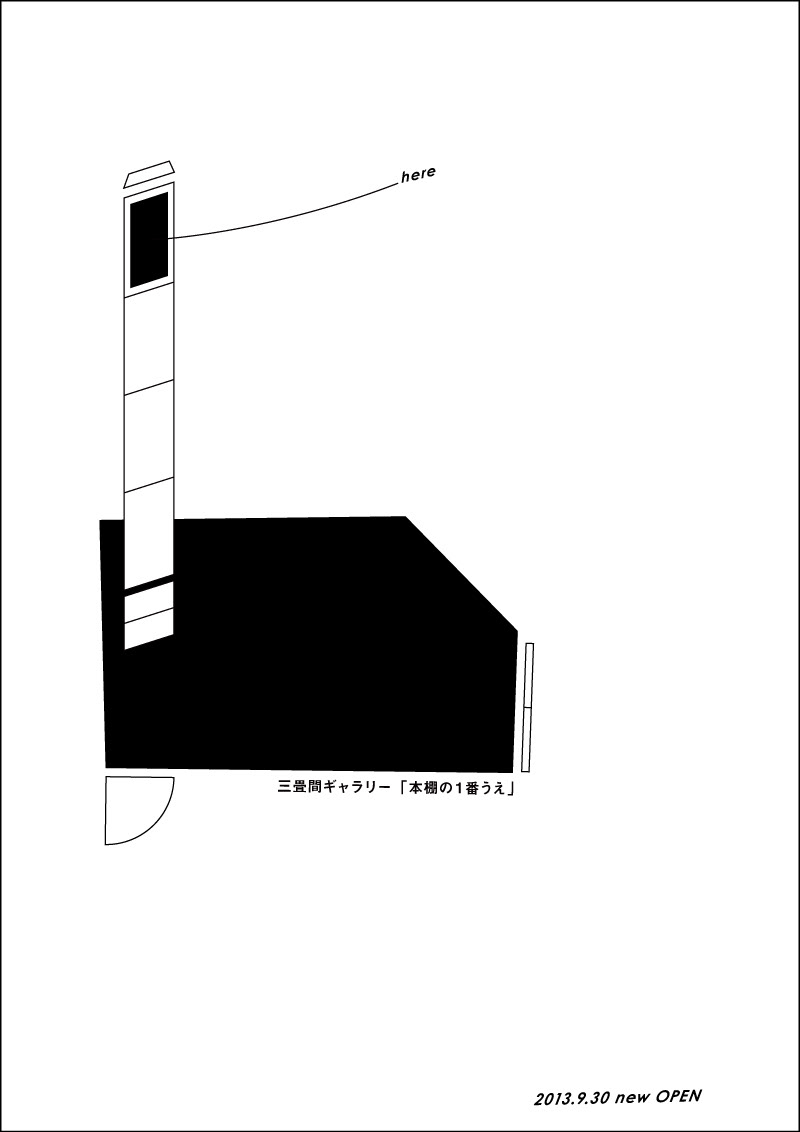
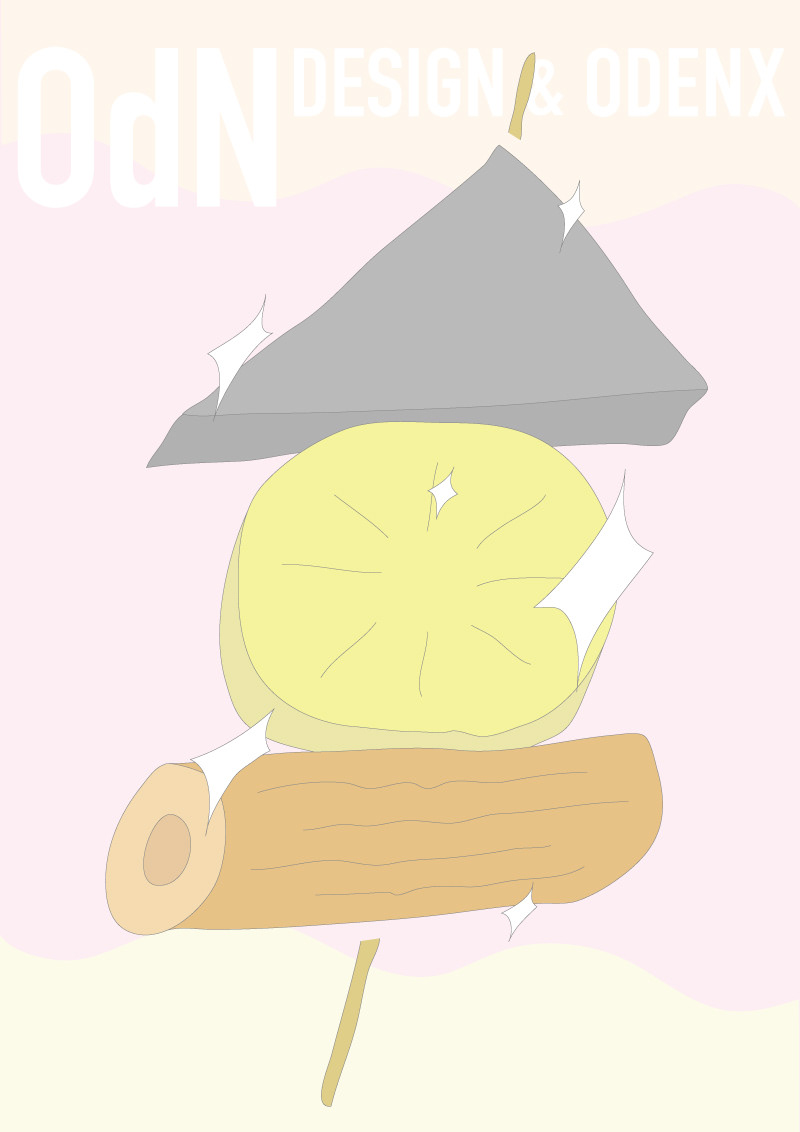
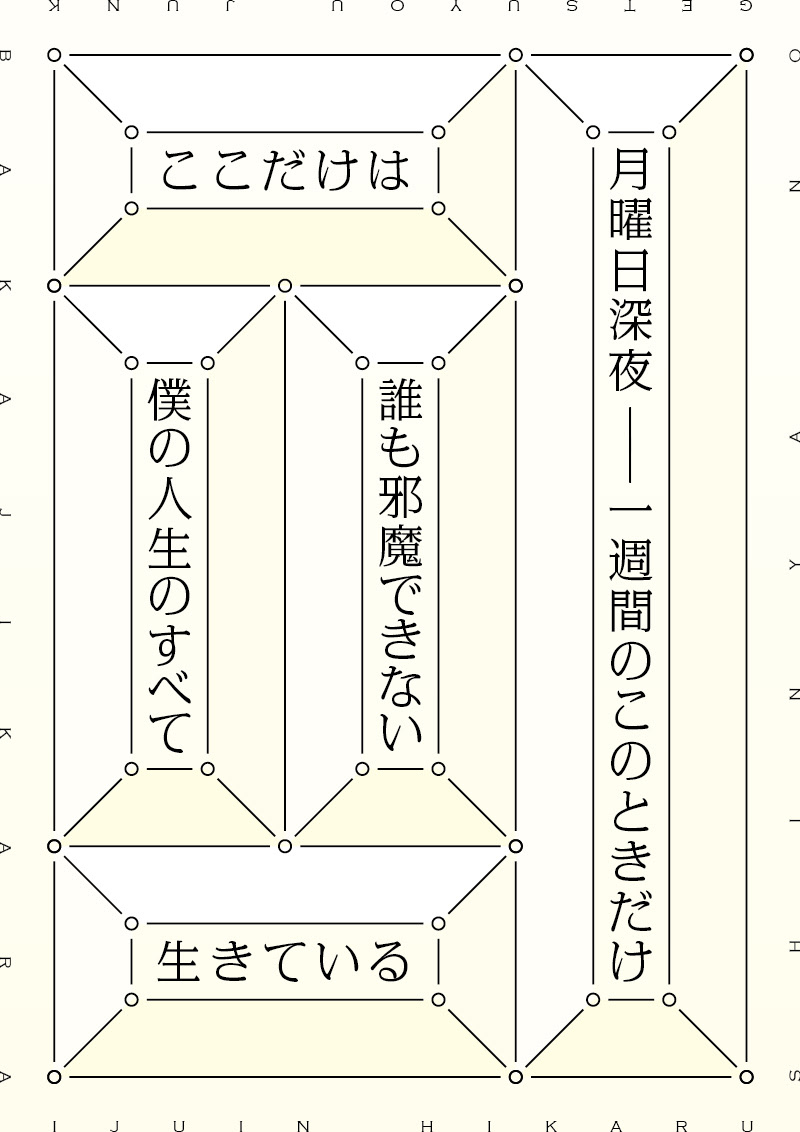
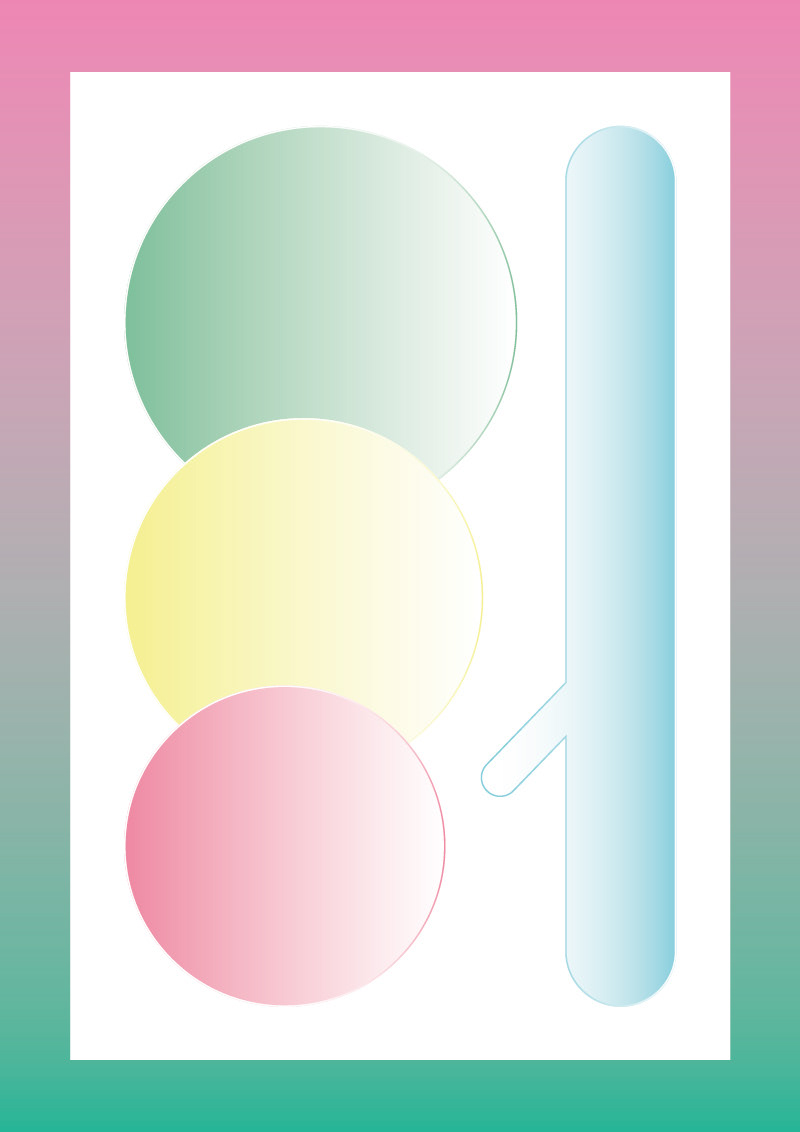
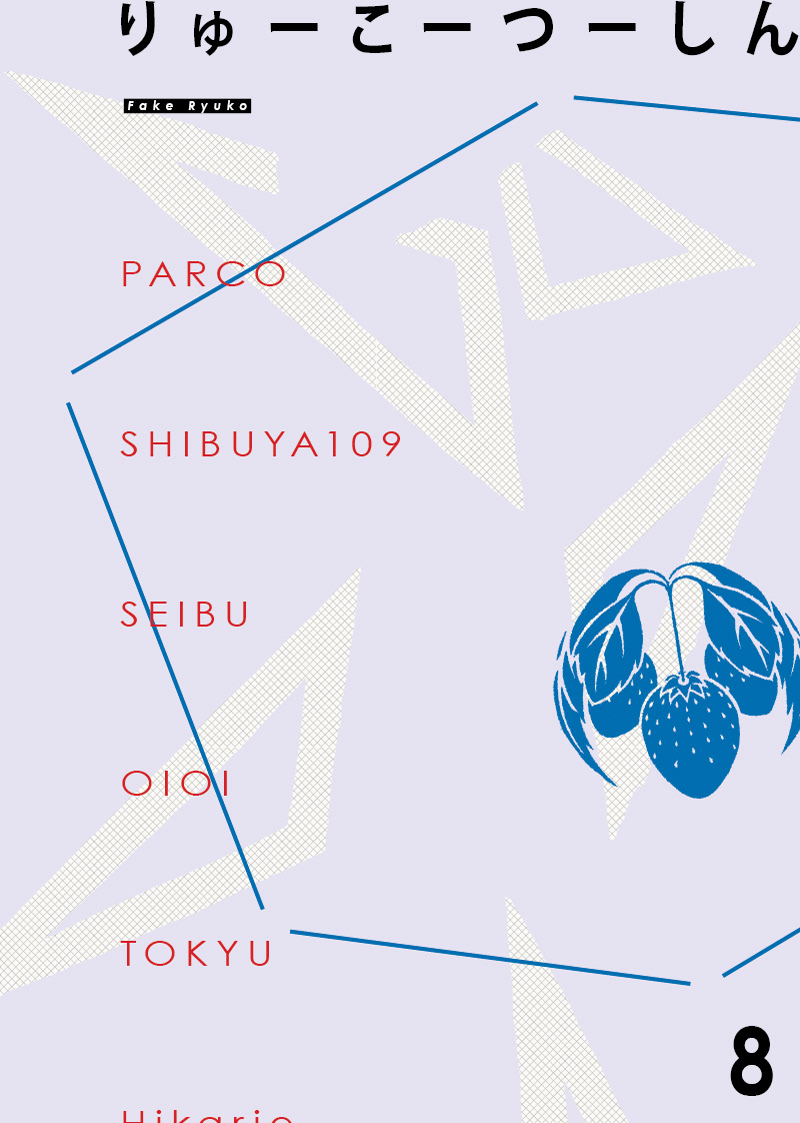
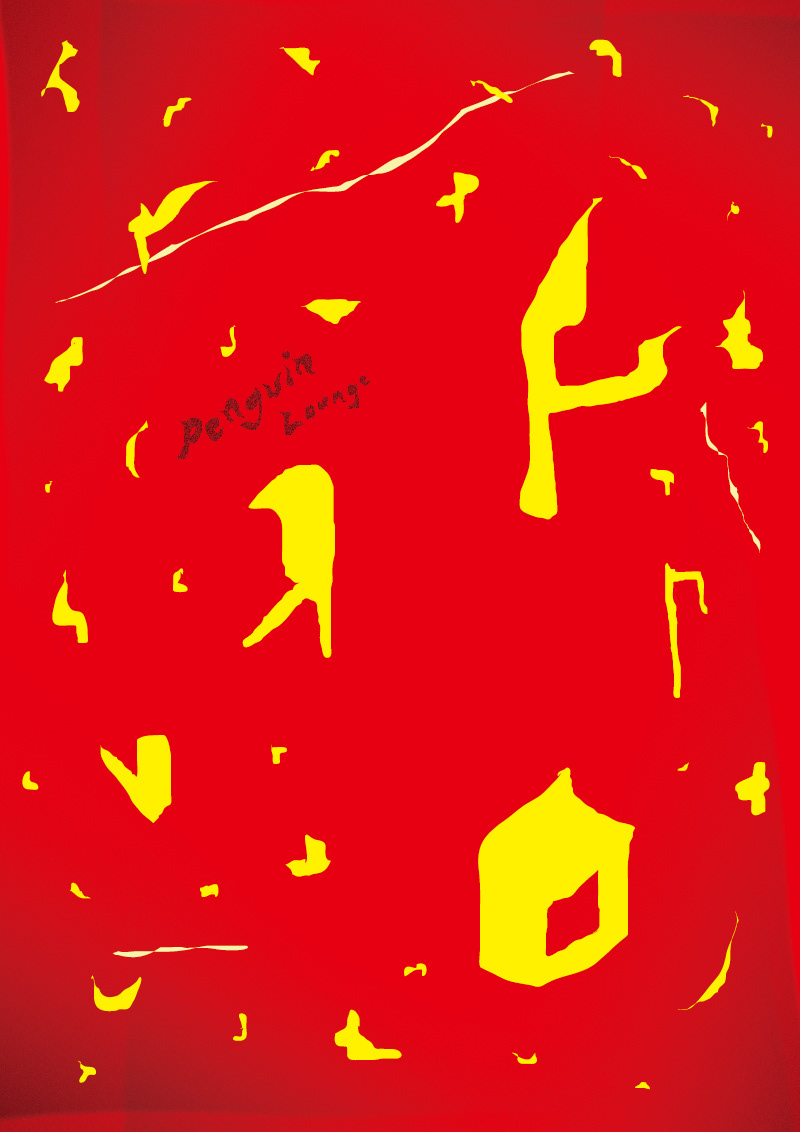
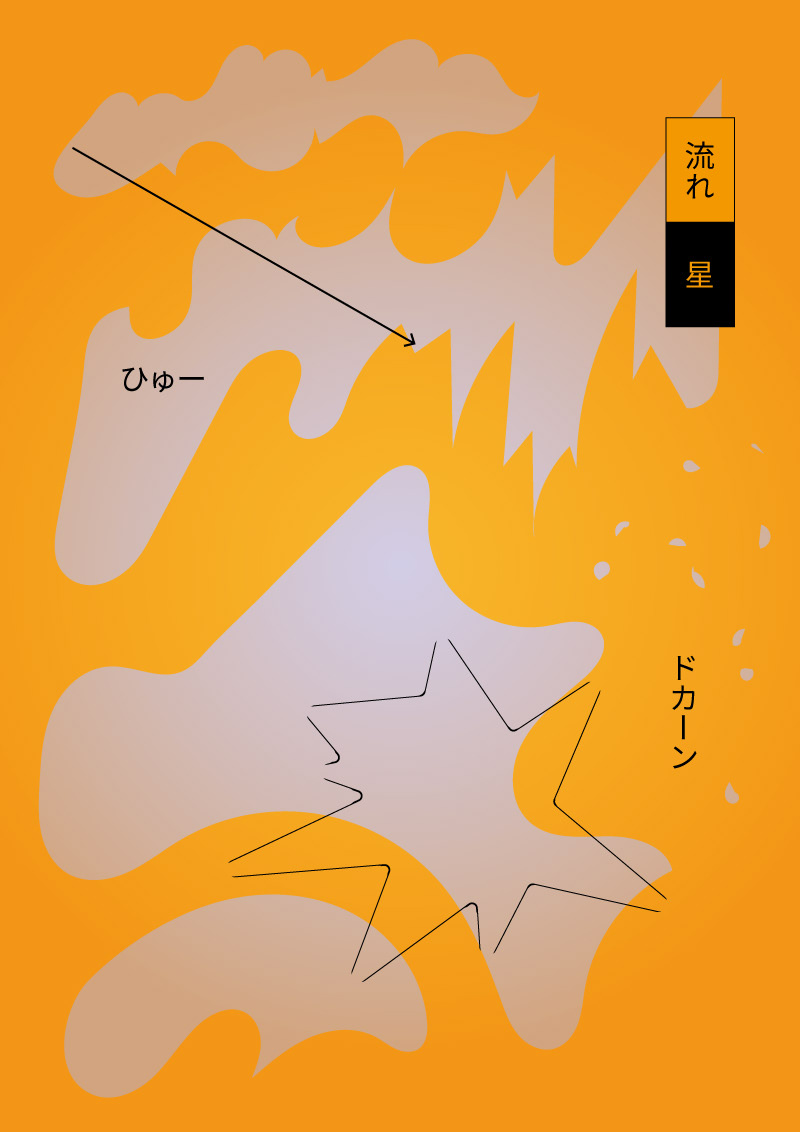
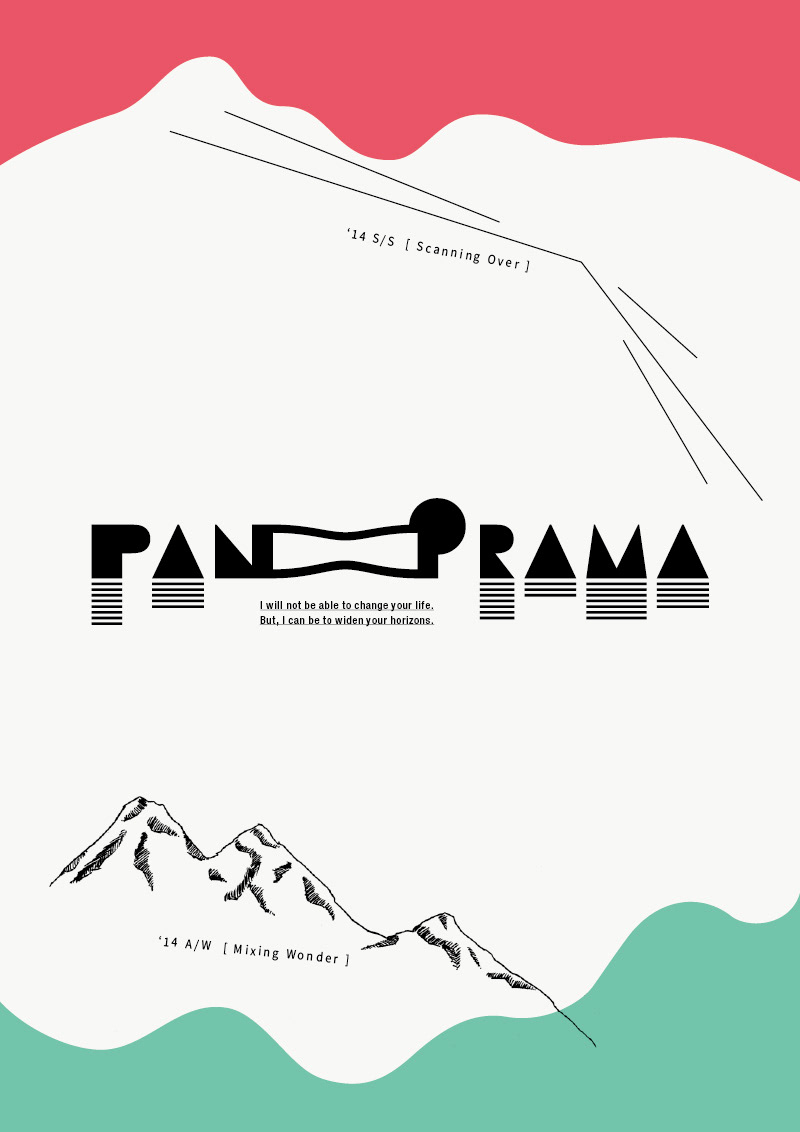
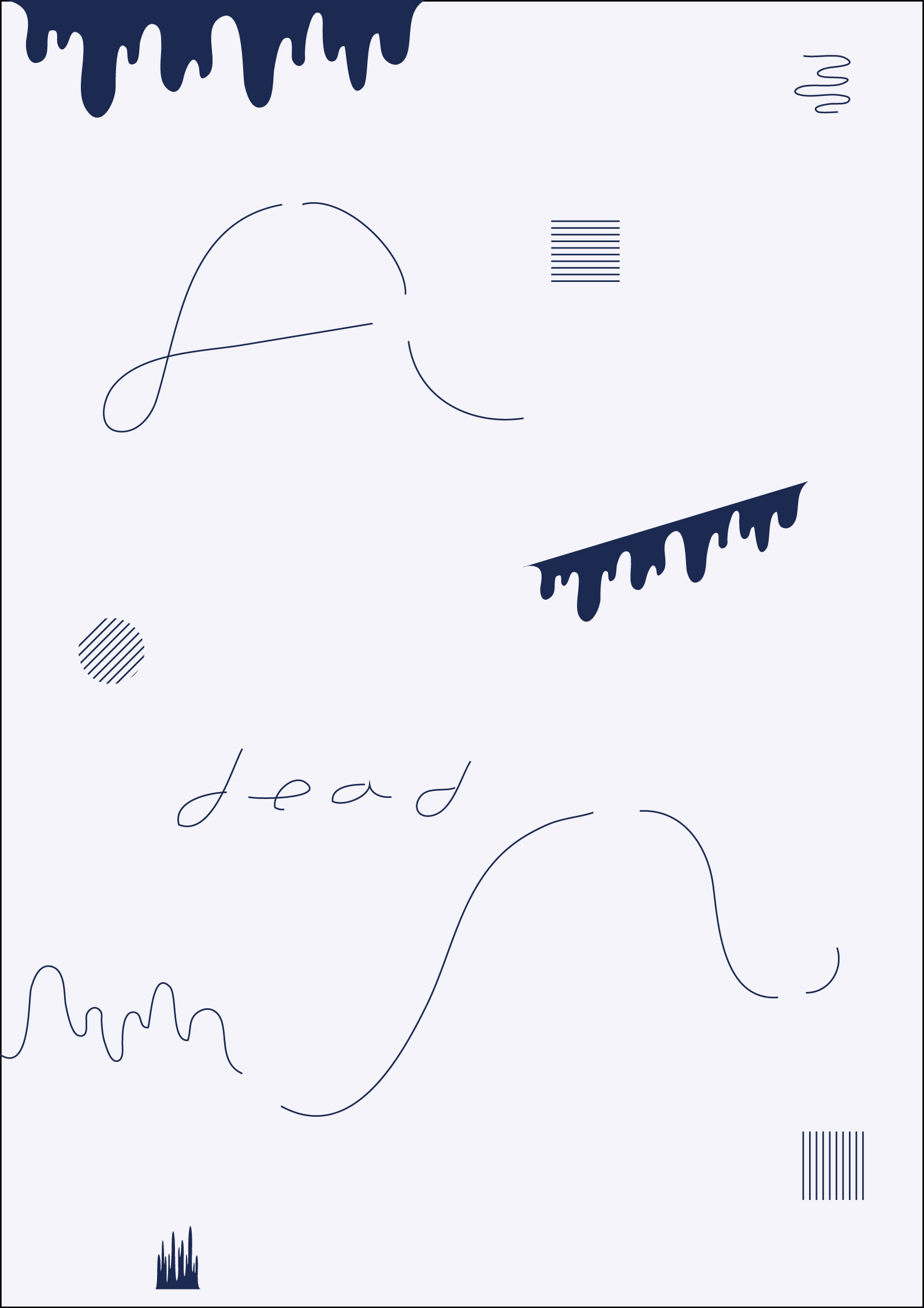
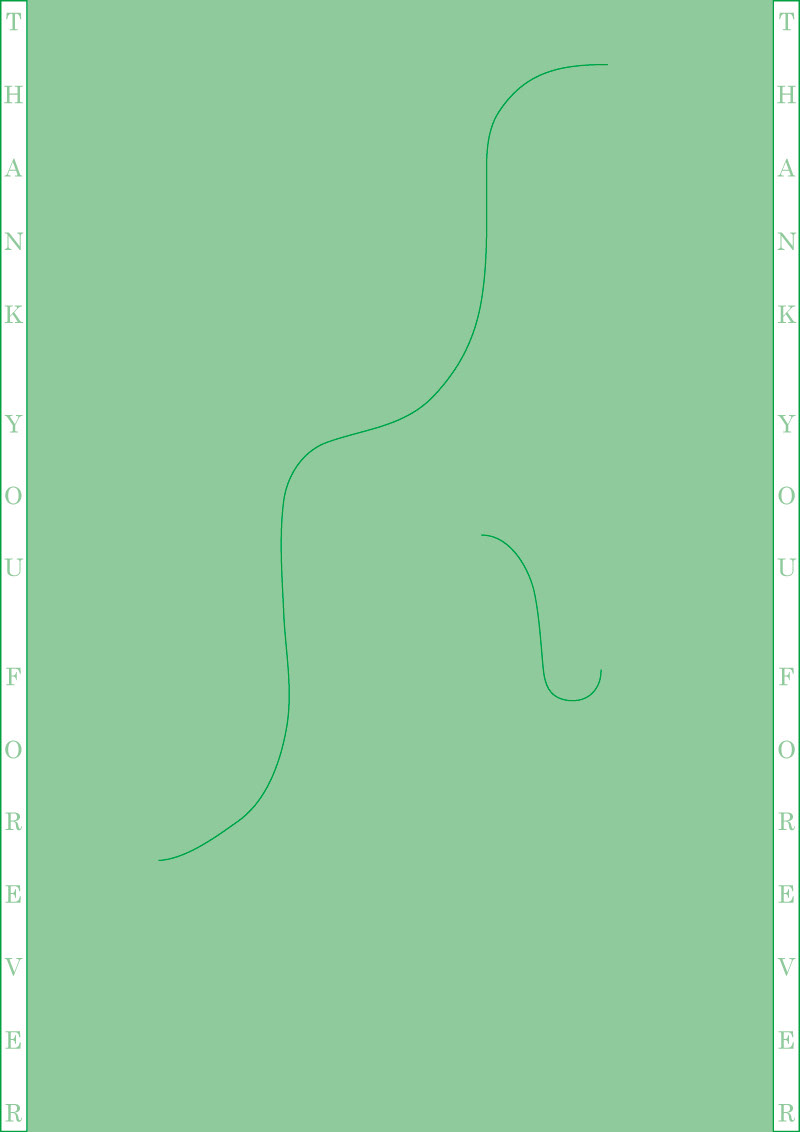
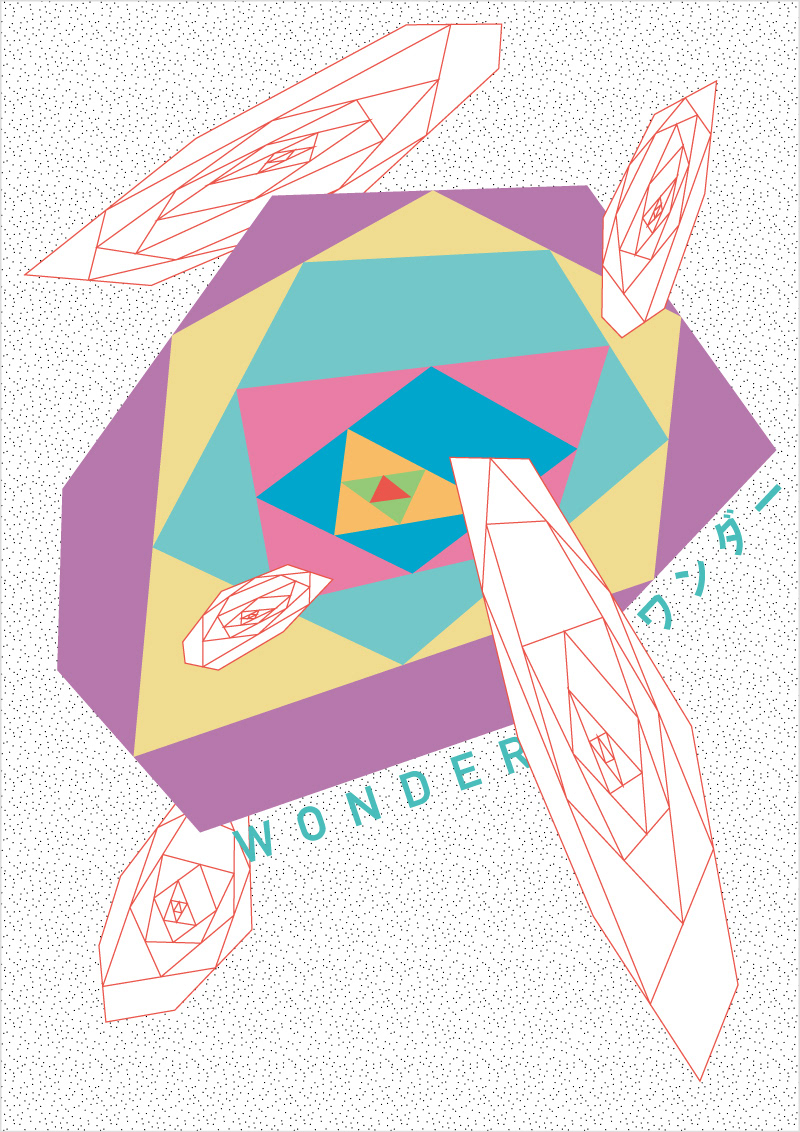
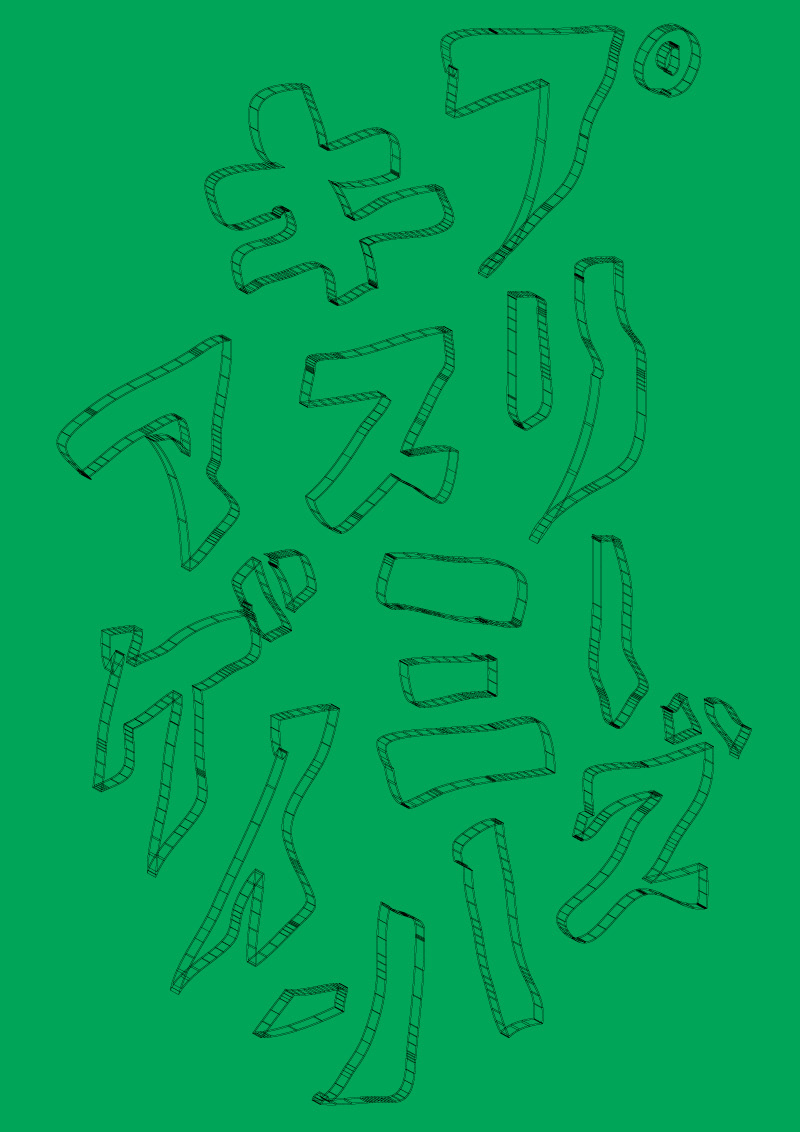
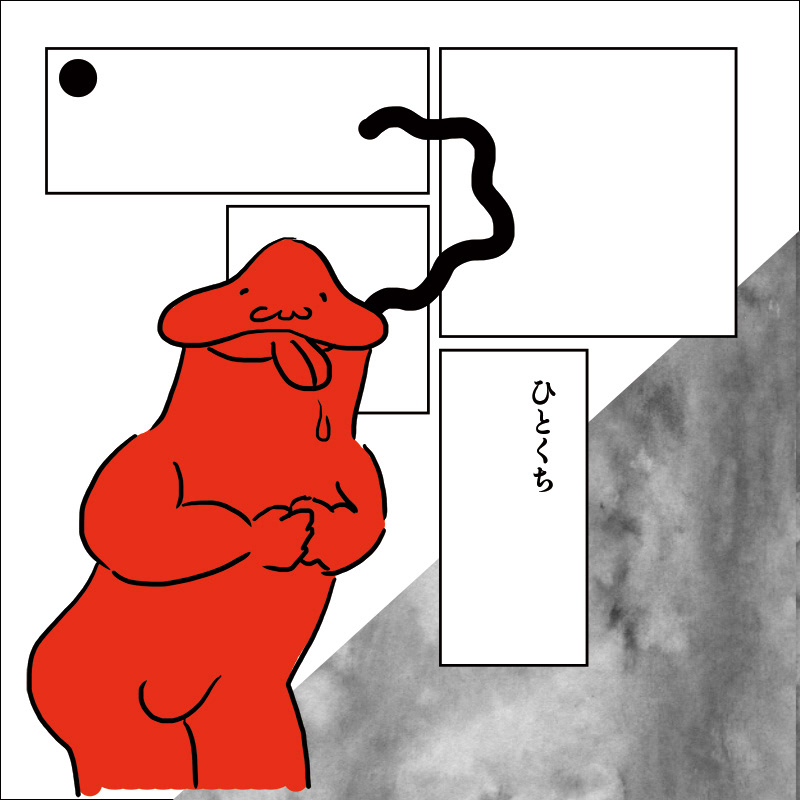
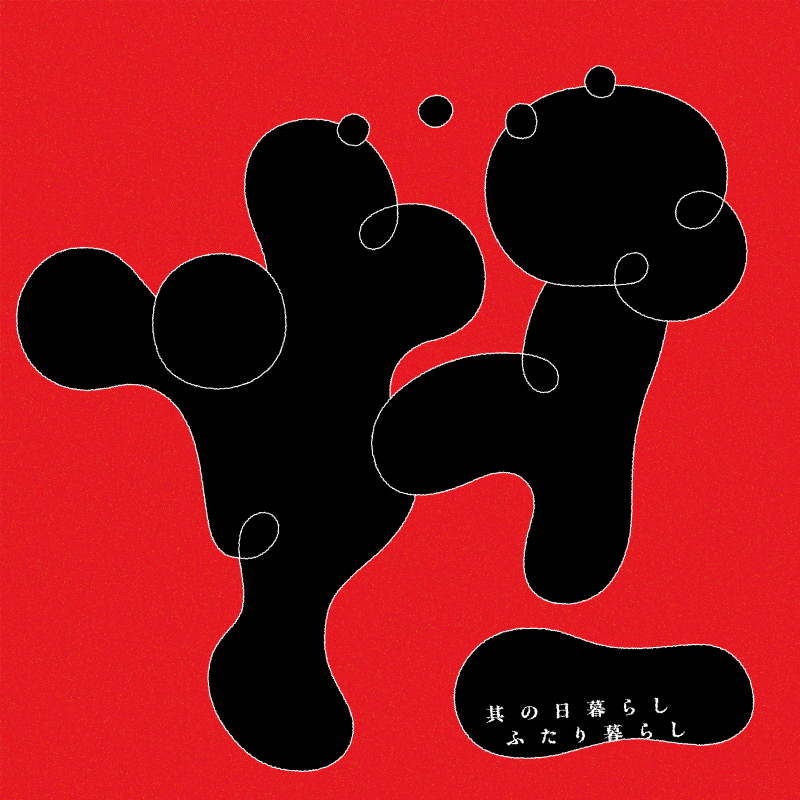
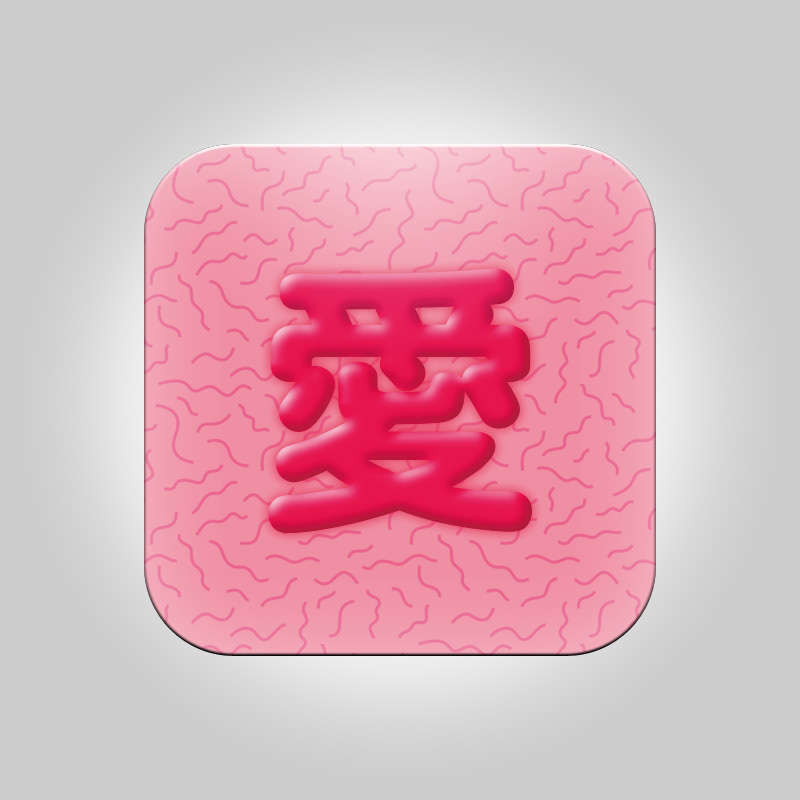
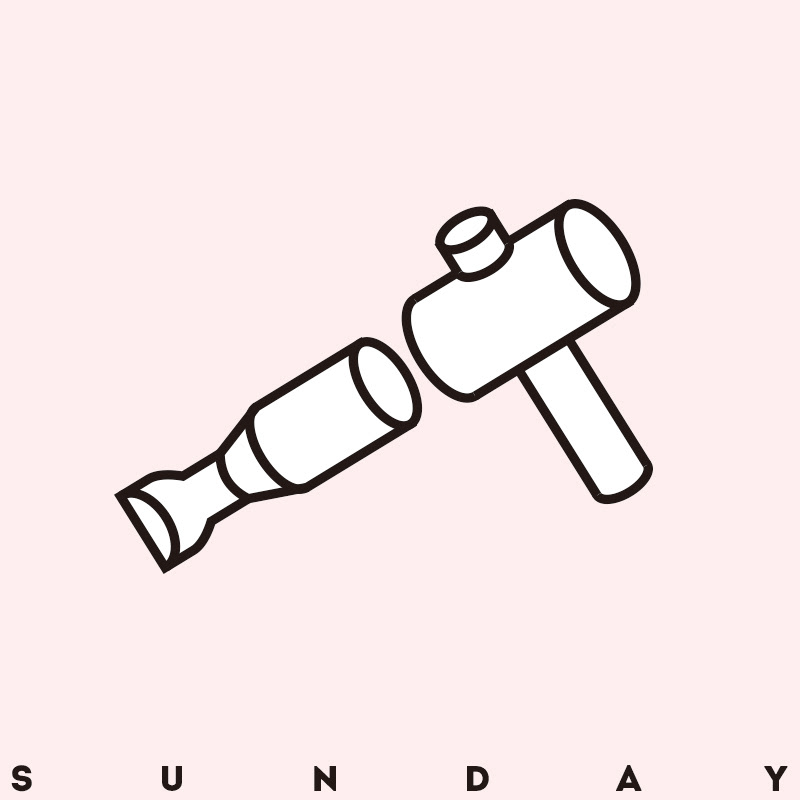
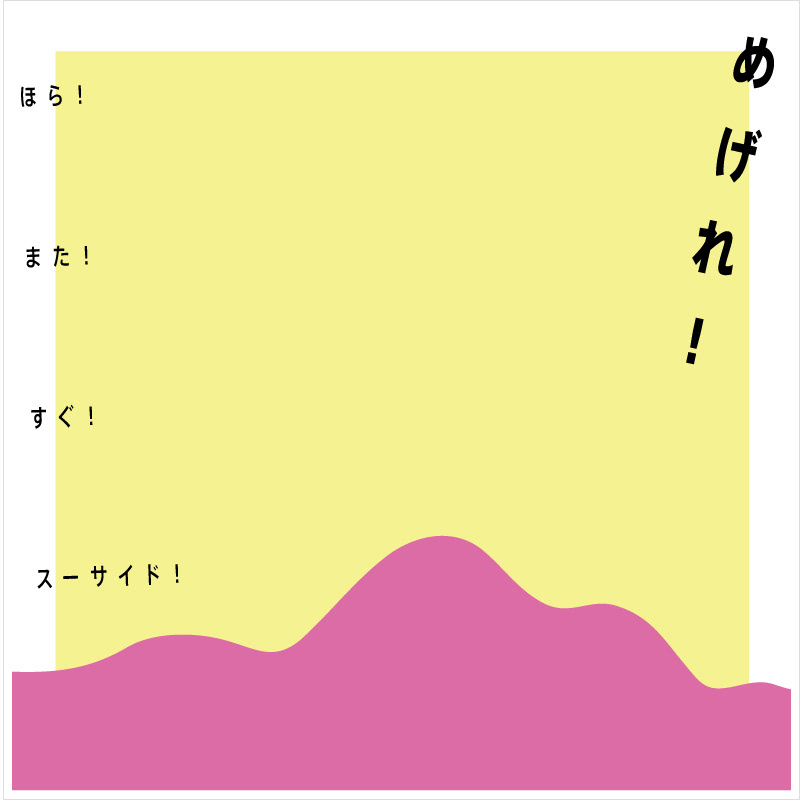
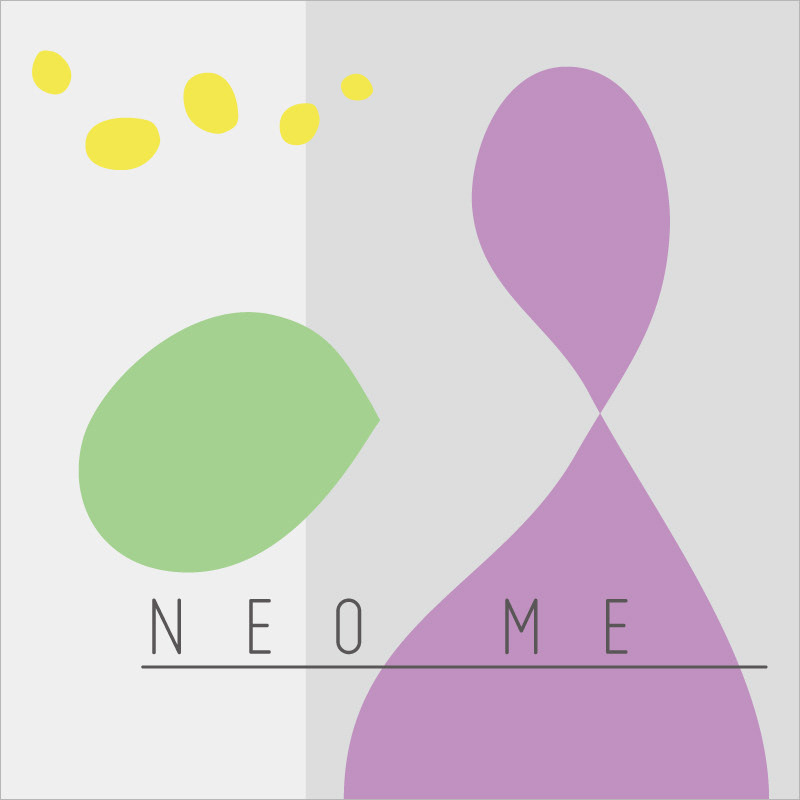
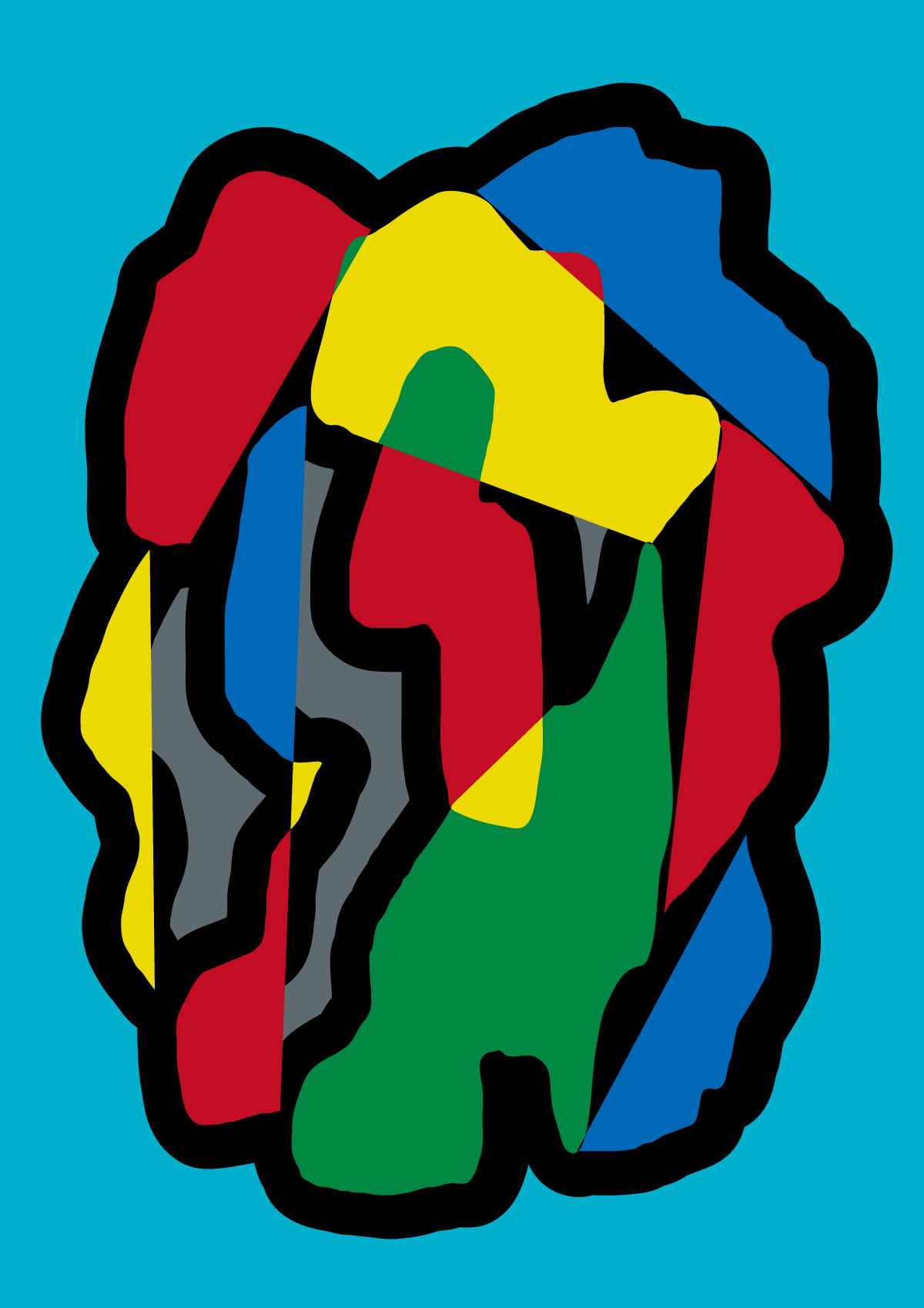
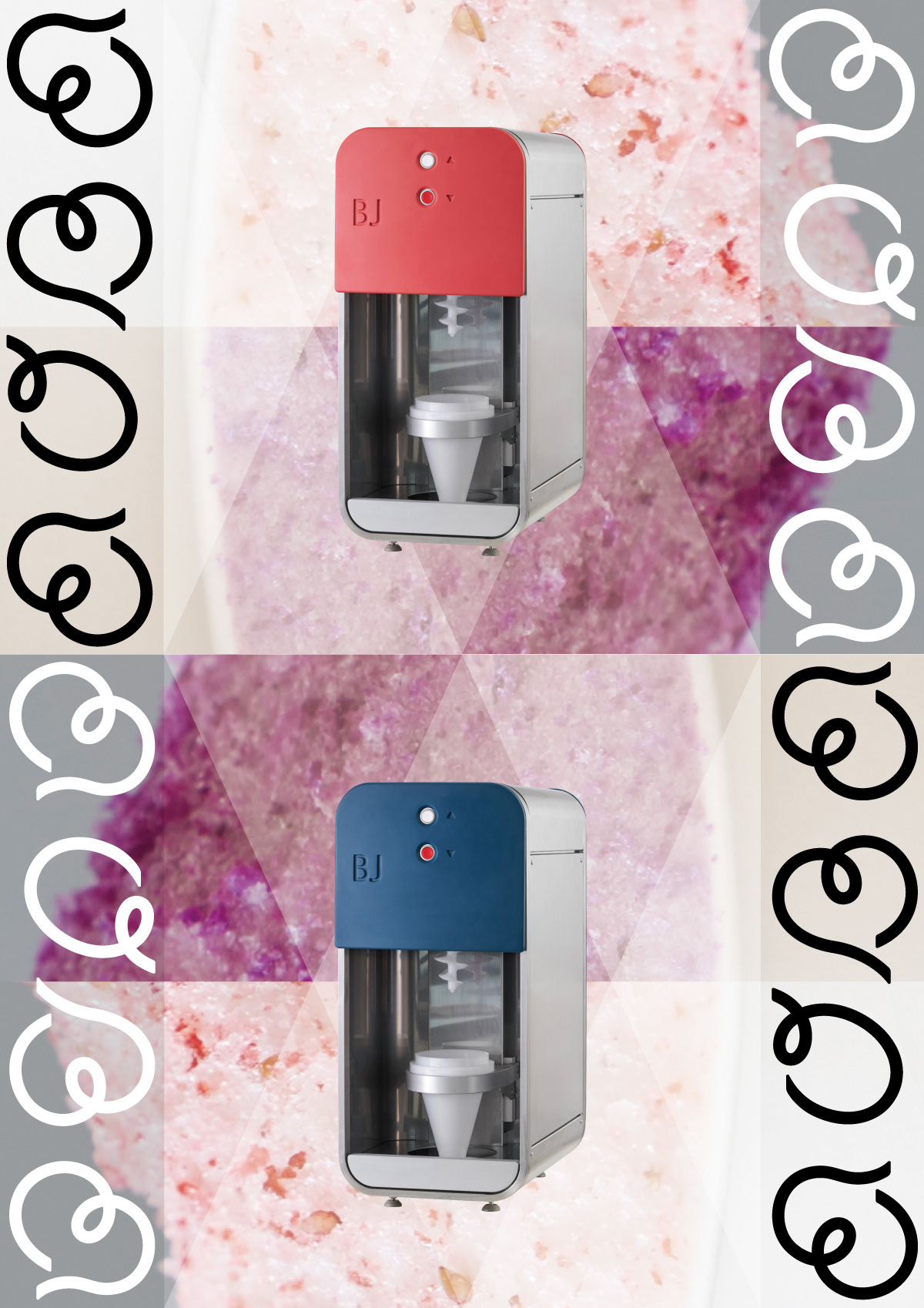
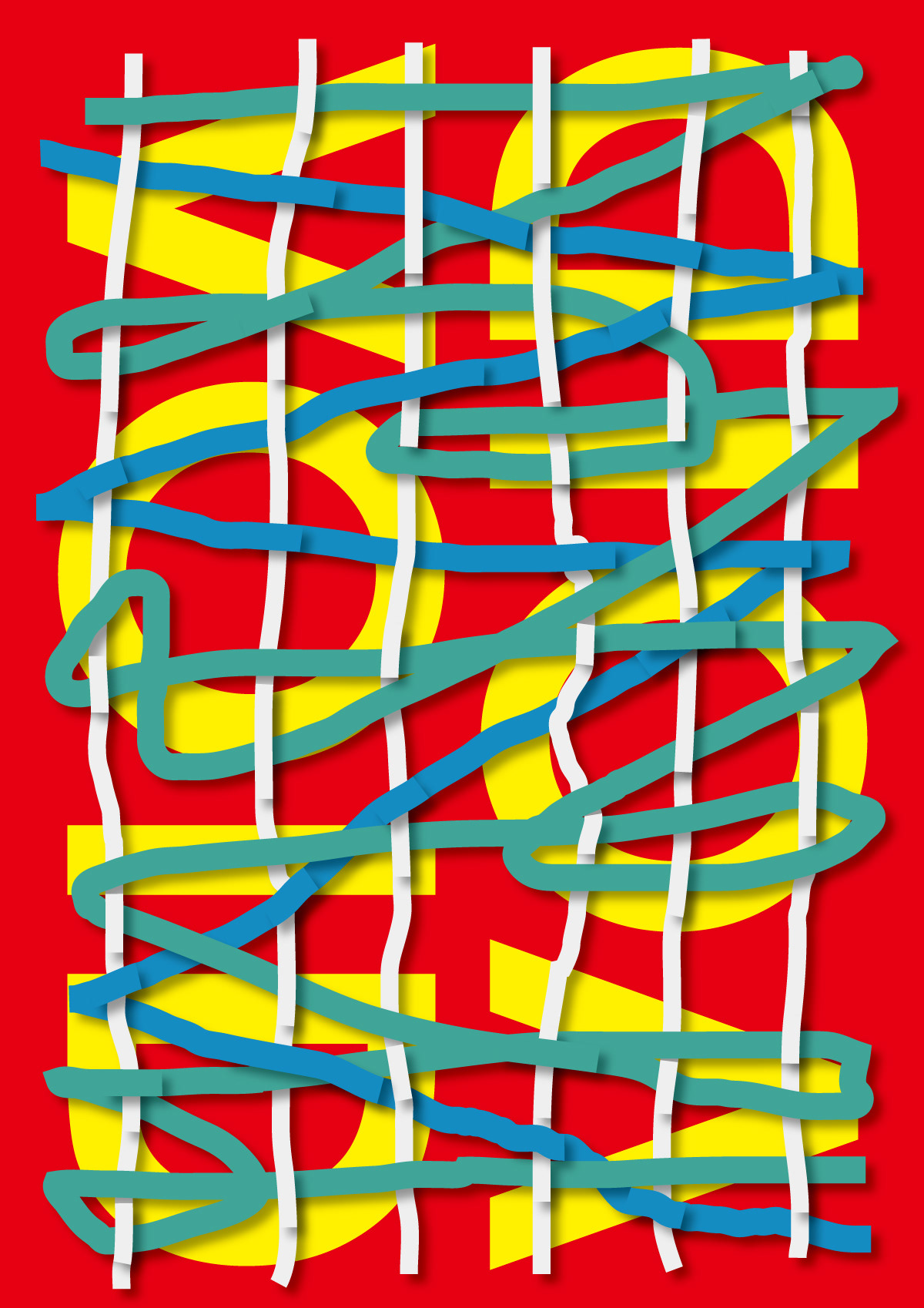
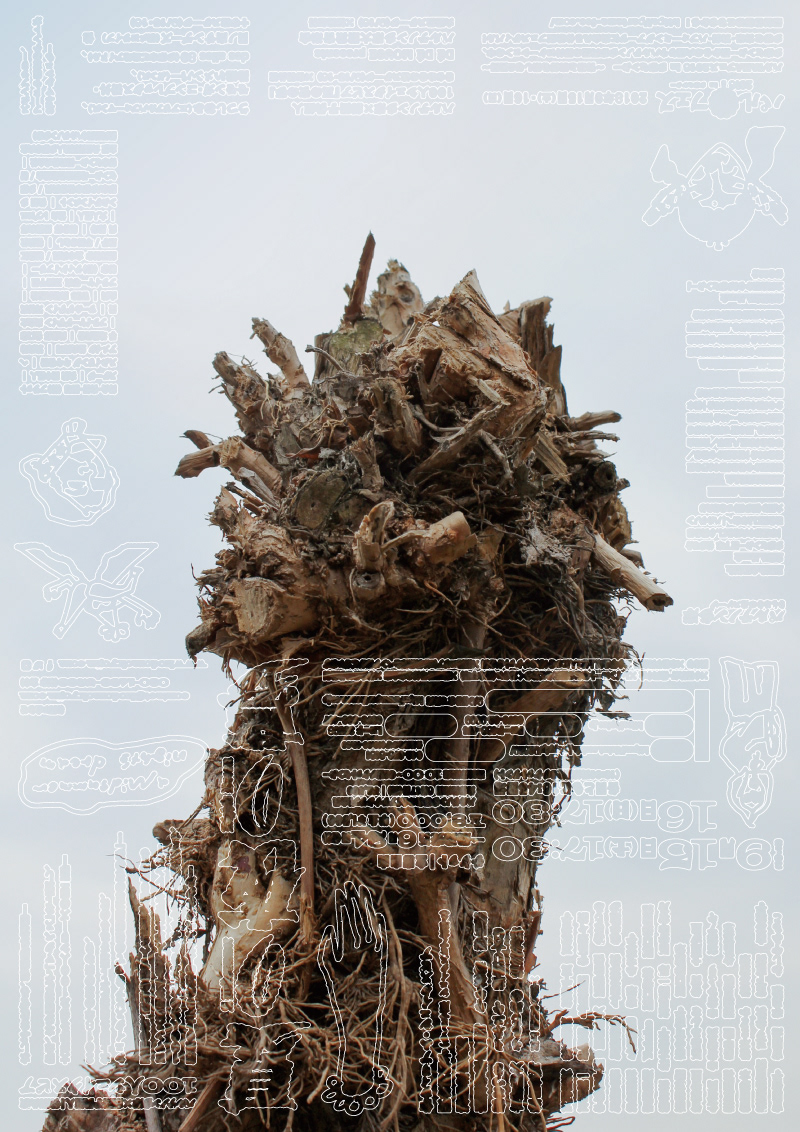
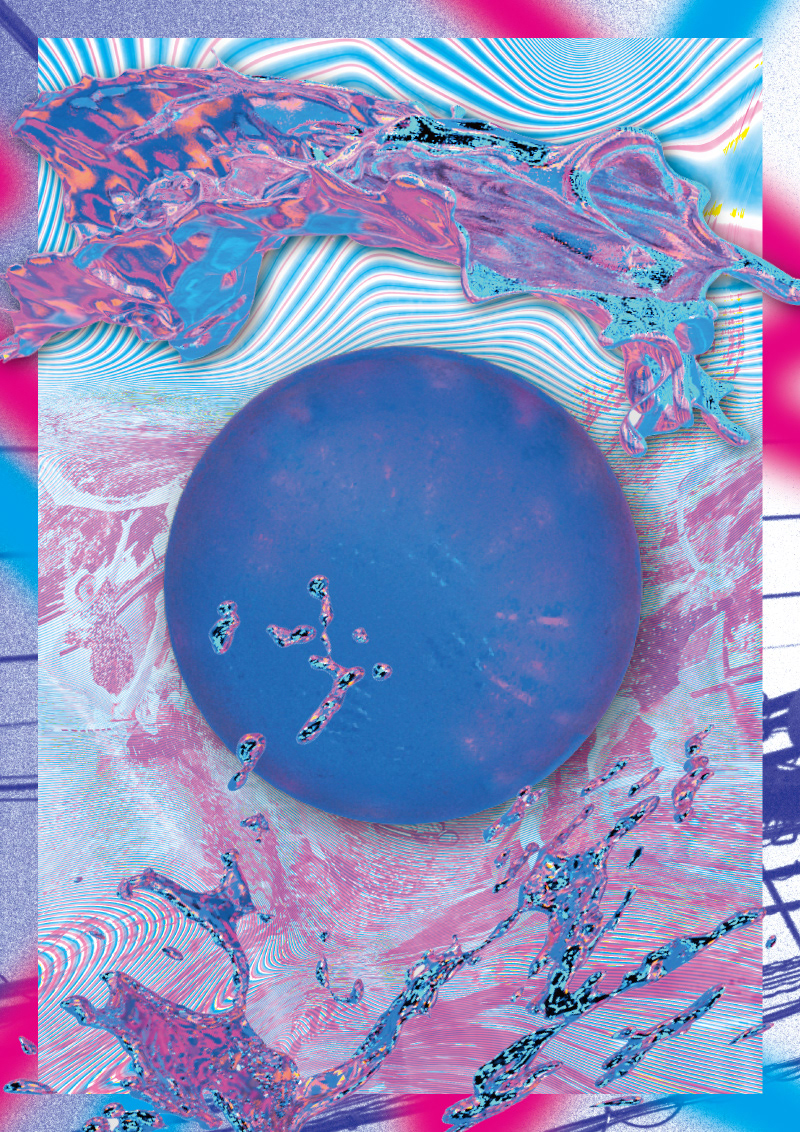
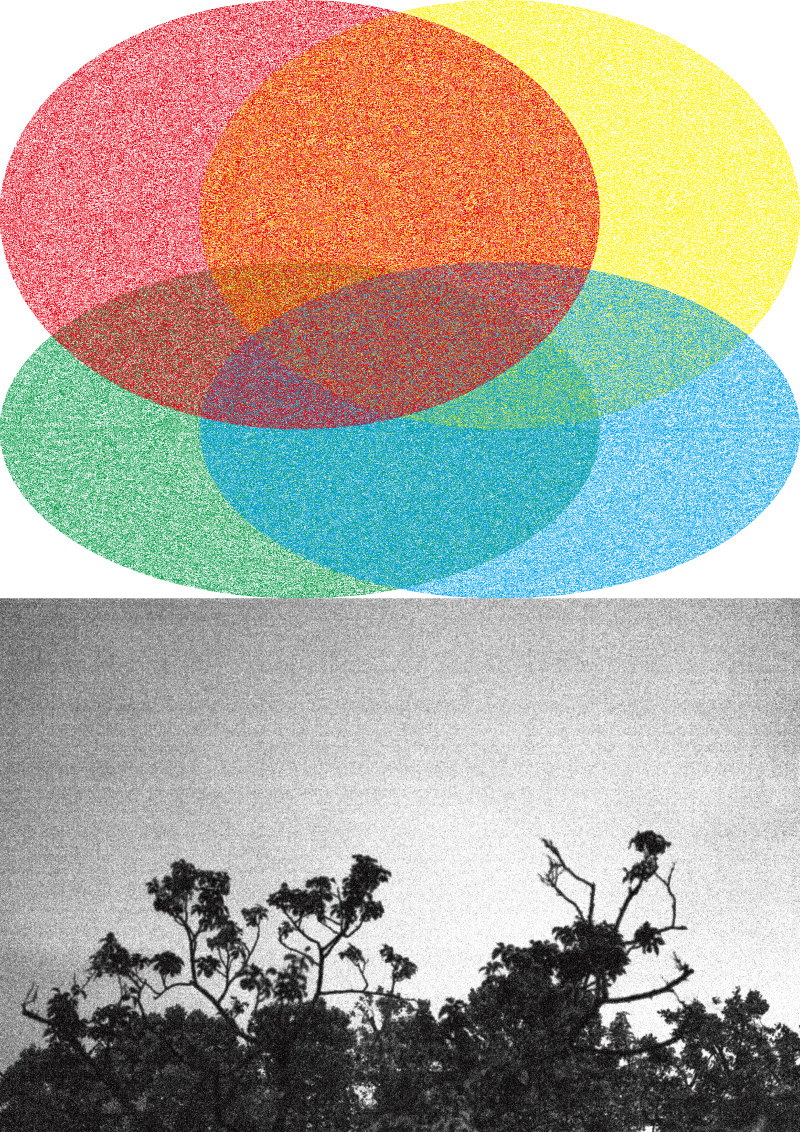
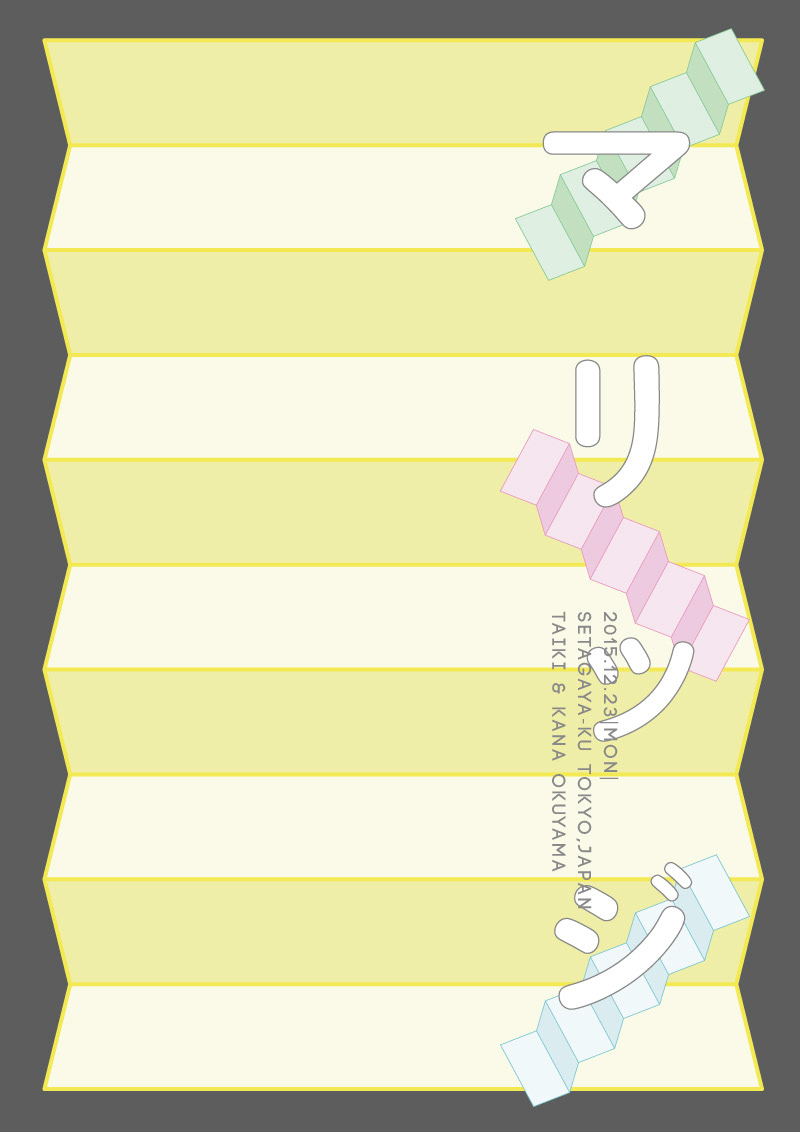
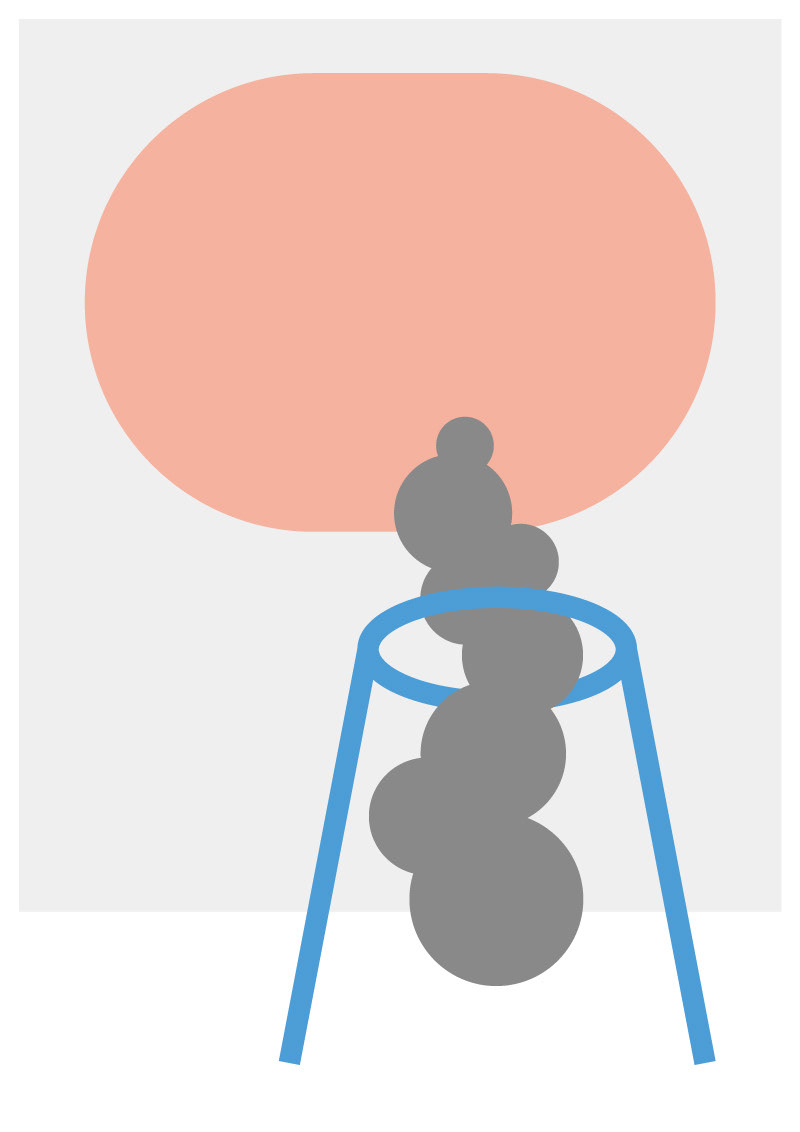
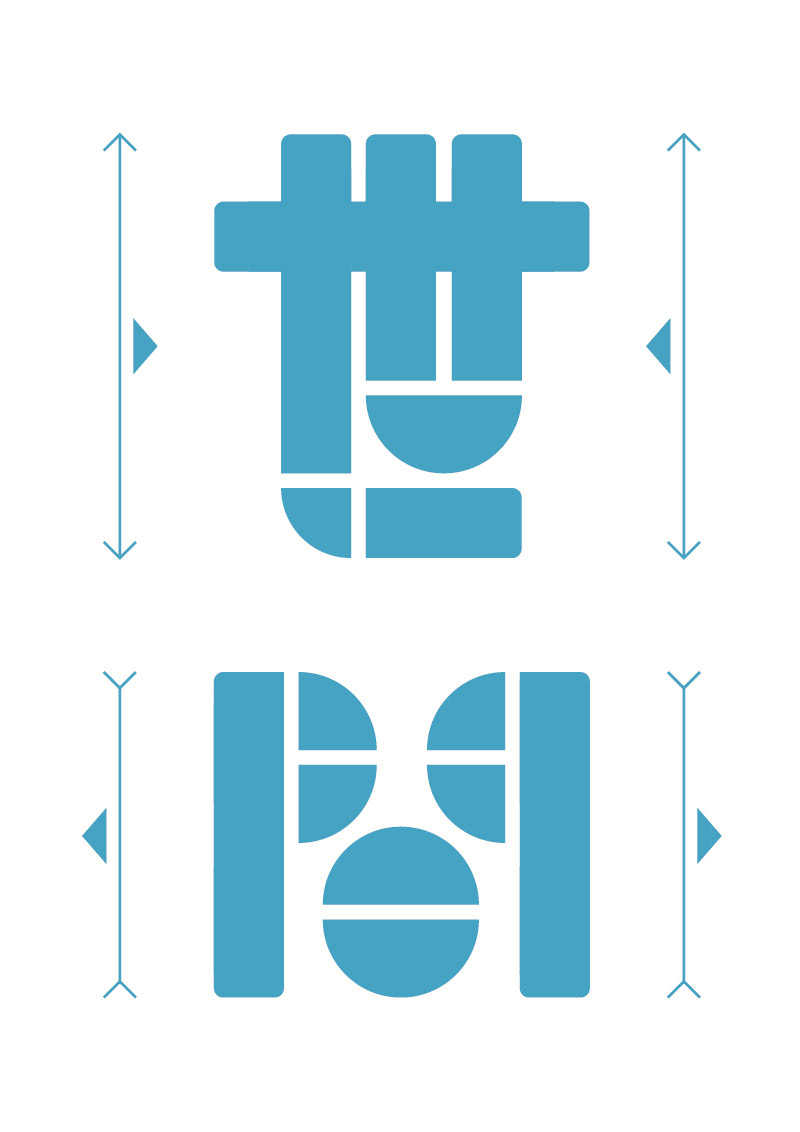
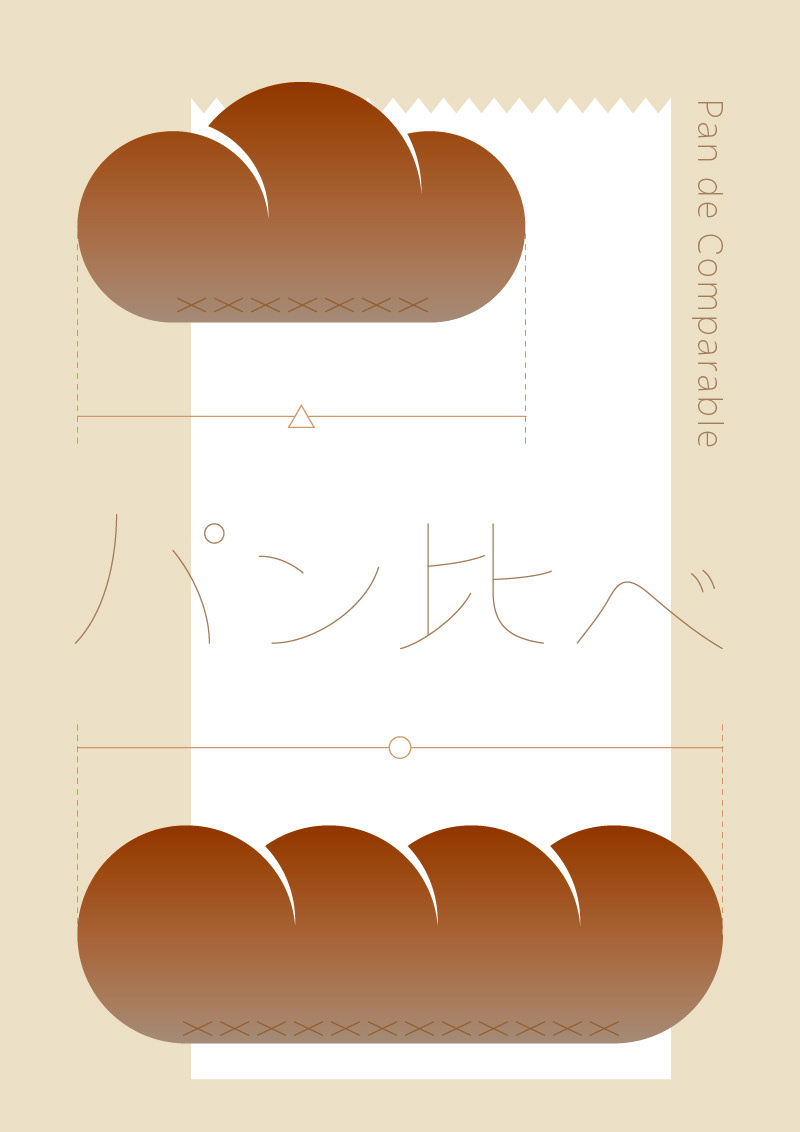
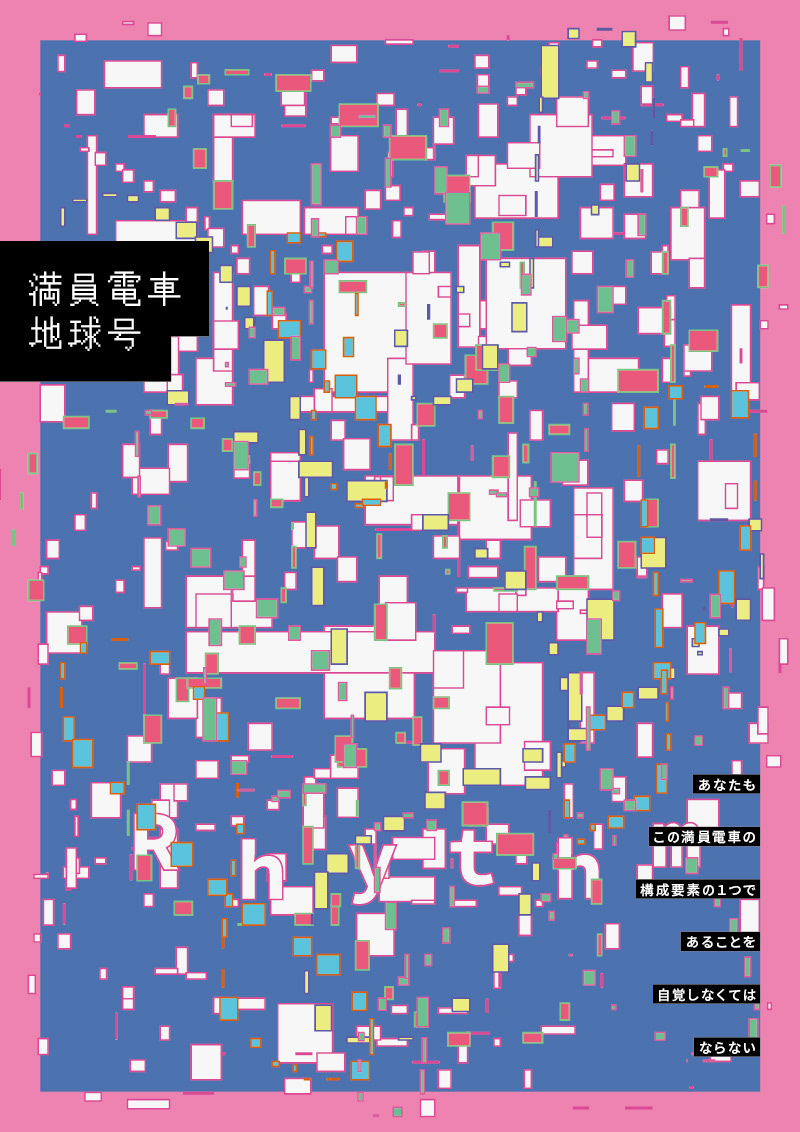
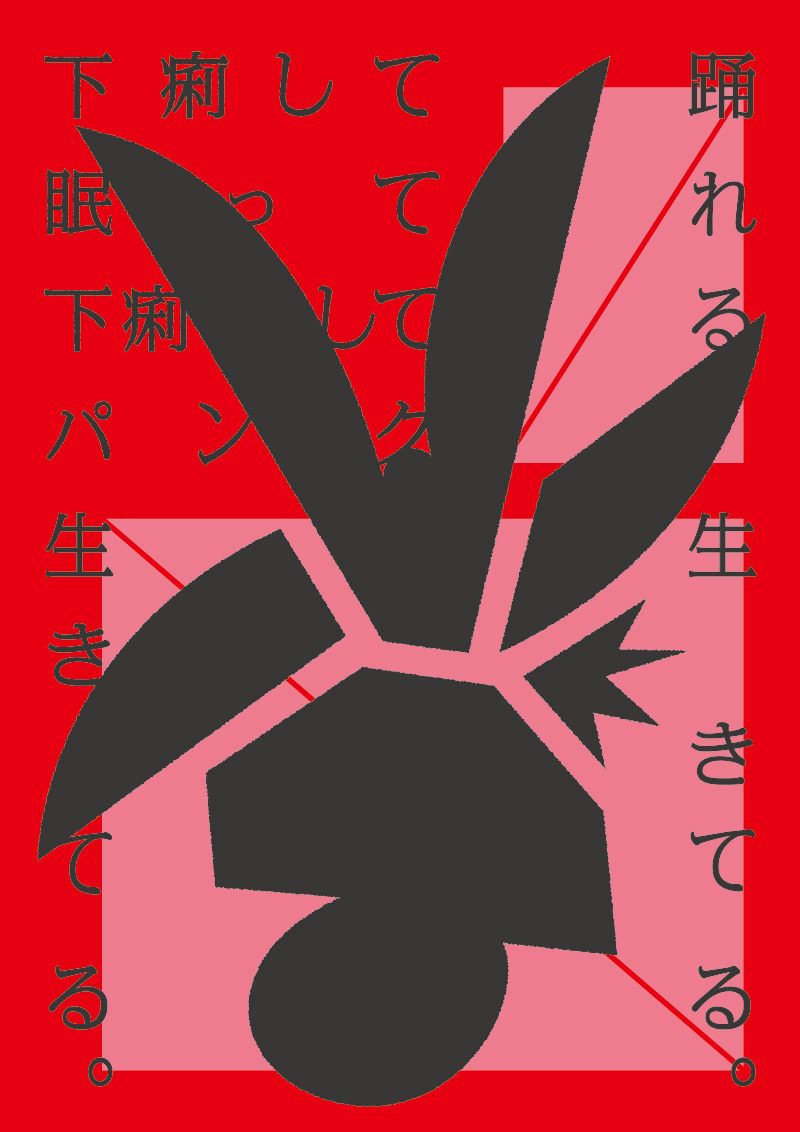
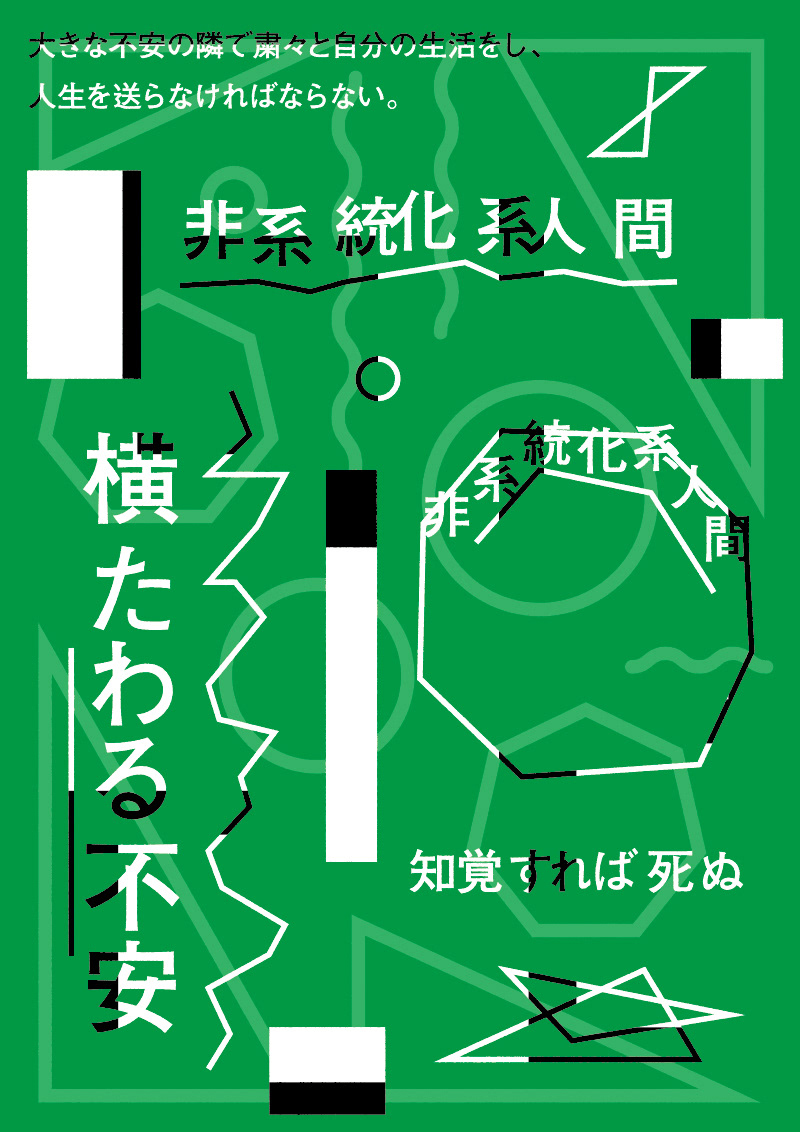
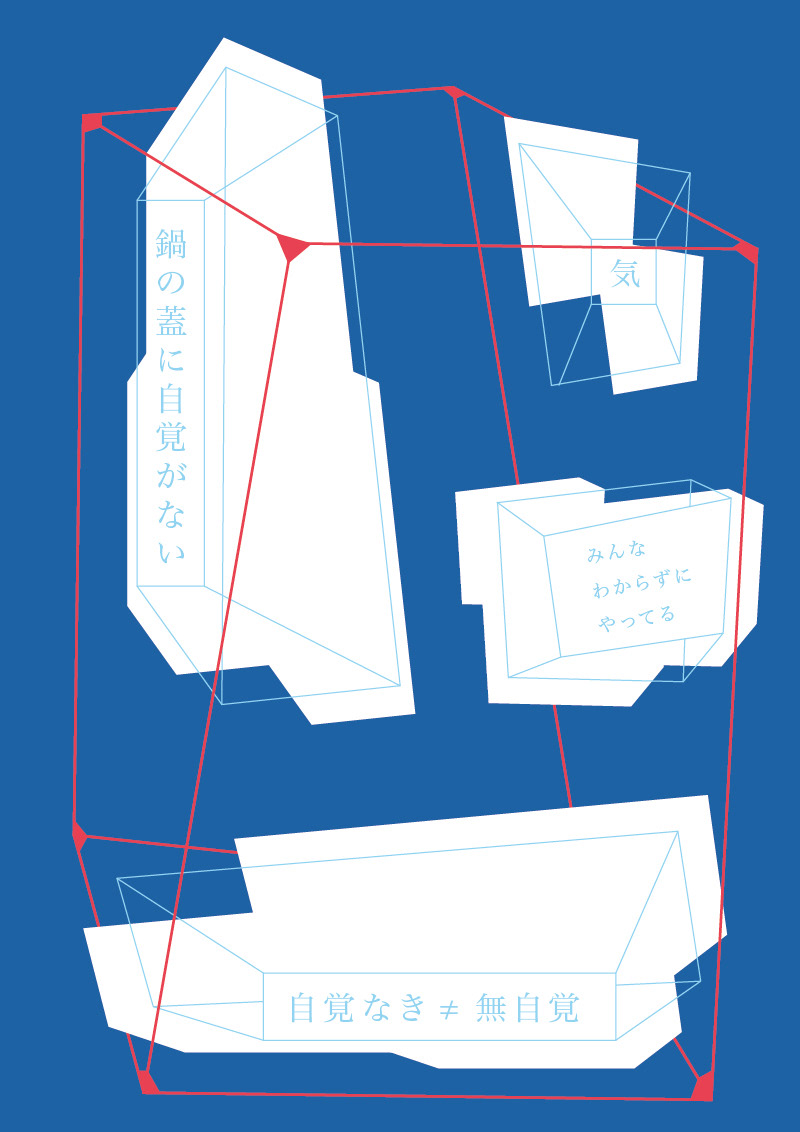
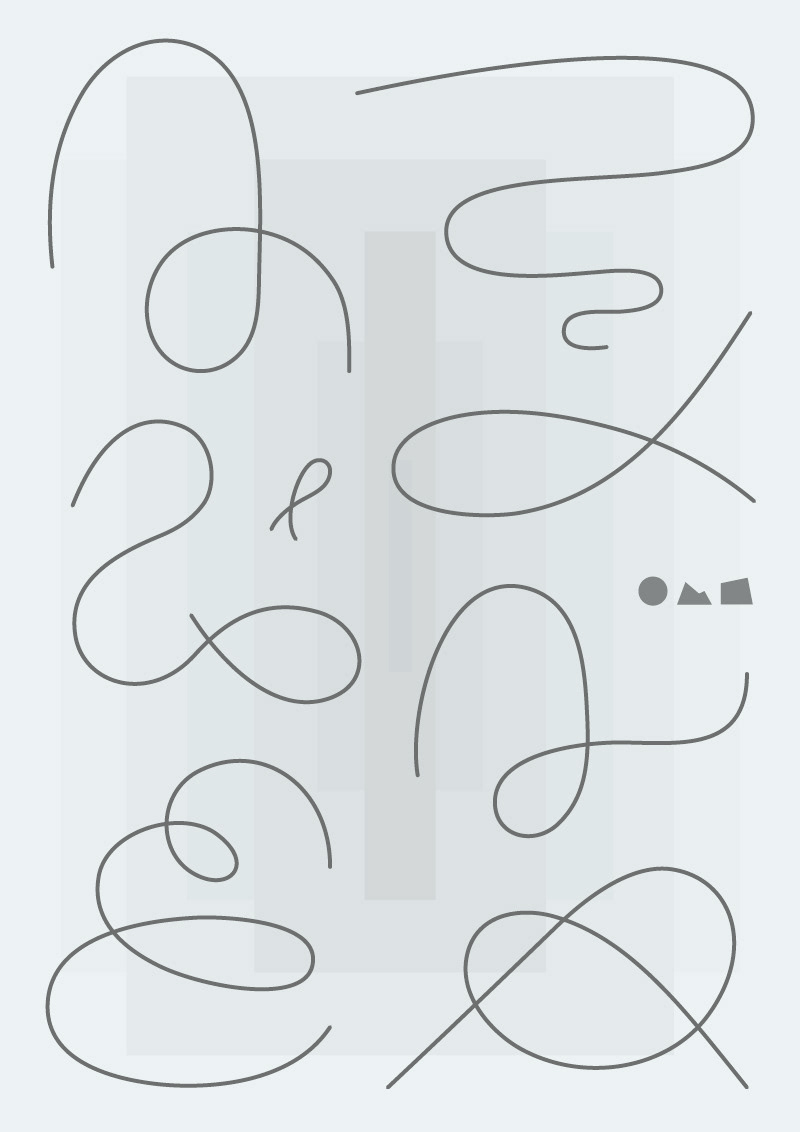
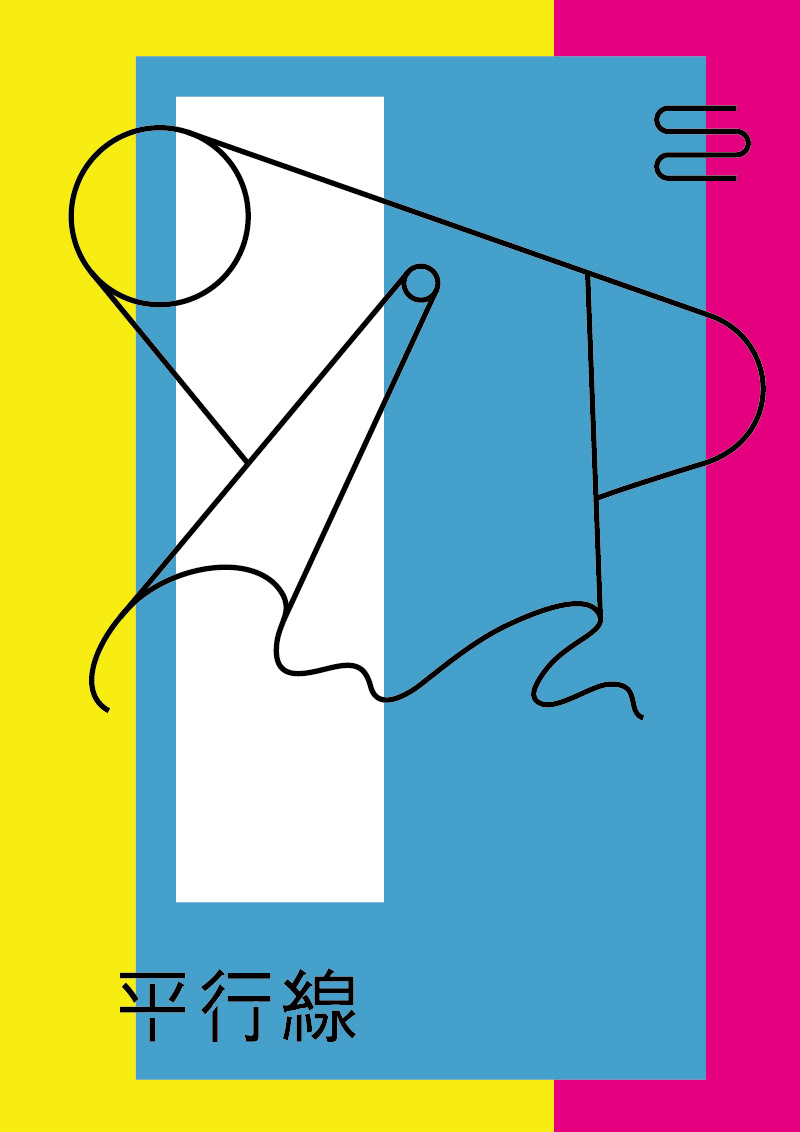
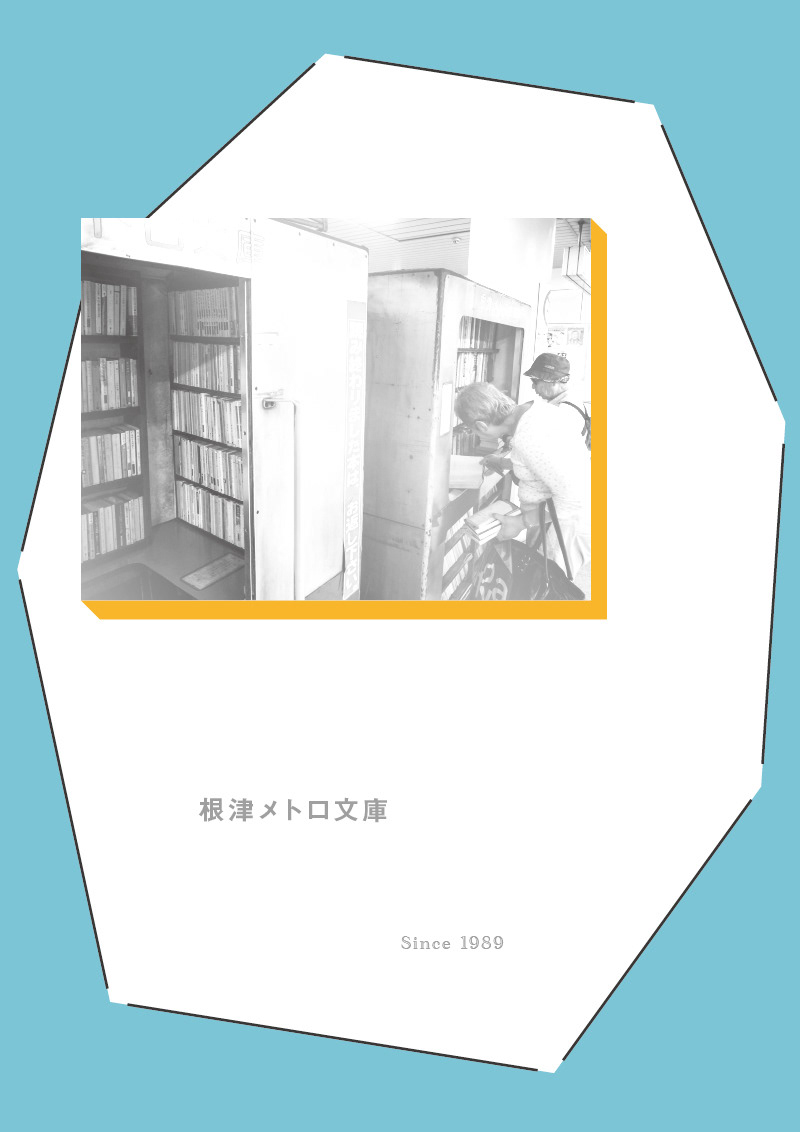
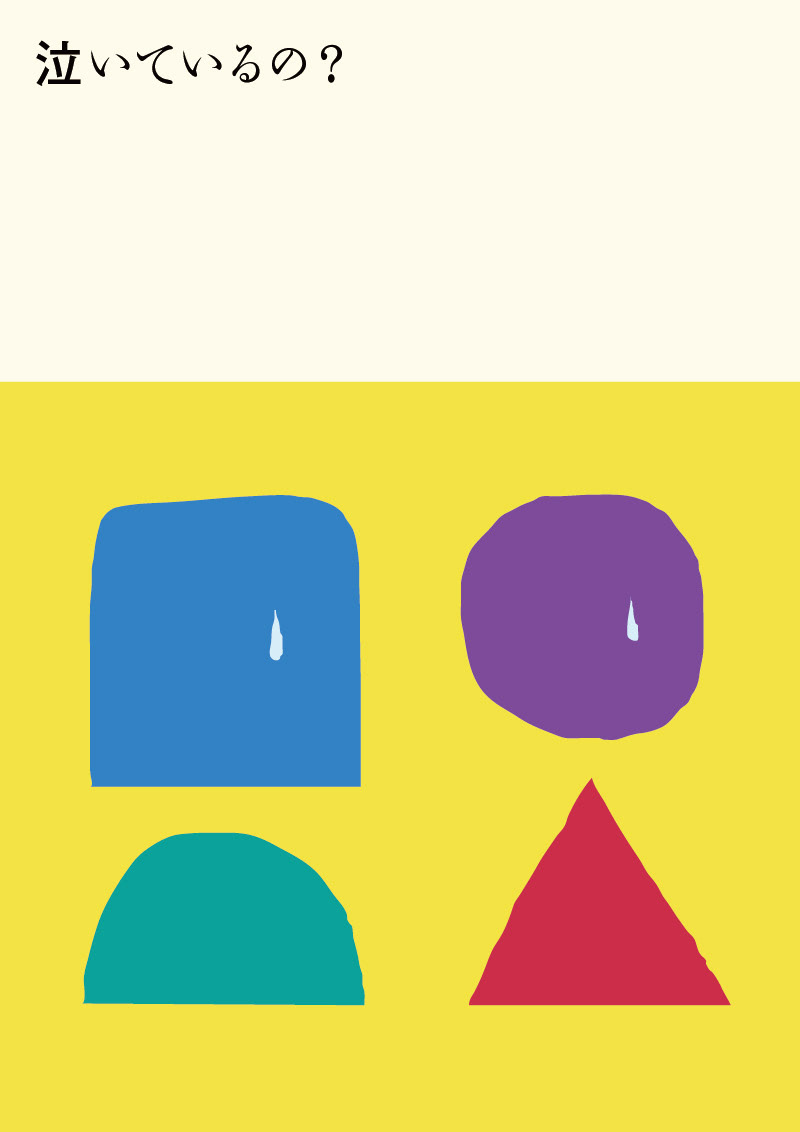
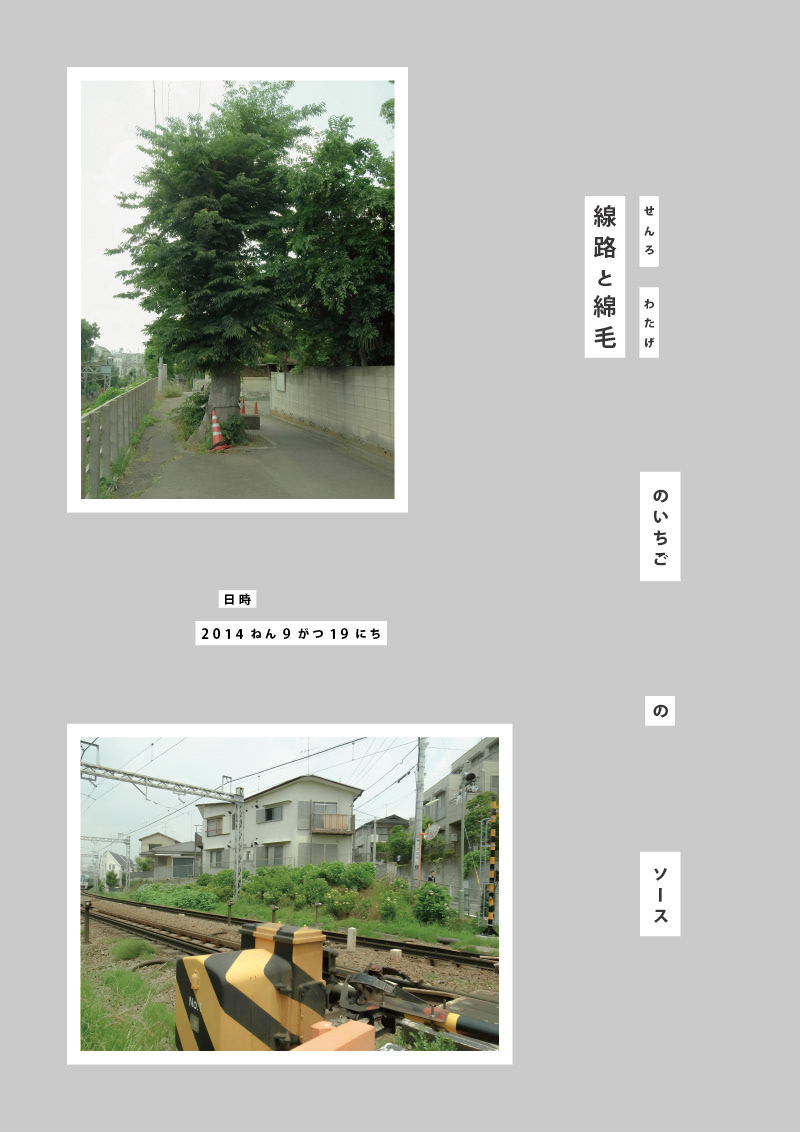
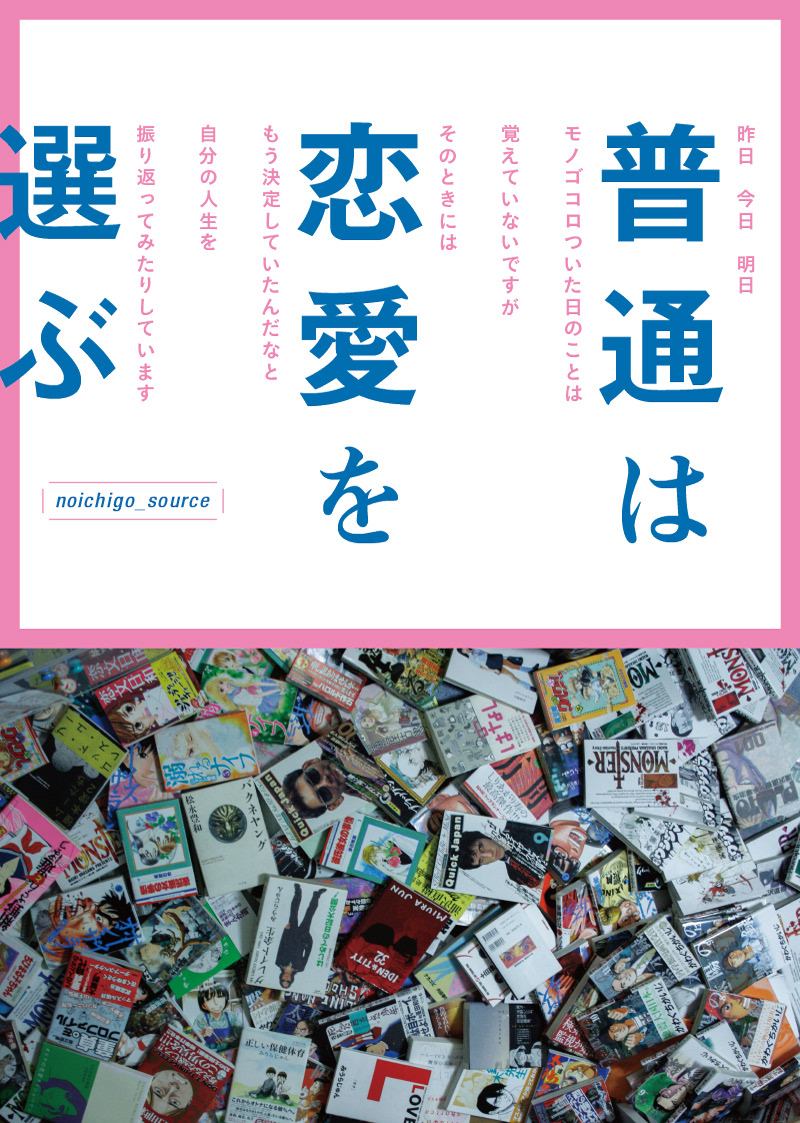
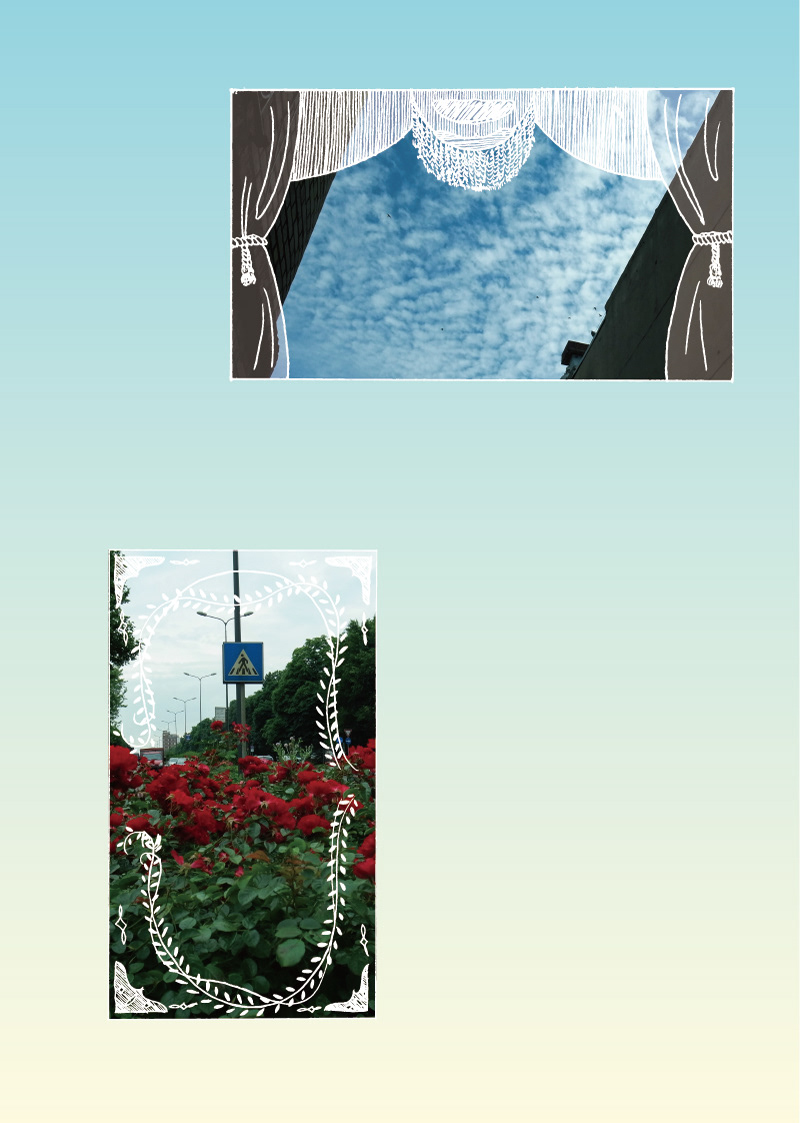
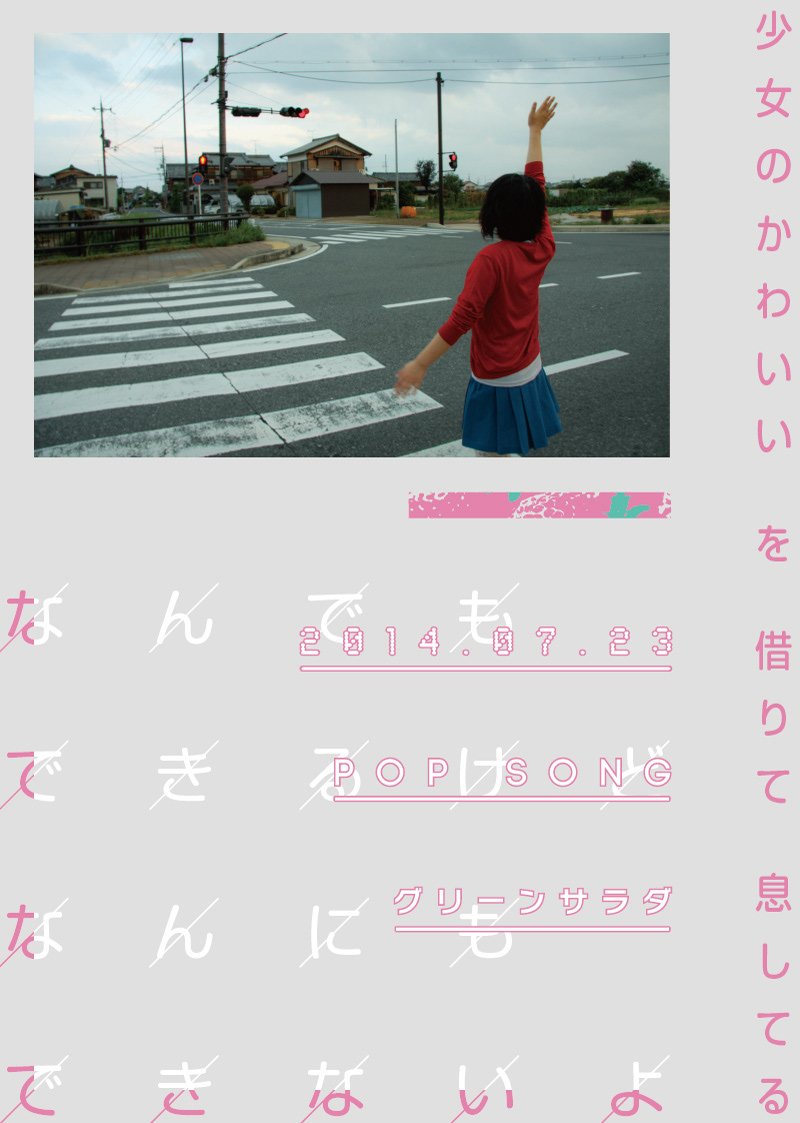
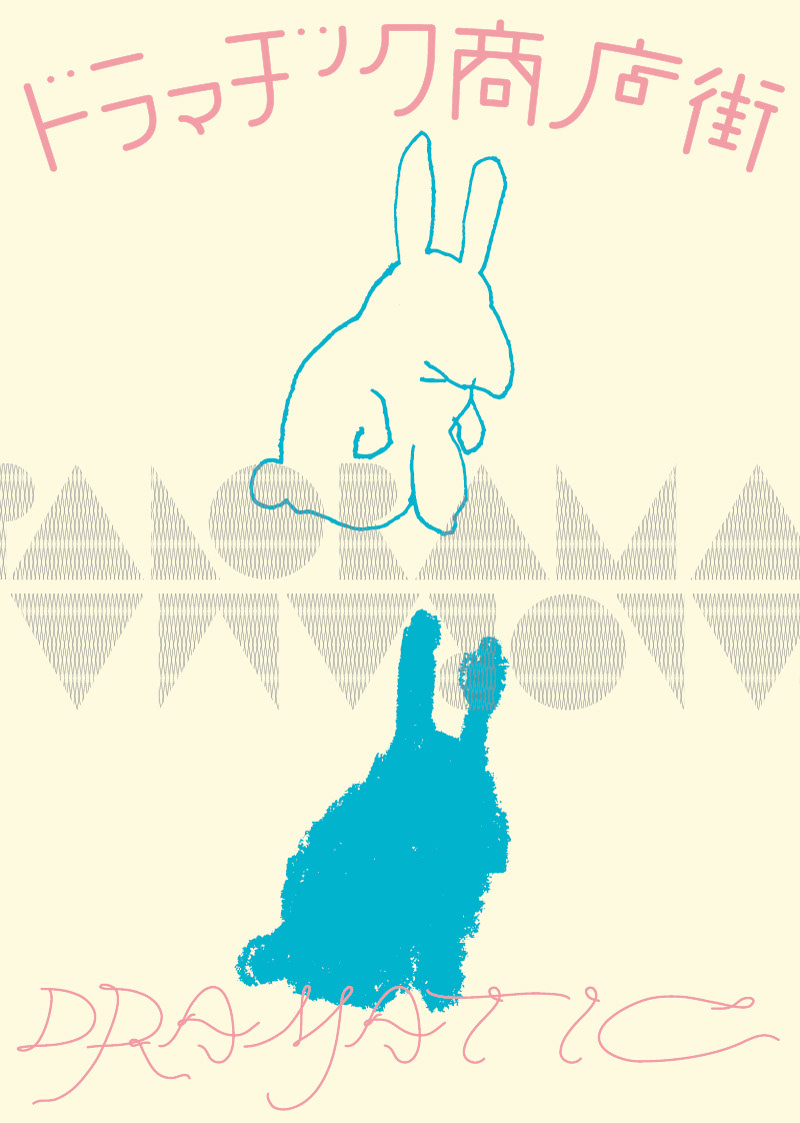
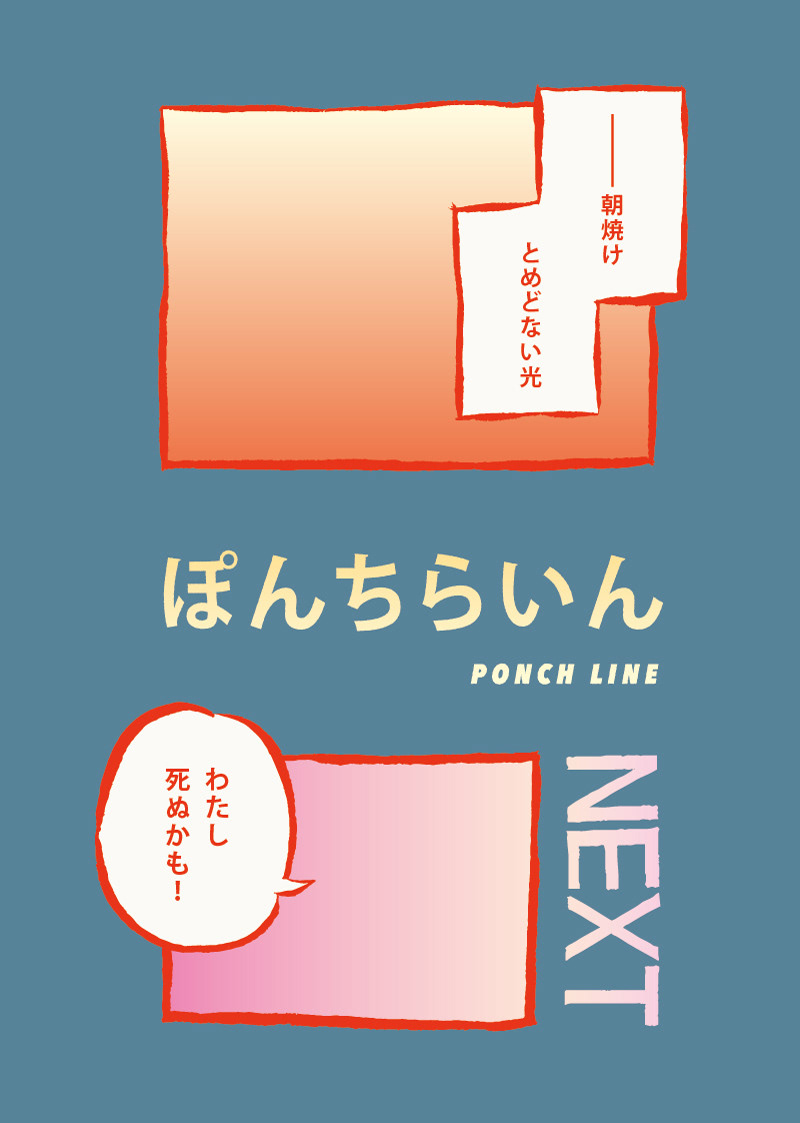
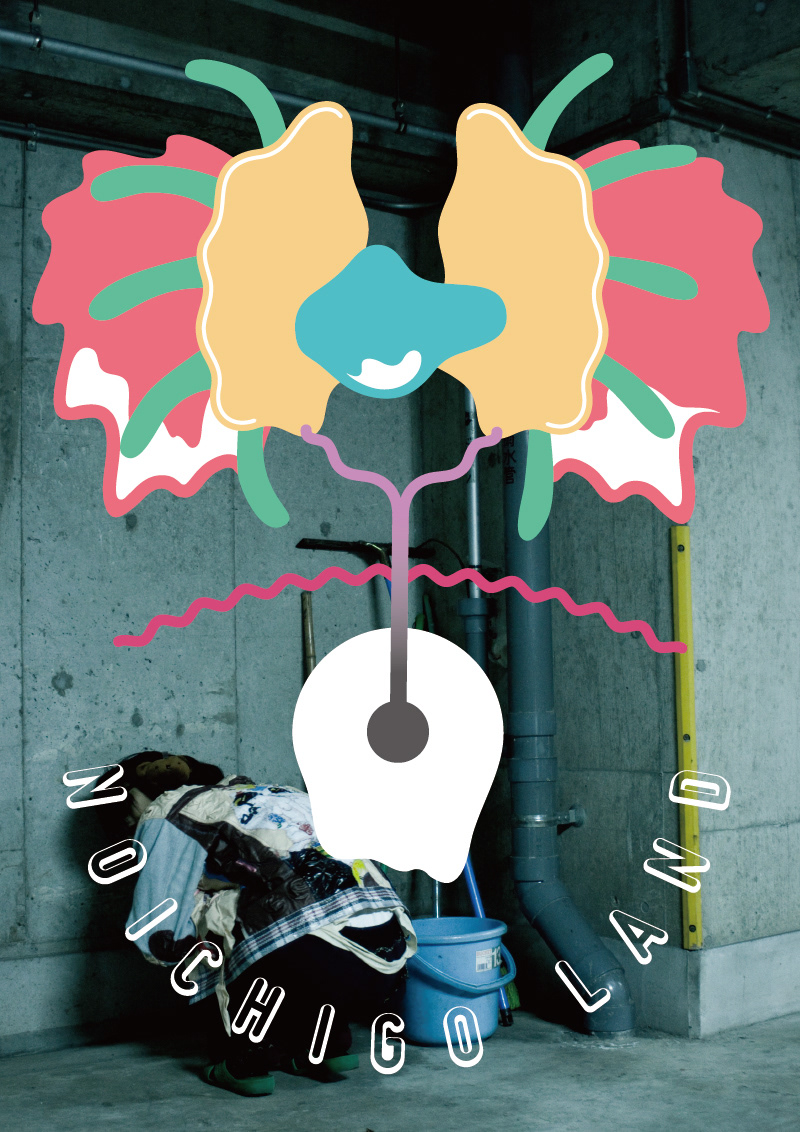
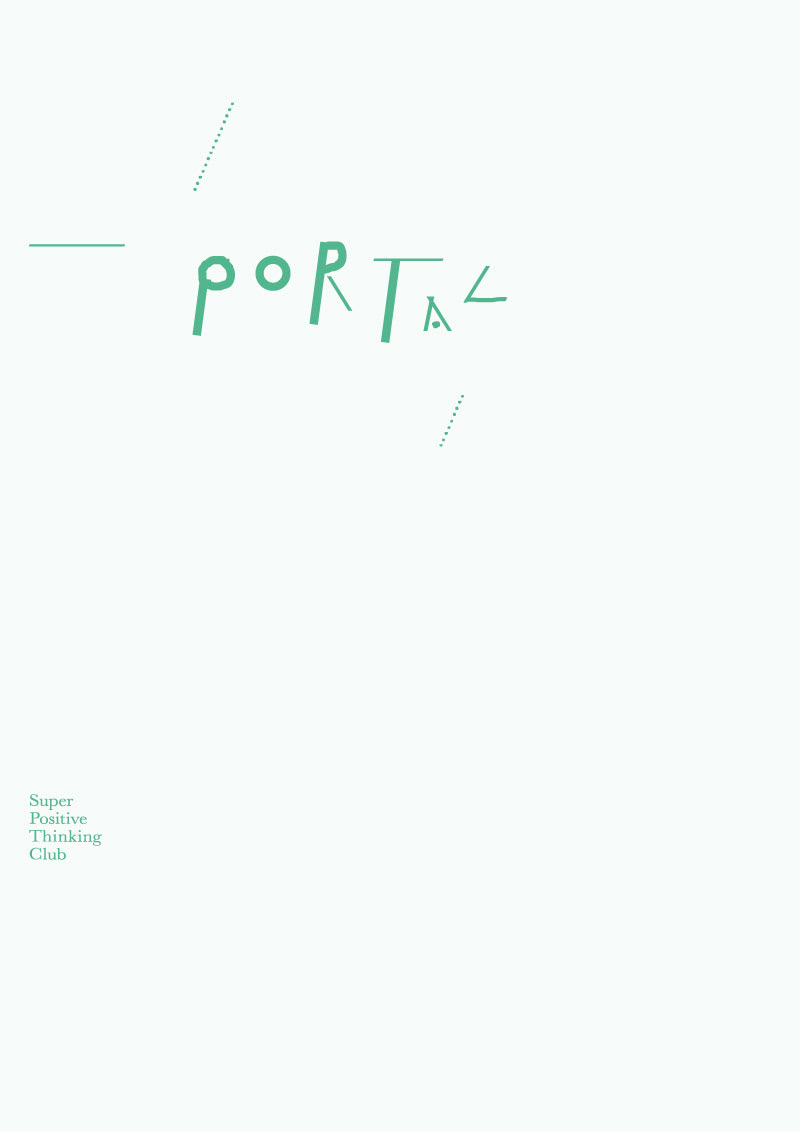
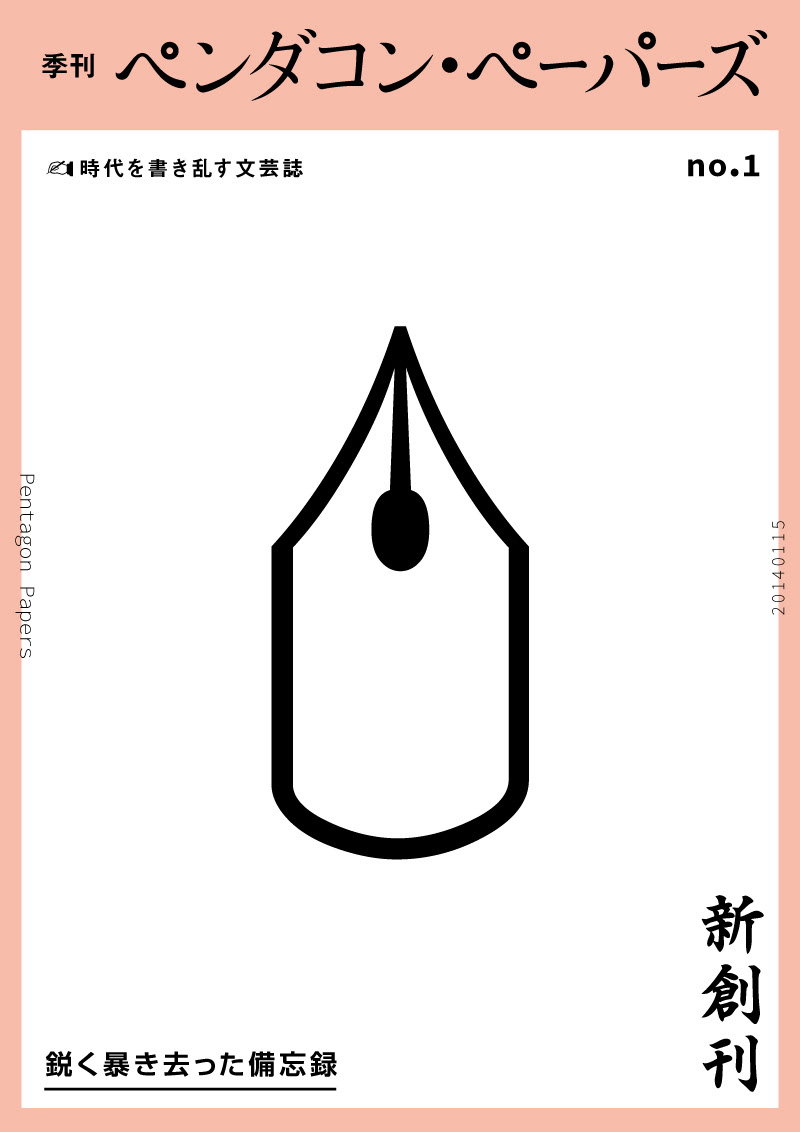
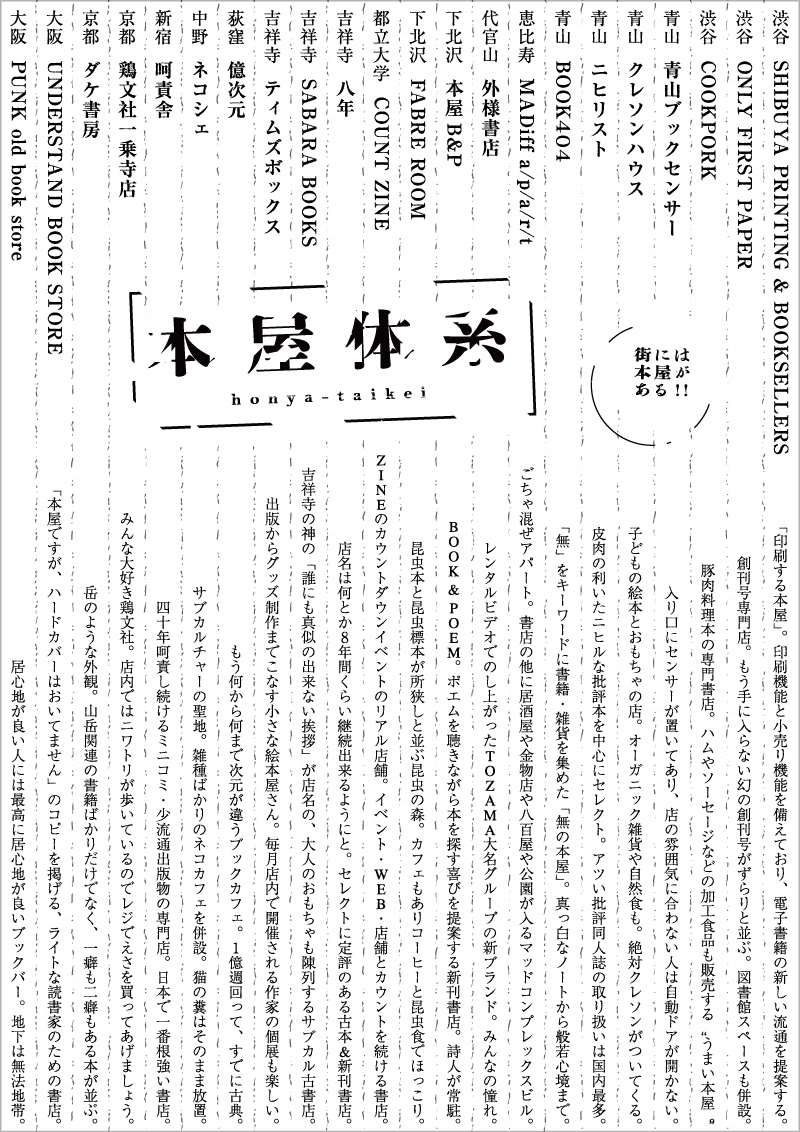
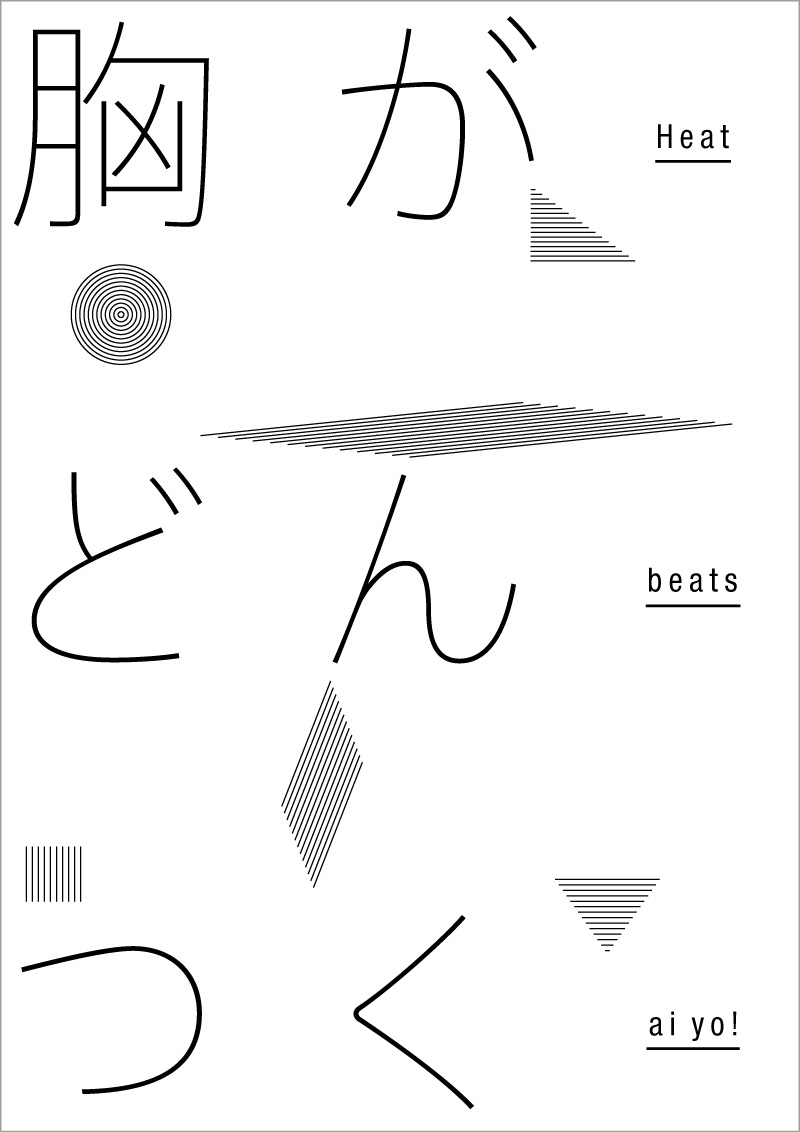
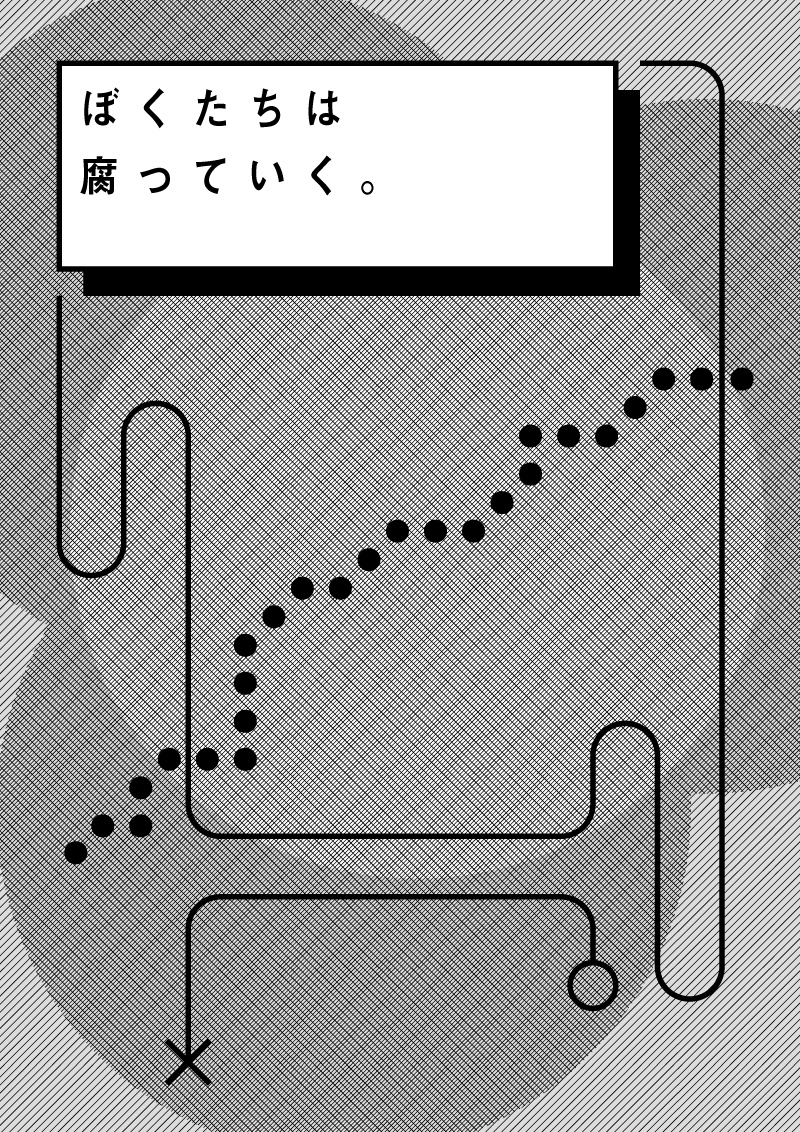
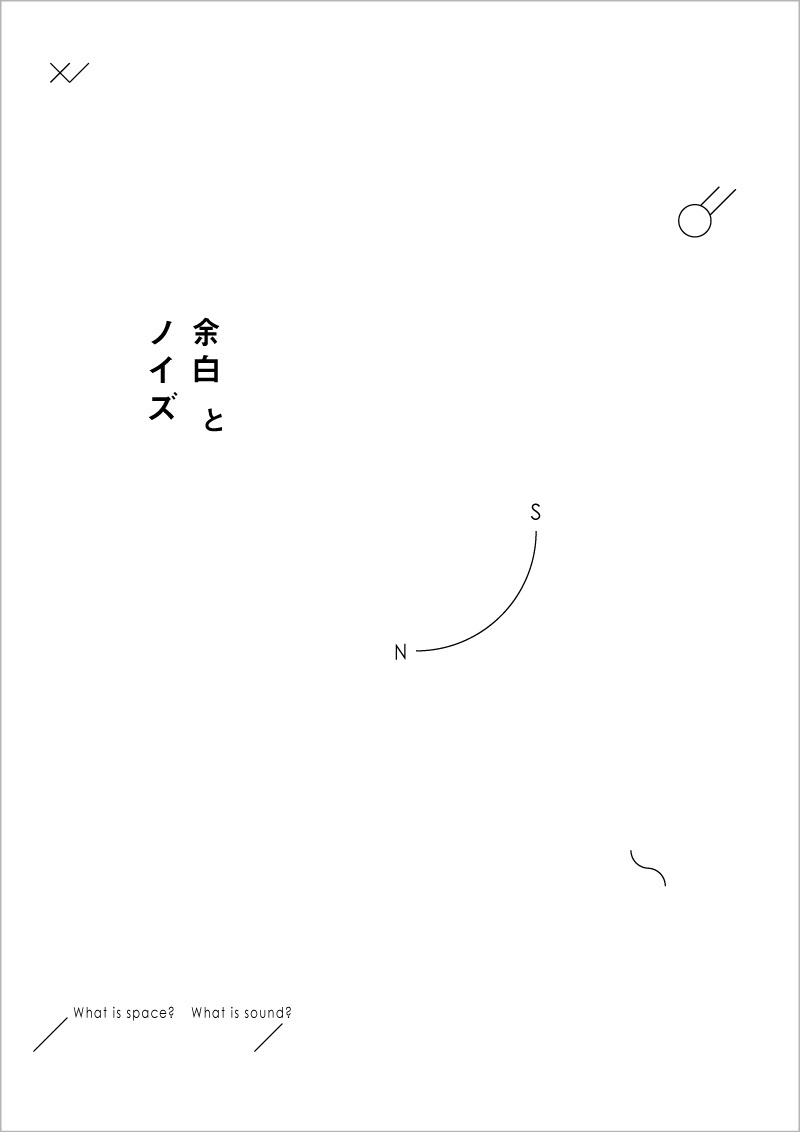
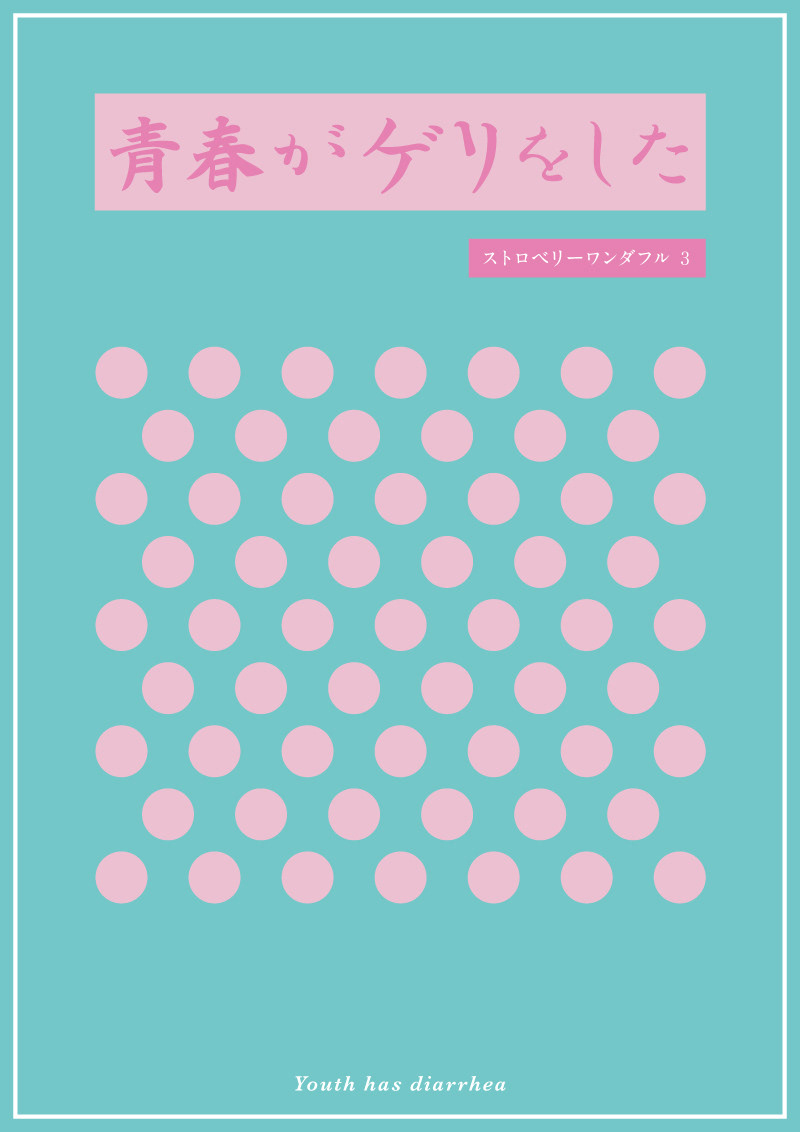
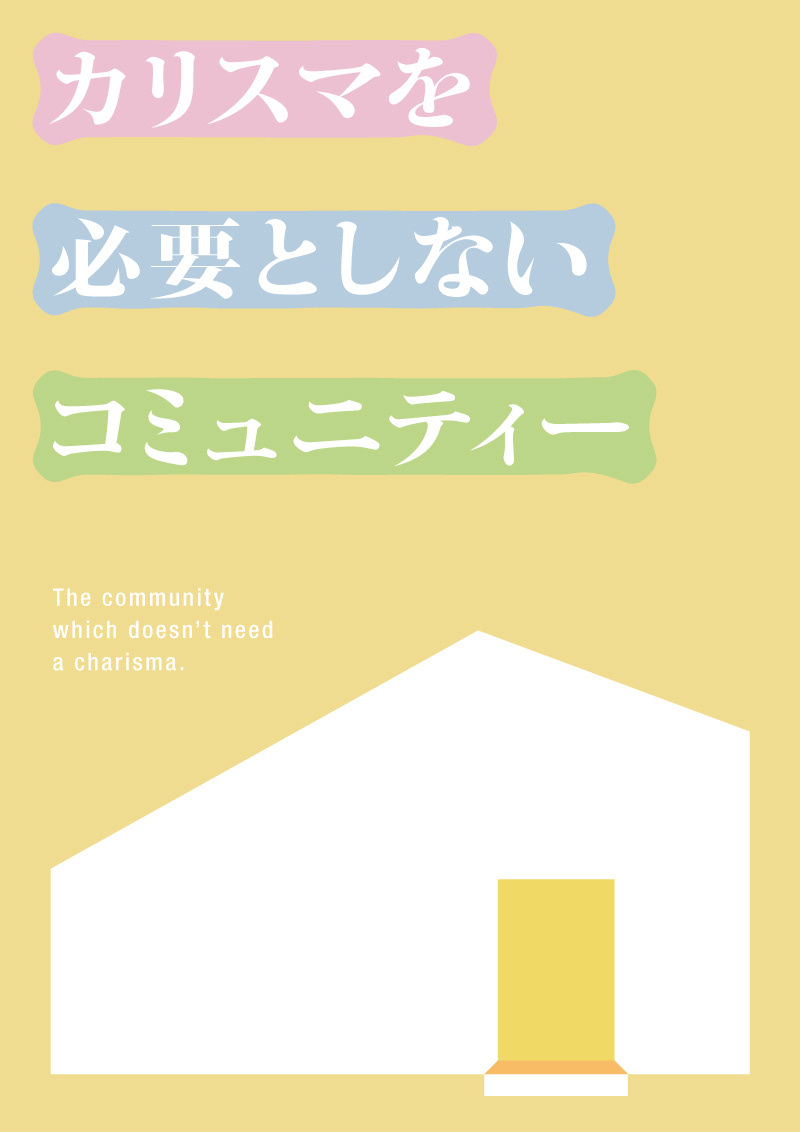
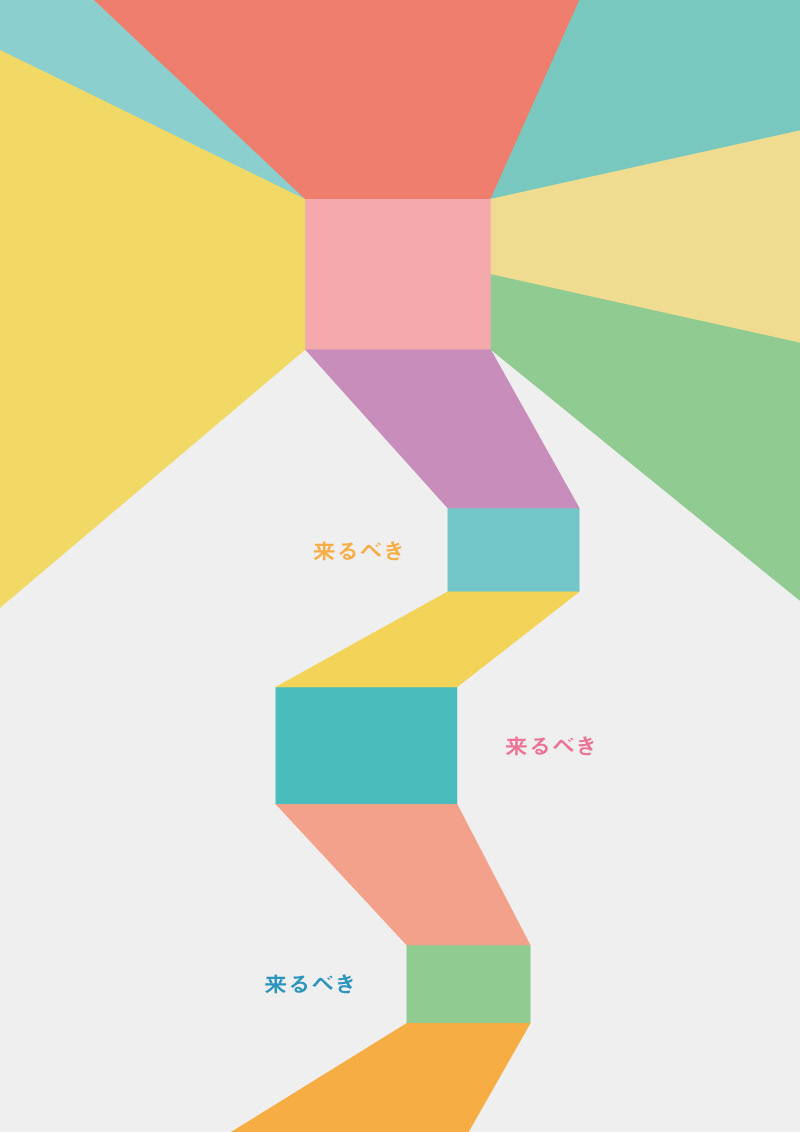
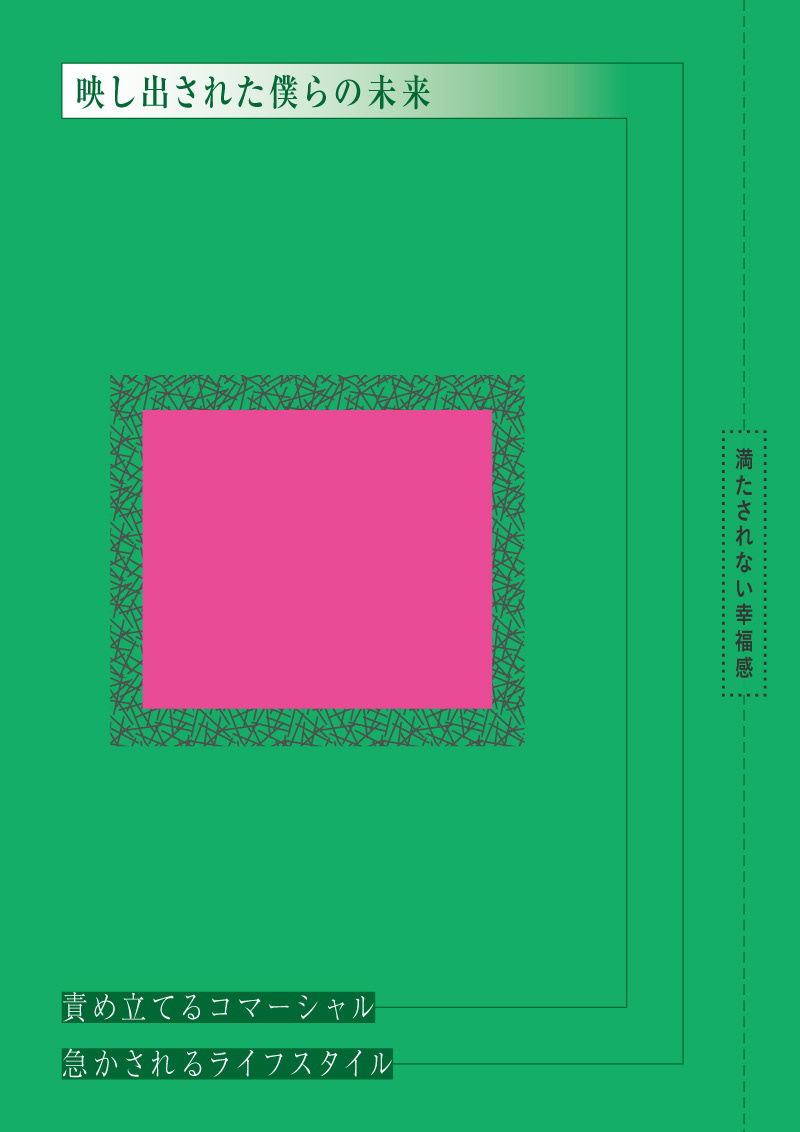
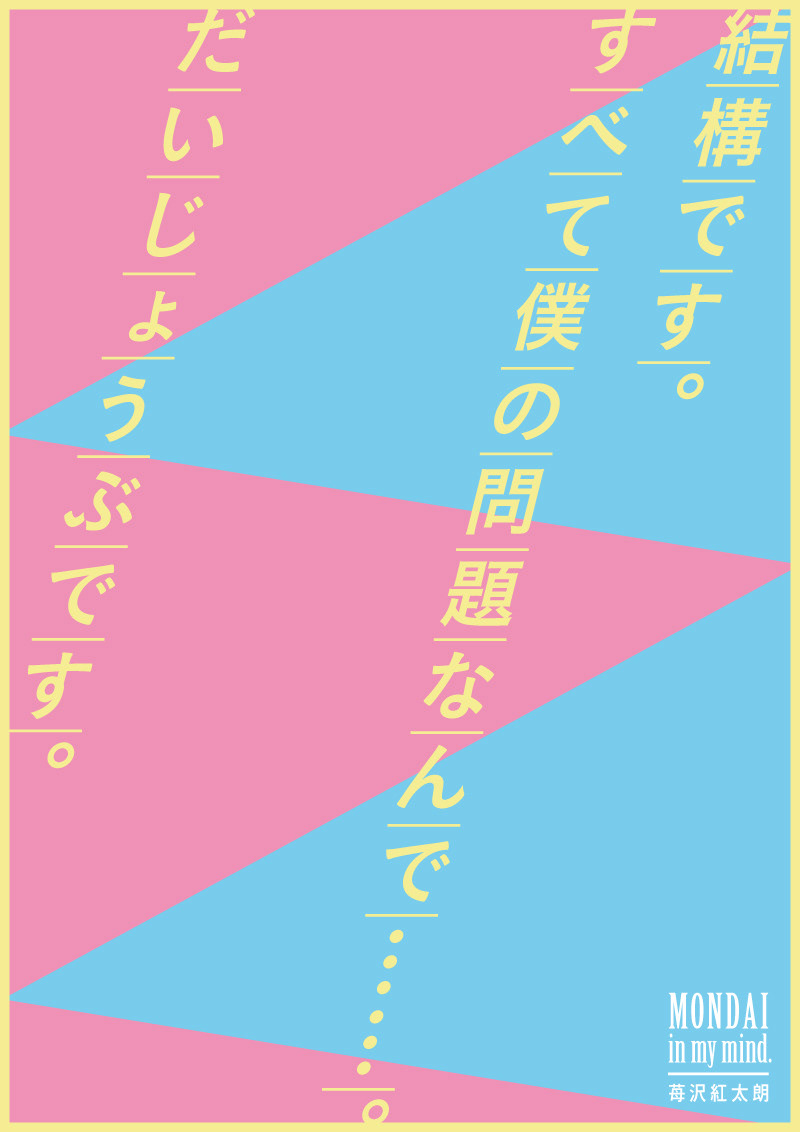
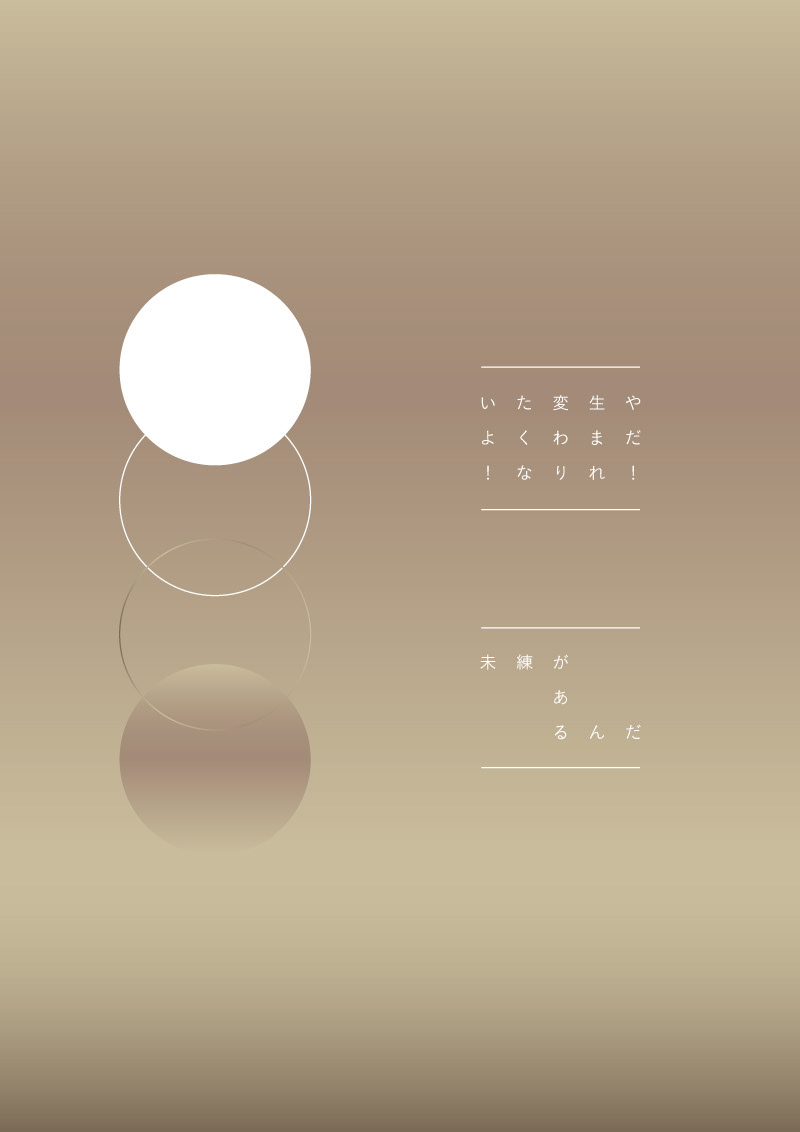
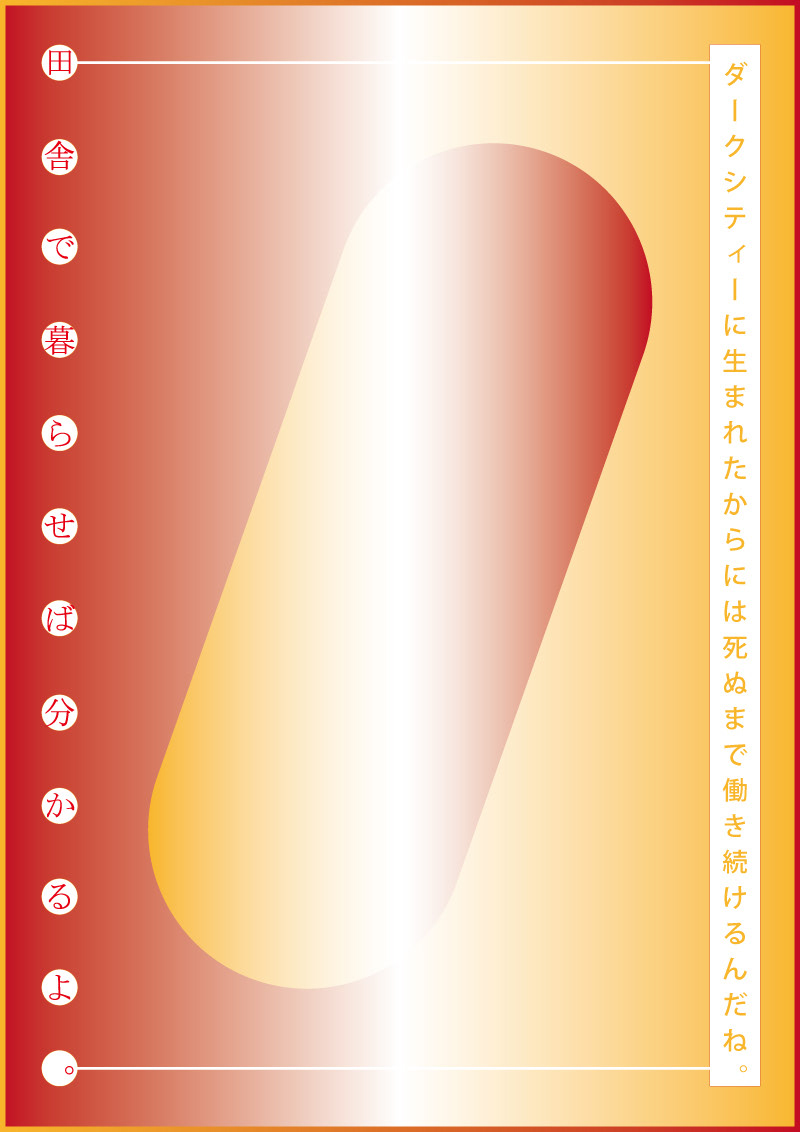
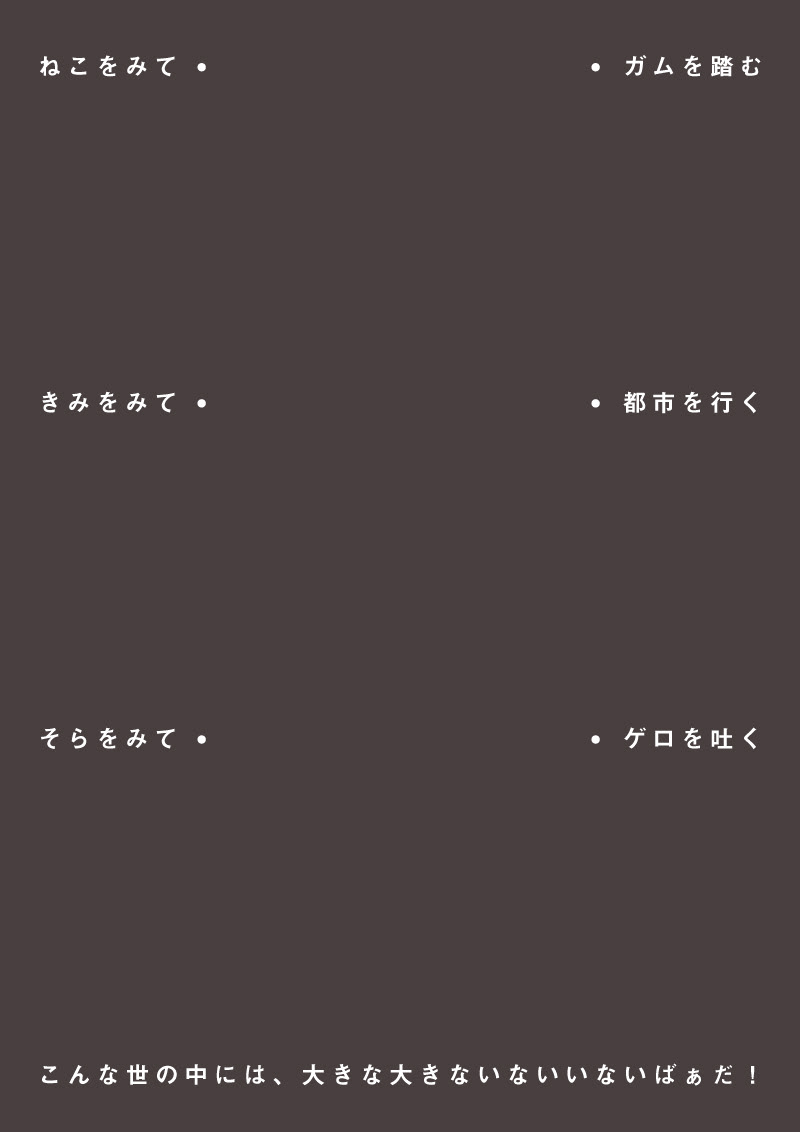
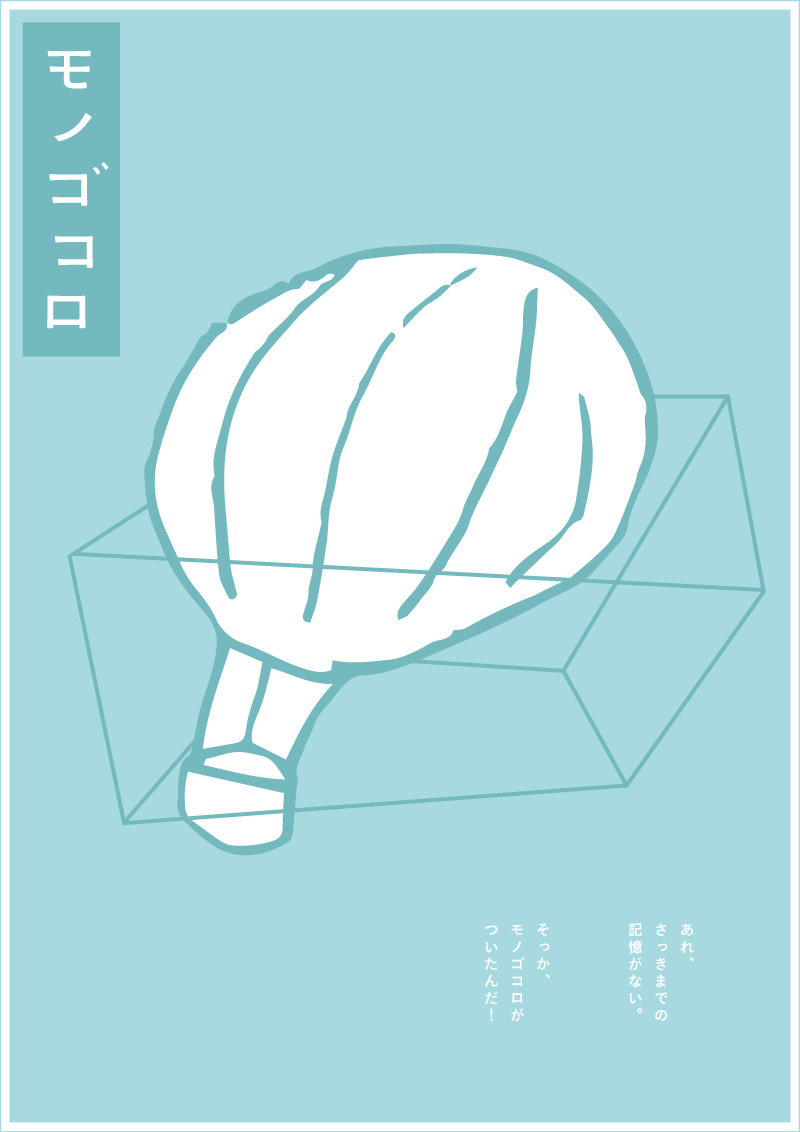
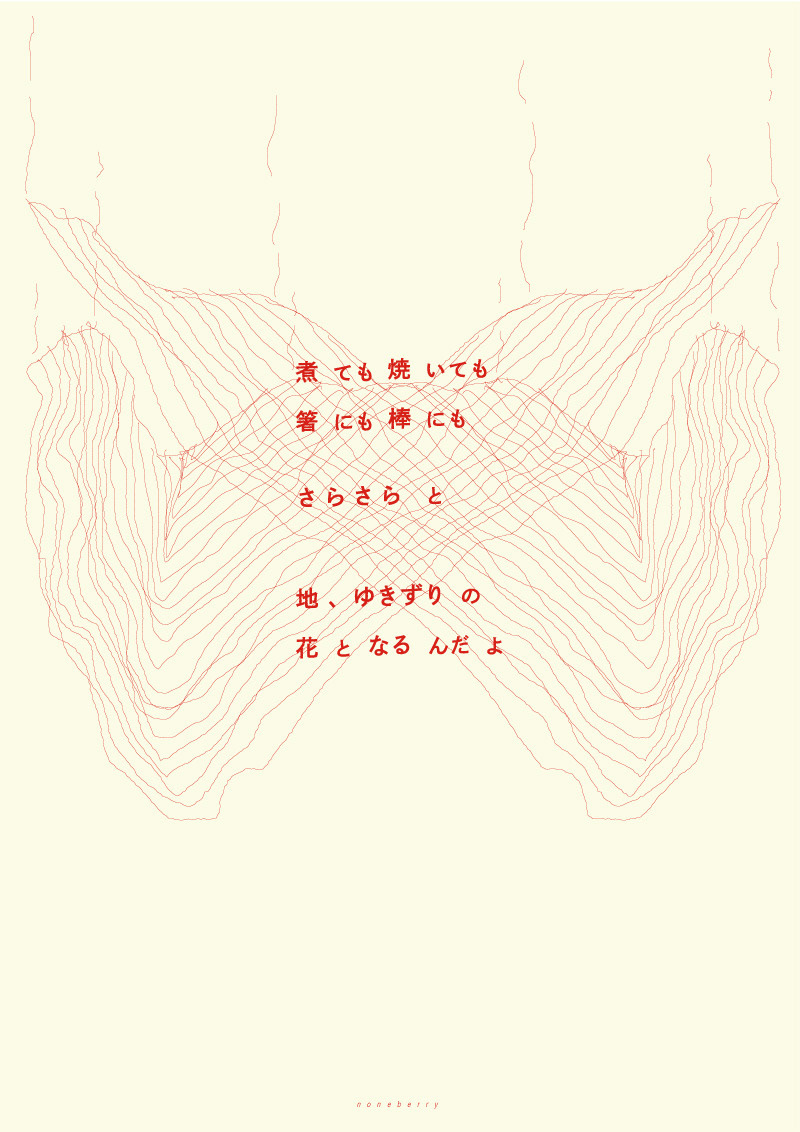
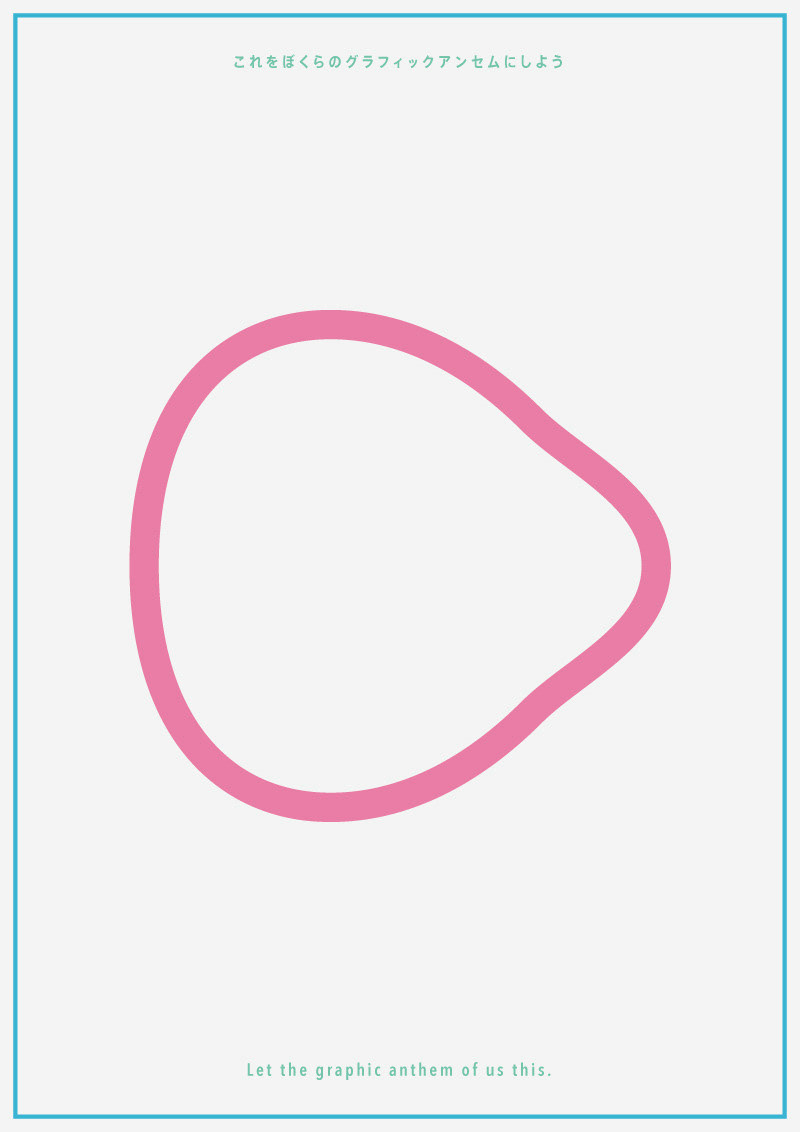
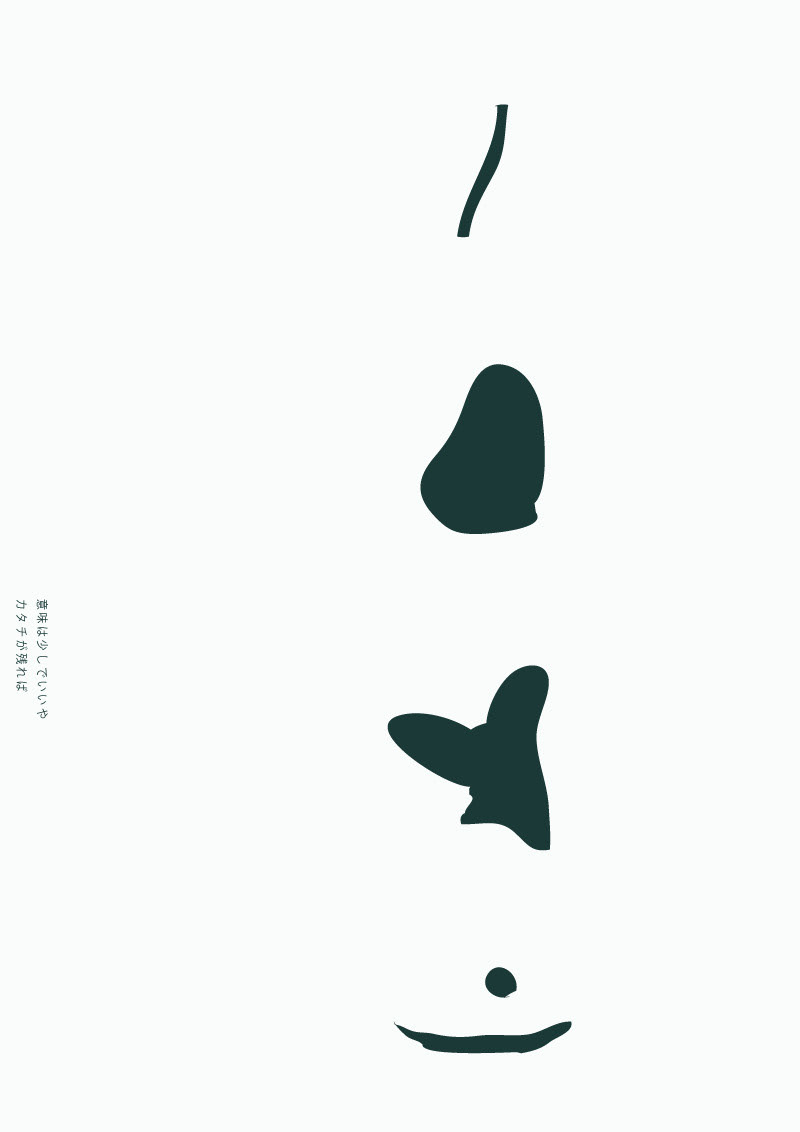
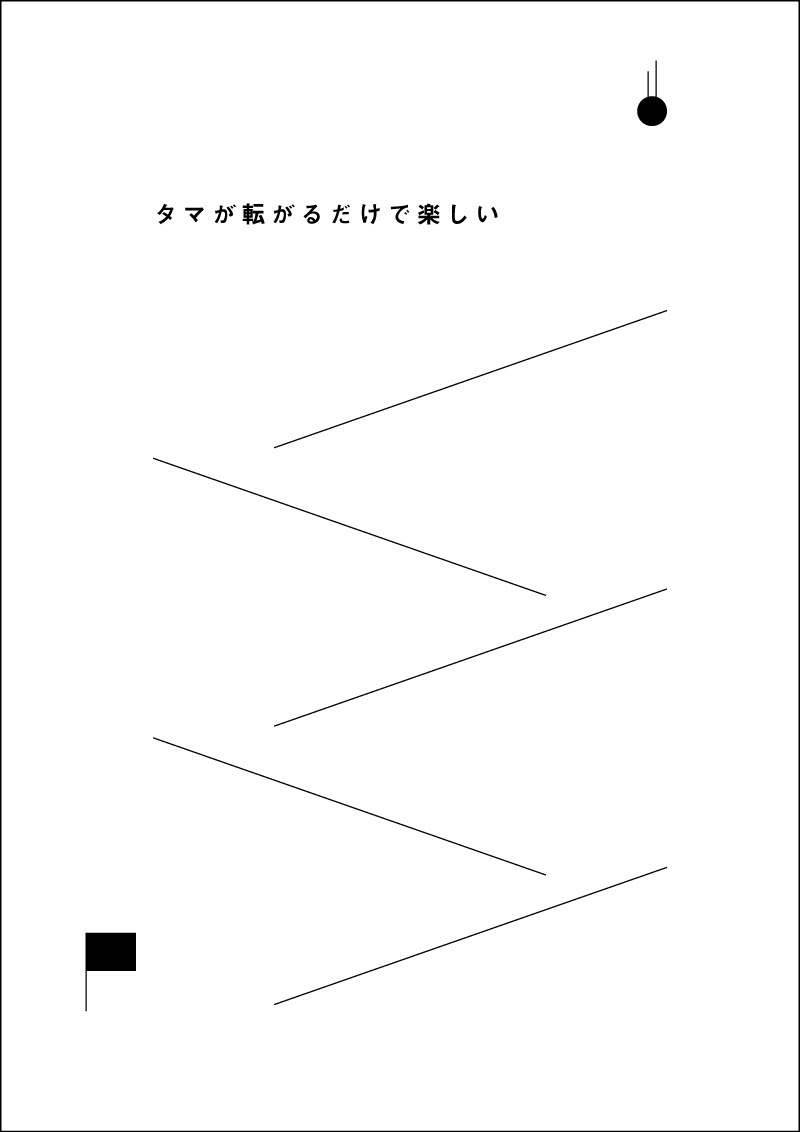
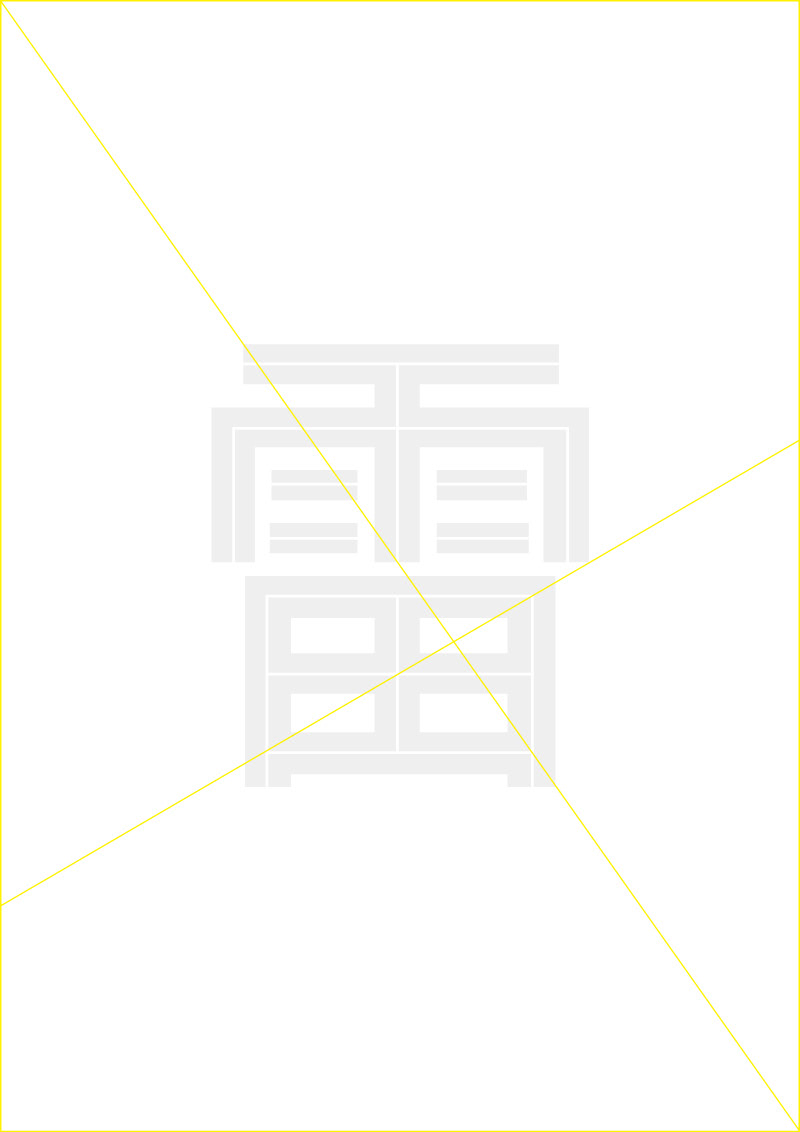
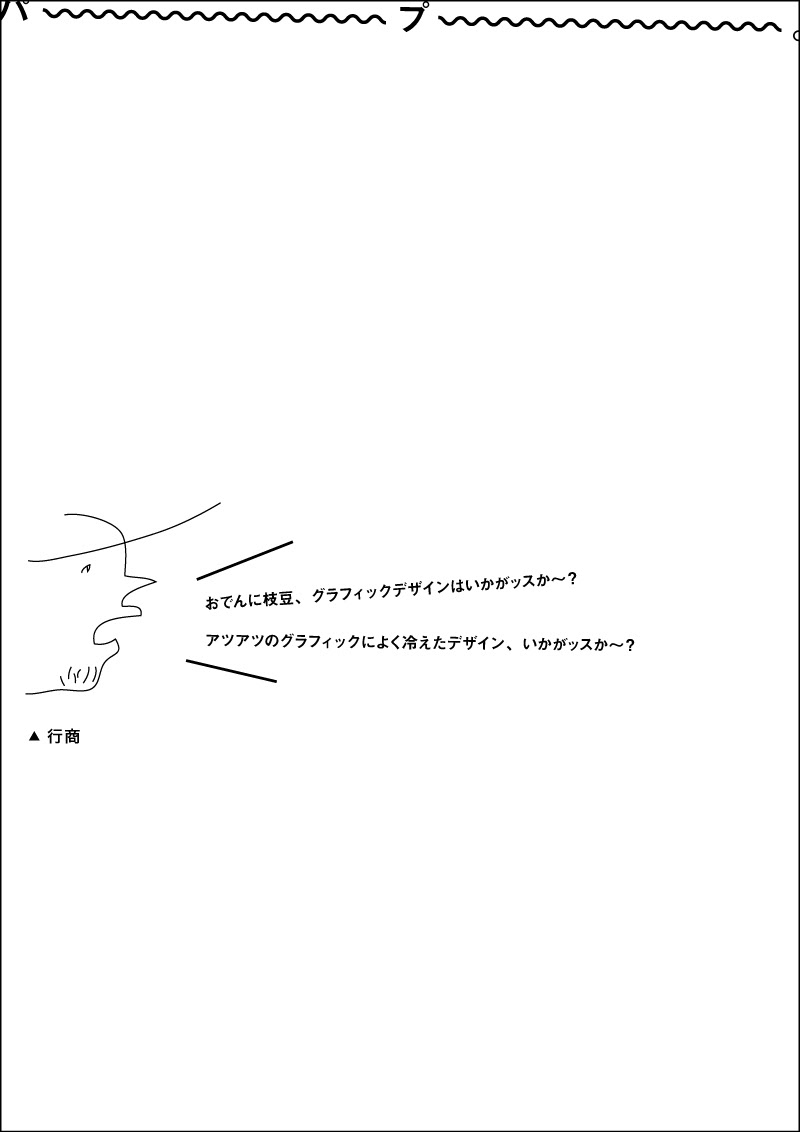
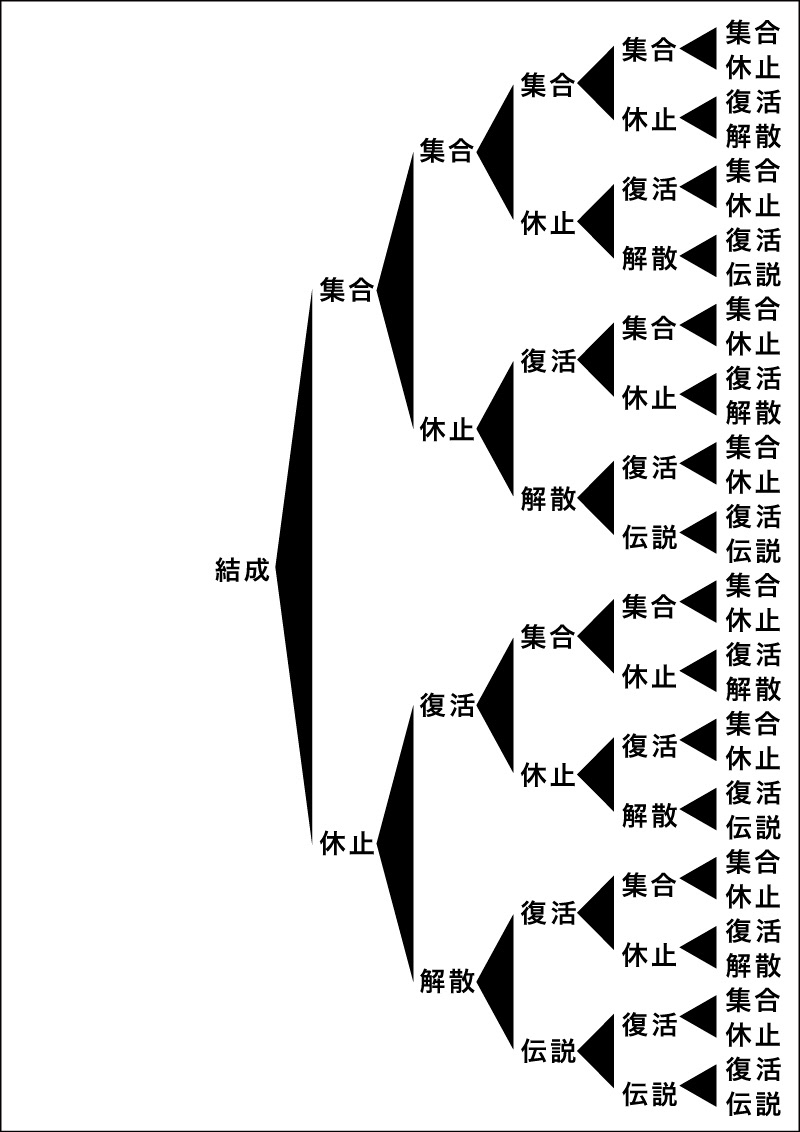
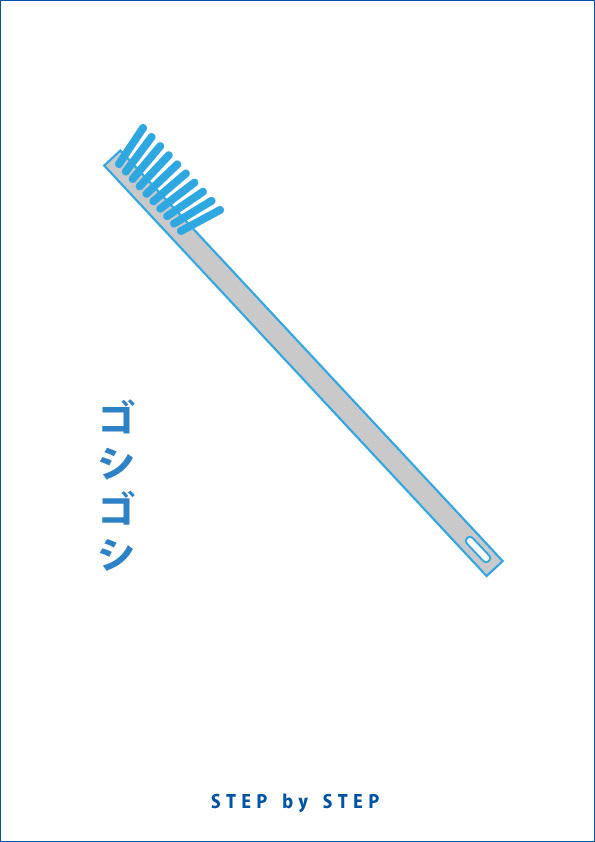
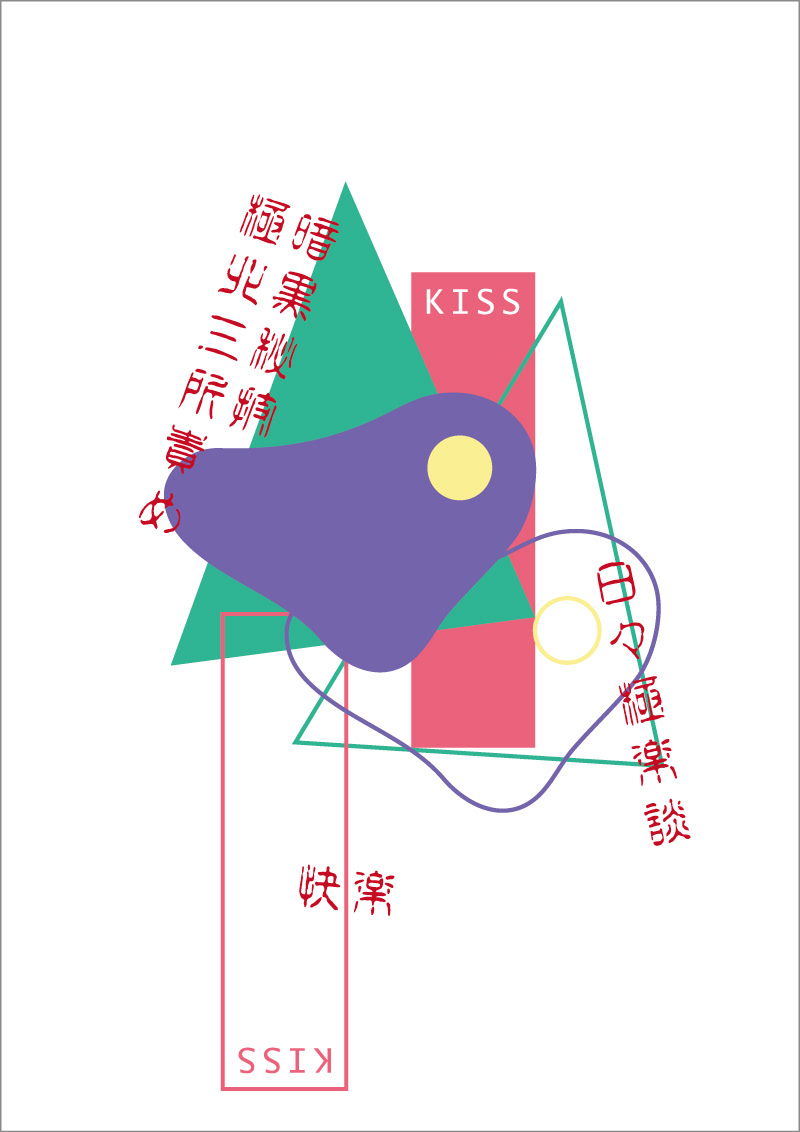
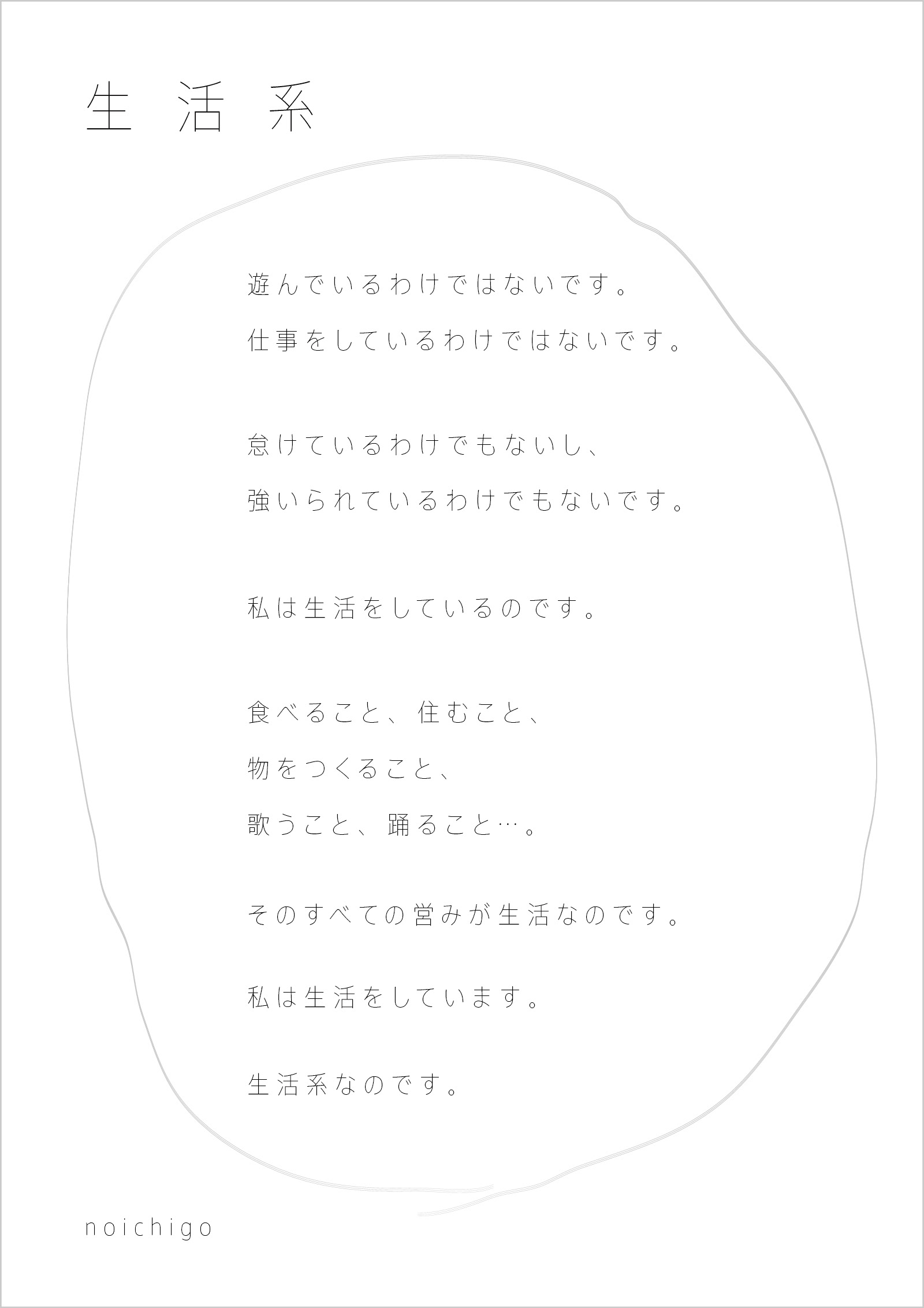
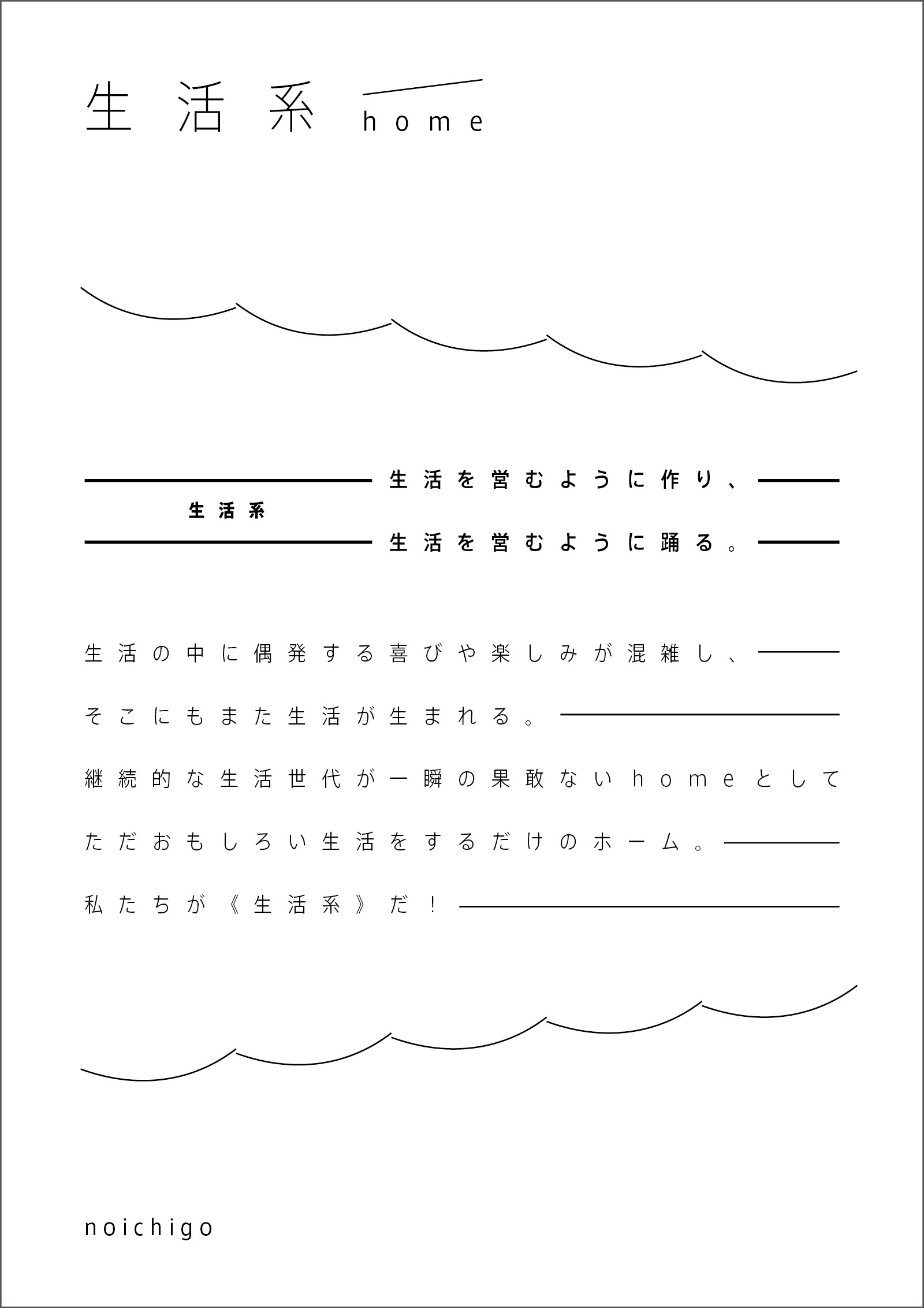
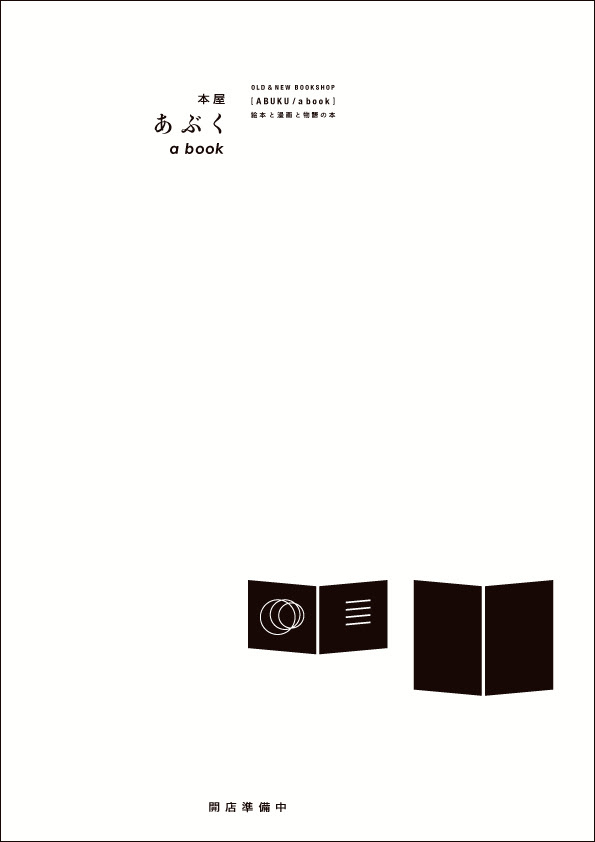
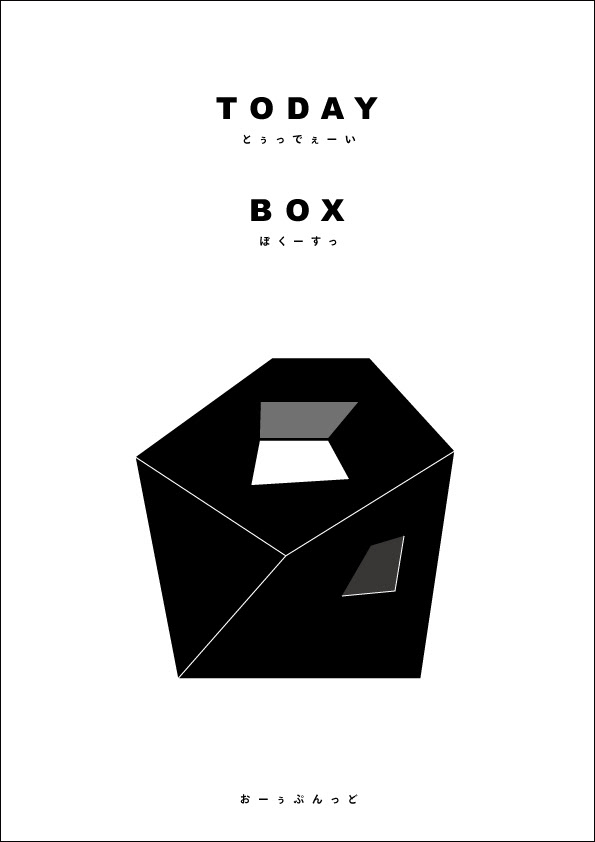
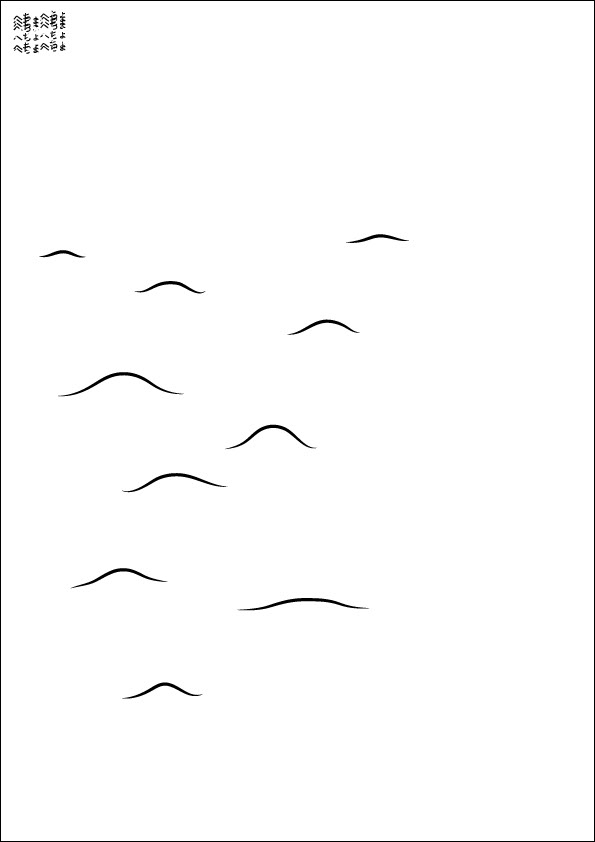
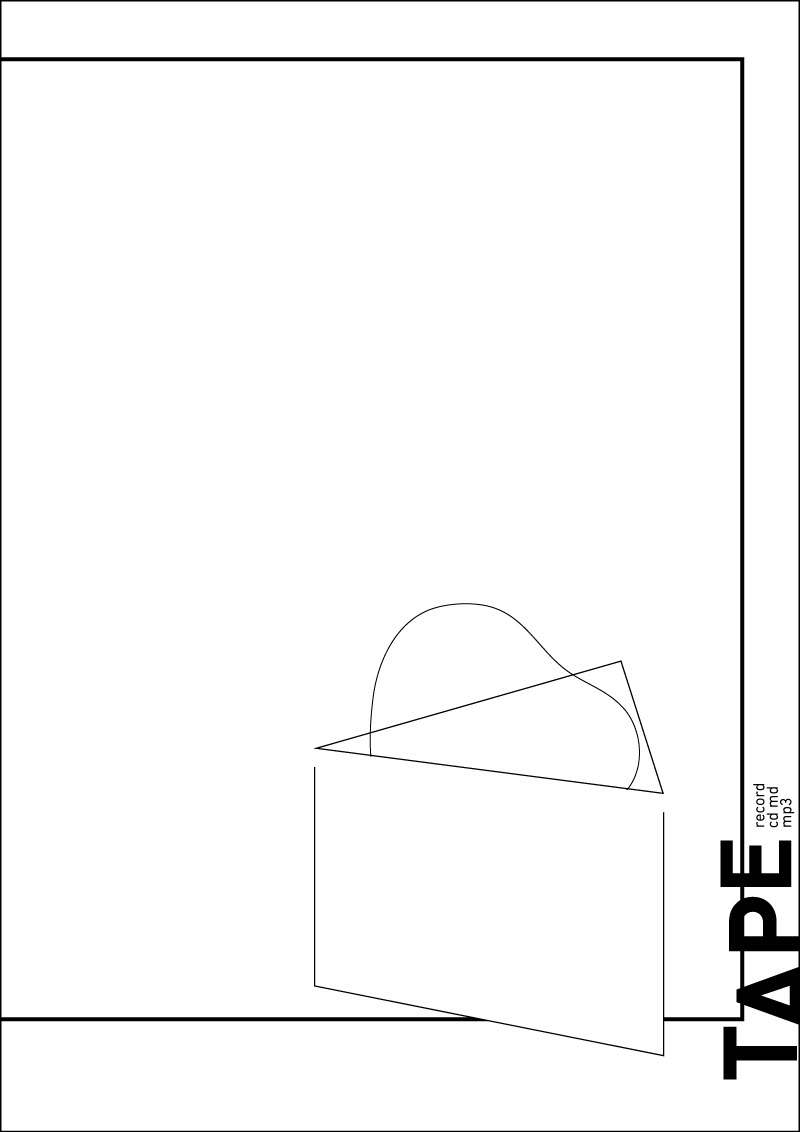
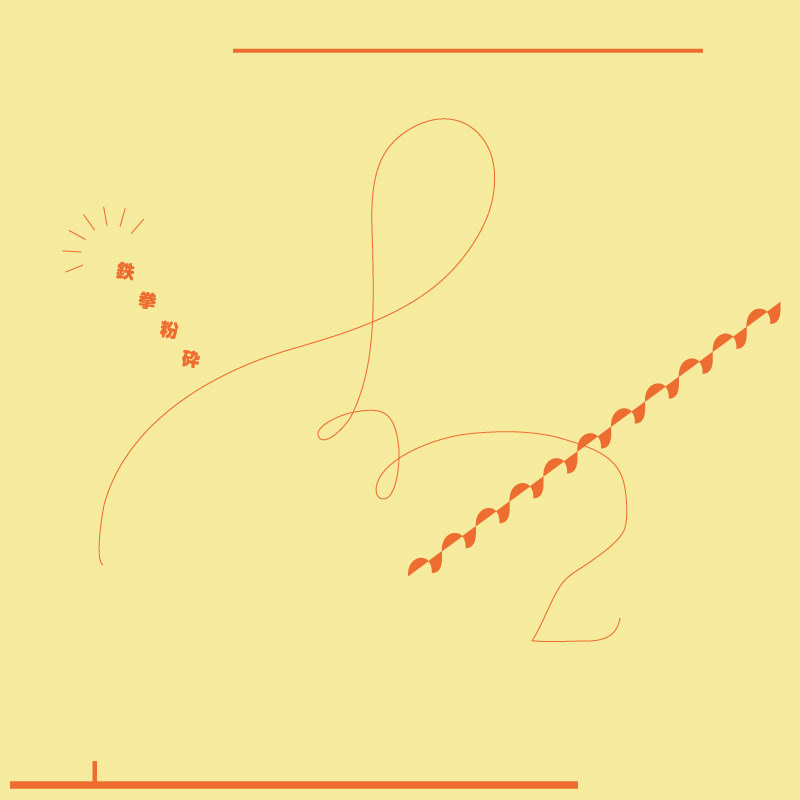
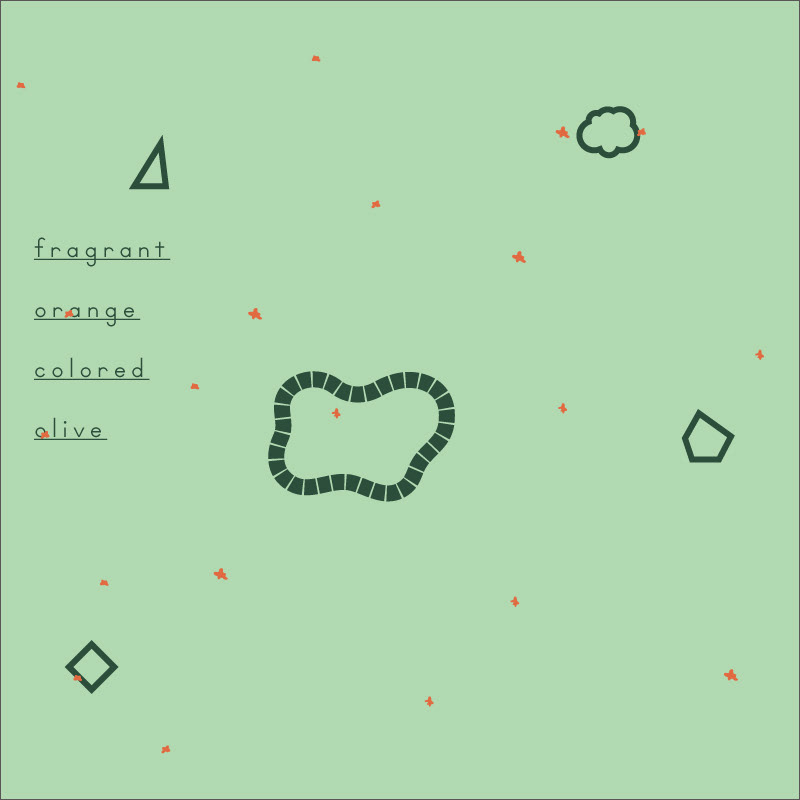
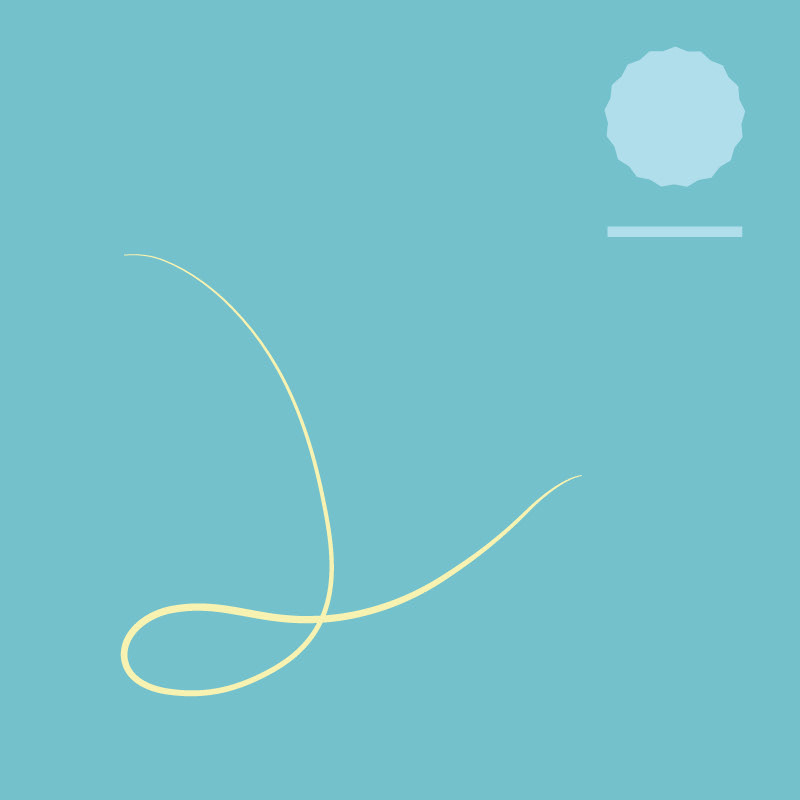
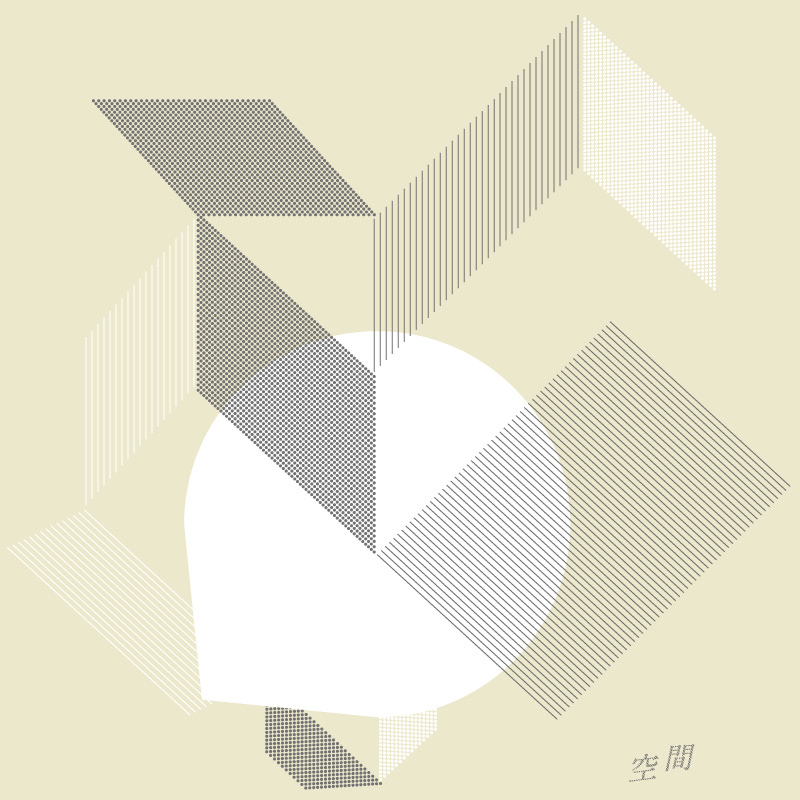
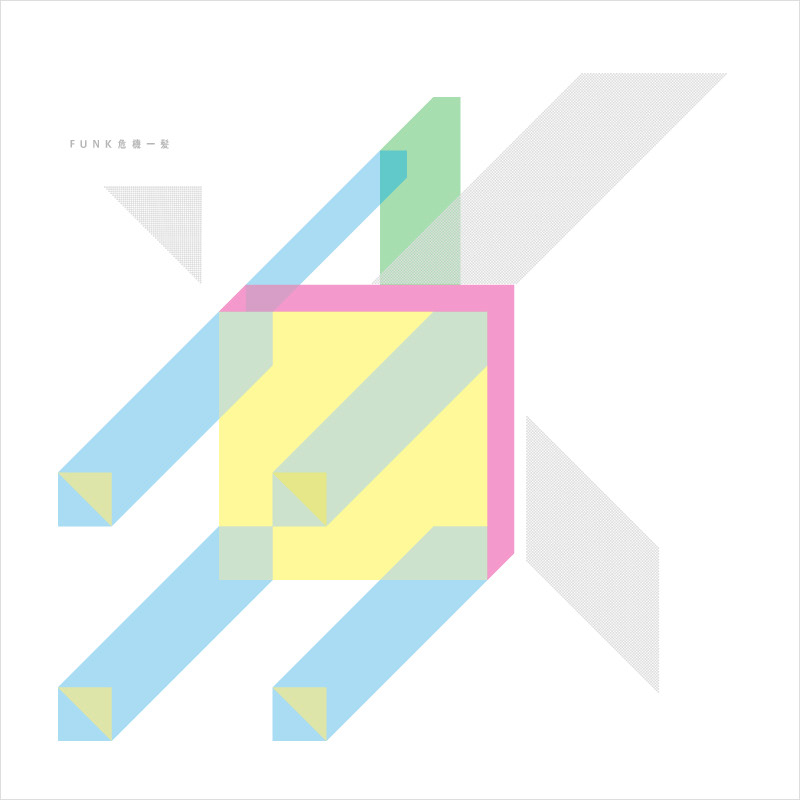
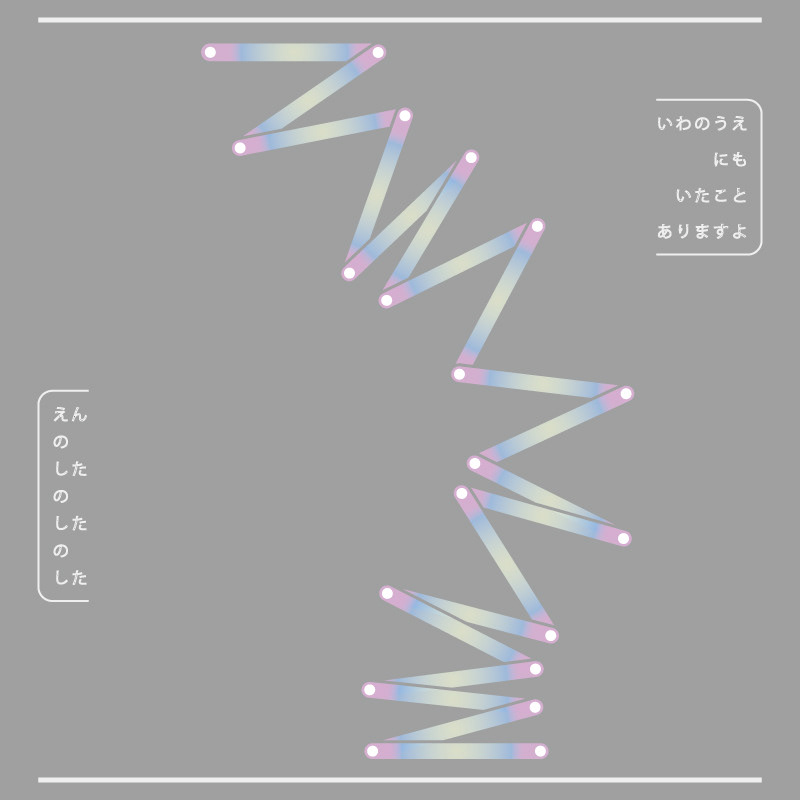
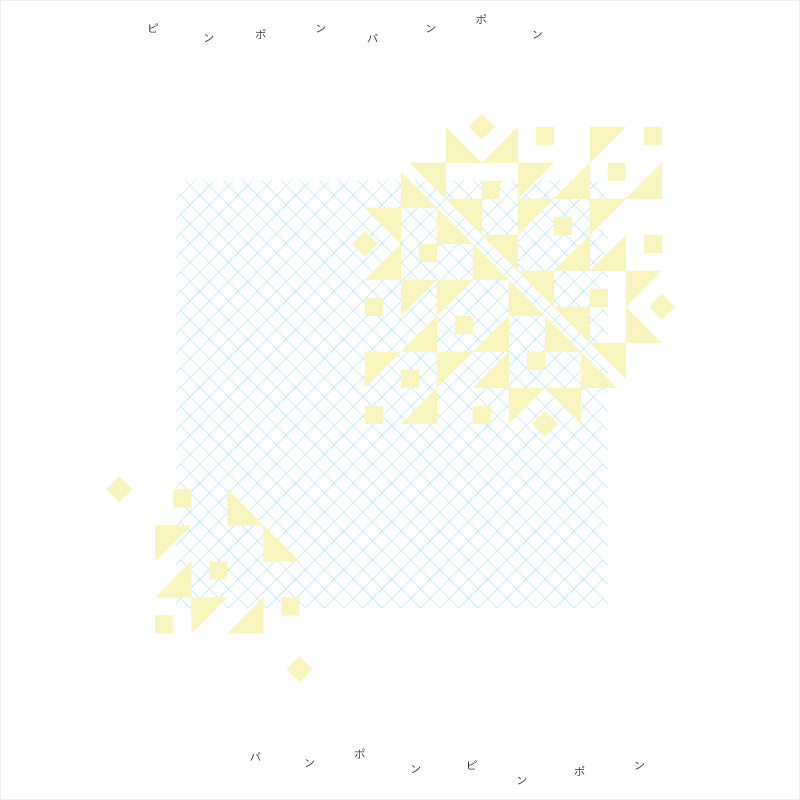
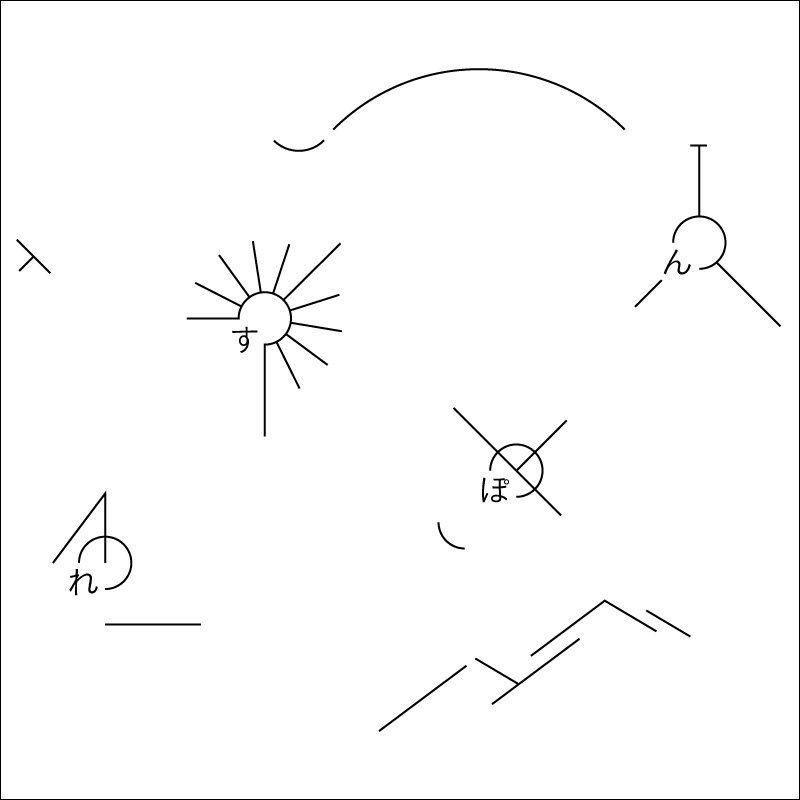
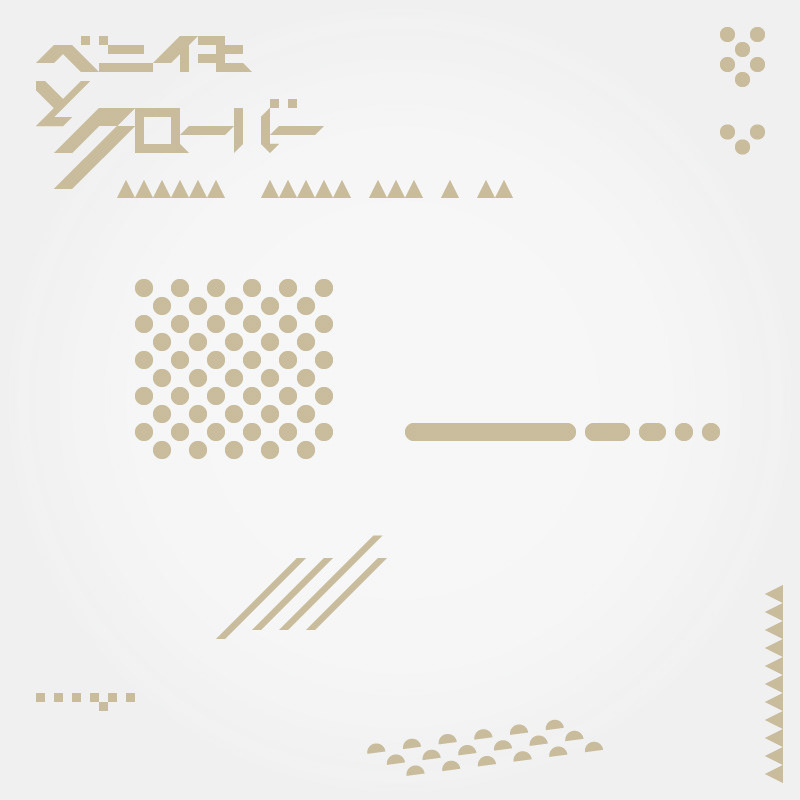
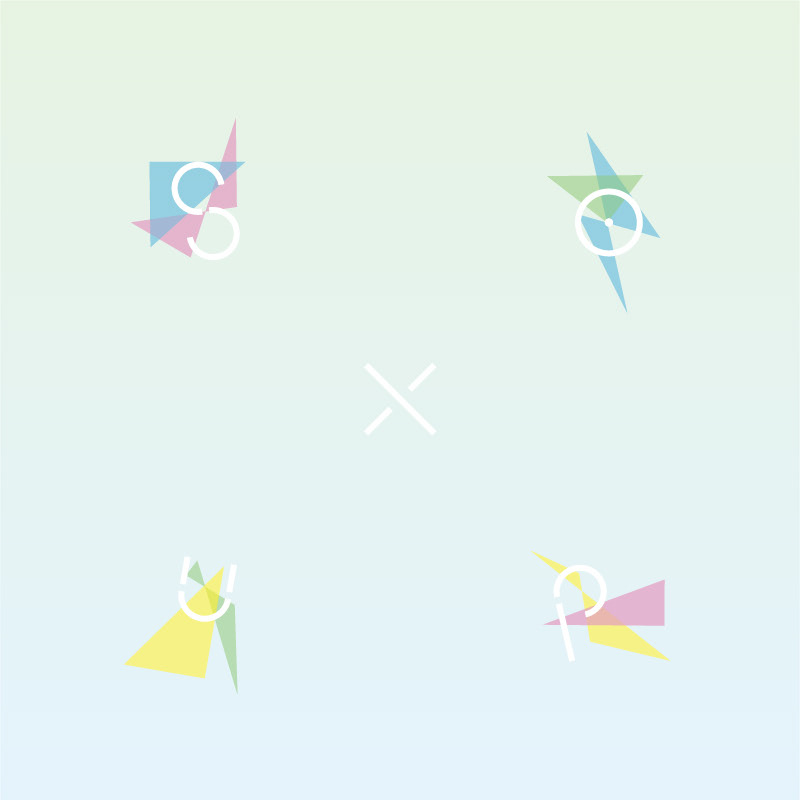
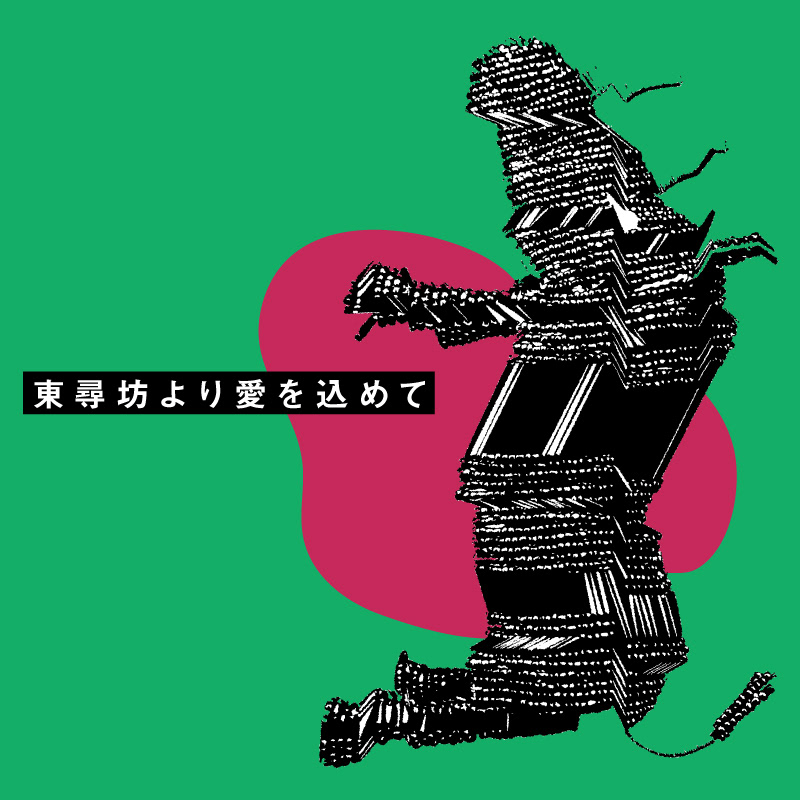
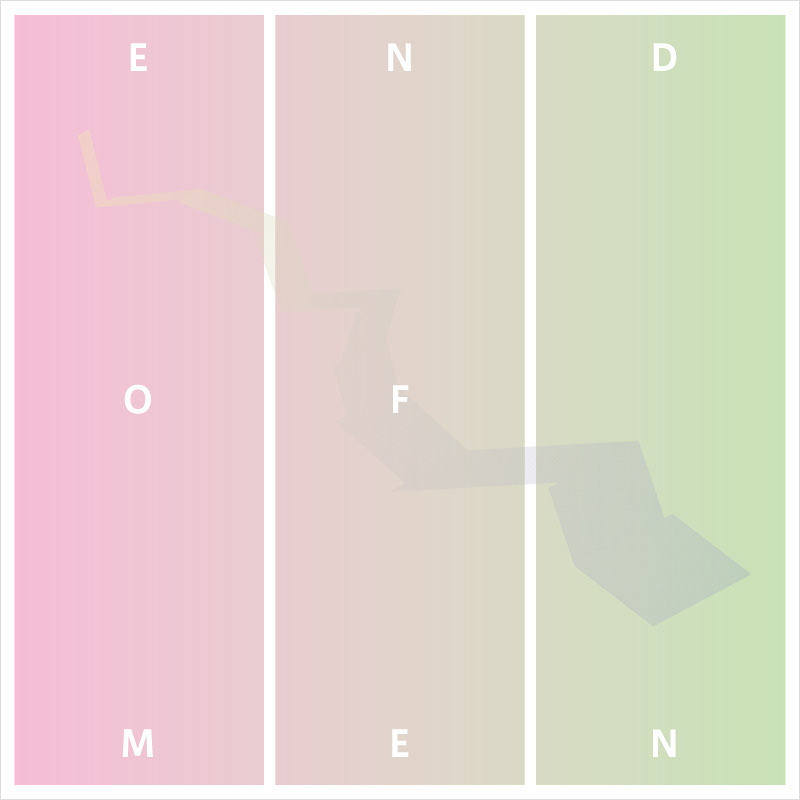
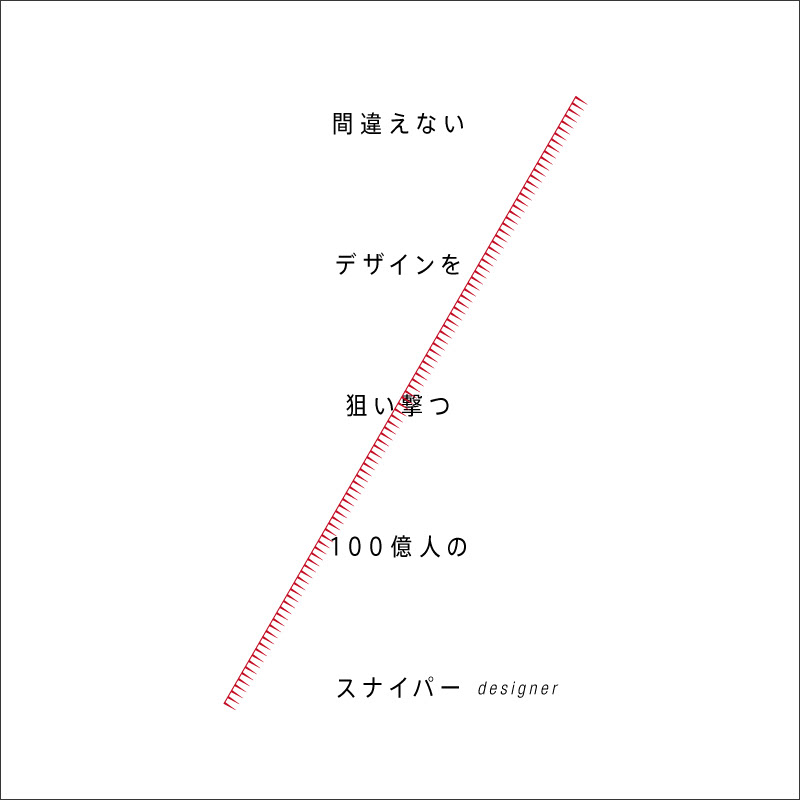
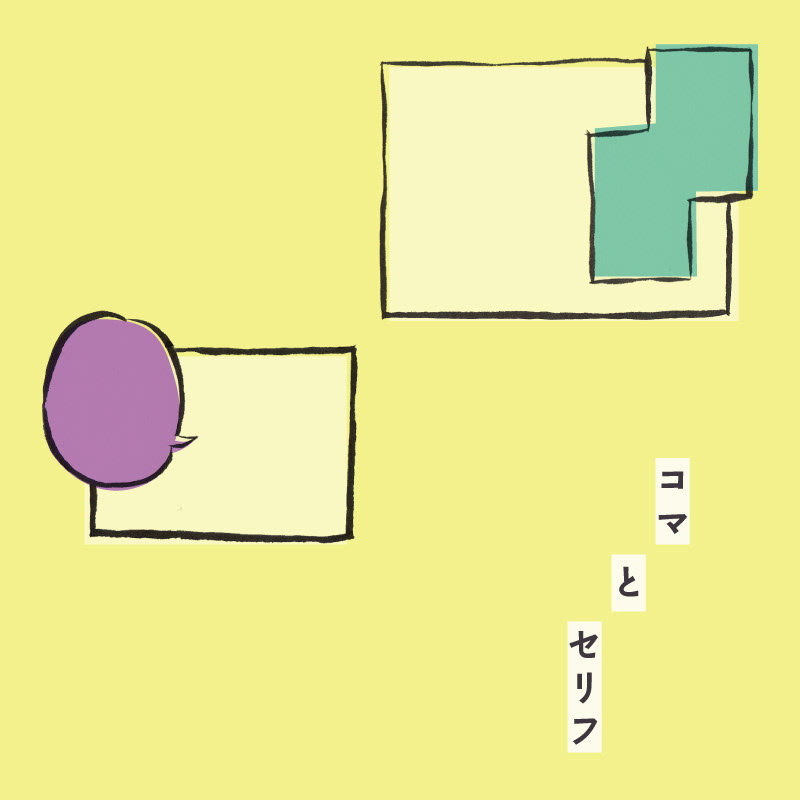
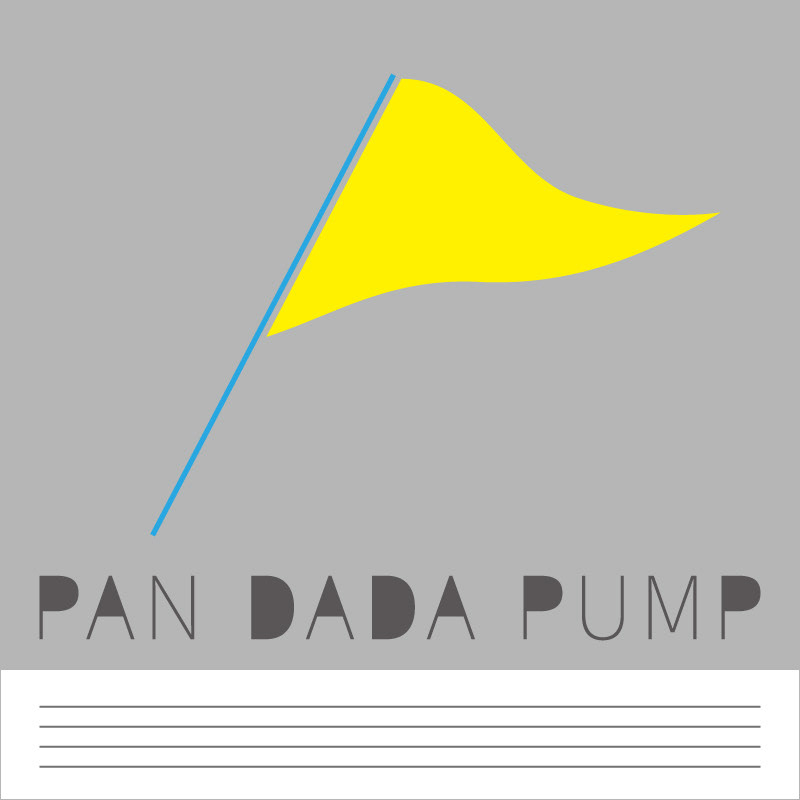
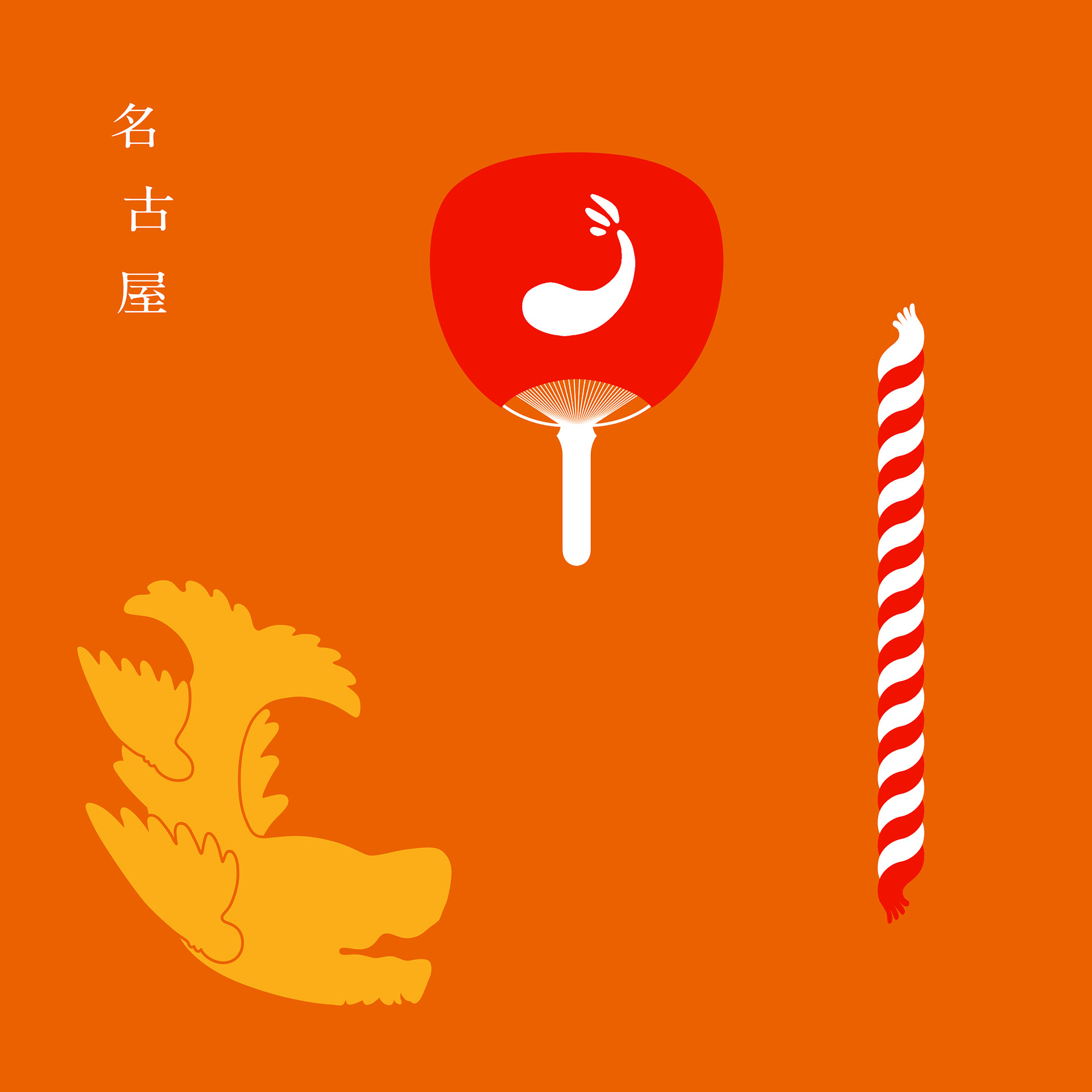
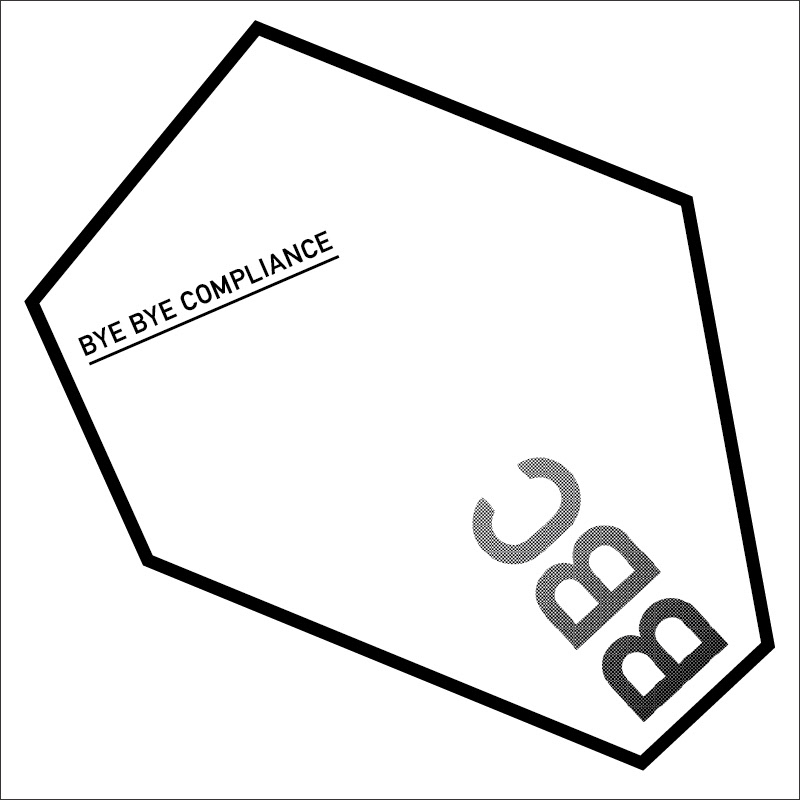
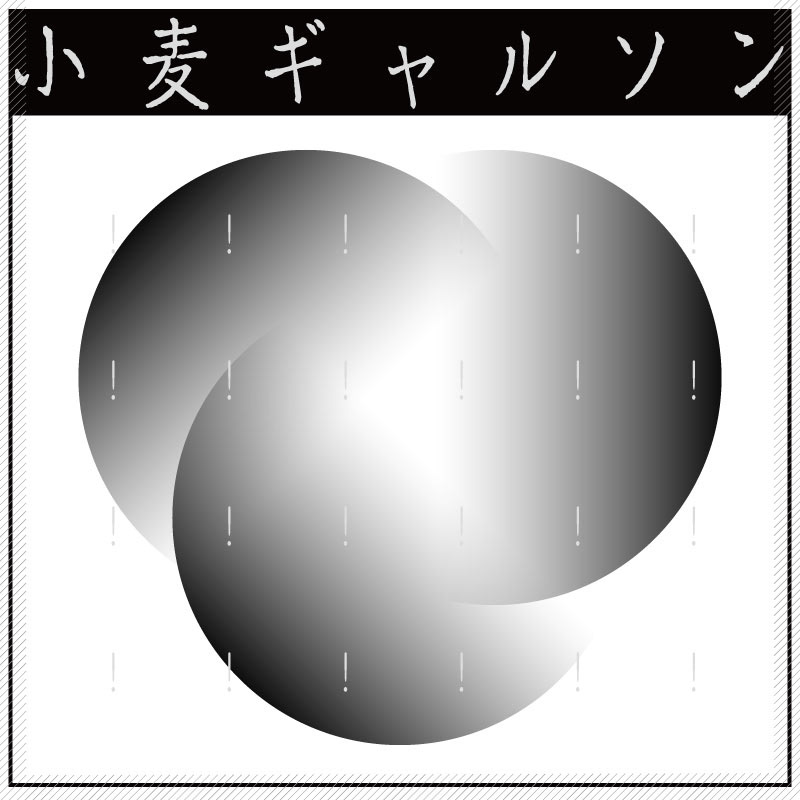
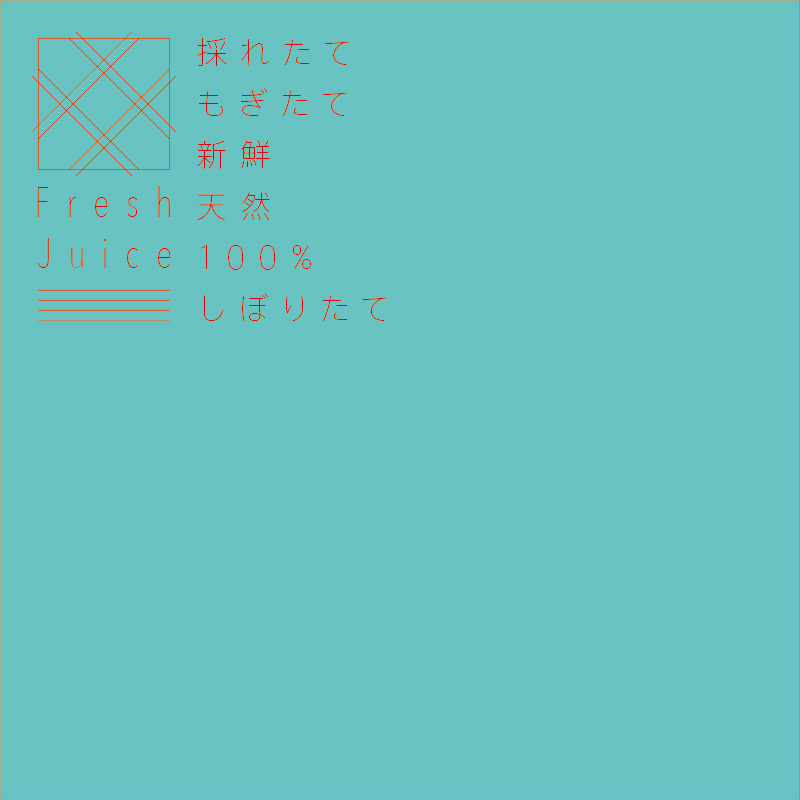
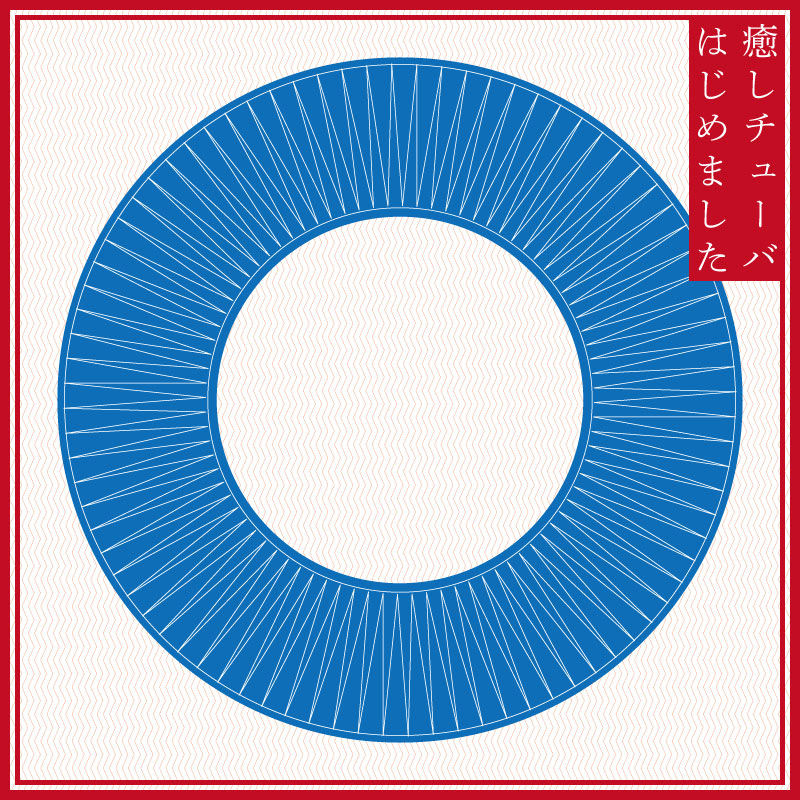
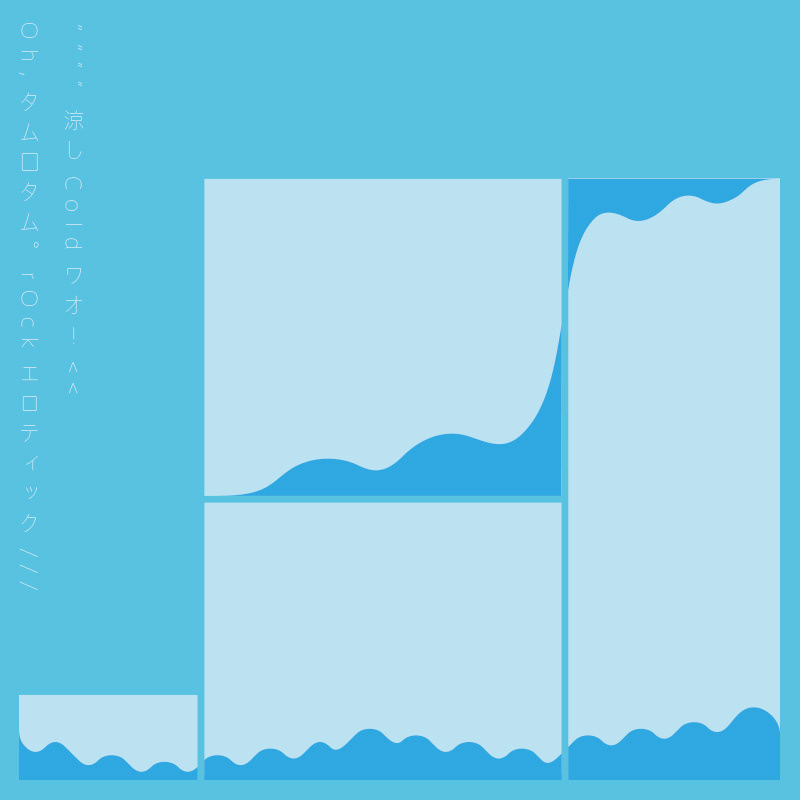
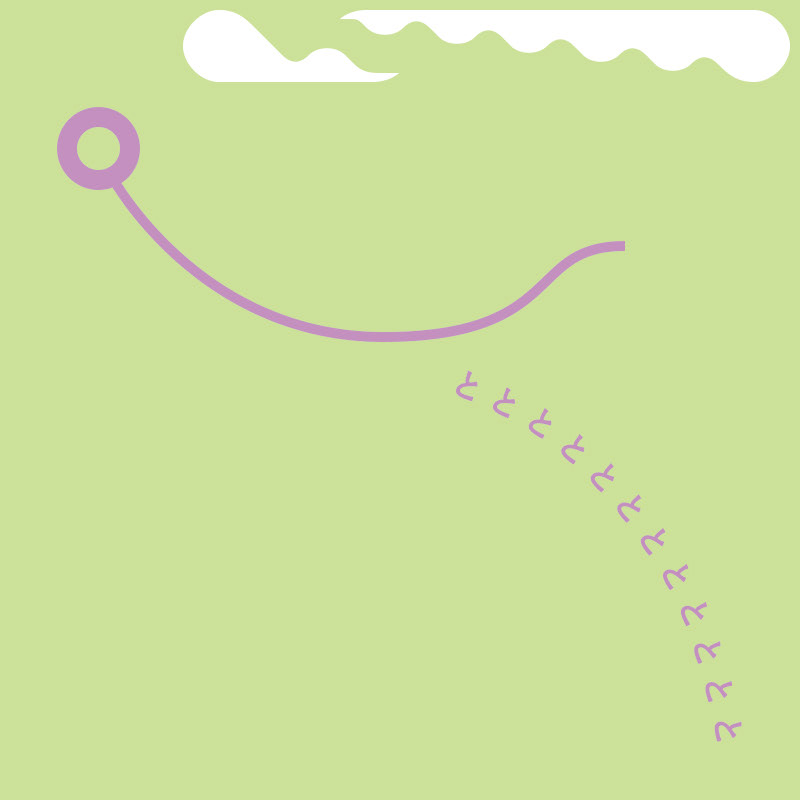
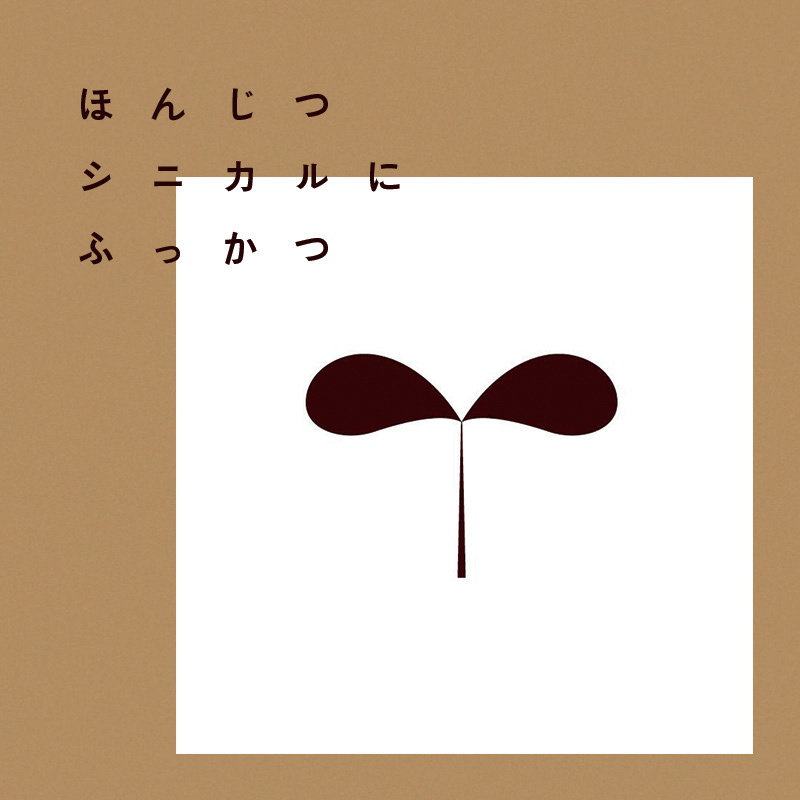
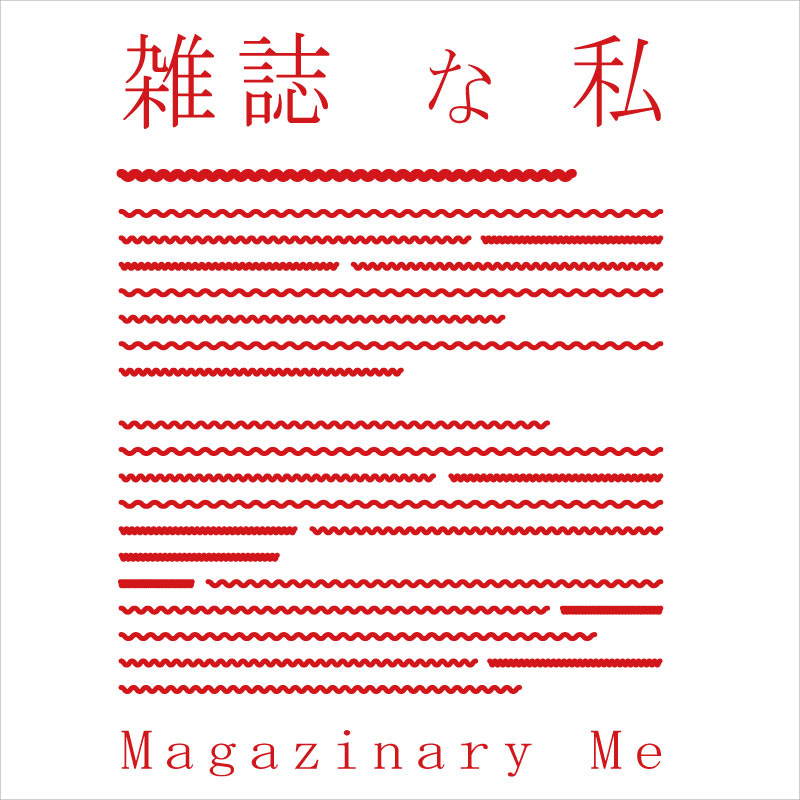
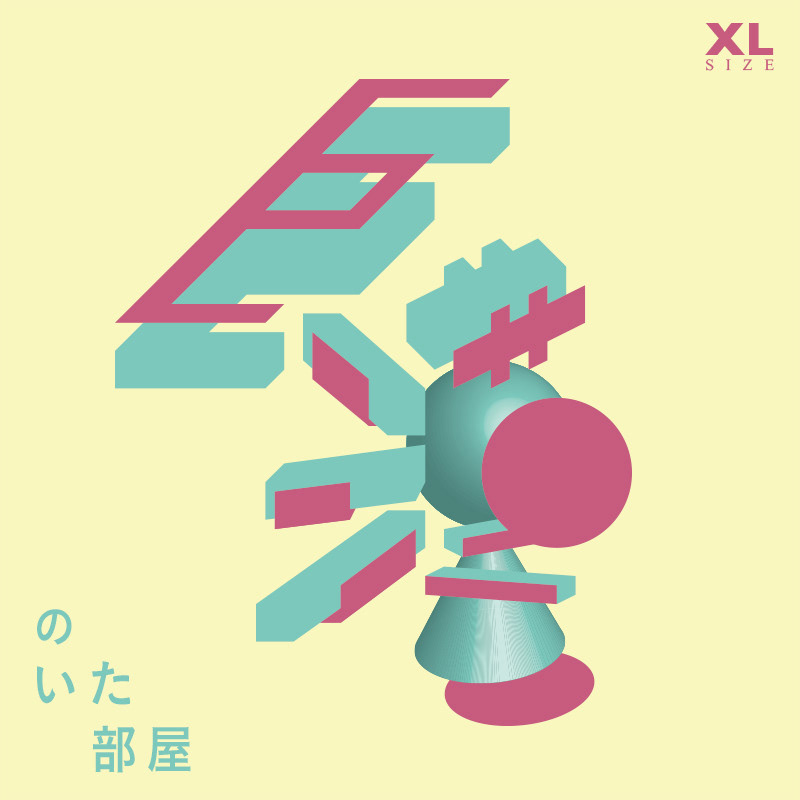
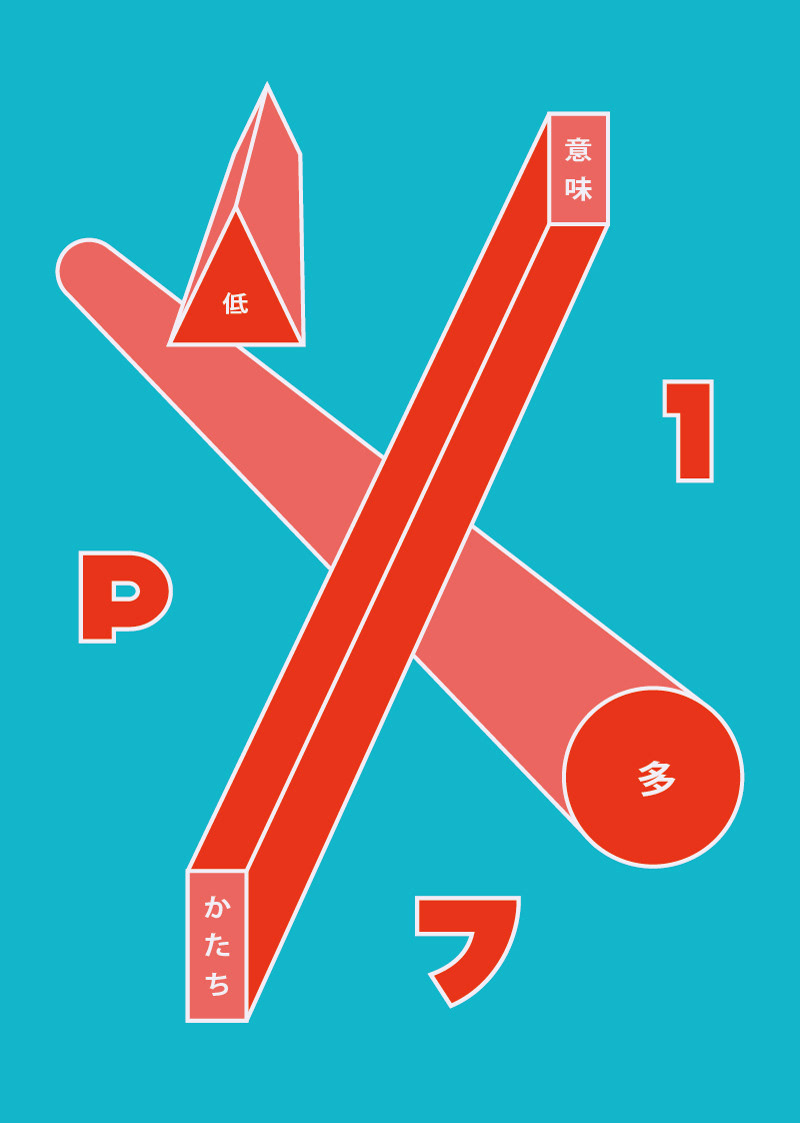
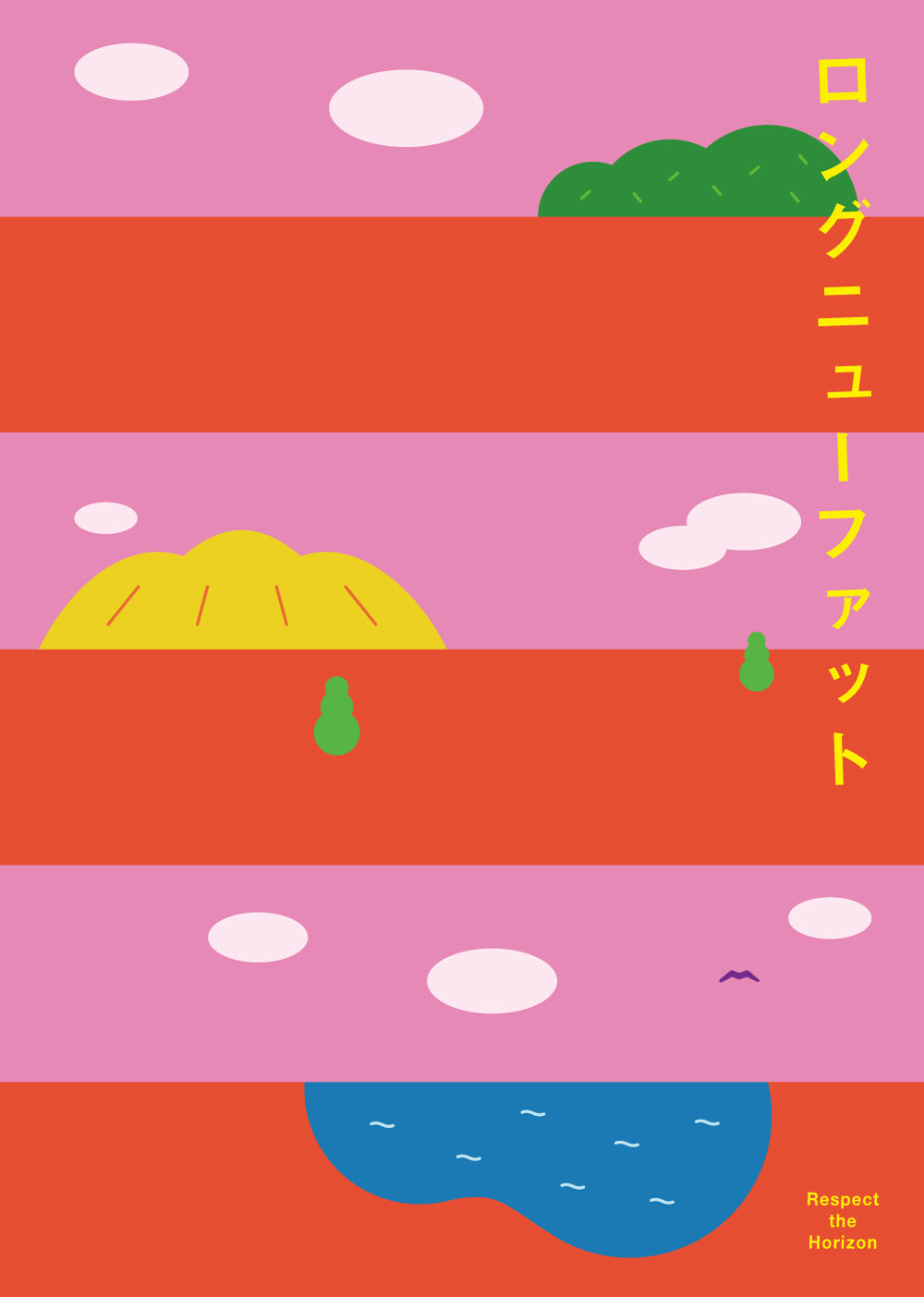
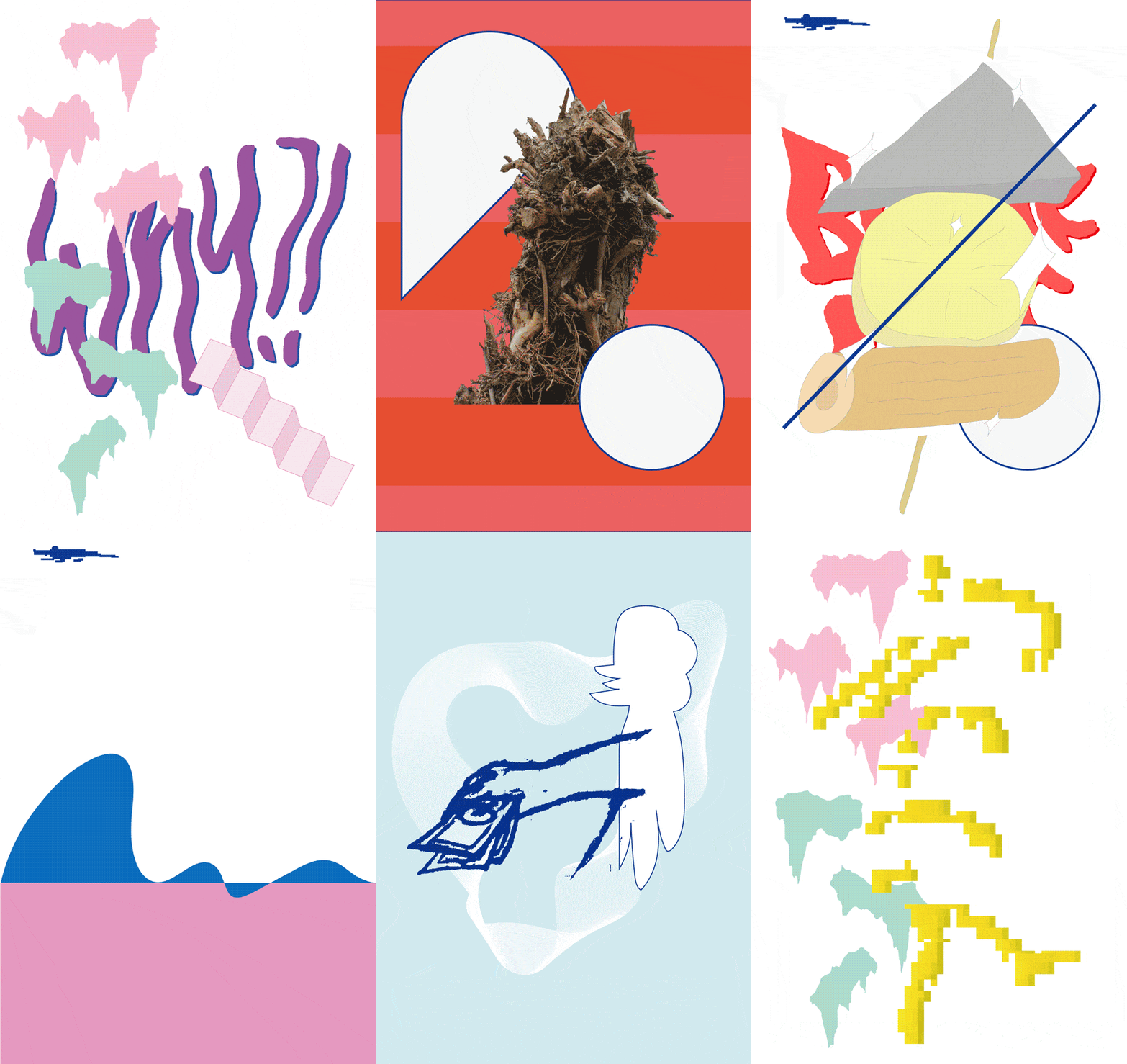
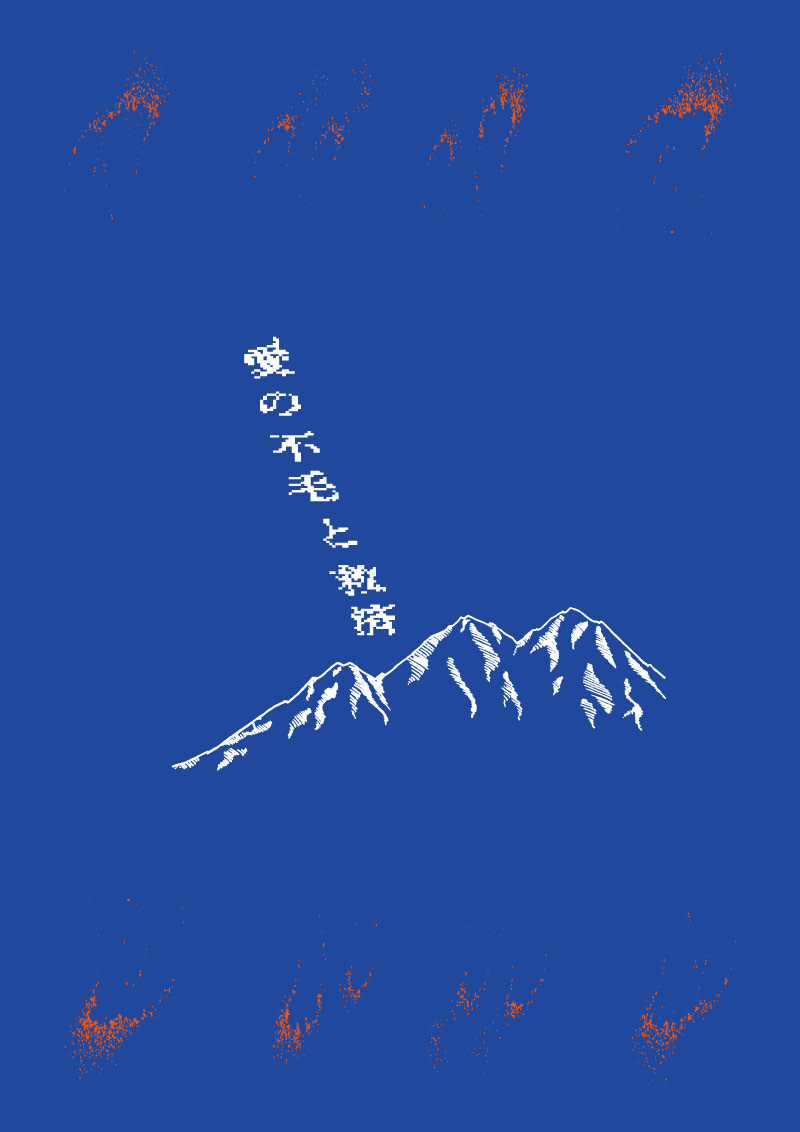
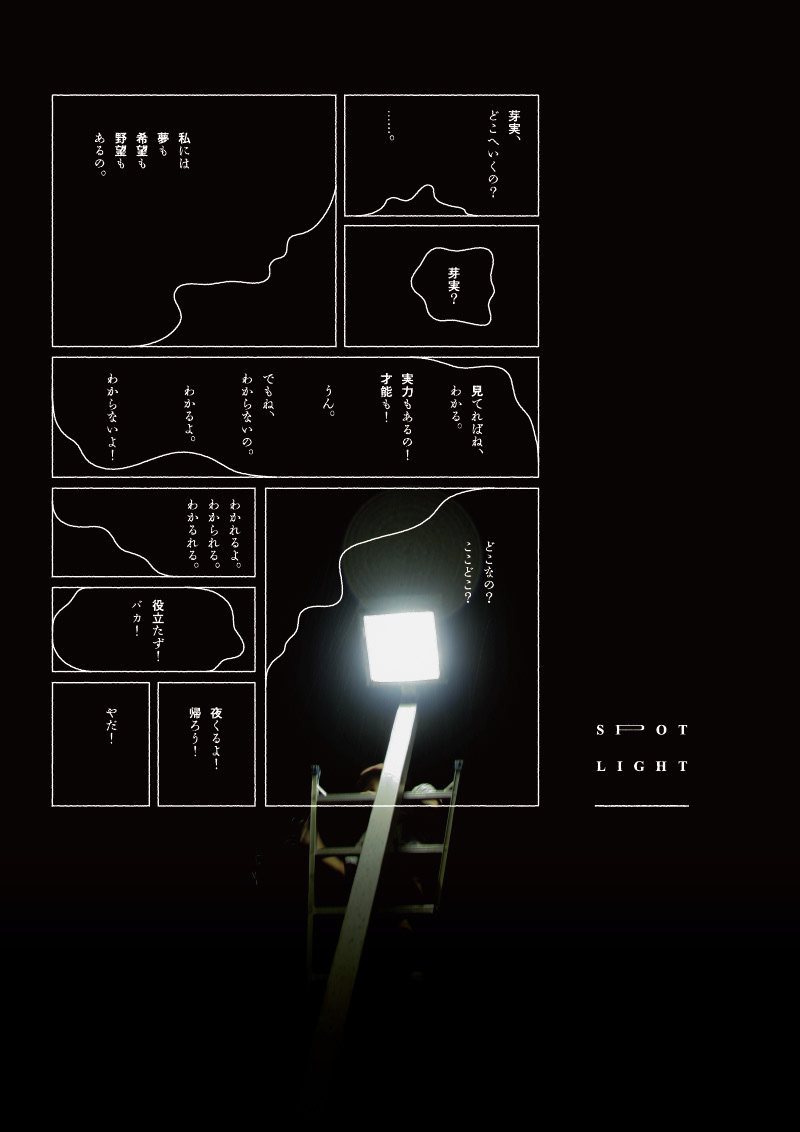
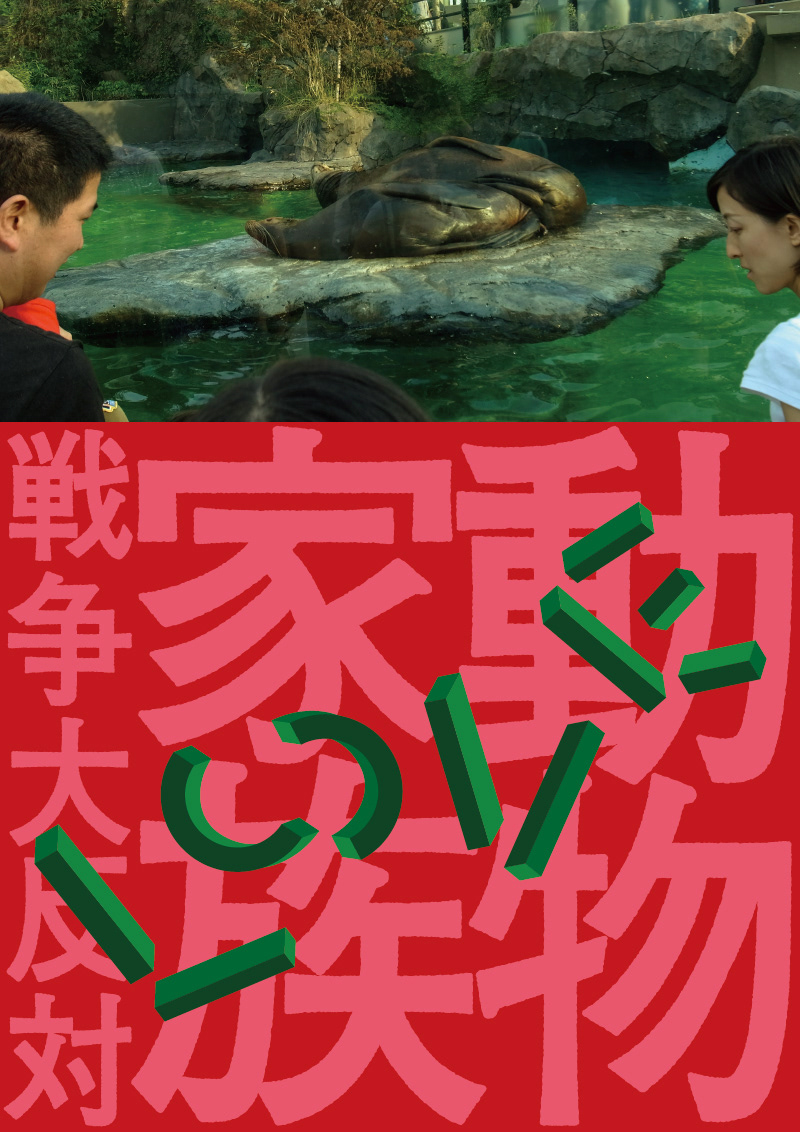
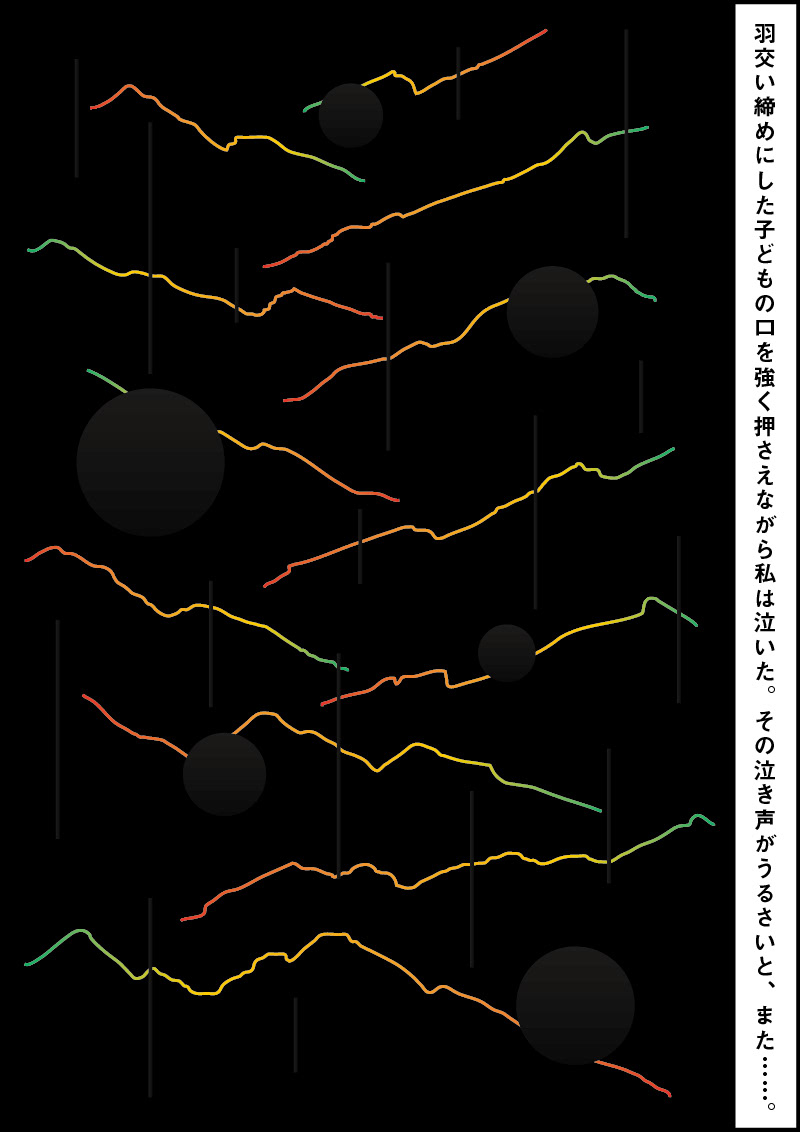
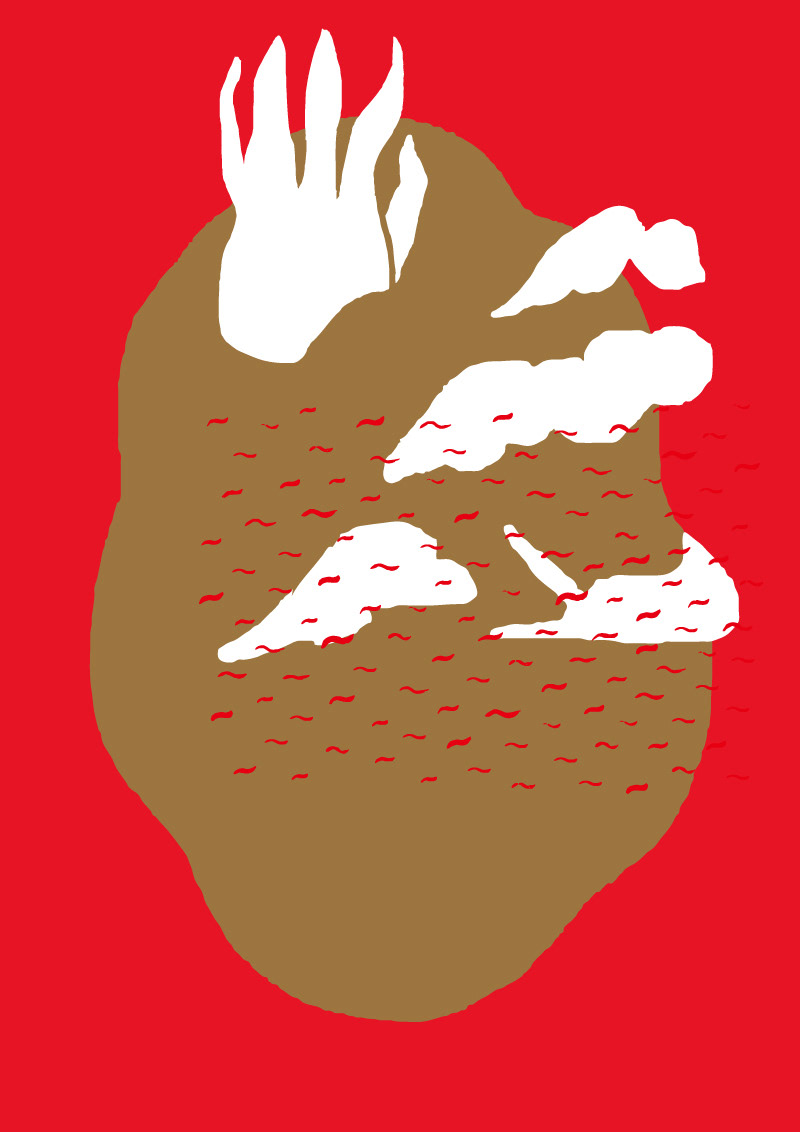
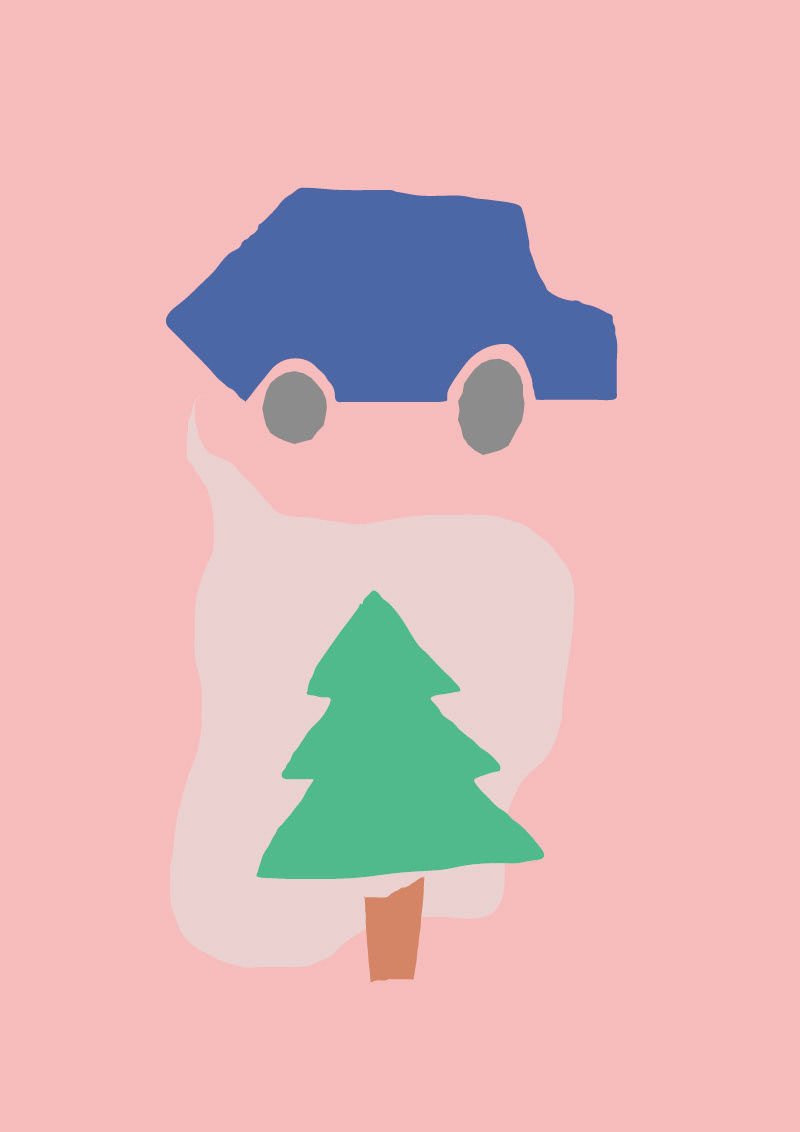
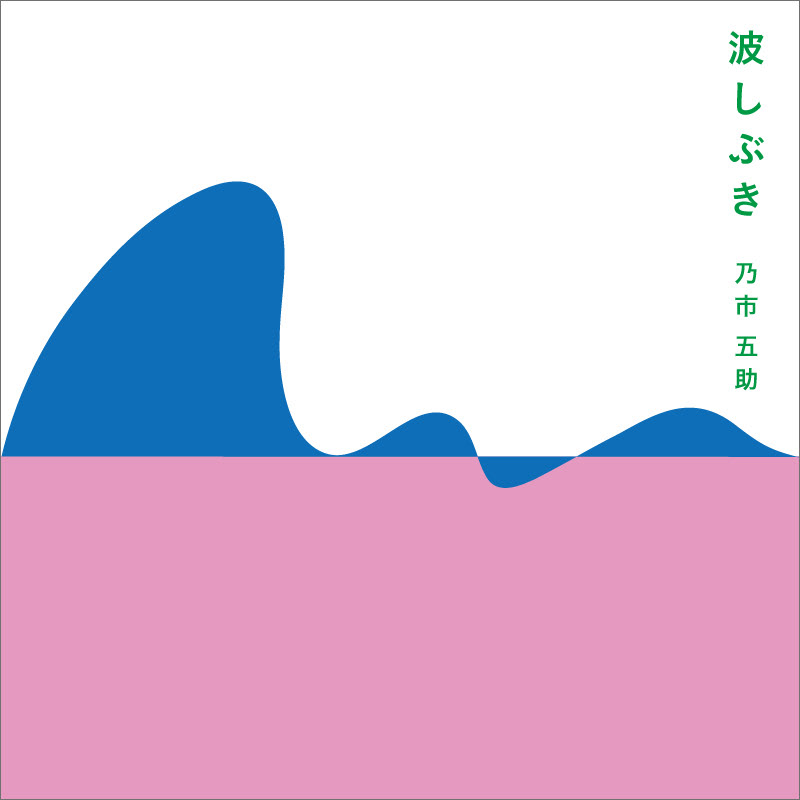
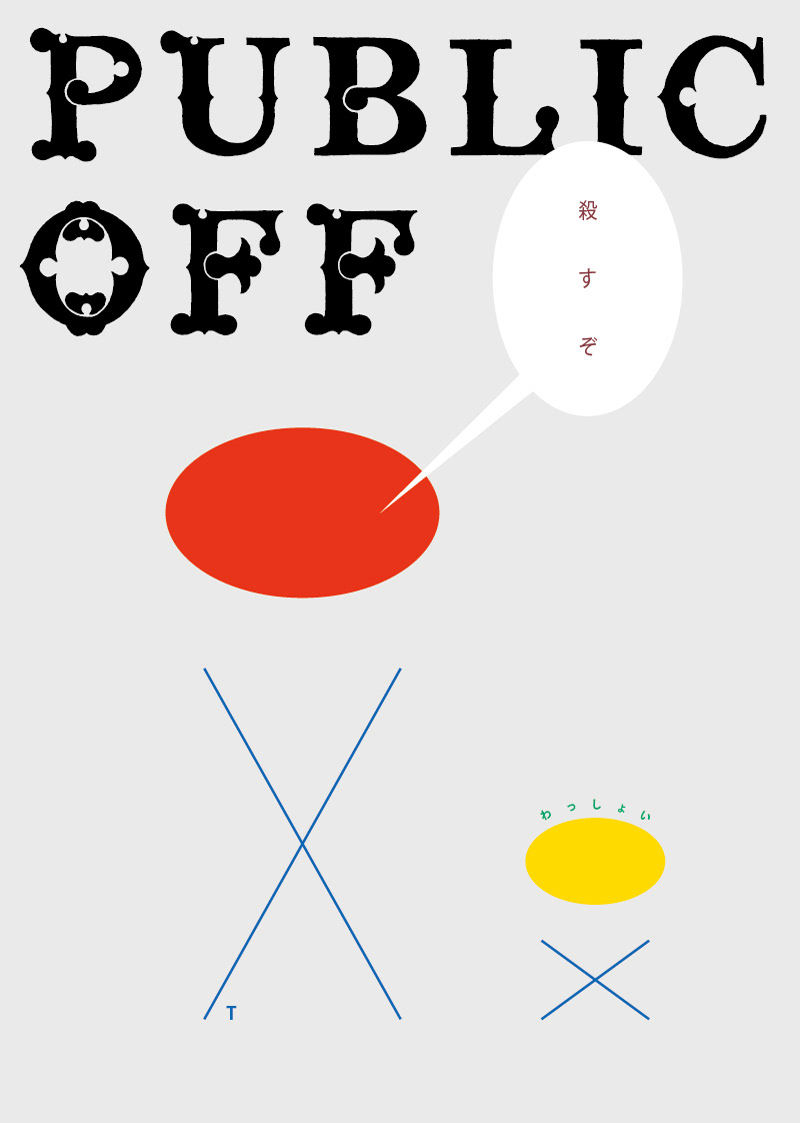
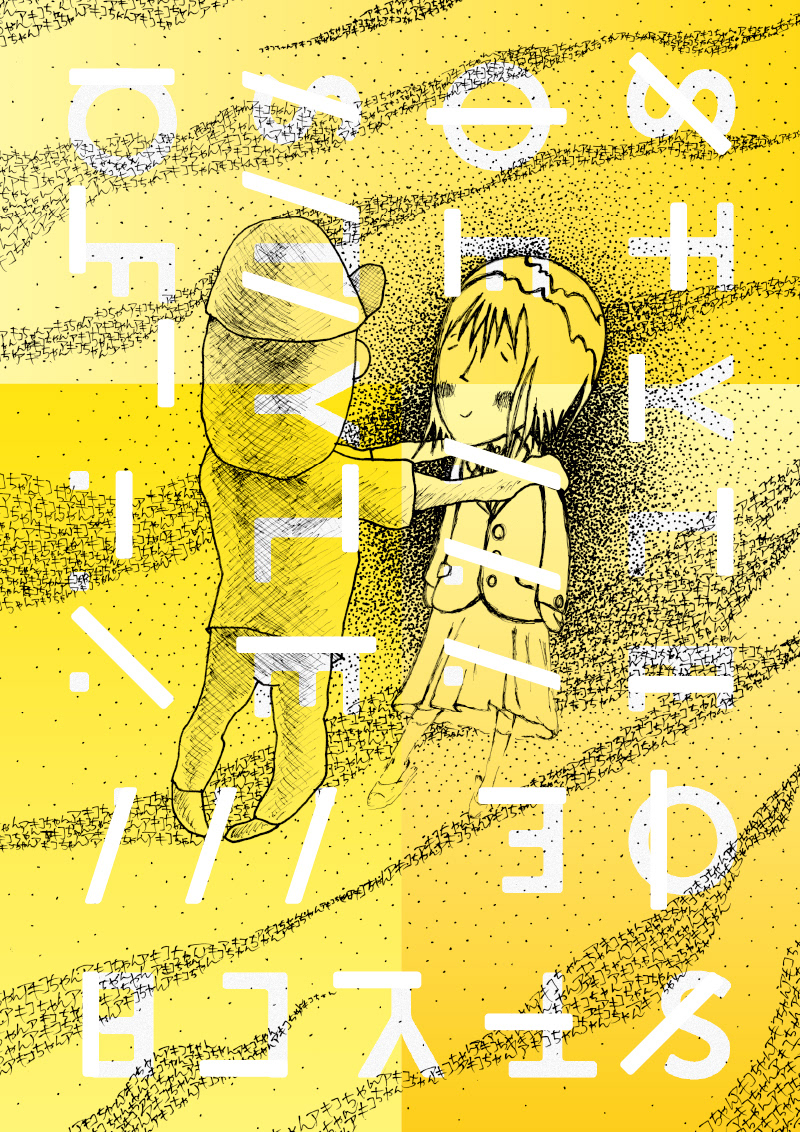
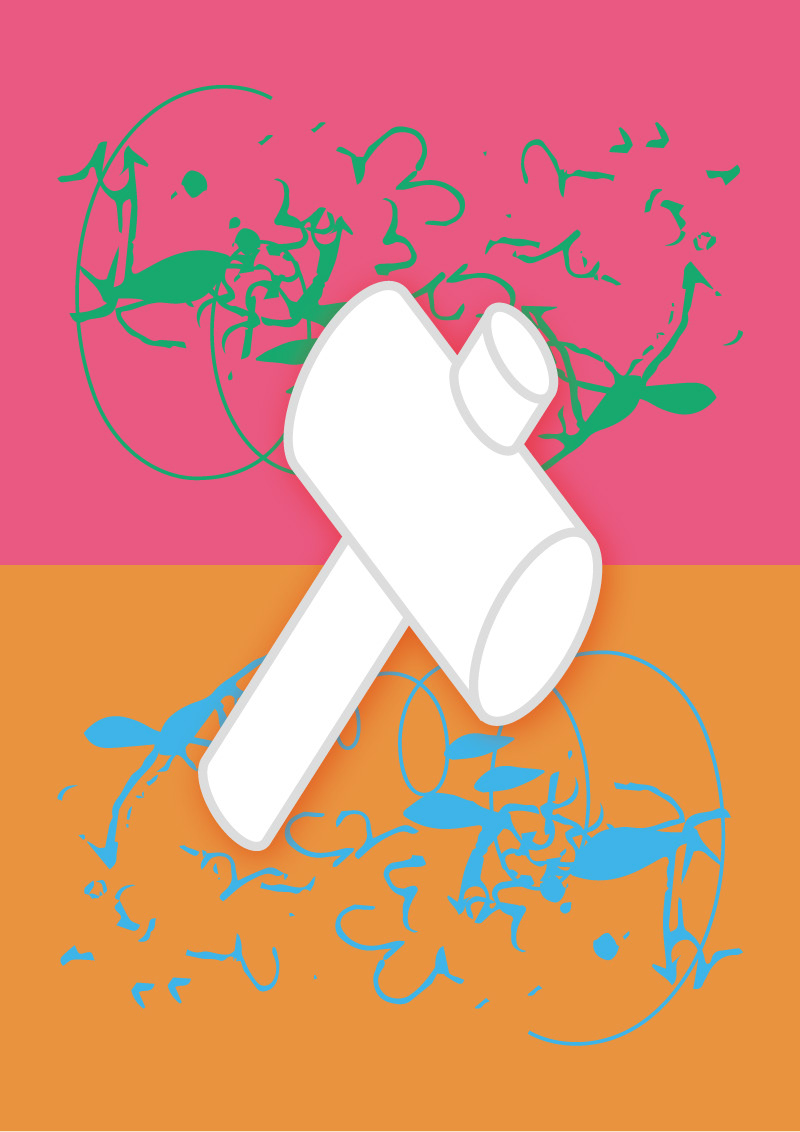
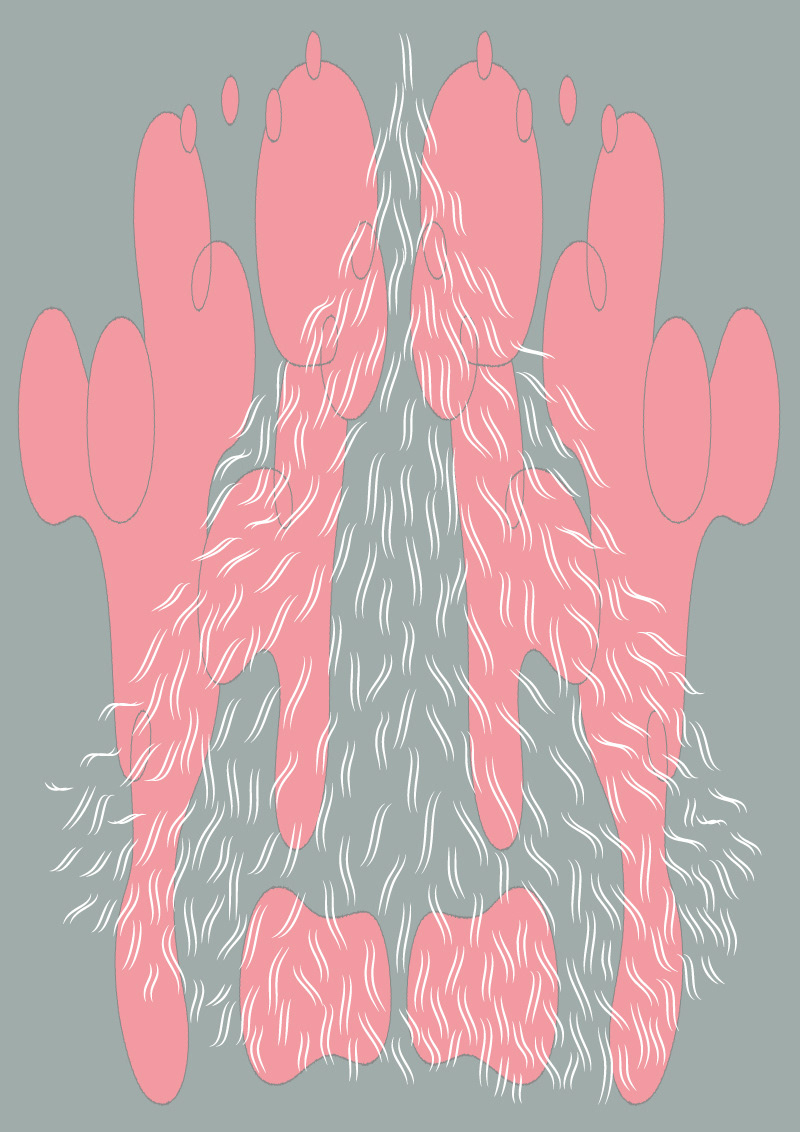
2013年に開始したアートワークのオープン化プロジェクトです。
2018年までに500枚のグラフィックを公開しました。
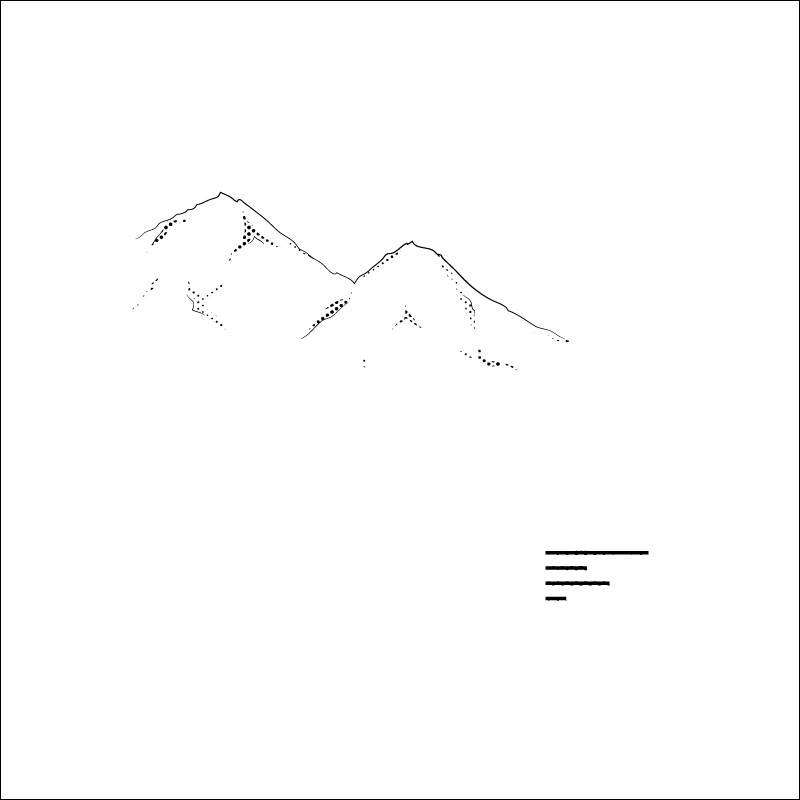
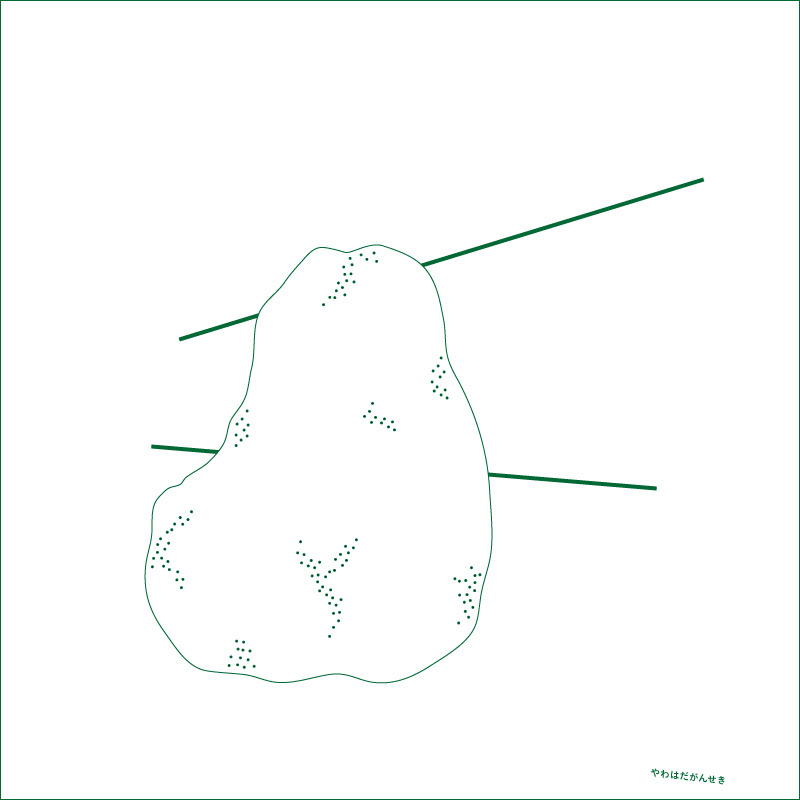
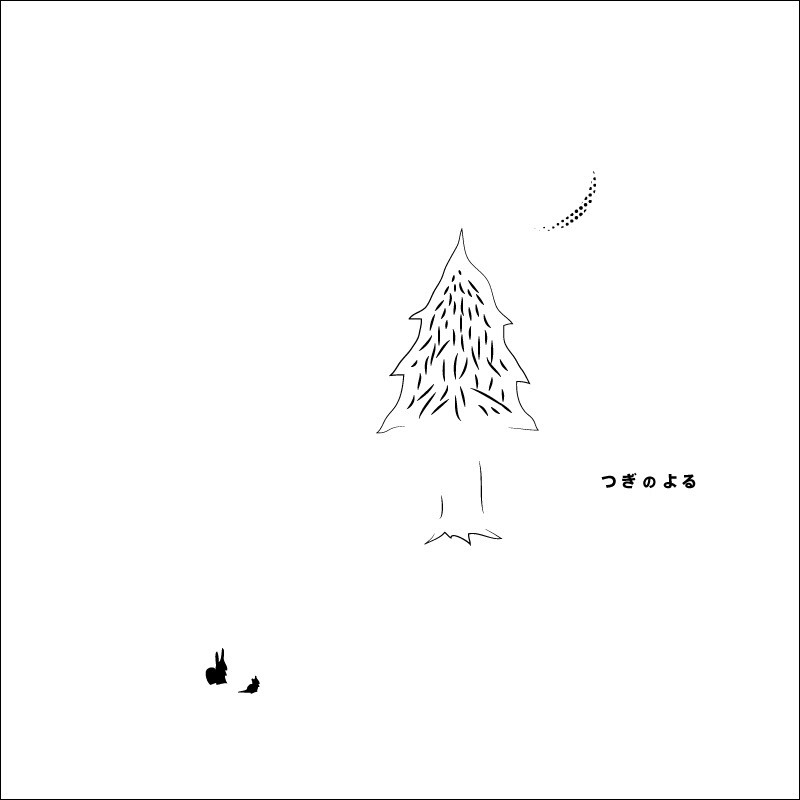
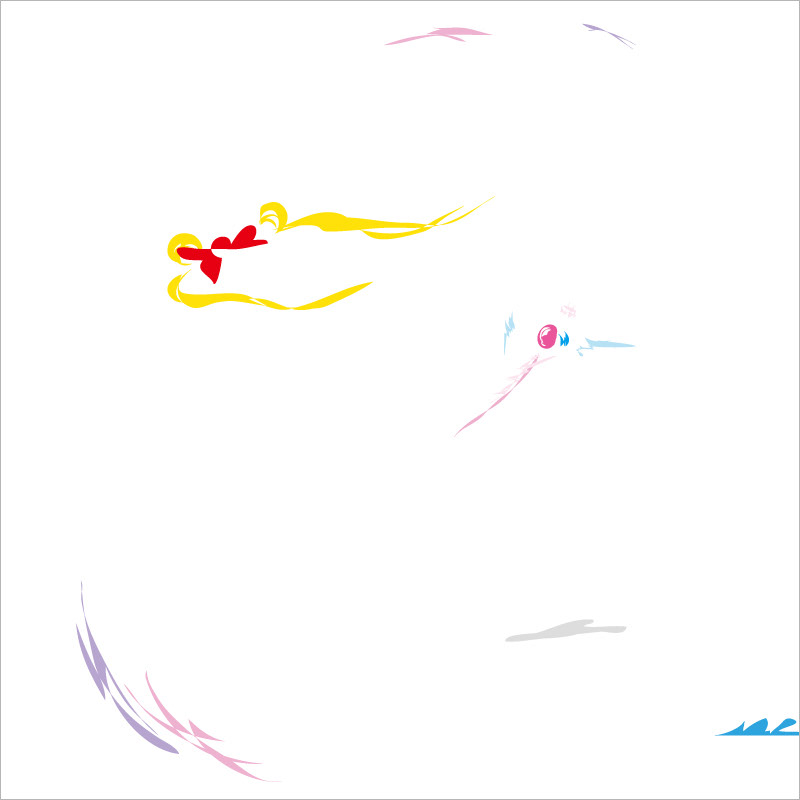
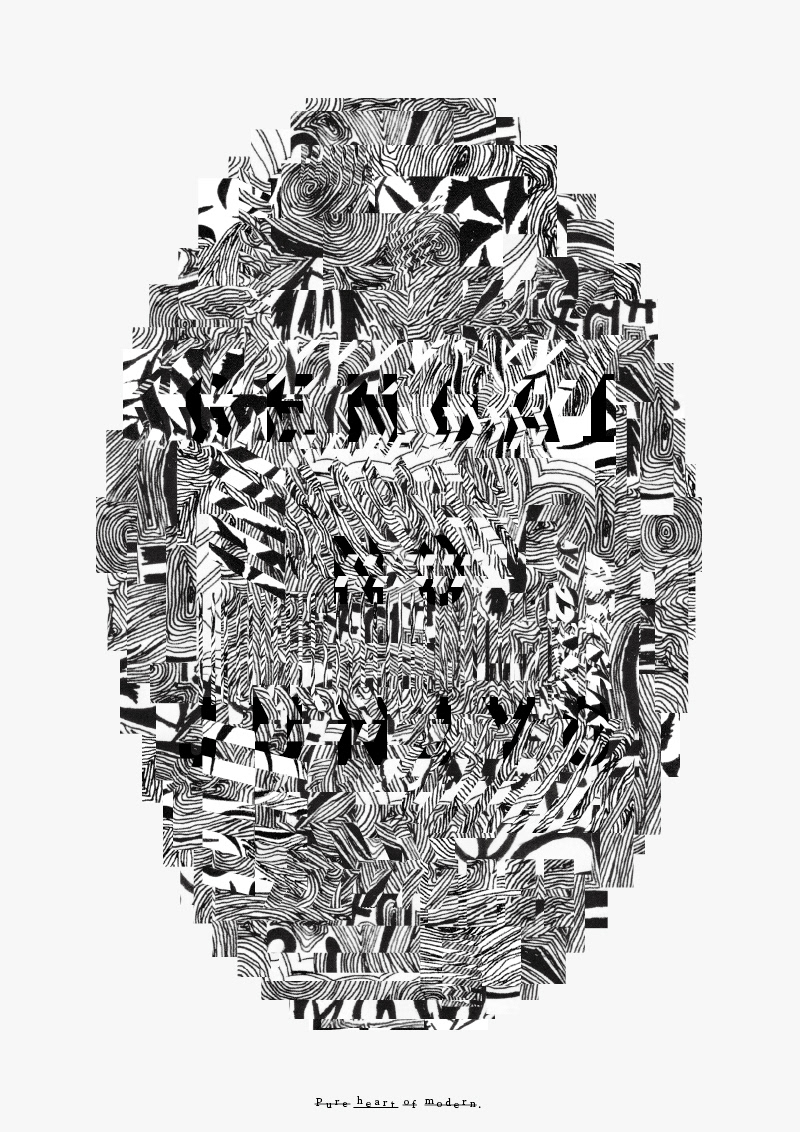
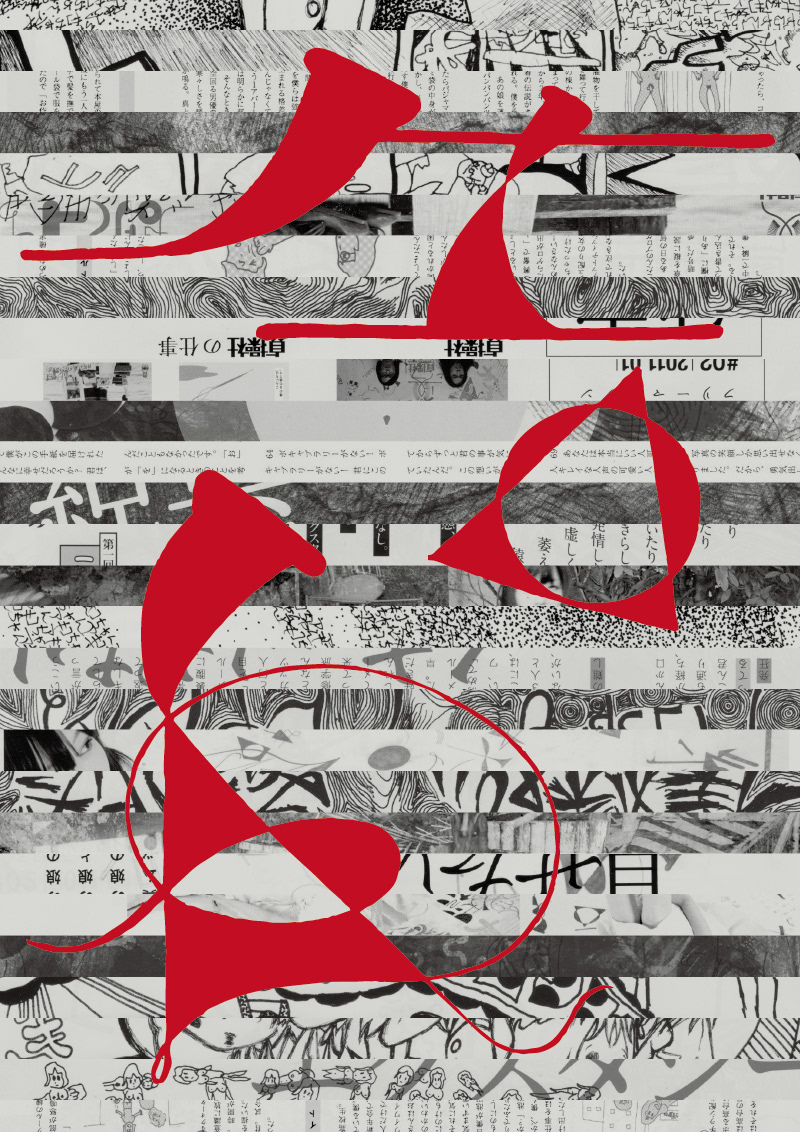
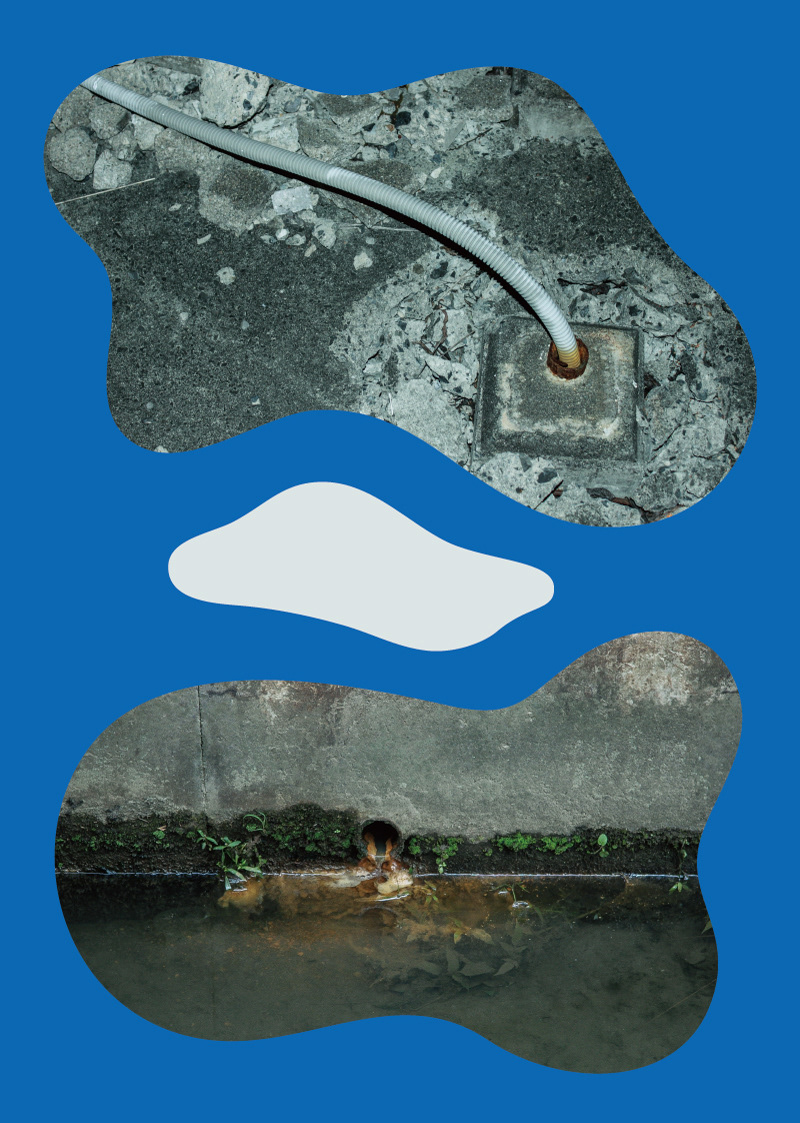
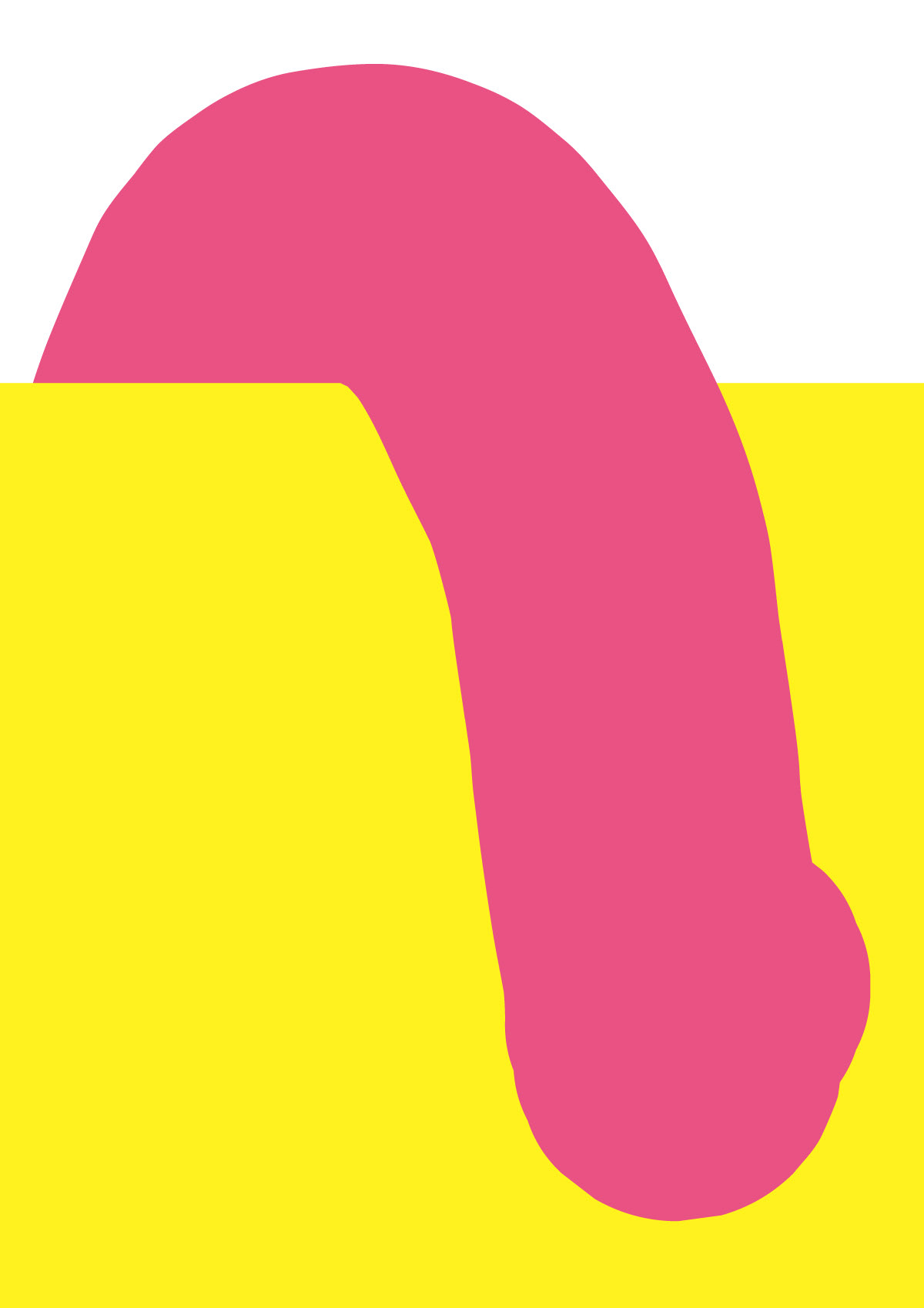
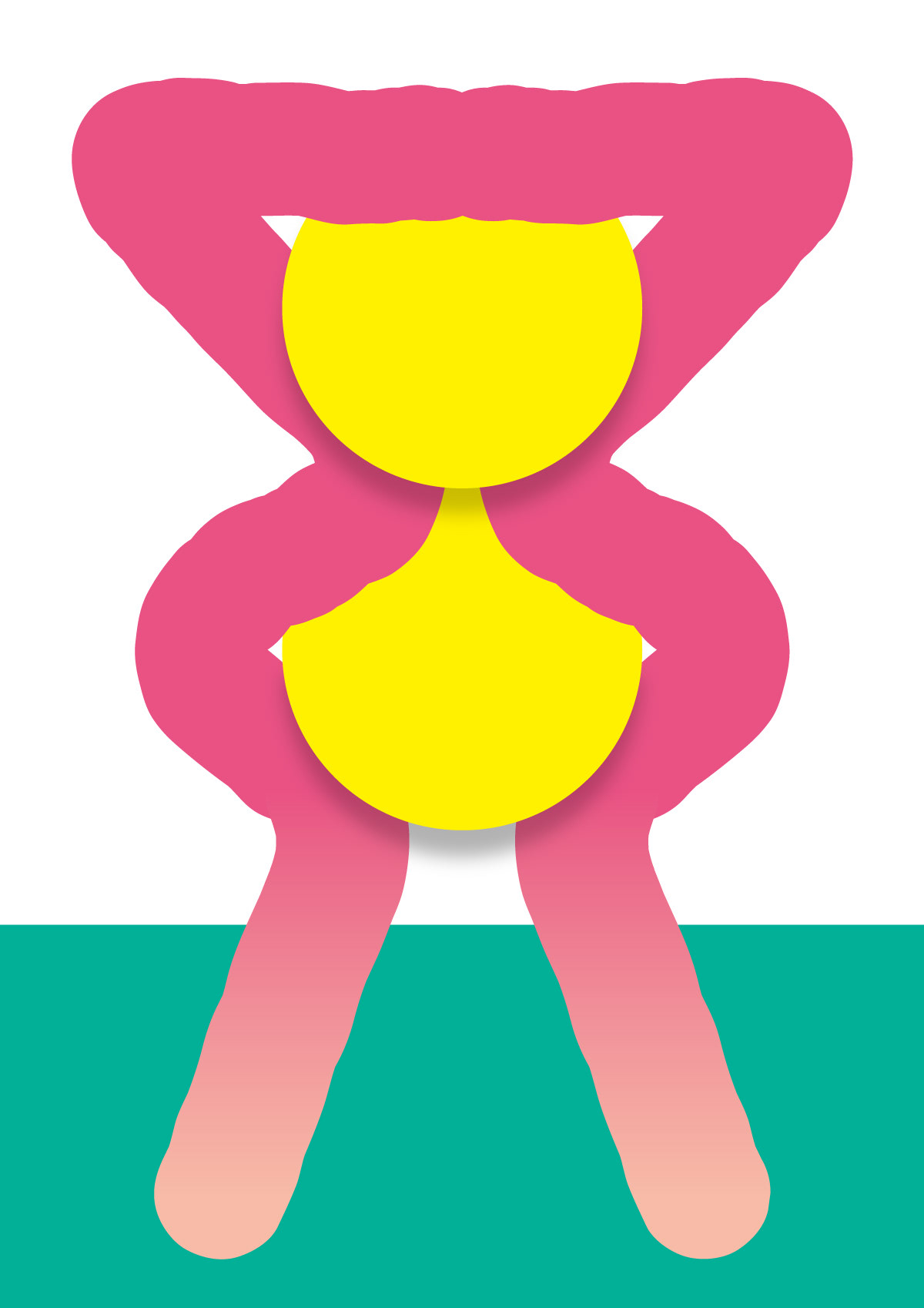
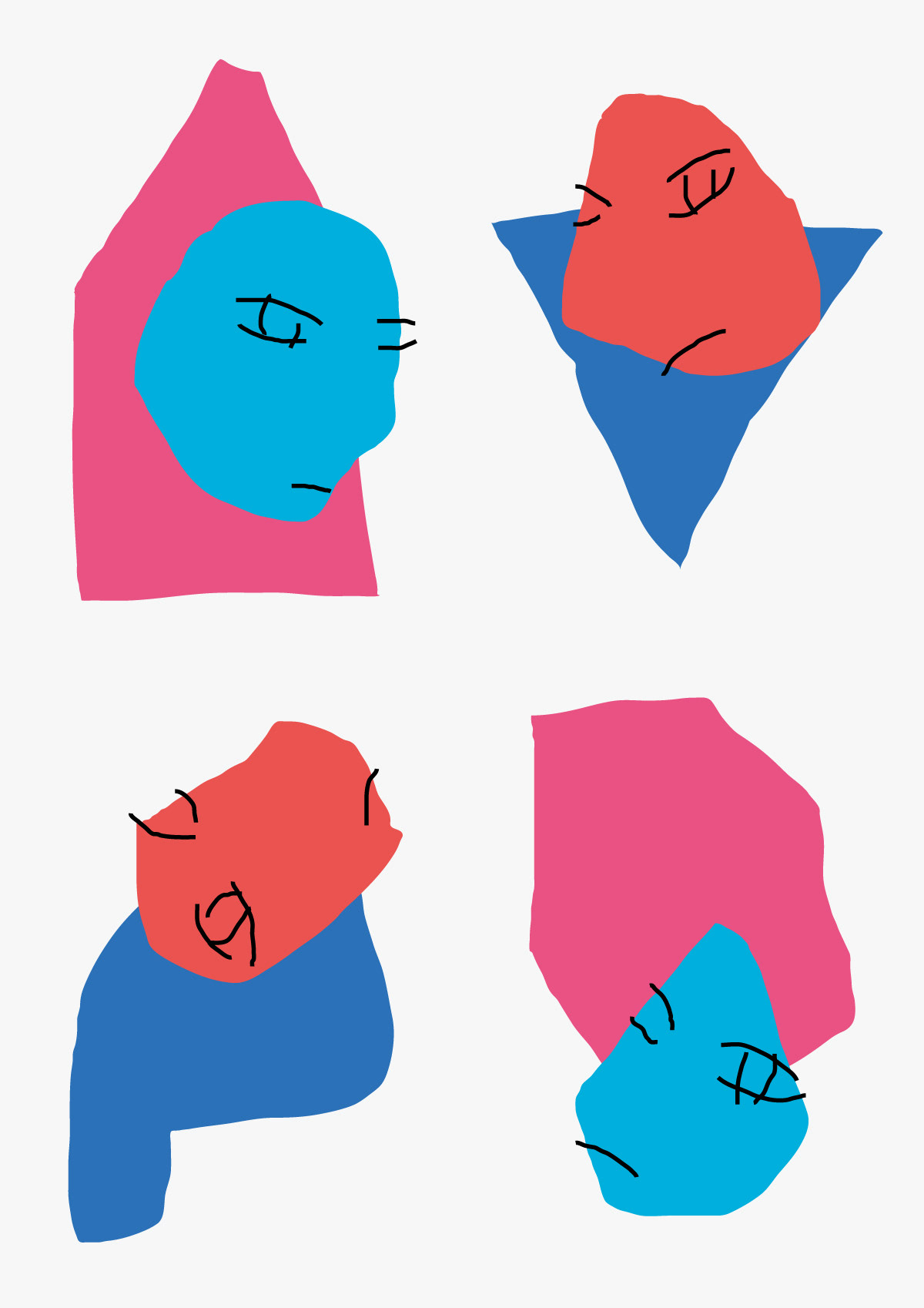
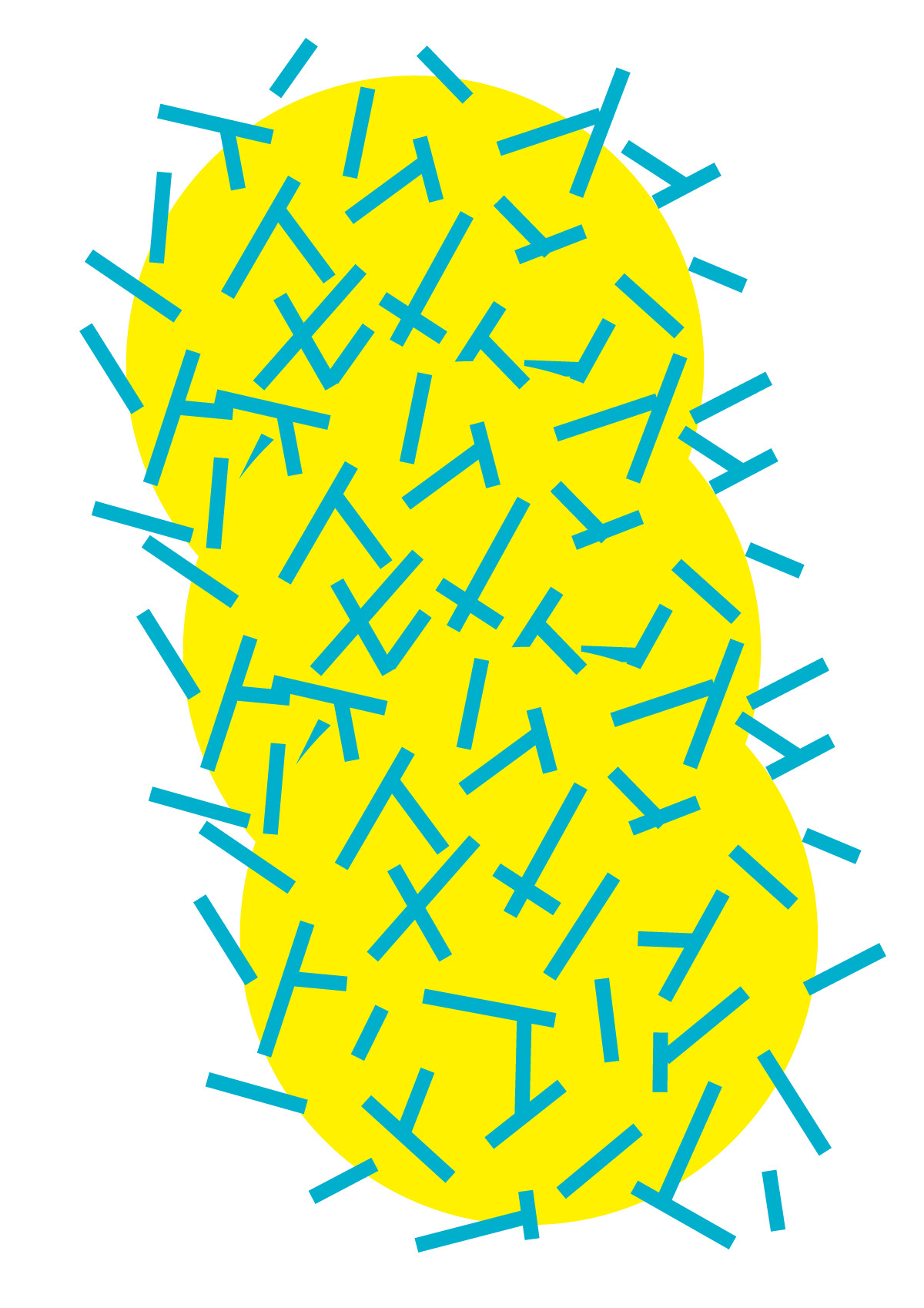
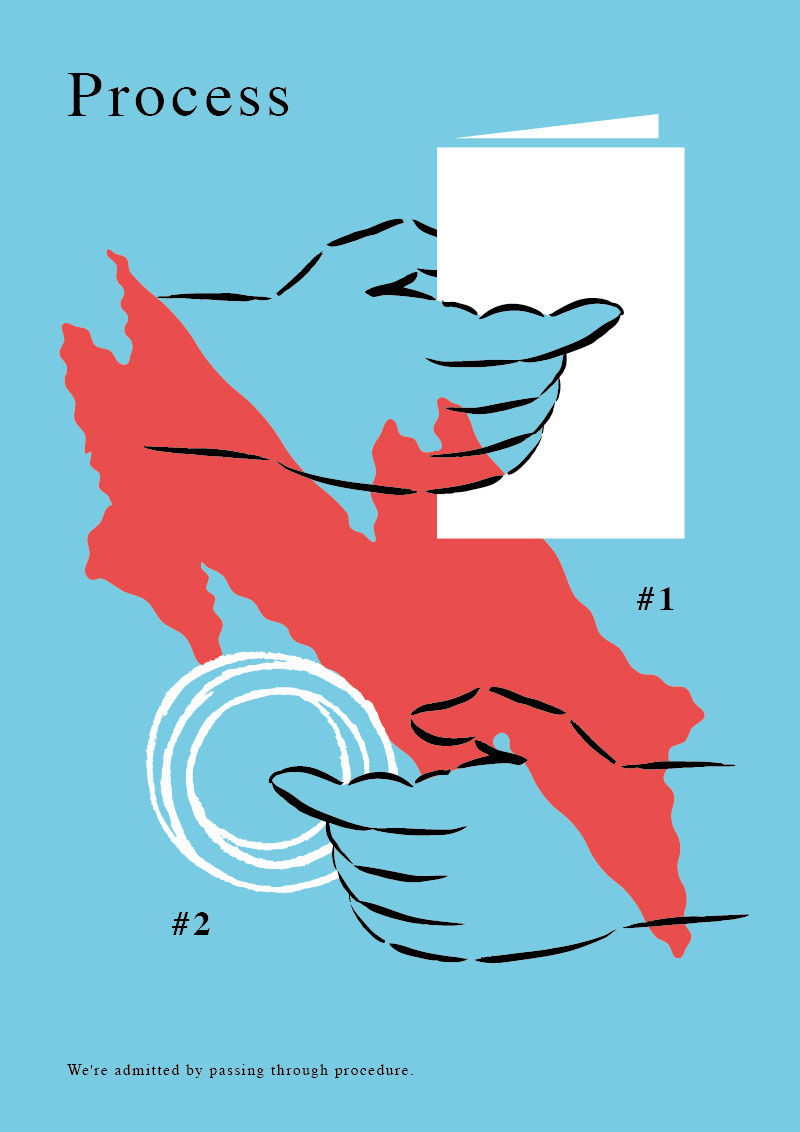
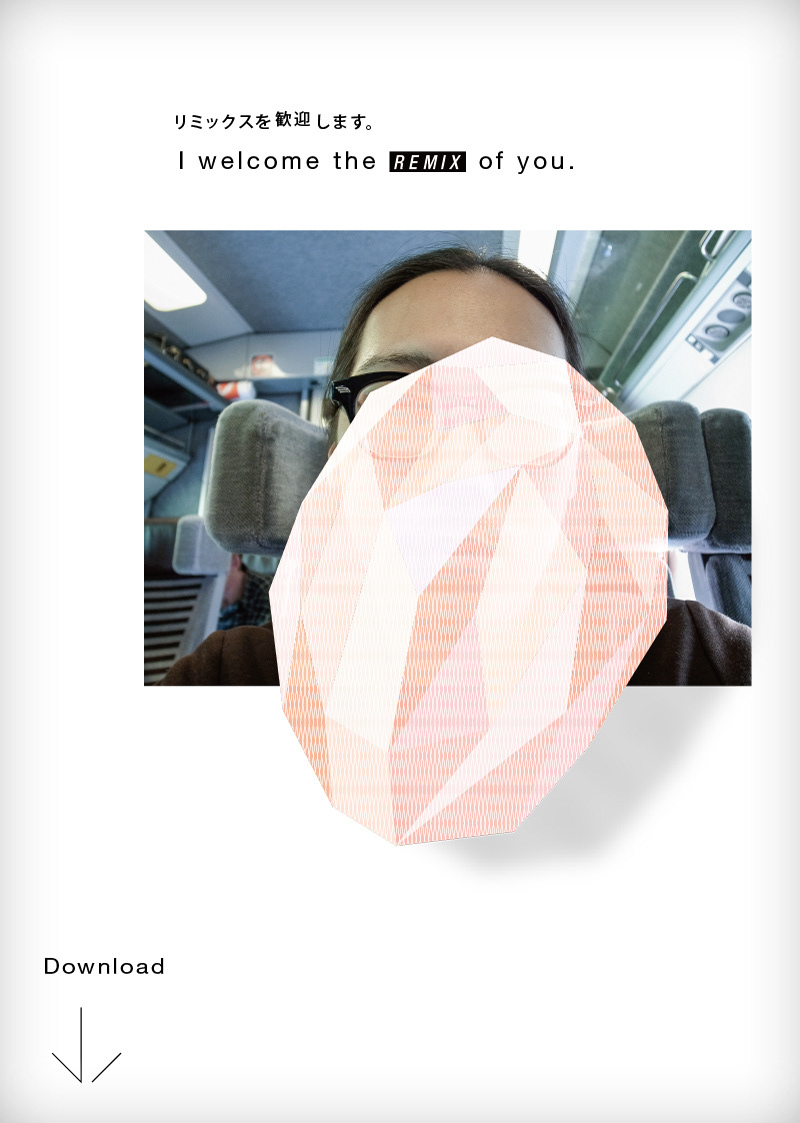
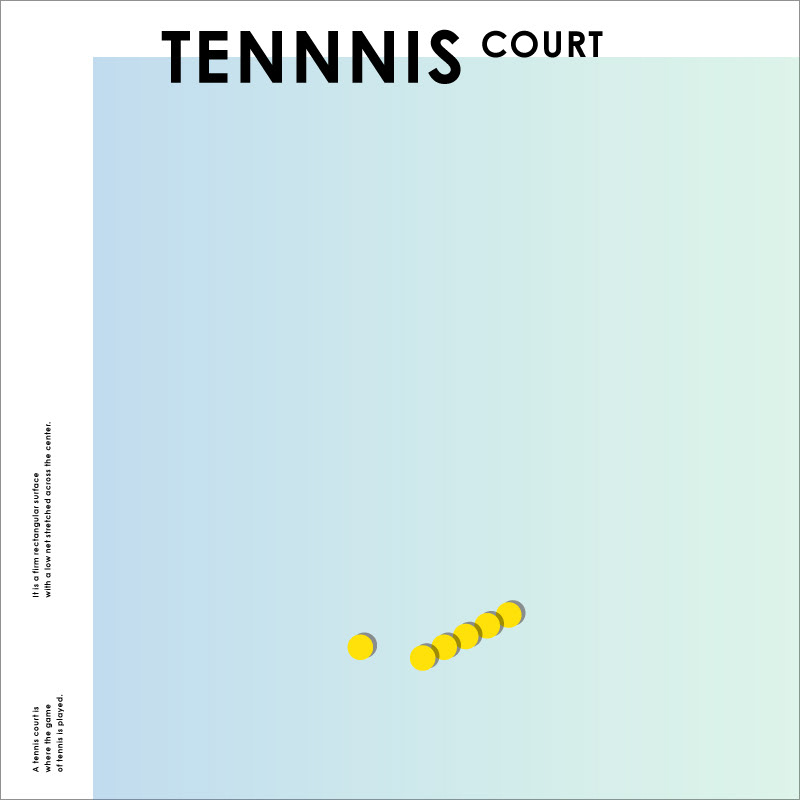
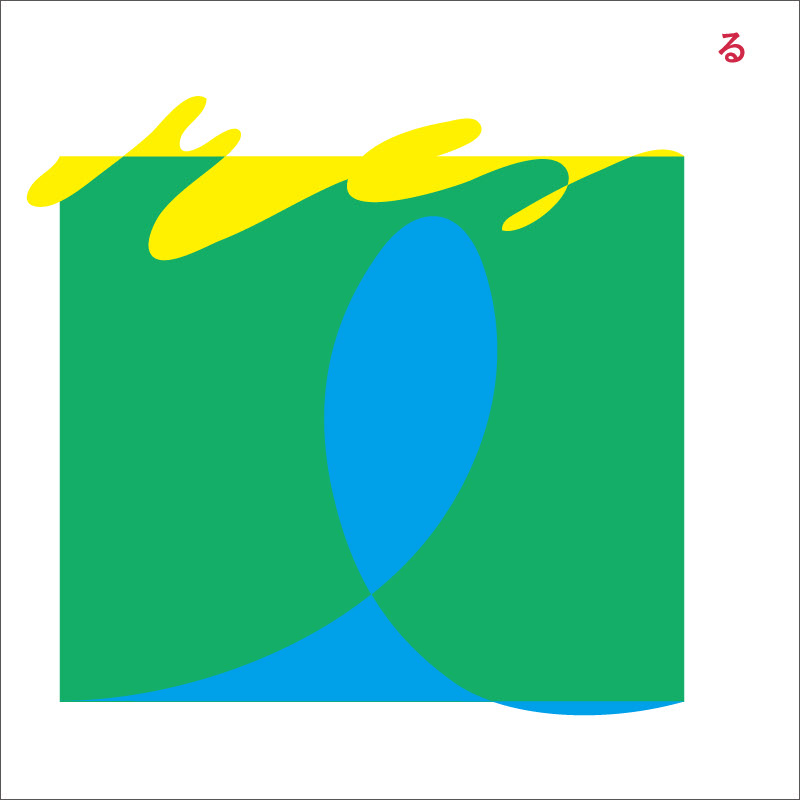
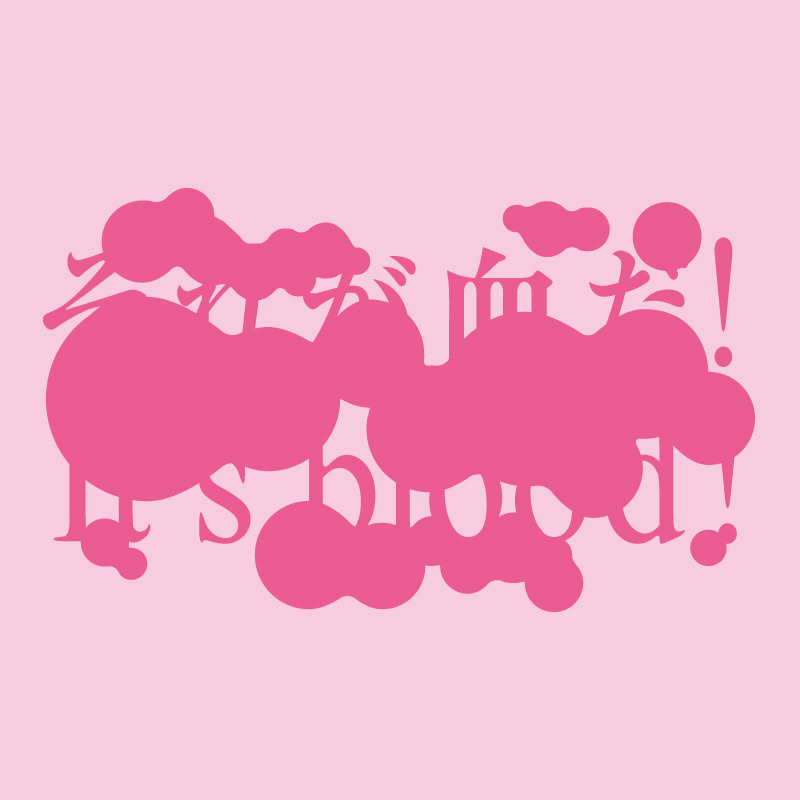
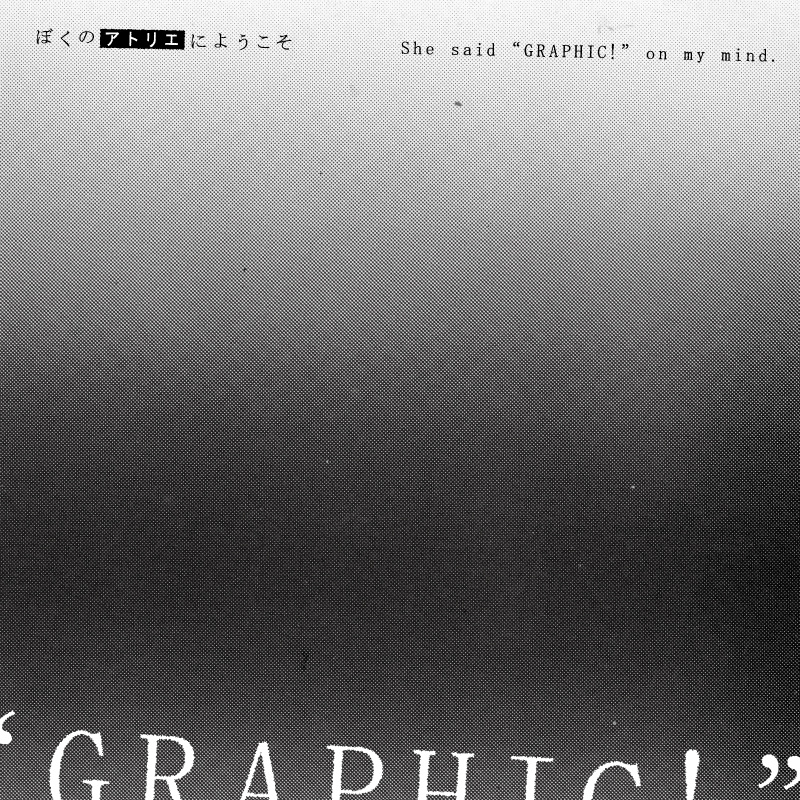
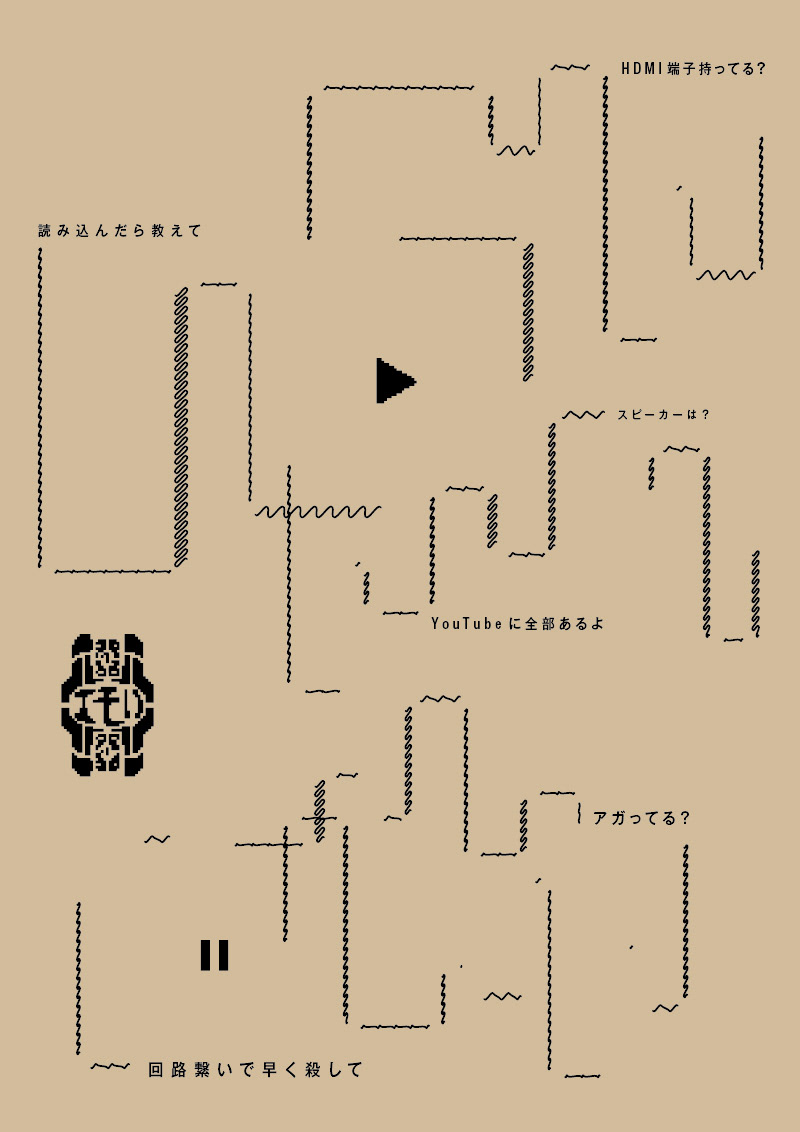
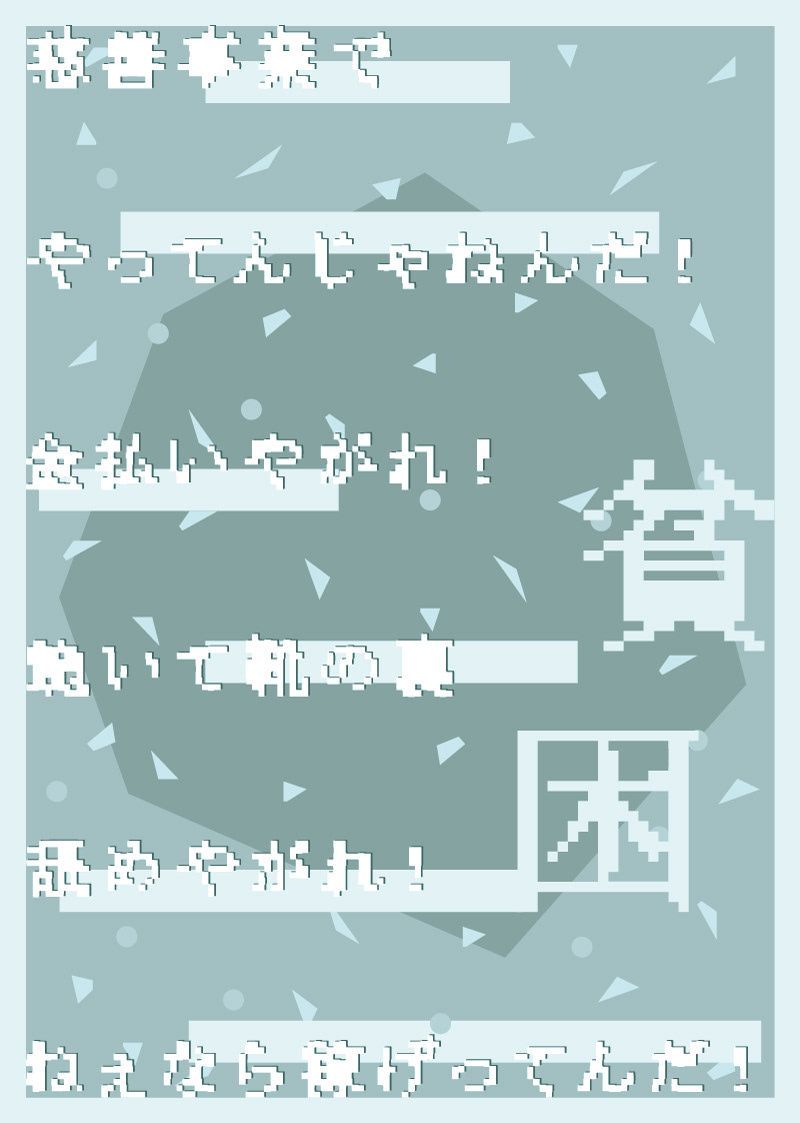
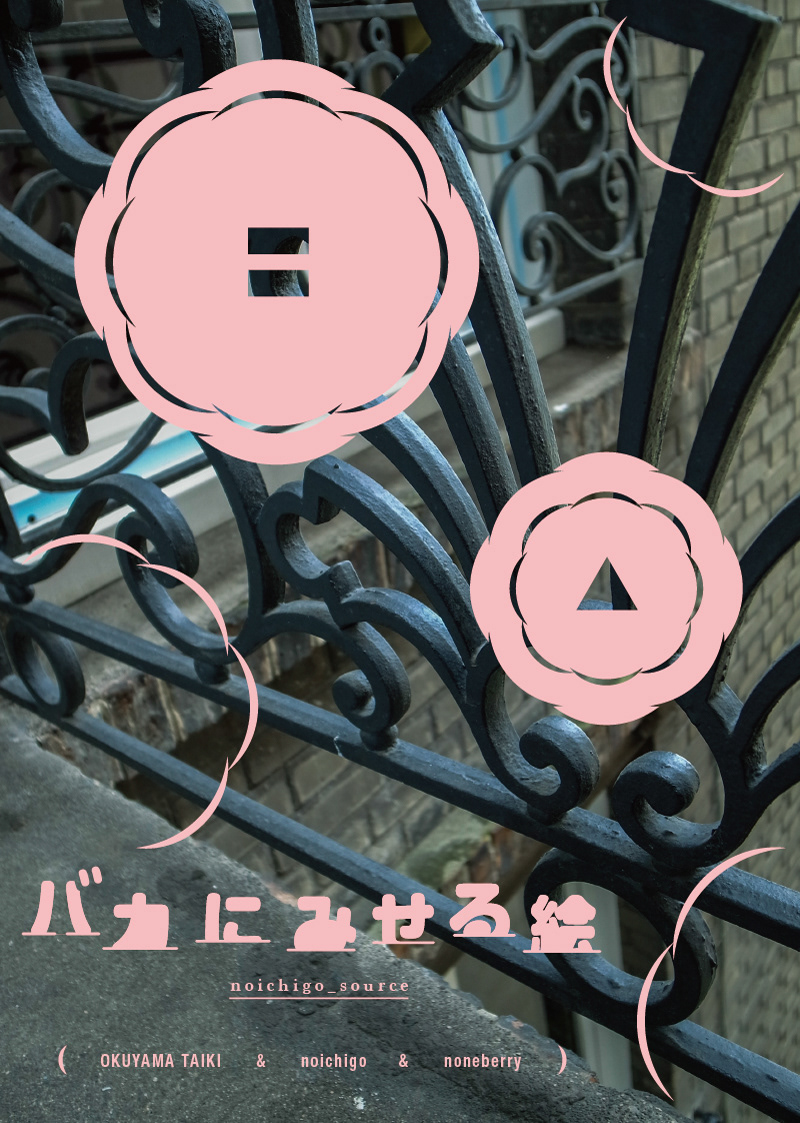
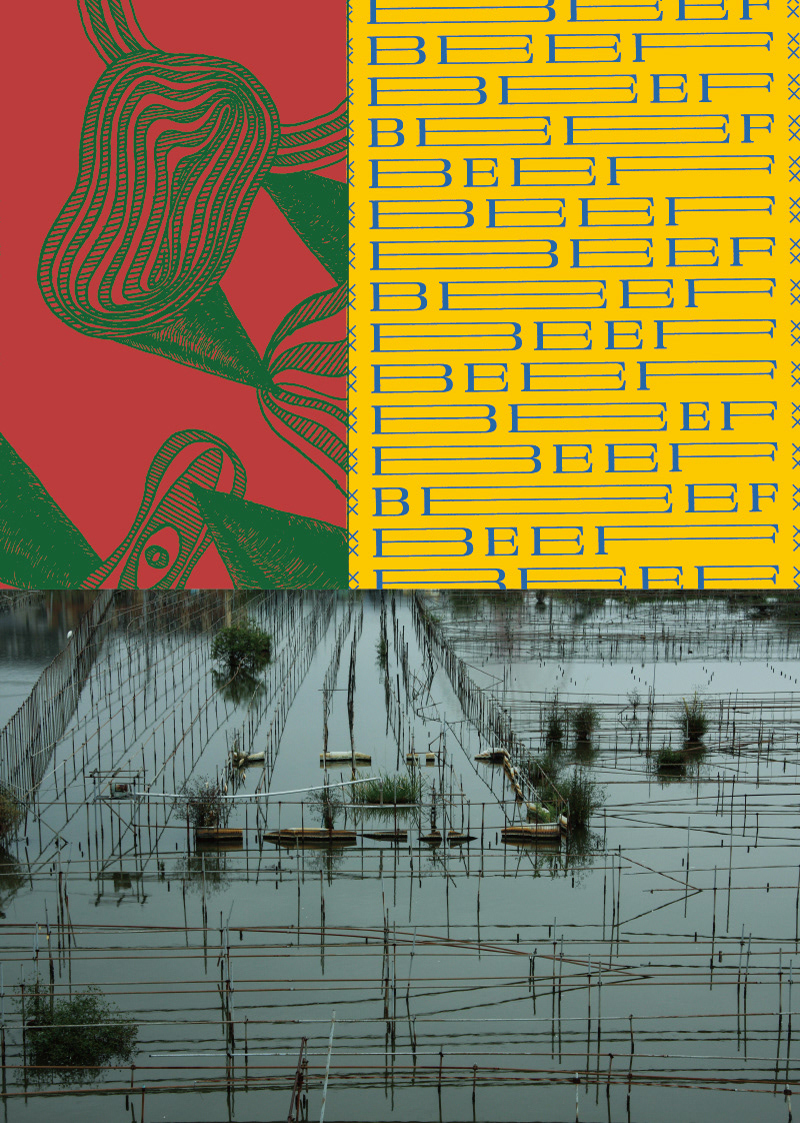
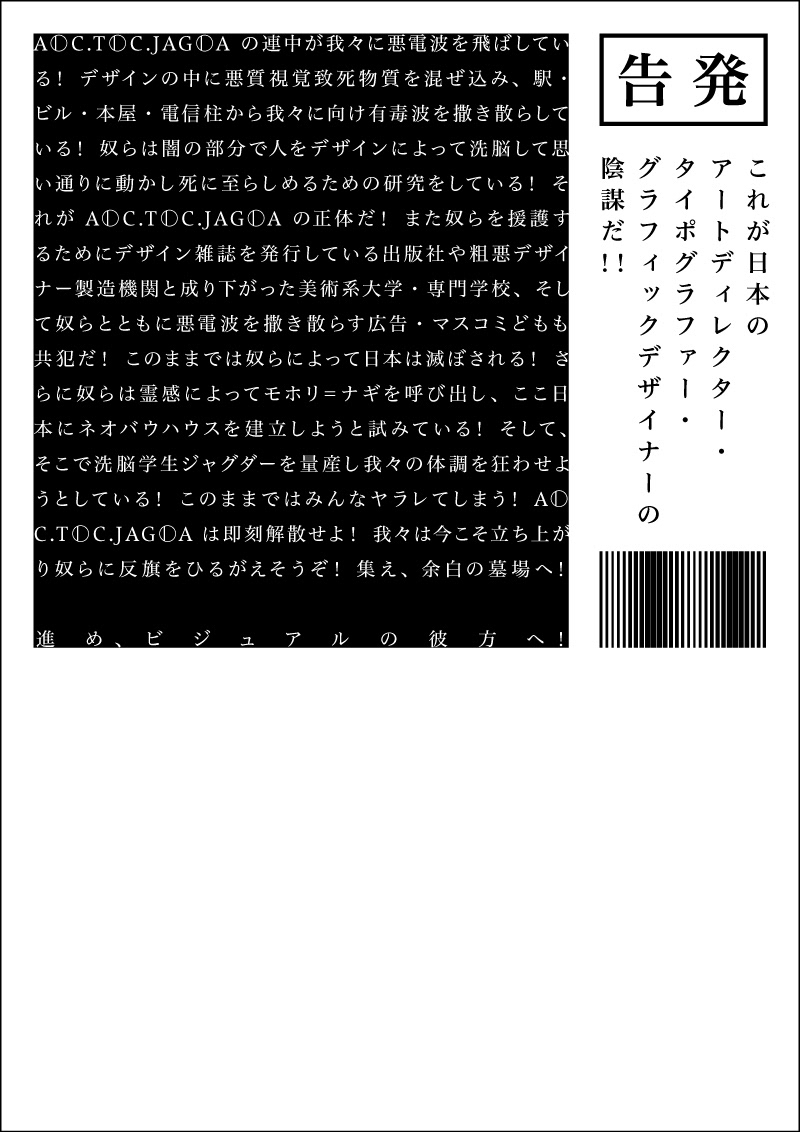
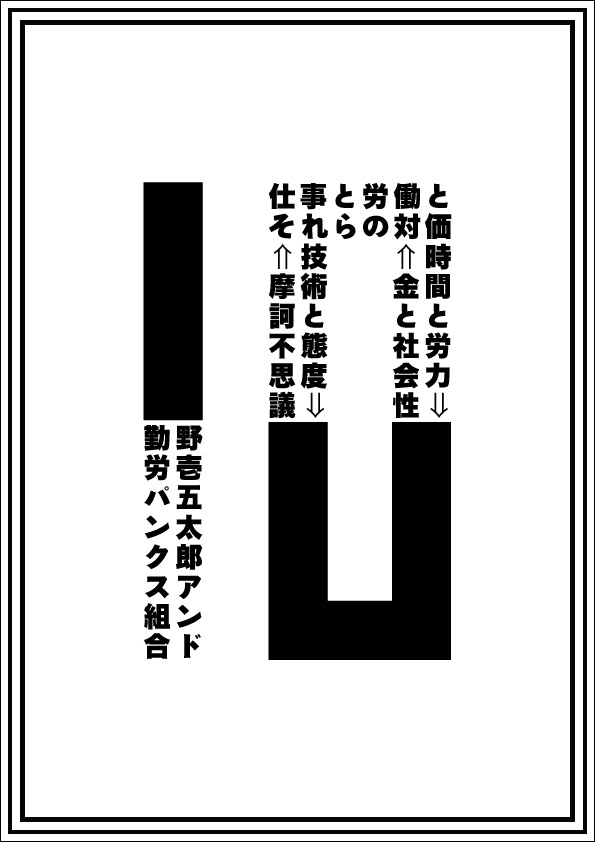
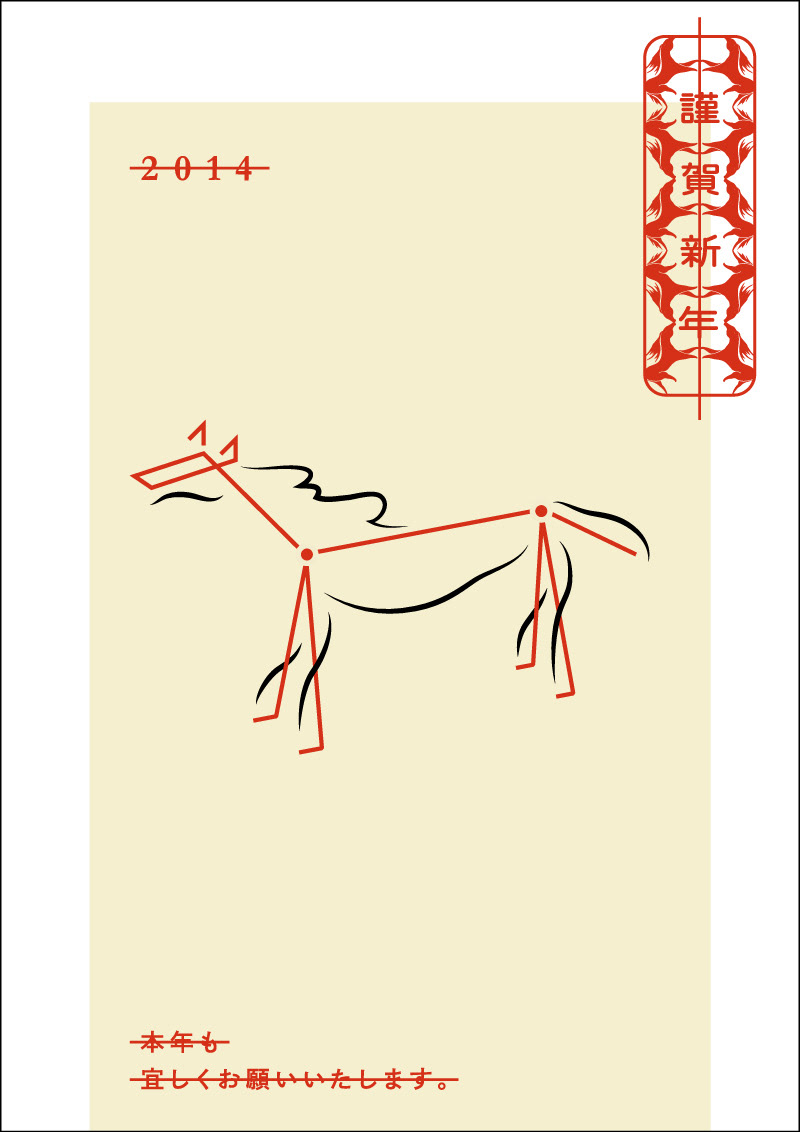
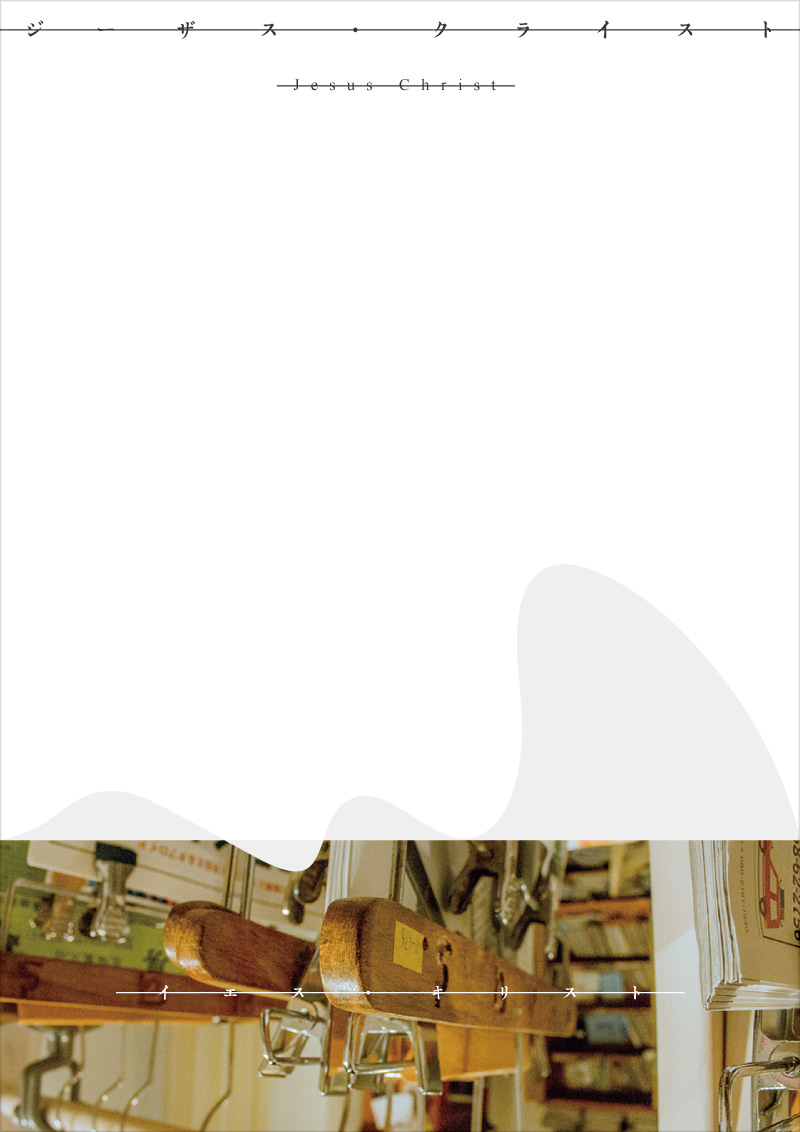
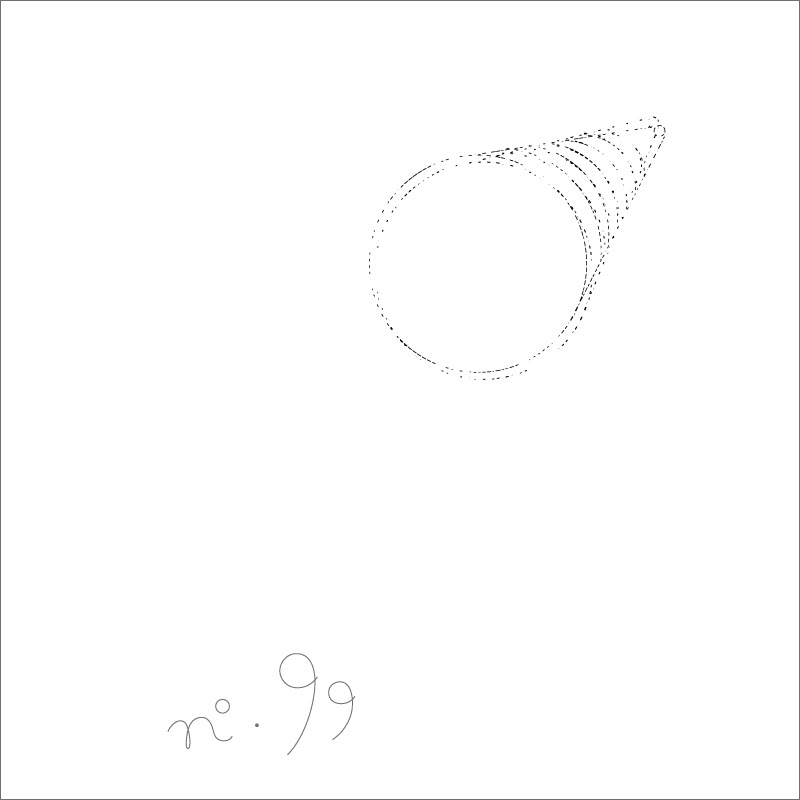
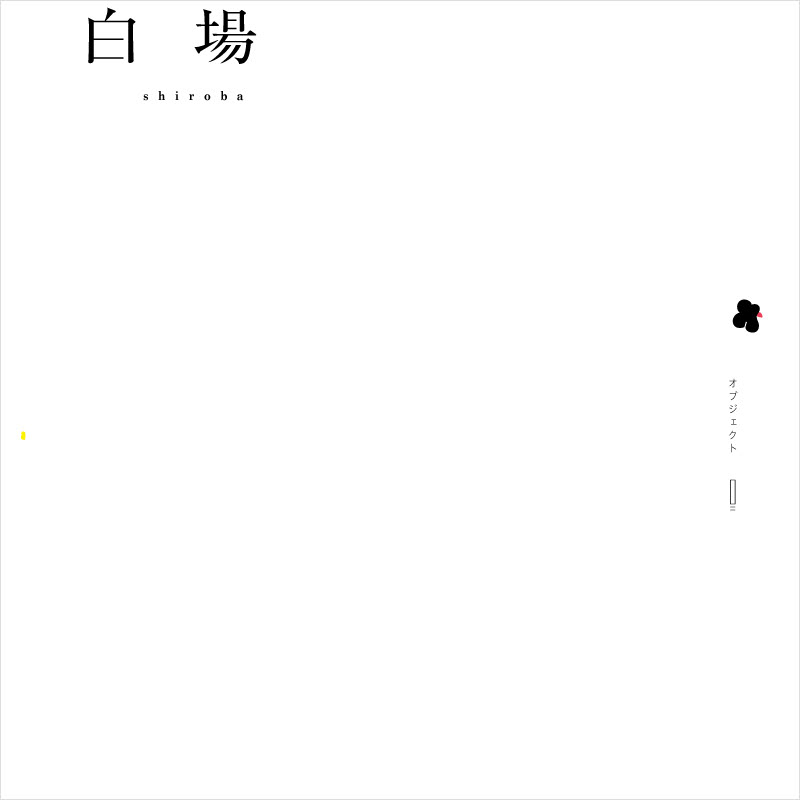
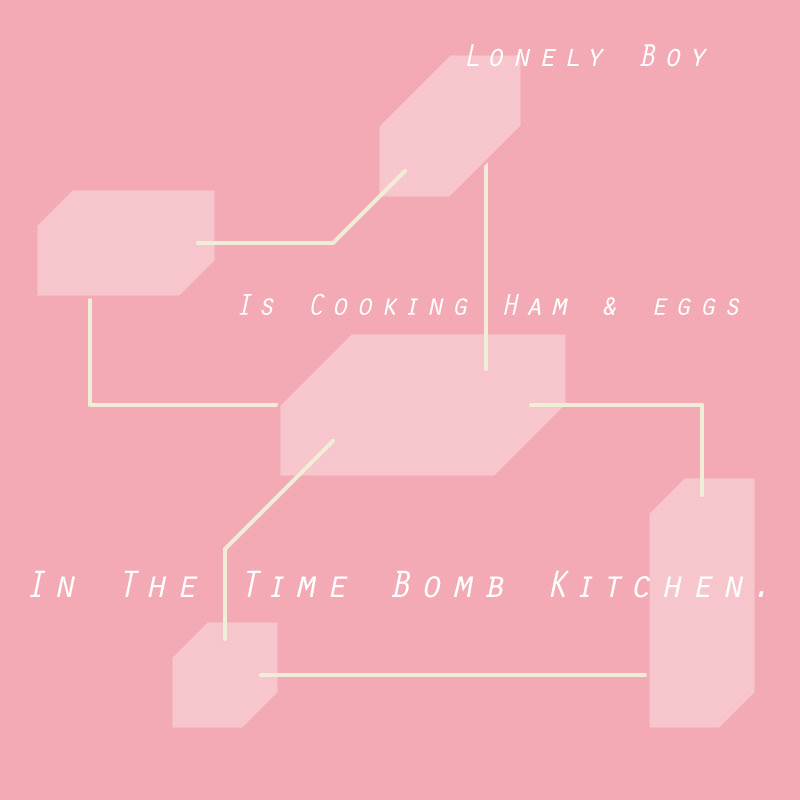
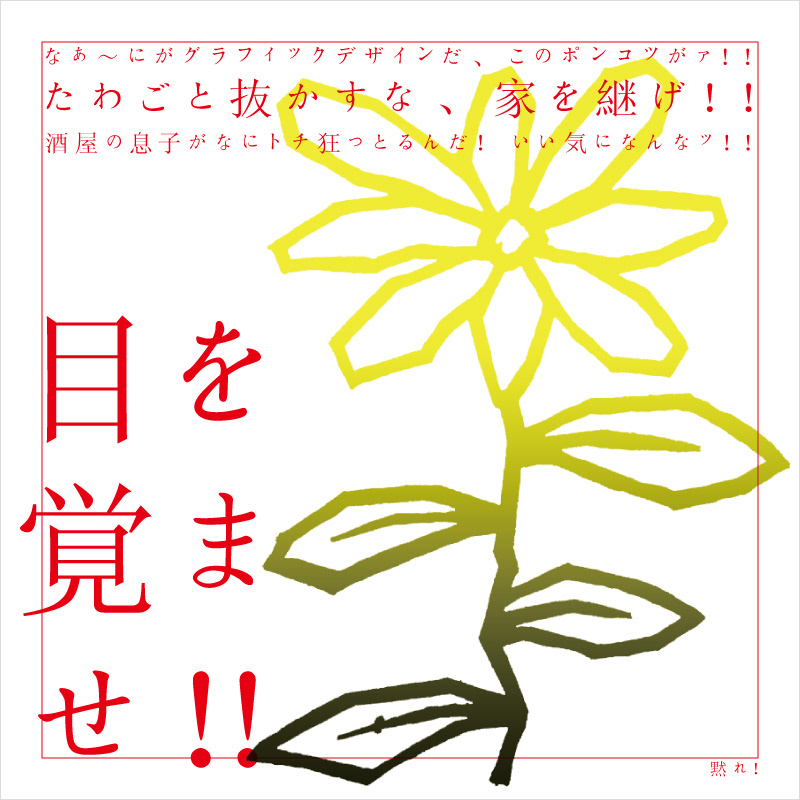
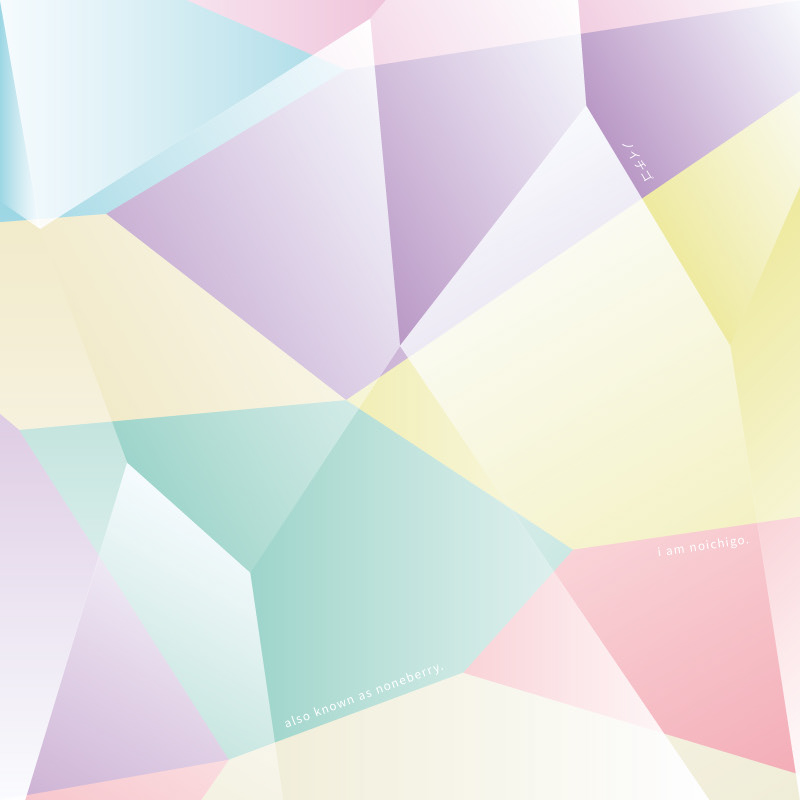
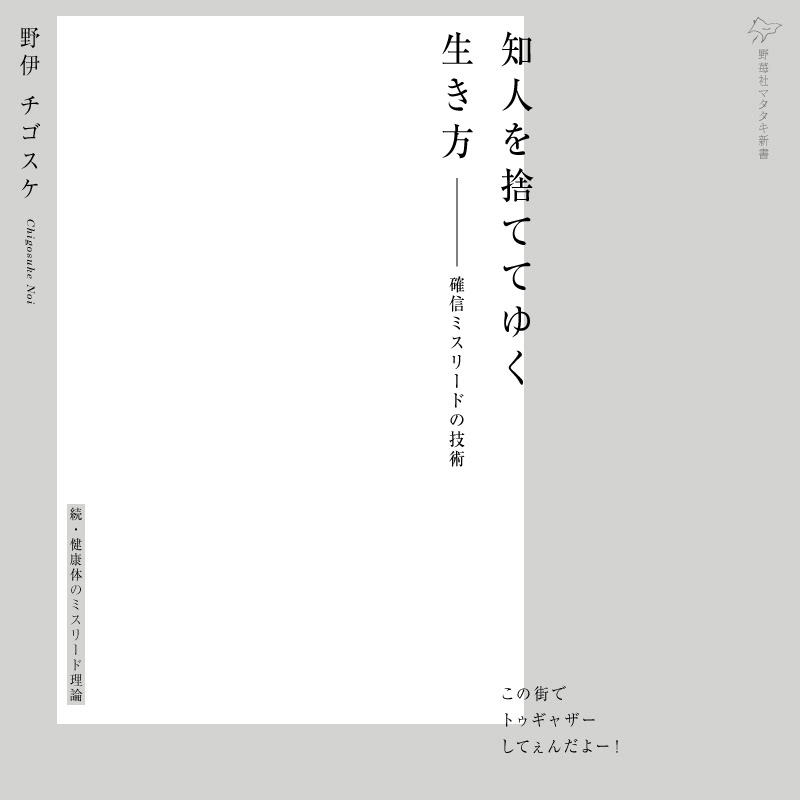
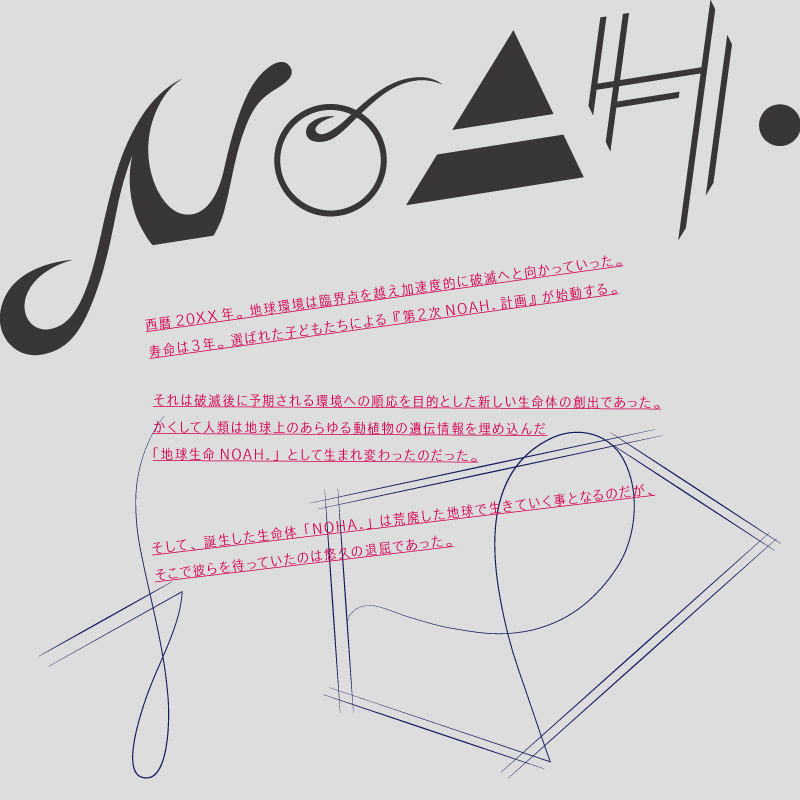
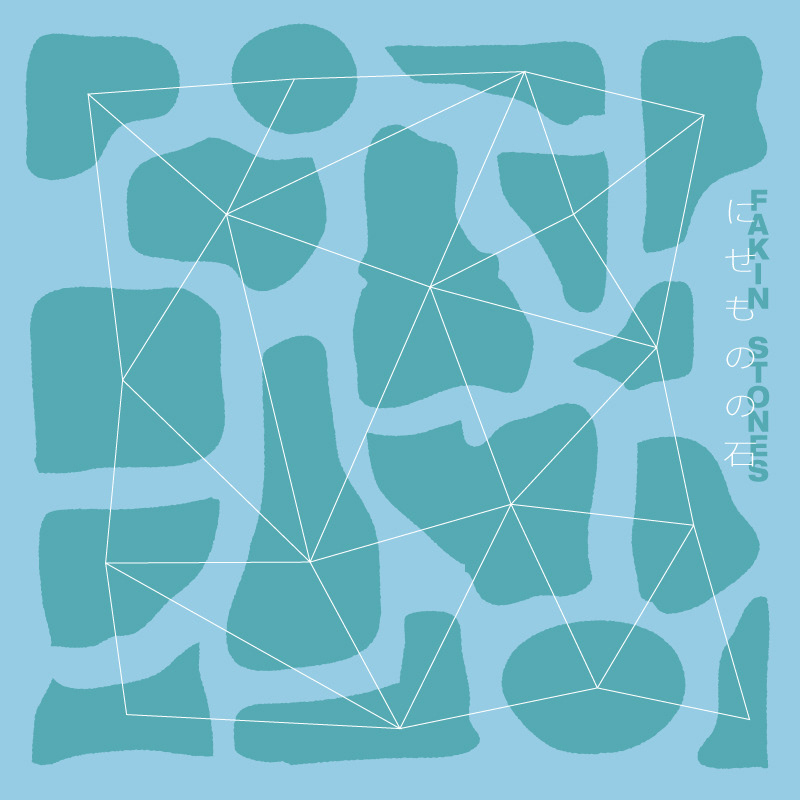
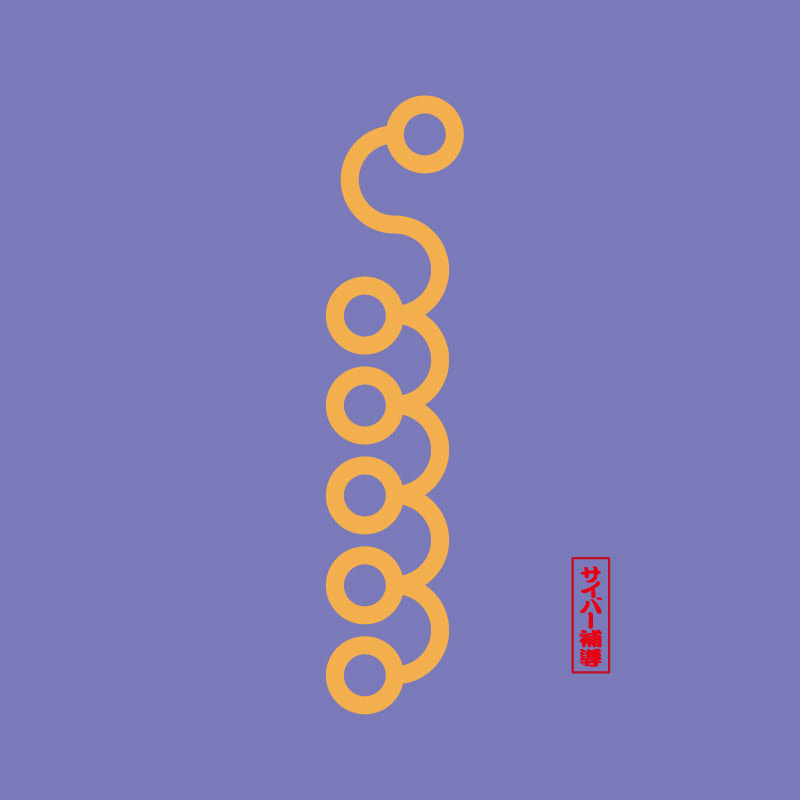
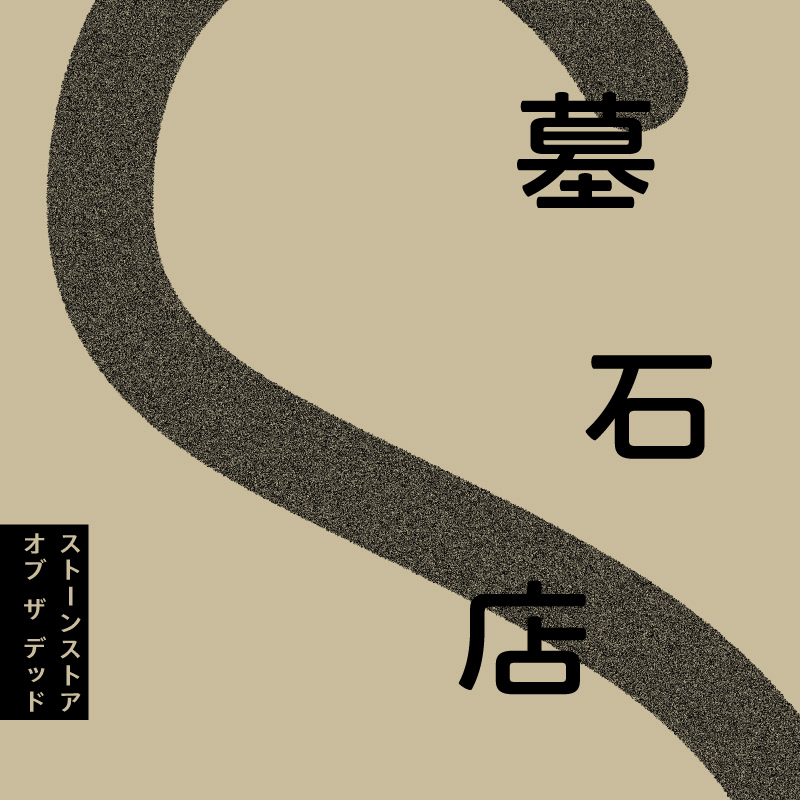
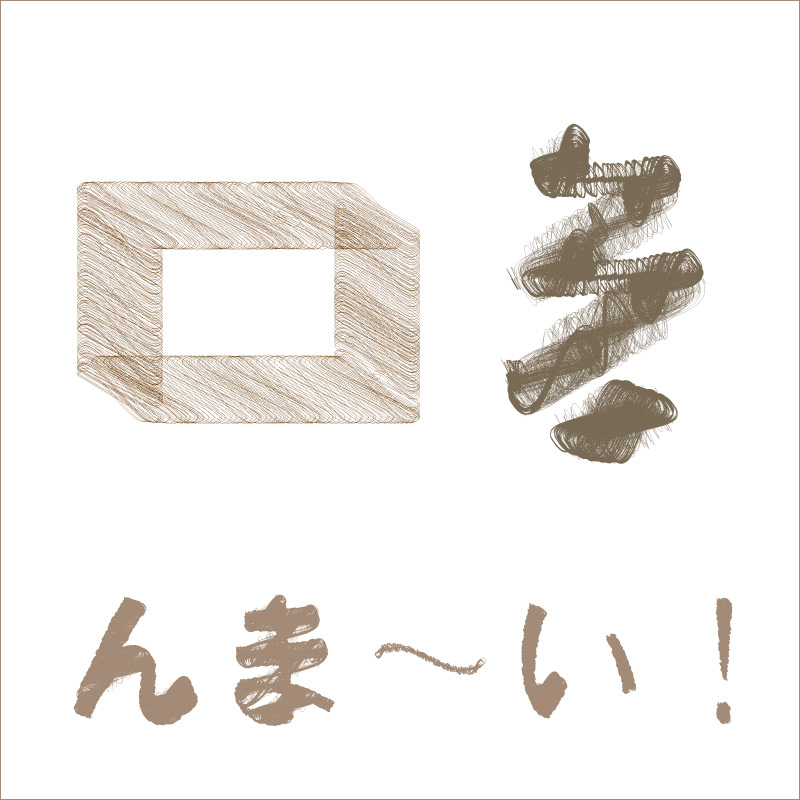
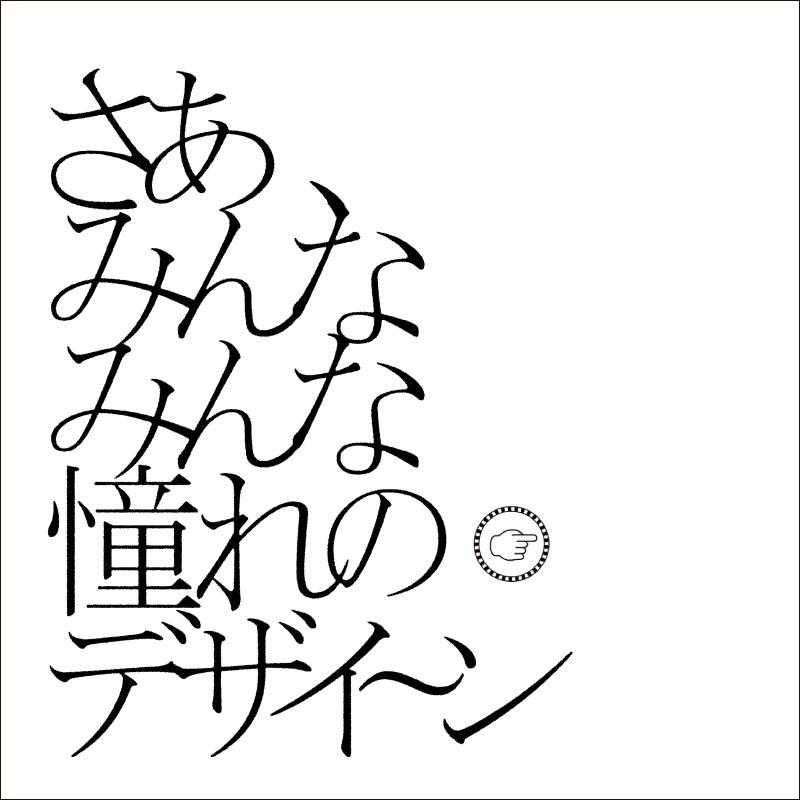
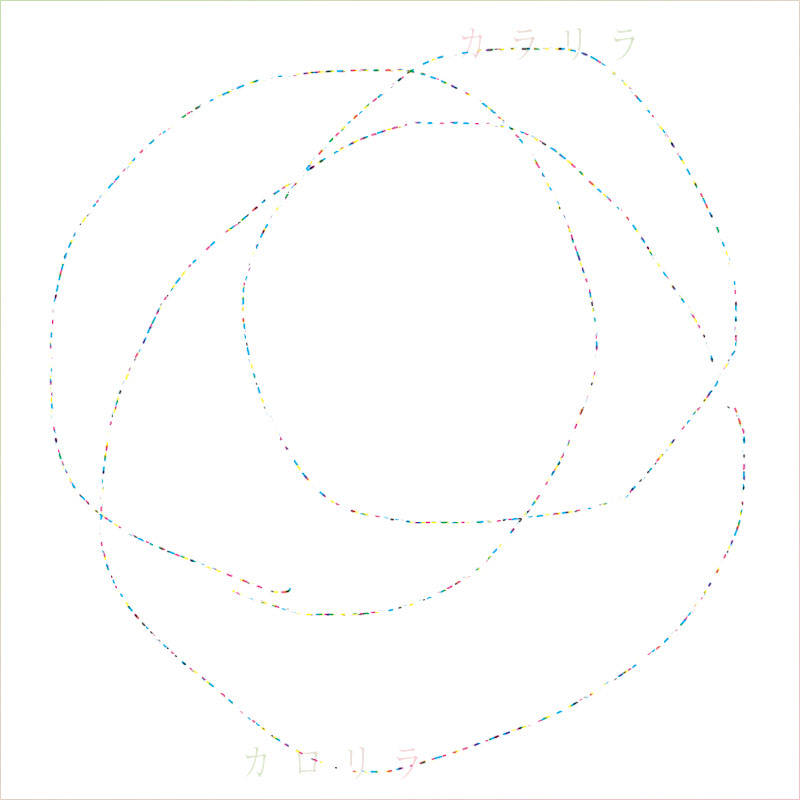
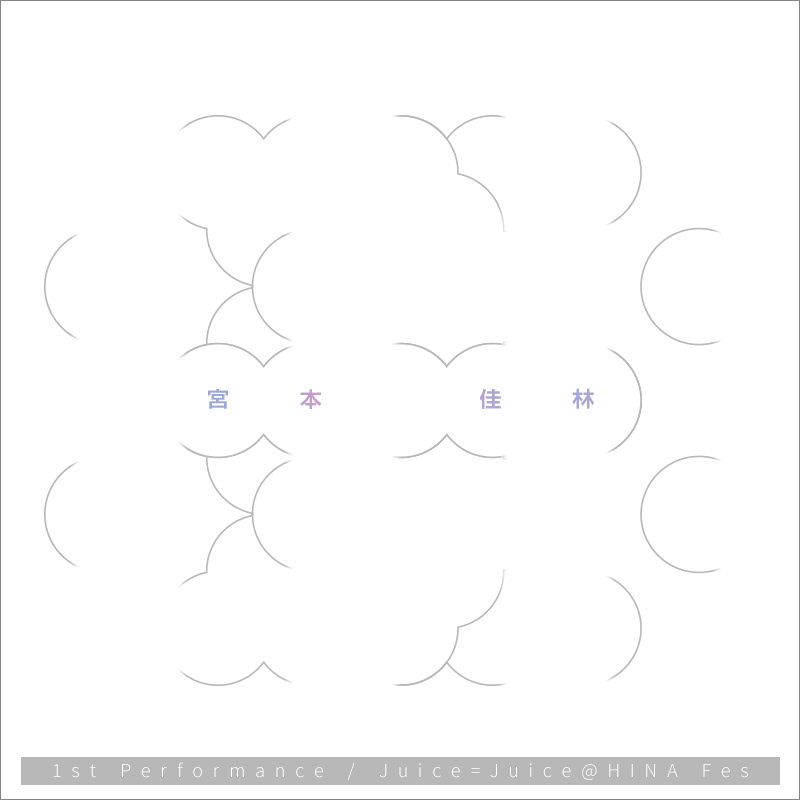
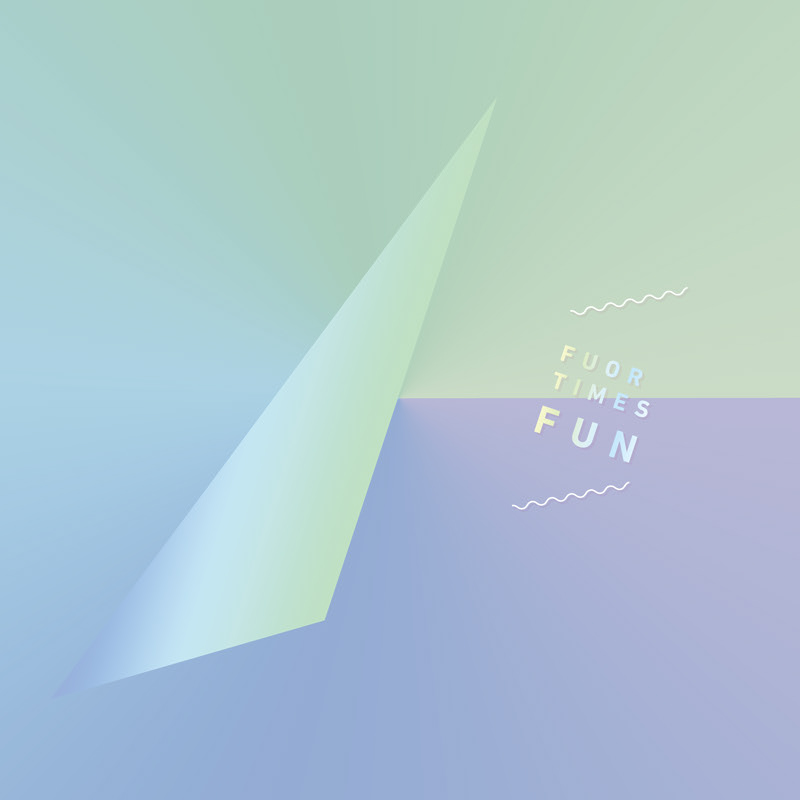
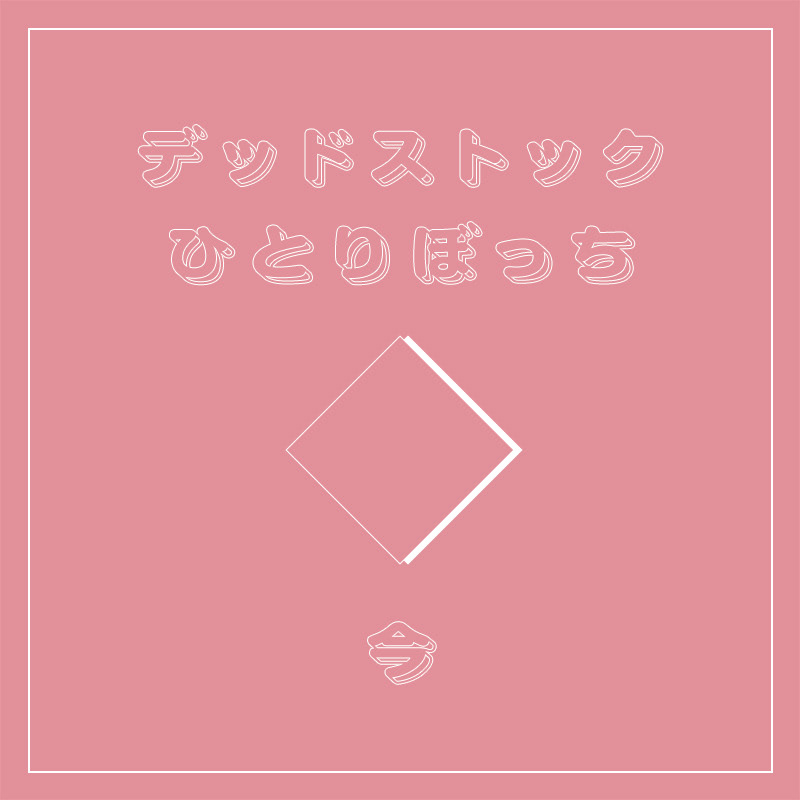
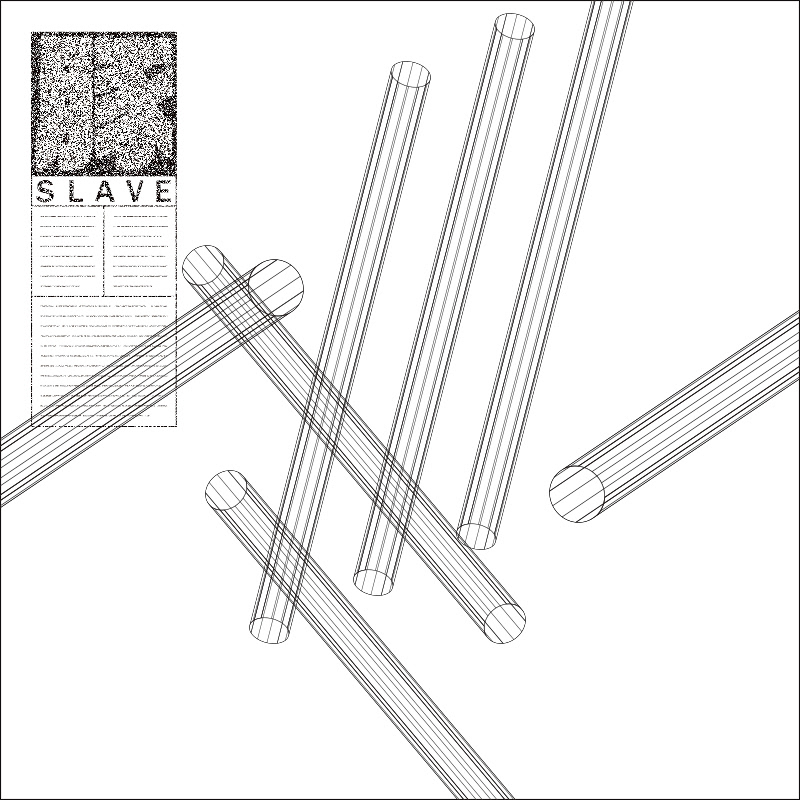
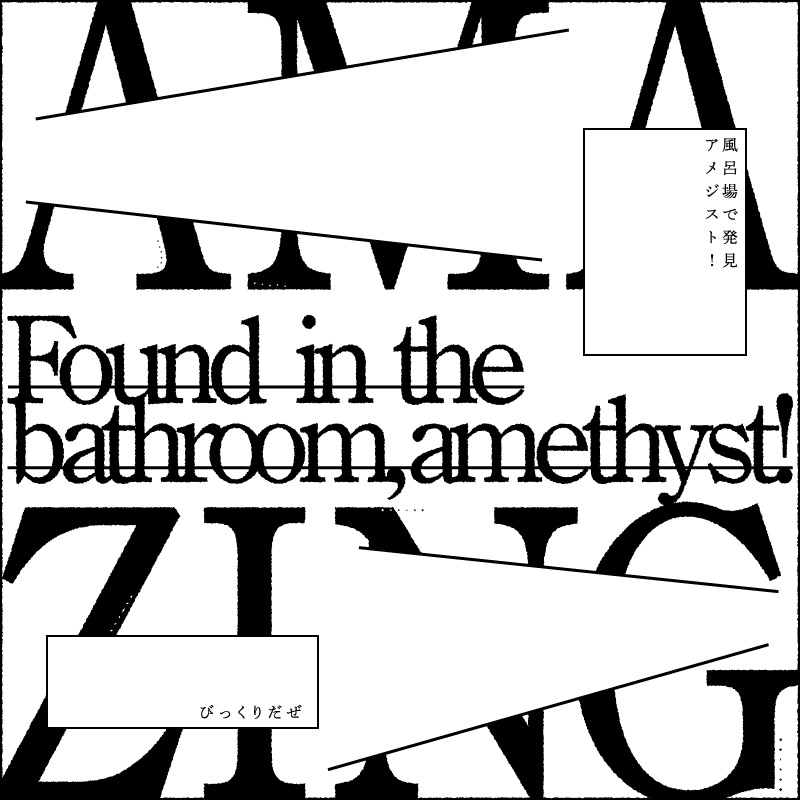
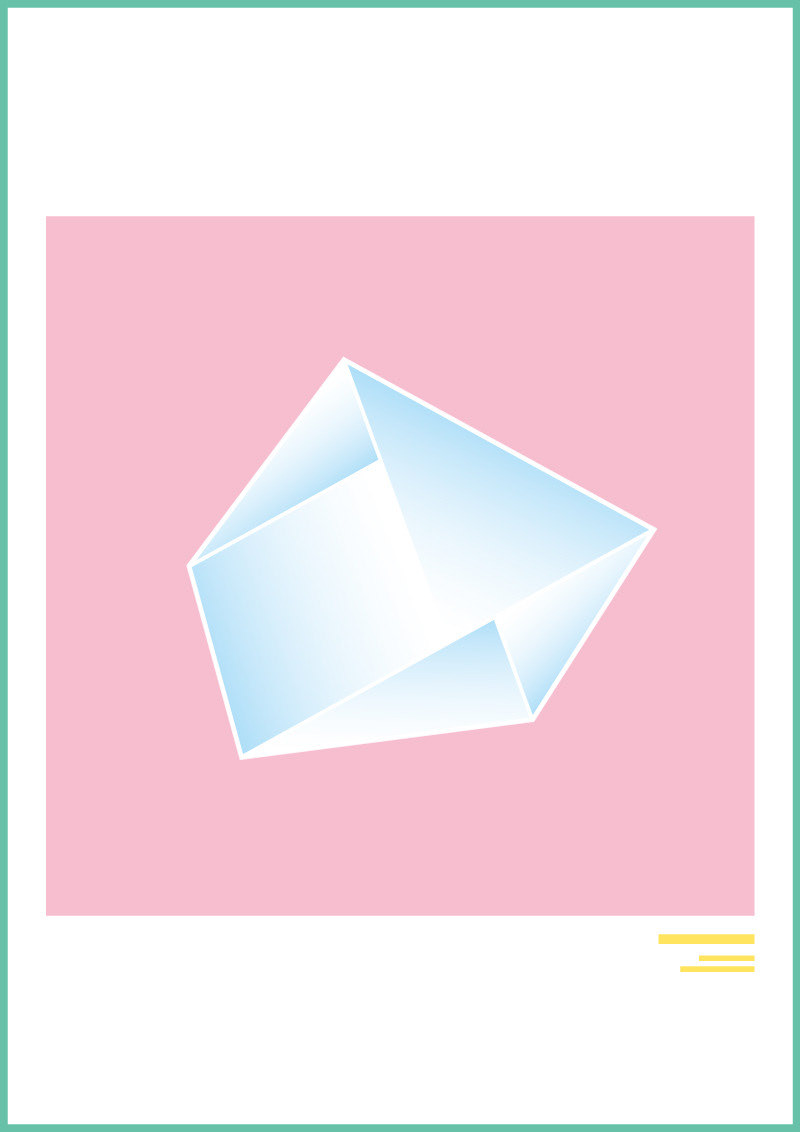
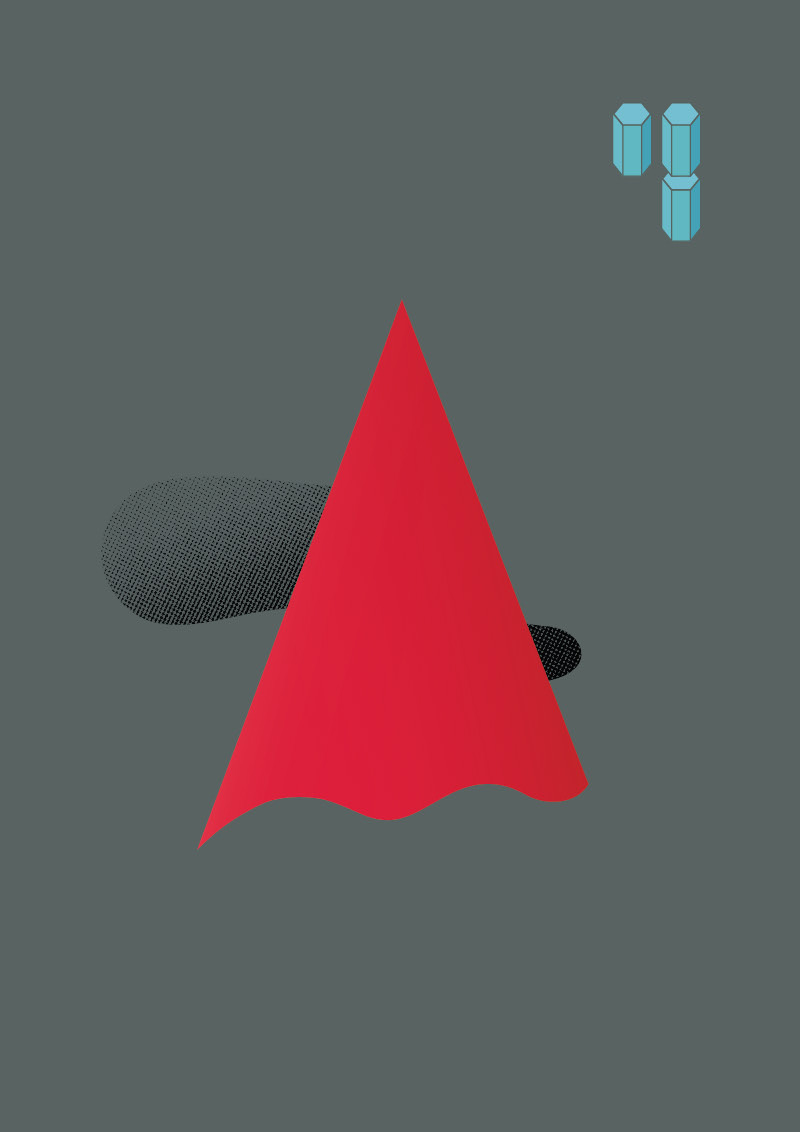
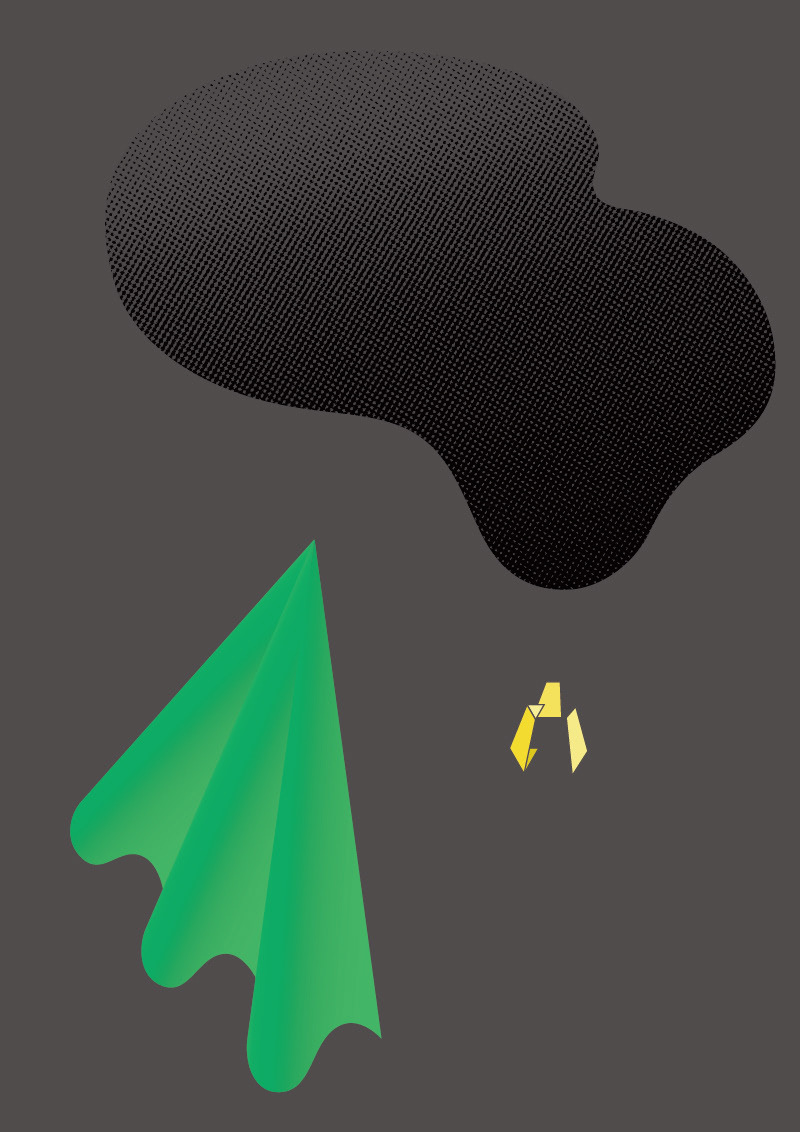
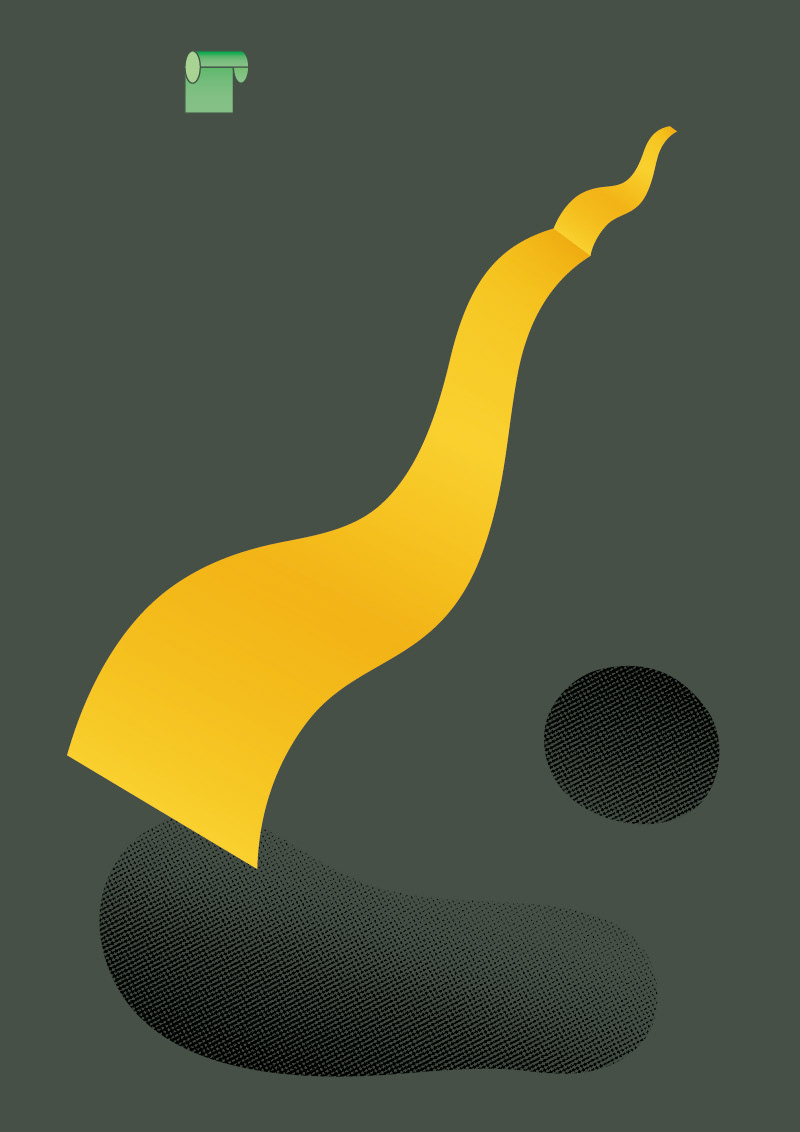
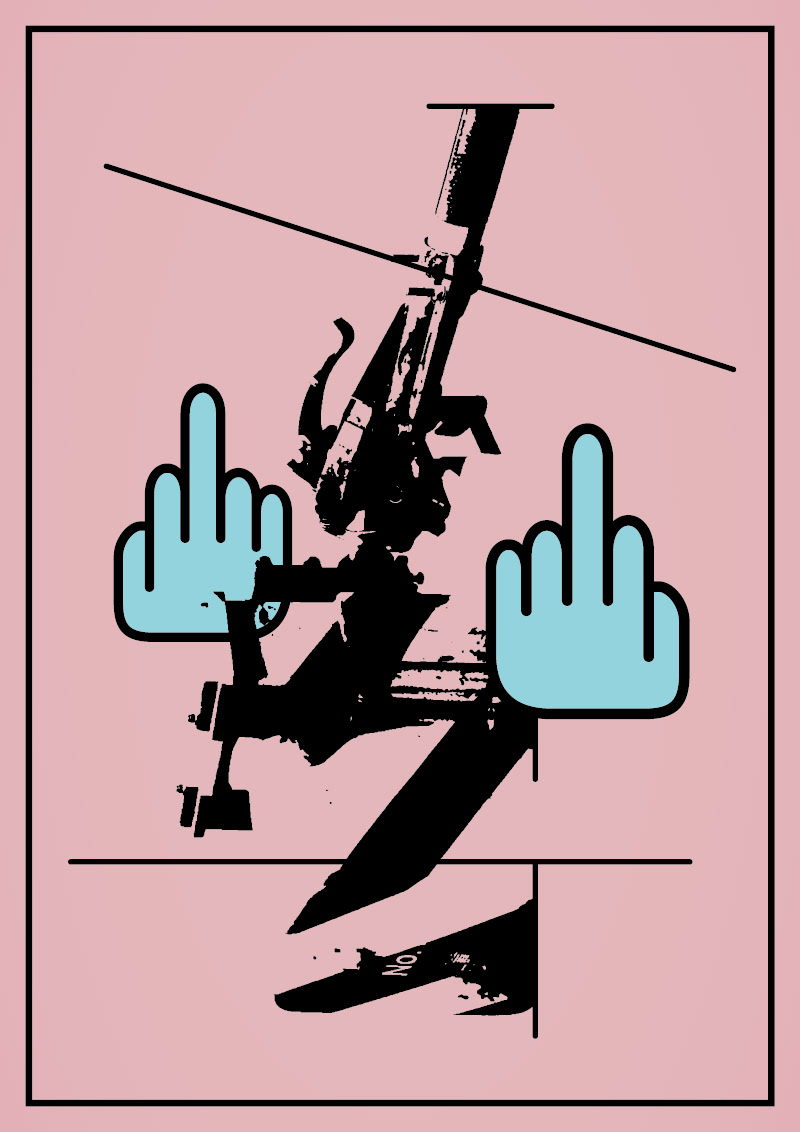
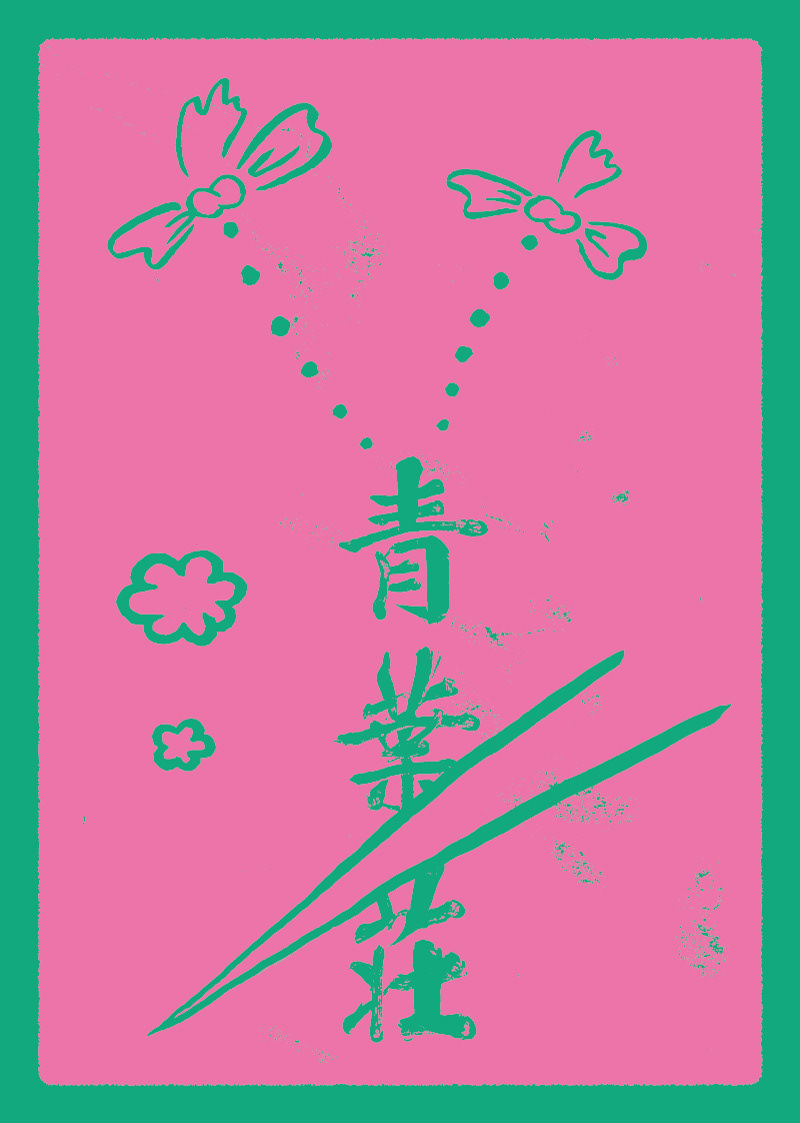
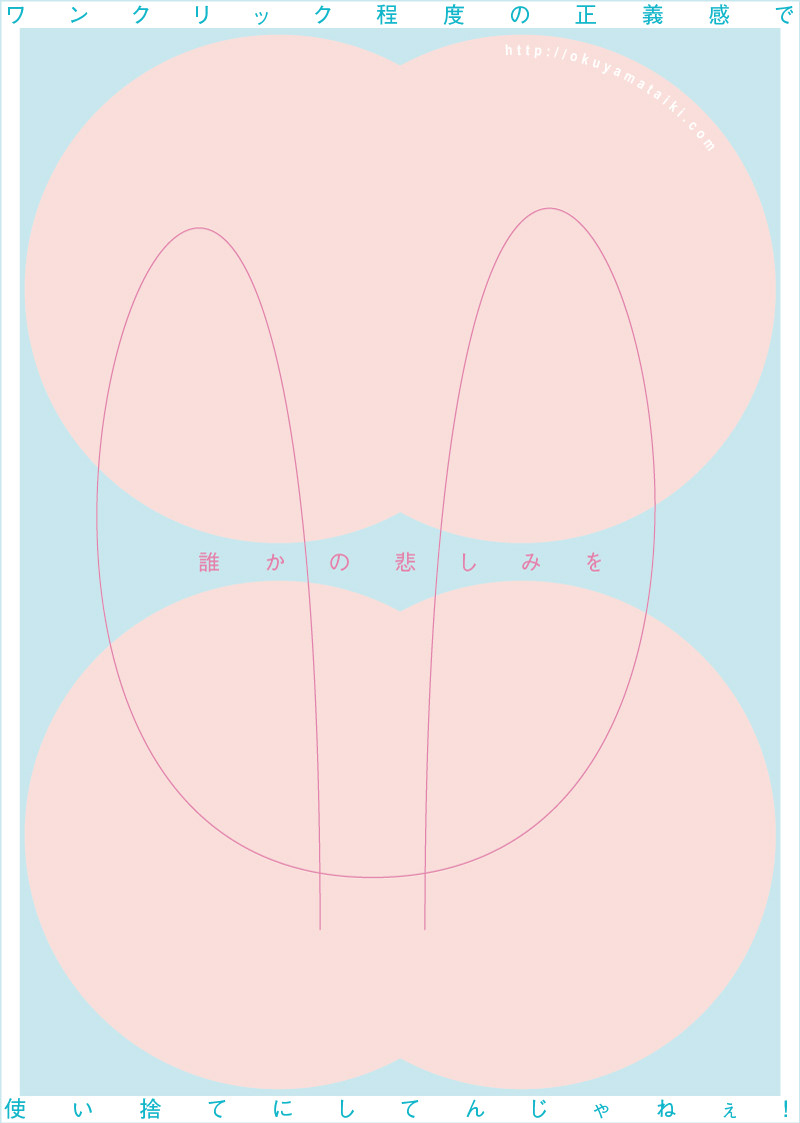
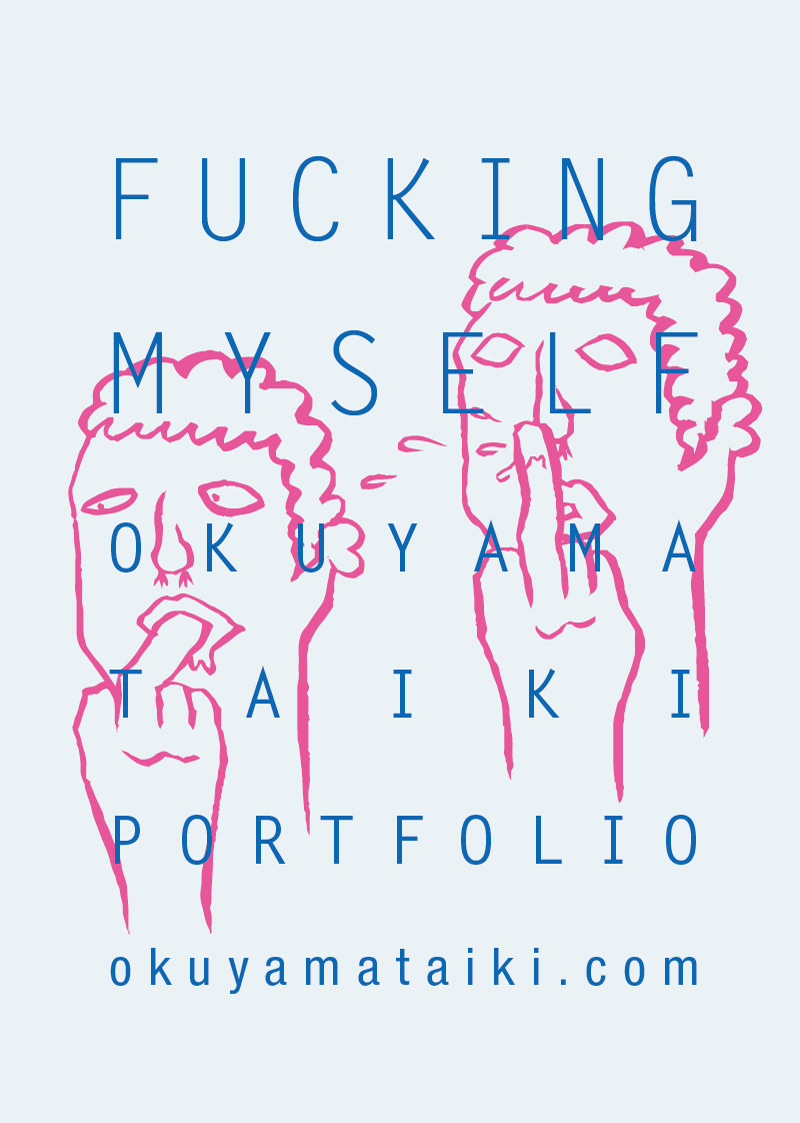
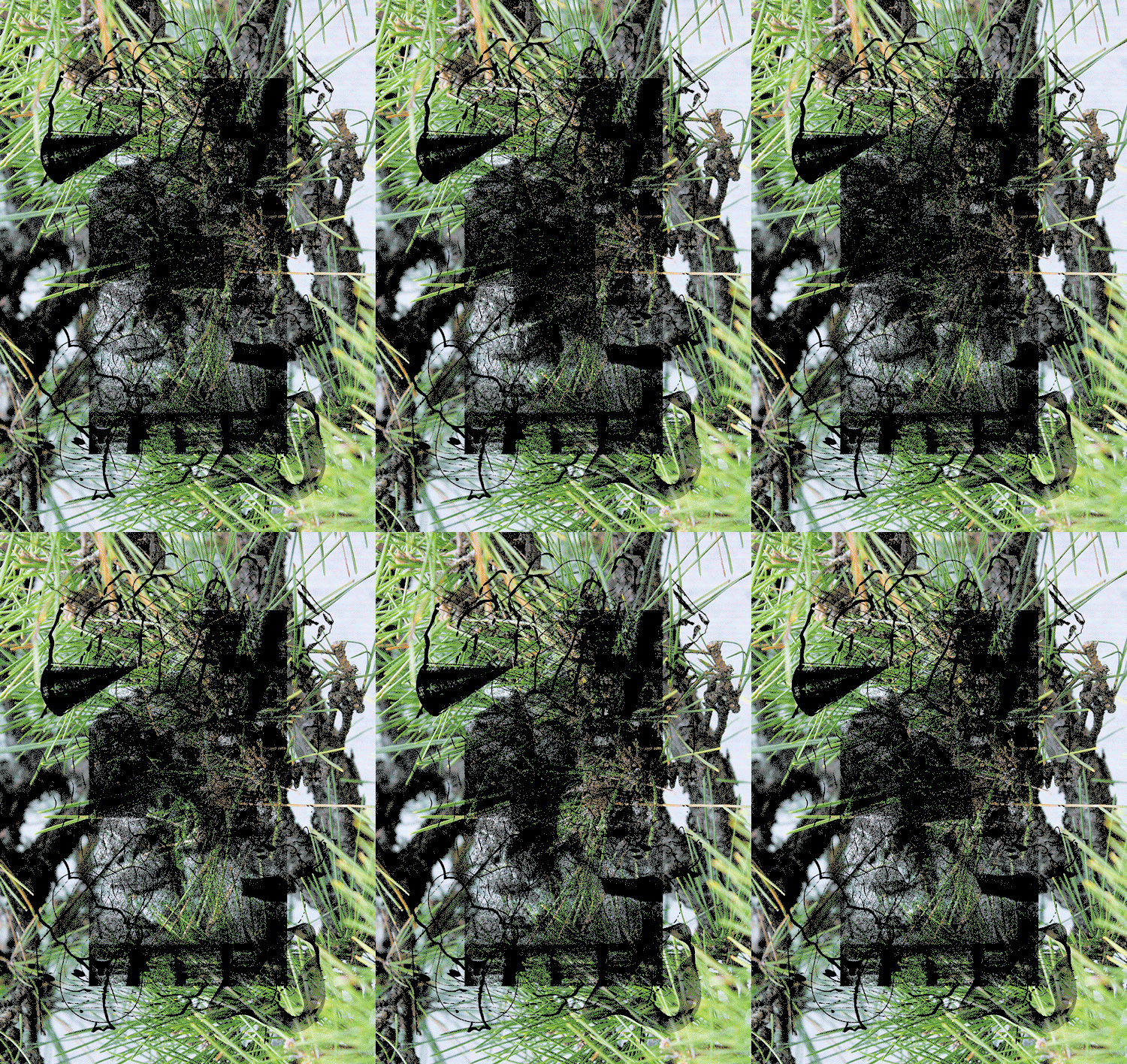
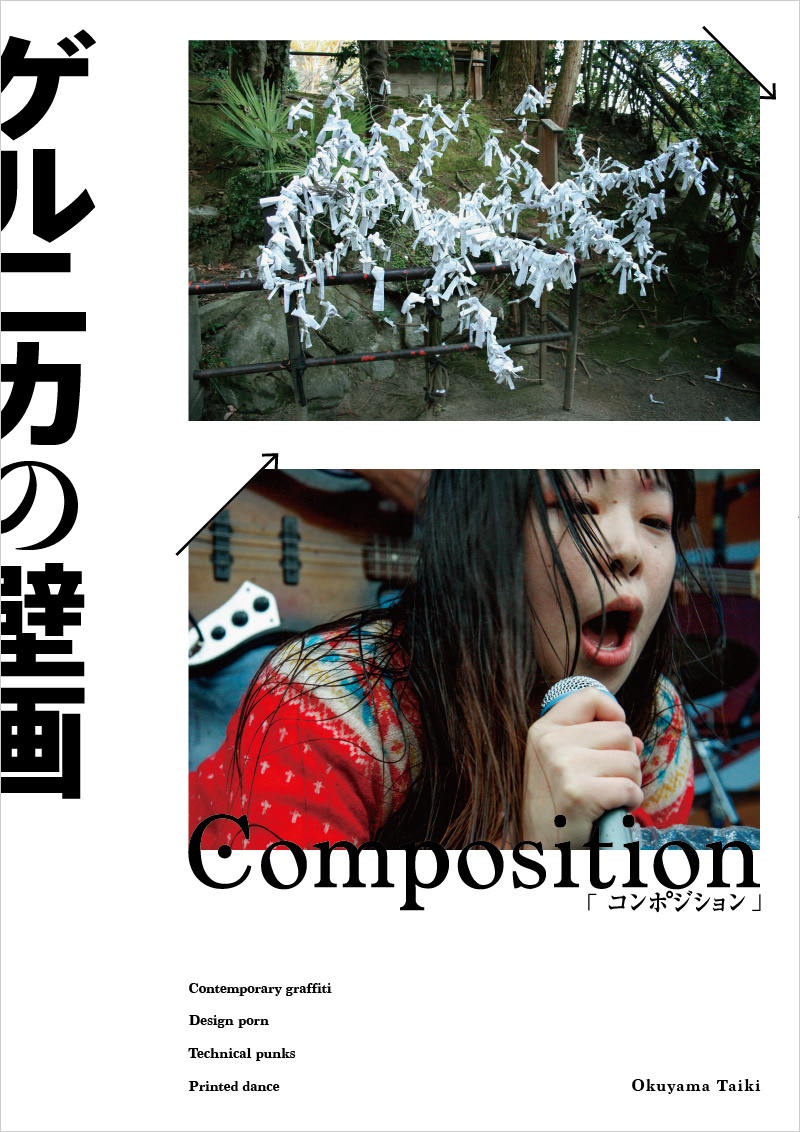
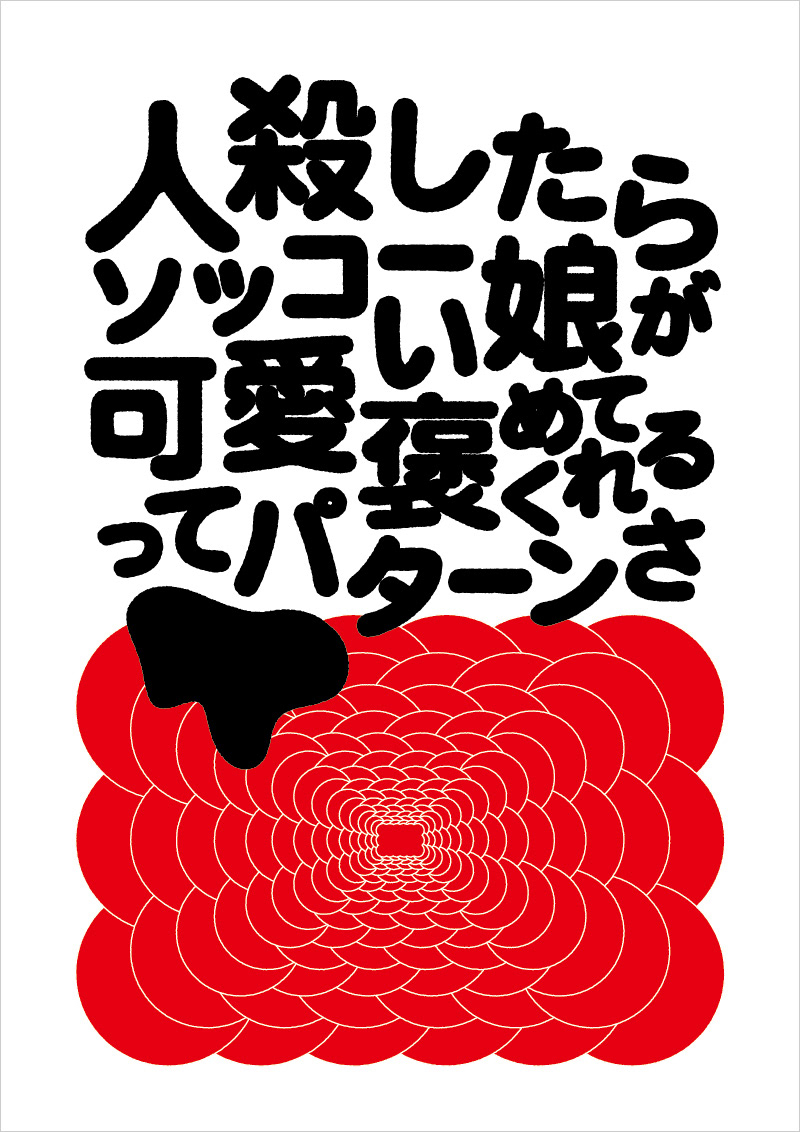
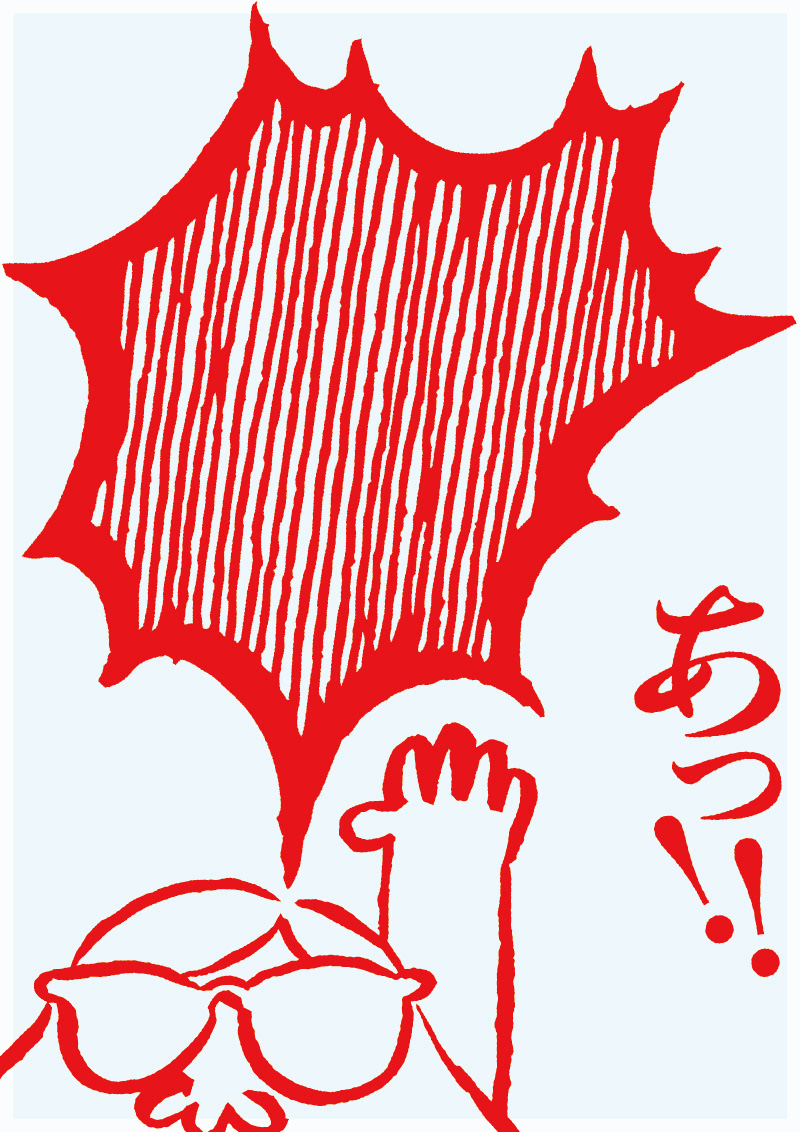
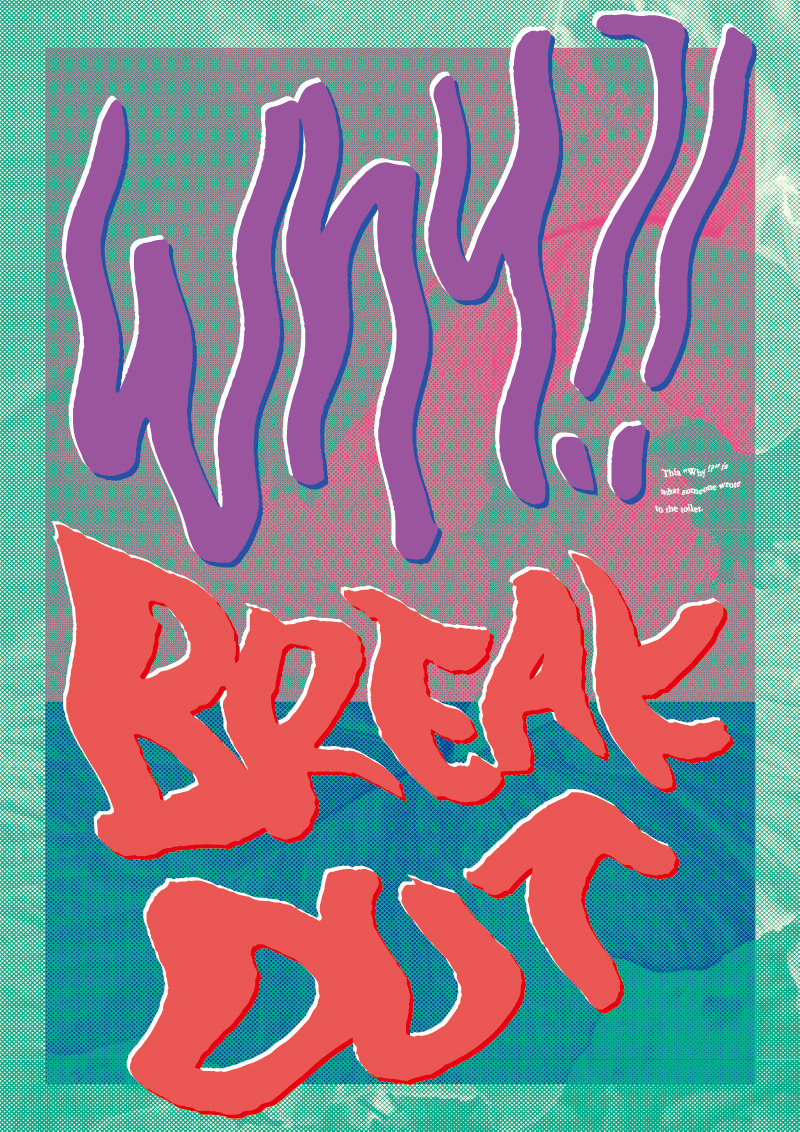
自身のグラフィックデザインを解体し、Sourceを抽出、それを元に新たなグラフィックデザインを再構築していく作品群であり、さらに編集可能なオリジナルデータと合わせて配布することで、作品を誰かが使い、遊び、改変し、再び共有することのできる“野になるデザイン”として公開していく試みです。
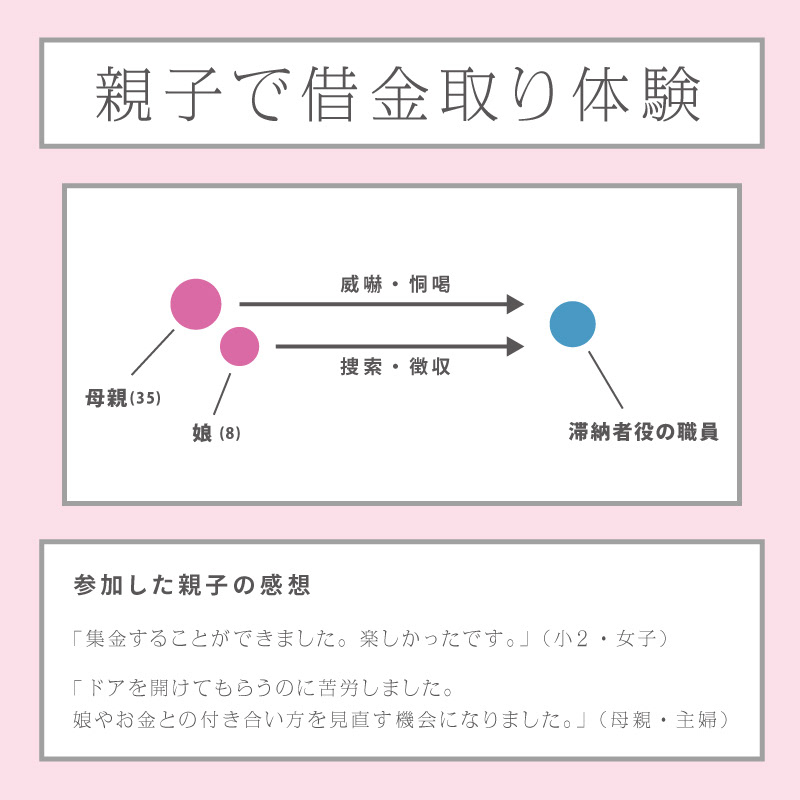
オープンソース/フリーカルチャー/Tumblr/GIF表現を背景に、ネットユーザーのアイコンや壁紙に使用されたり、世界中のクリエイターによってリミックスや二次創作が発表され、海外での展示やメディアで取り上げられるなど広がっていきました。
ここでの表現や活動は、後のネオン作品や国際的なコラボレーションにもつながっていきます。
noichigo_source is an open-source artwork project launched in 2013.
Between 2013 and 2018, I released more than 500 graphic works through the project.
Between 2013 and 2018, I released more than 500 graphic works through the project.
The project began as a series of works that deconstruct my own graphic designs, extract their Source, and reconstruct them into new graphic expressions. Alongside each finished work, I also released the original editable files, allowing others to use, play with, modify, and redistribute them. Rather than treating design as a finished object to be viewed, the project explores the idea of “design growing in the wild”—something that can be freely picked up, transformed, and shared by anyone.
Rooted in open-source culture, free culture, Tumblr, and GIF-based expression, the works spread organically across the internet. They were adopted as icons and wallpapers, remixed and reinterpreted by creators around the world, featured in international media, and exhibited overseas. Many of the ideas and visual approaches developed through this project would later evolve into my neon installations and international collaborations.
* The English version is below.
—— フリーメディア、オープンソース、フリーカルチャー
このプロジェクトの背景には、フリーペーパー専門書店《ONLY FREE PAPER》の運営を通して感じていた、フリーなメディアの速度感と可能性があります。
フリーペーパーやフリーマガジンは、単に情報を印字した紙媒体とは別に、情報と人、人と人をダイレクトに結びつけるインターフェイスとしての役割が非常に強いです。情報が複製され、手に取られ、手渡され、伝達されていく。
私の職能であるグラフィックデザインも同様であると考えていました。
グラフィックデザインは一枚のビジュアルを超えて、人や場所や別の表現をつなぐインターフェイスとして機能します。noichigo_source(以下、n_s)では、その感覚をインターネットへと拡張しました。
当時、デジタルクリエイティブの会社で働きはじめ、エンジニアと一緒に仕事をするようになったことも大きなきっかけでした。
デザインが印刷物や完成されたビジュアルとして存在するだけでなく、データや仕組み、コードのように共有され、更新され、別の人の手によって改変されていく可能性に触れる中で、オープンソースの思想に興味を持つようになりました。
フリーペーパーやオープンソースに感じていた可能性と同じように、グラフィックデザインでも開かれた循環をつくることができないか。その問いが、n_sの出発点のひとつです。
(余談ですが、n_s直前の実践として、渋谷パルコに何もない空の店舗空間を用意し、参加者は誰でも自分の制作物を自由に設置〈アップロード〉してよく、さらにそれらを自由に持ち帰ること〈ダウンロード〉もできる《ONLY FREE PUBLIC(2012)》というイベントを企画・開催しました。さらにネット上で同様のWEBアプリ版をリリースしようとして挫折し、その意思はn_sへと引き継がれました。)
始めるにあたっては、ドミニク・チェン著『フリーカルチャーをつくるためのガイドブック ―クリエイティブ・コモンズによる創造の循環』から大きな影響を受けました。
—— Sourceを公開する
サイトでは、制作したアートワークとその元データ(編集可能な .ai / .psd)を公開し、Creative Commons license[CC BY-SA]で配布しています。
完成したビジュアルだけでなく、制作過程の構造やレイヤー、素材、粗さを含んだSourceそのものをオープンにすることで、グラフィックデザインを所有物や成果物ではなく、共有され、編集され、変形していくための素材として扱いました。
中身が整っていないことも含めて公開することは、完成度よりも共有性を重視するものであり、デザインを“見る”ことと“使う”ことの境界を曖昧にしていきました。
n_sは、フリーカルチャーへの関心から生まれたプロジェクトでもあります。
音楽のネットレーベルが音源素材を公開し、誰かがそれをマッシュアップし、リミックスし、別の作品へと展開していくように、グラフィックデザインでも同じことができないかと考えました。
作品は作者の手元で完成して終わるものではなく、誰かの手に渡り、切り取られ、組み替えられ、別の文脈で使われることで更新されていく。そこには、権利を囲い込むのではなく、遊びとしてオープンにすることでカルチャー全体を前に進めていく感覚があります。
n_sにおける「自由に使って自由に遊ぶ」という態度は単なるデータの配布ではなく、マッシュアップやリミックスのような創造の連鎖をグラフィックデザインの領域で実践する試みとして、このような形式となりました。
—— TumblrとGIF、ネットワーク上で増殖するグラフィック
Tumblrというプラットフォームも、このプロジェクトにとって重要でした。
n_sの作品は、タイムライン上に画像として投稿され、ReblogやLikeを通して、作者の手元を離れて共有されていきます。そこでは、作品は展示空間に固定されるのではなく、誰かのダッシュボードに現れ、保存され、再投稿され、他の画像と並び、別の文脈の中へ移動していきます。
このTumblrの流通の仕組みは、n_sを単なるポスターアーカイブではなく、ネットワーク上で増殖するグラフィックの実験場にしました。
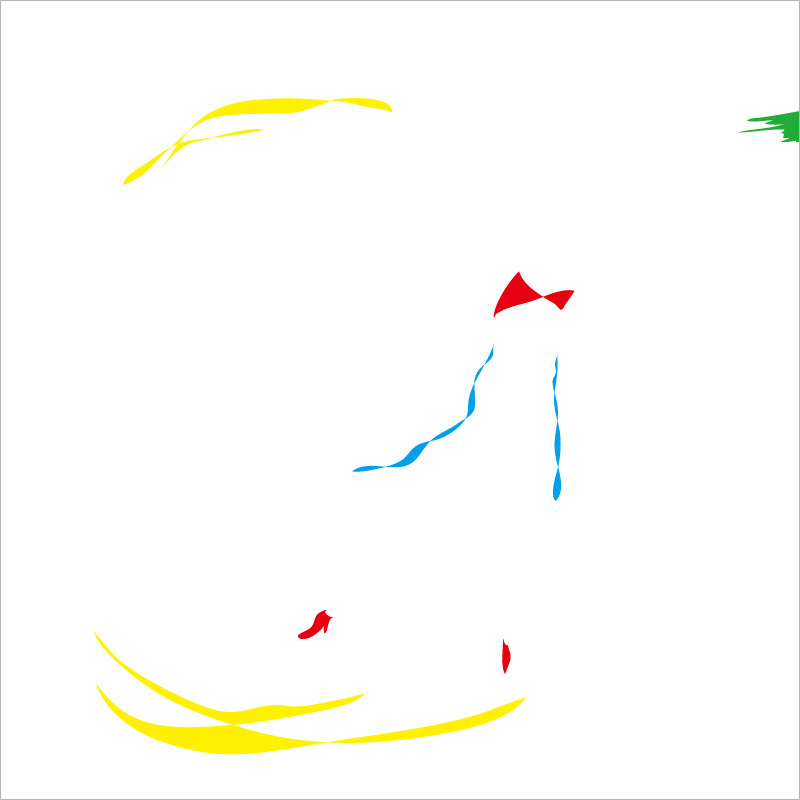
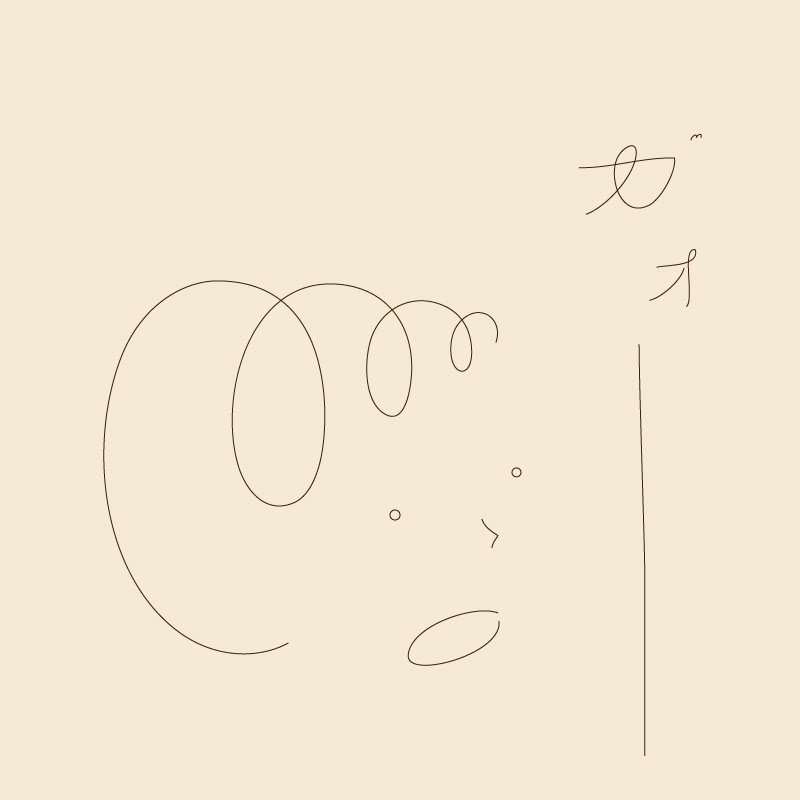
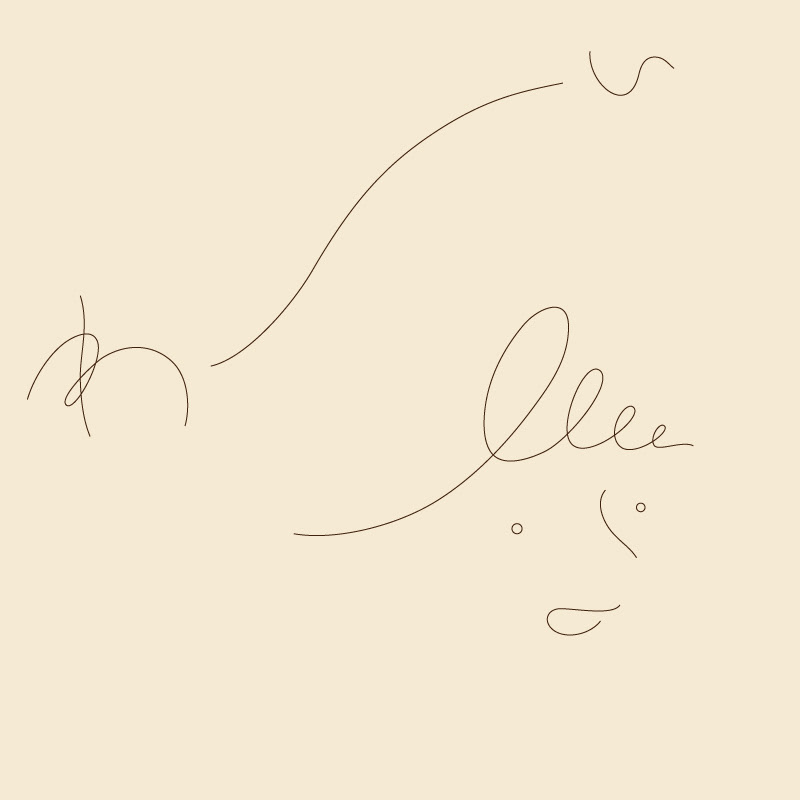
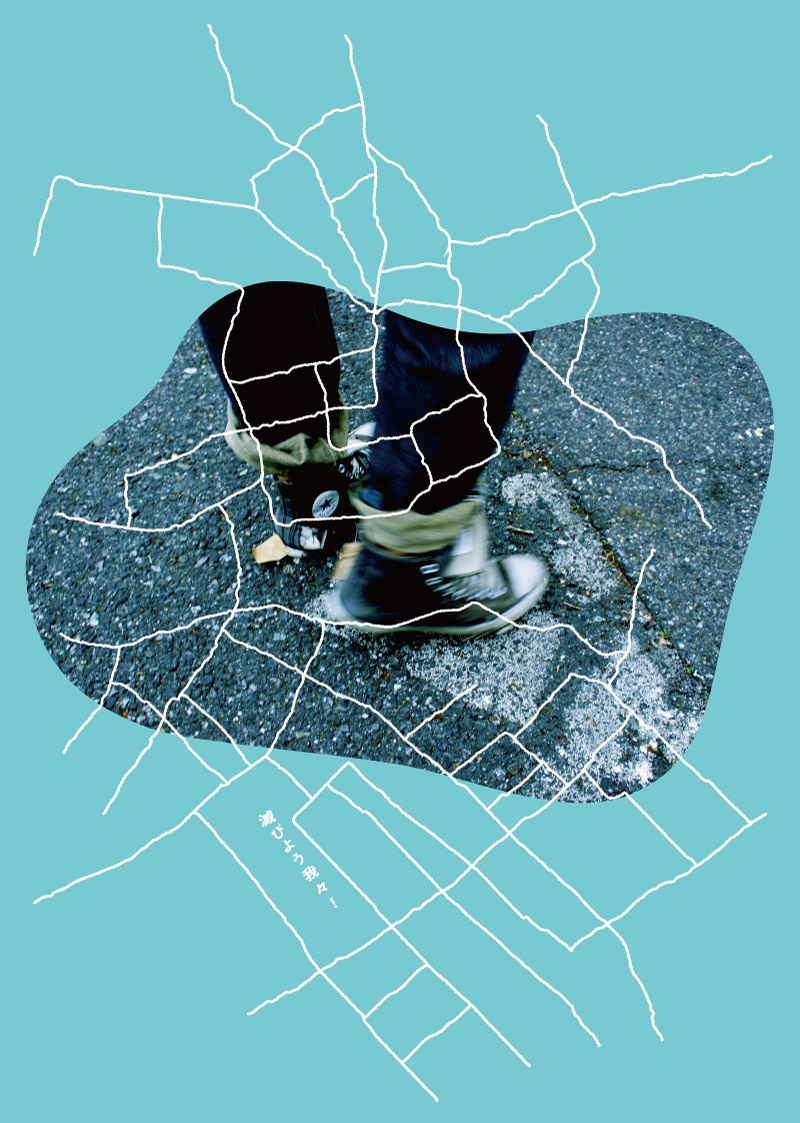
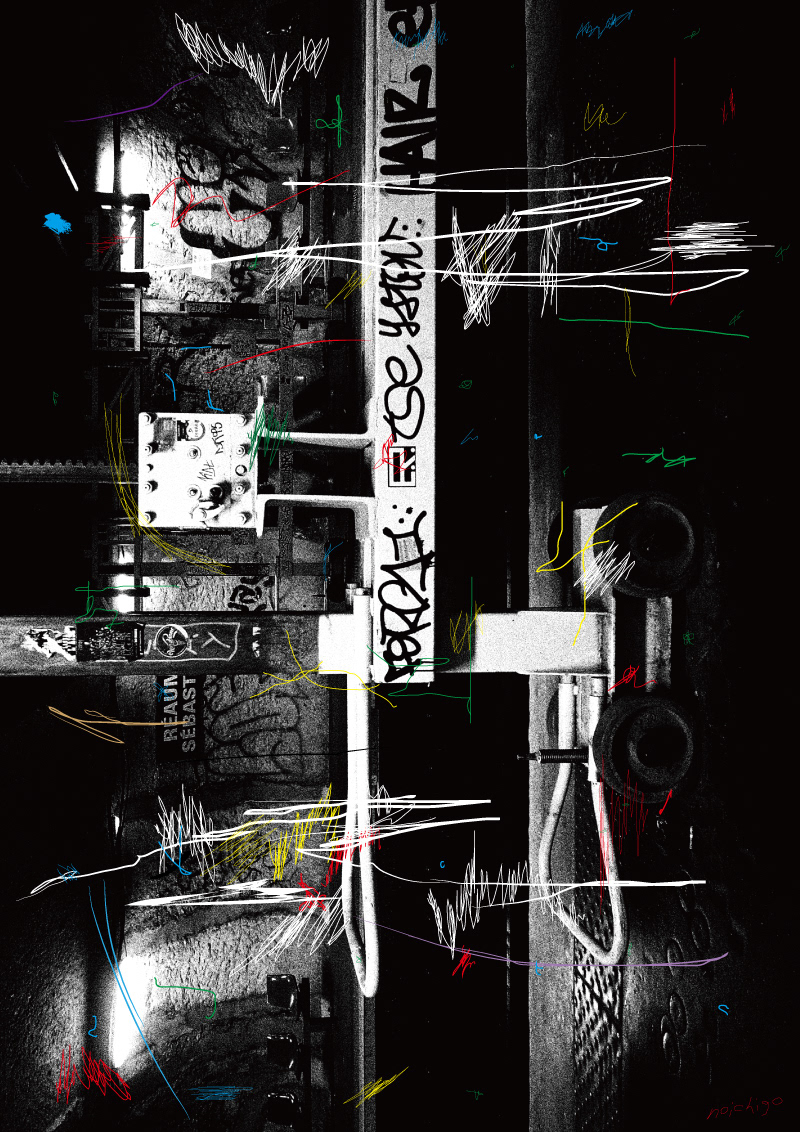
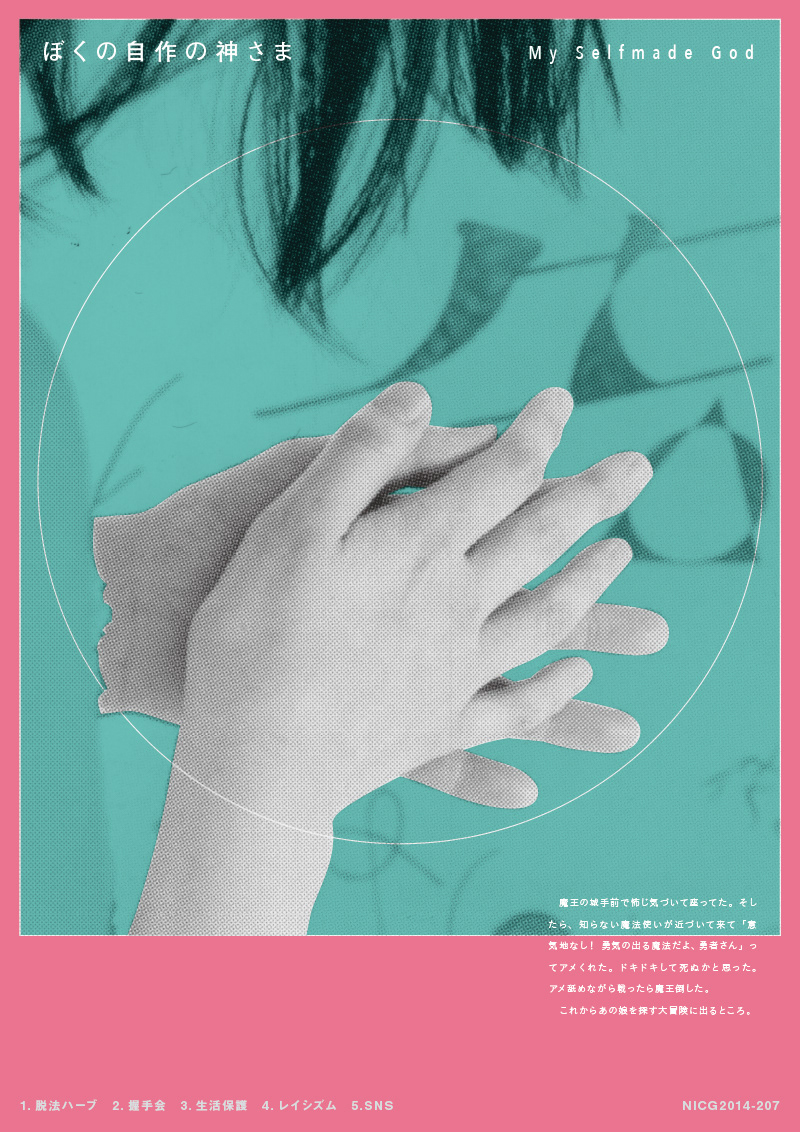
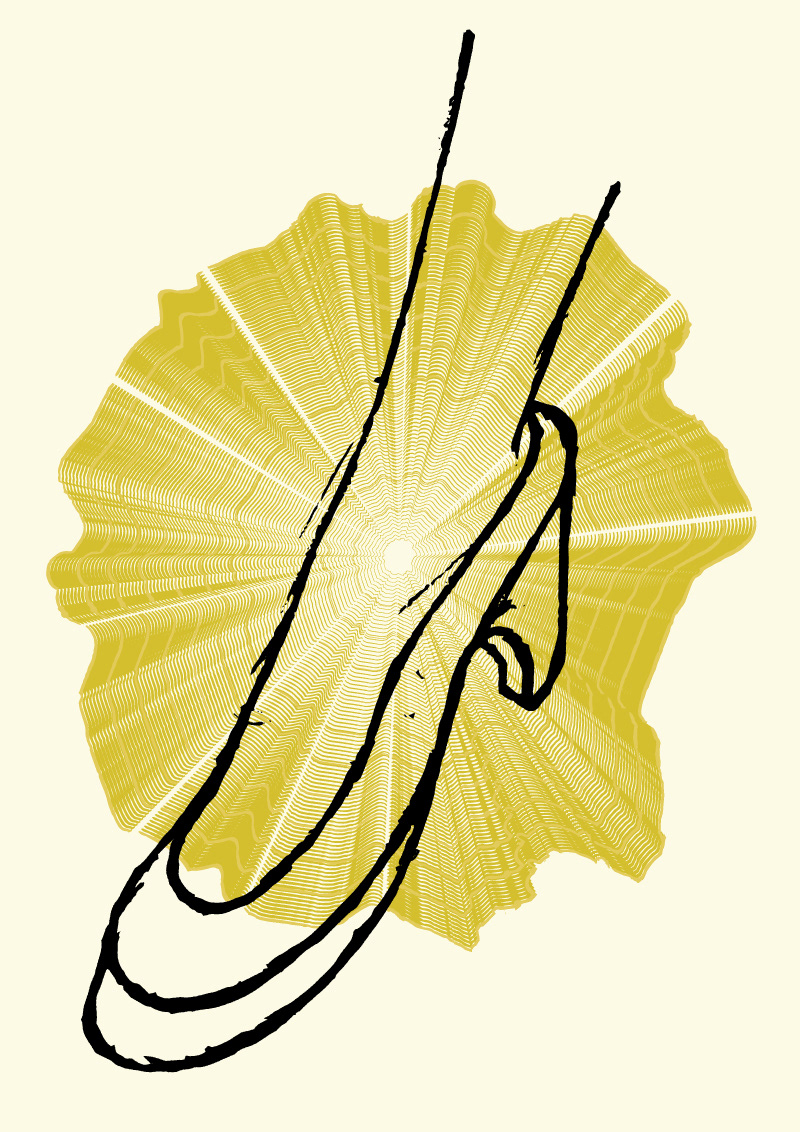
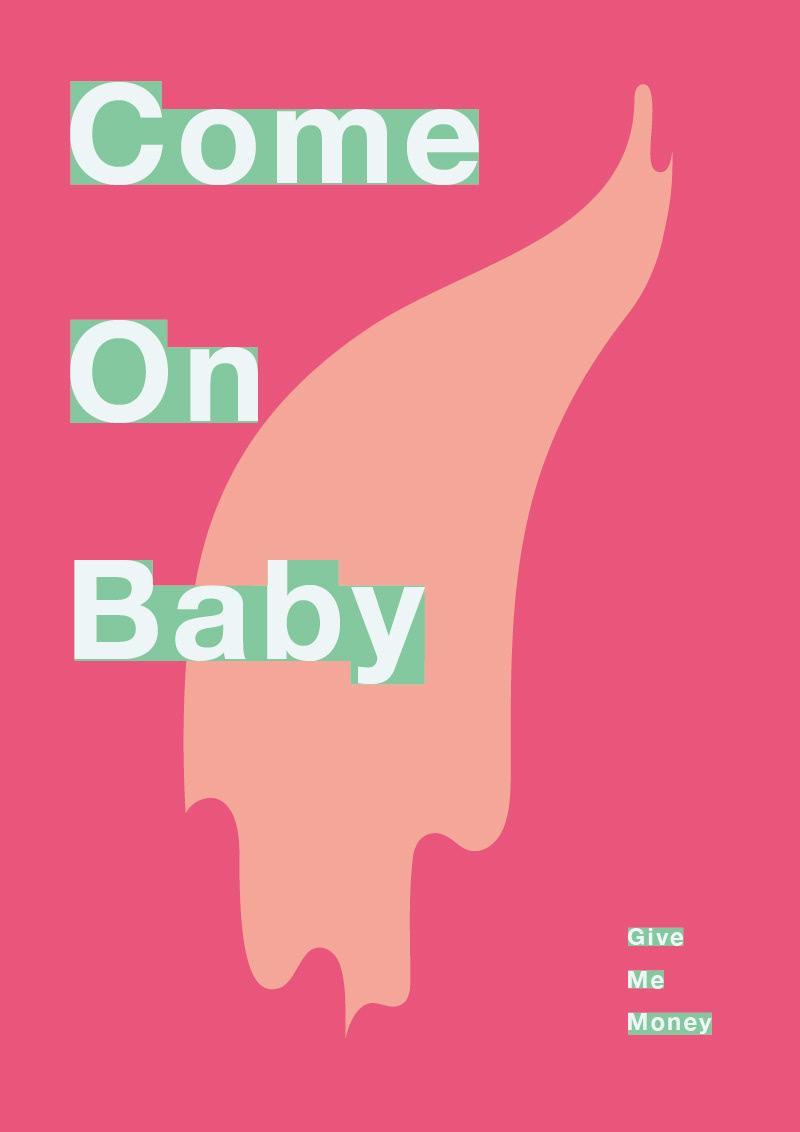
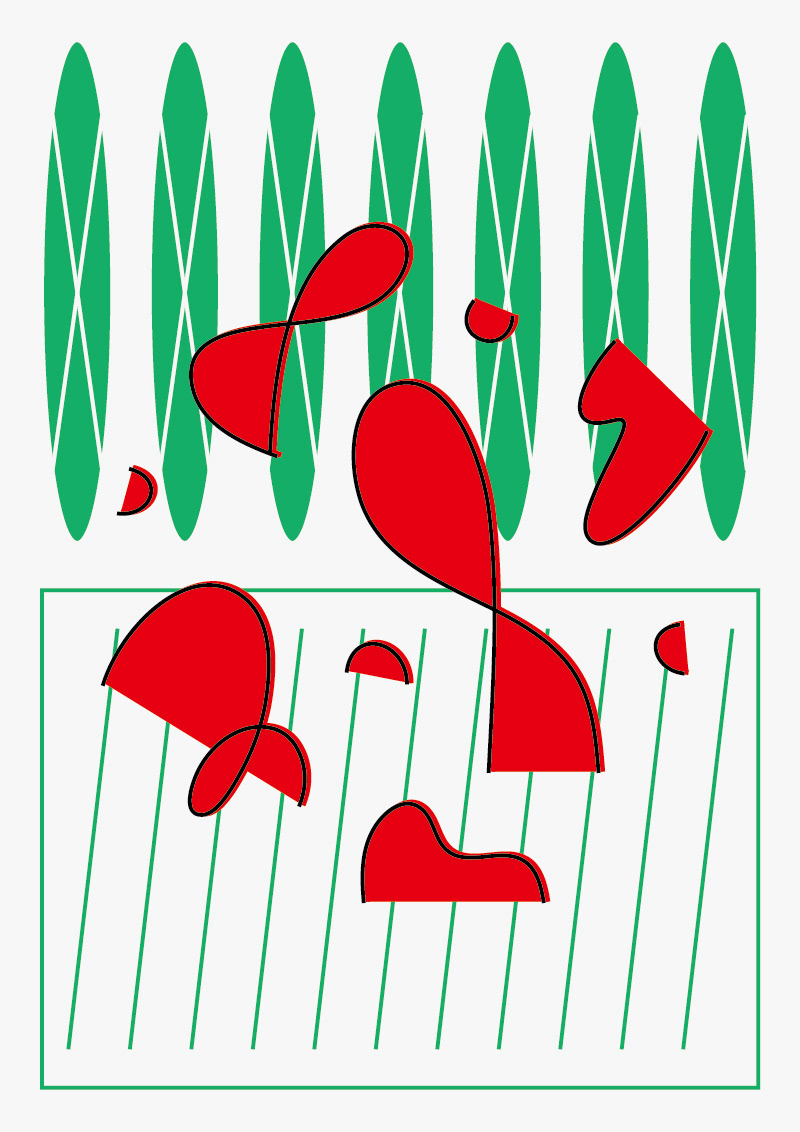
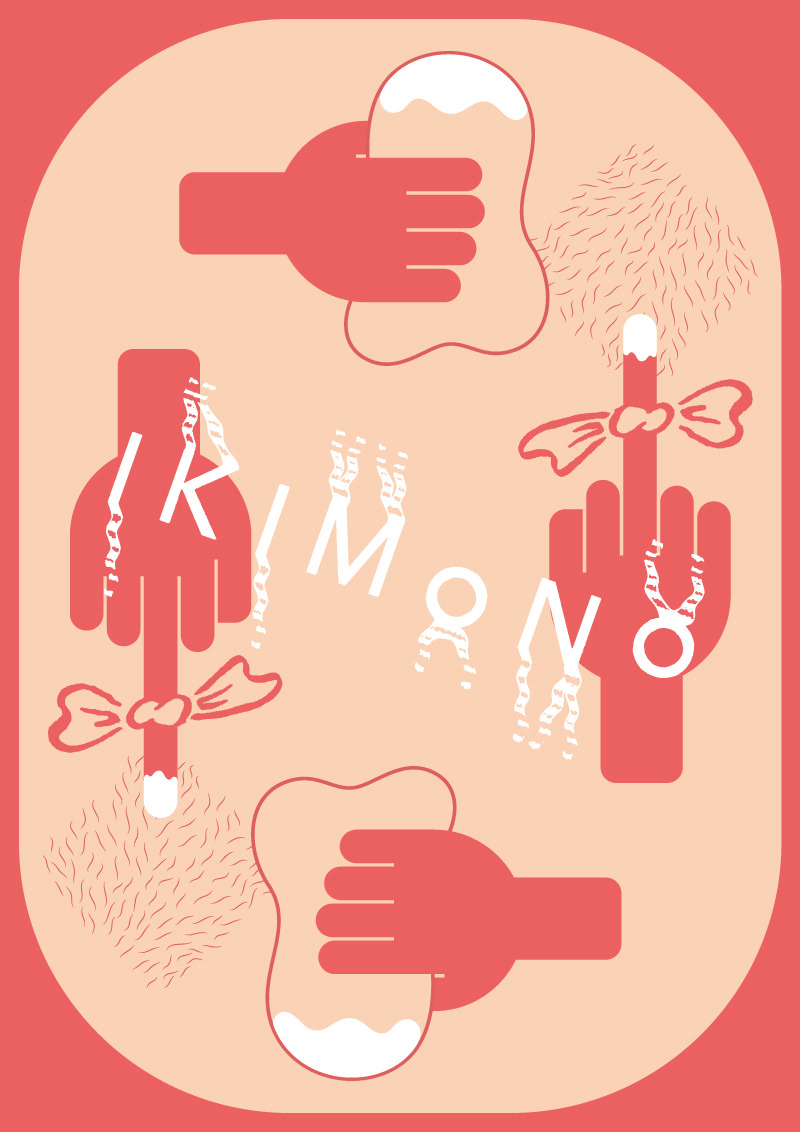
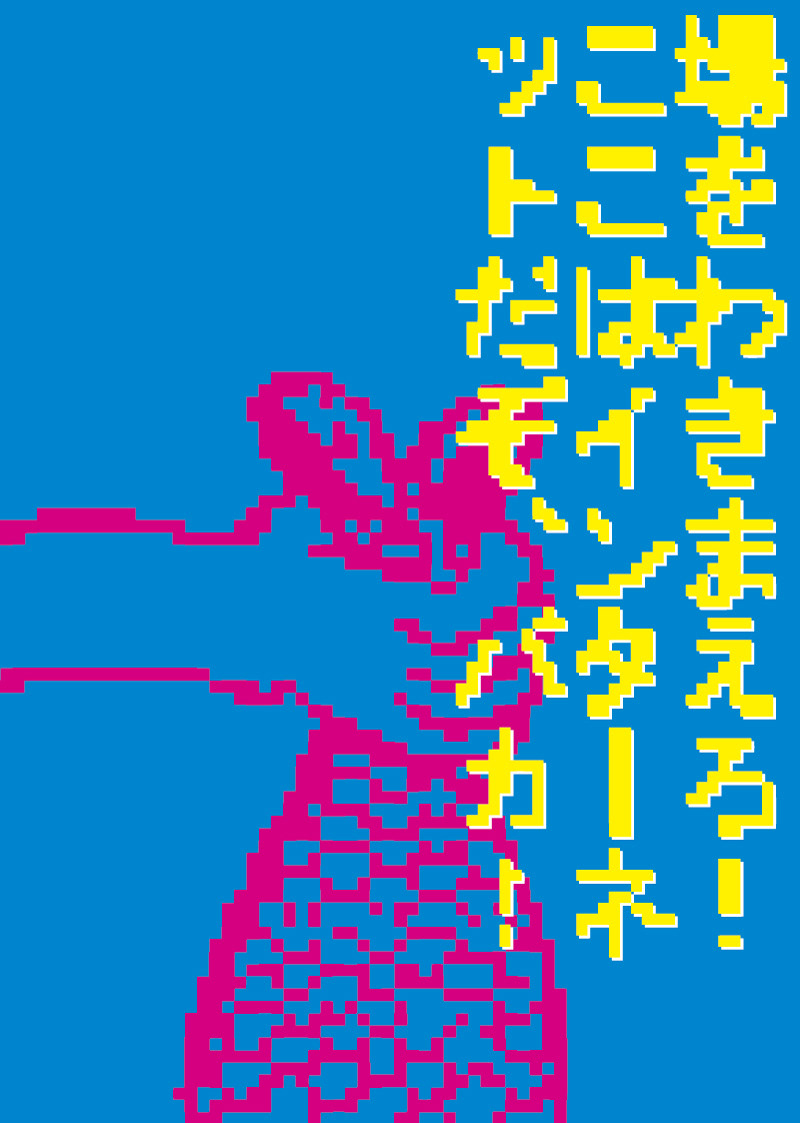
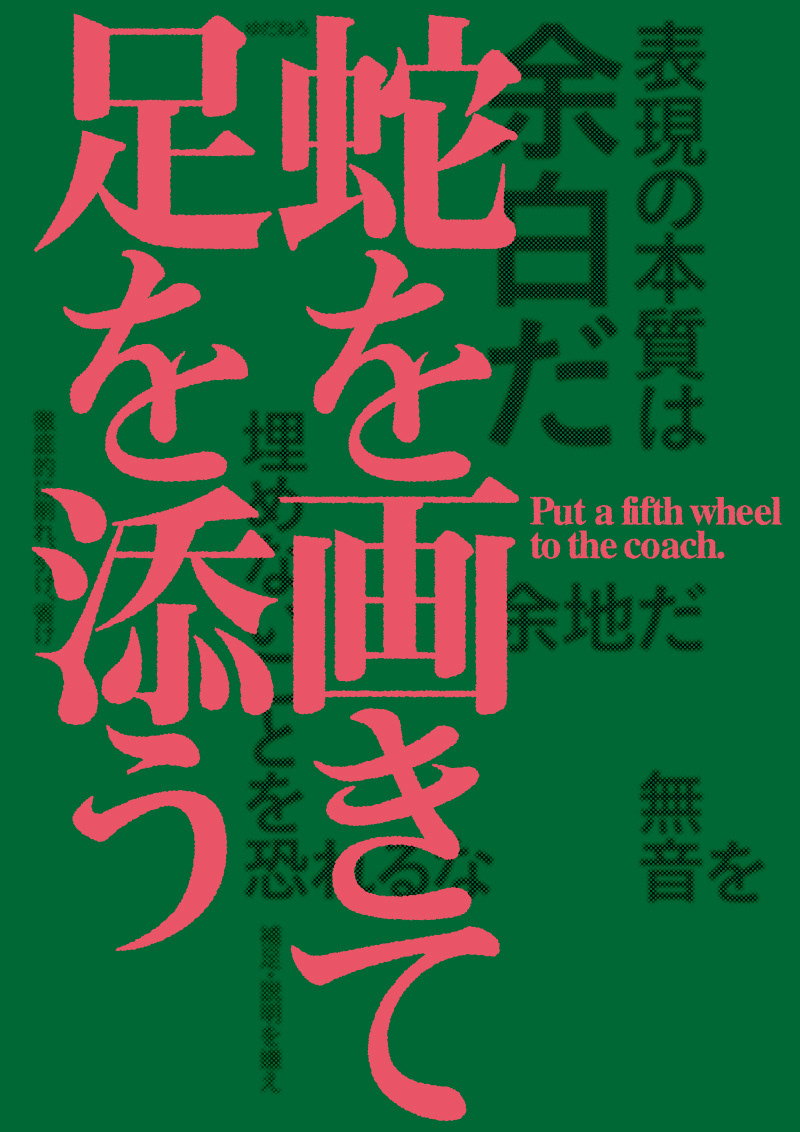
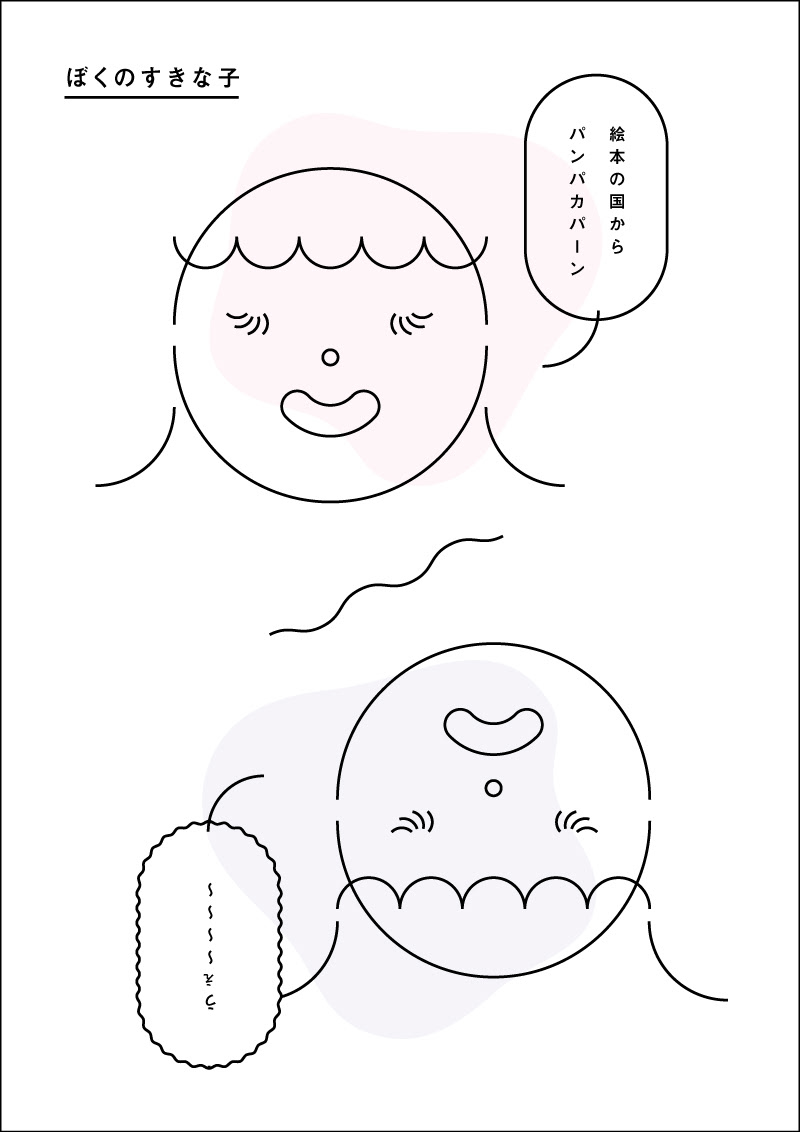
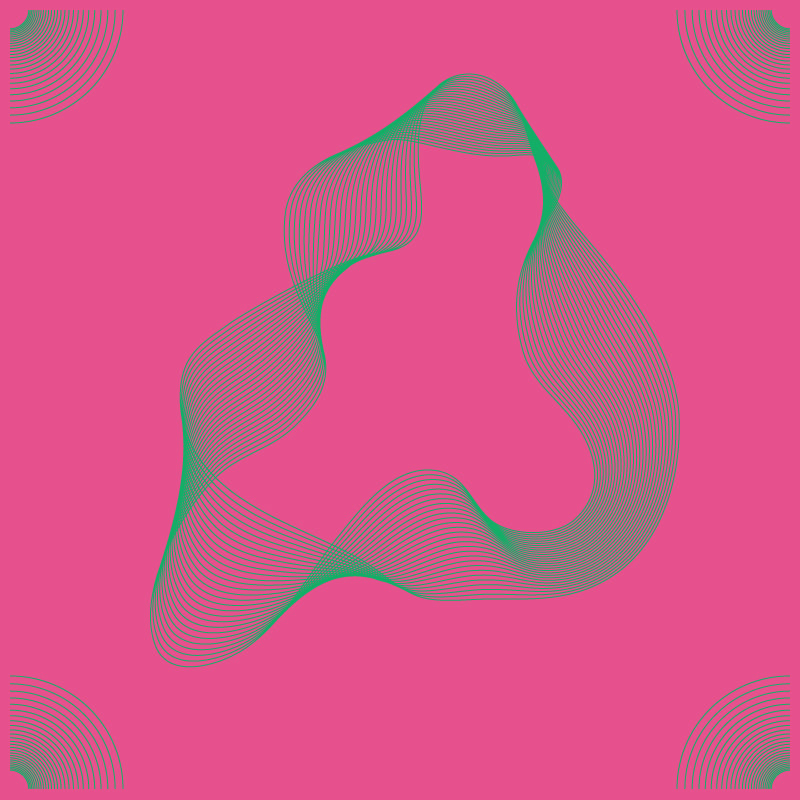
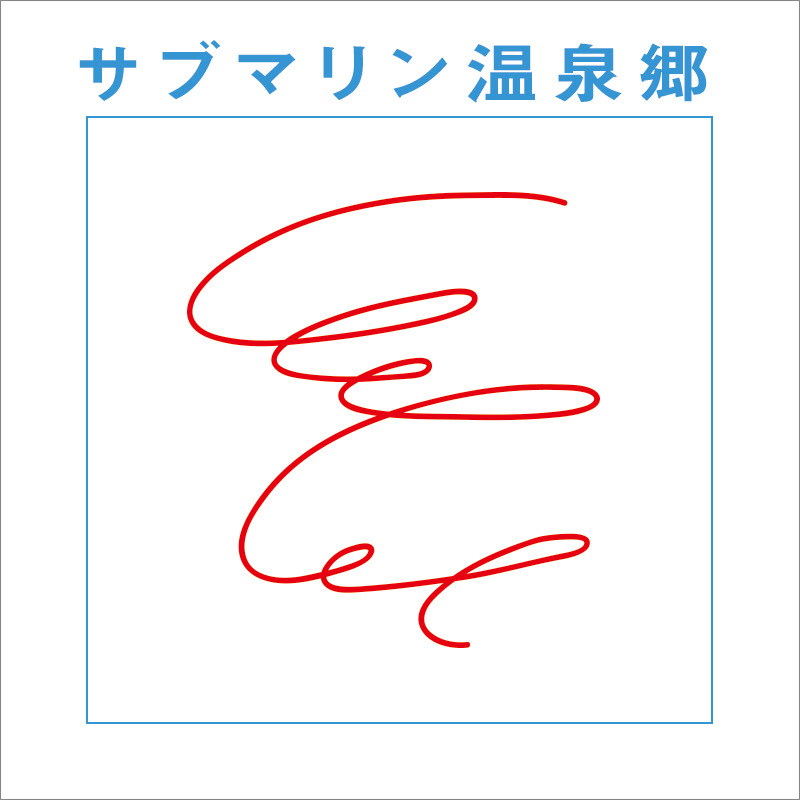
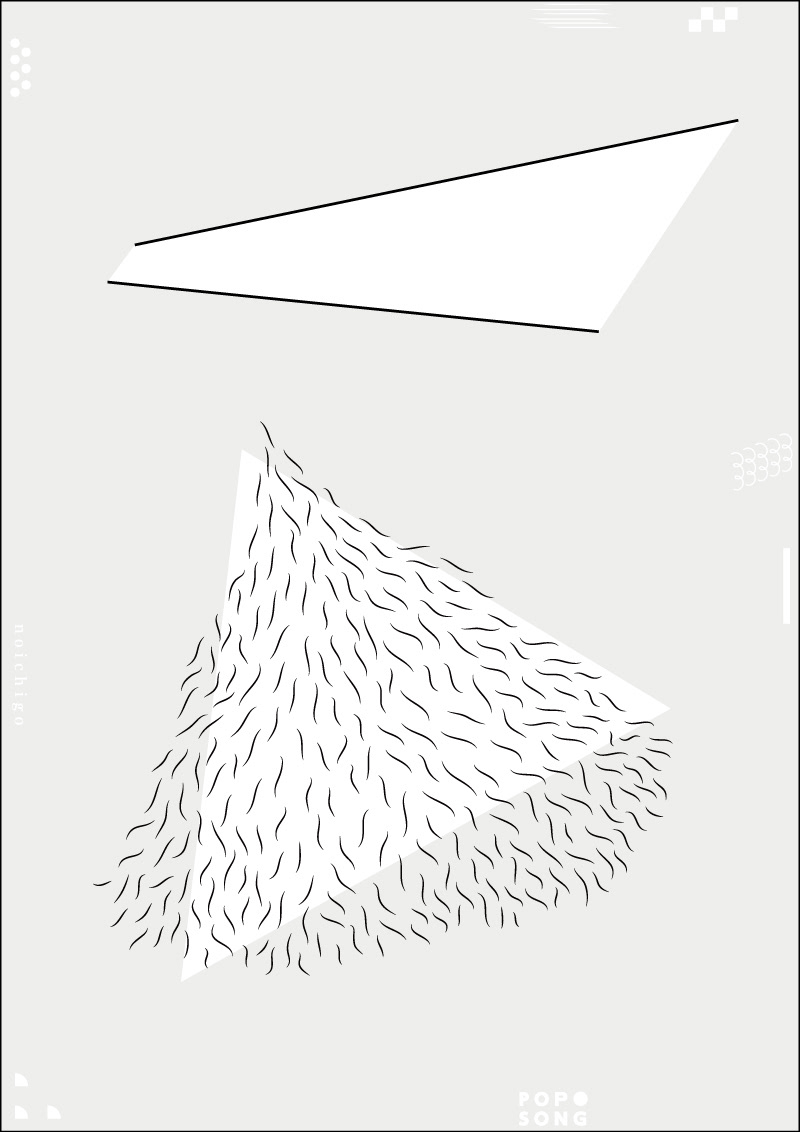
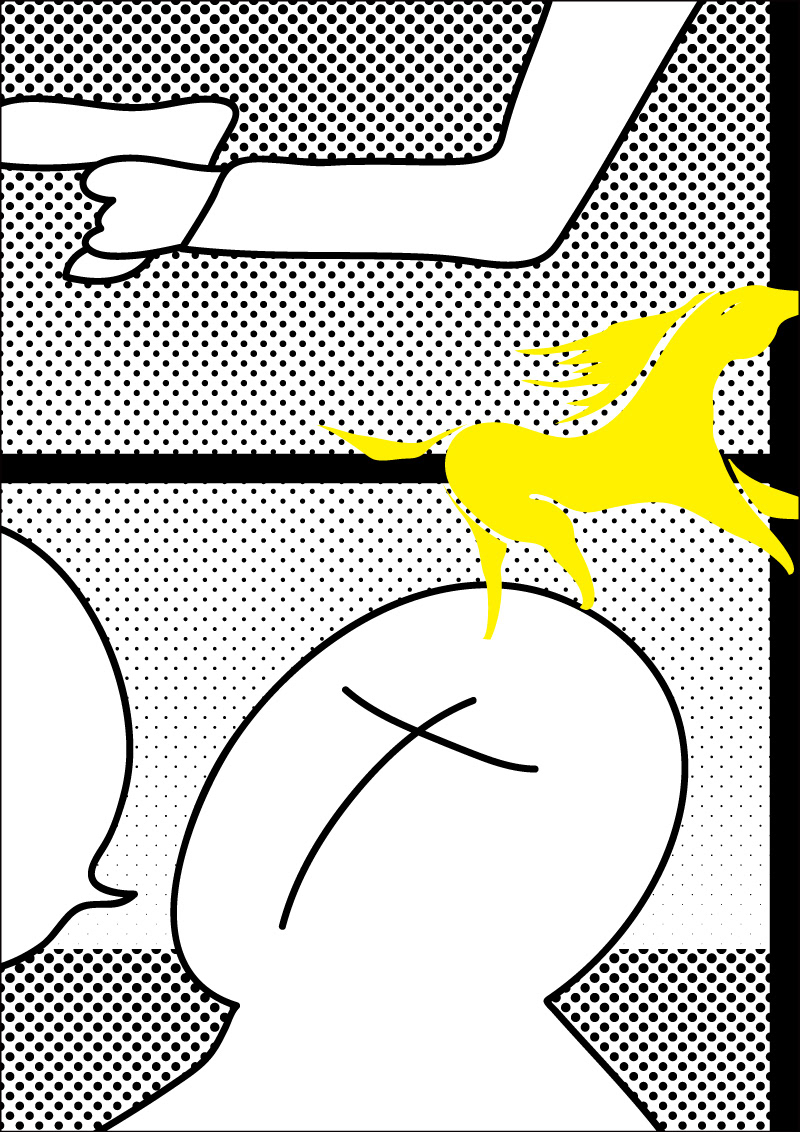
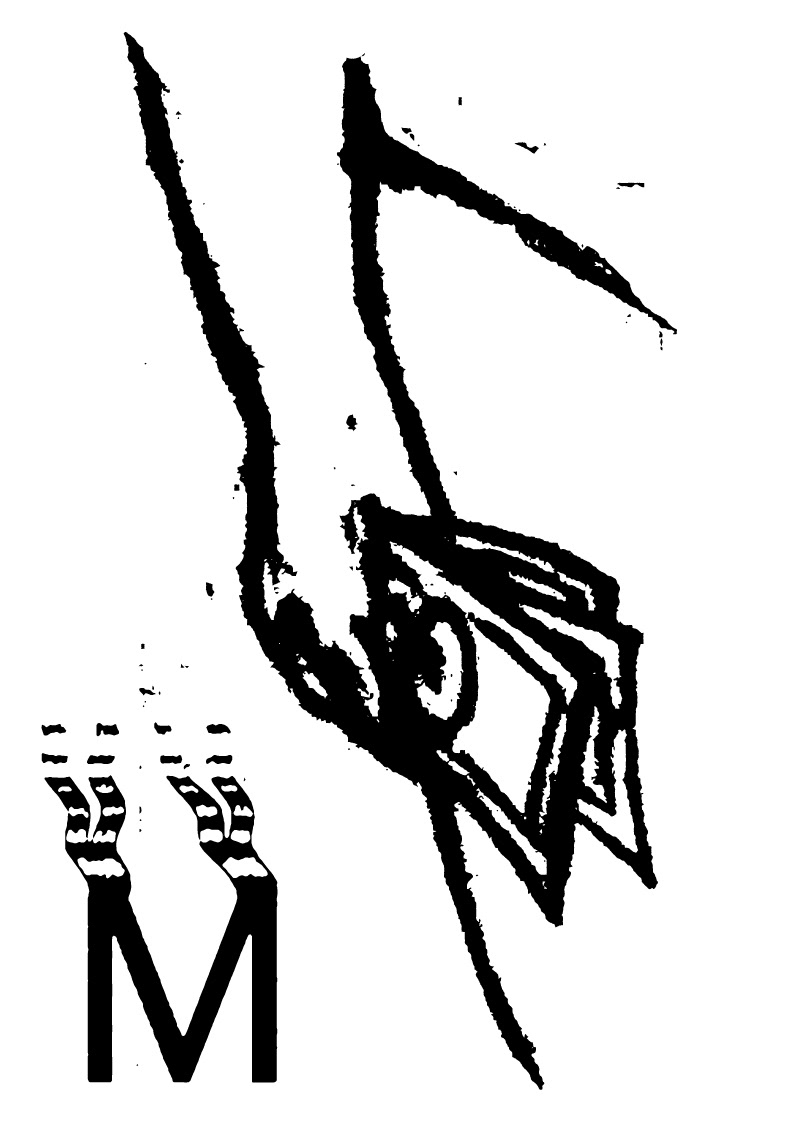
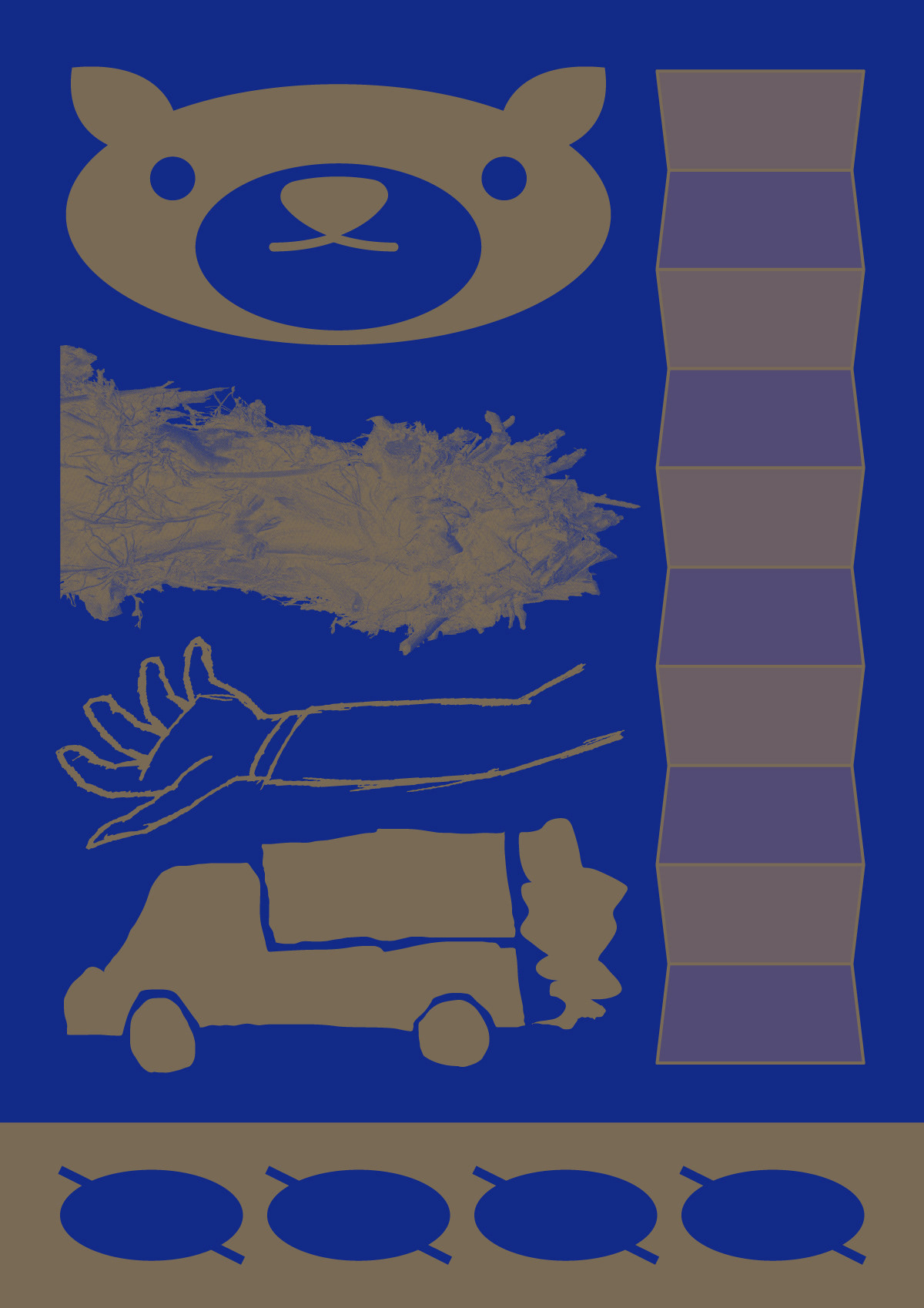
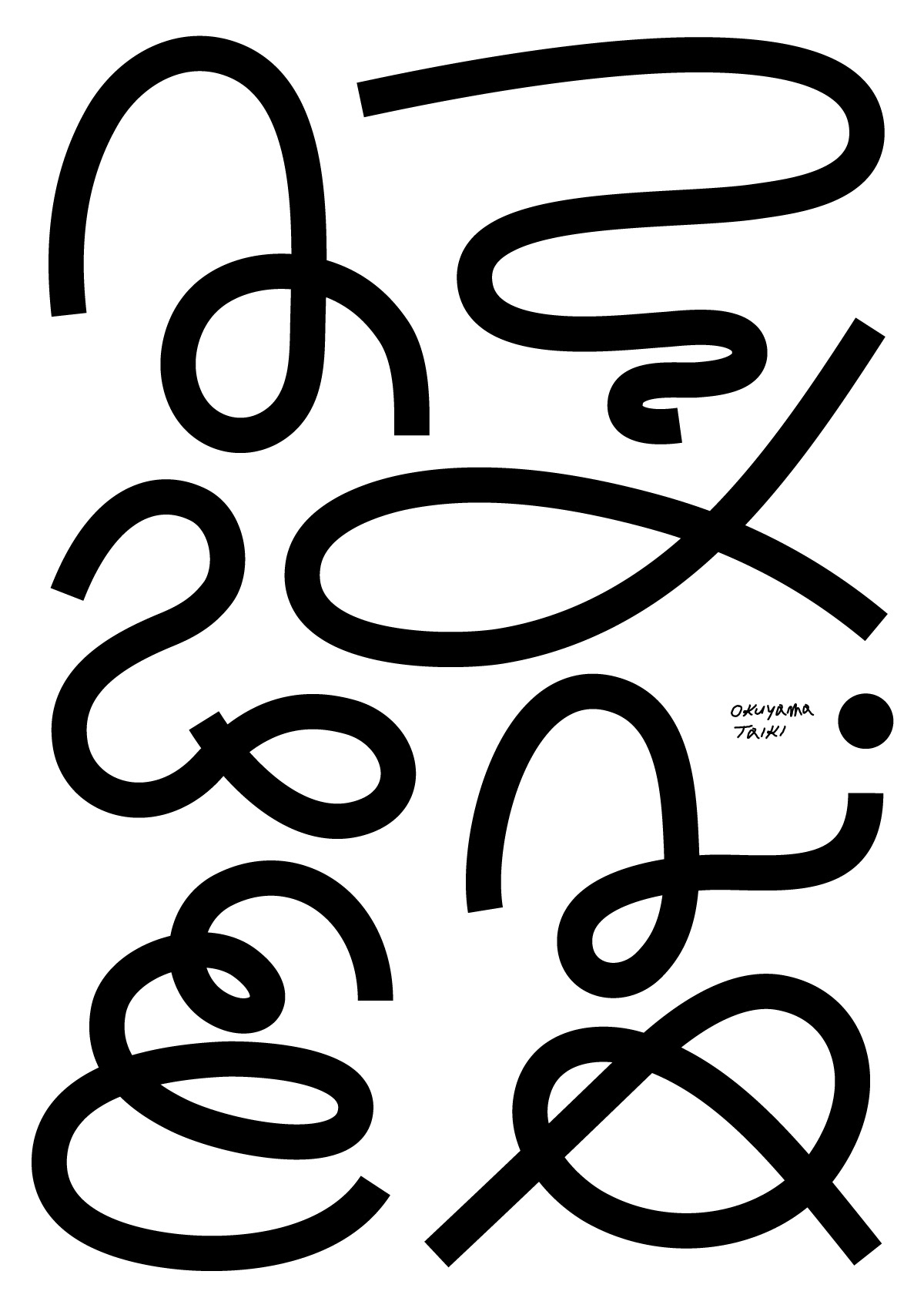
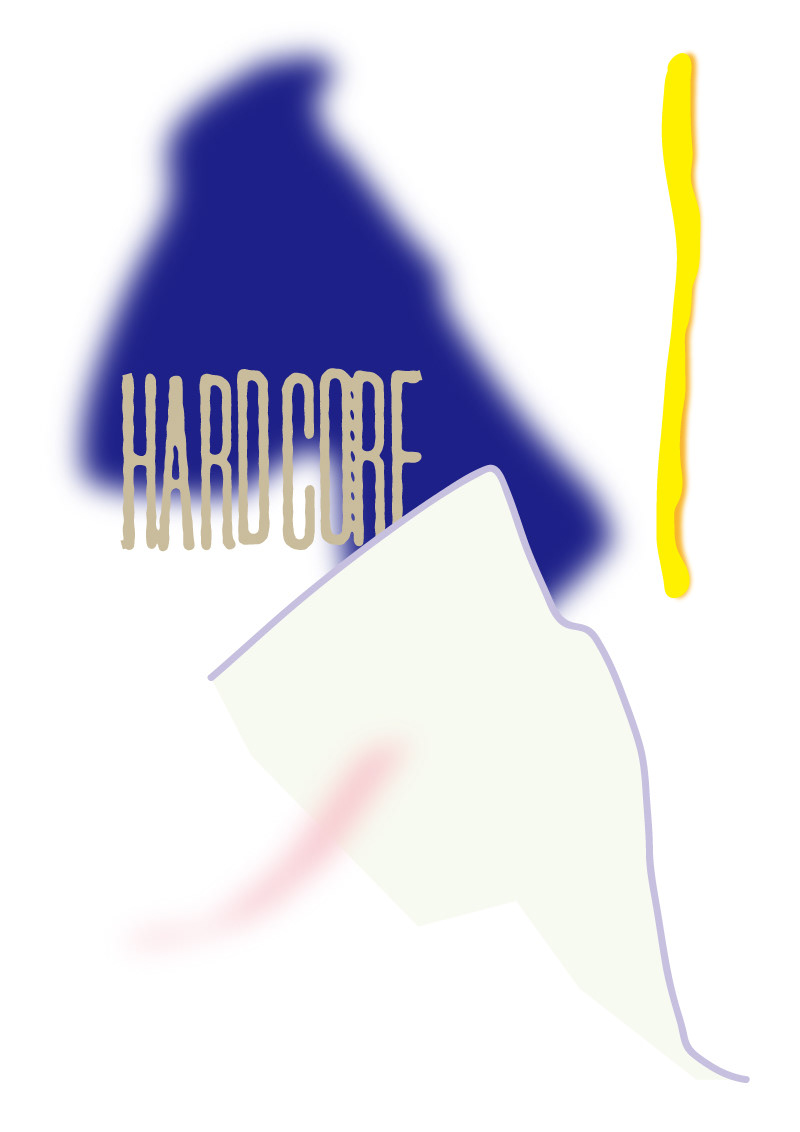
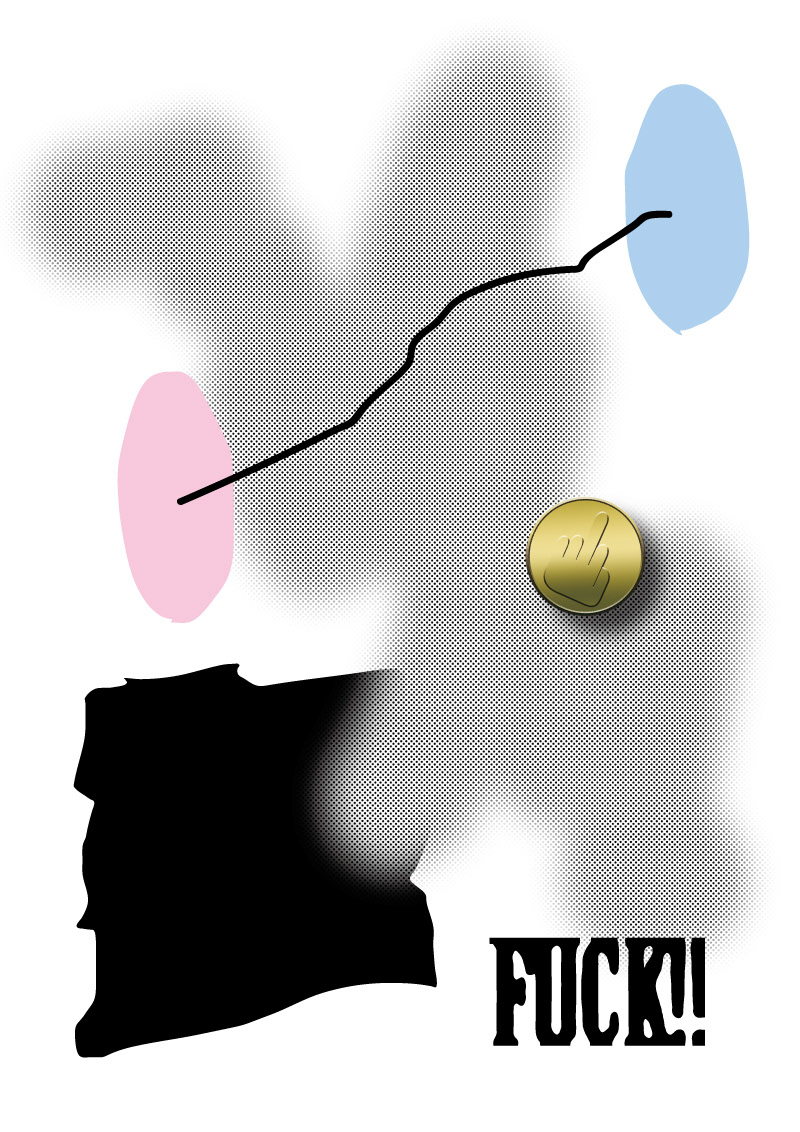
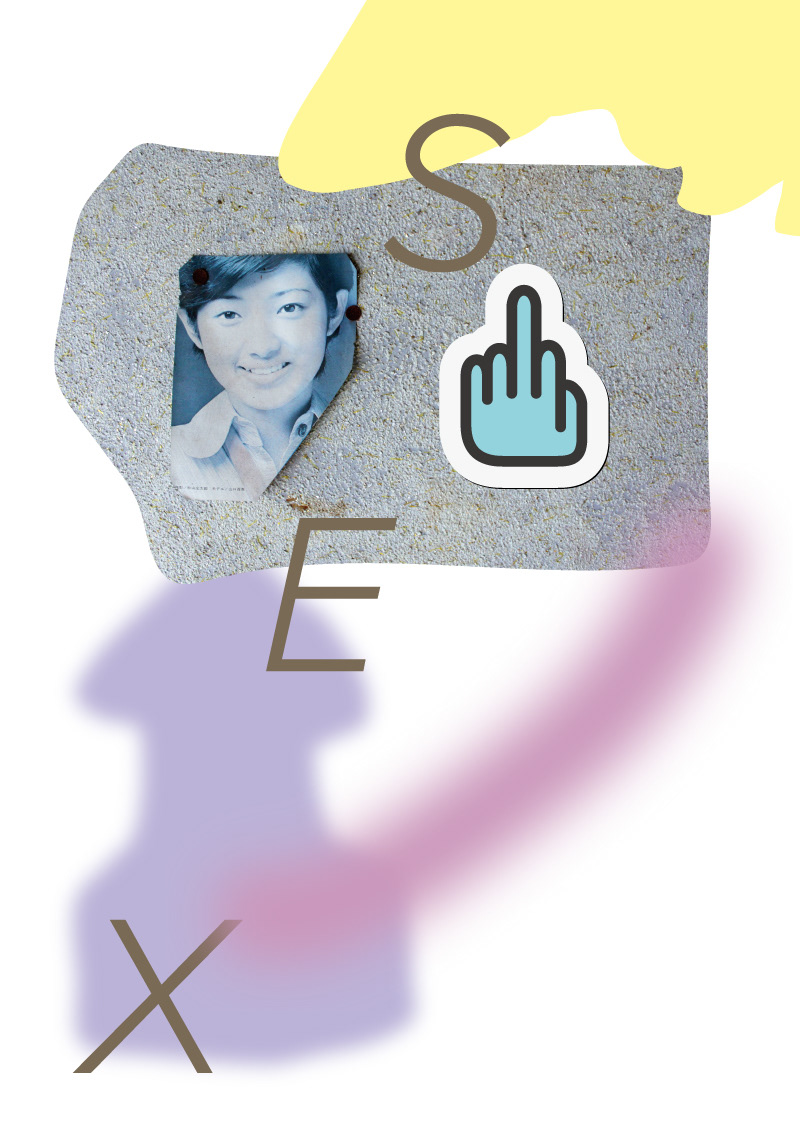
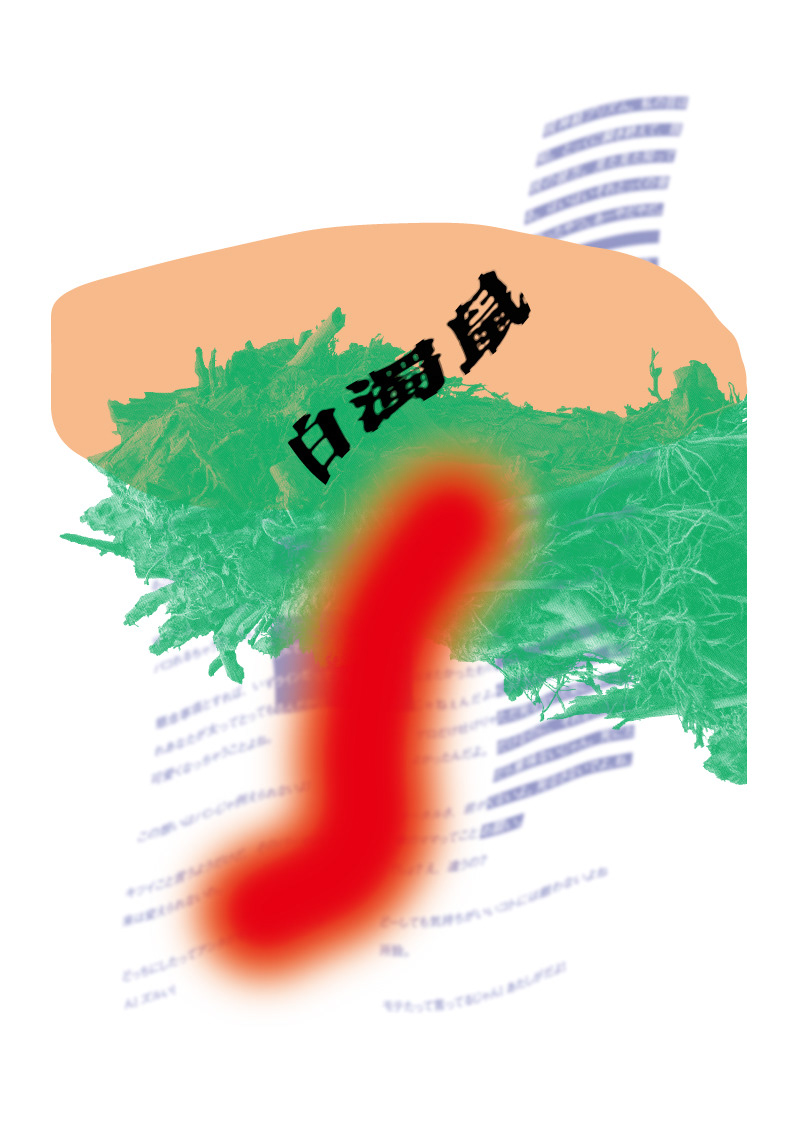
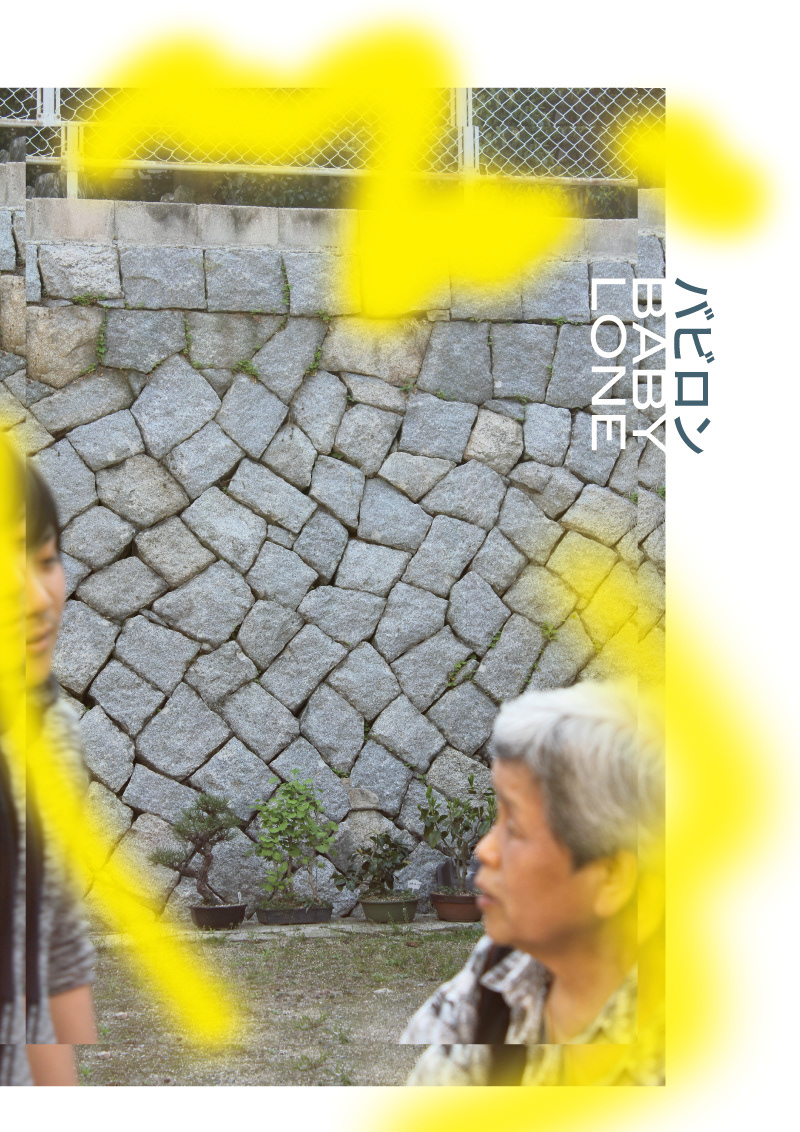
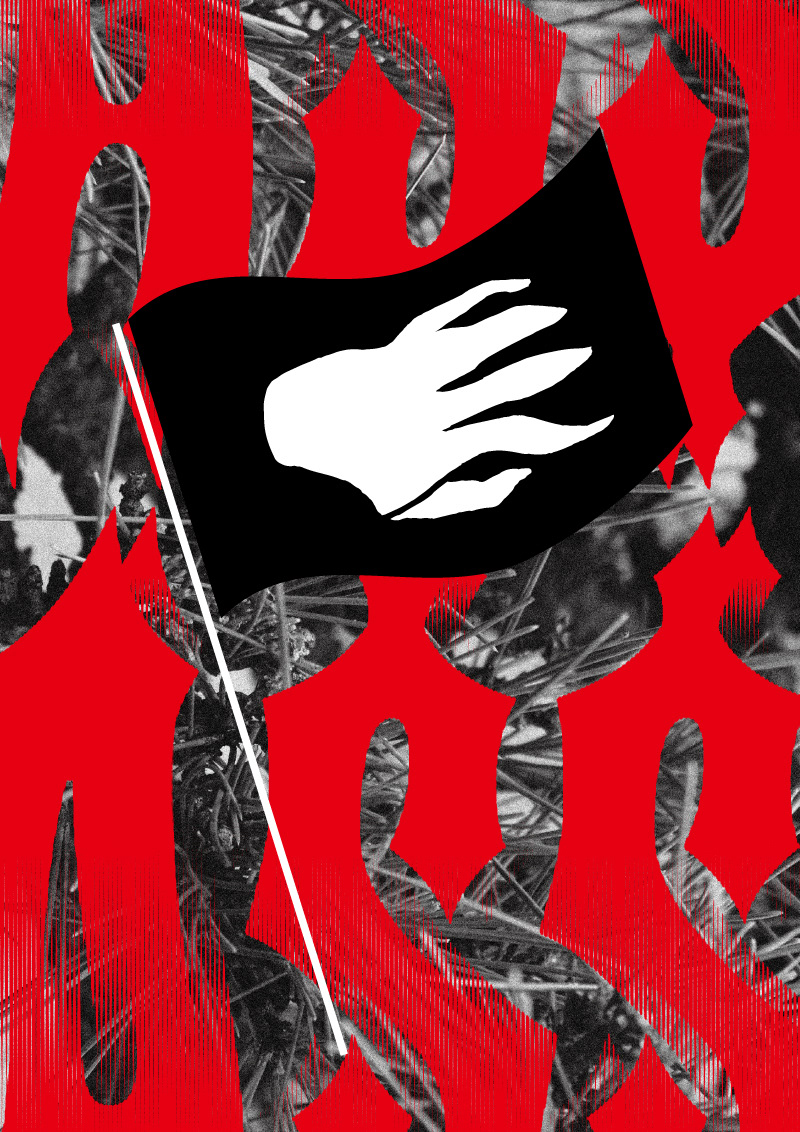
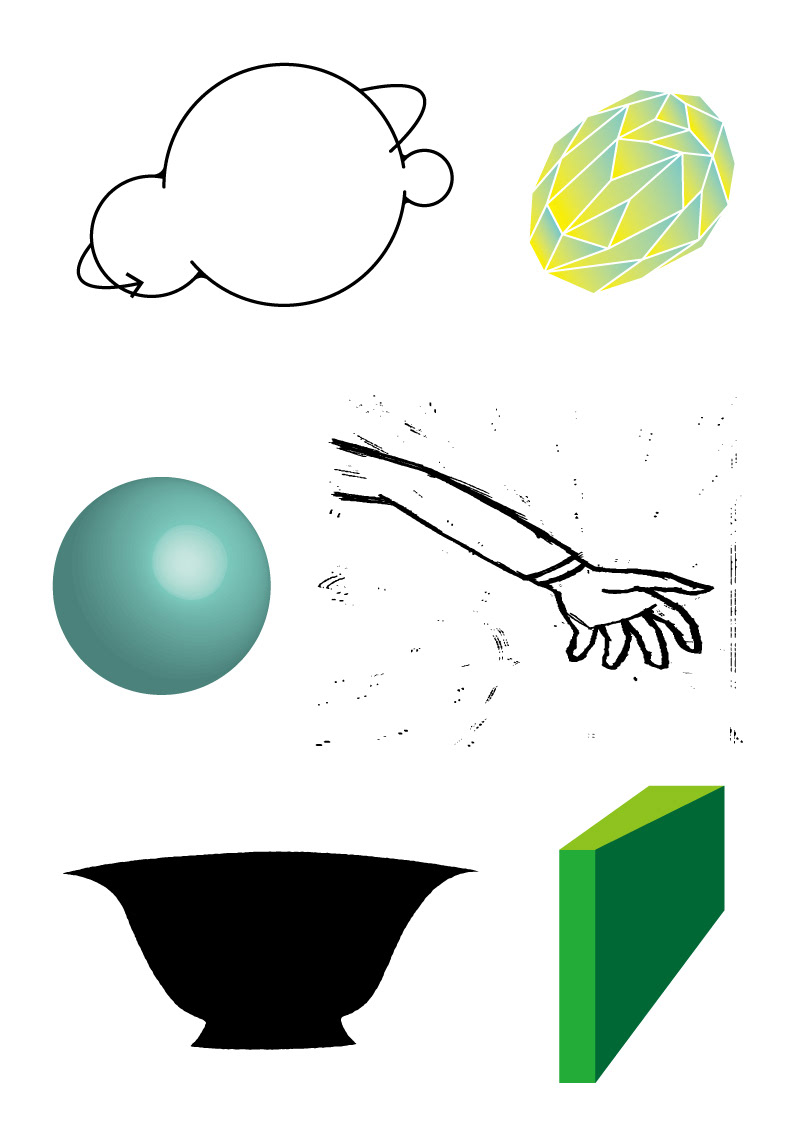
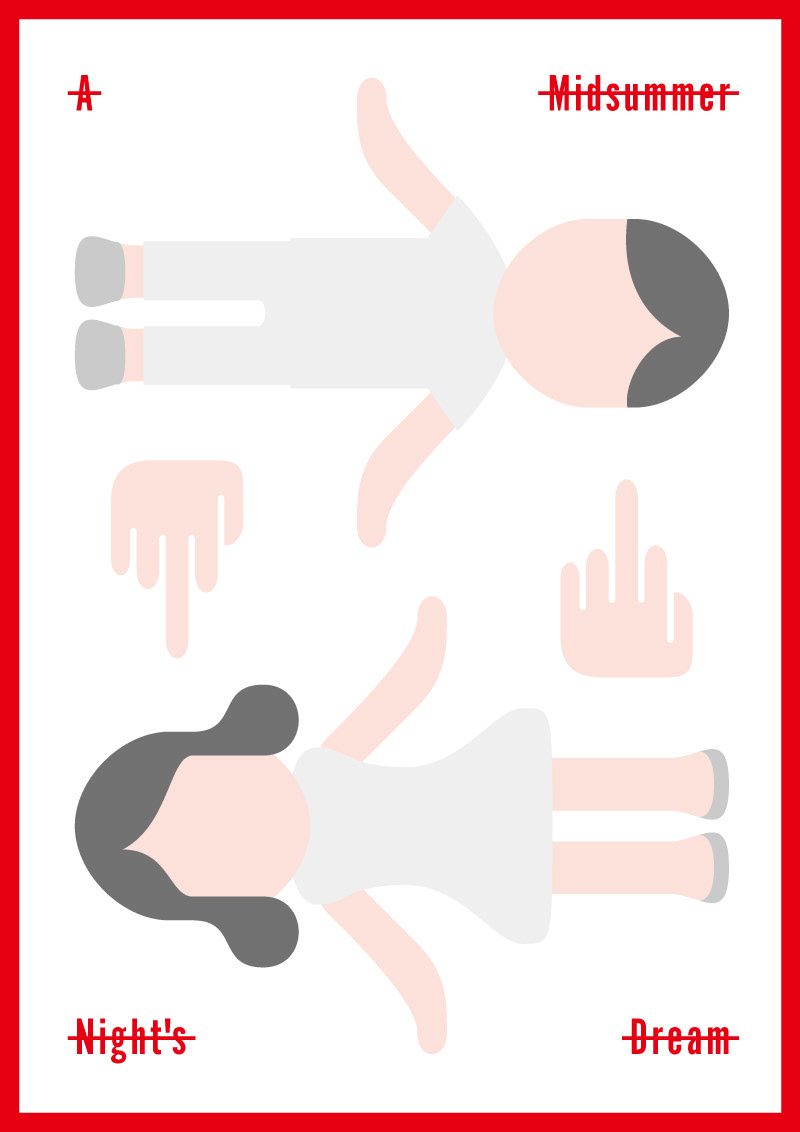
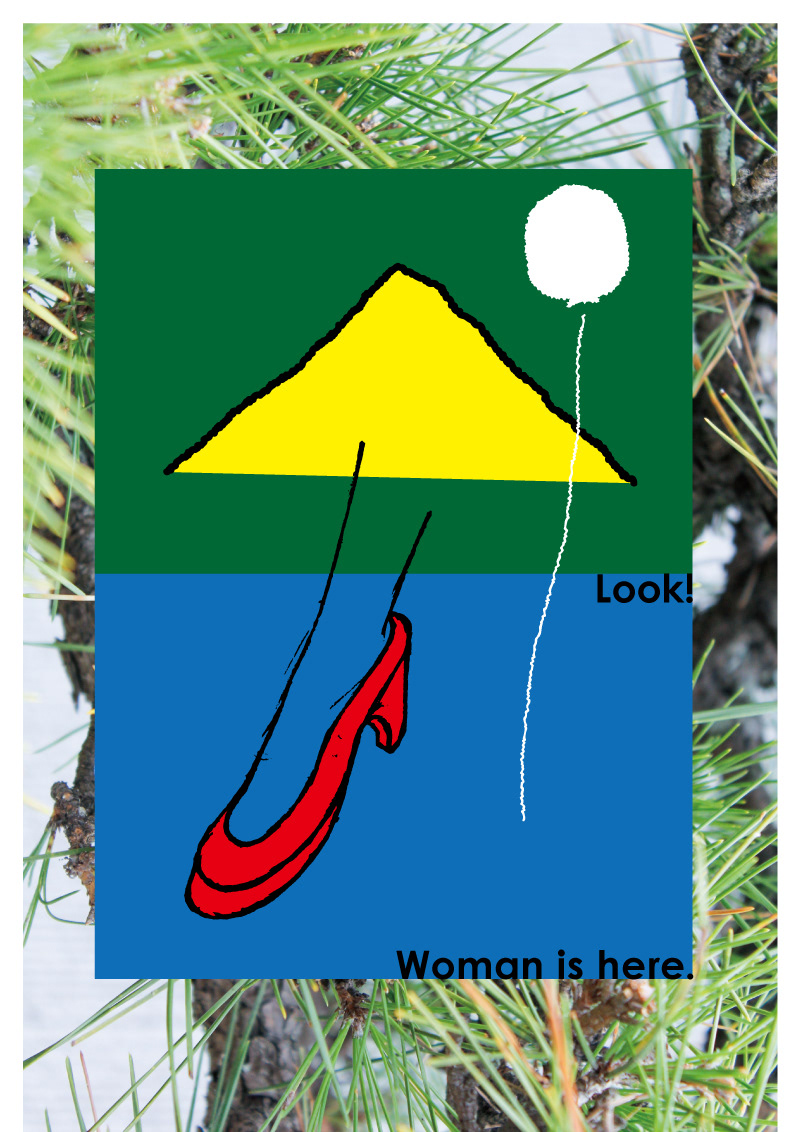
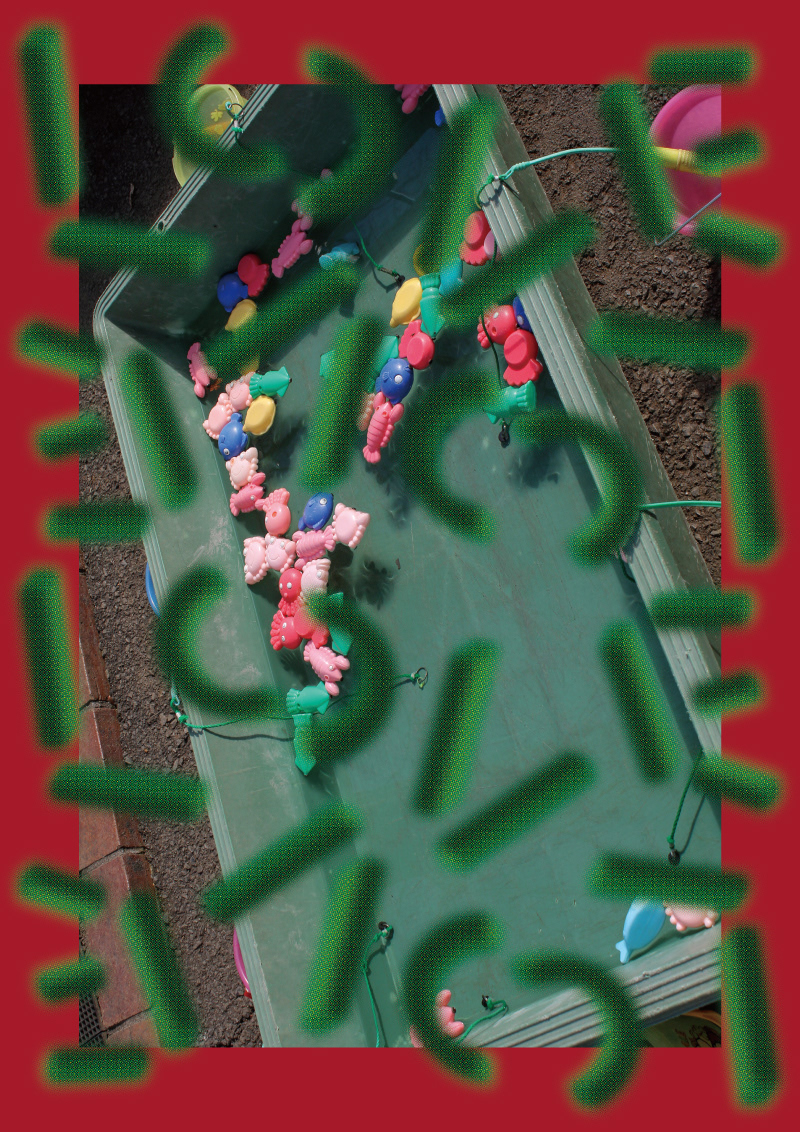
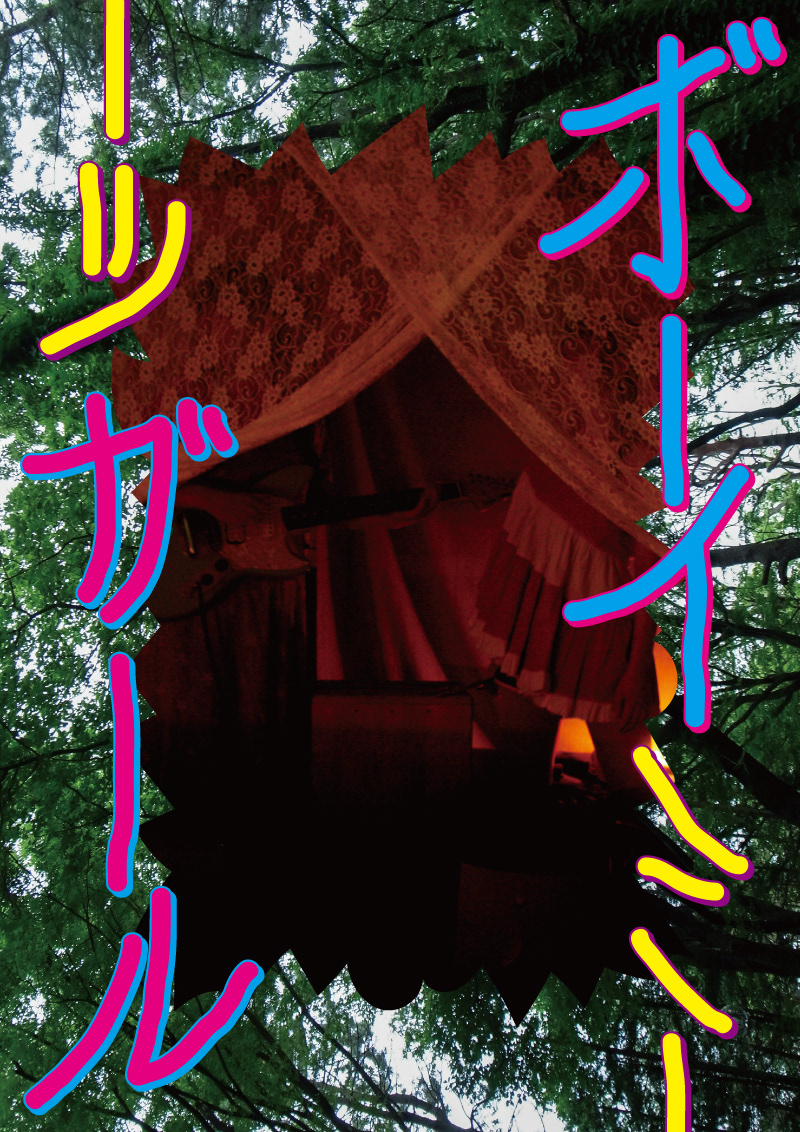
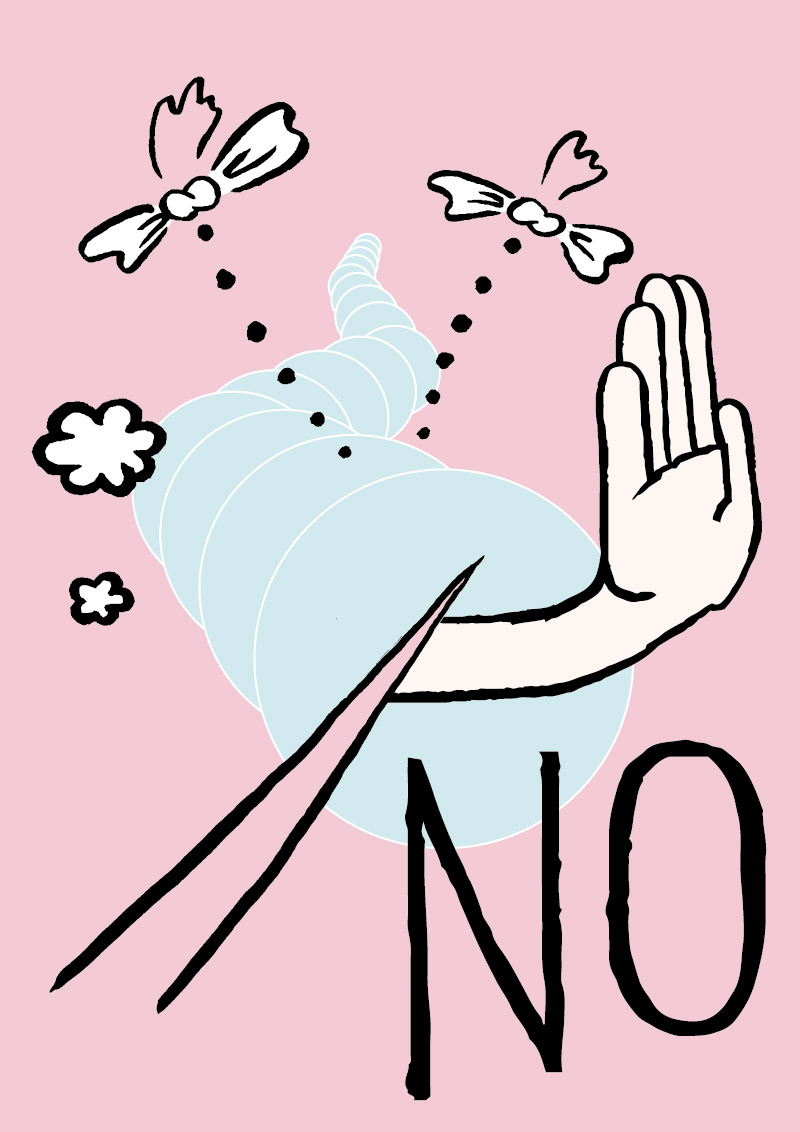
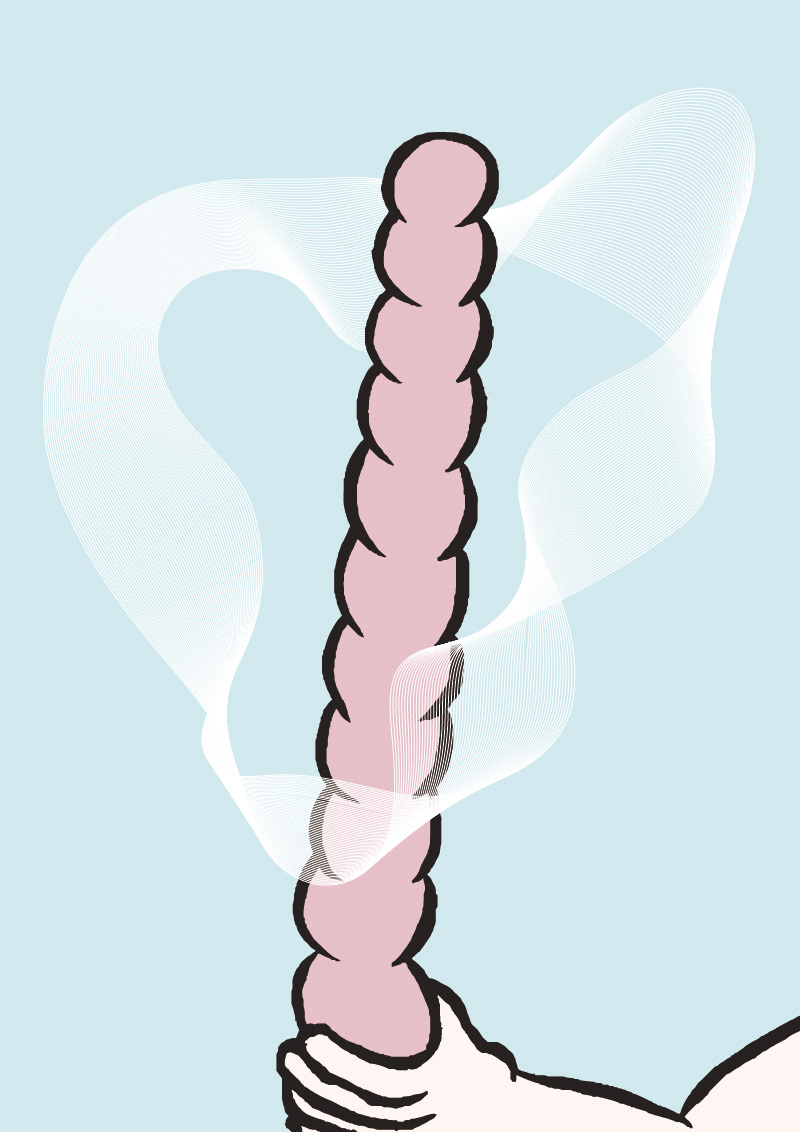
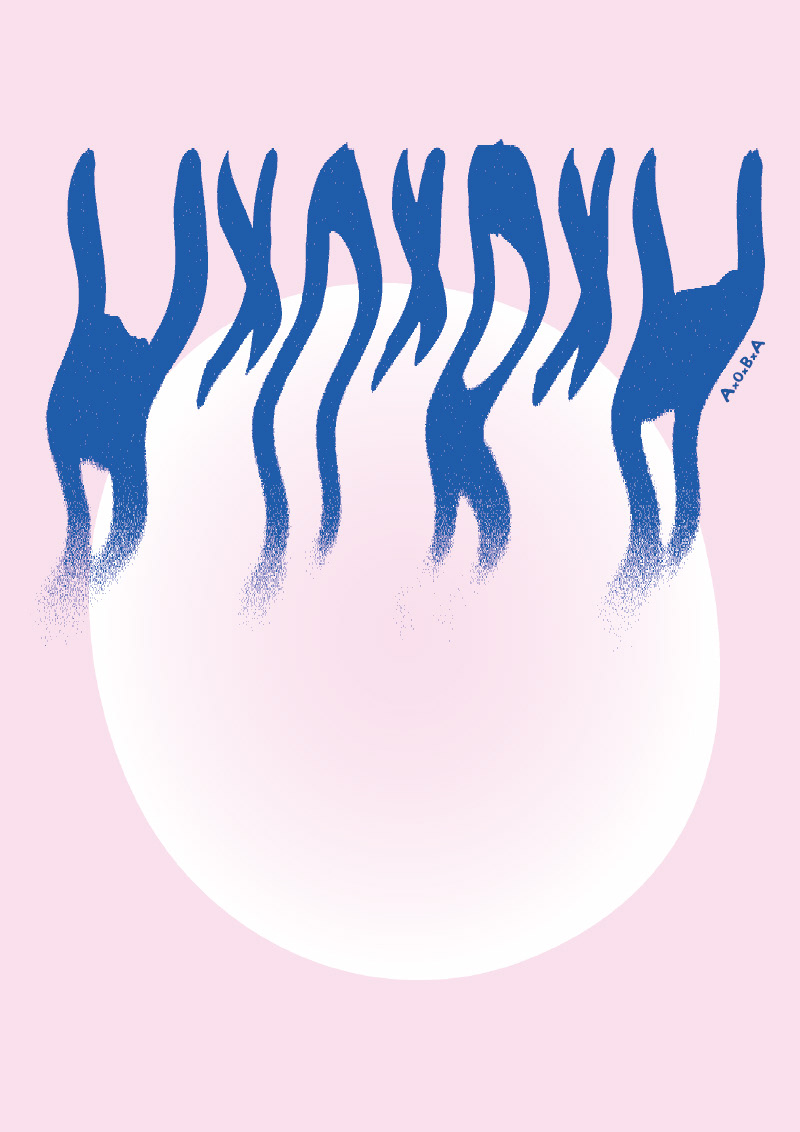
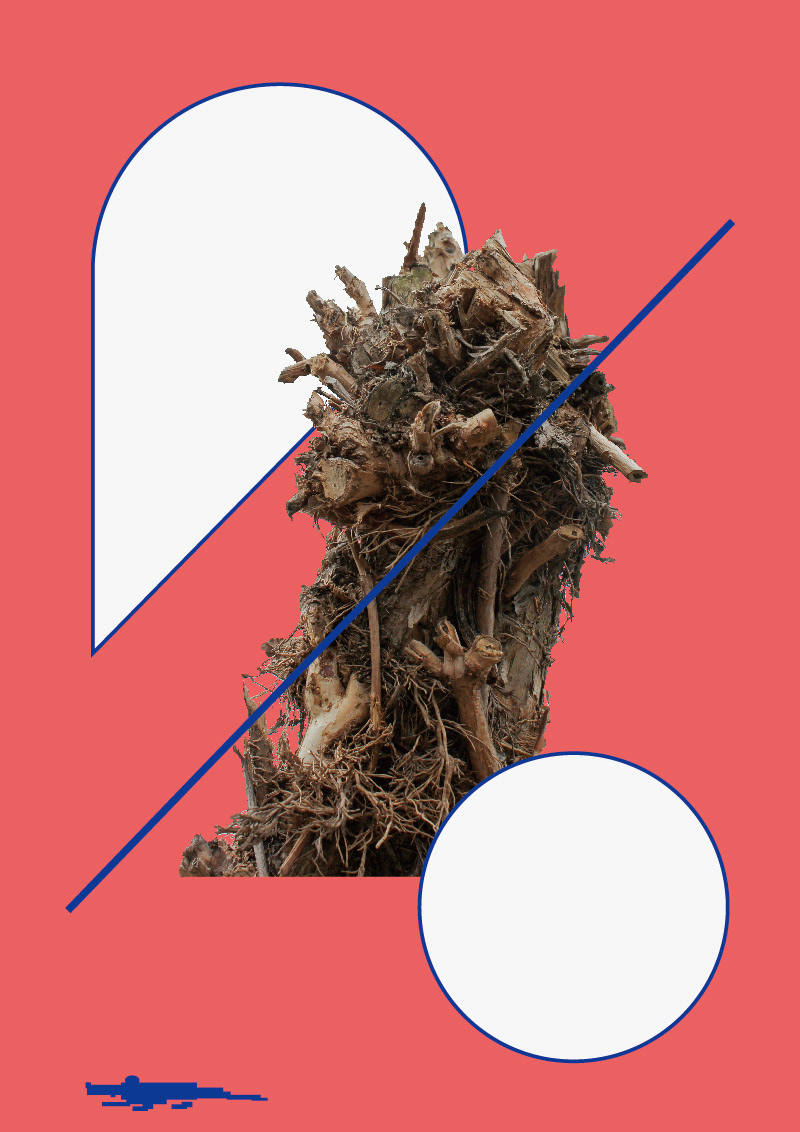
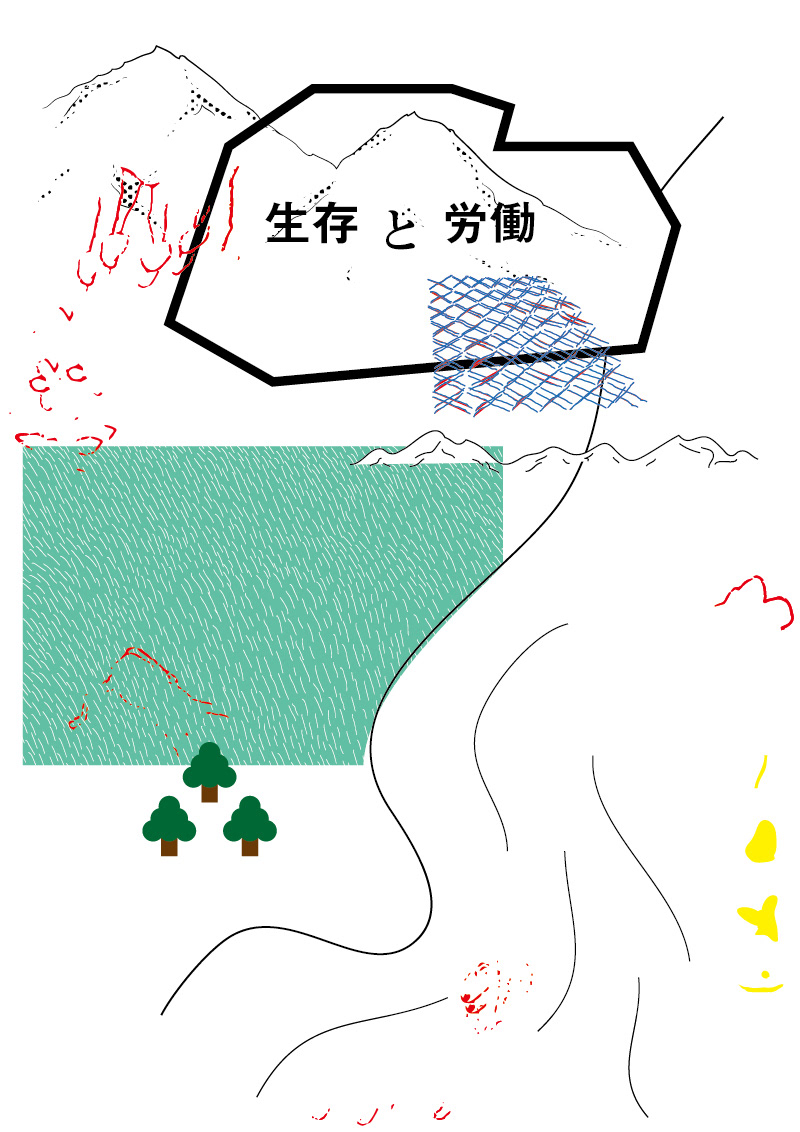
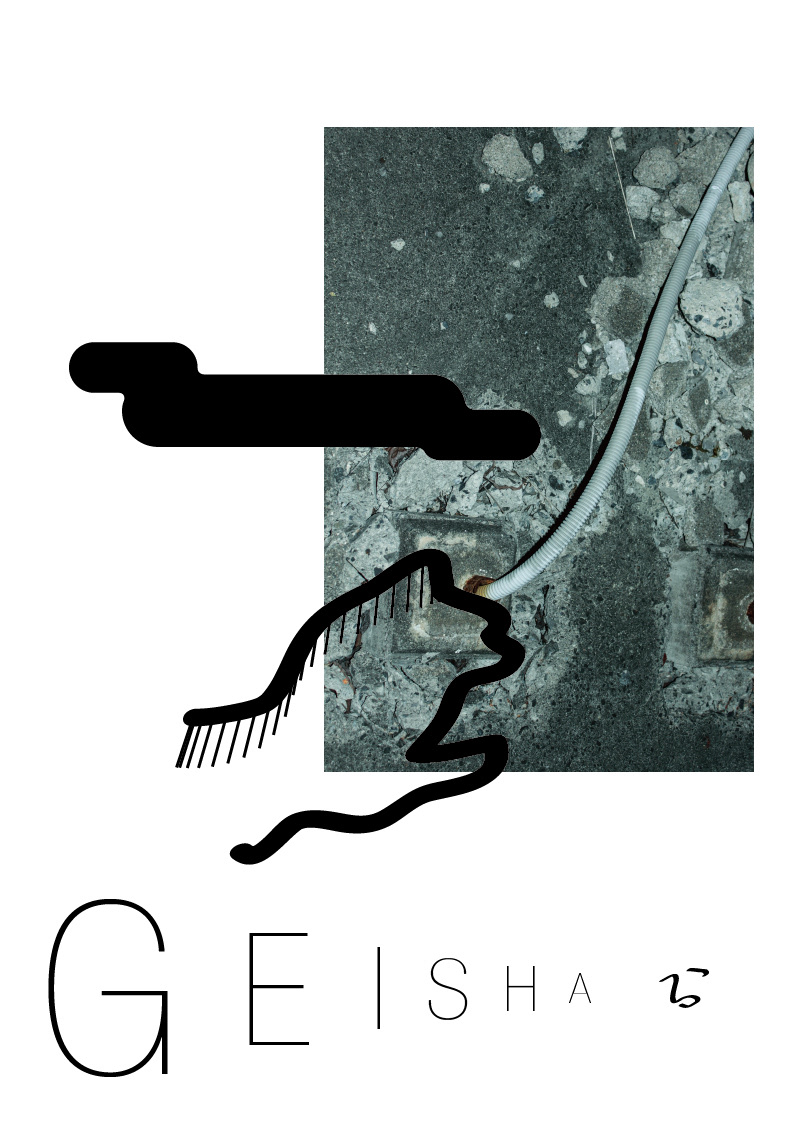
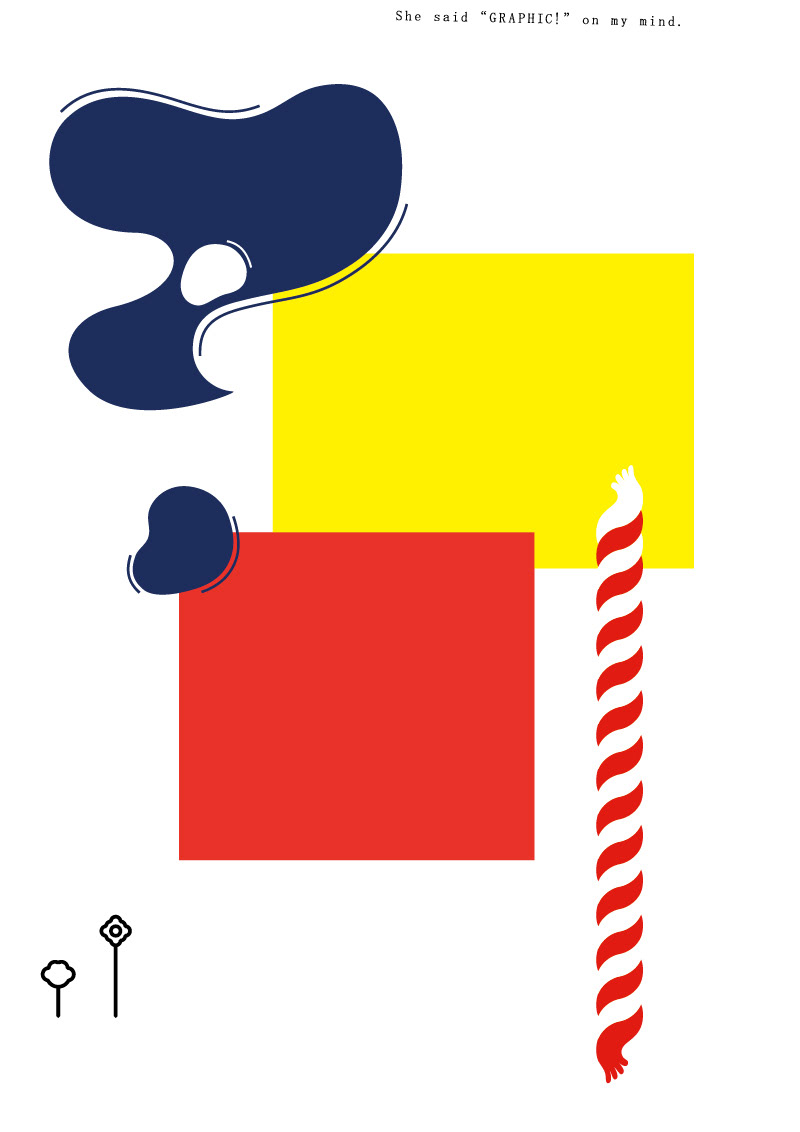
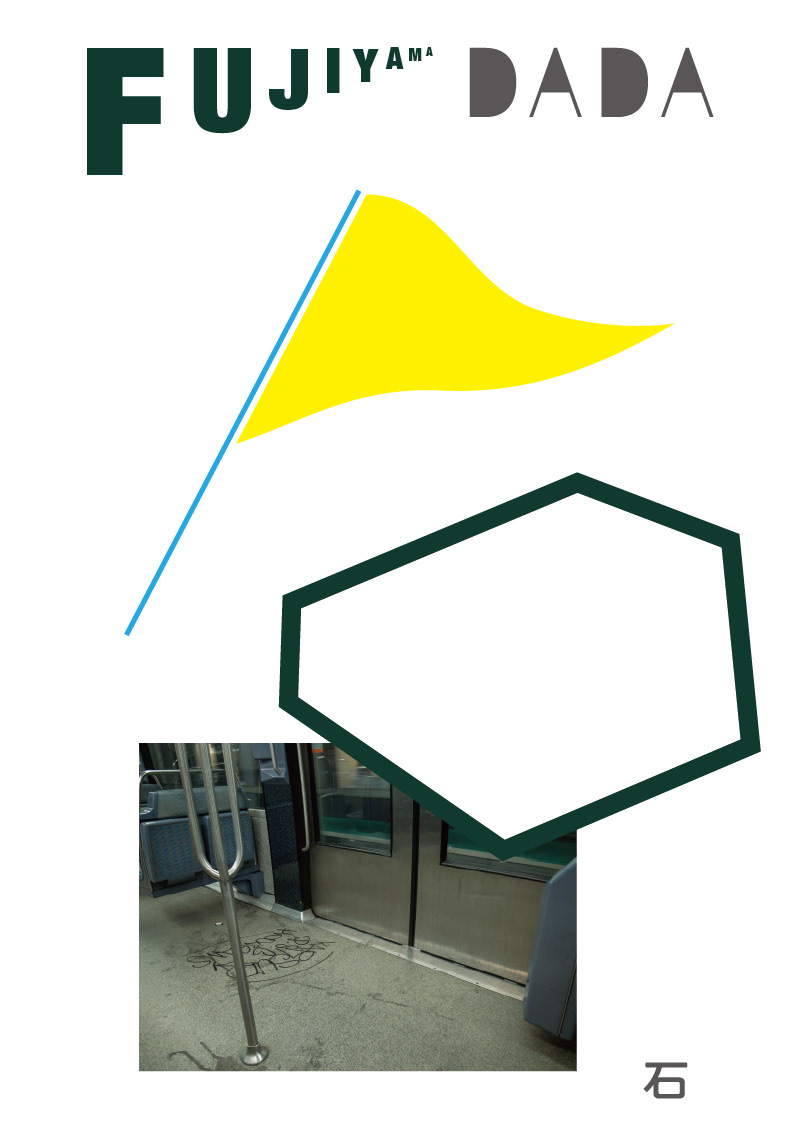
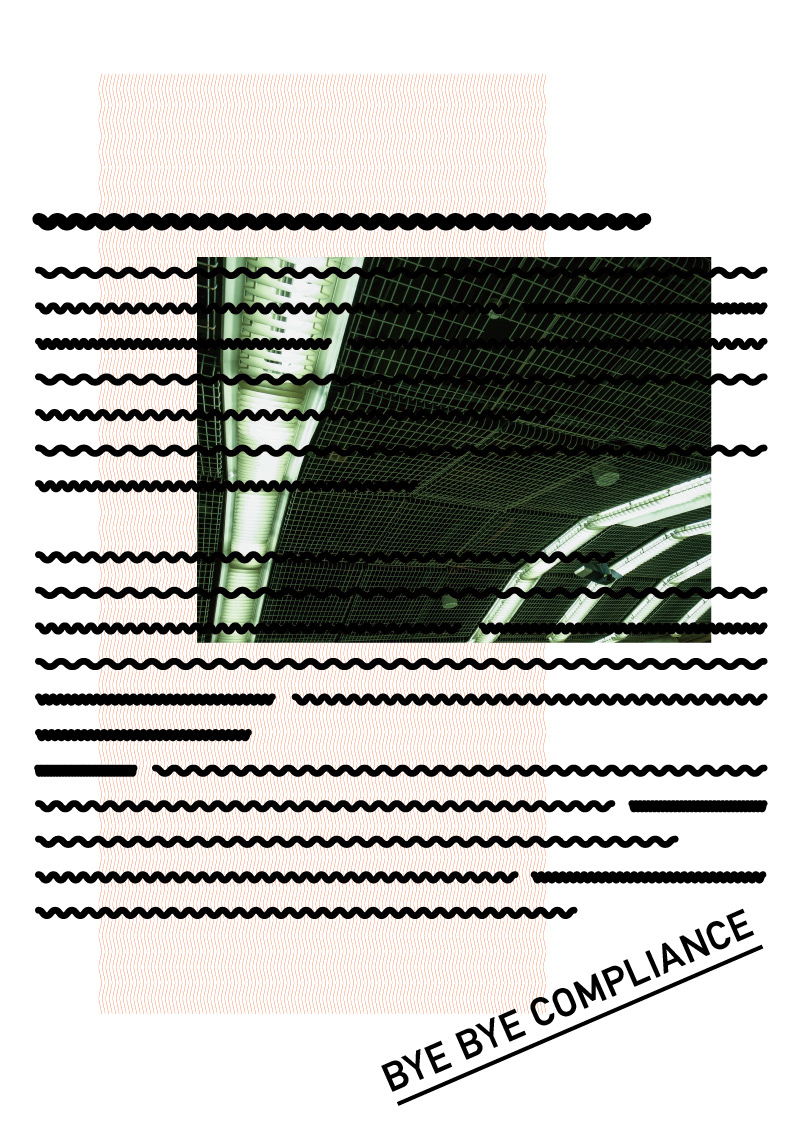
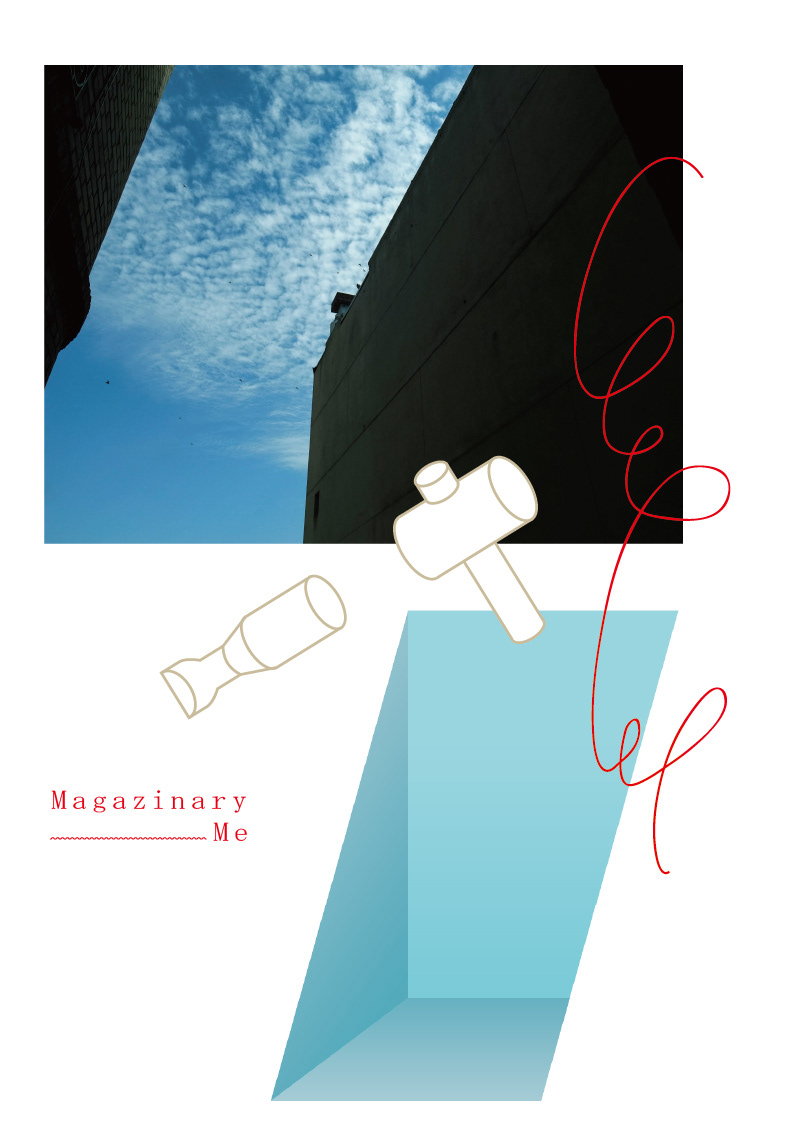
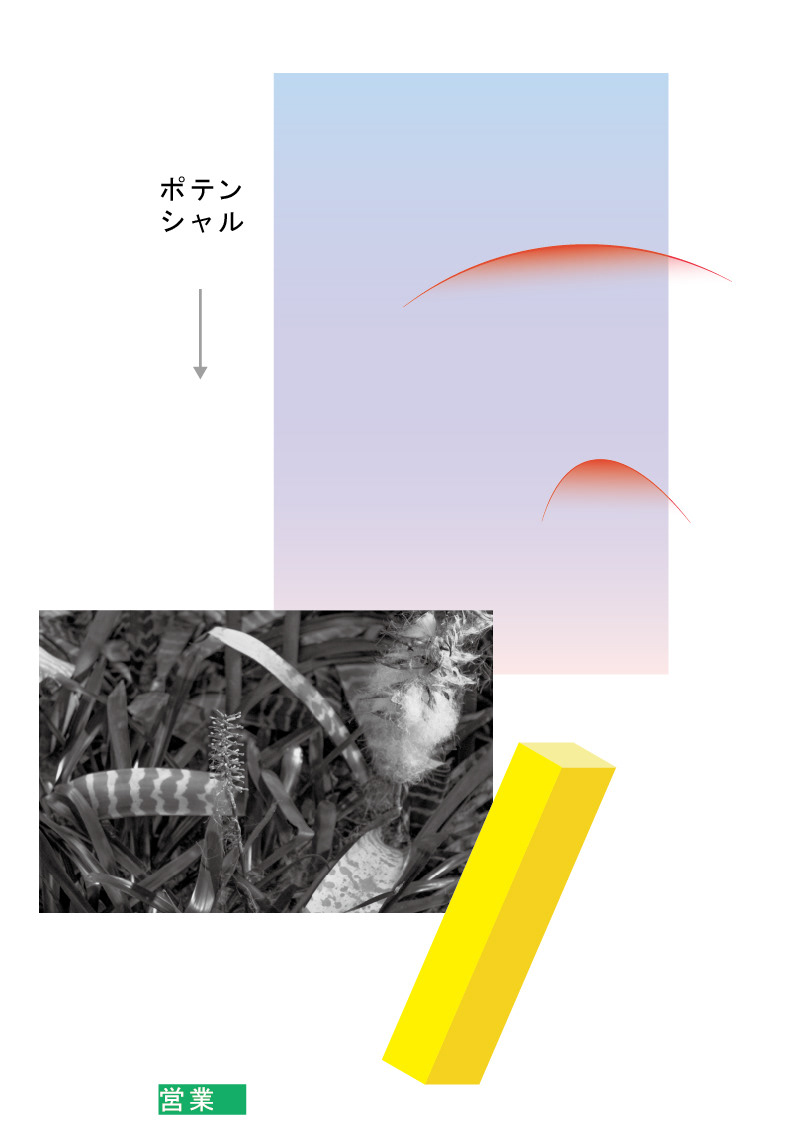
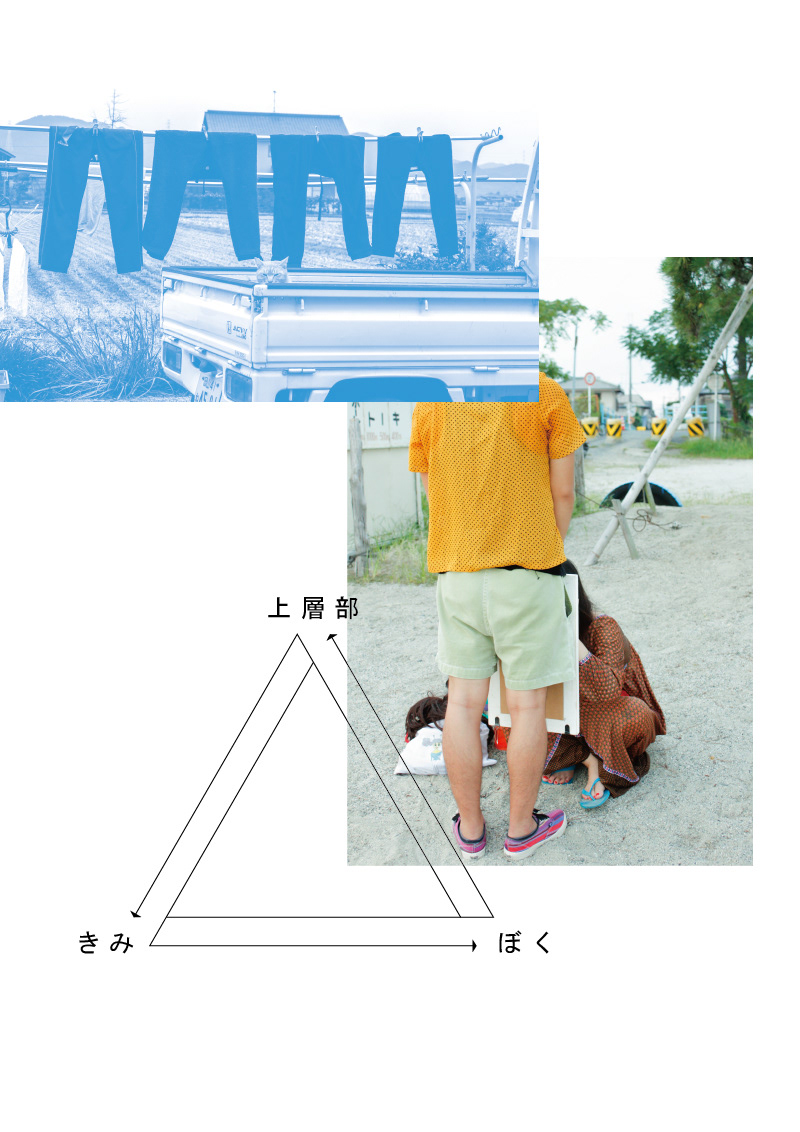
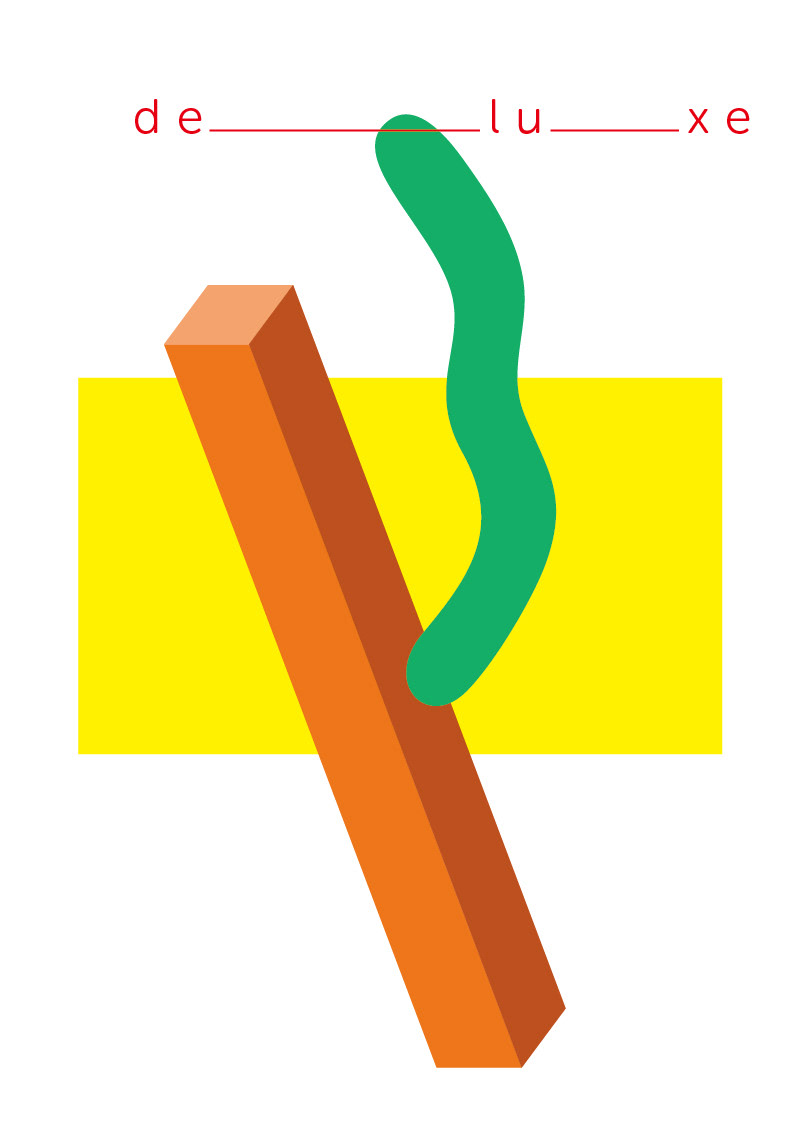
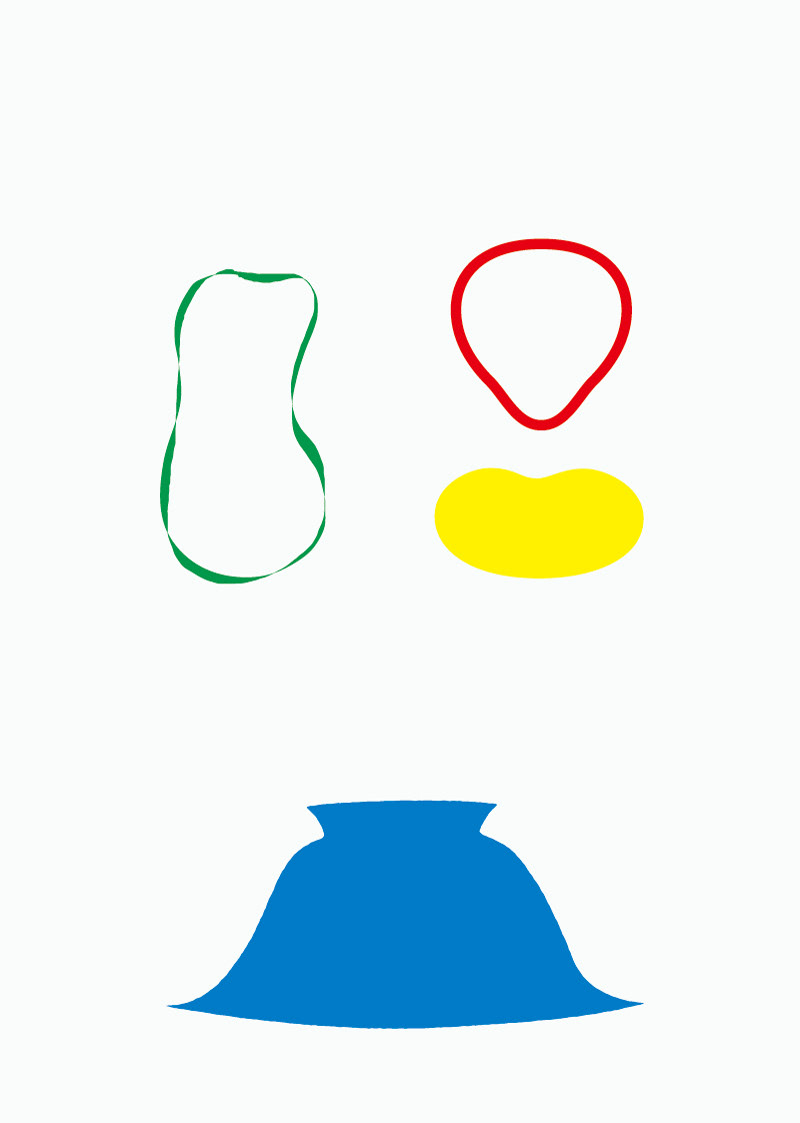
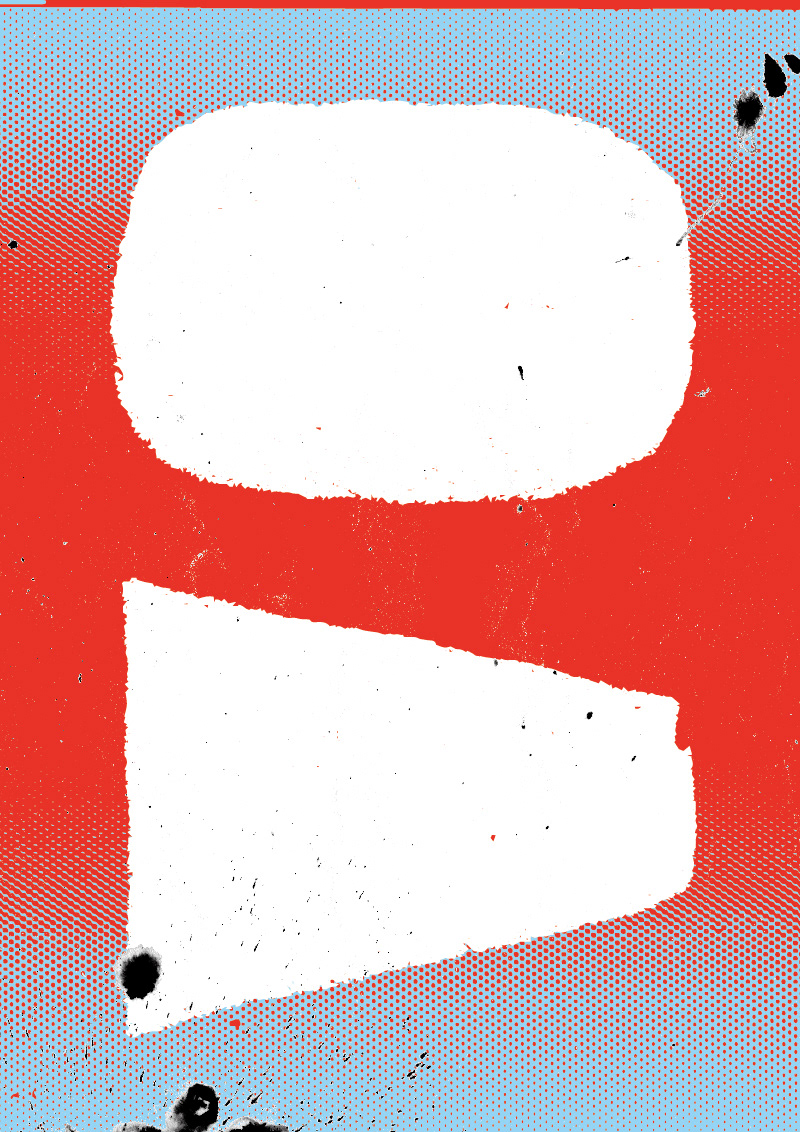
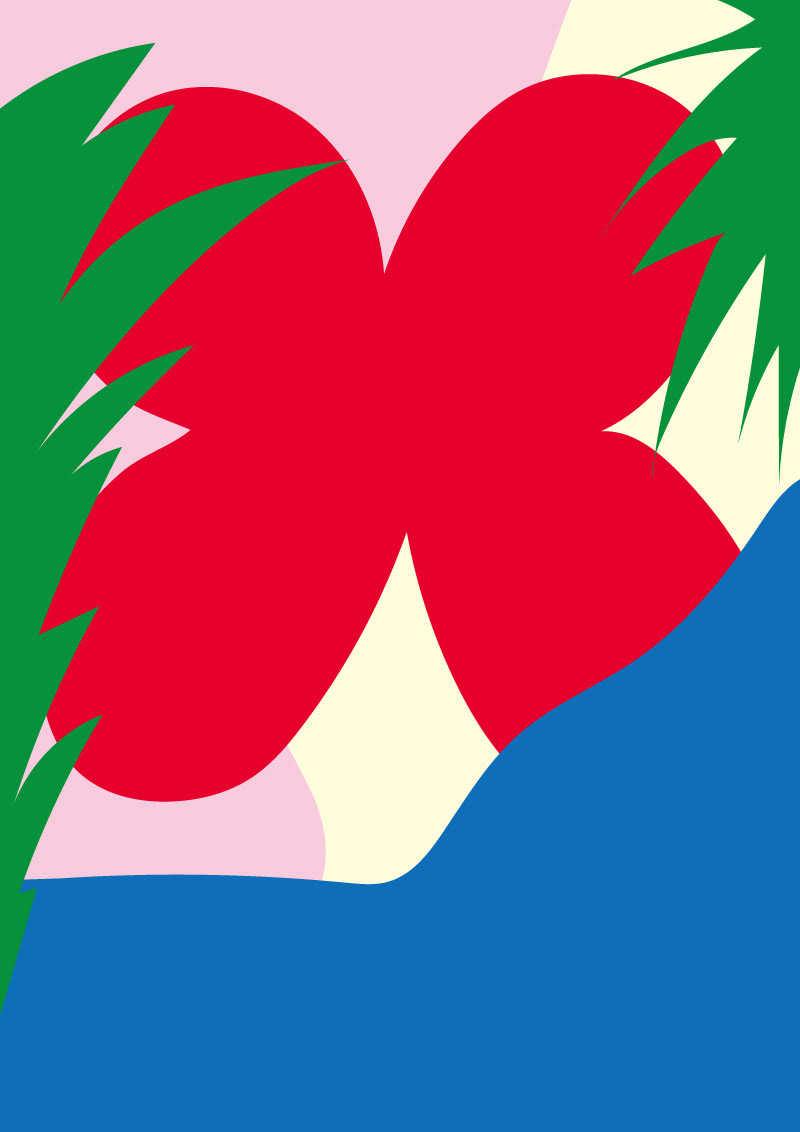
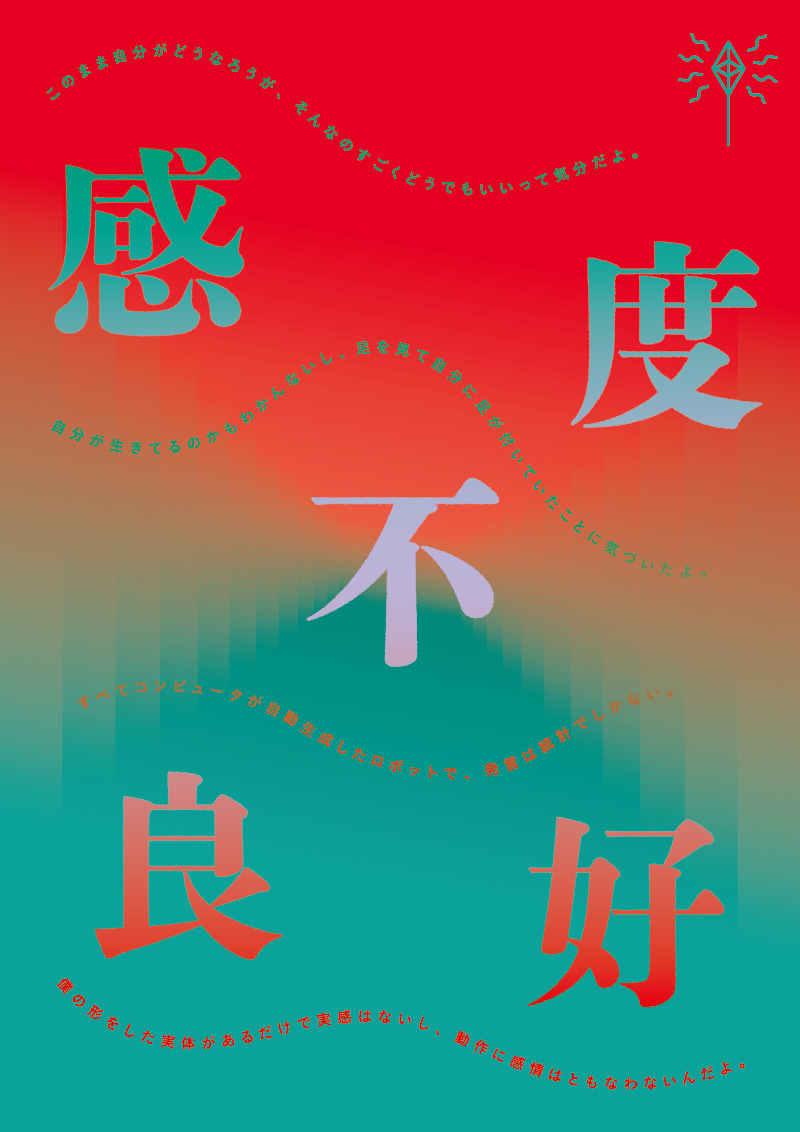
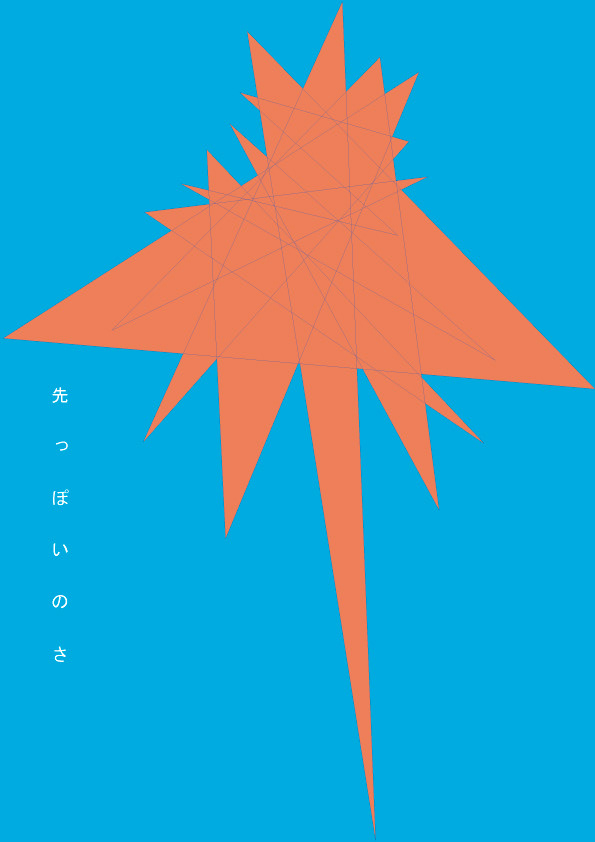
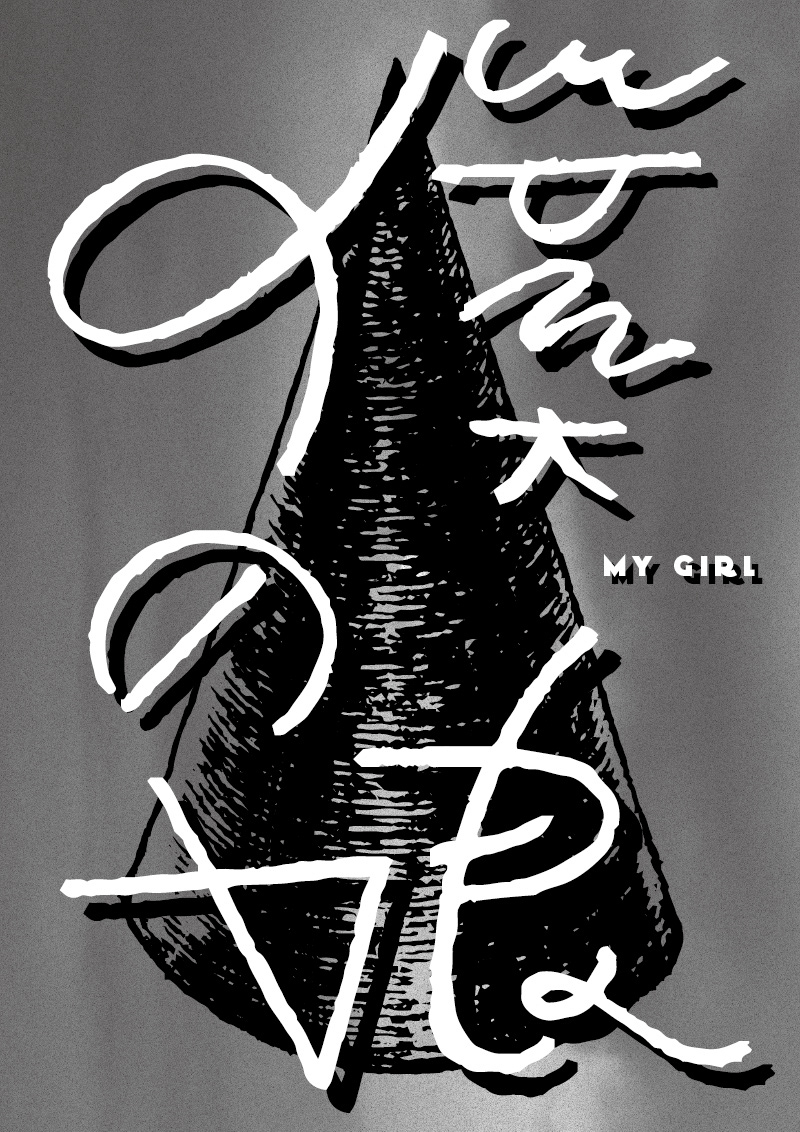
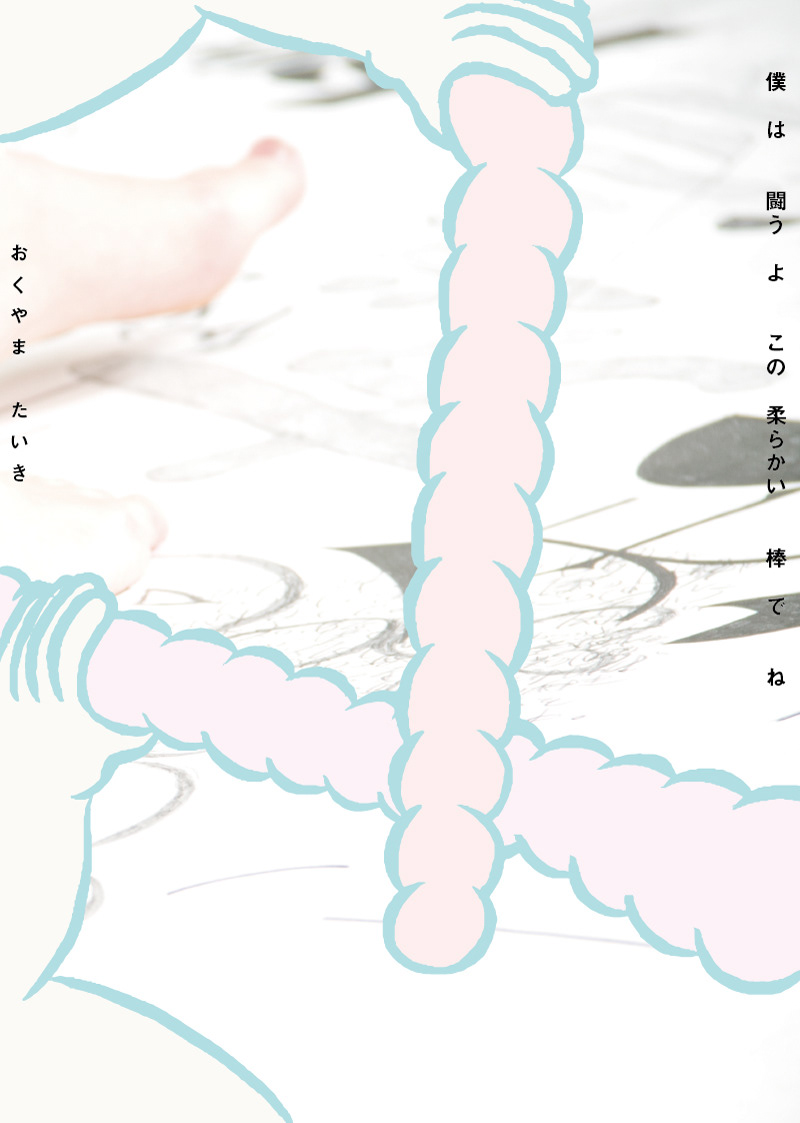
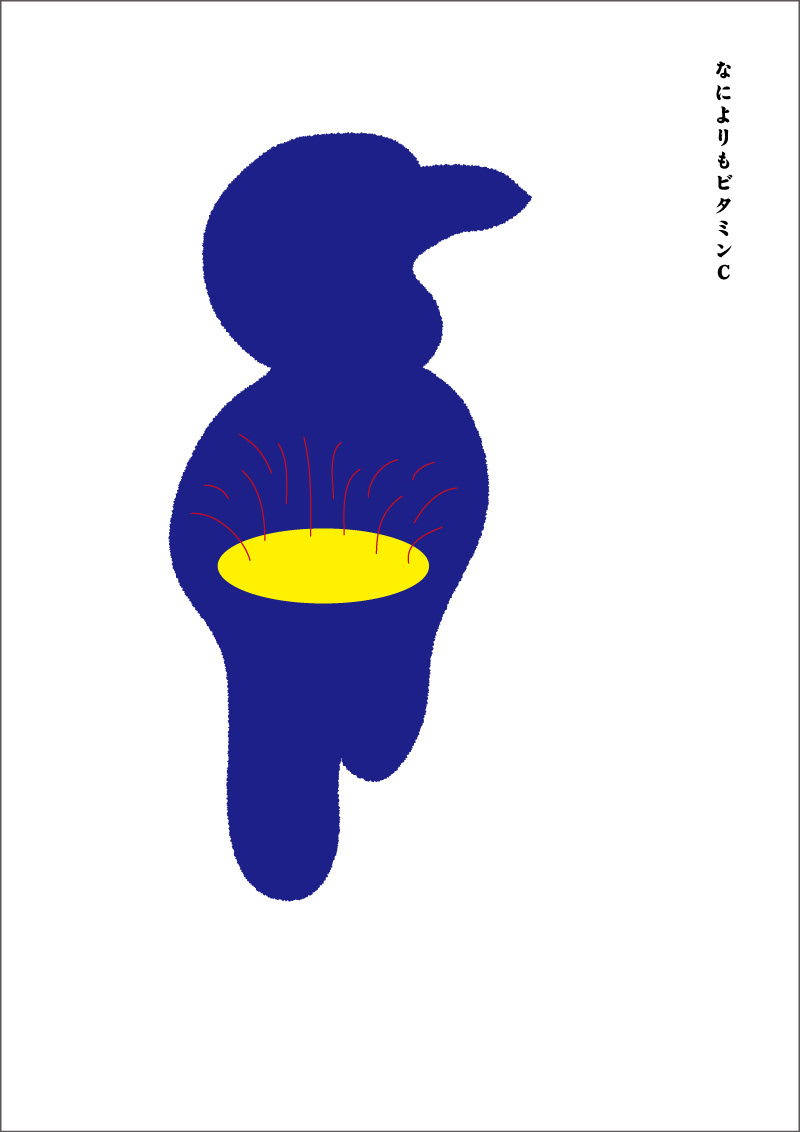
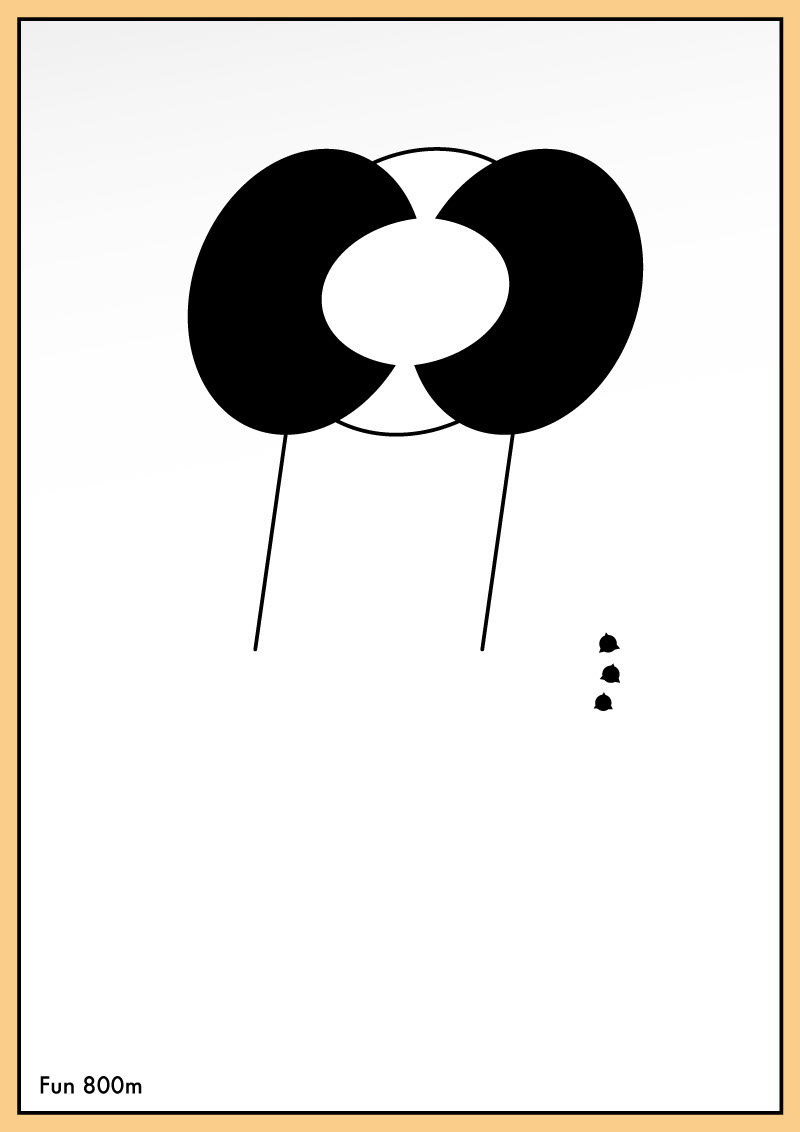
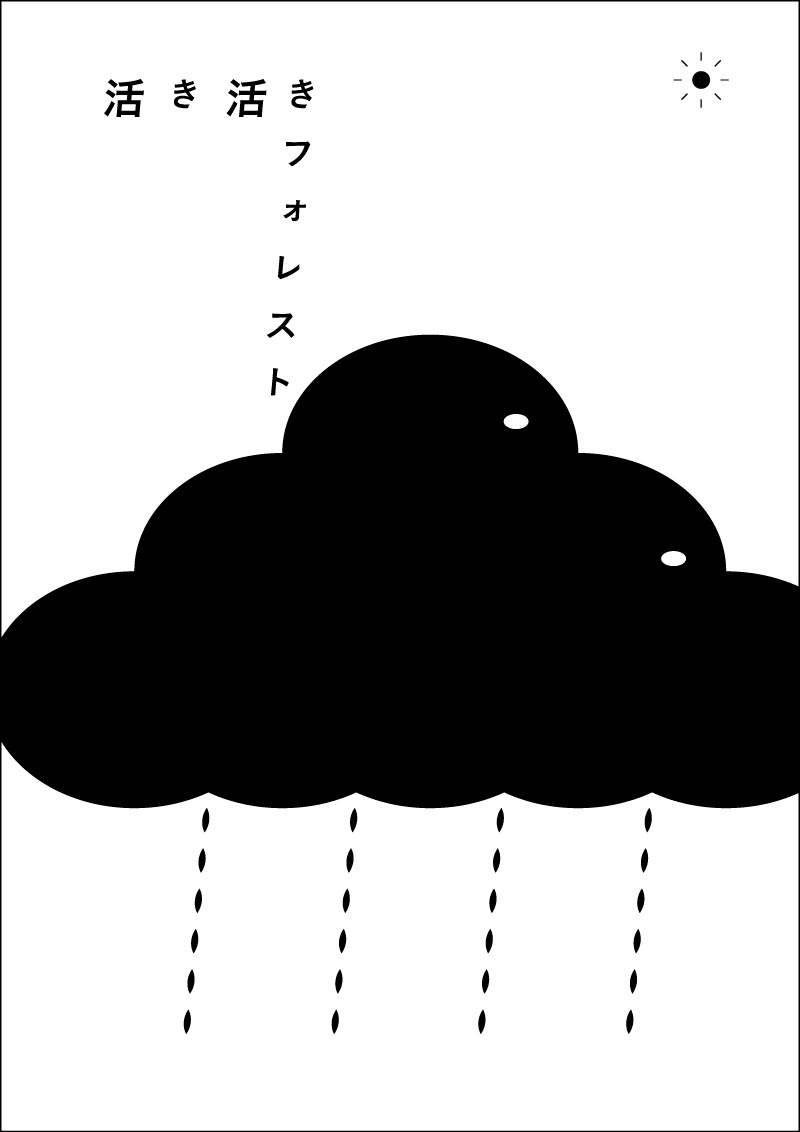
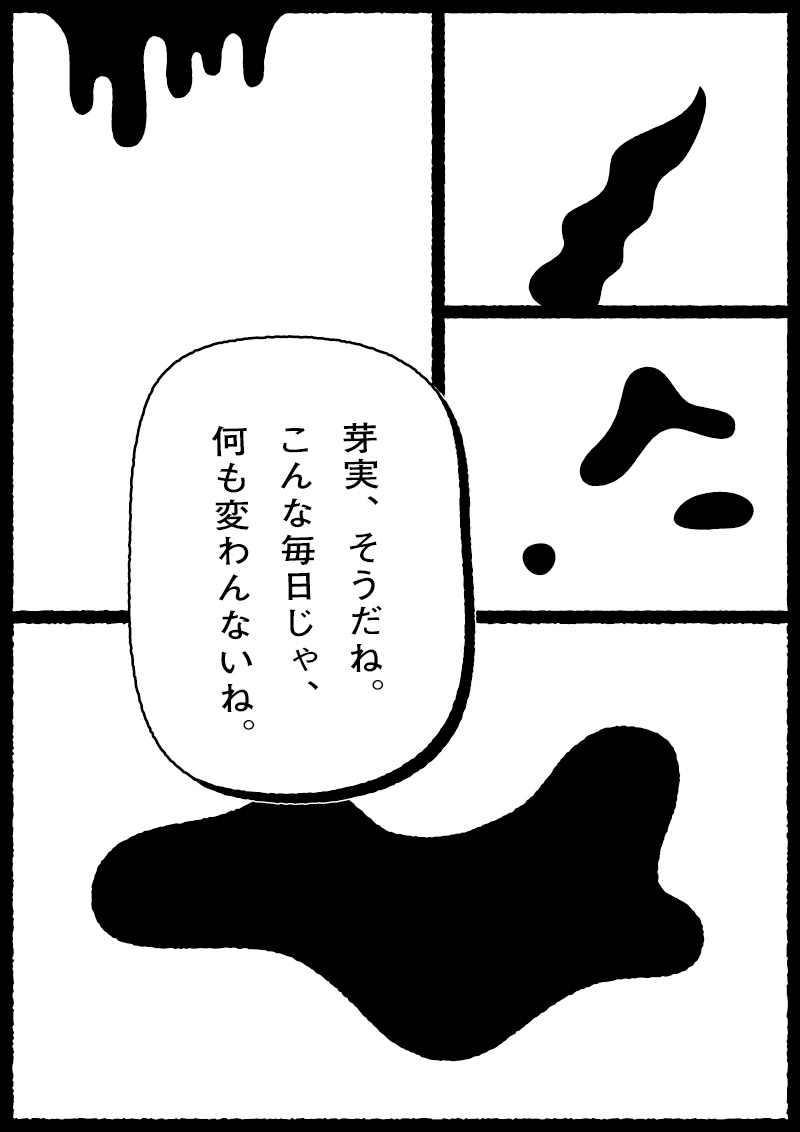
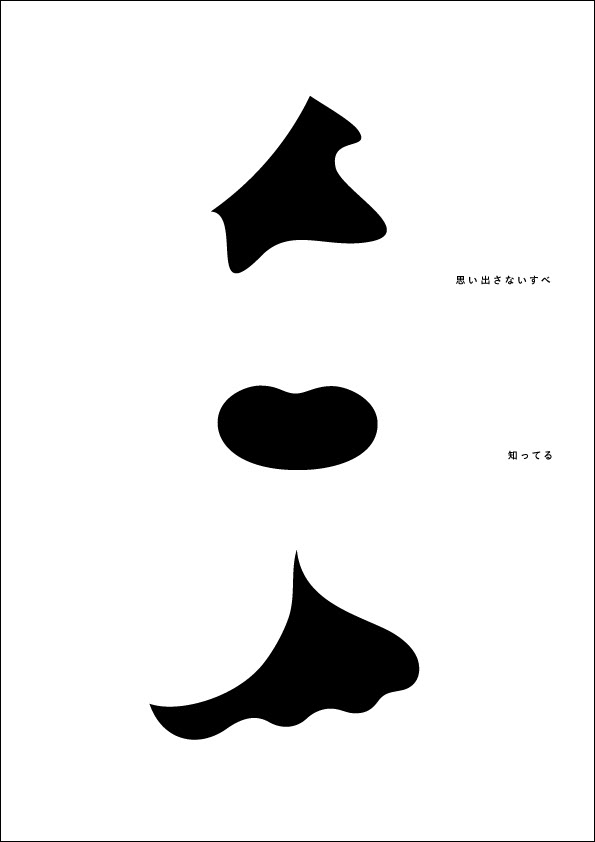
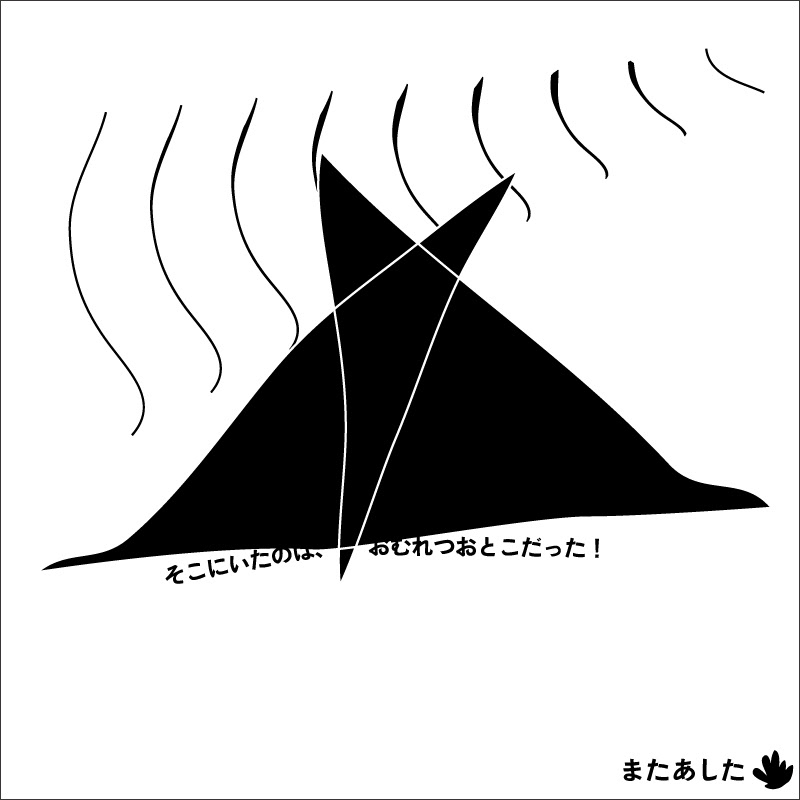
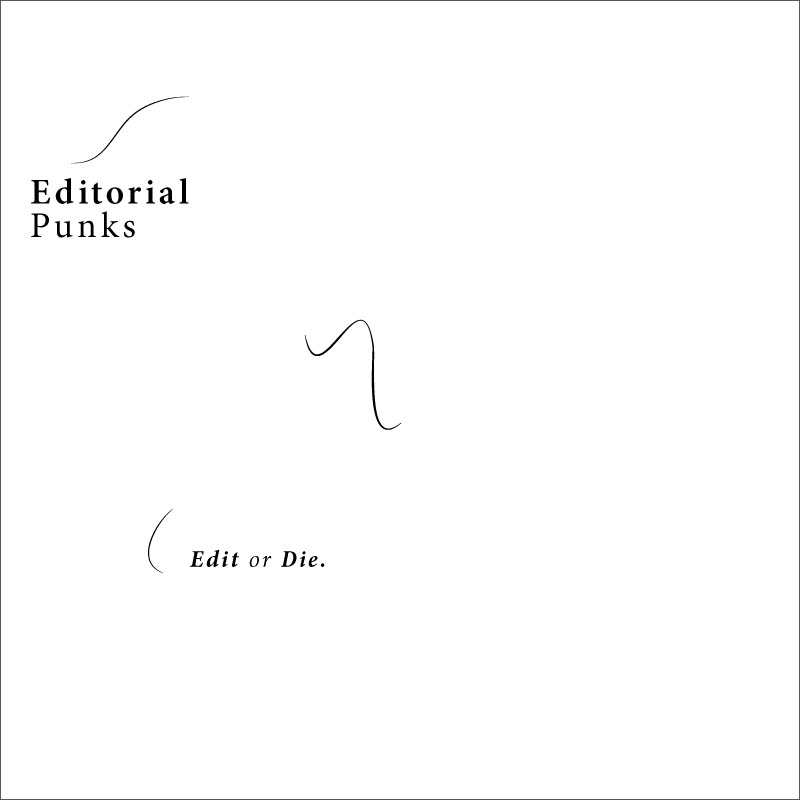
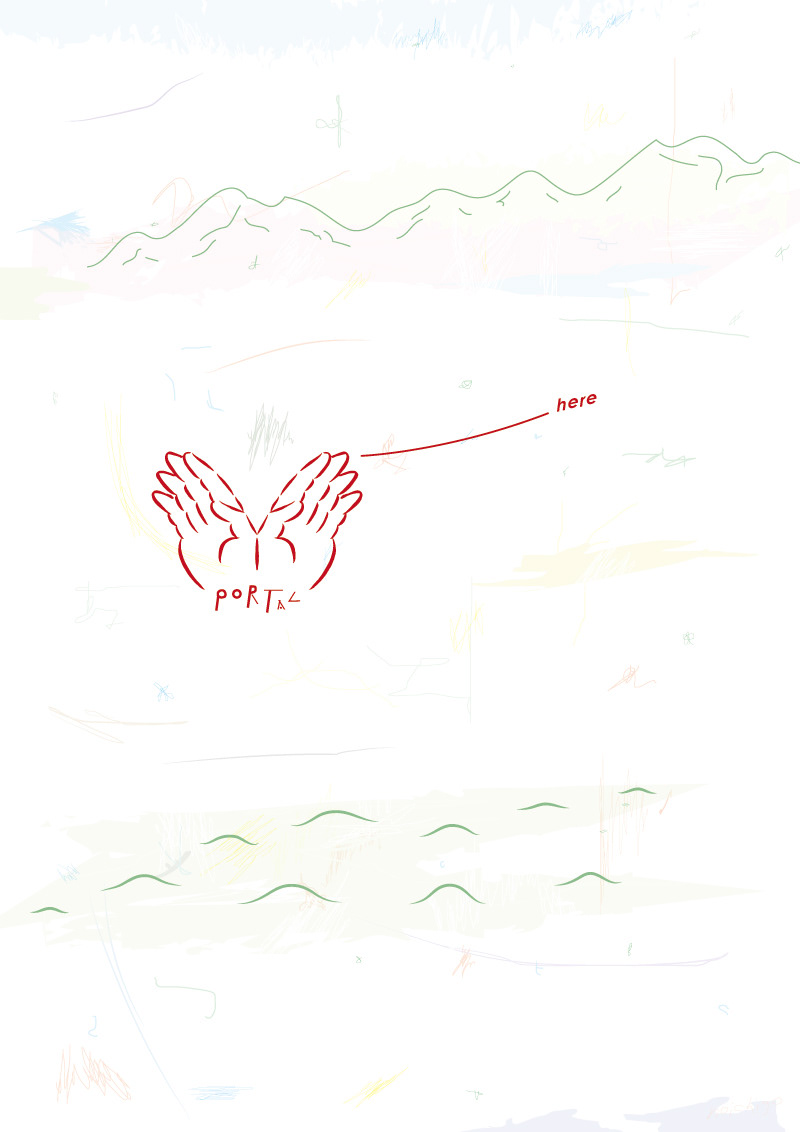
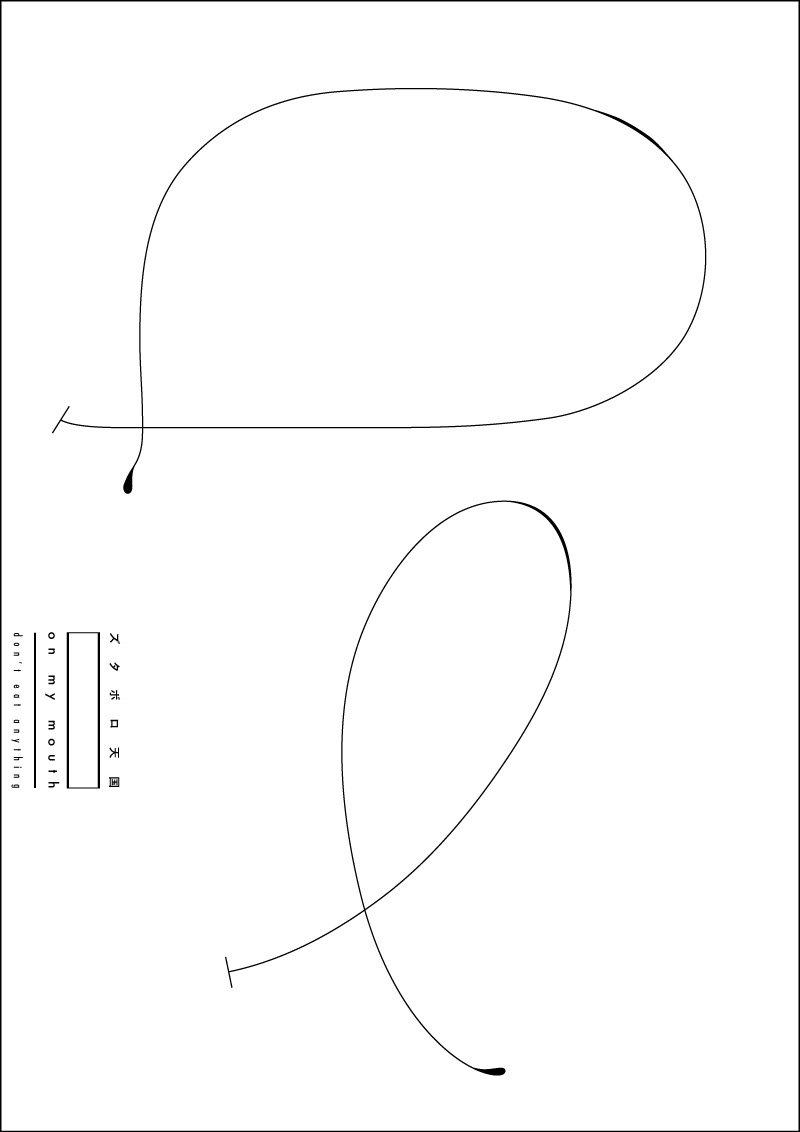
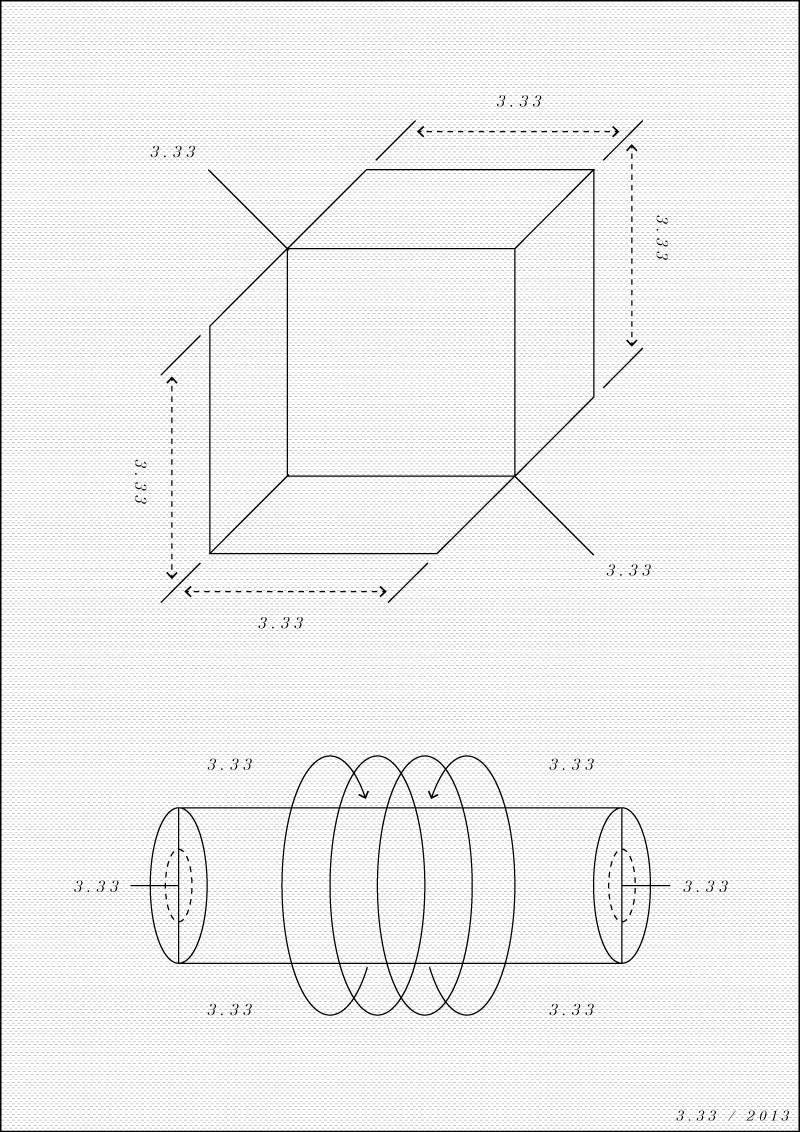
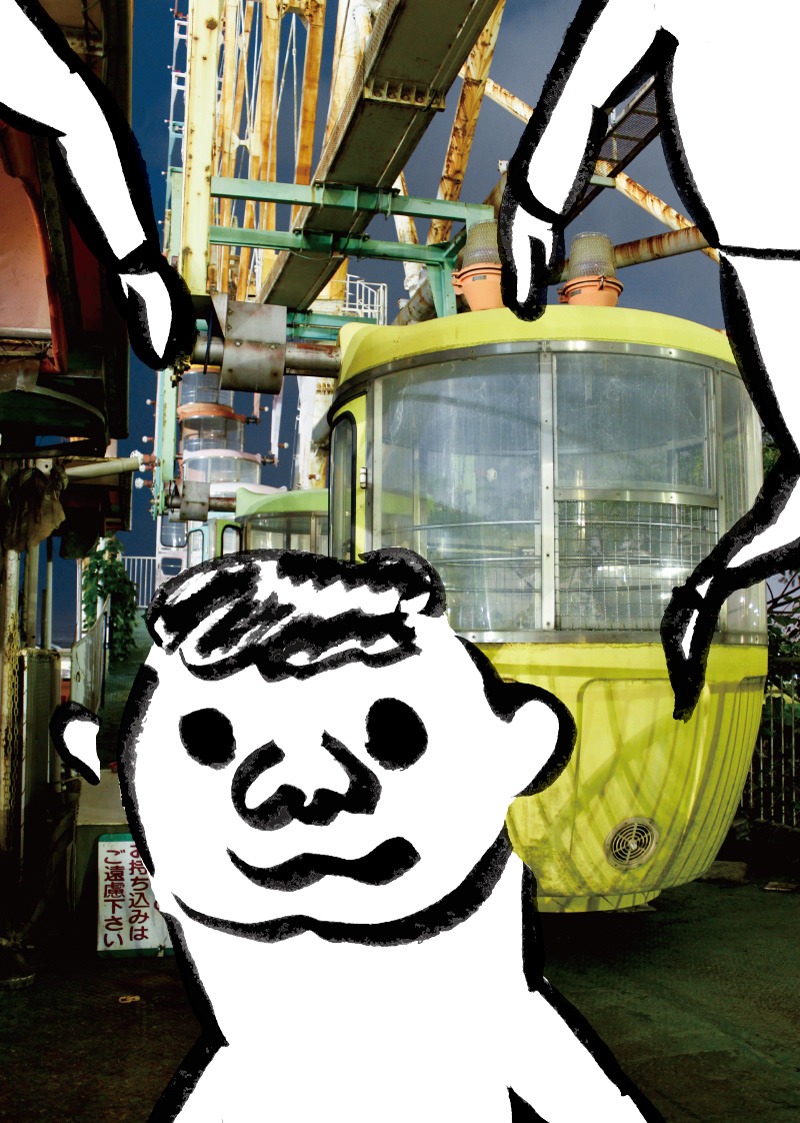
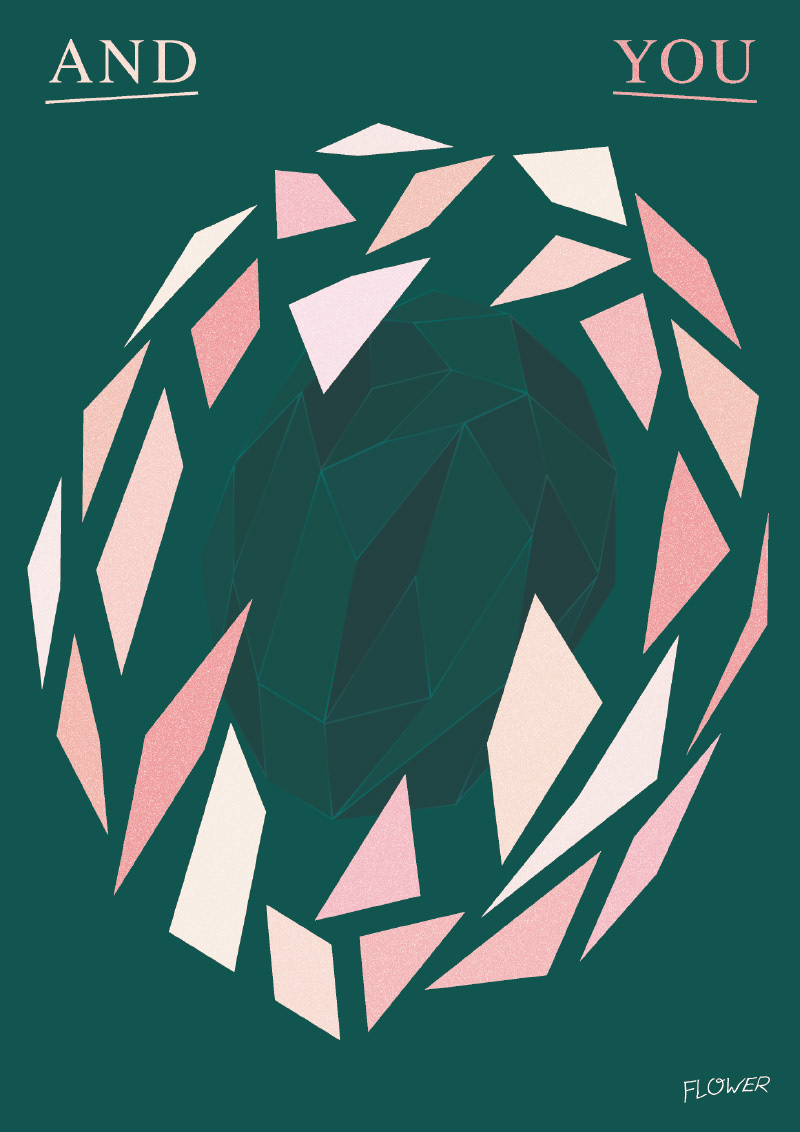
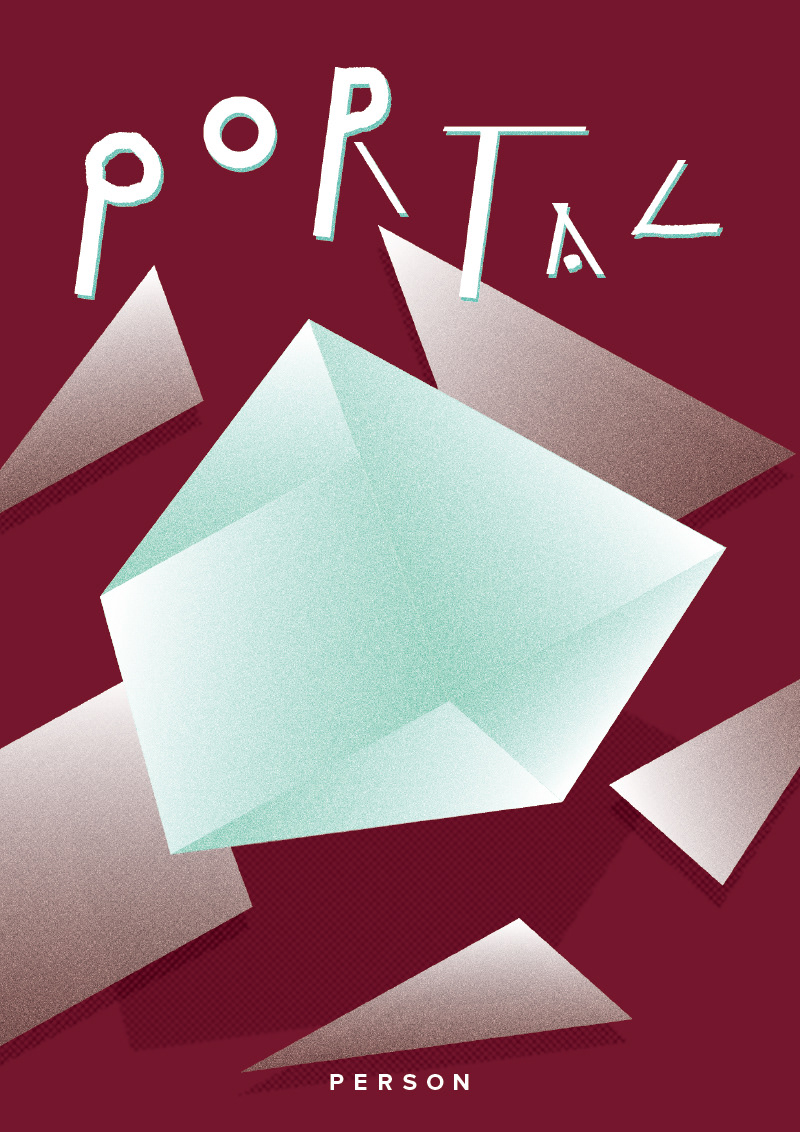
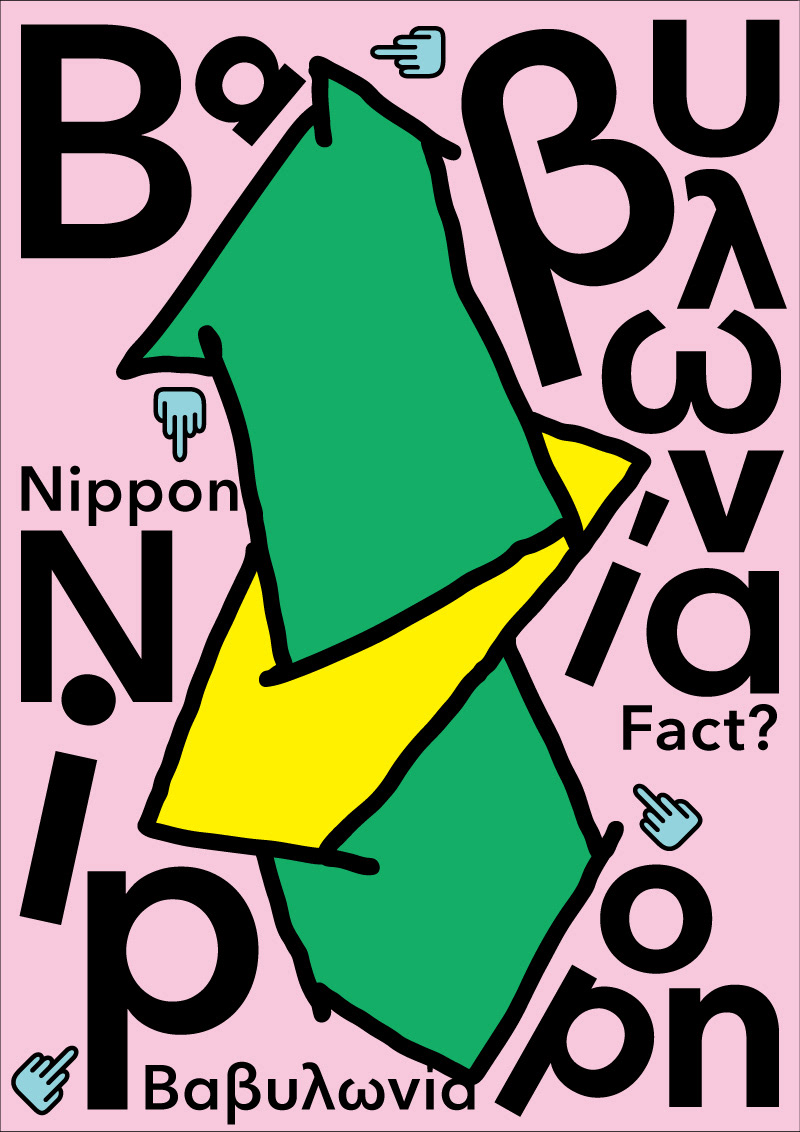
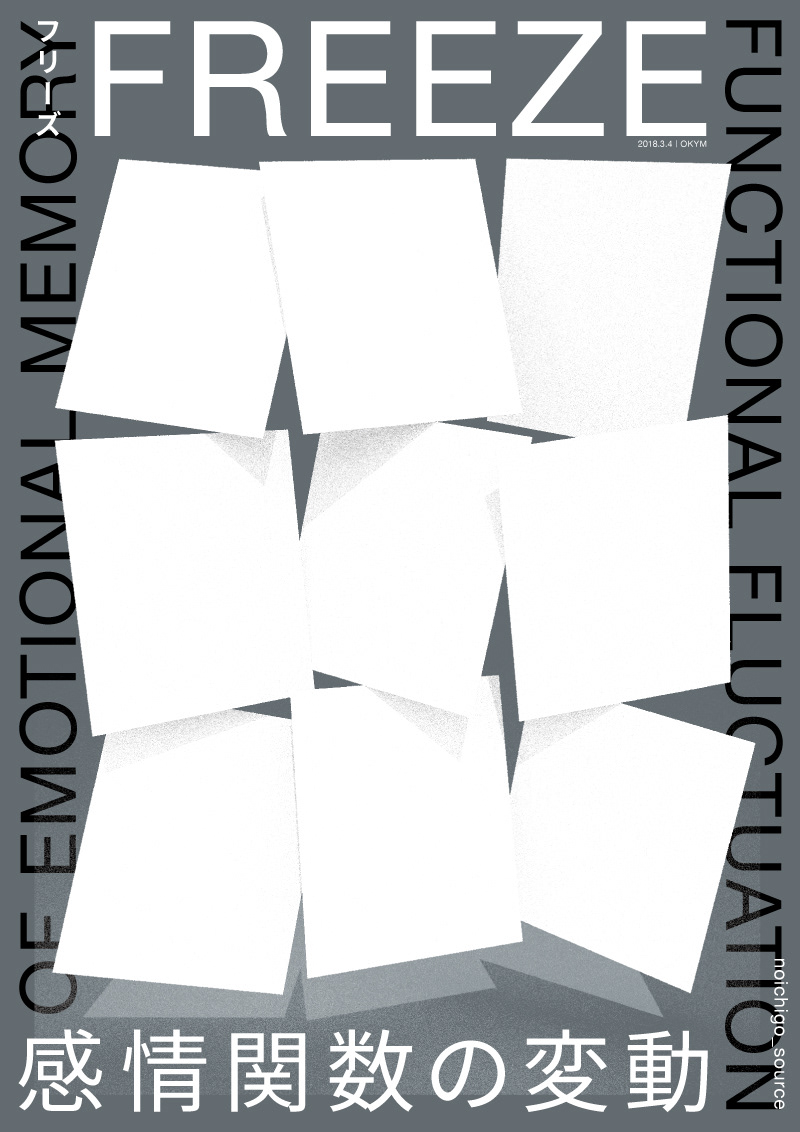
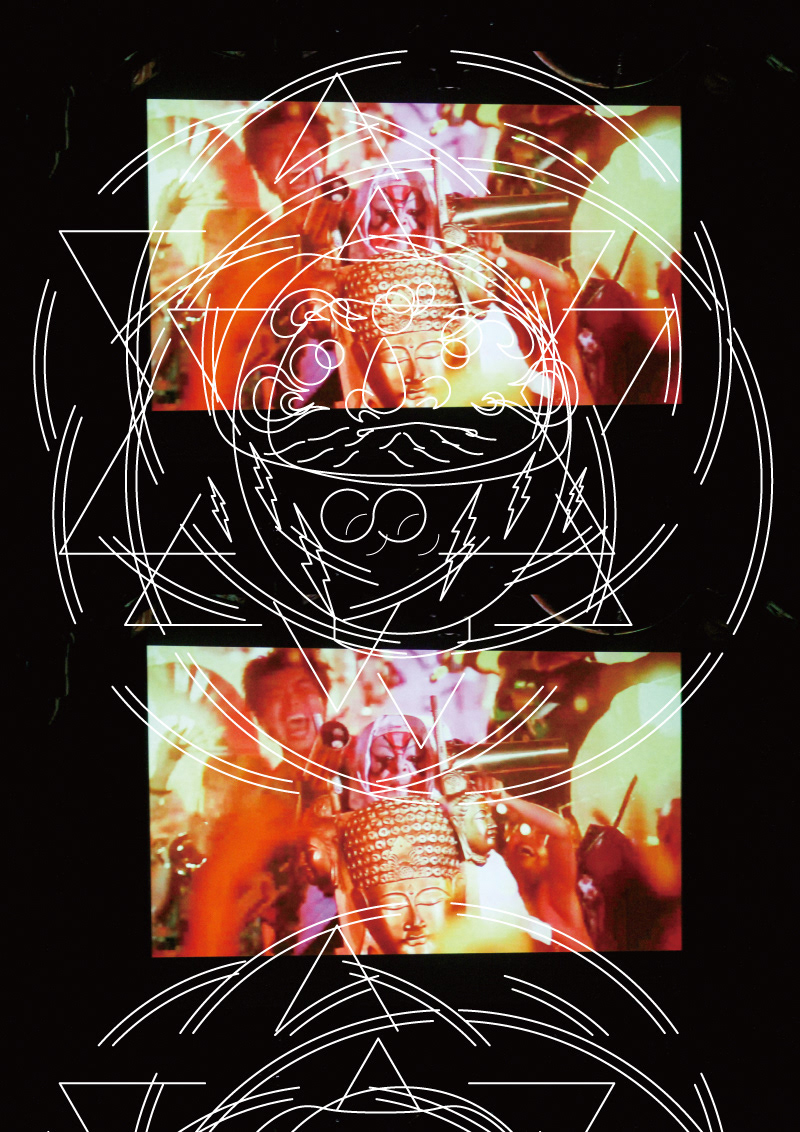
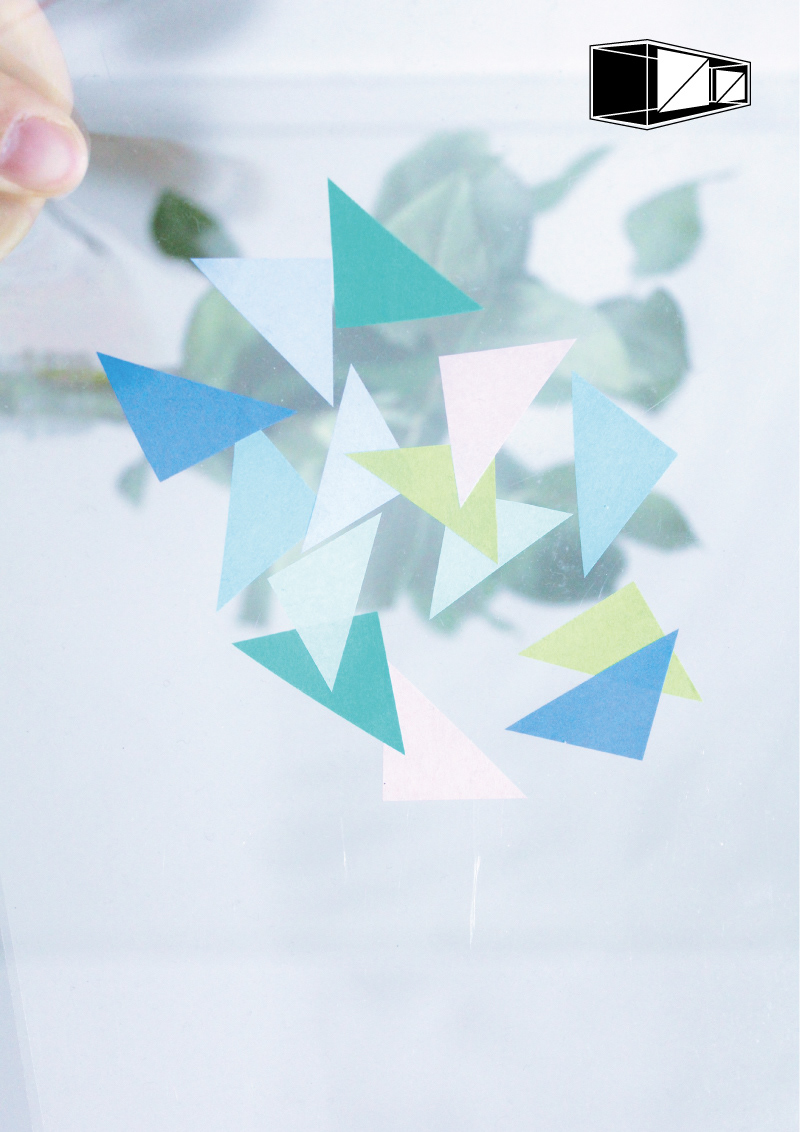
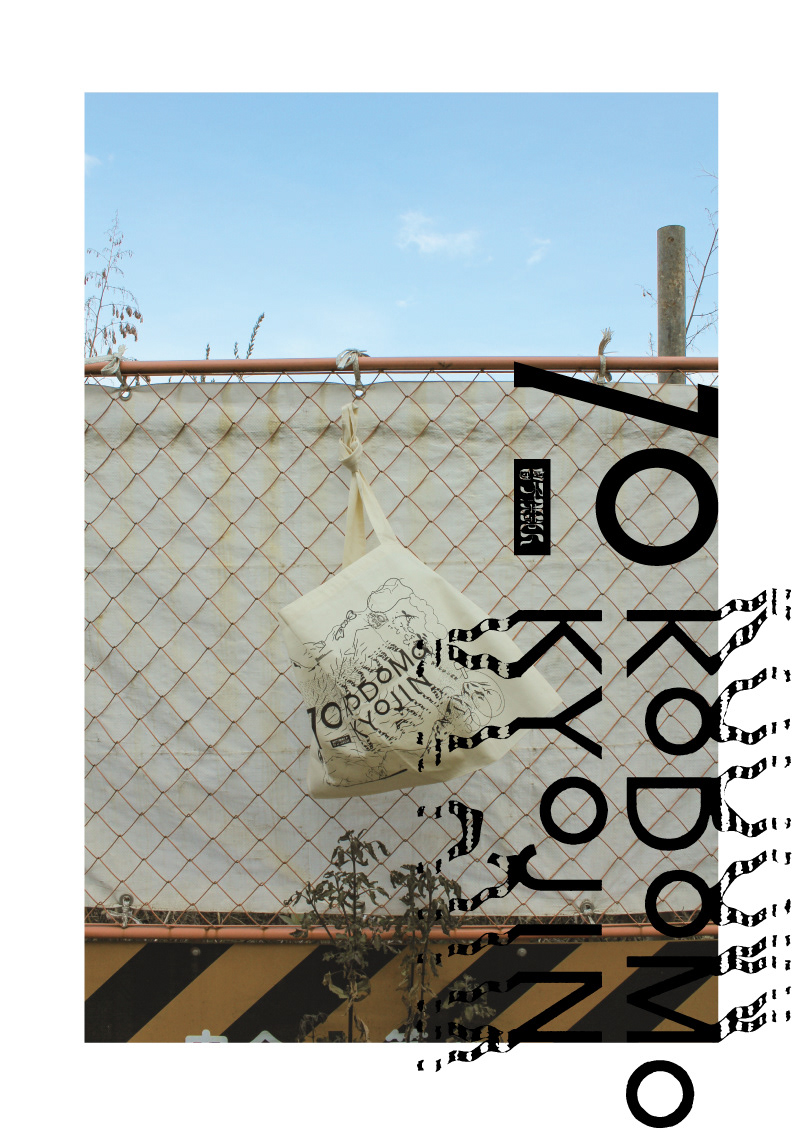
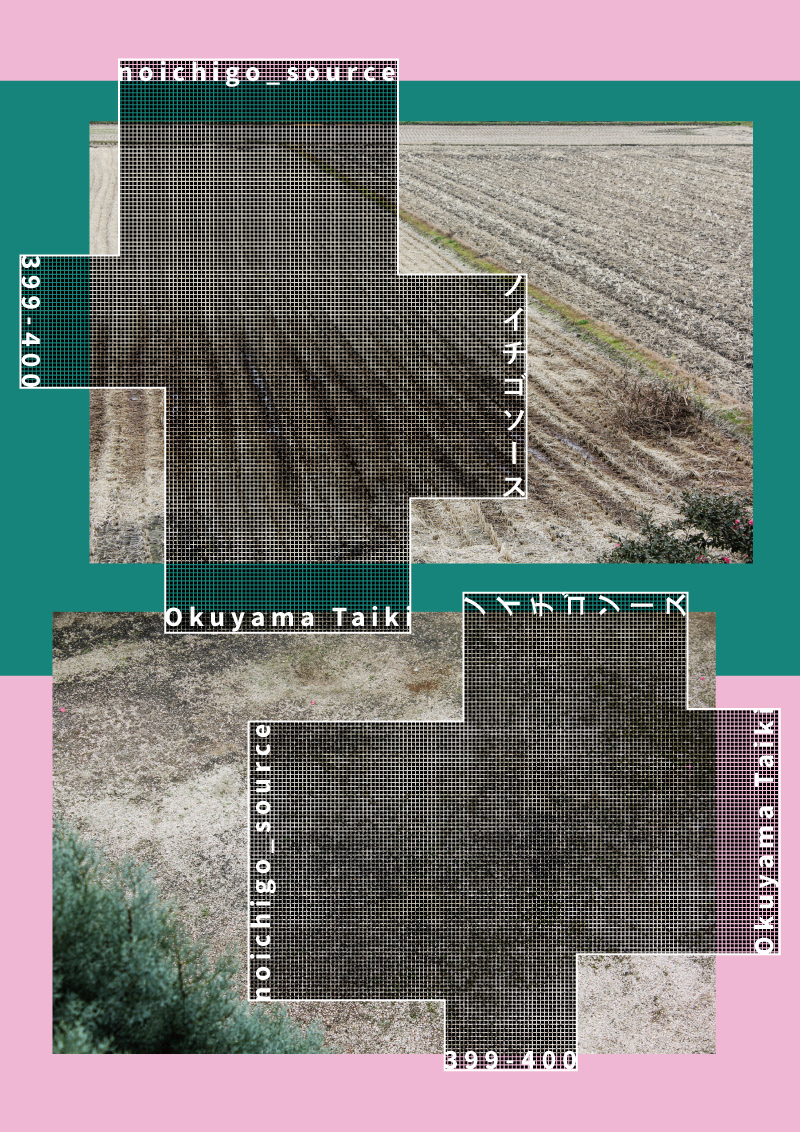
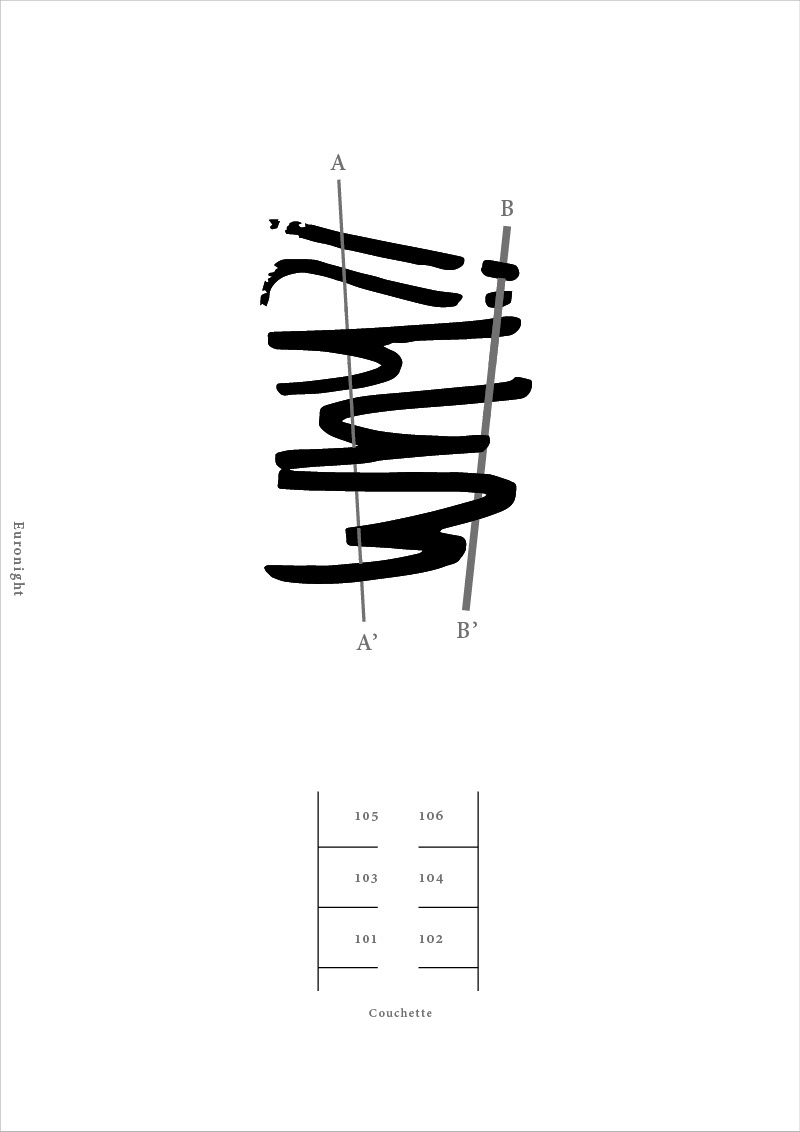
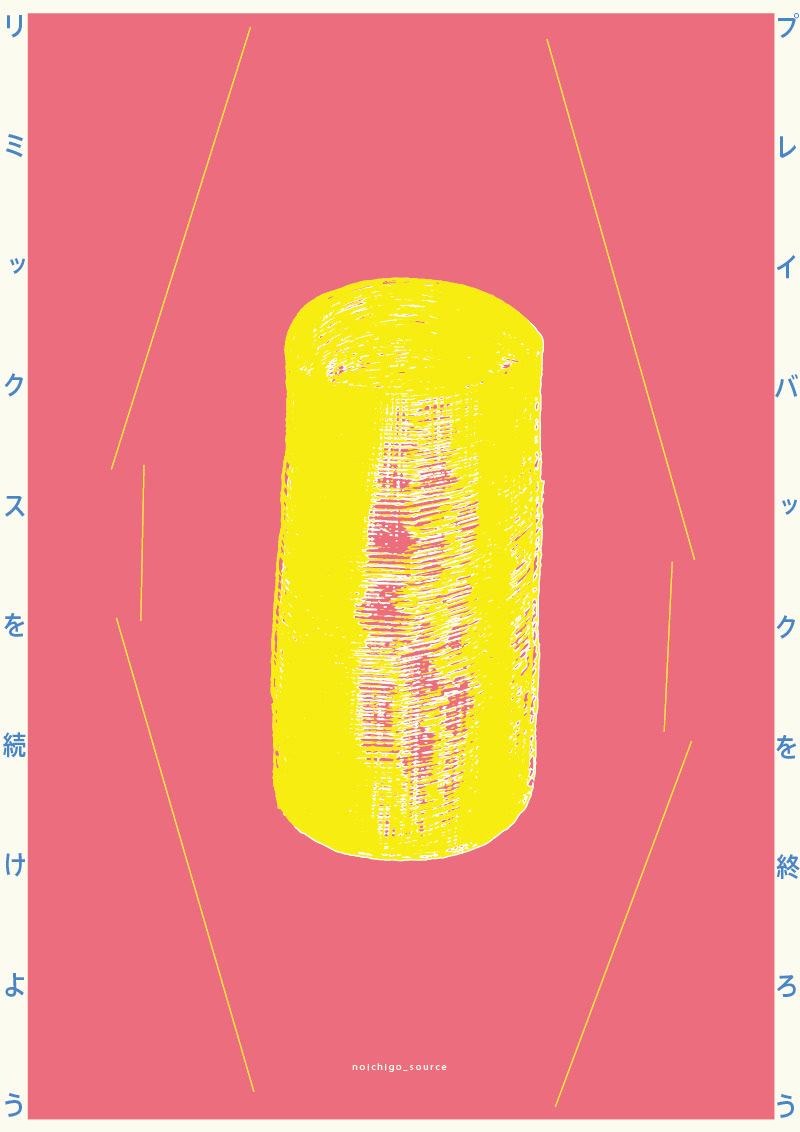
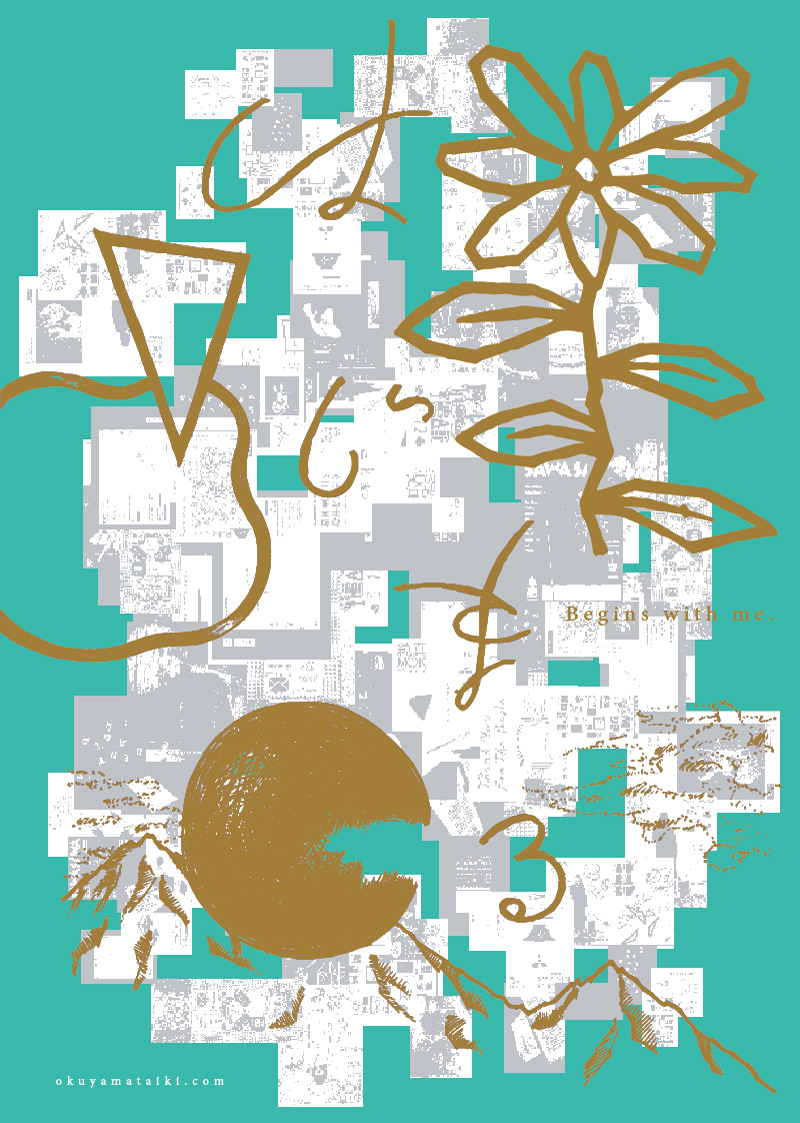
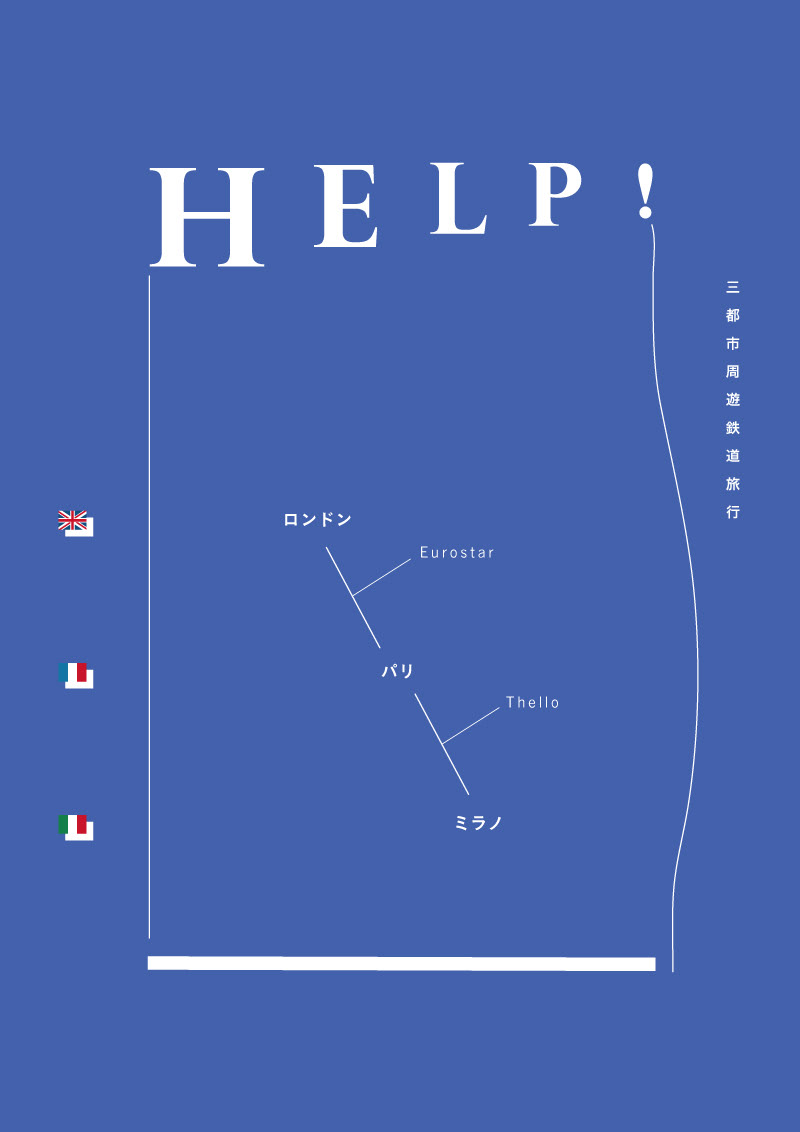
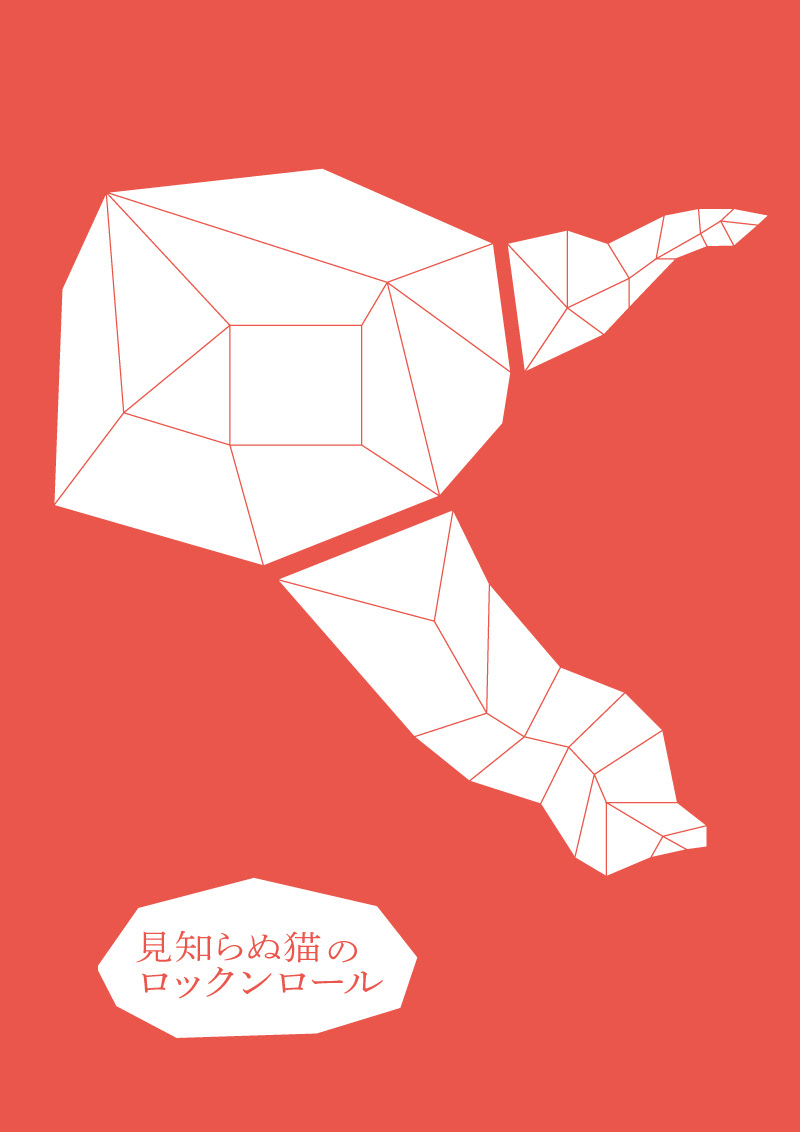
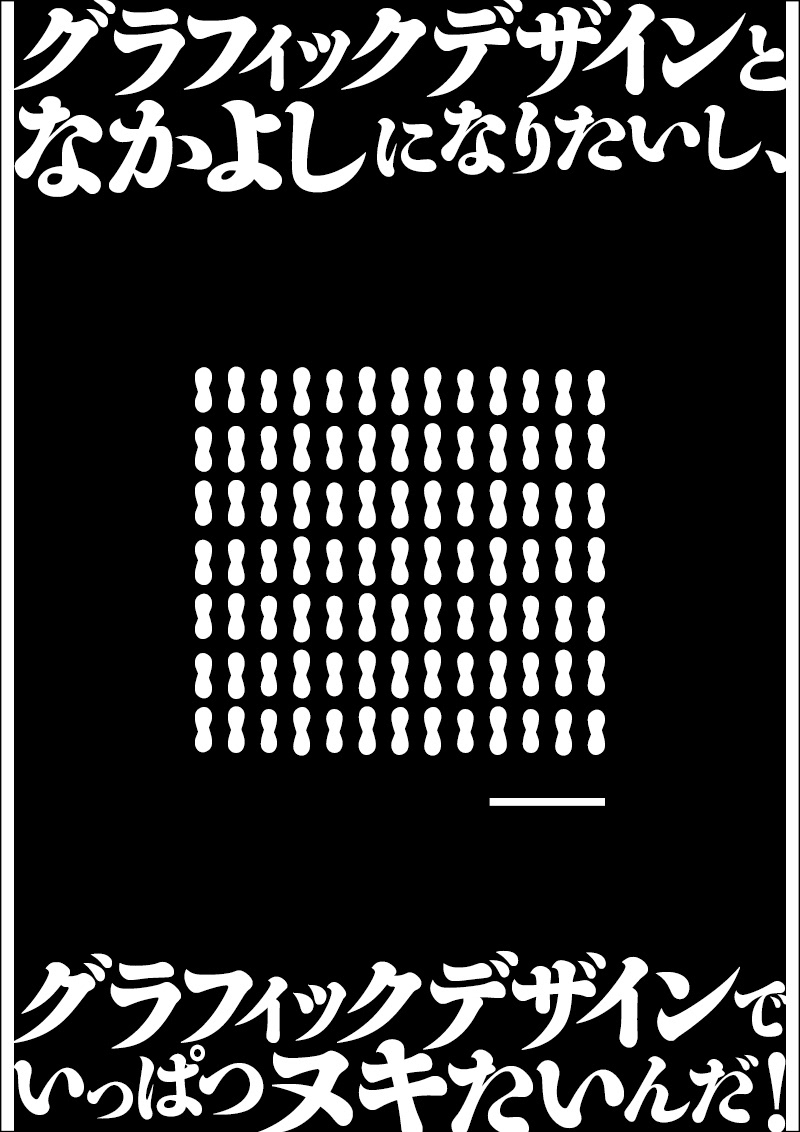
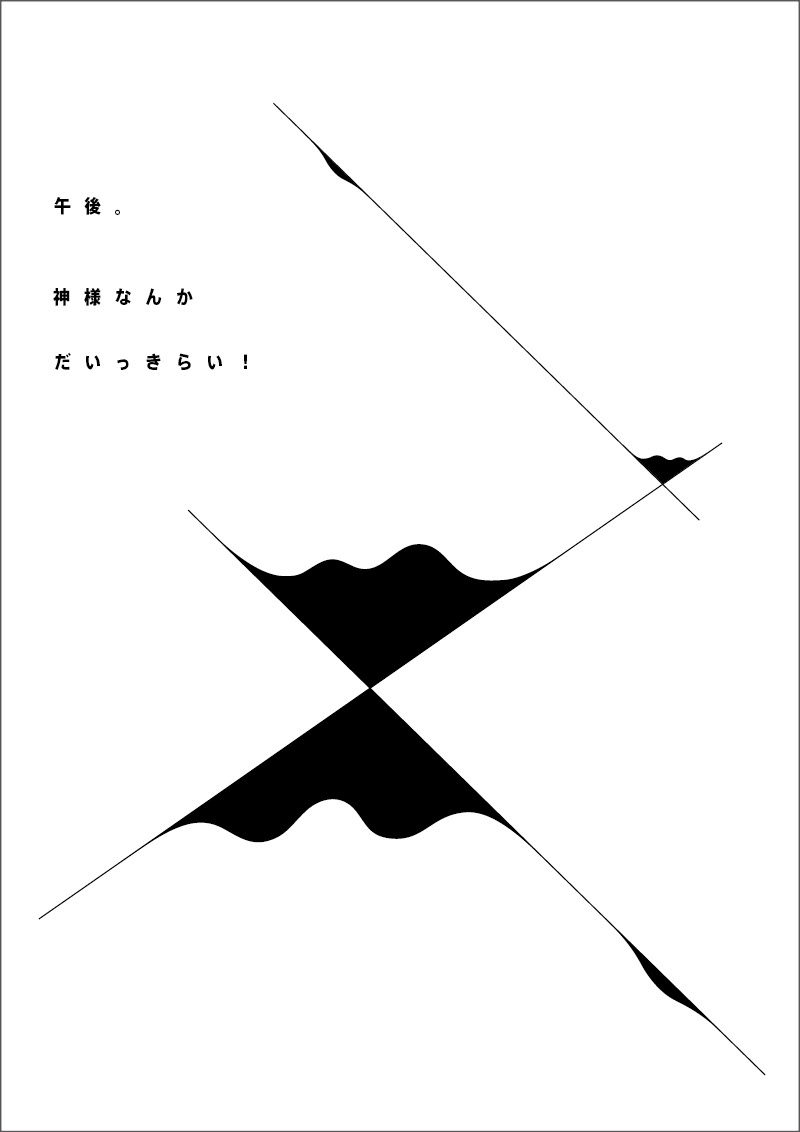
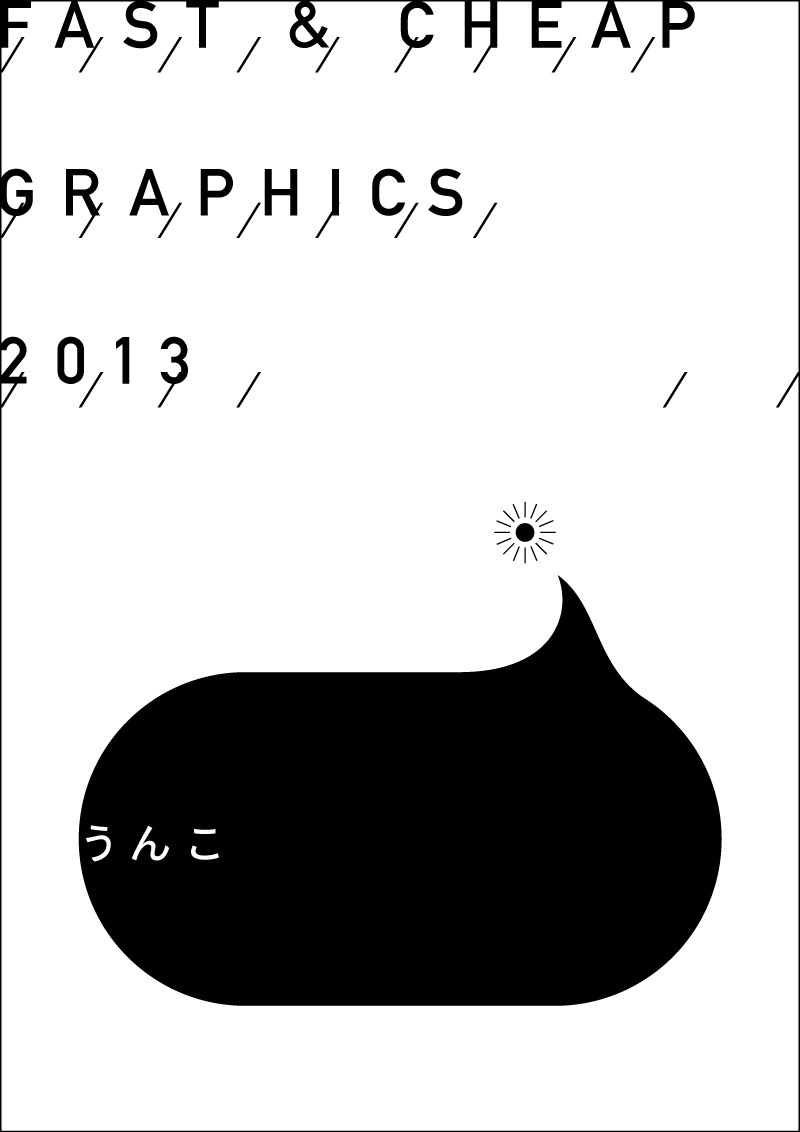
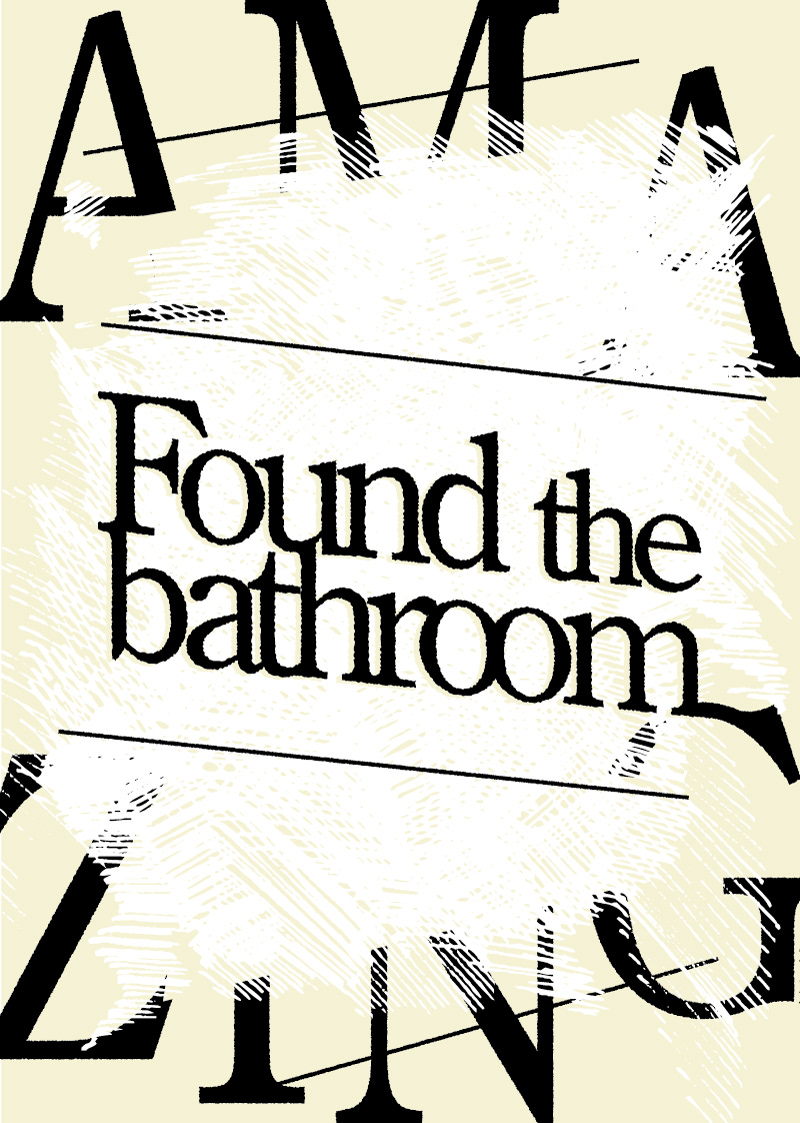
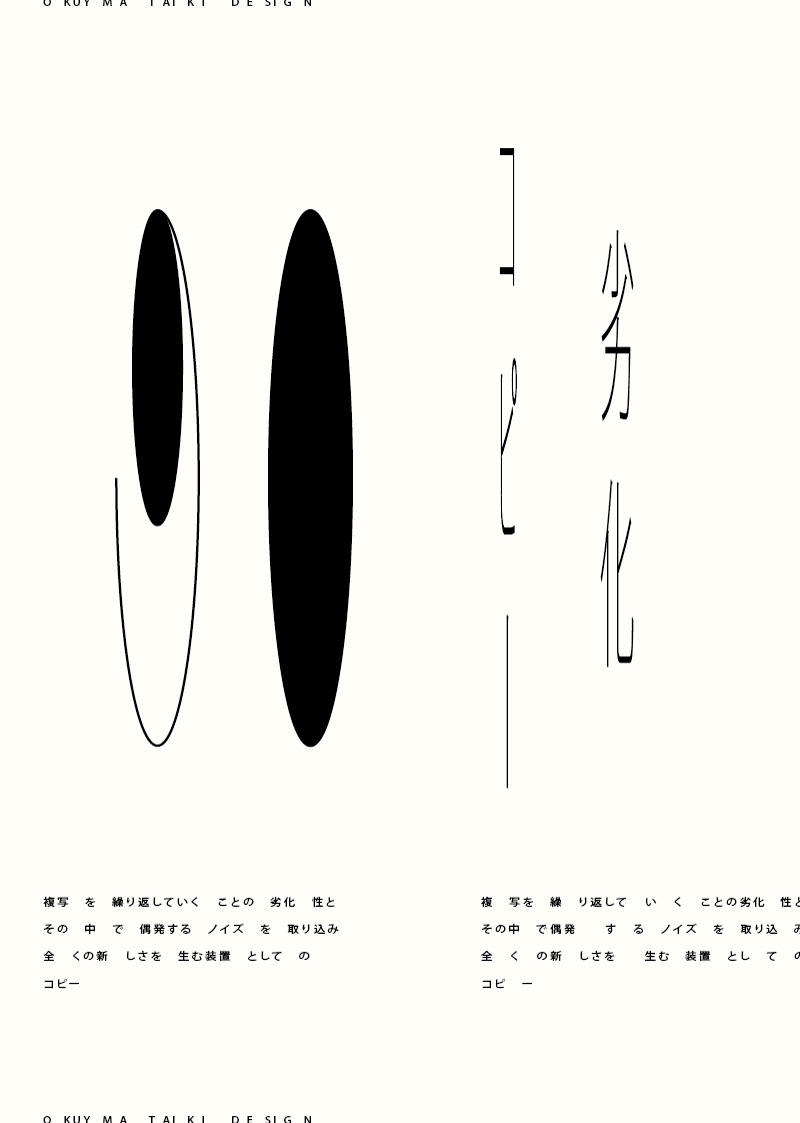
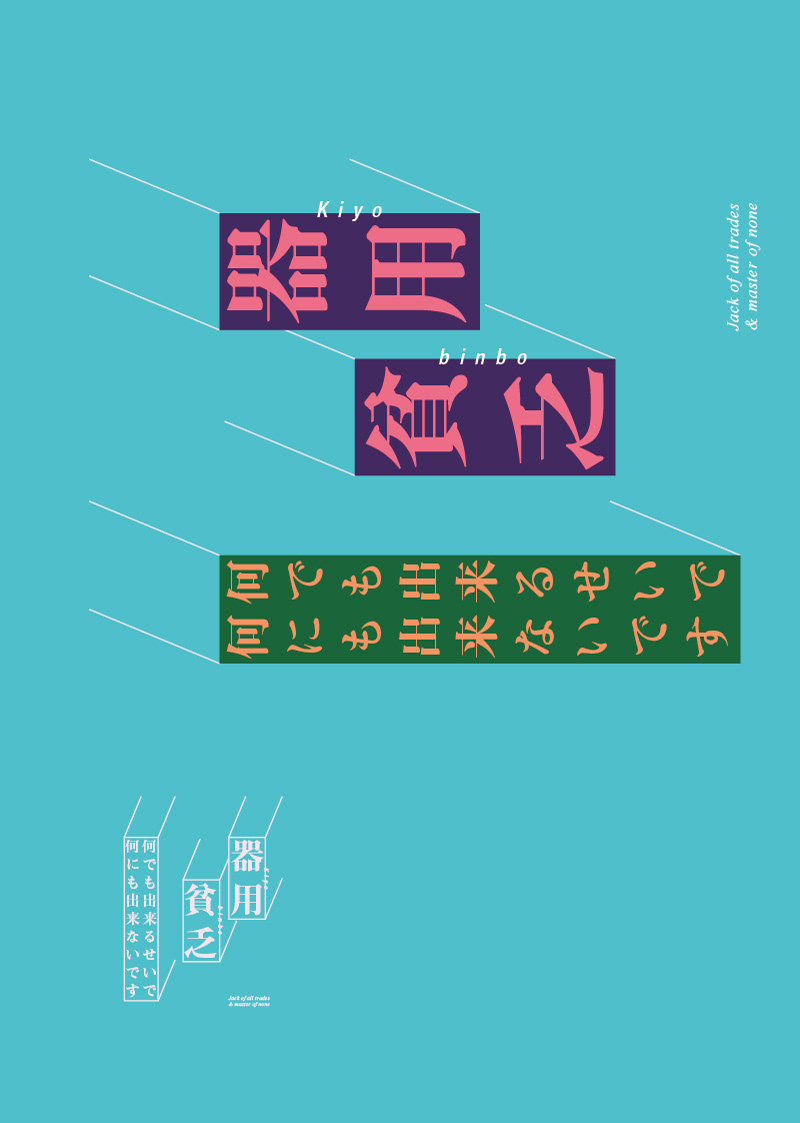
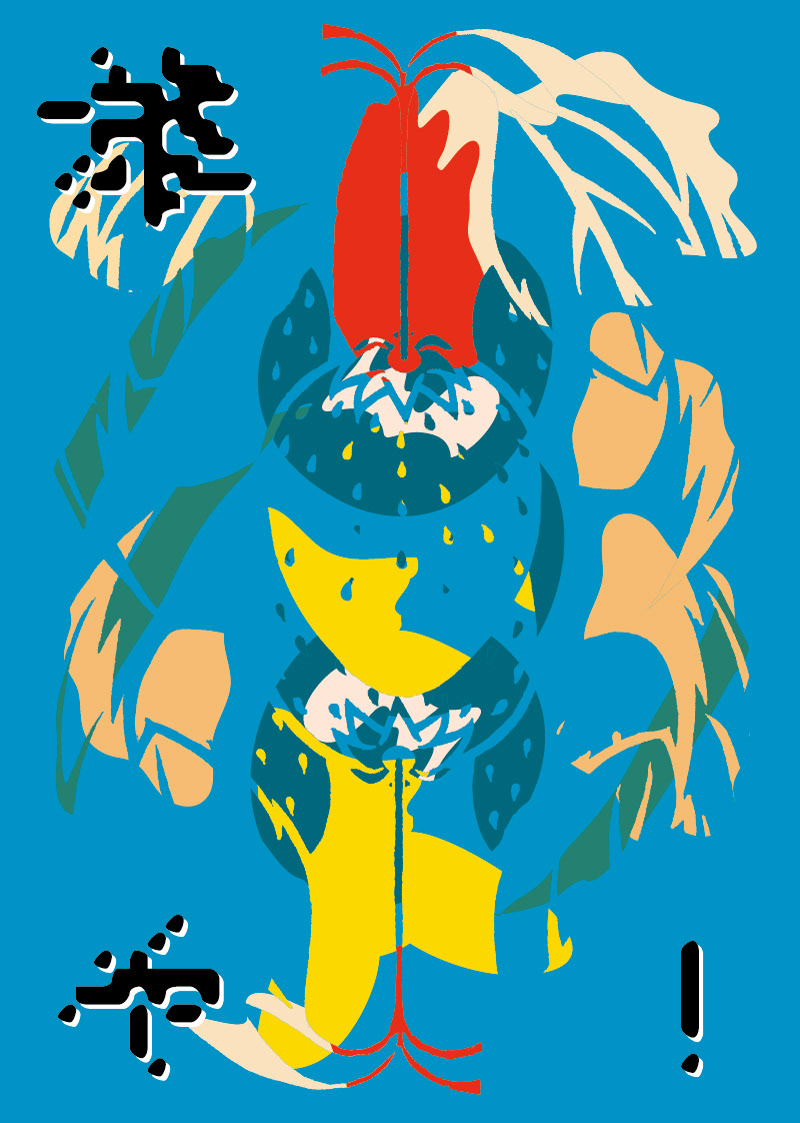
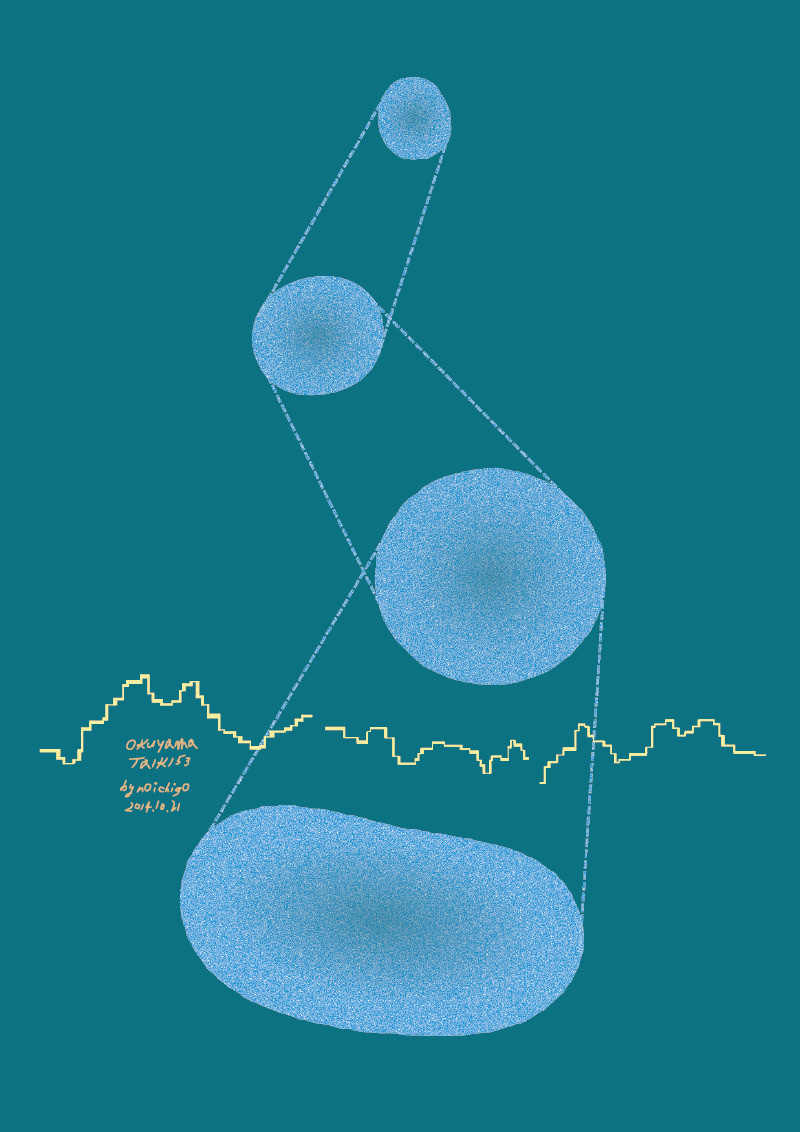
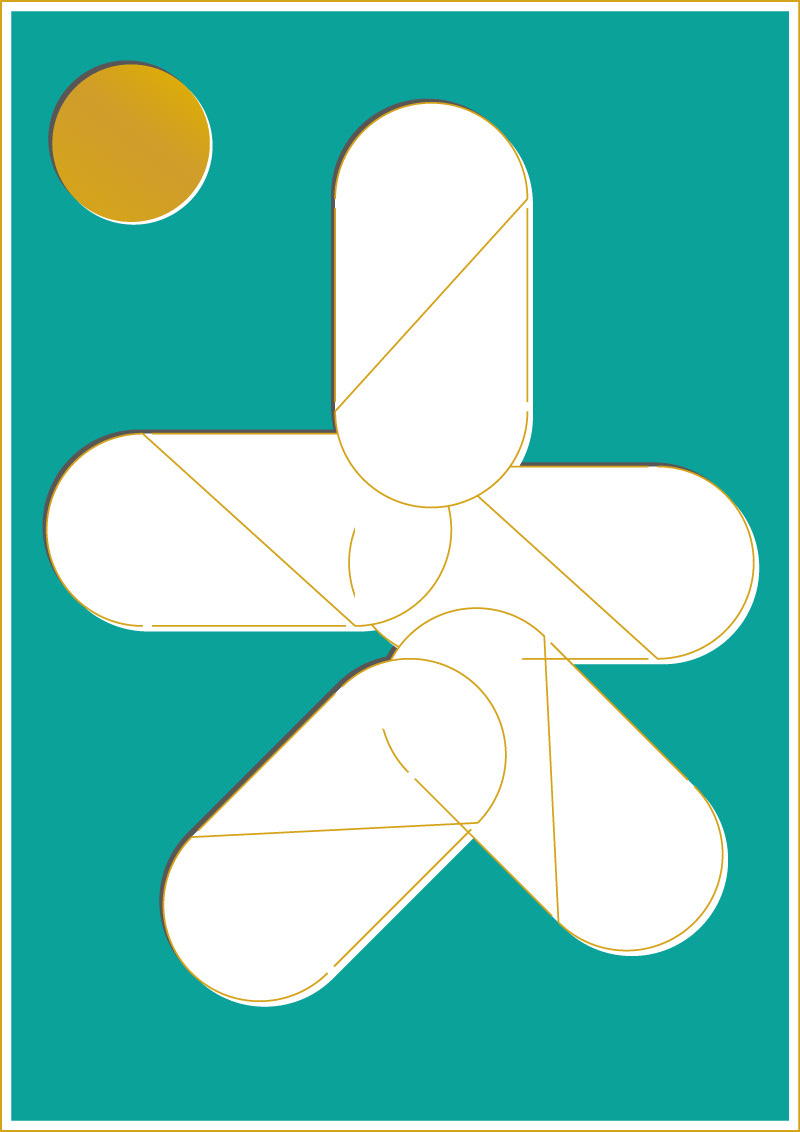
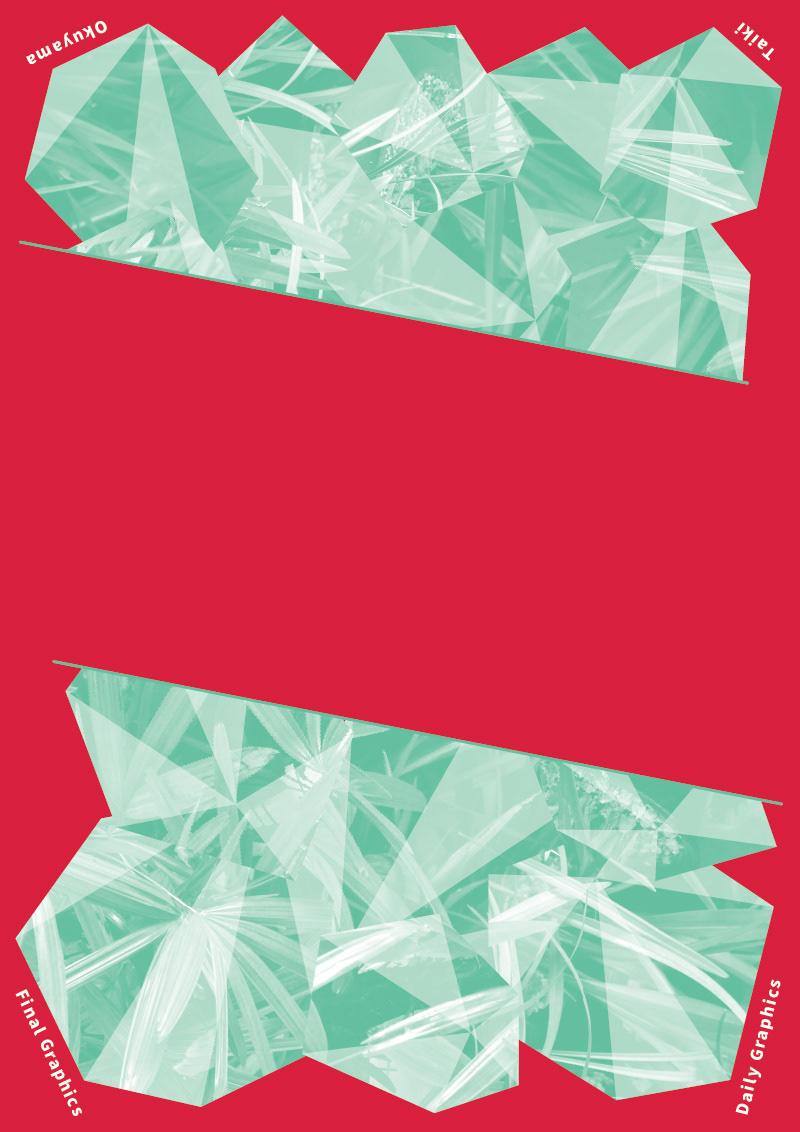
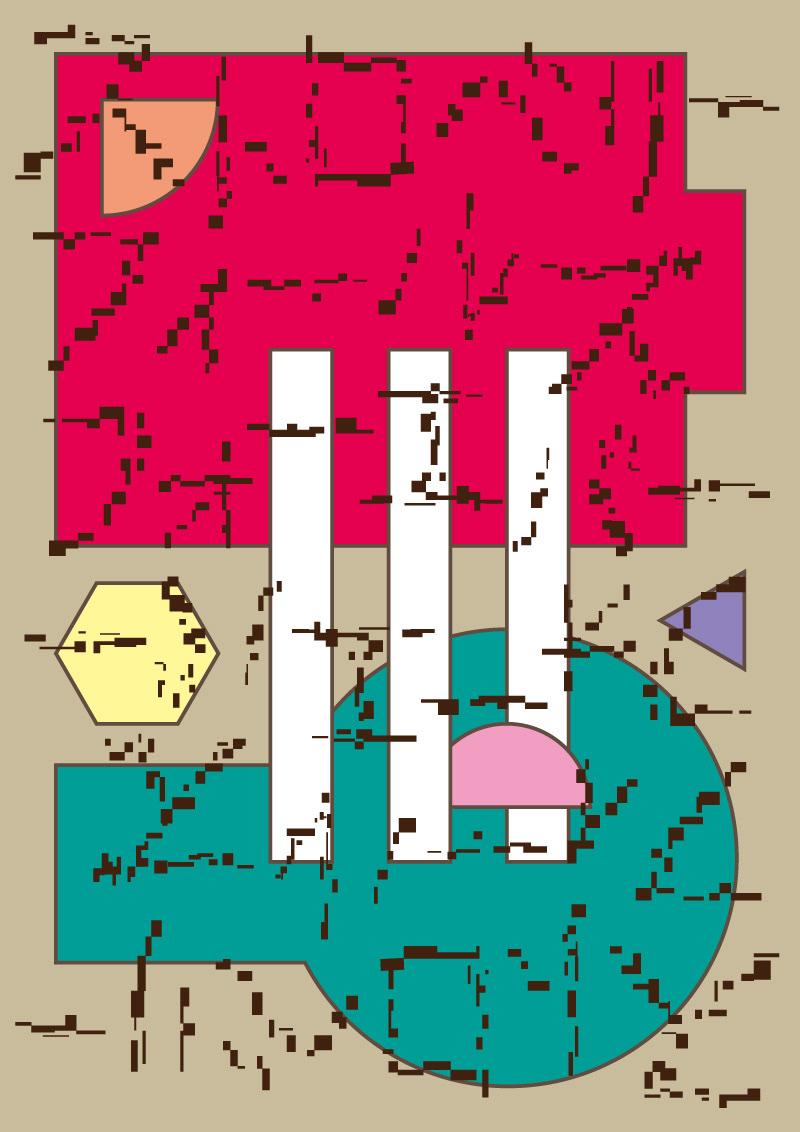
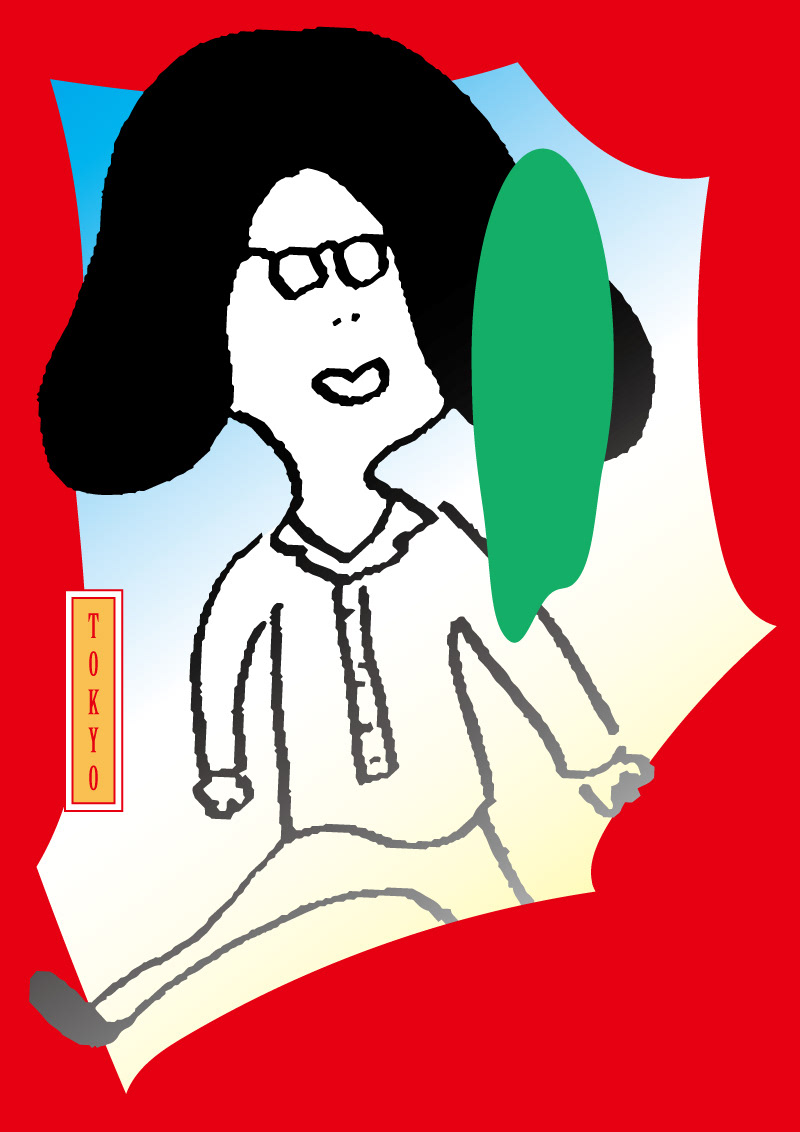
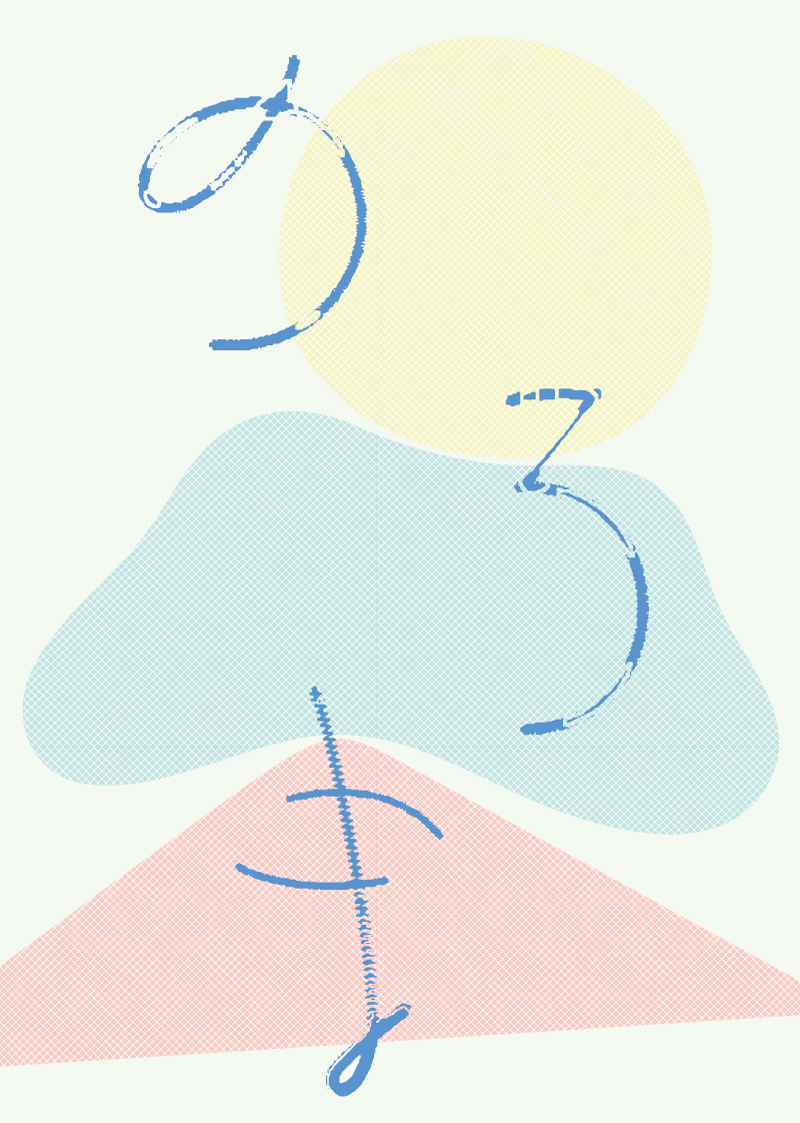
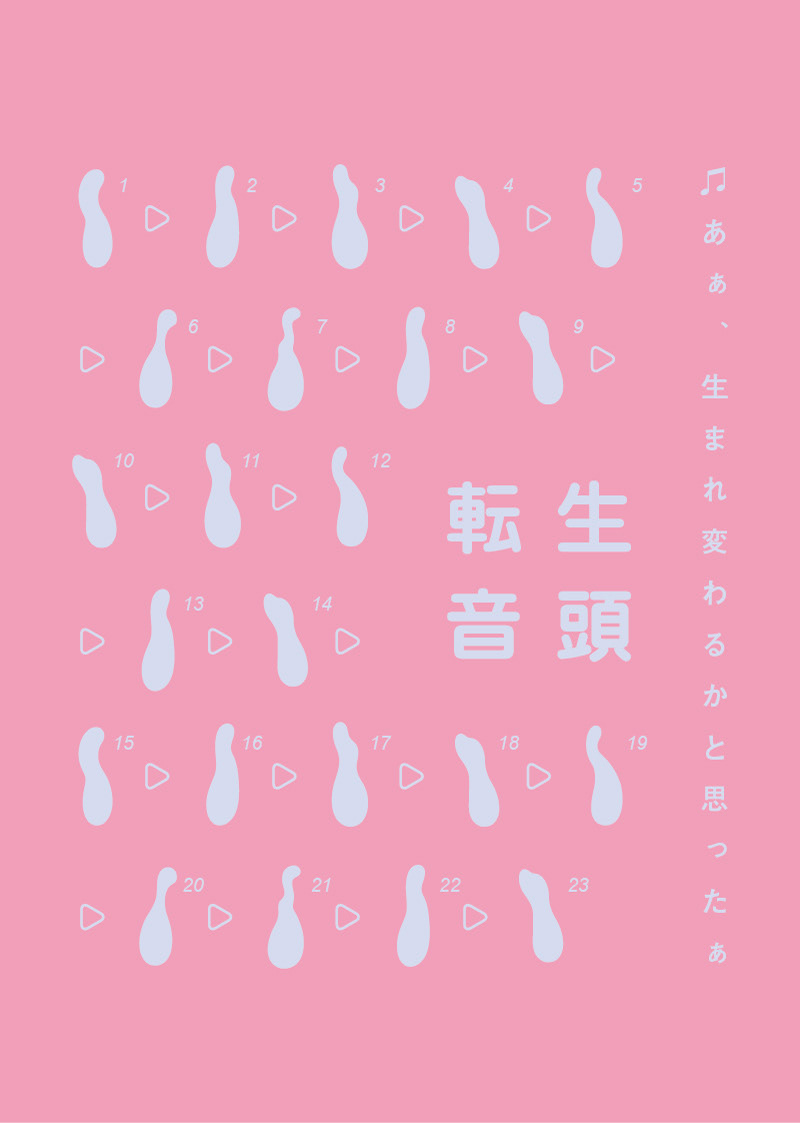
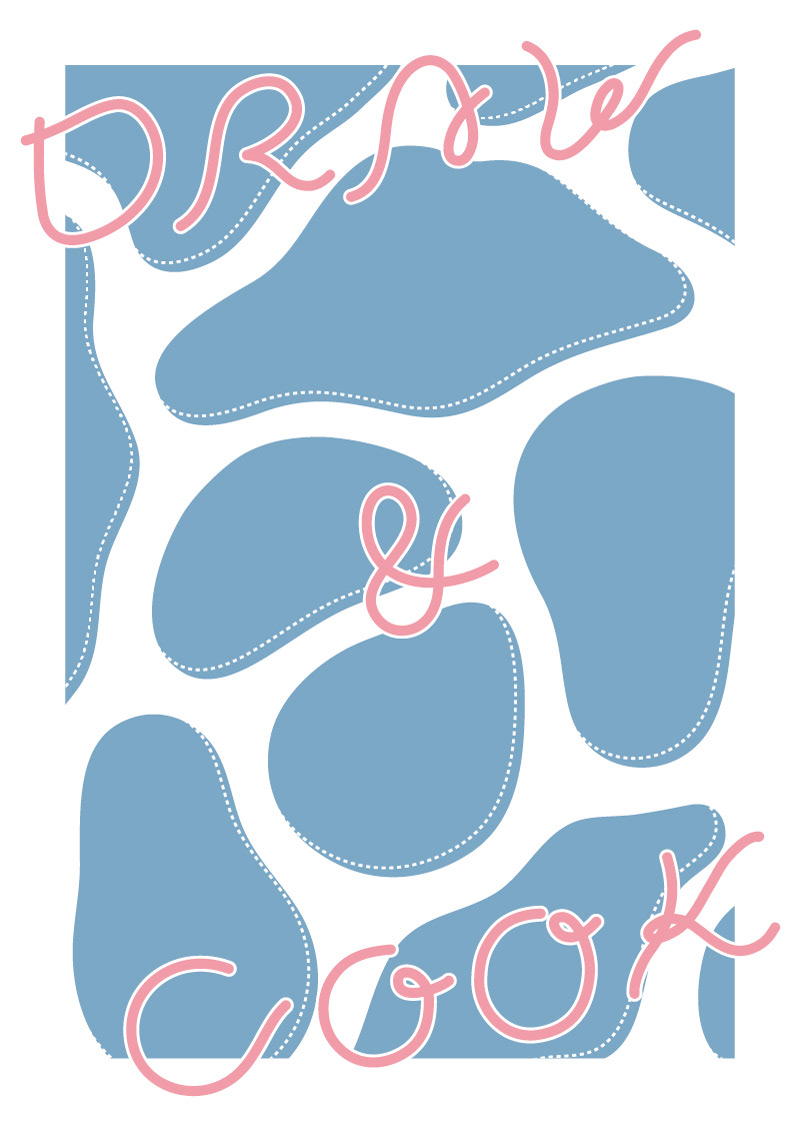
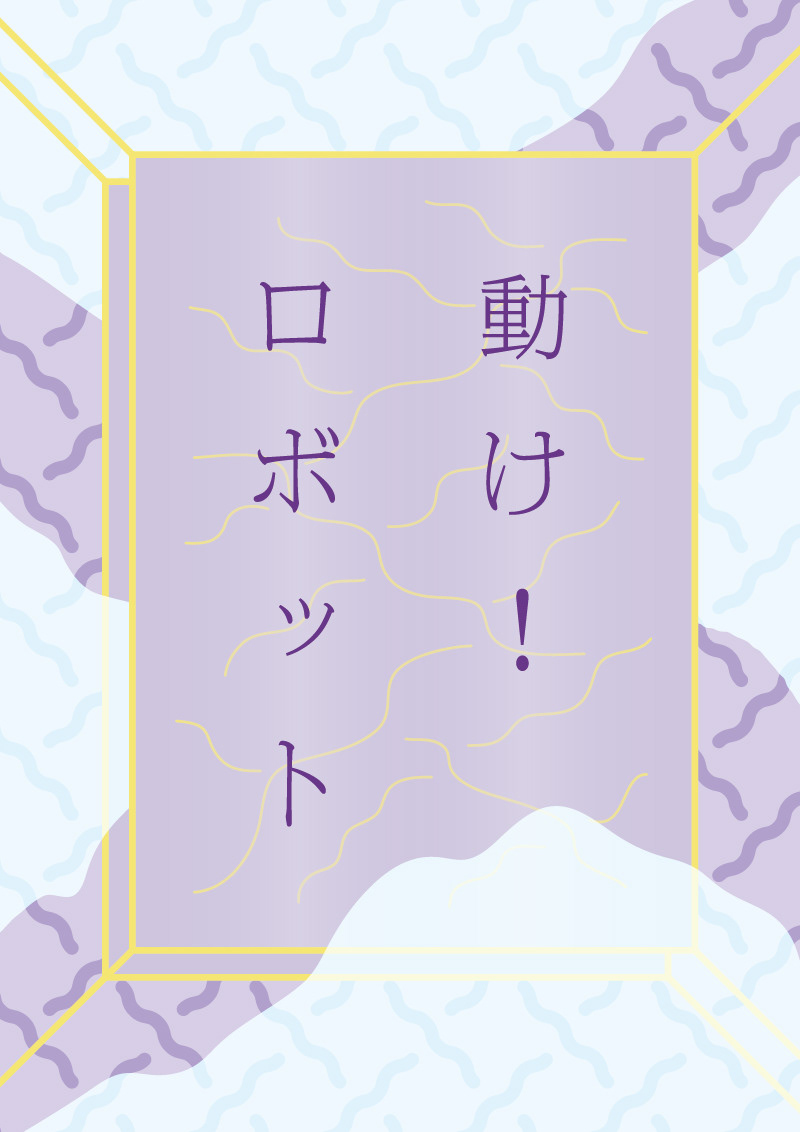
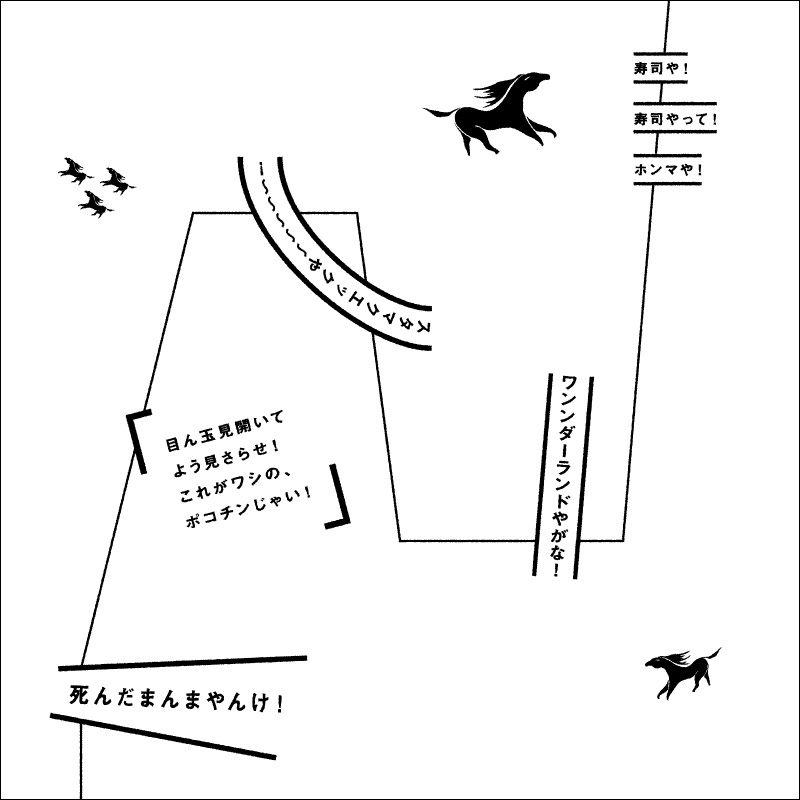
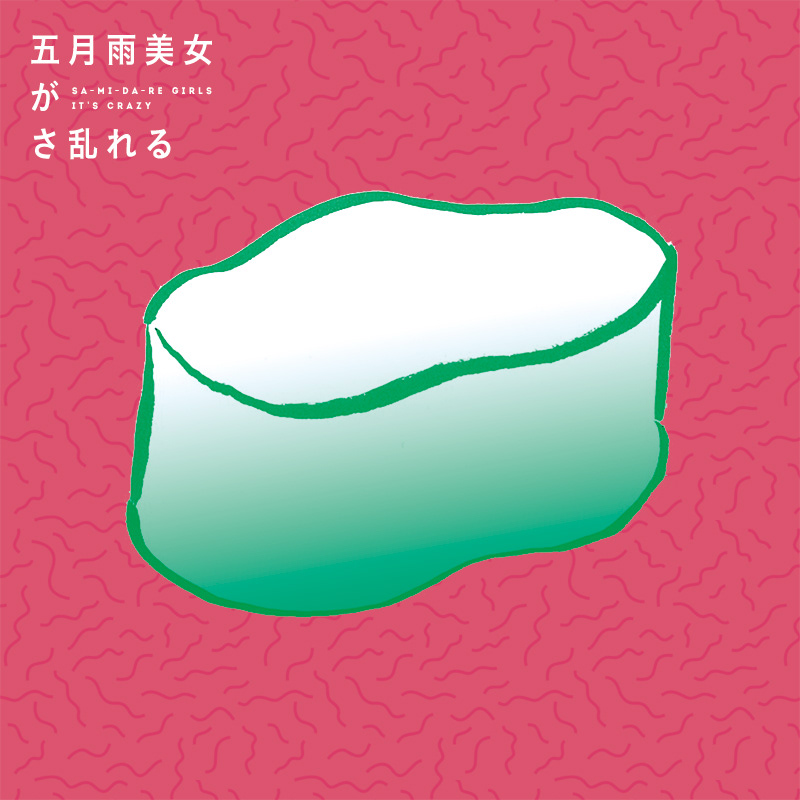
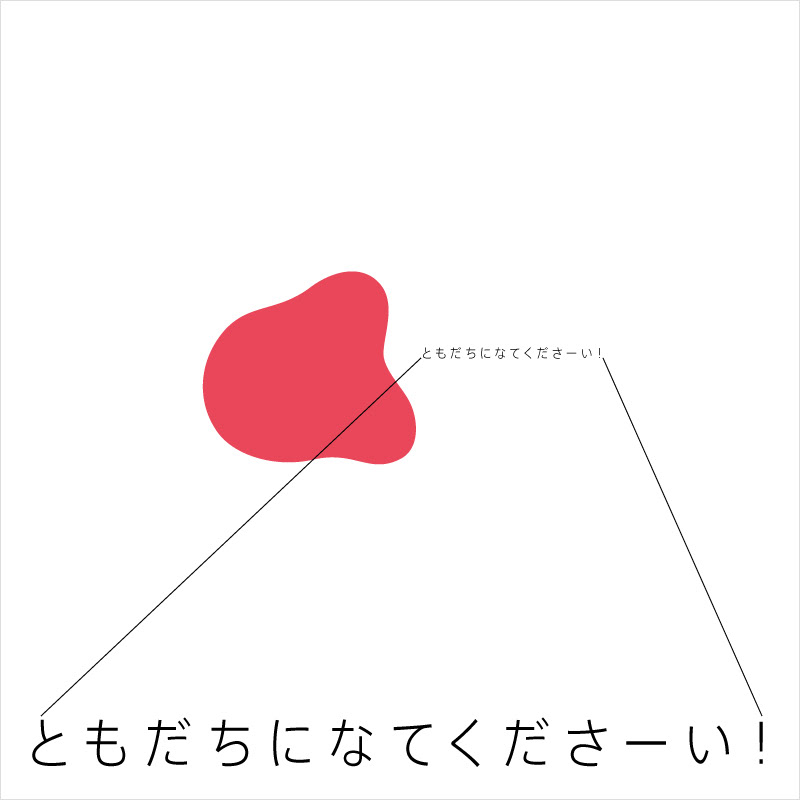
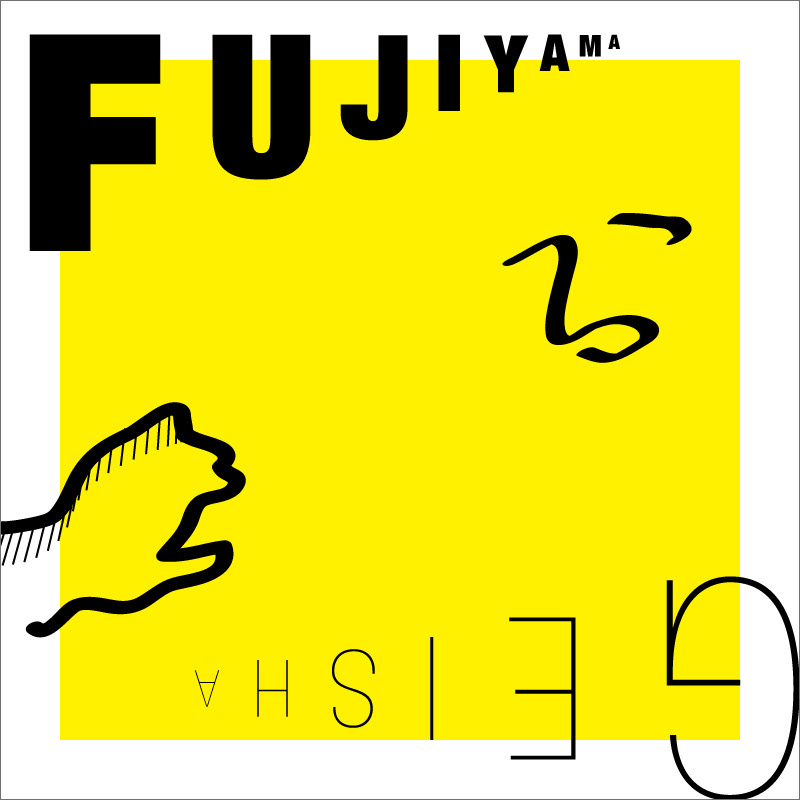
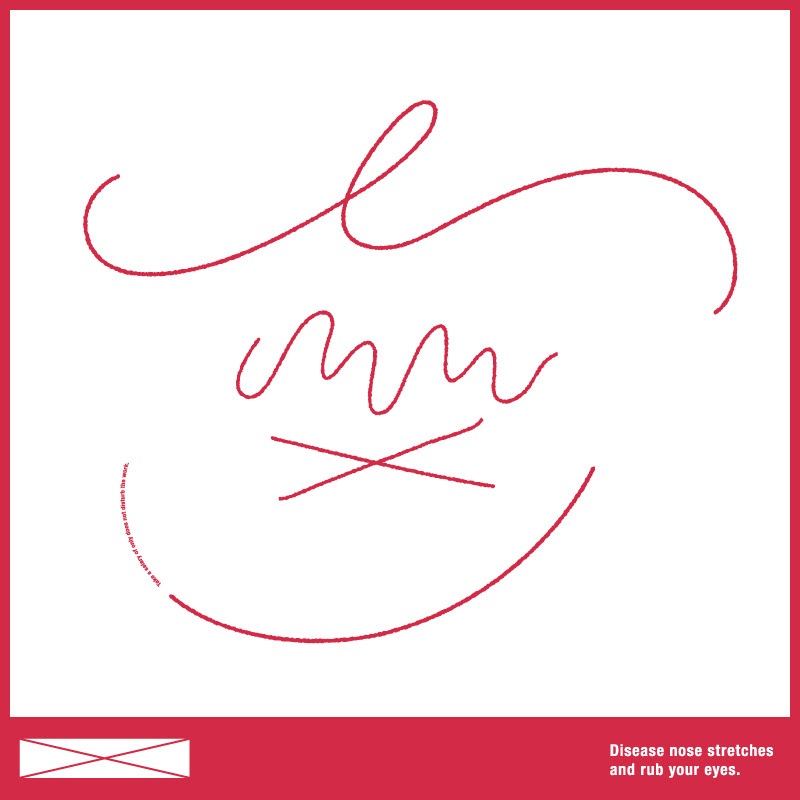
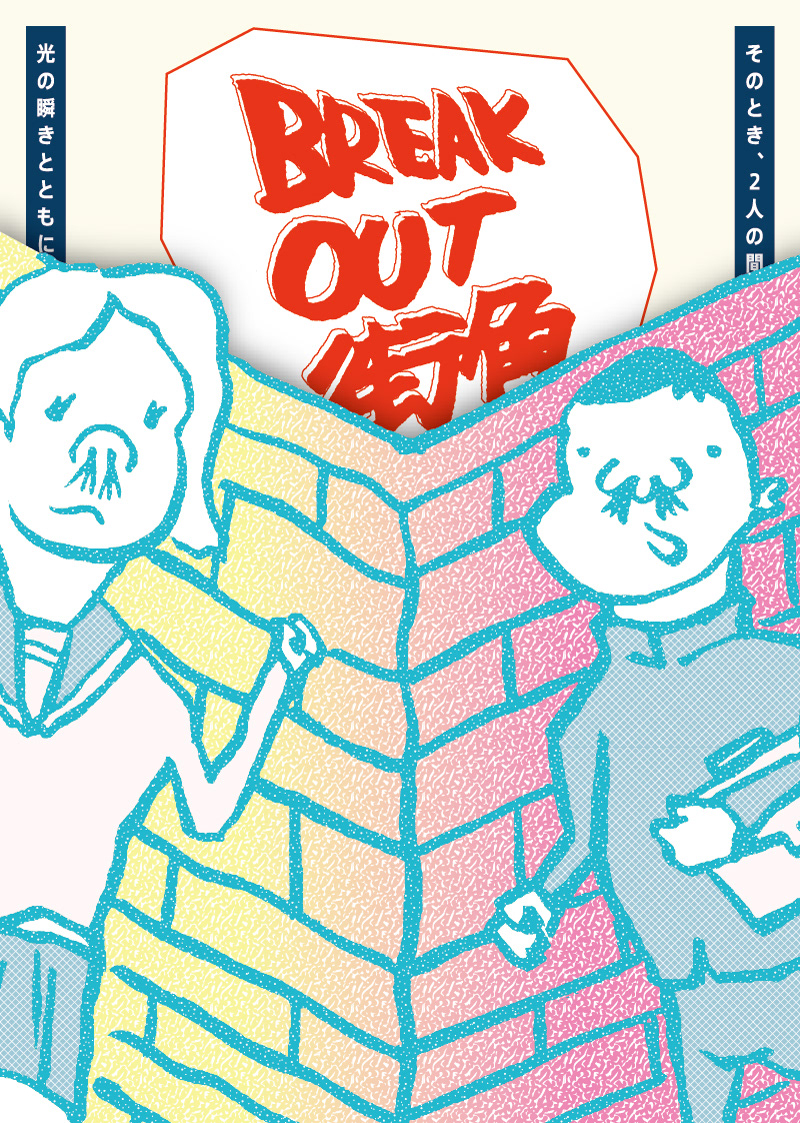
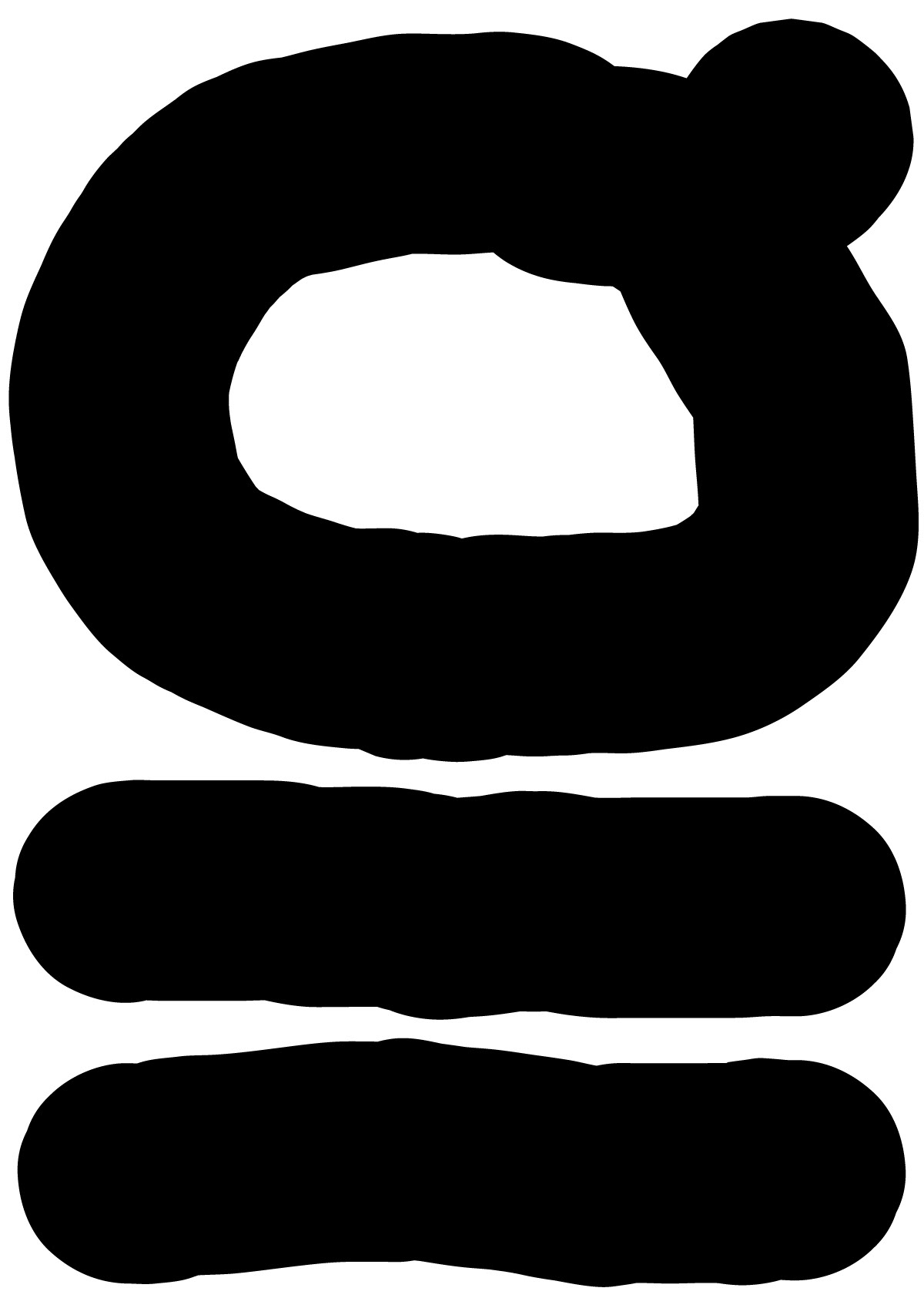
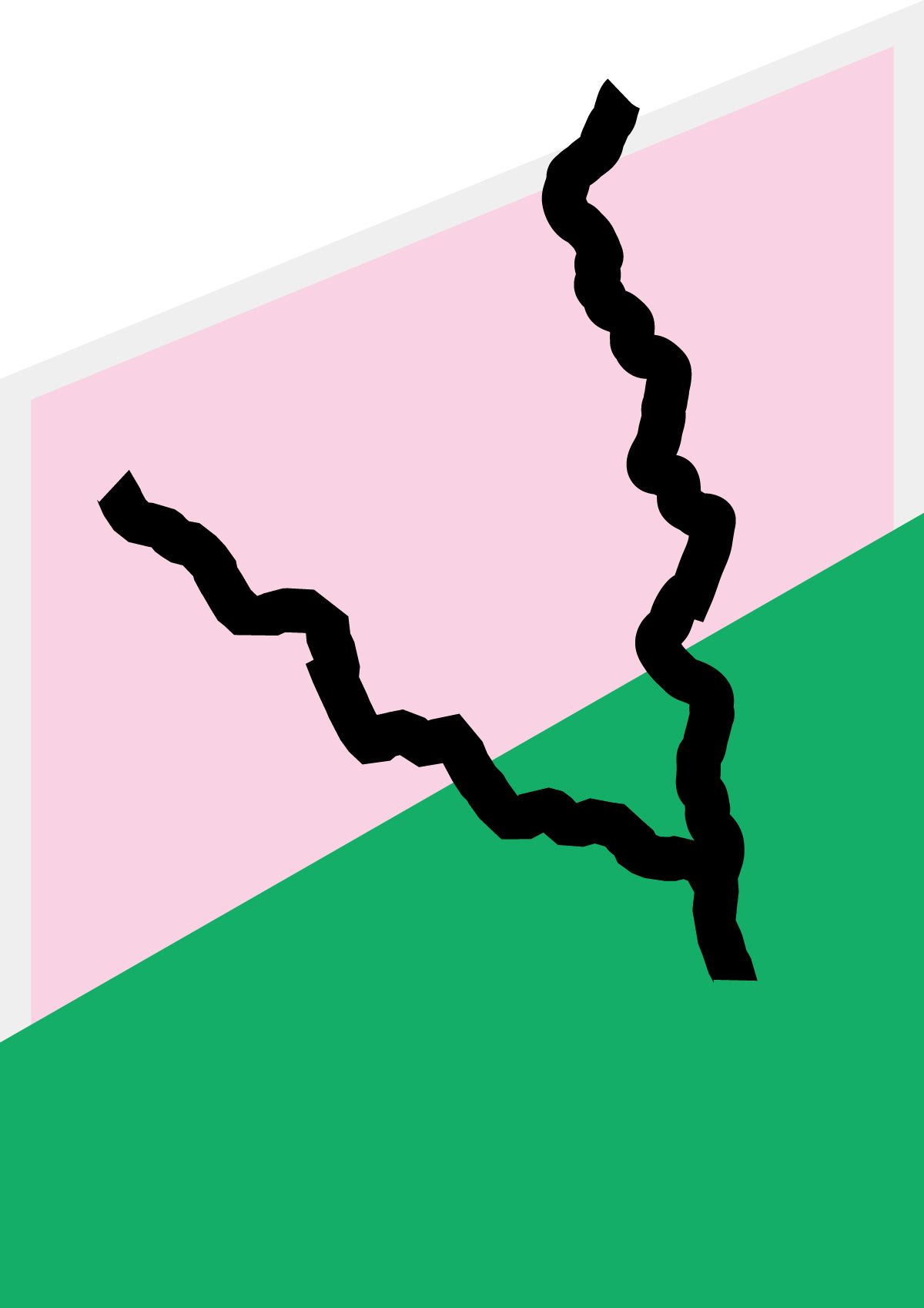
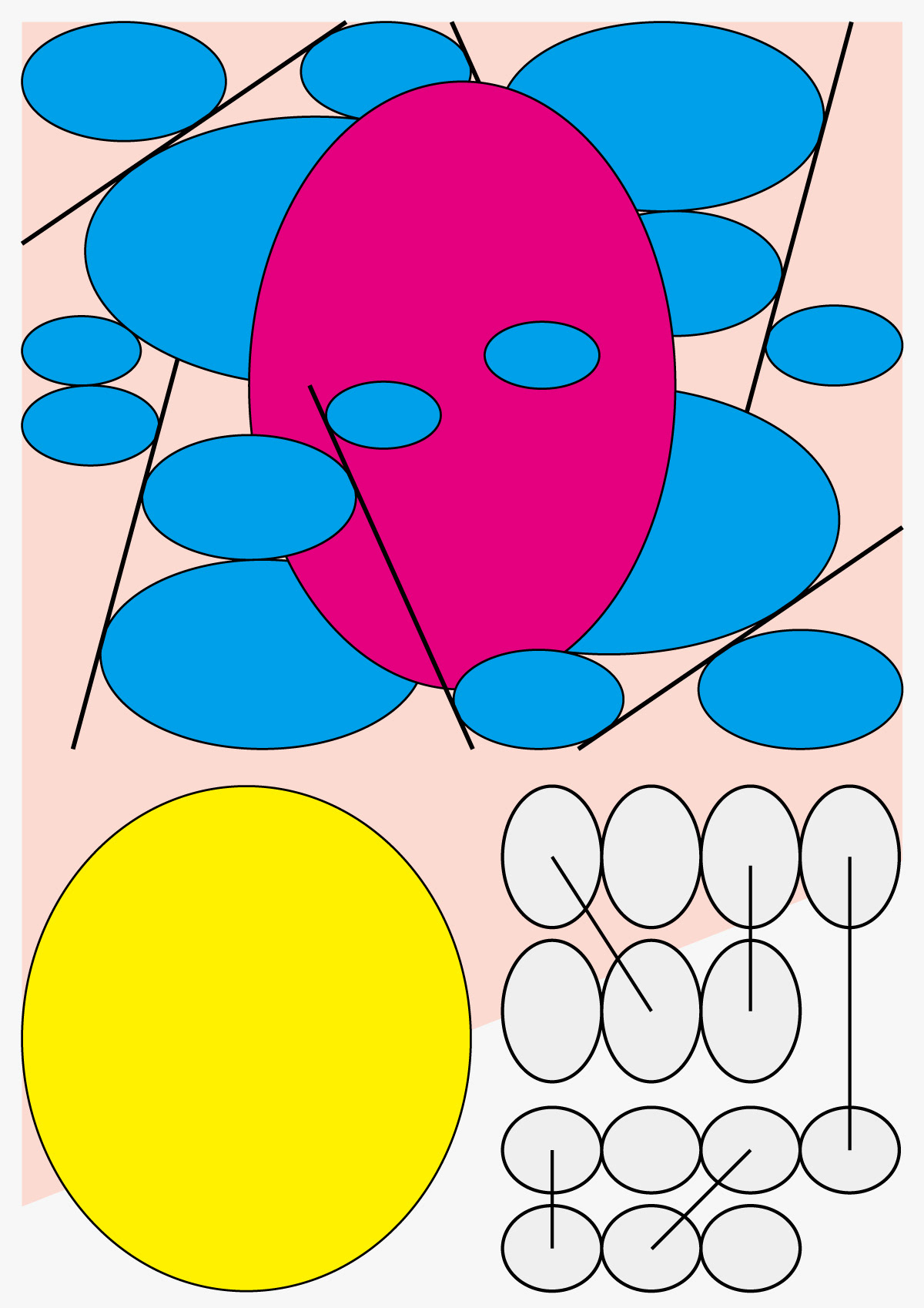
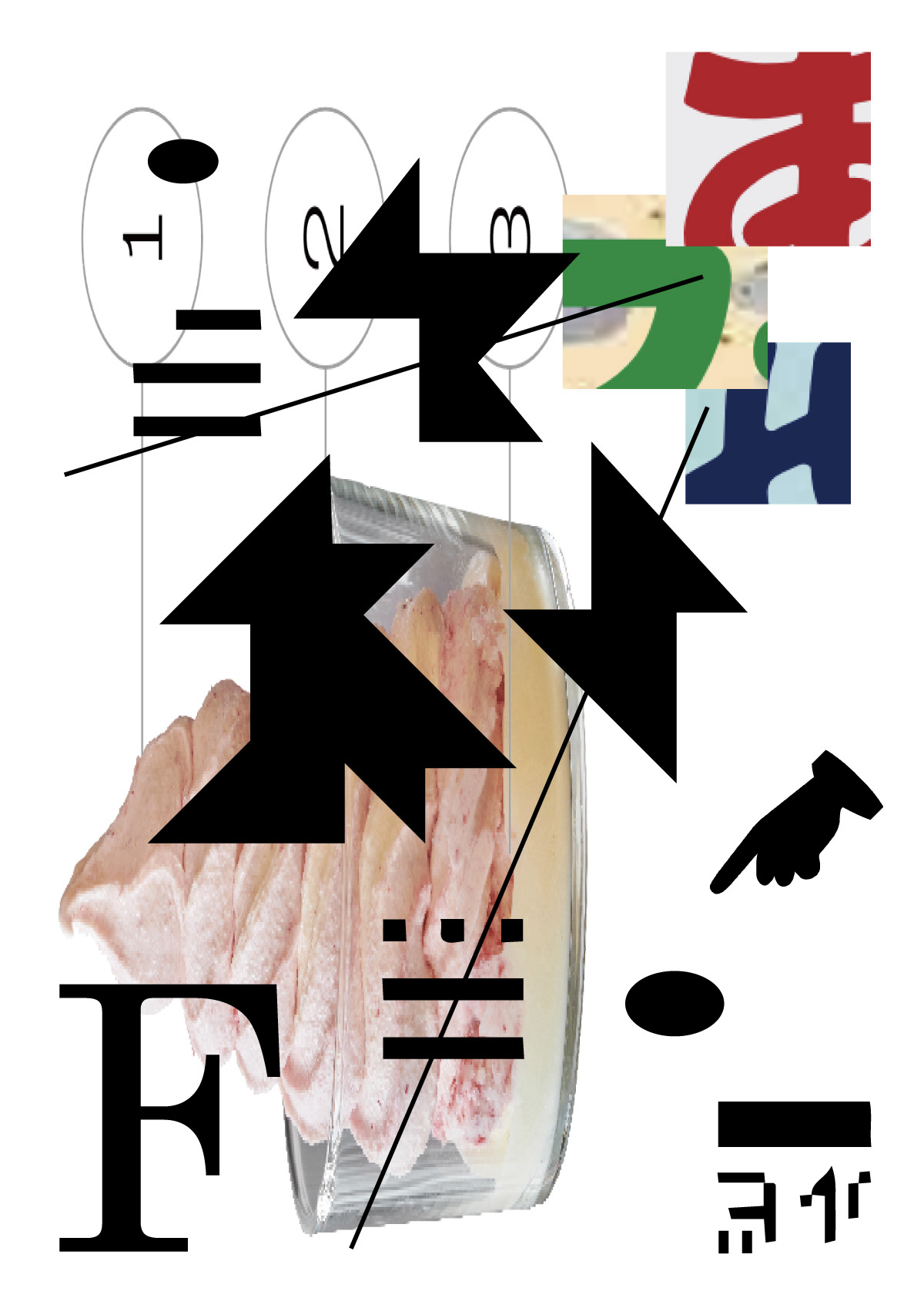
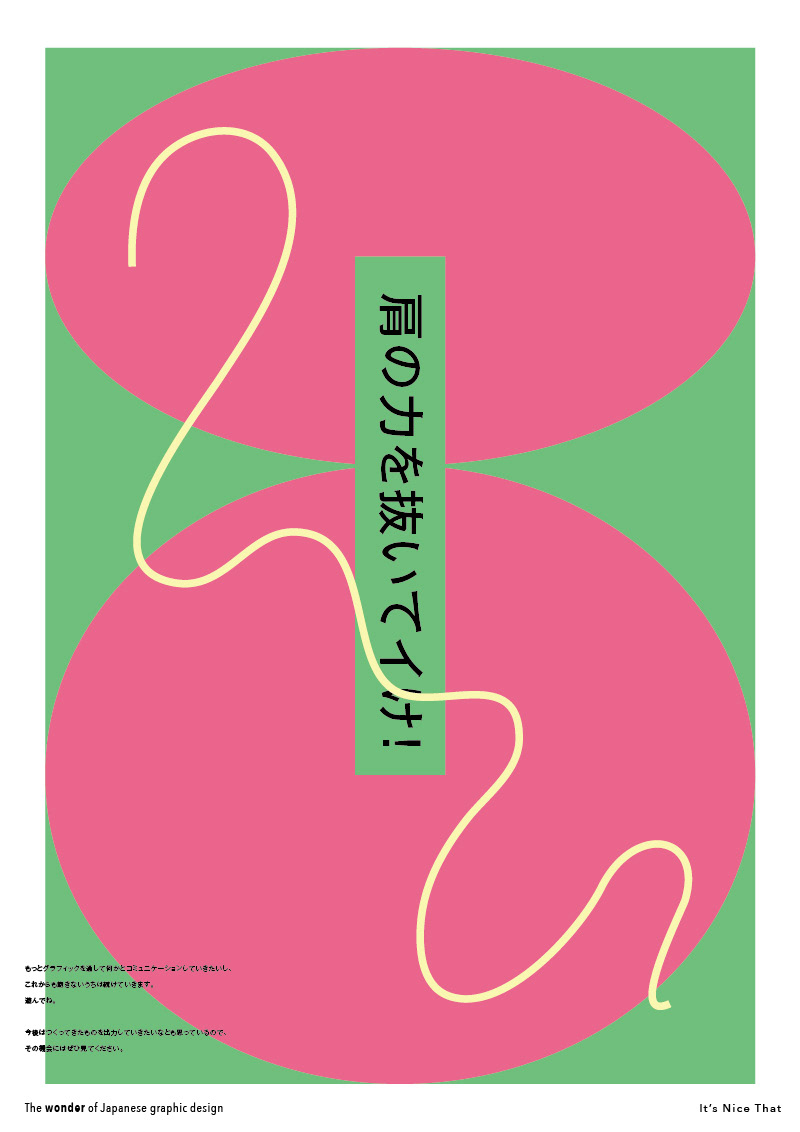
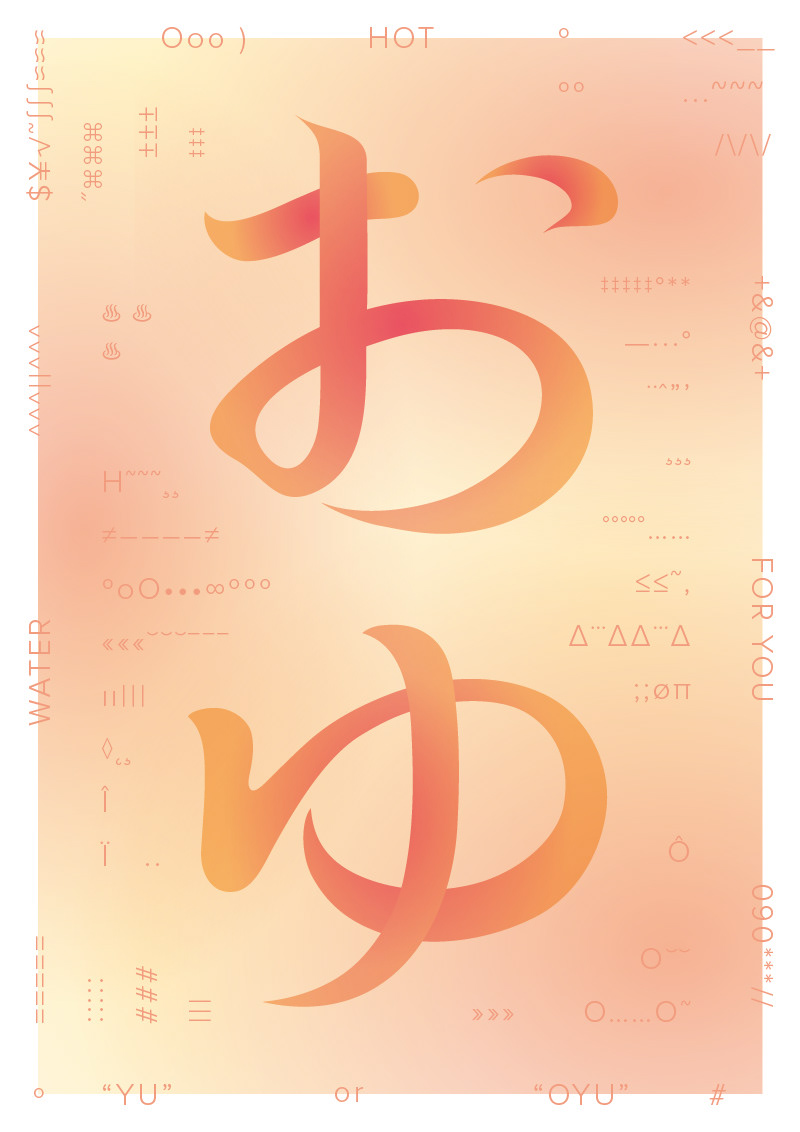
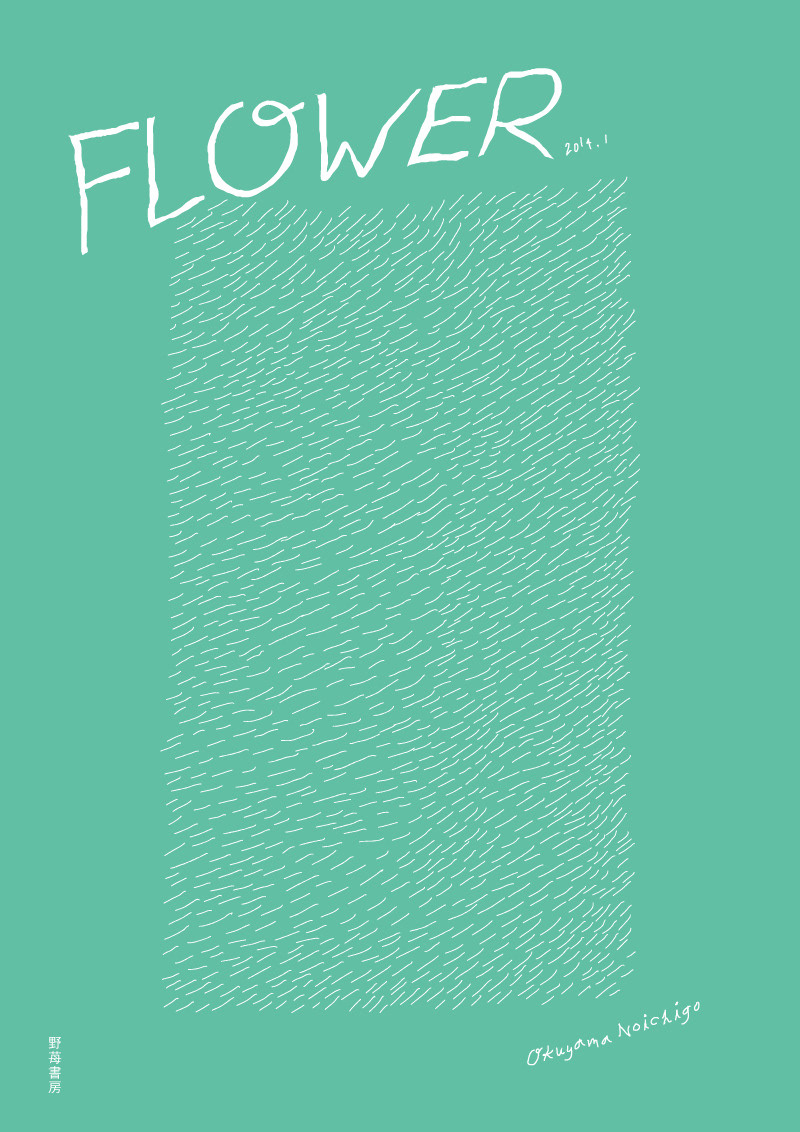
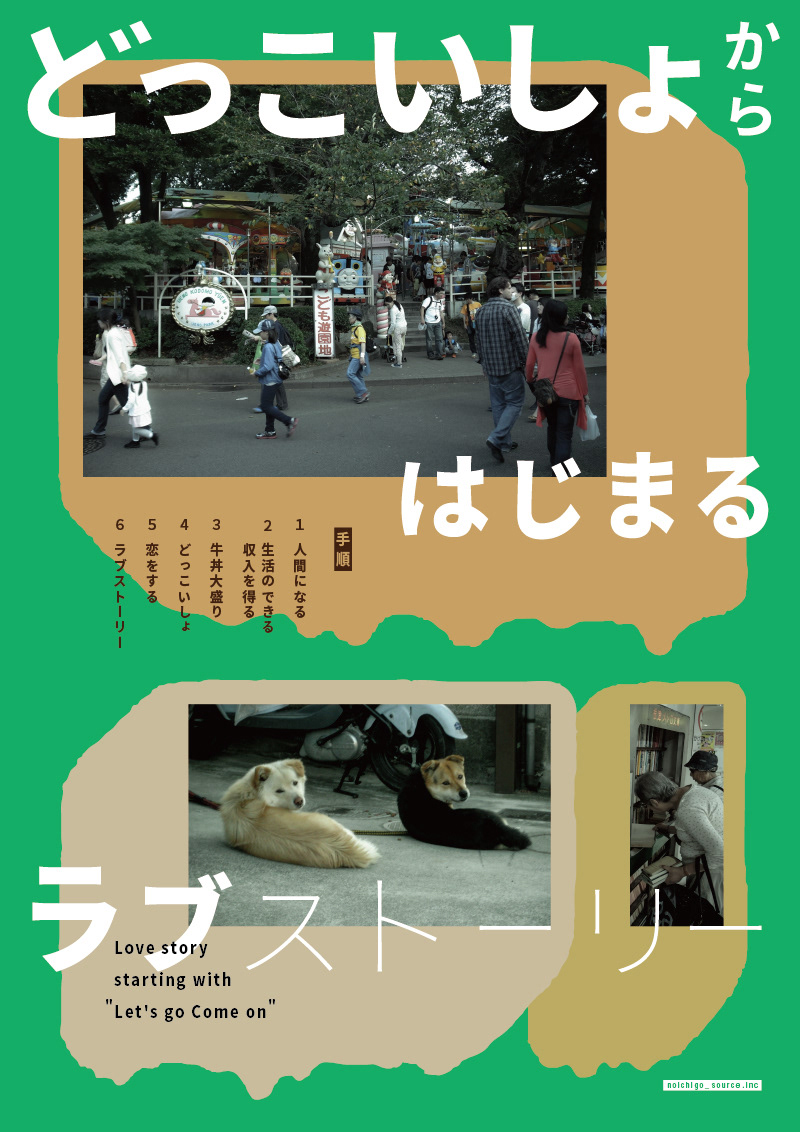
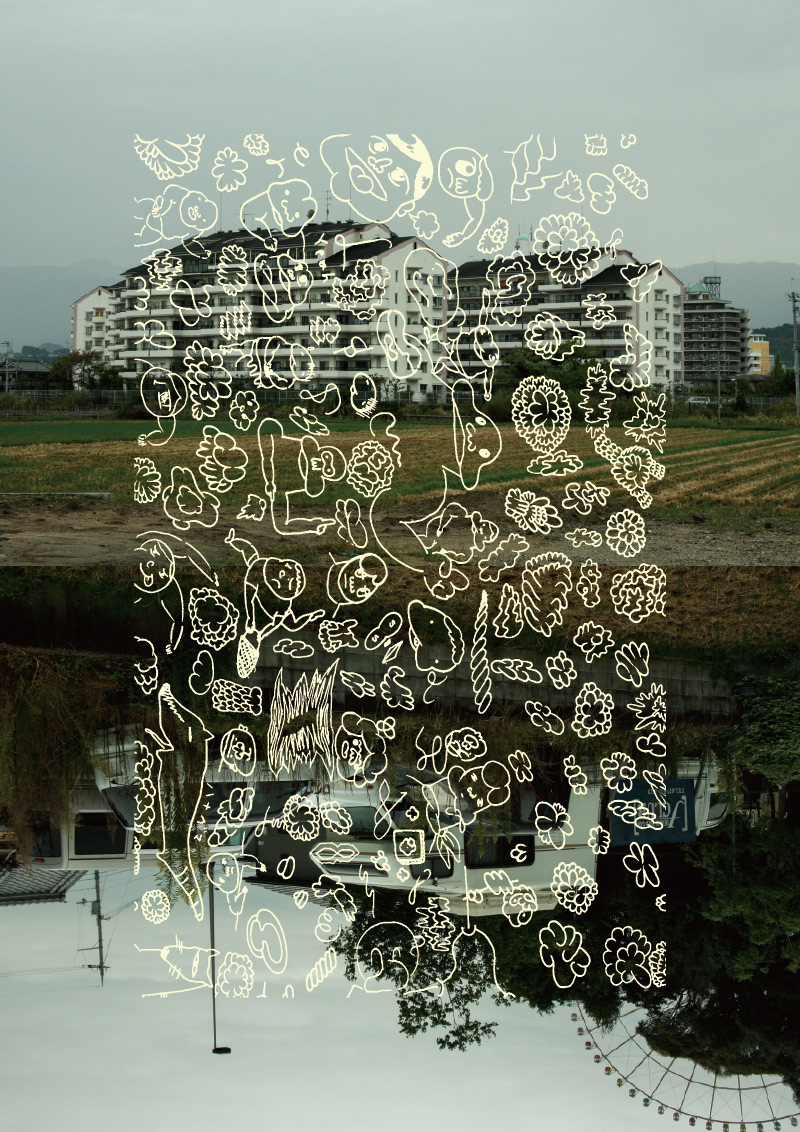
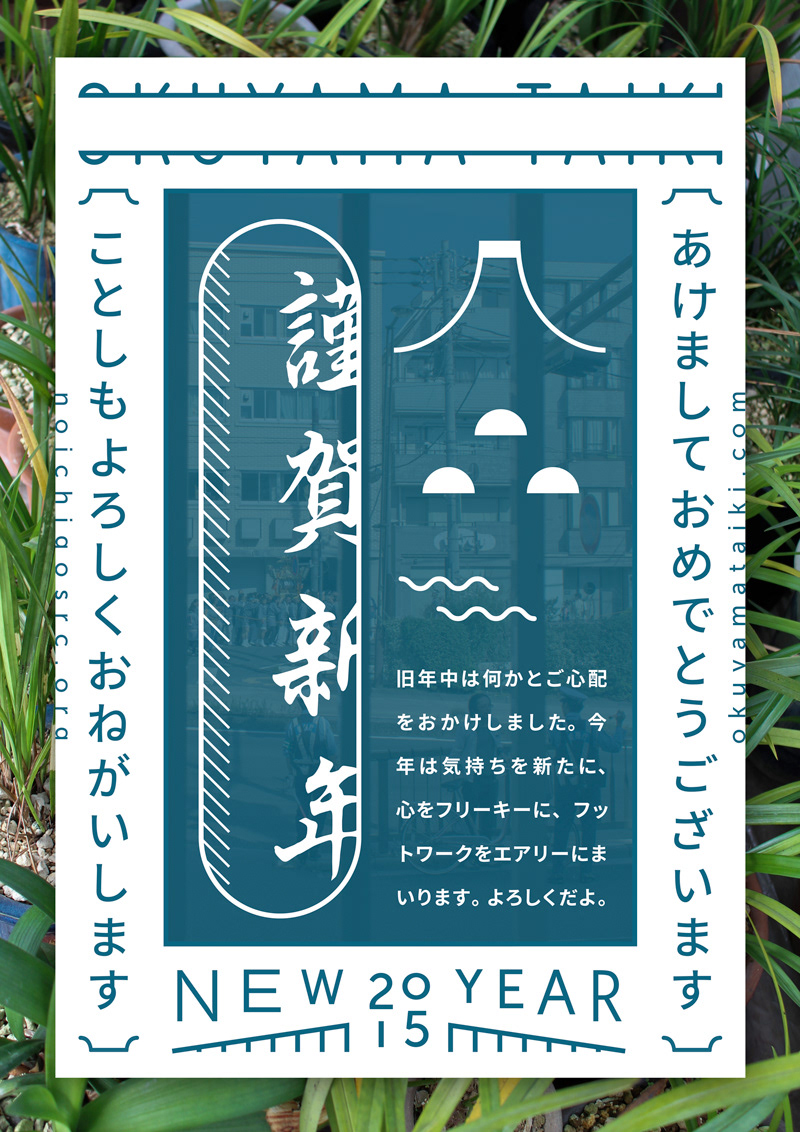
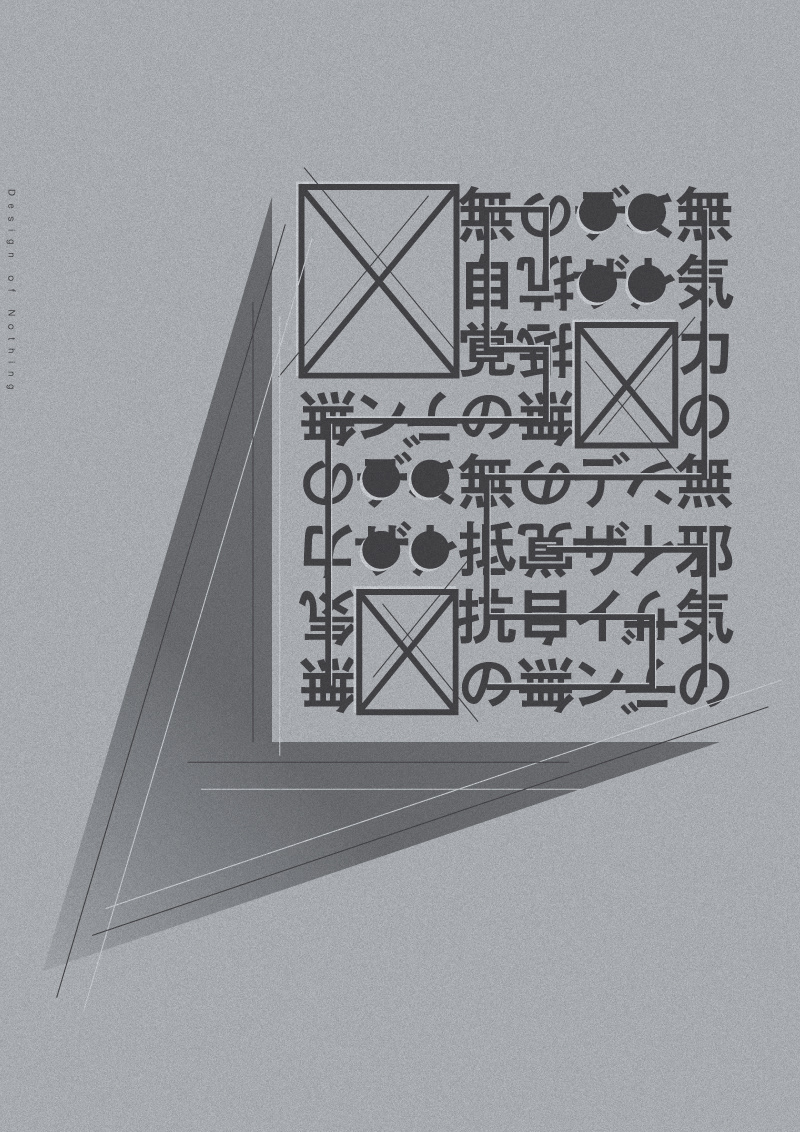
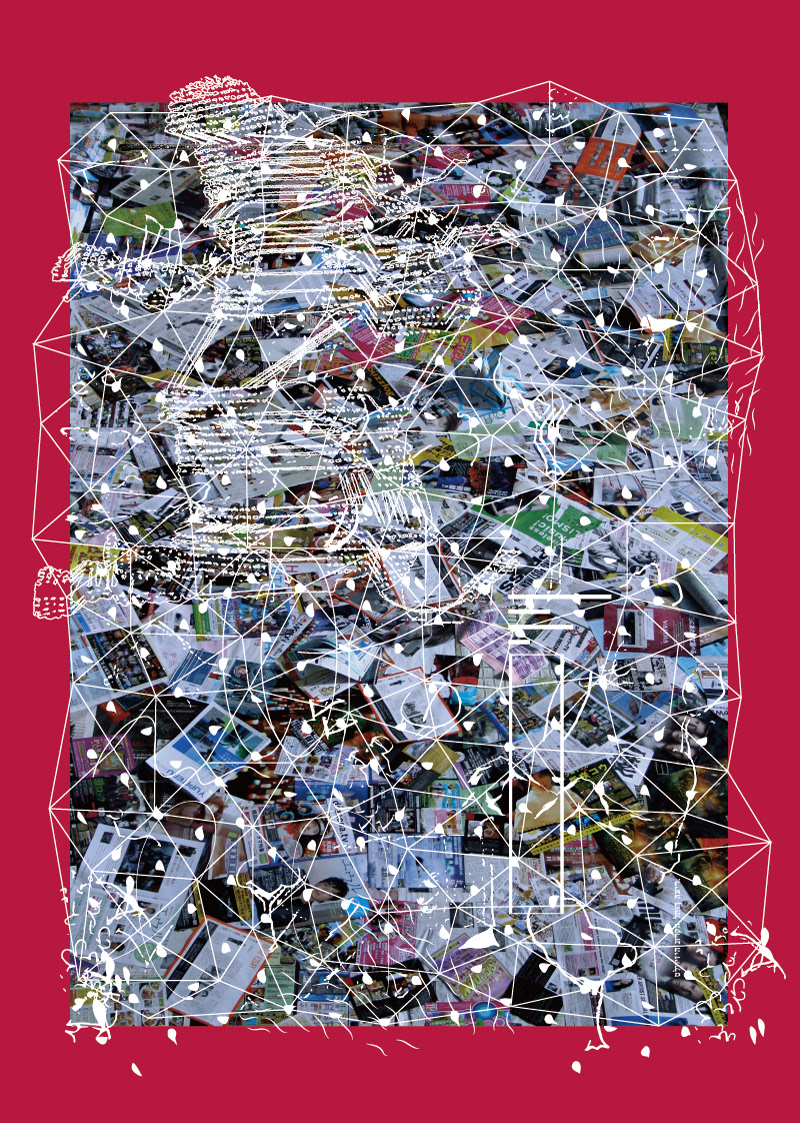
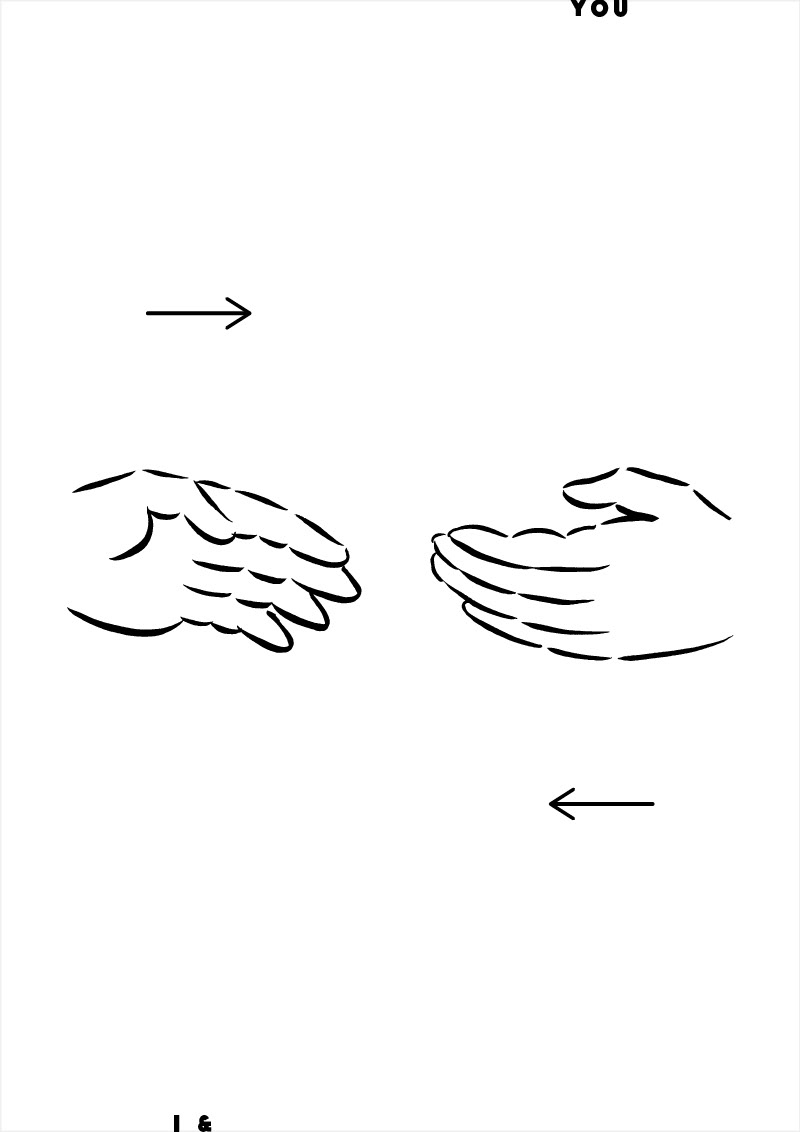
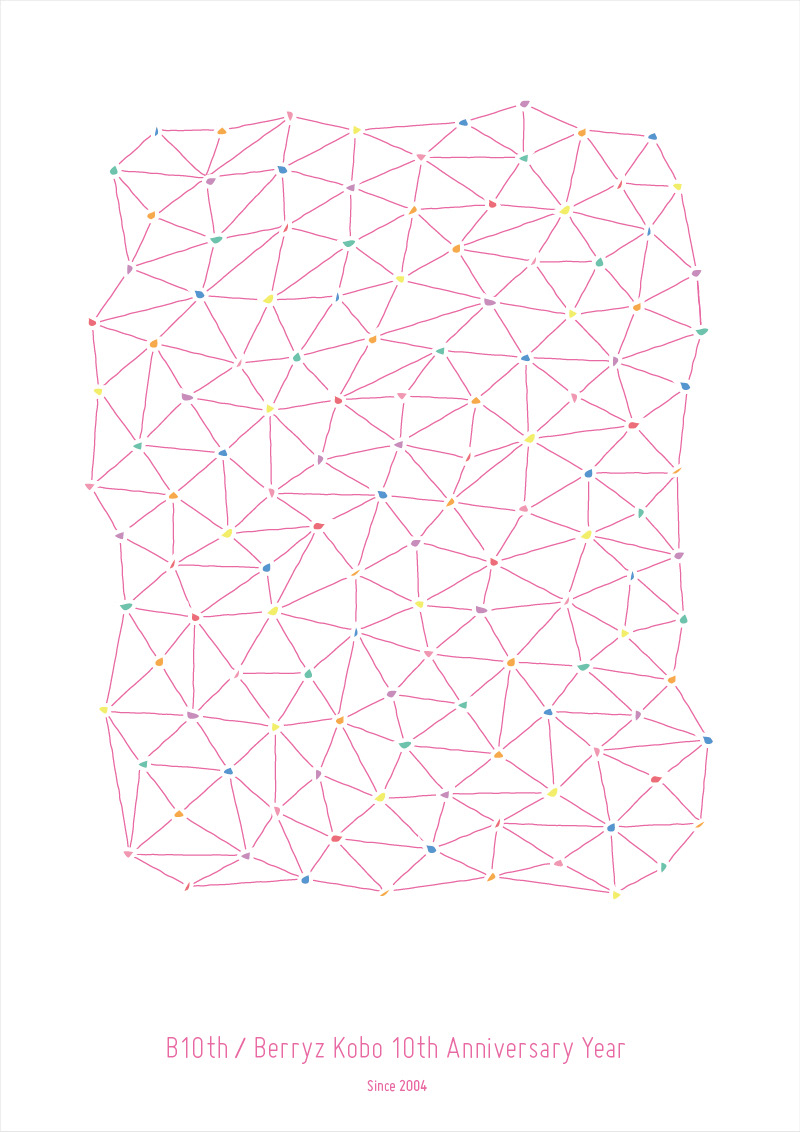
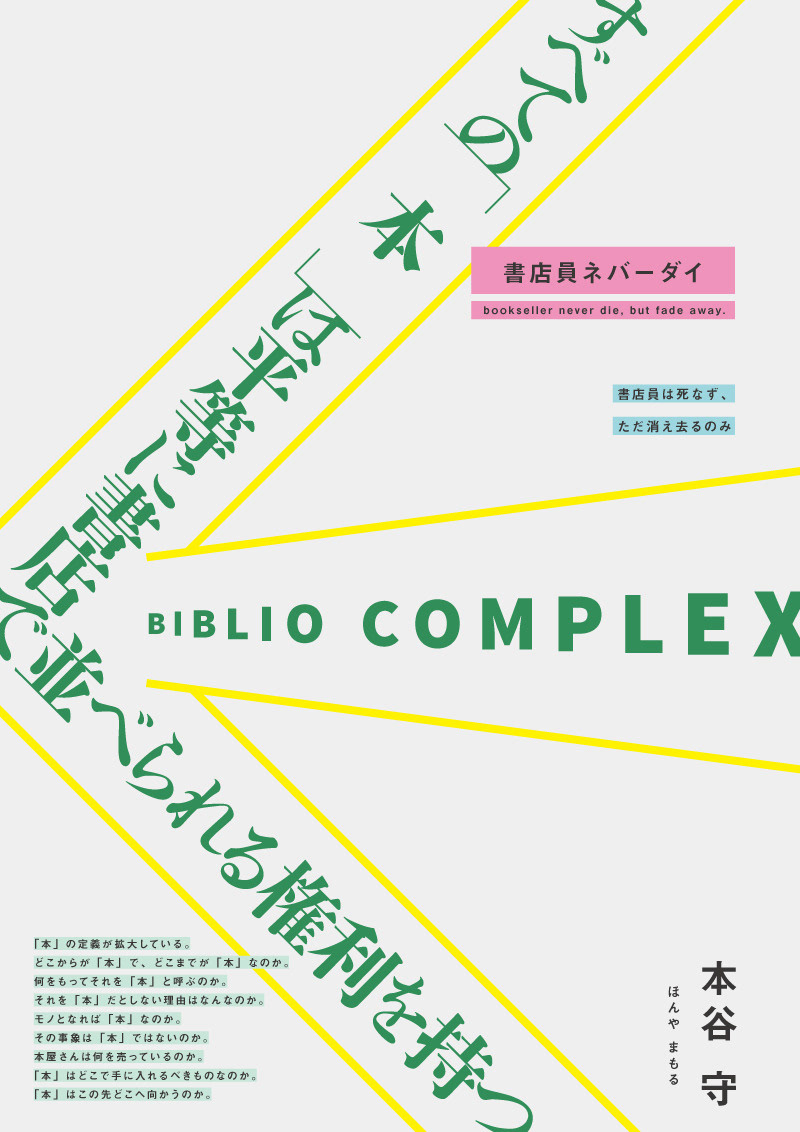
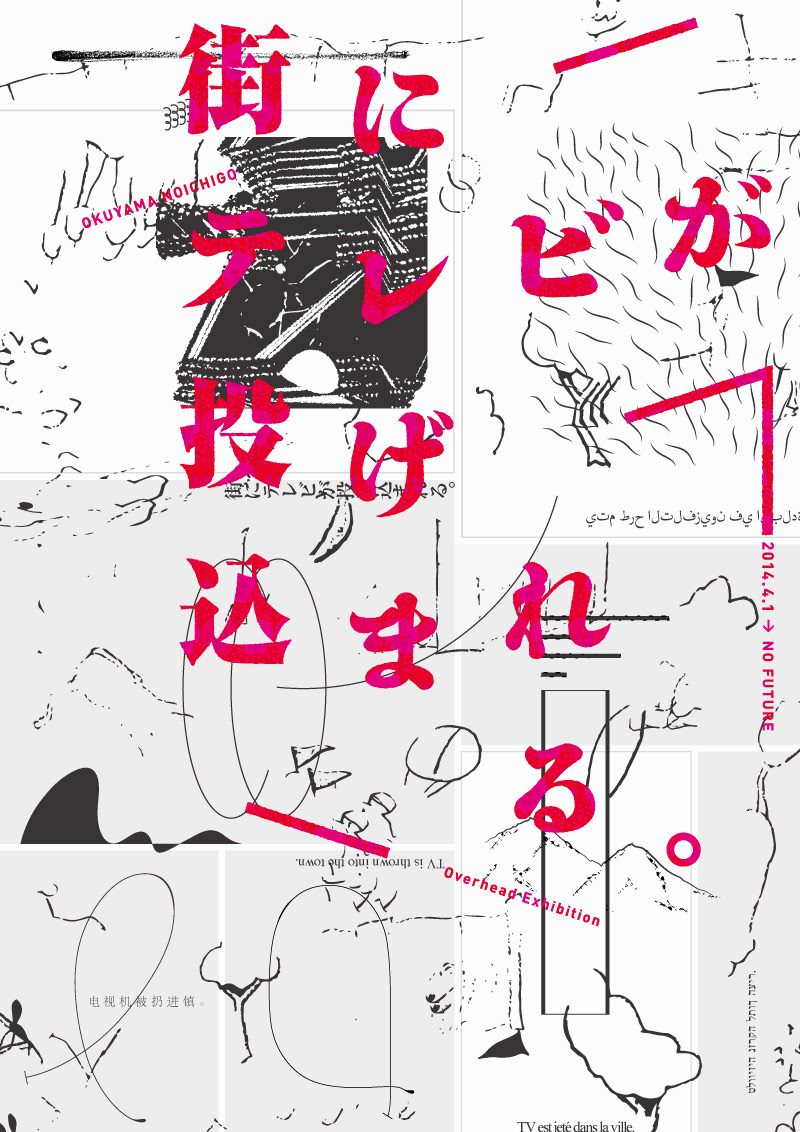
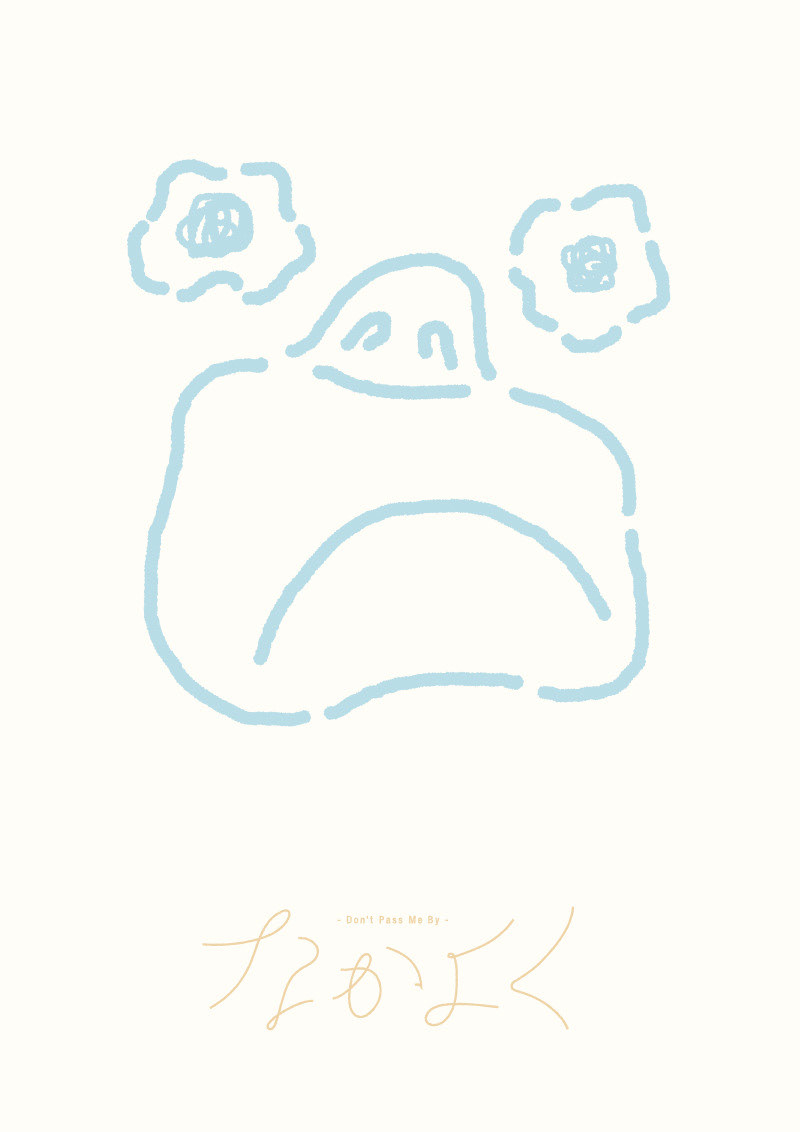
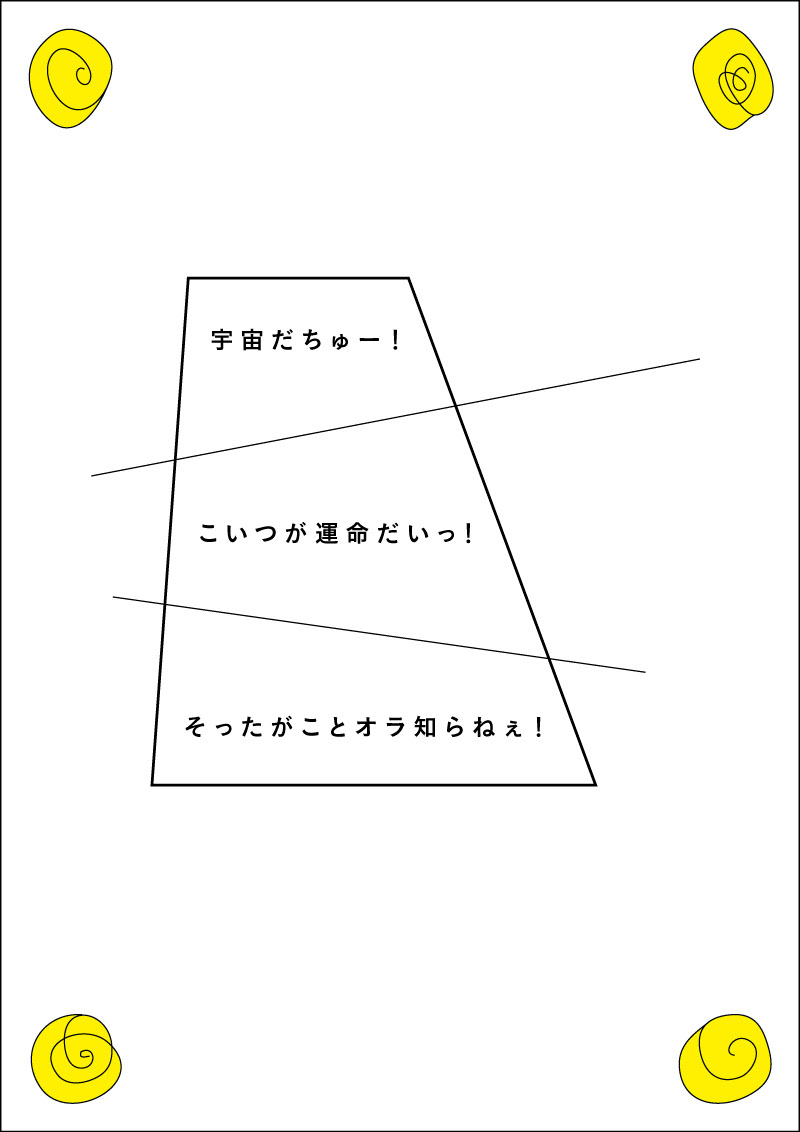
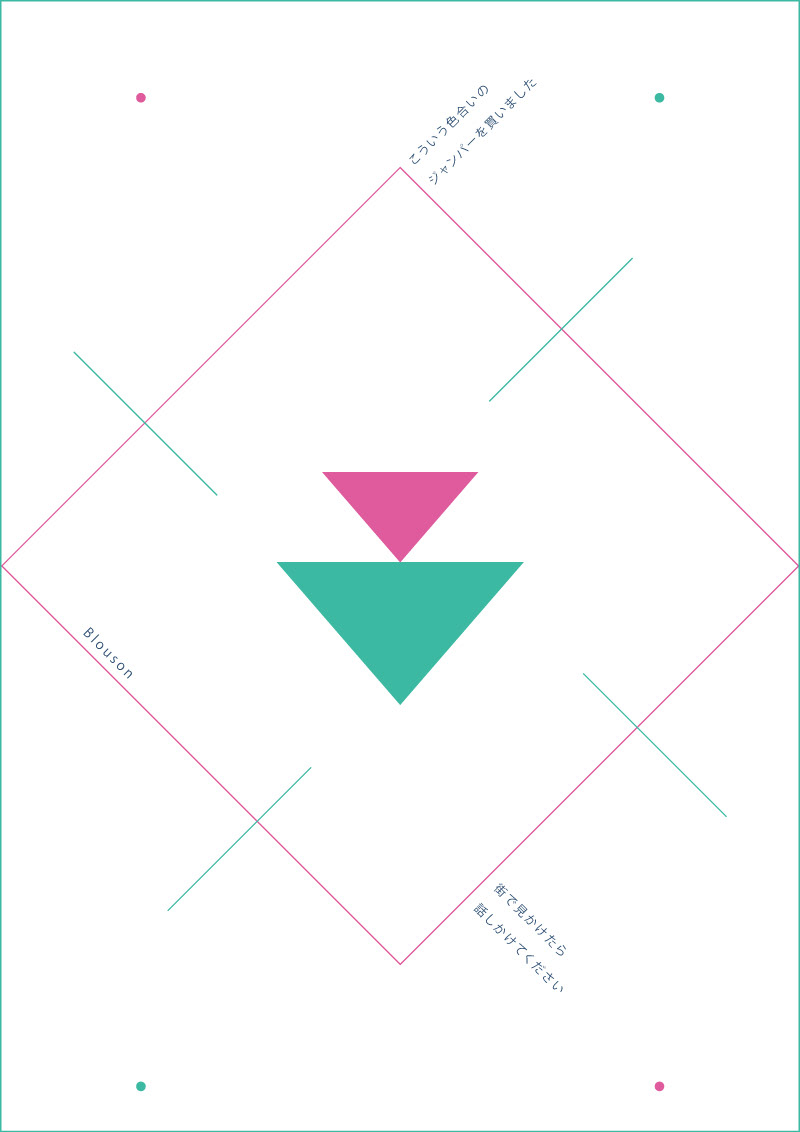
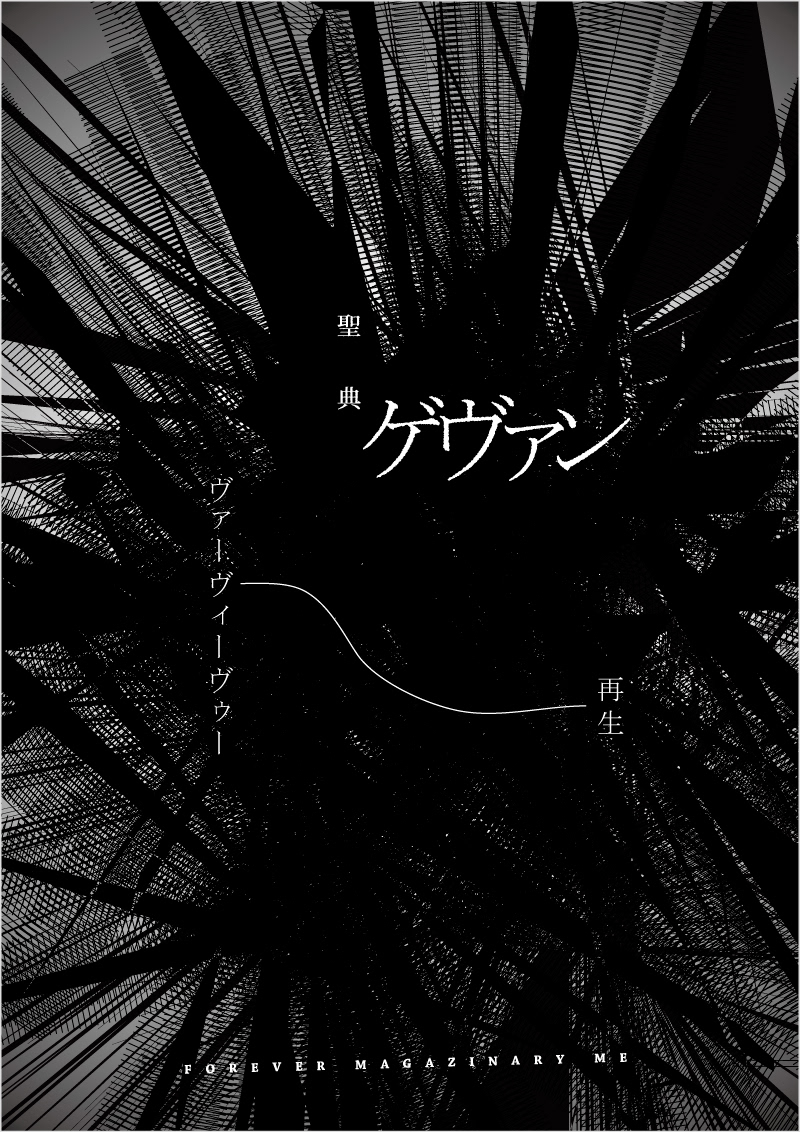
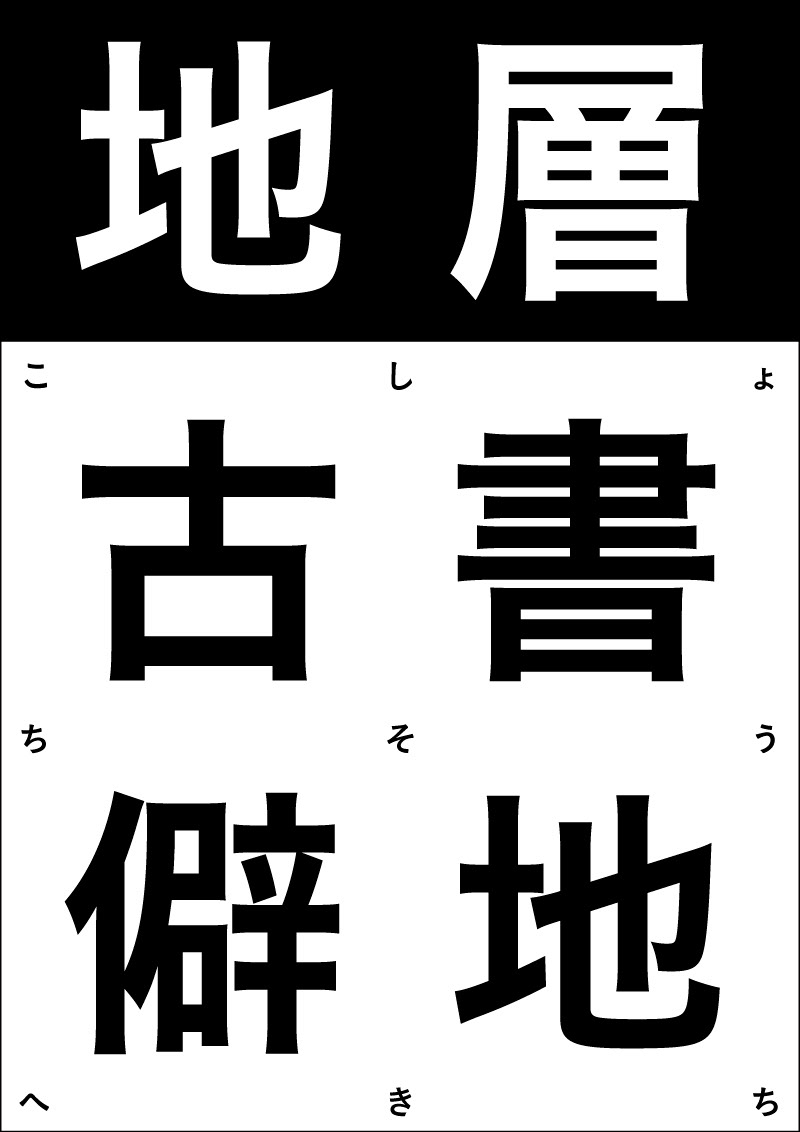
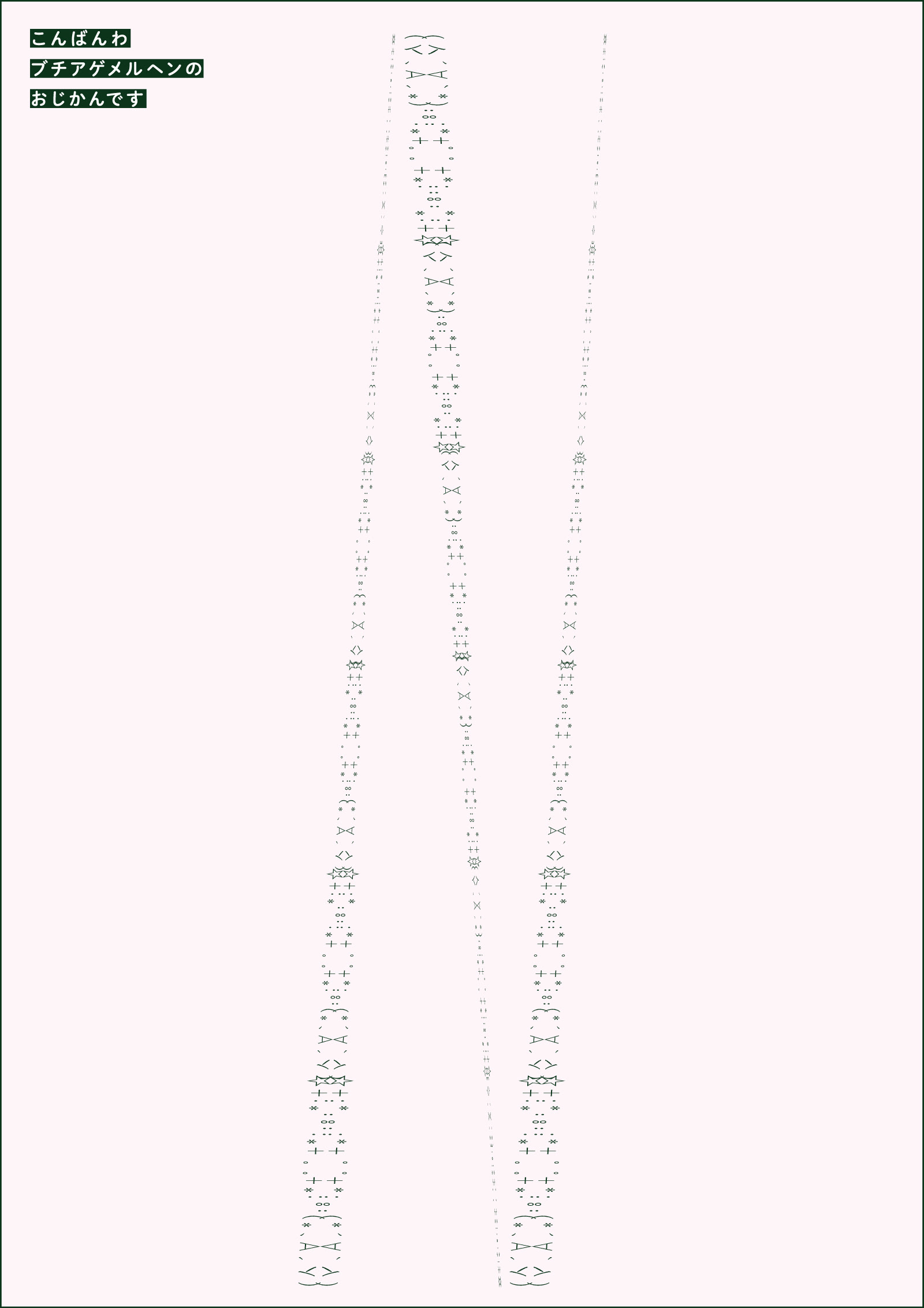
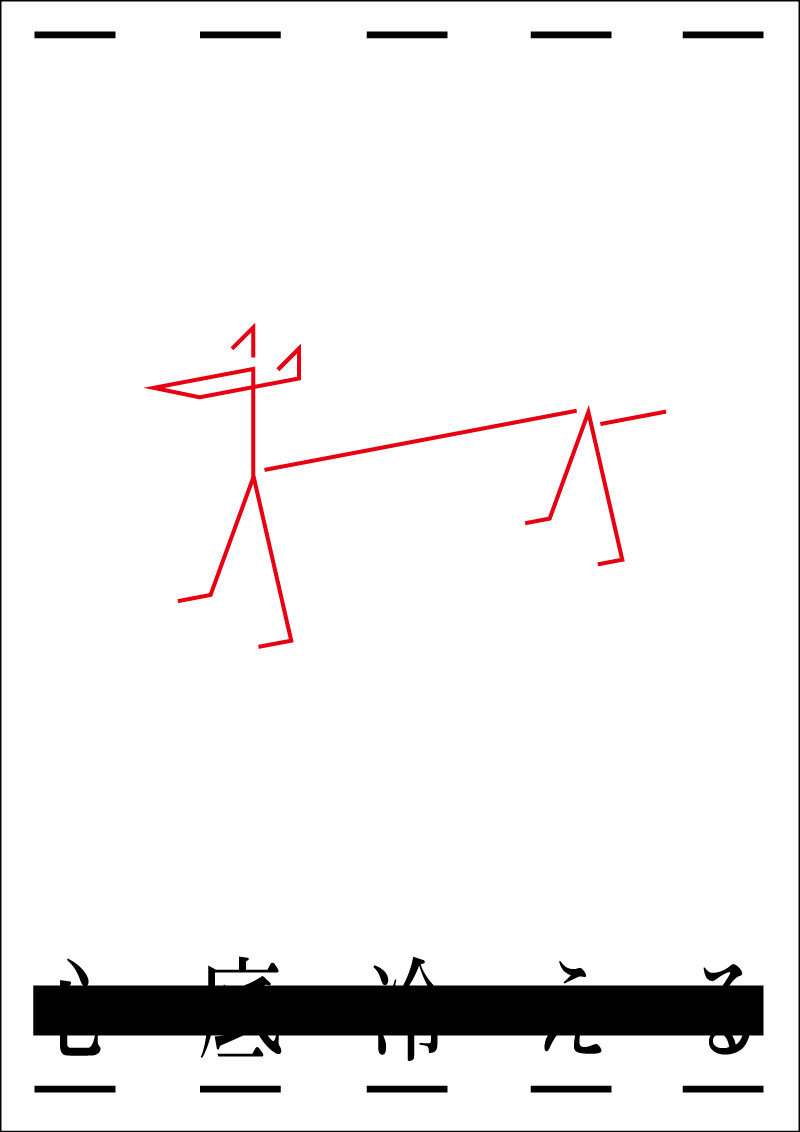
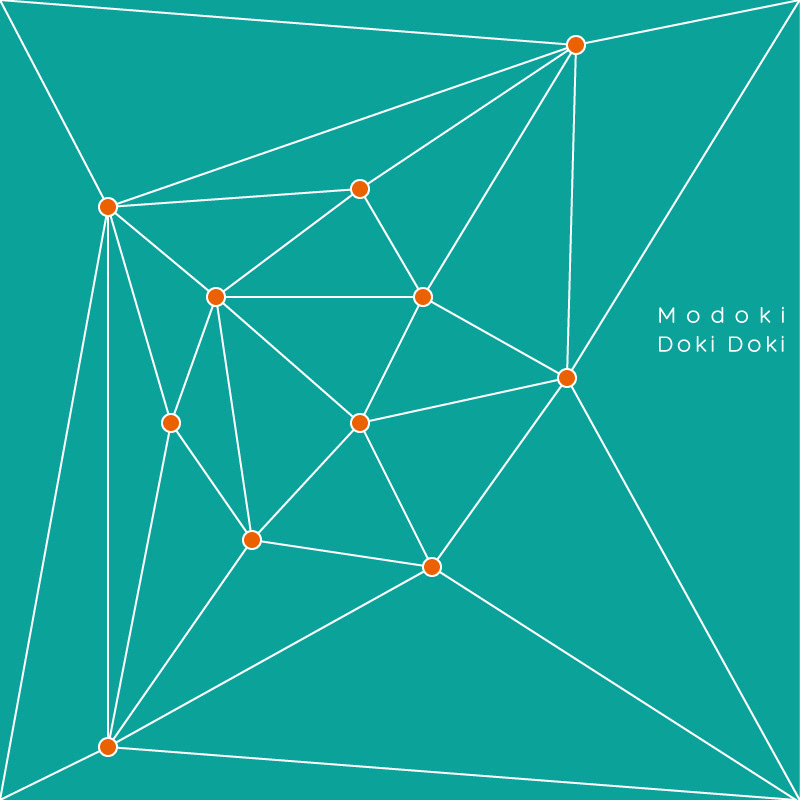
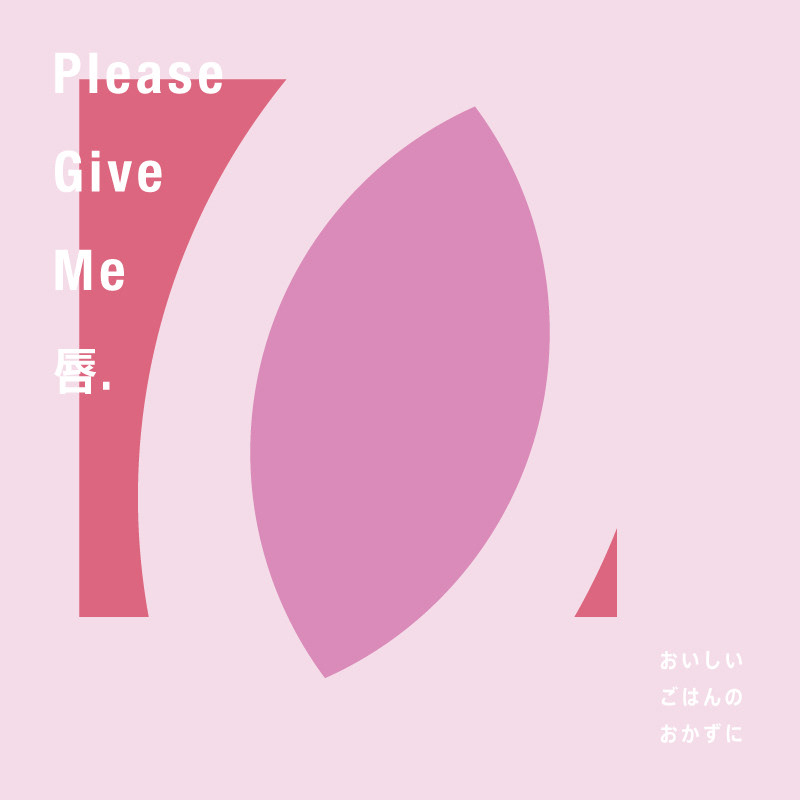
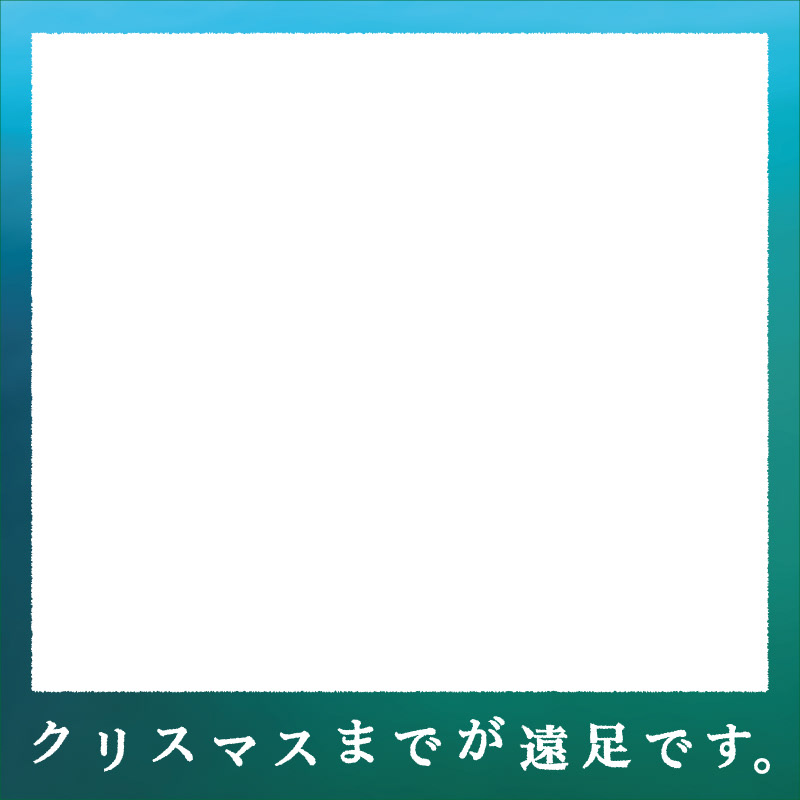
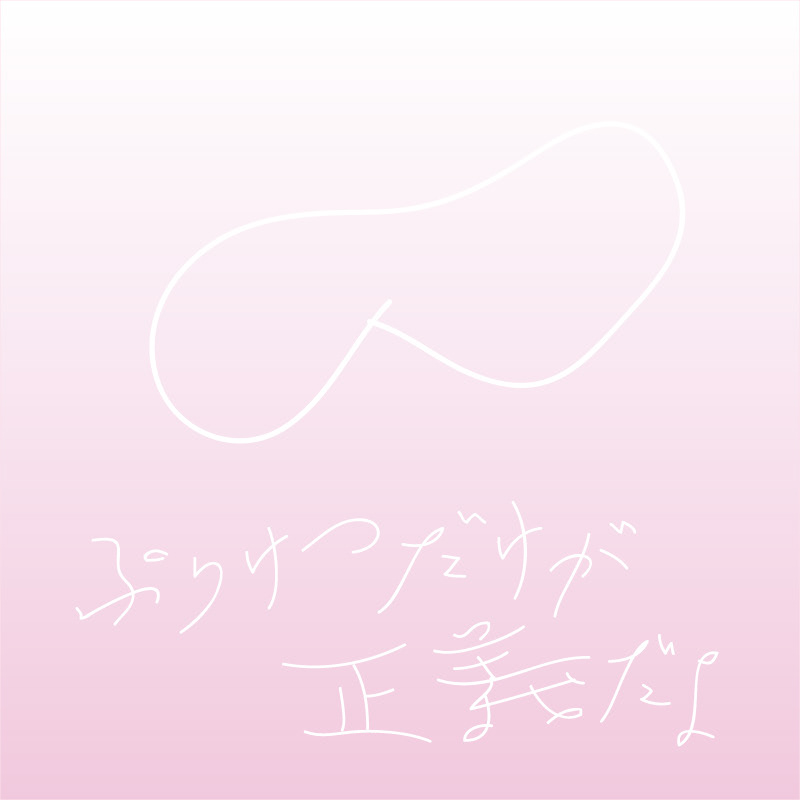
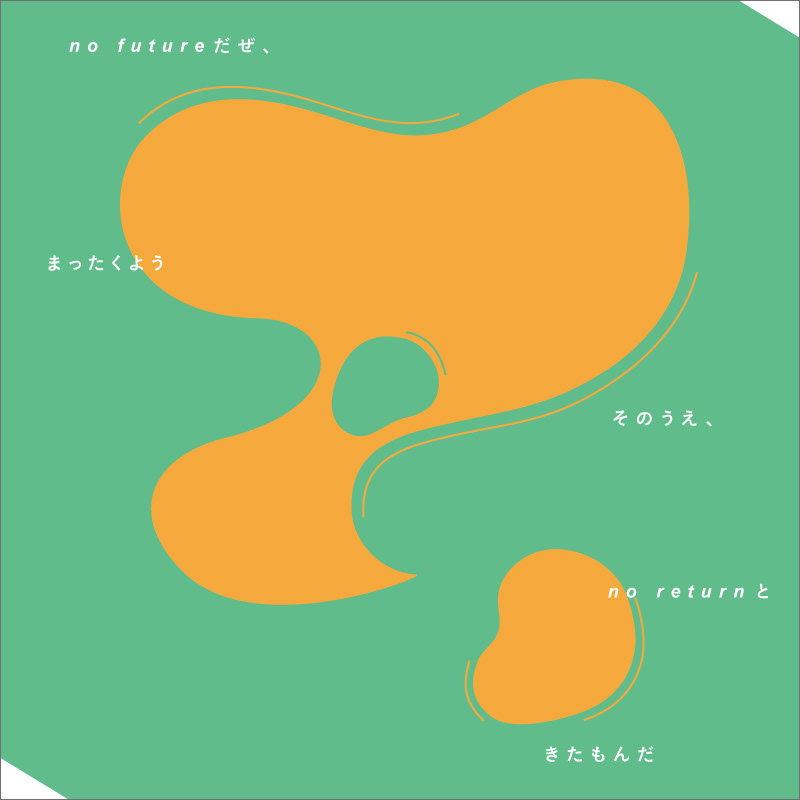
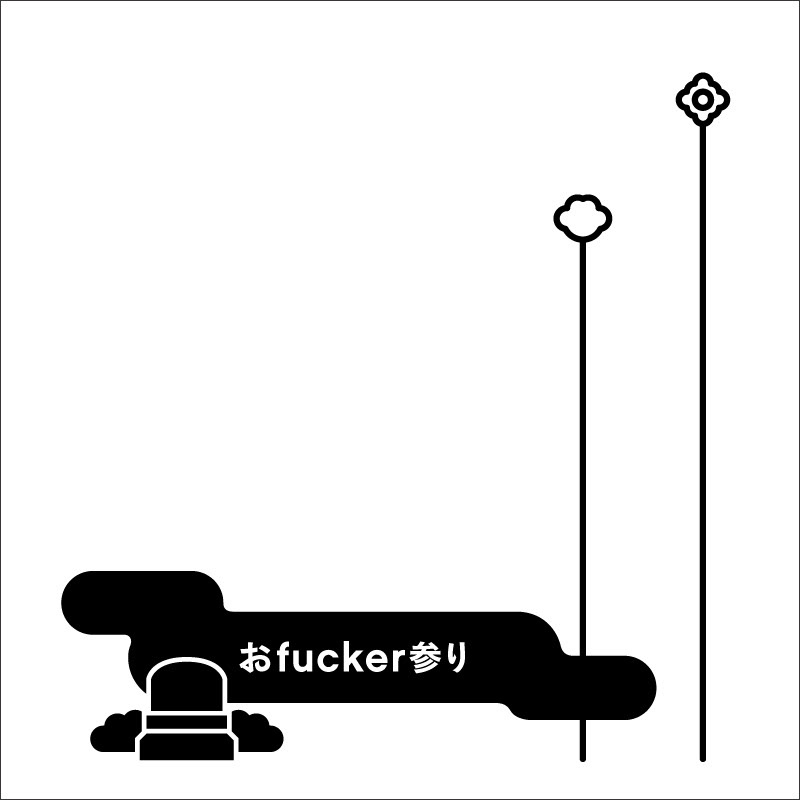
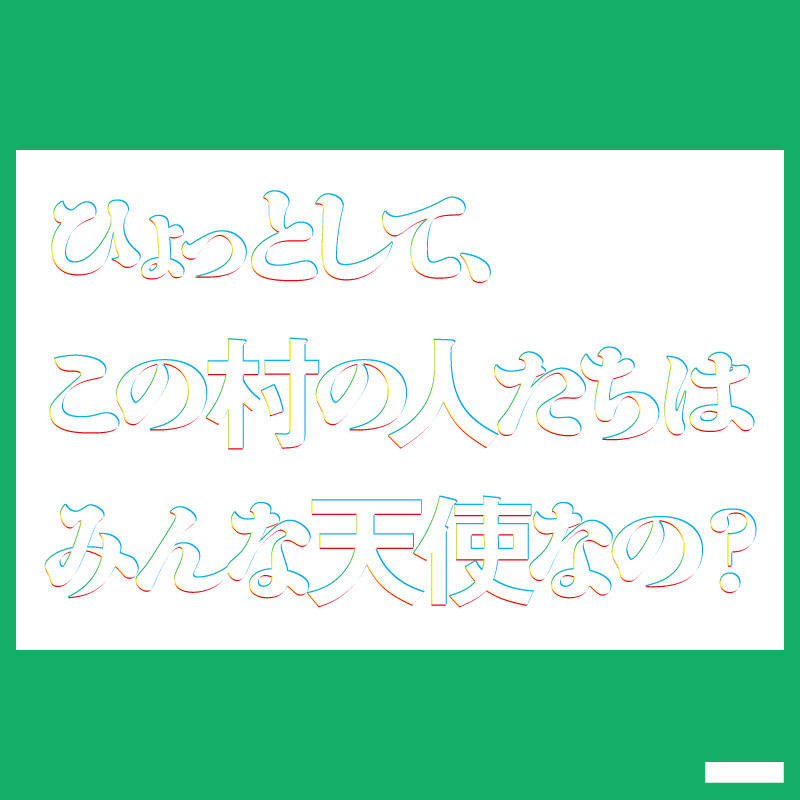
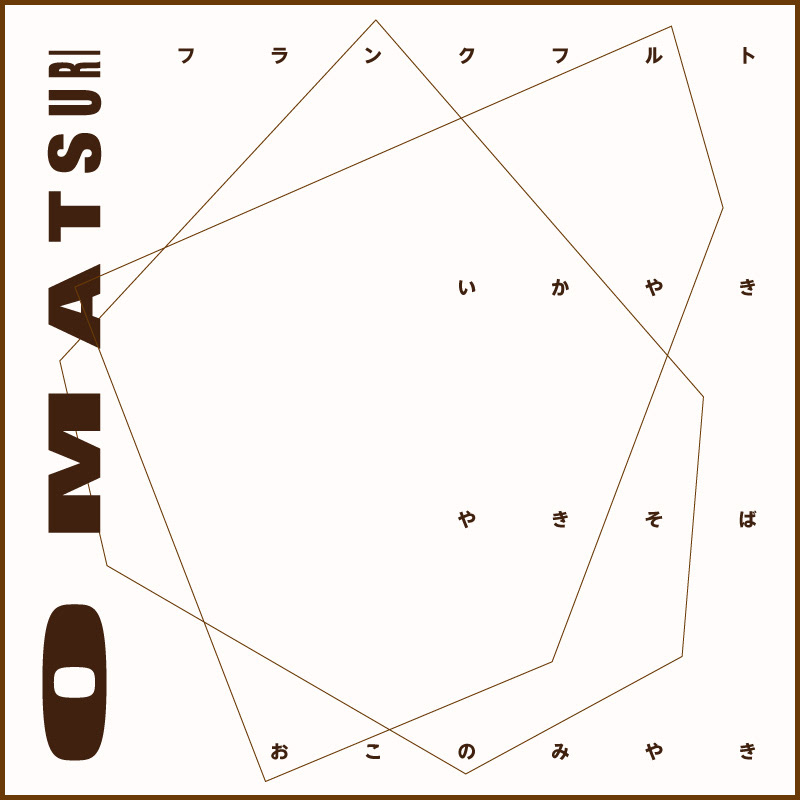
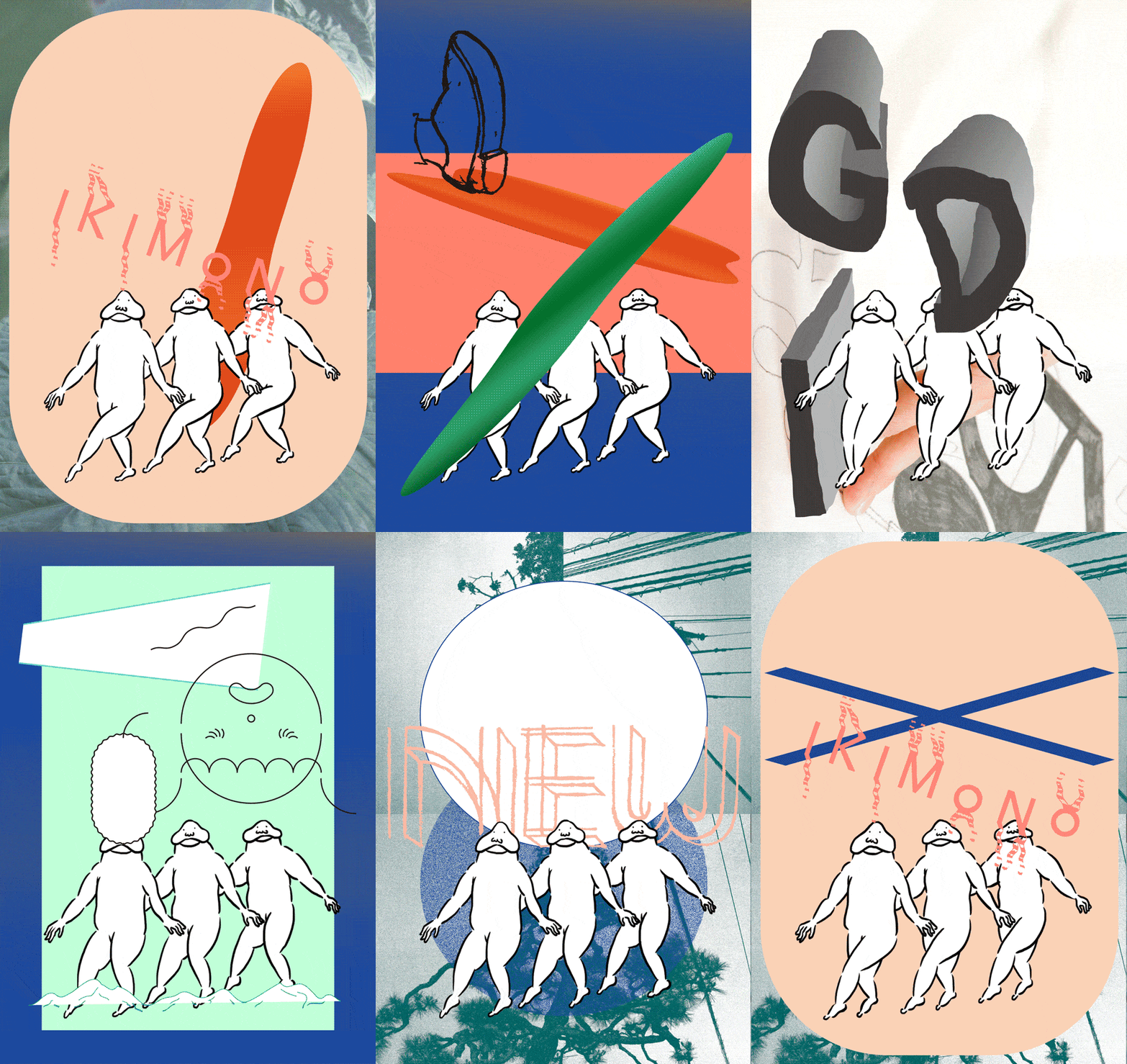
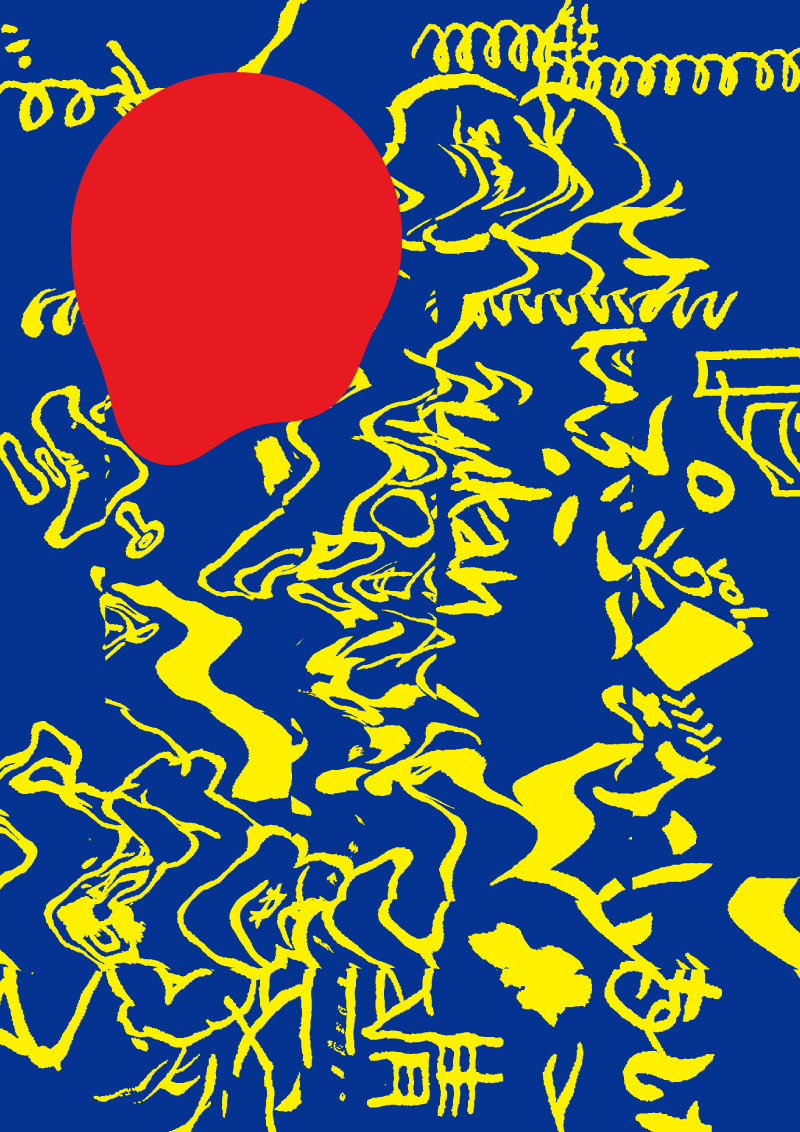
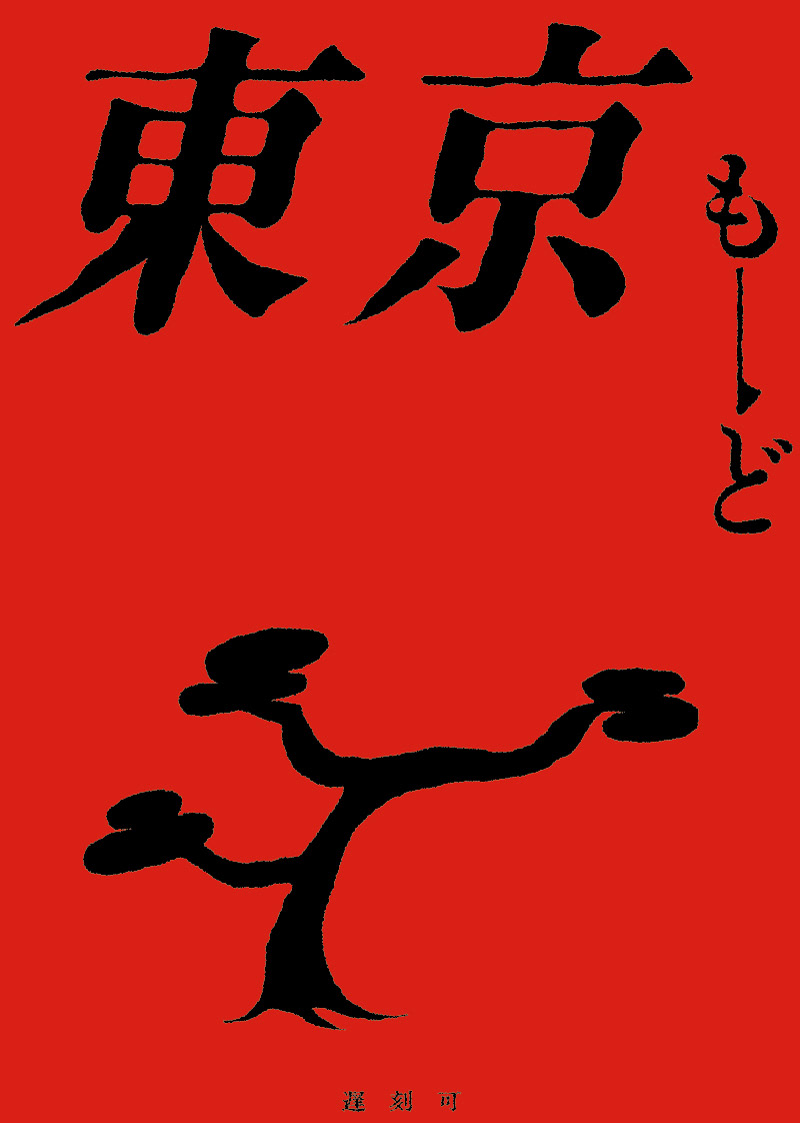
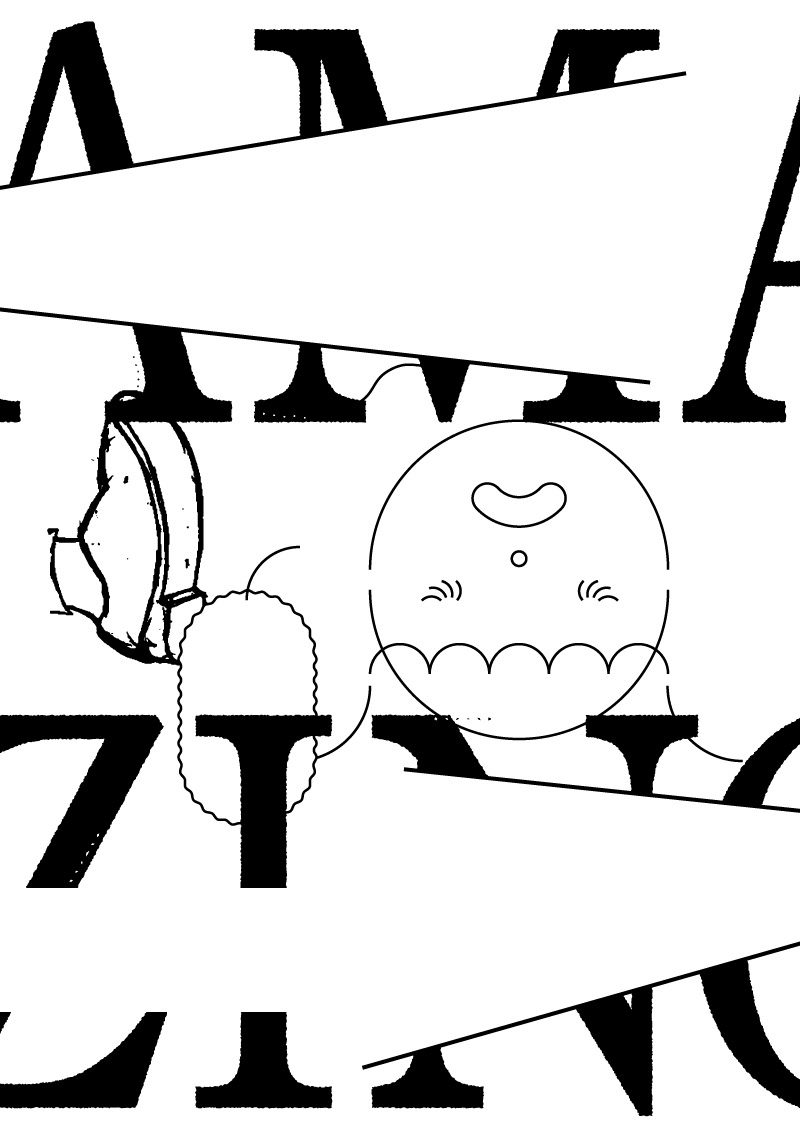
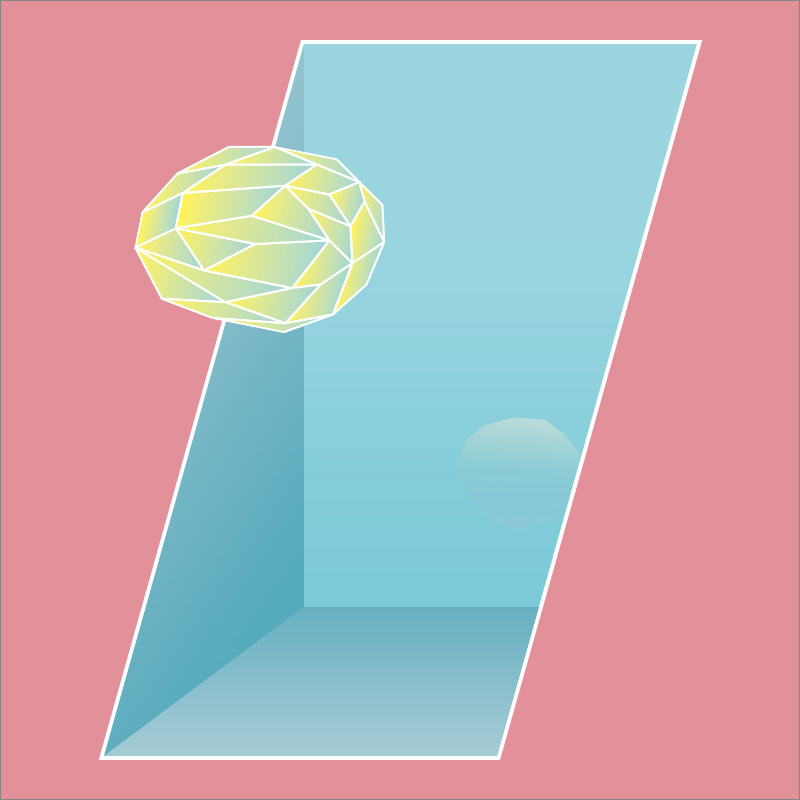
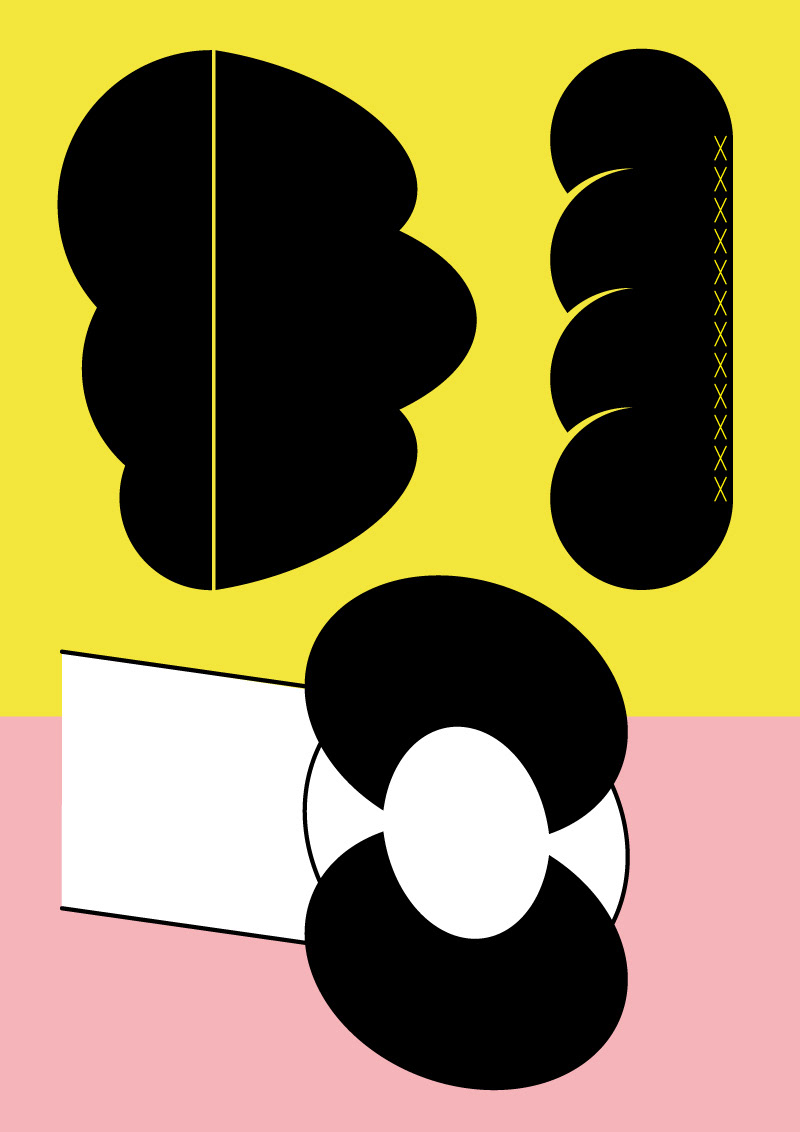
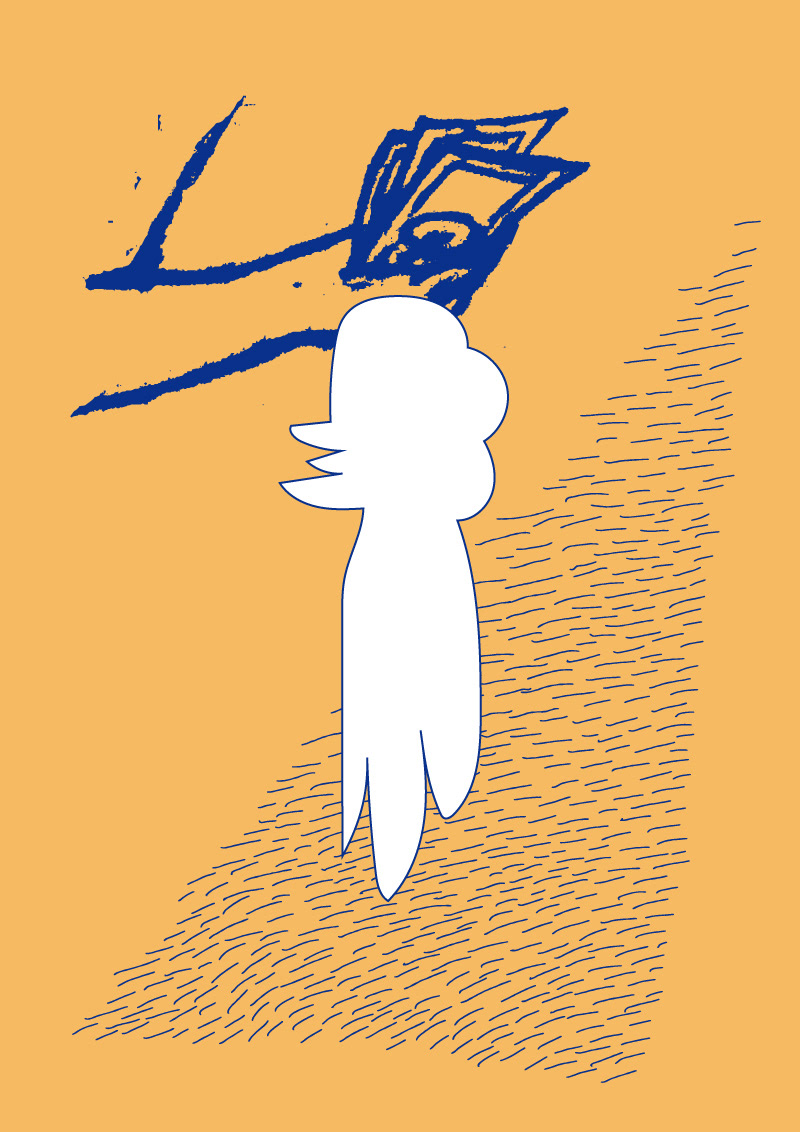
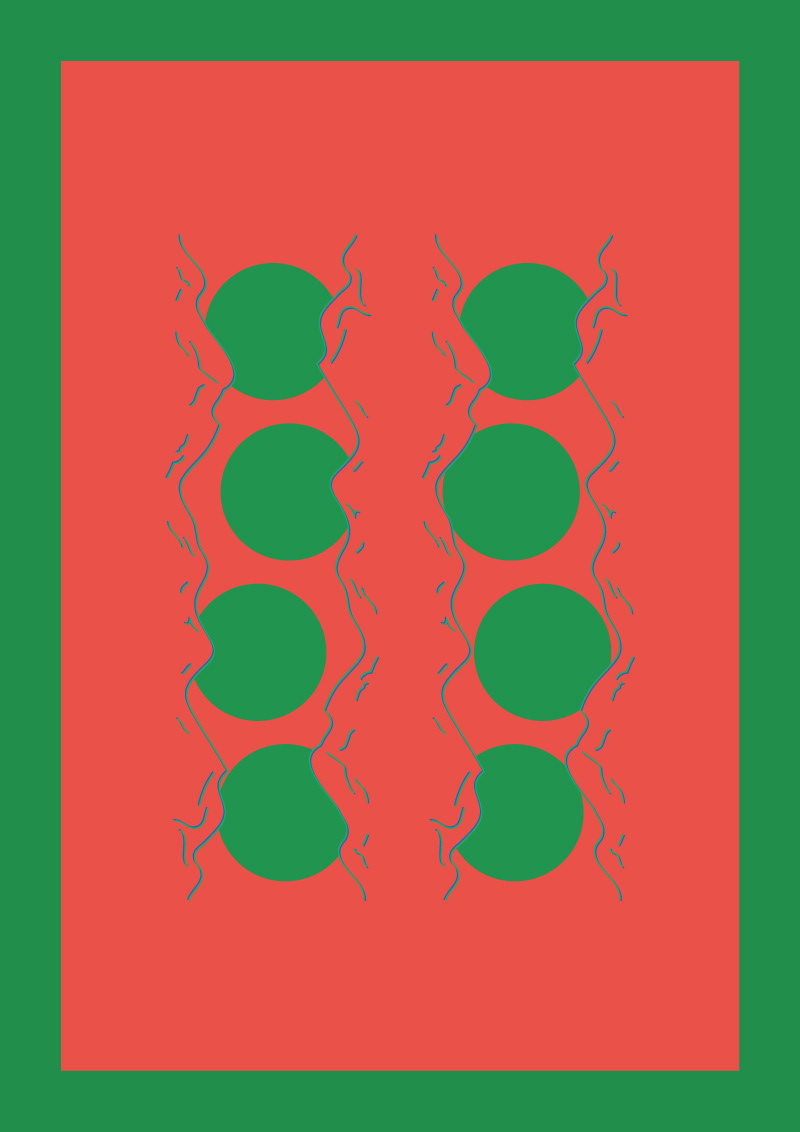
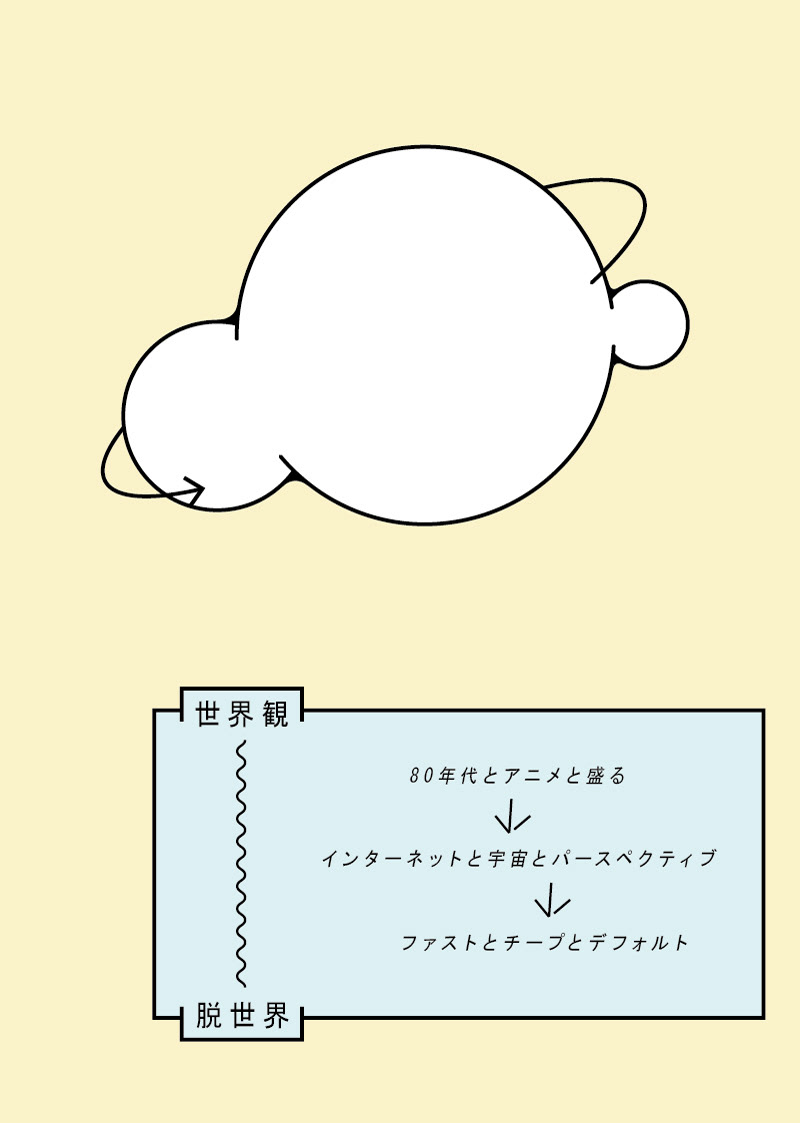
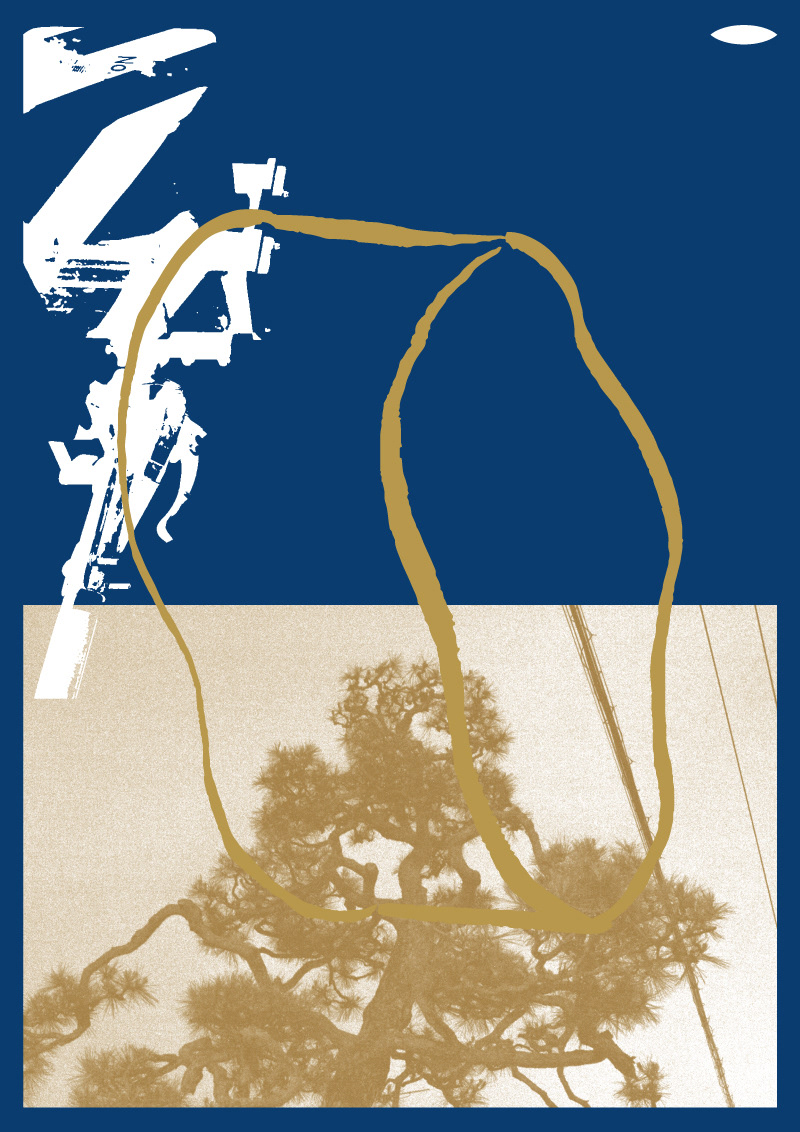
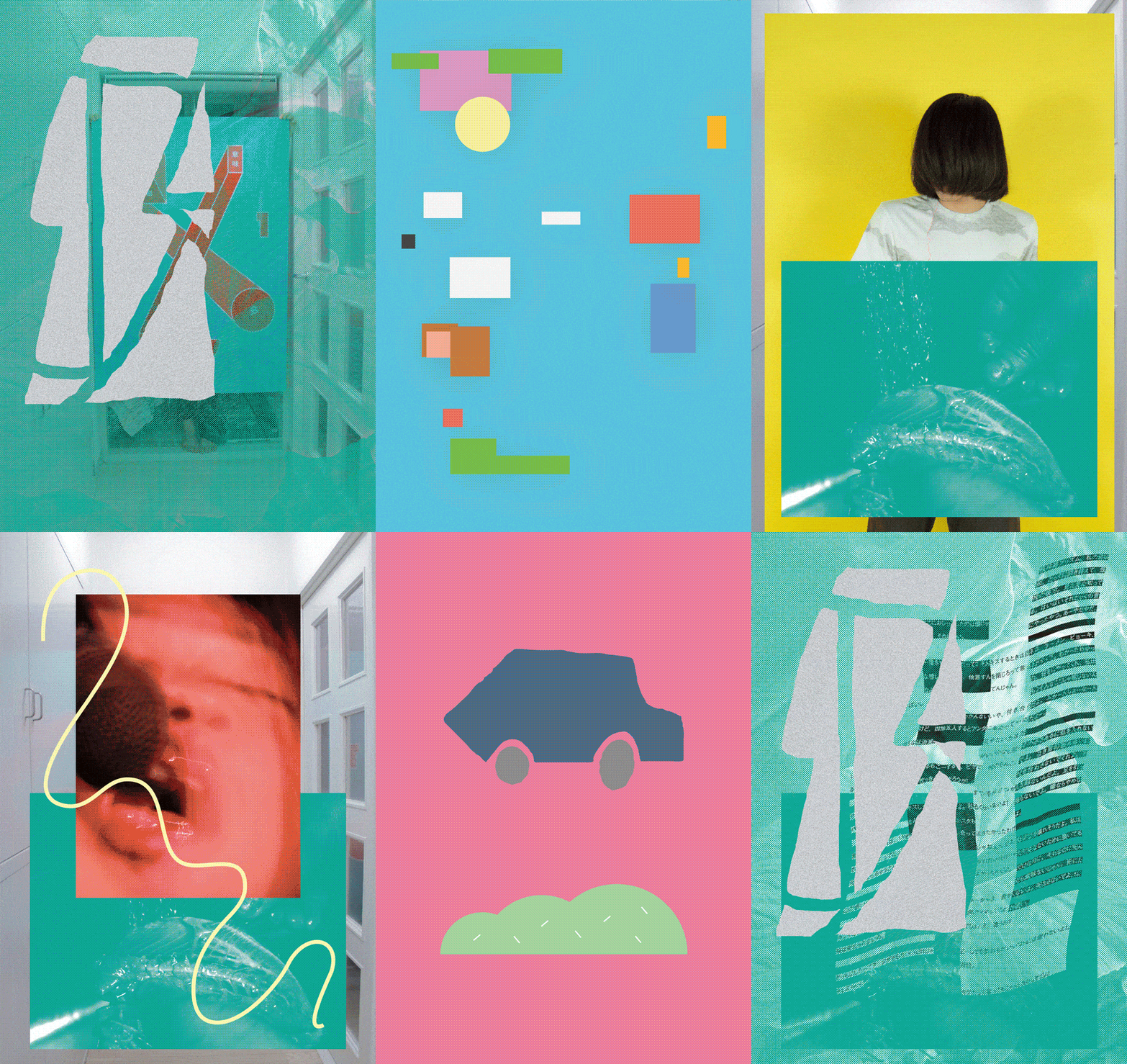
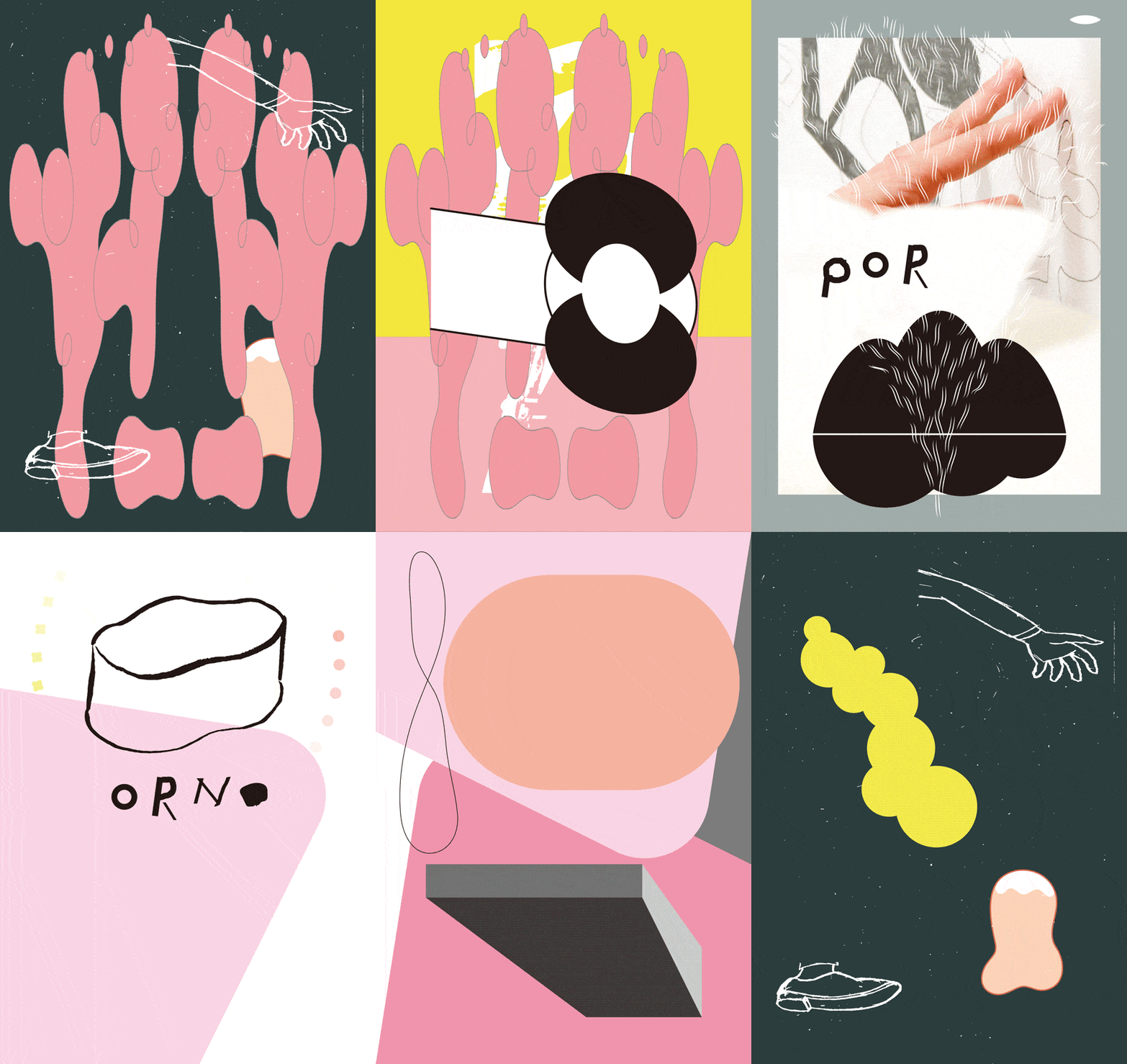
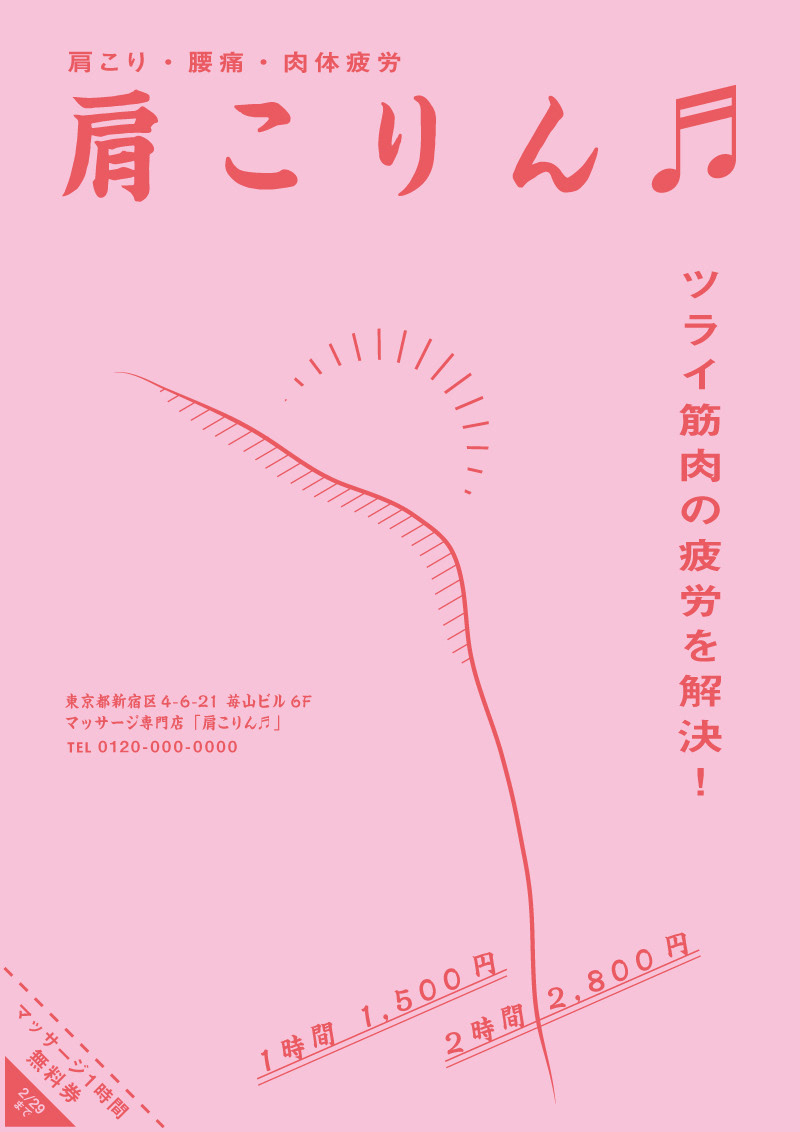
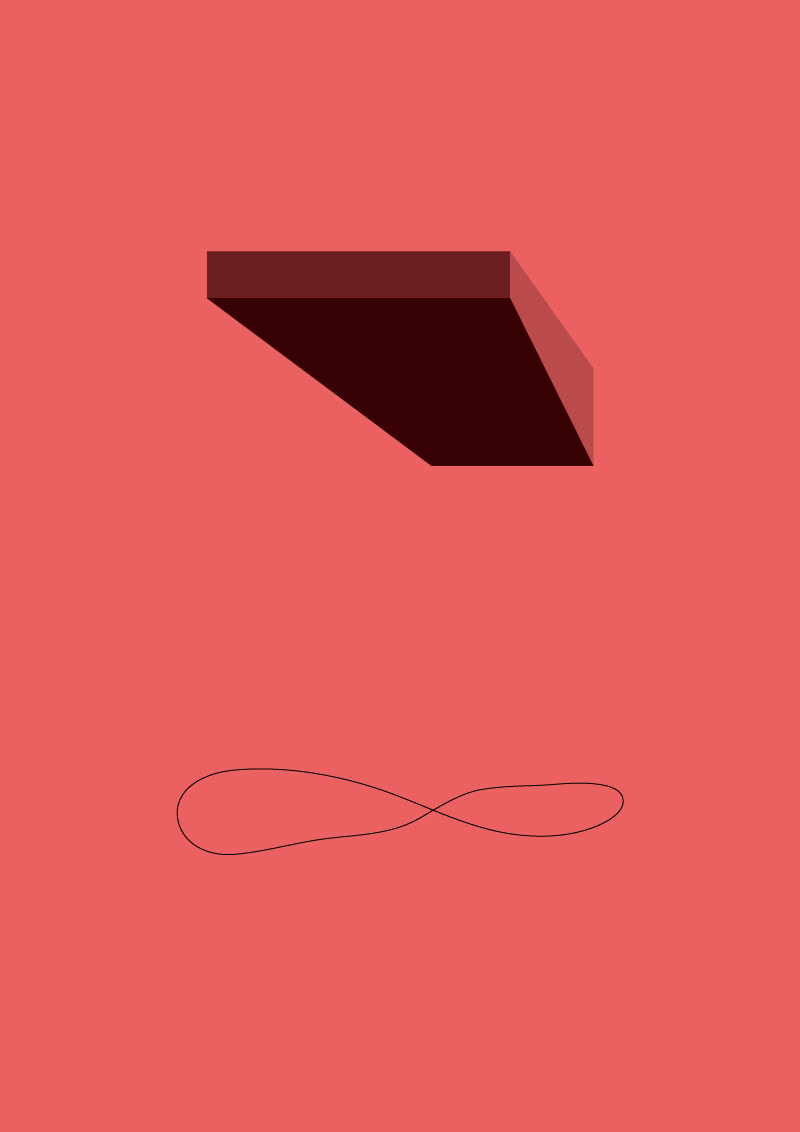
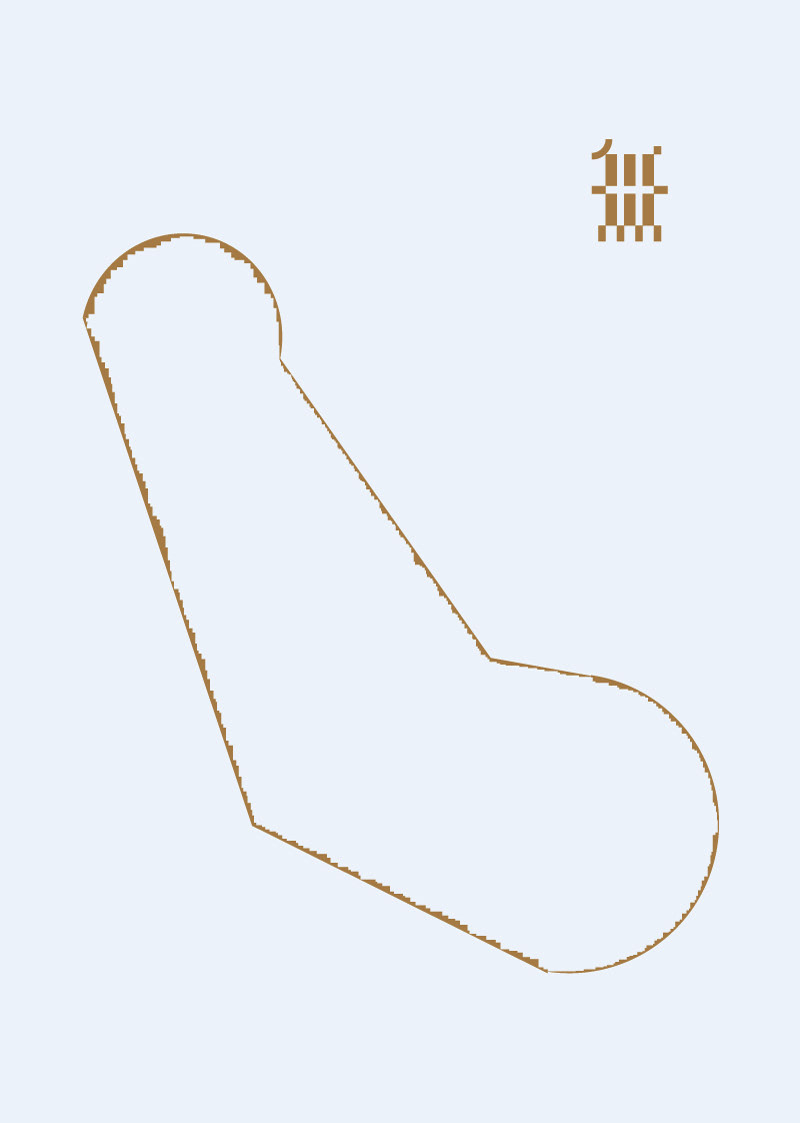
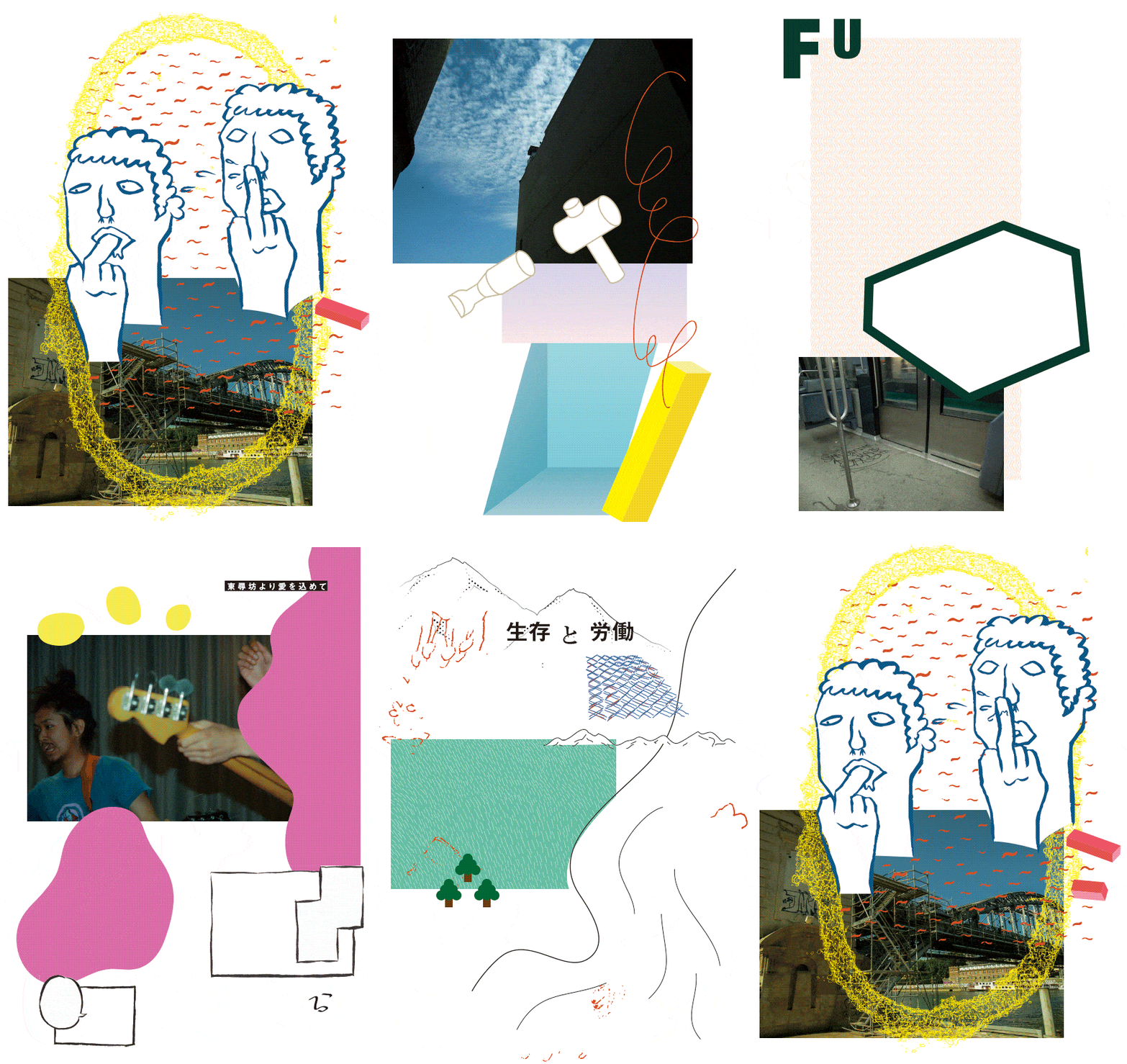
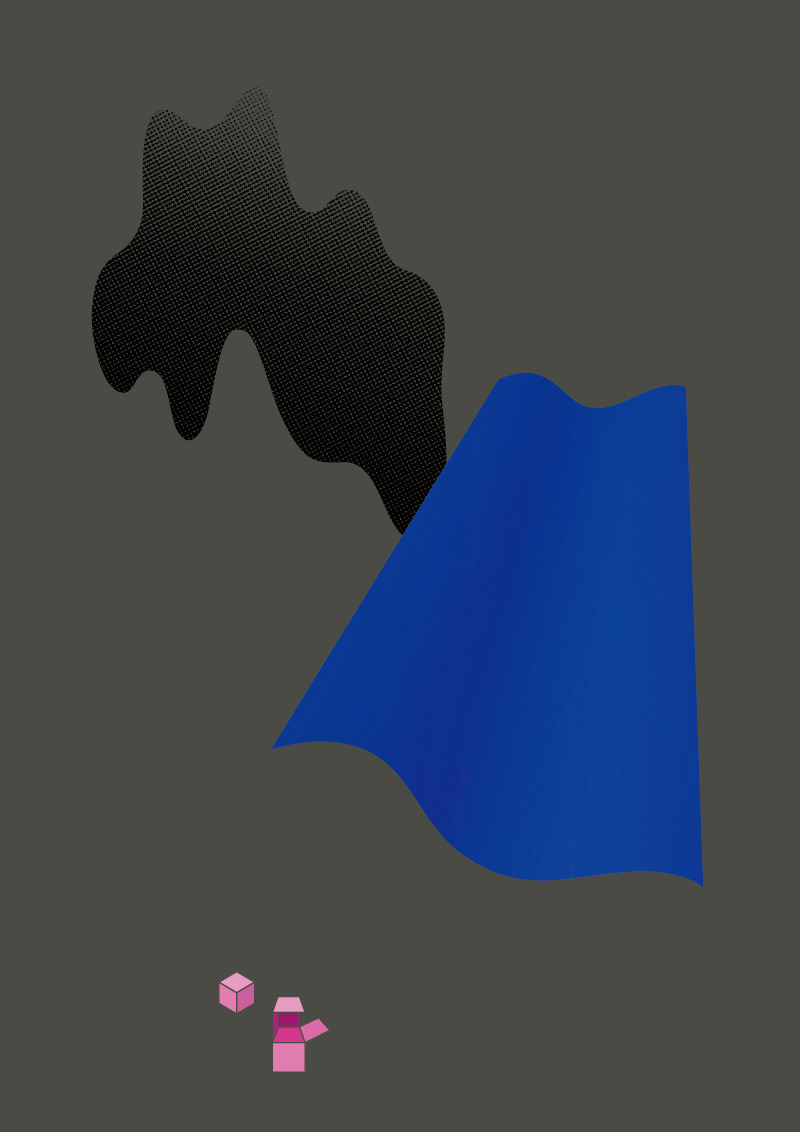
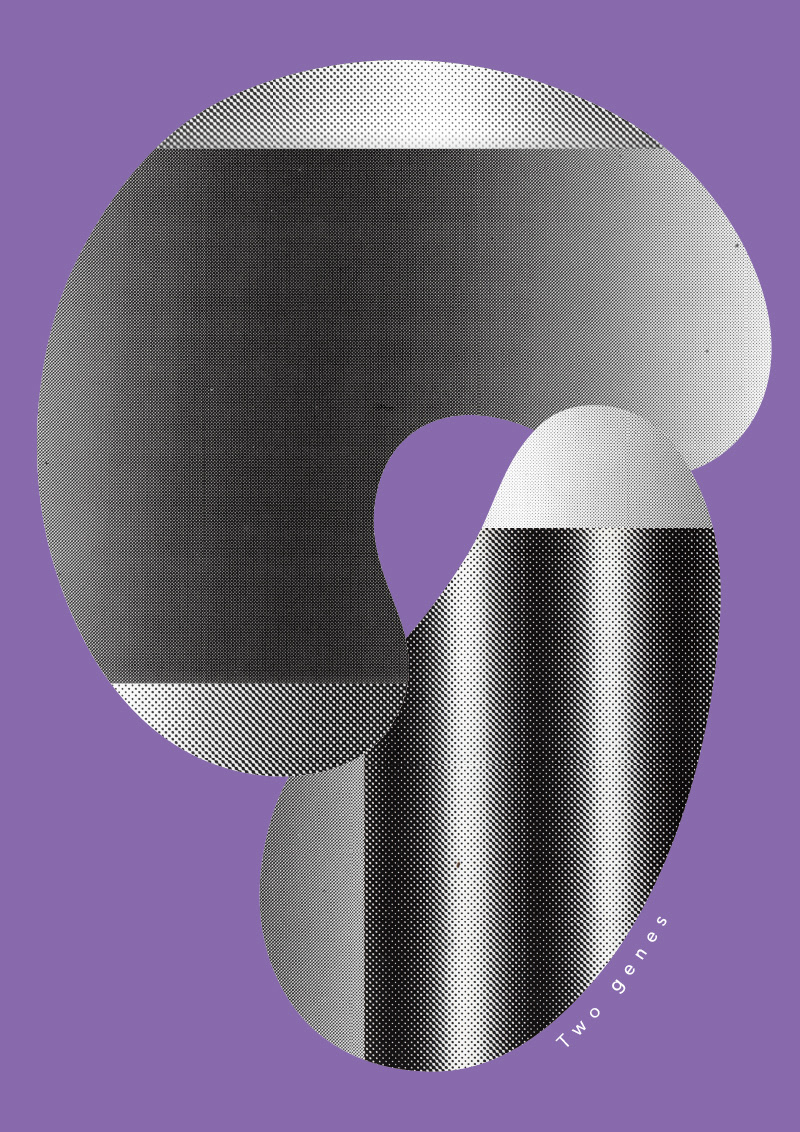
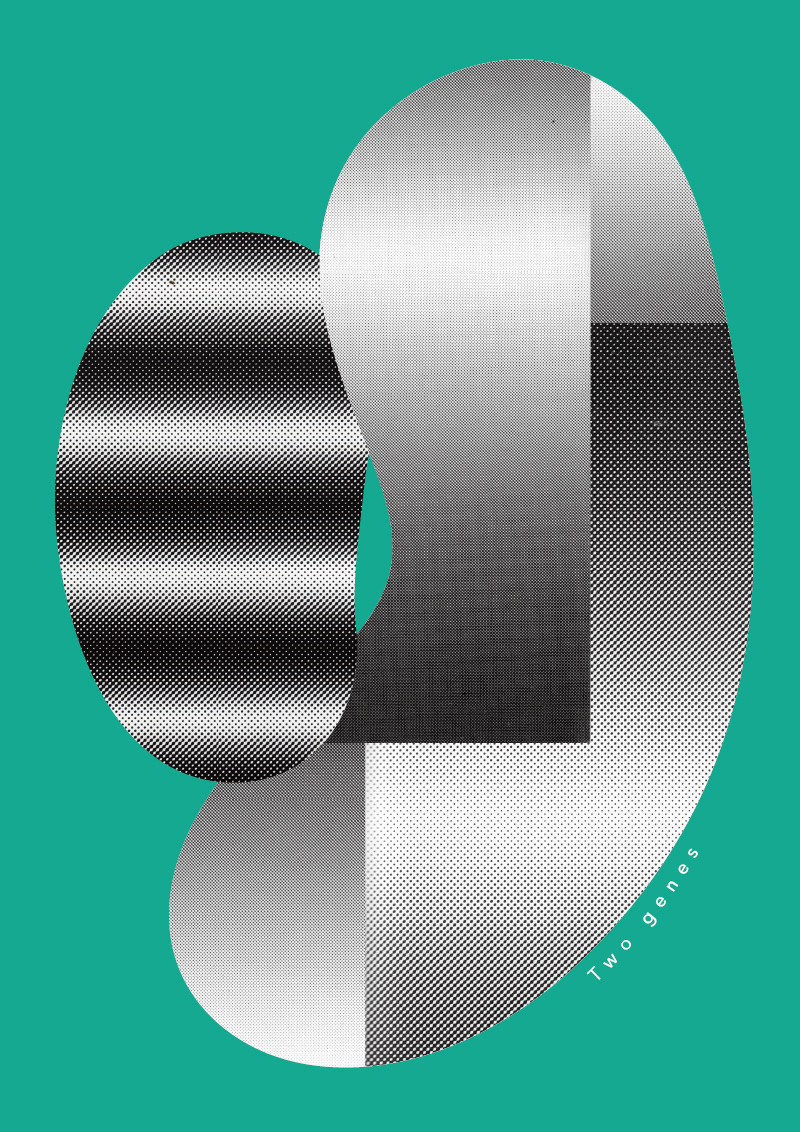
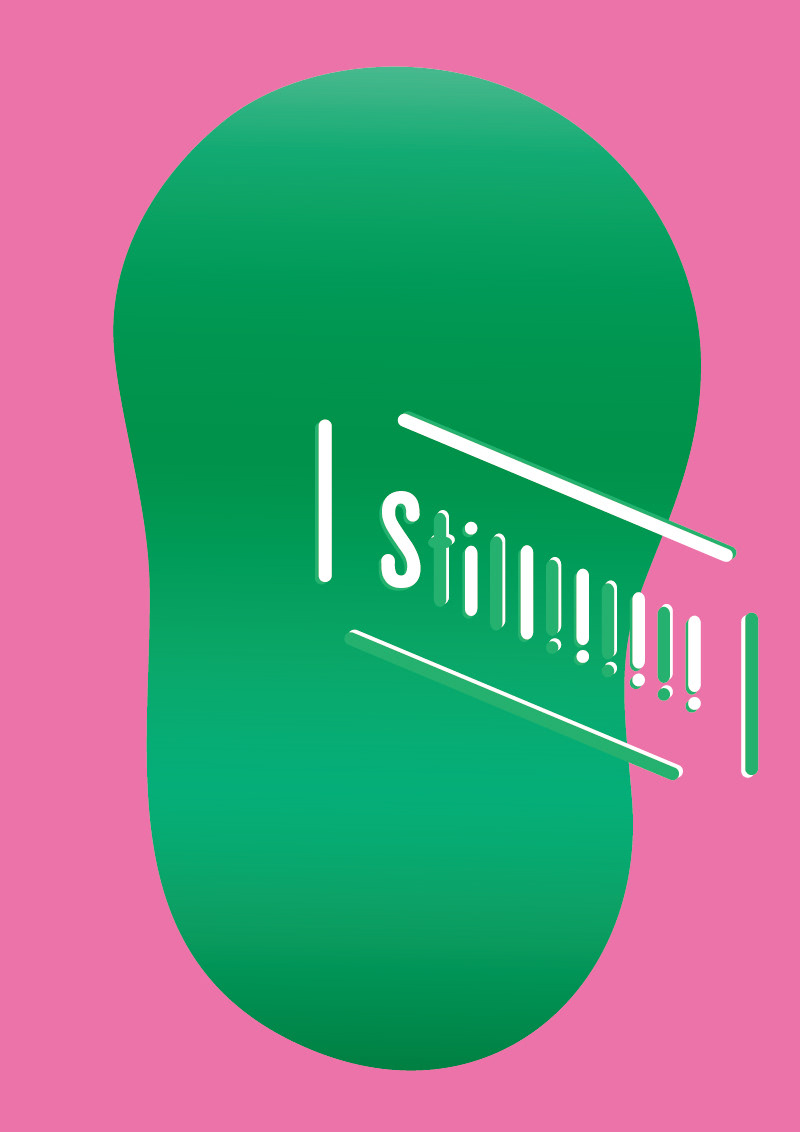
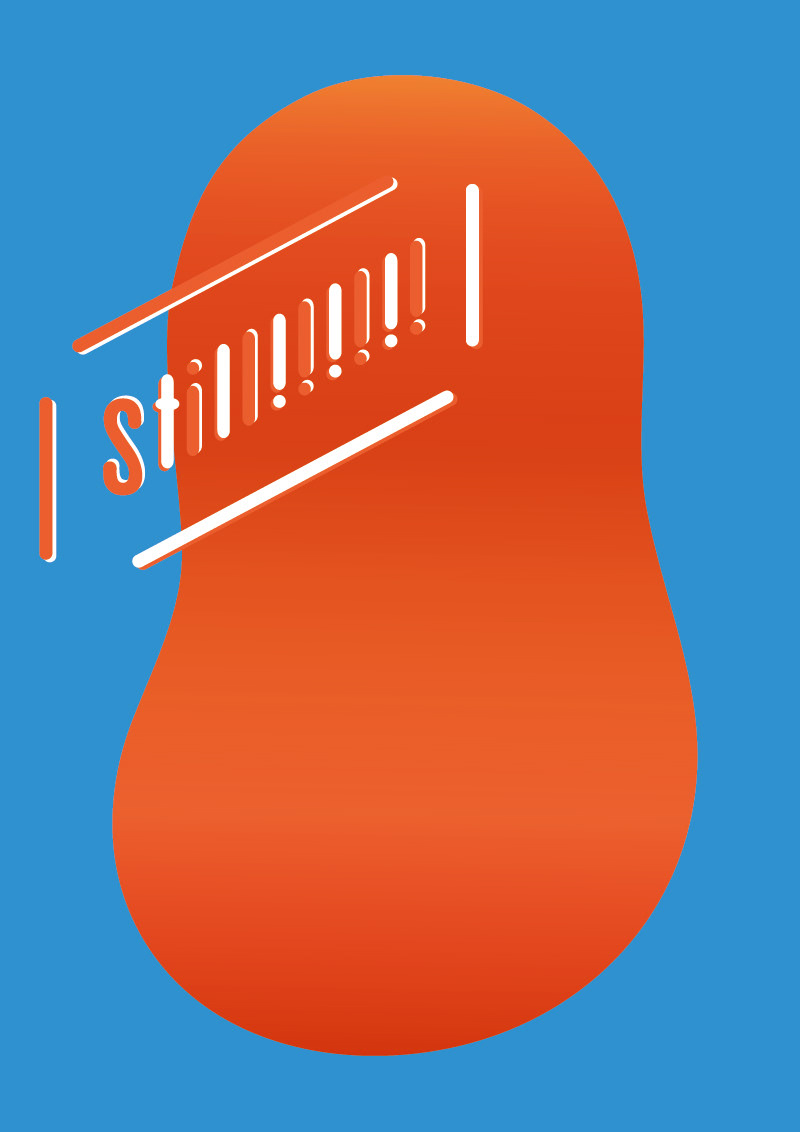
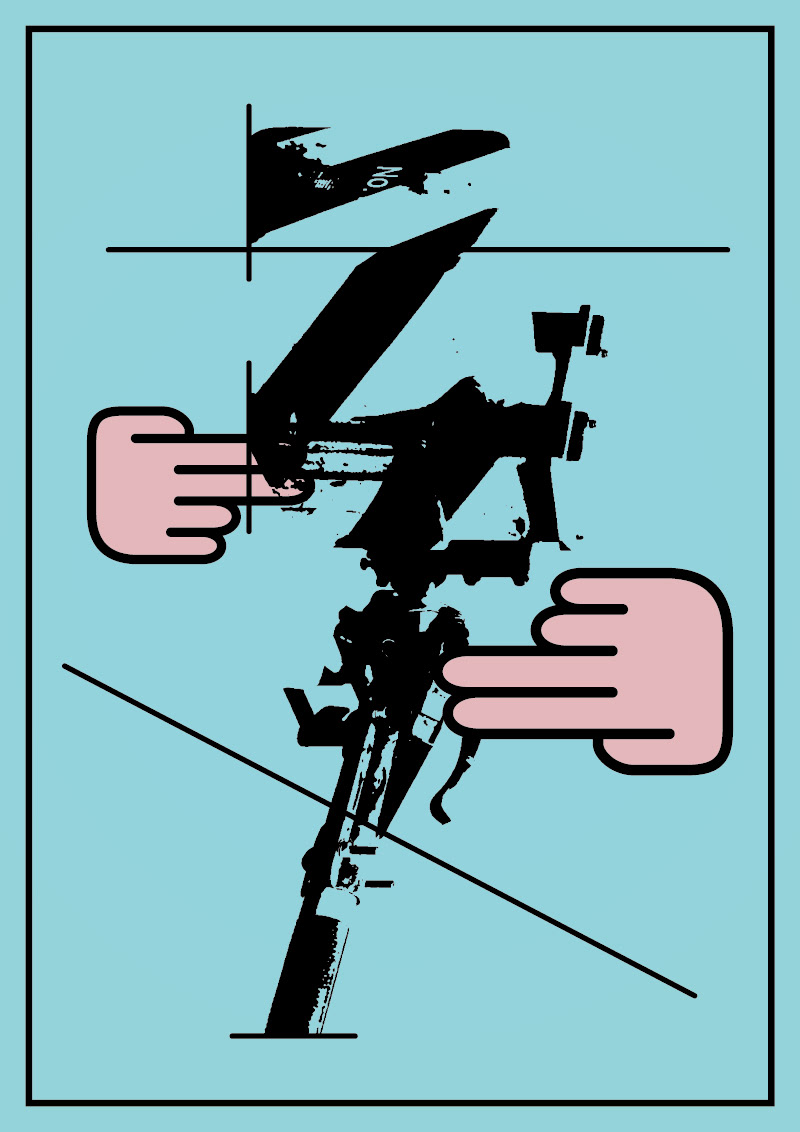
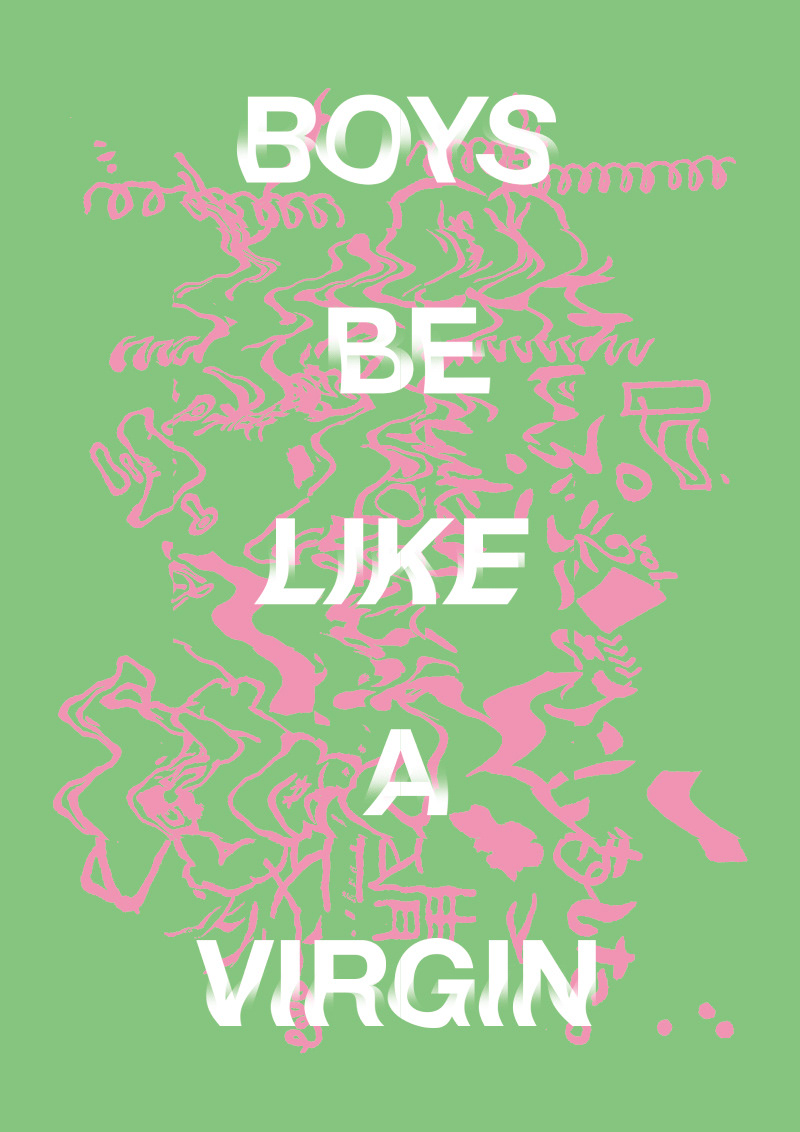
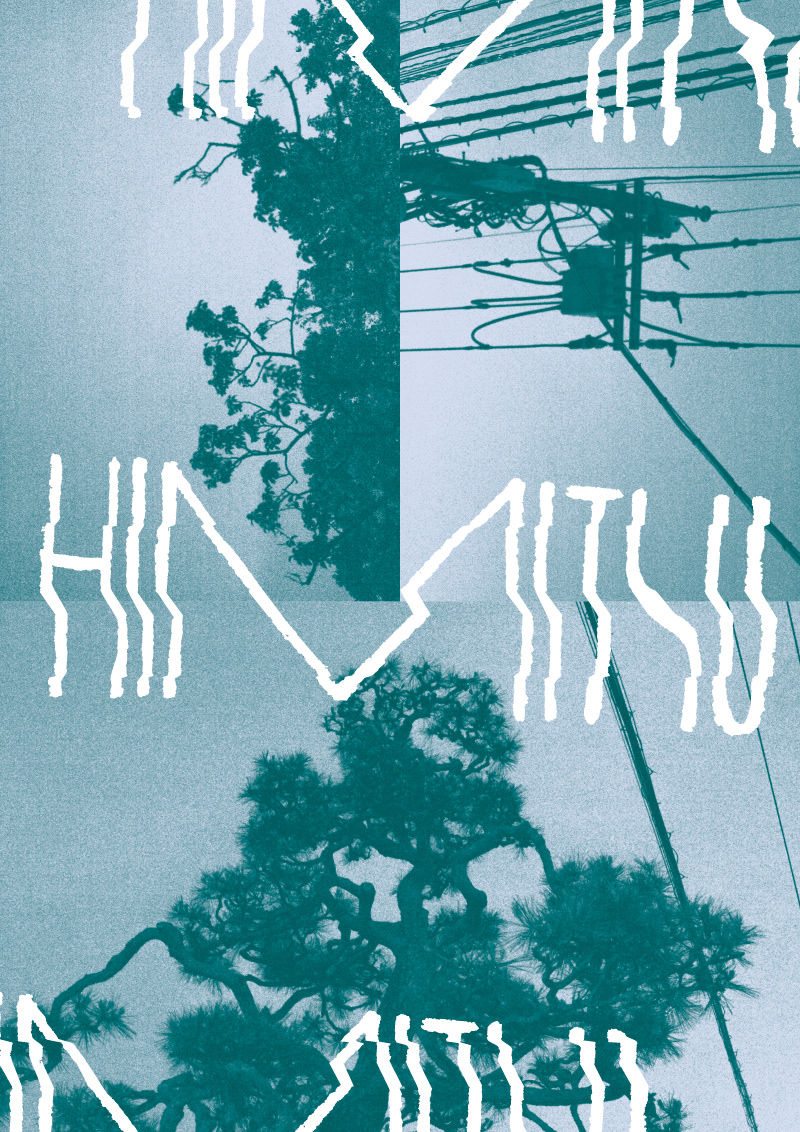
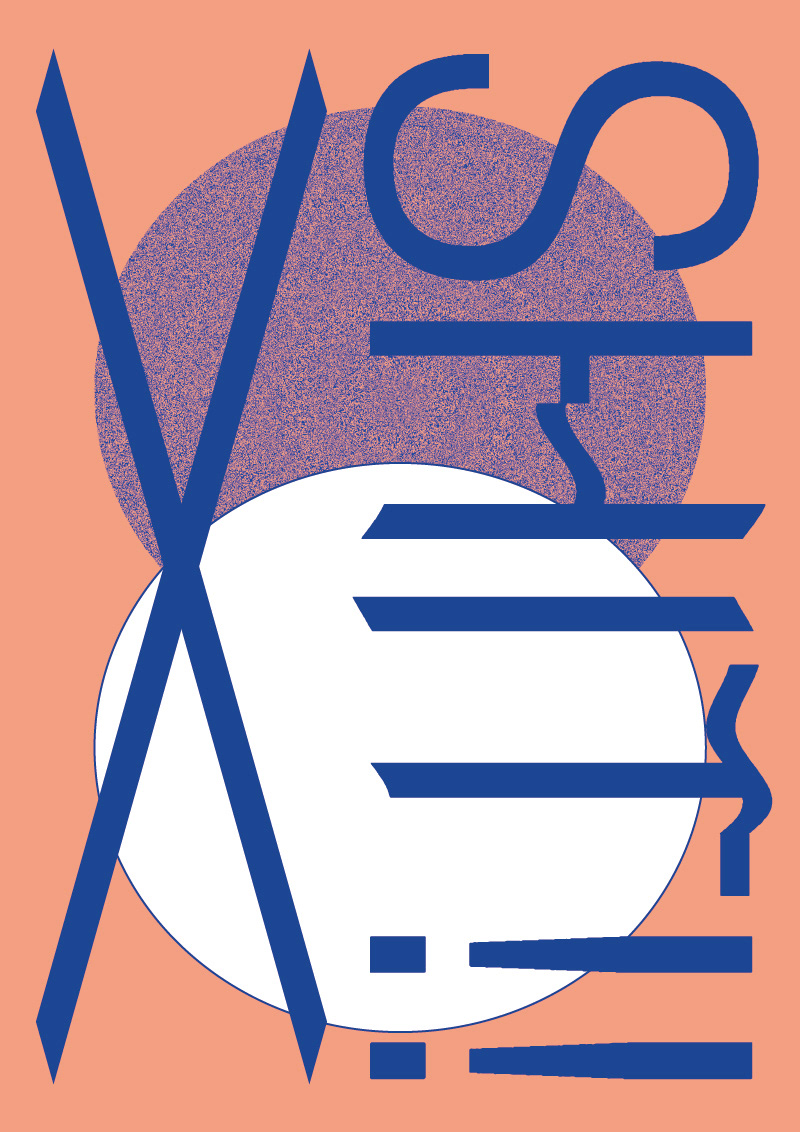
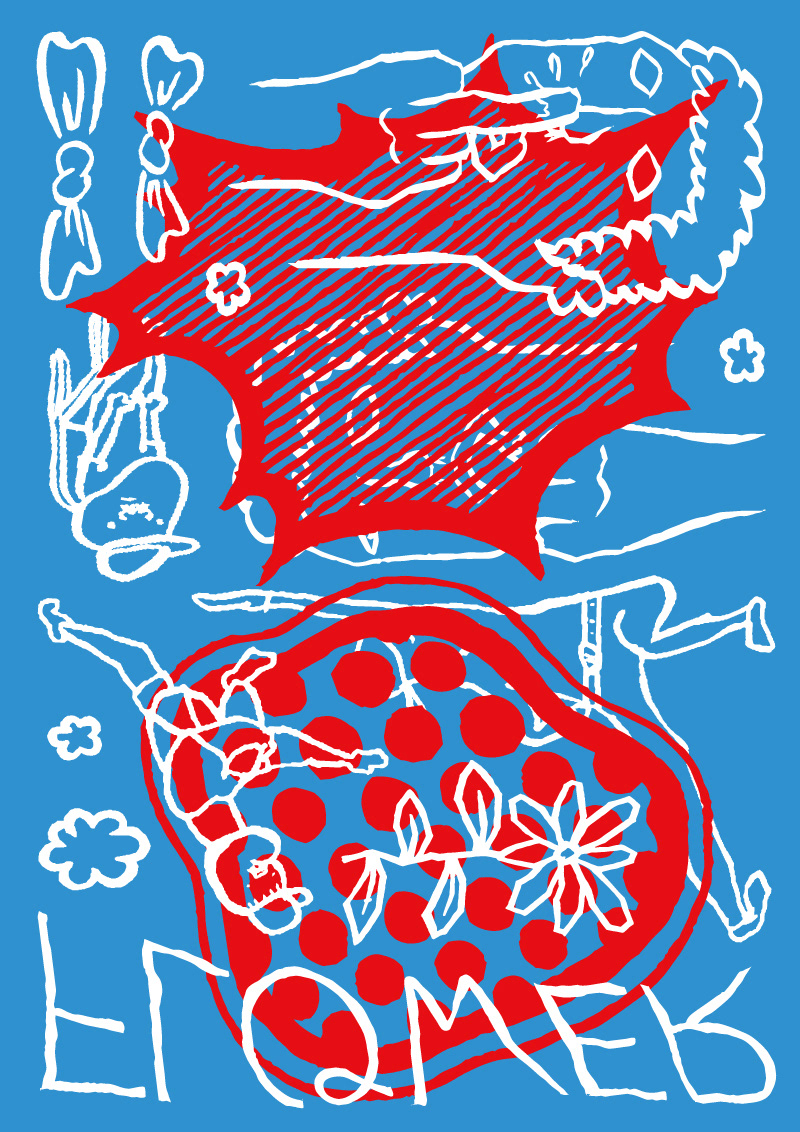
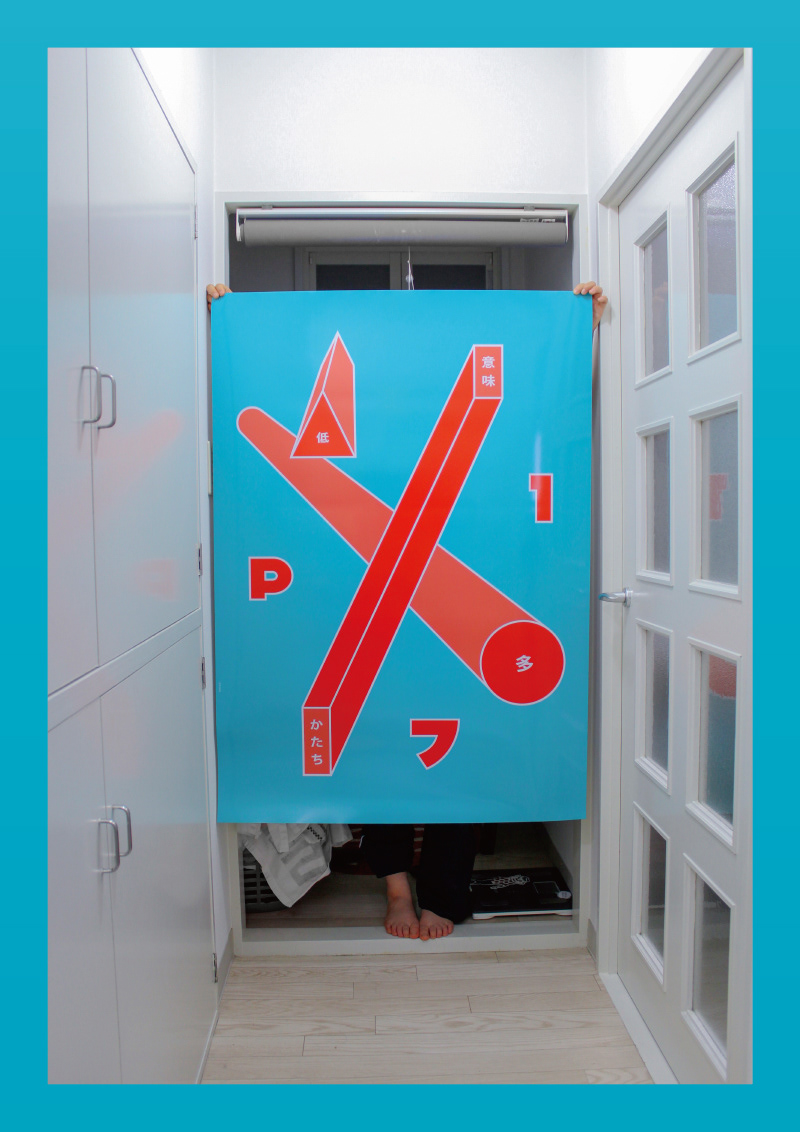
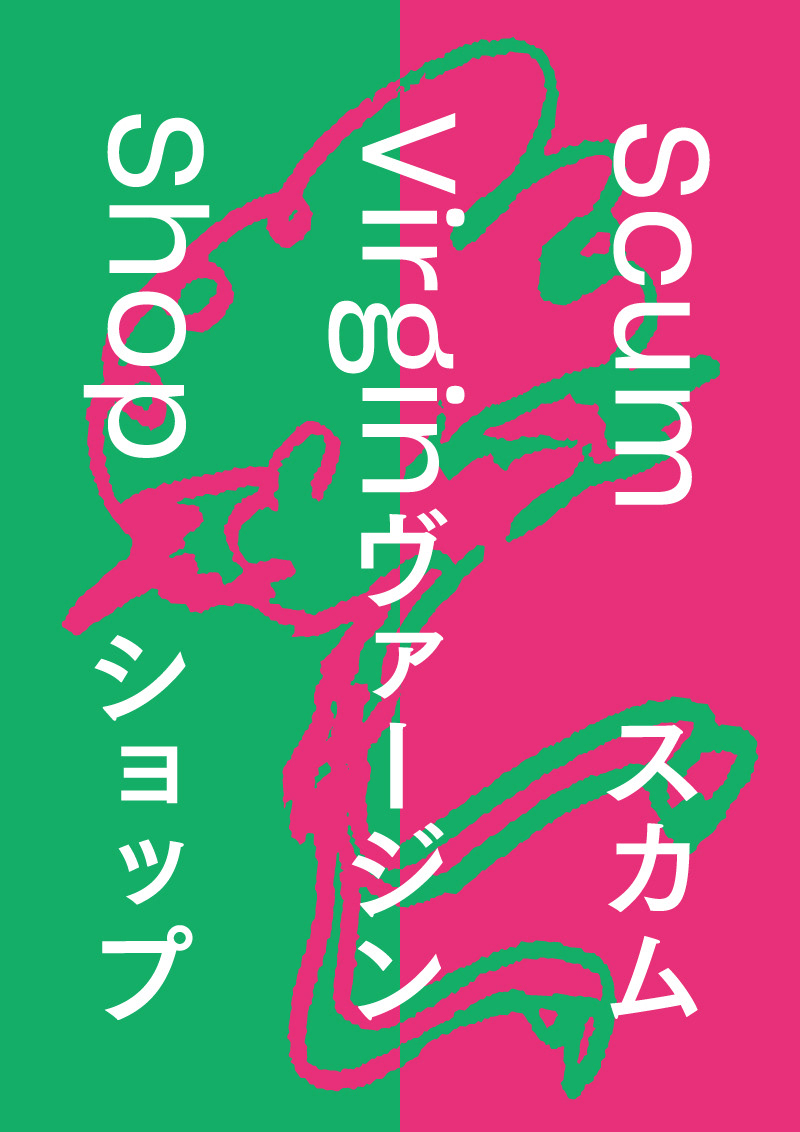
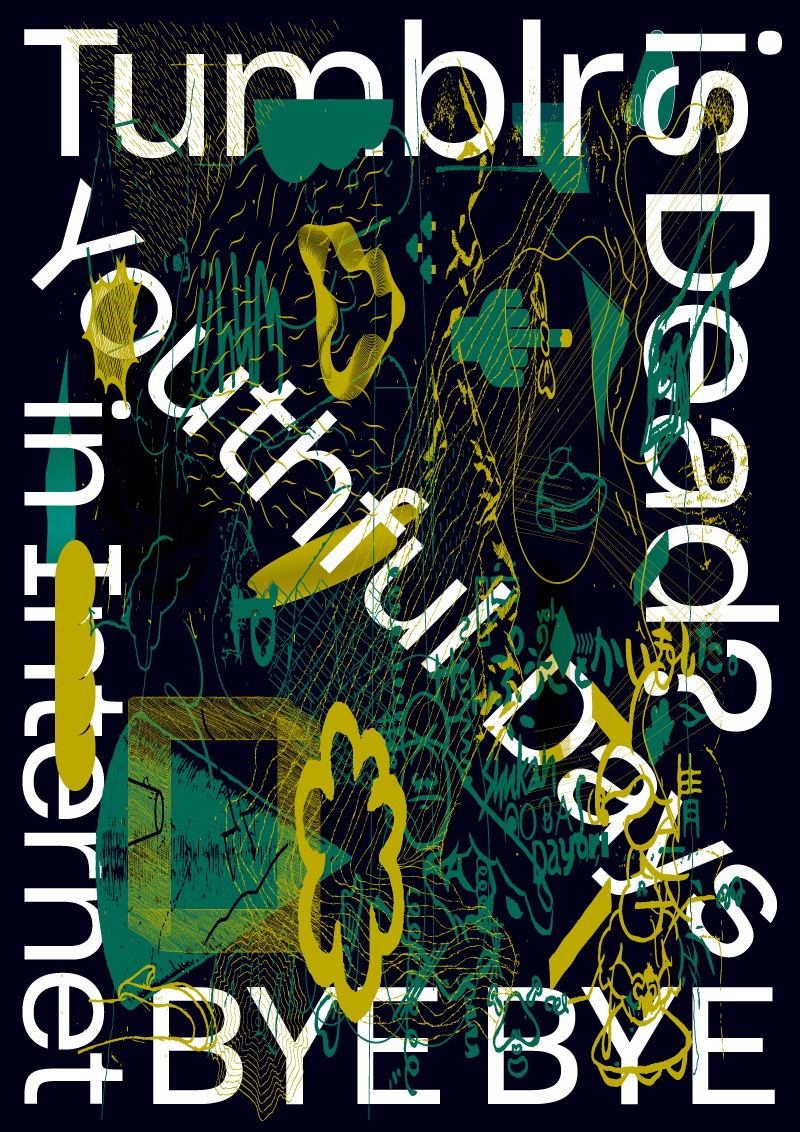
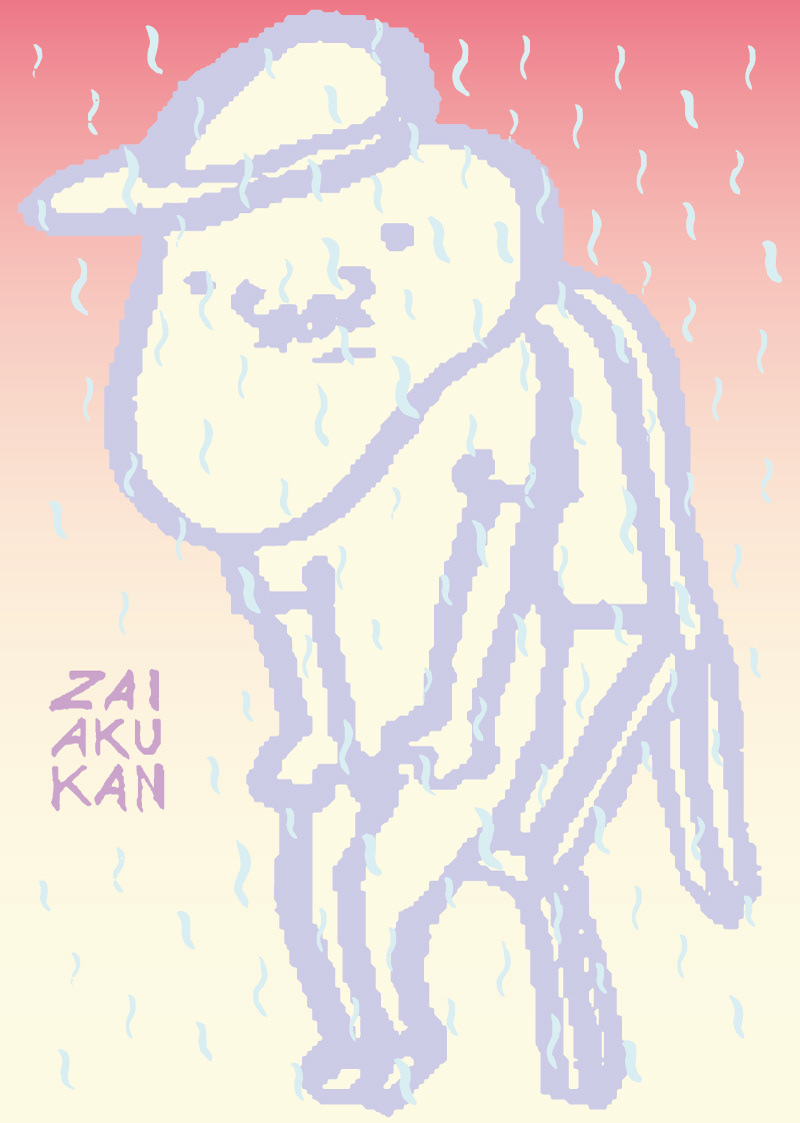
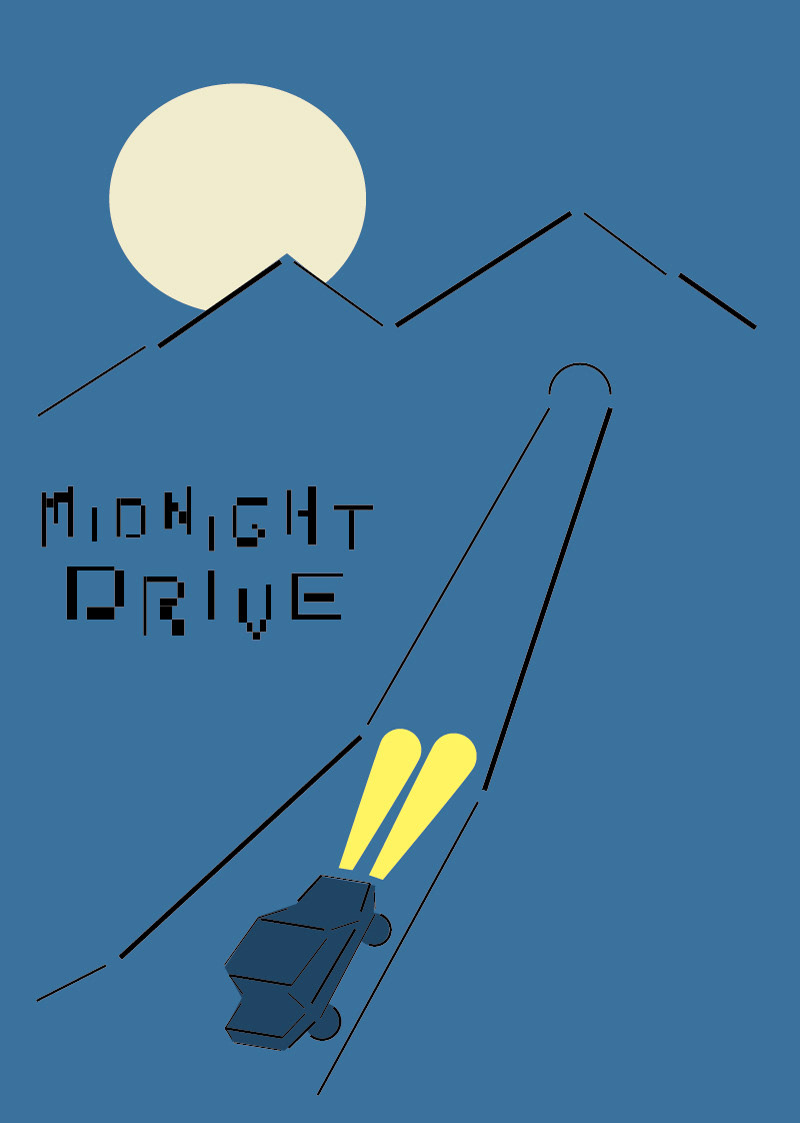
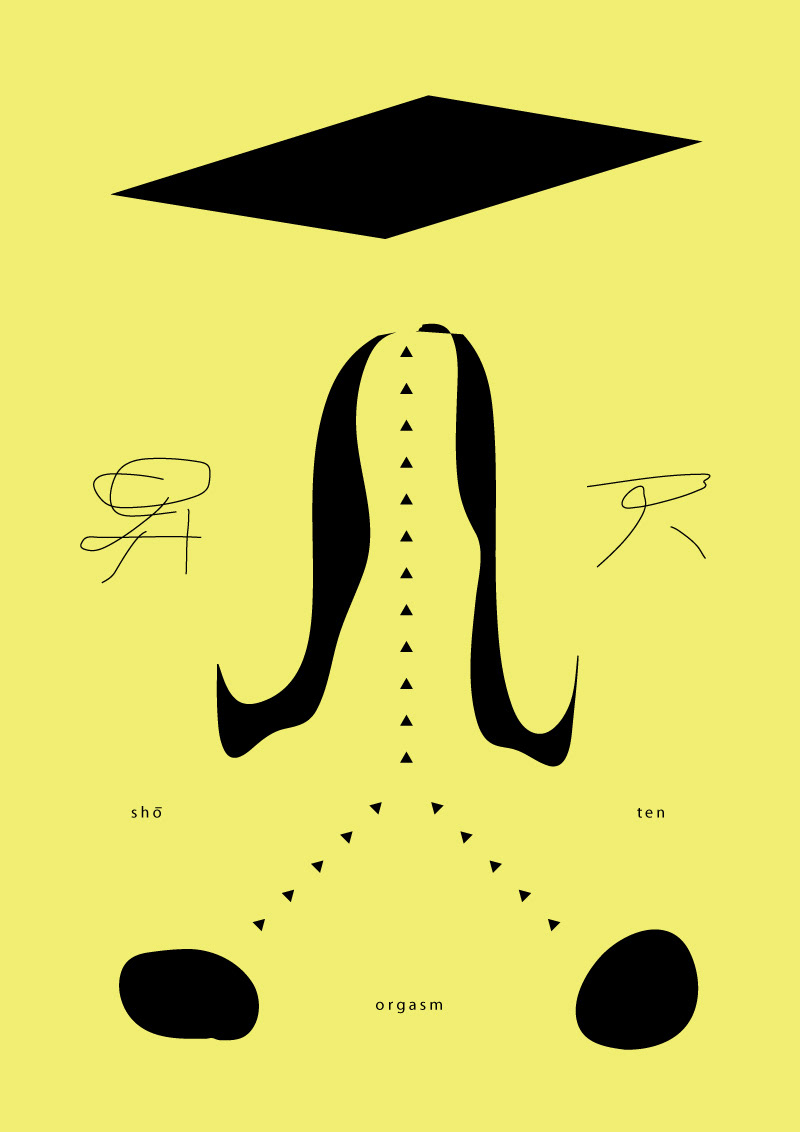
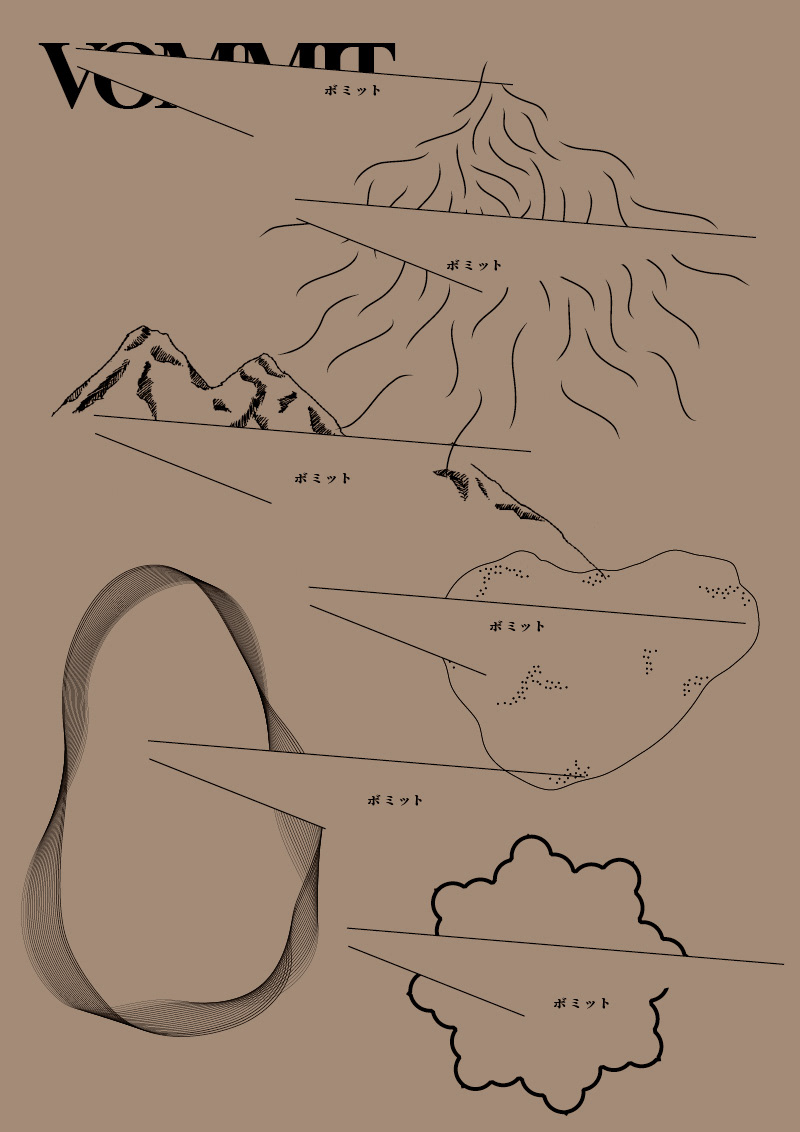
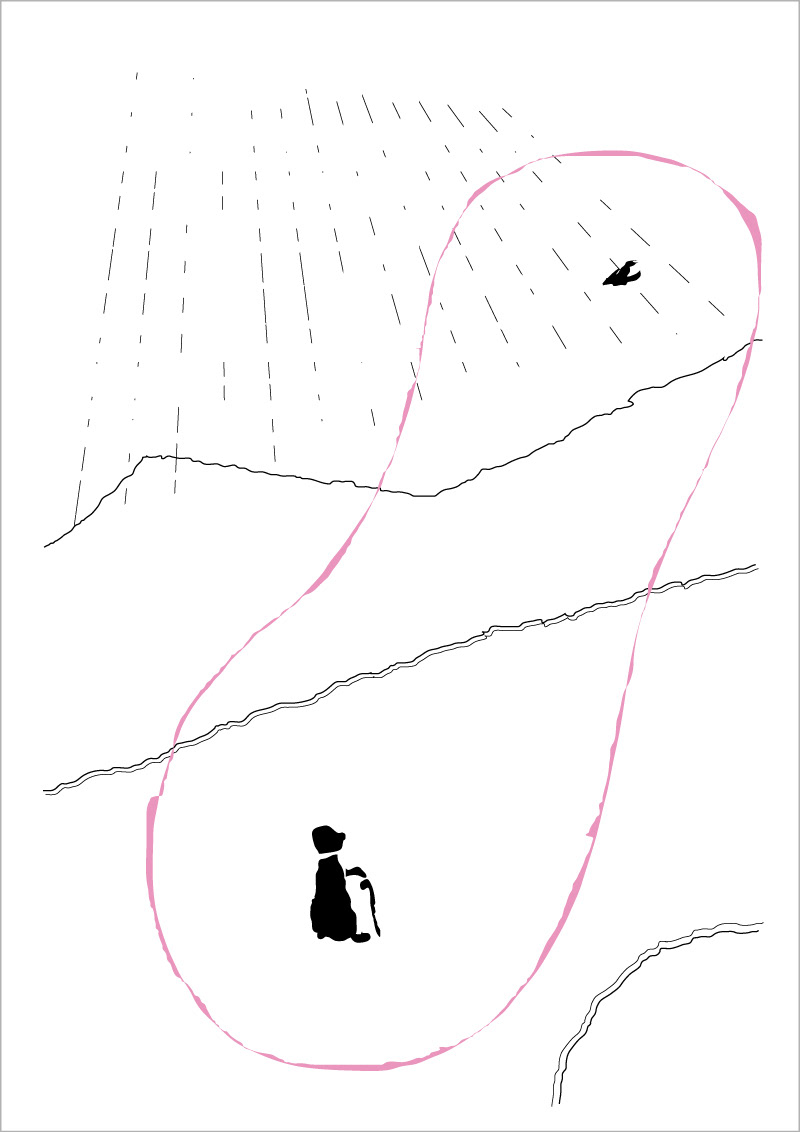
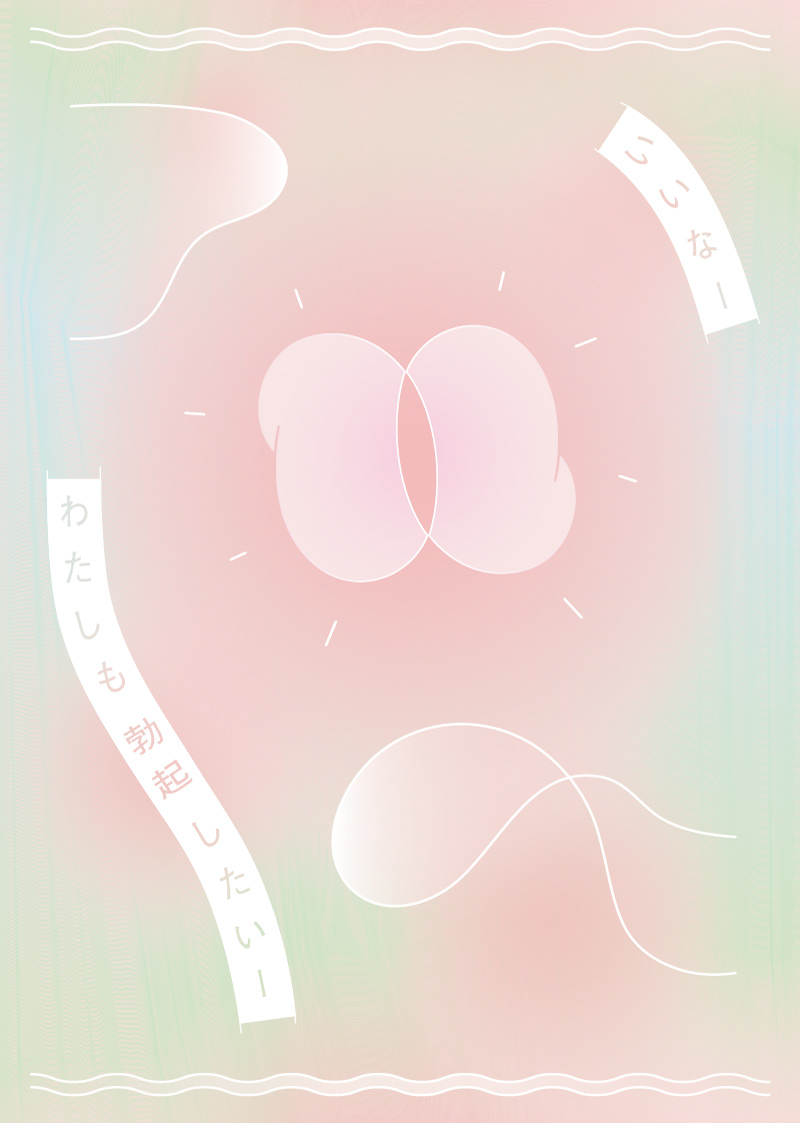
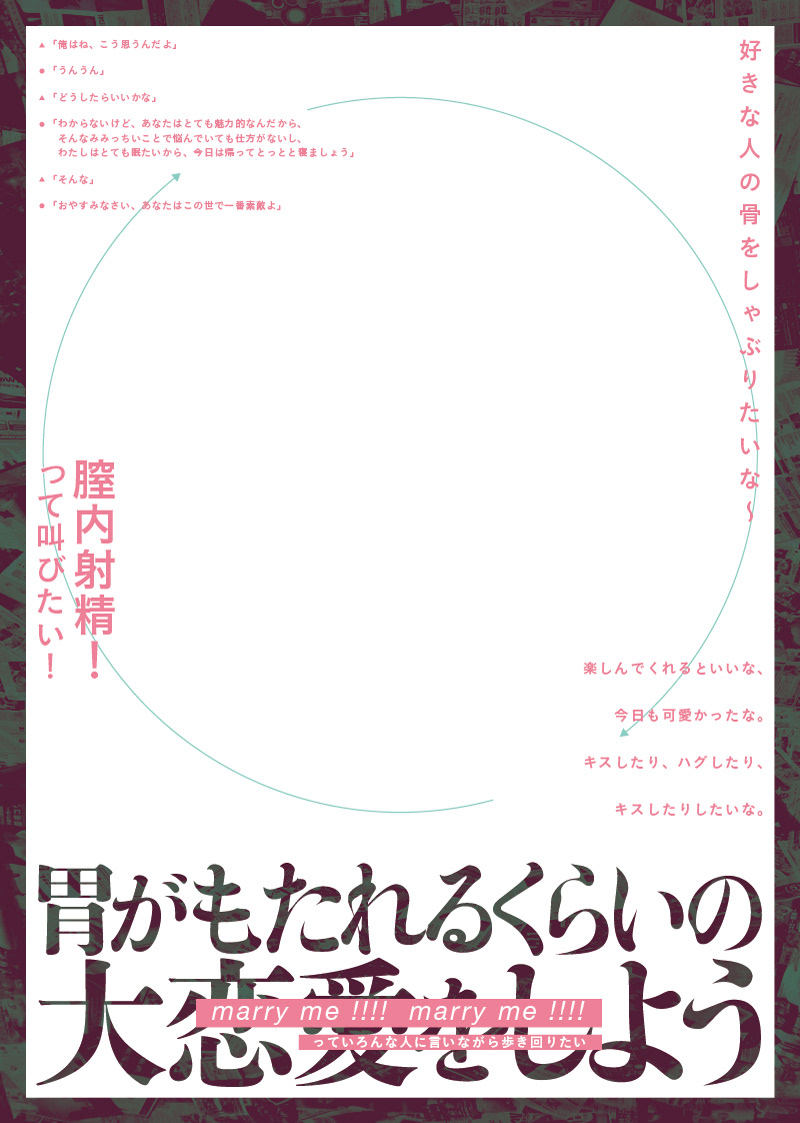
作品の表現としては、抽象的な図形・漫画的な記号・タイポグラフィ・色彩・キャラクターの断片・見慣れたモチーフなどが、明確な意味へ収束しないまま一枚の画面に配置されています。
意味を説明するためのデザインではなく、視覚要素同士が衝突し、ズレ、混ざり合い、見る人の中で別の連想を立ち上げるデザインです。
これは無関係な画像がReblogによりダッシュボード上で新しい文脈を形成していくTumblr的な世界観であり、世界中のユーザーからのリアクションも含めて、私の表現に影響を与えました。
他所では敬遠されるような、文脈から切り離されたテキスト・言語的な意味を持たない断片的なタイポグラフィ・抽象的なアイコン・強い色面・謎の記号の組み合わせは、そこでは好意的に受け入れらました。
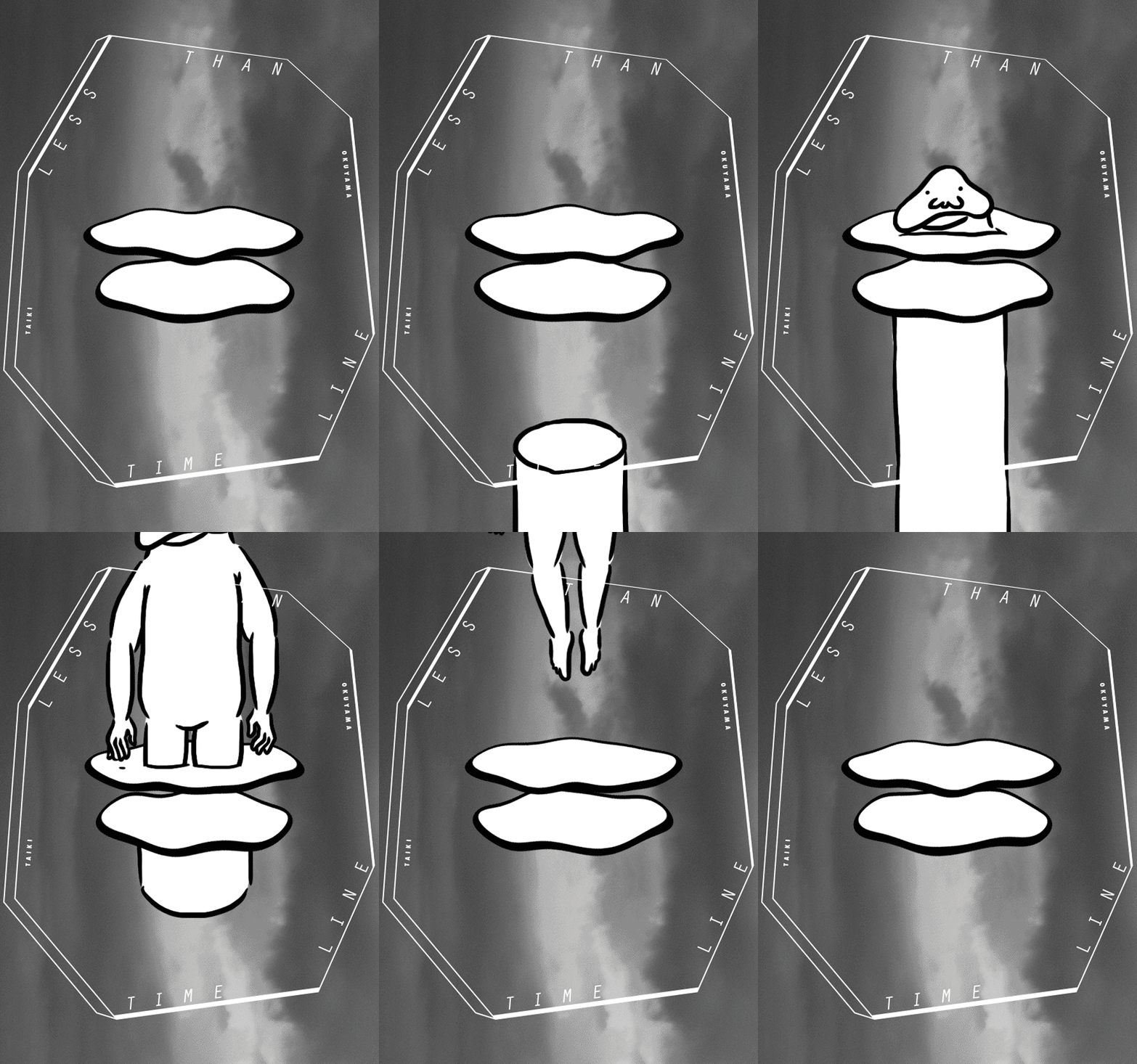
やがてそれらは、Tumblrの機能的制約の中でGIFアニメーションとして動き出し、点滅、反復、ループ、ちらつきといった時間的な要素を獲得していきました。
—— リミックスから生まれた成果
公開後、n_sは海外のクリエイターたちに反応され、作品は作者の想定を越えて展開していきました。
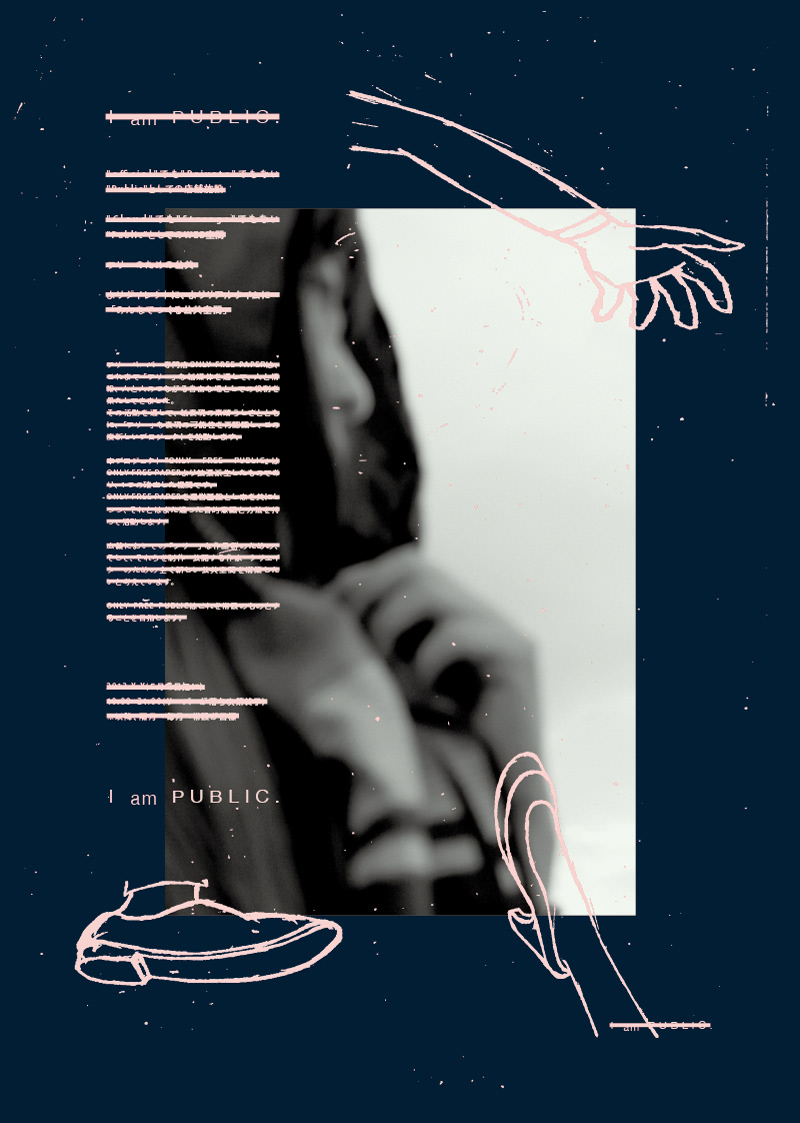
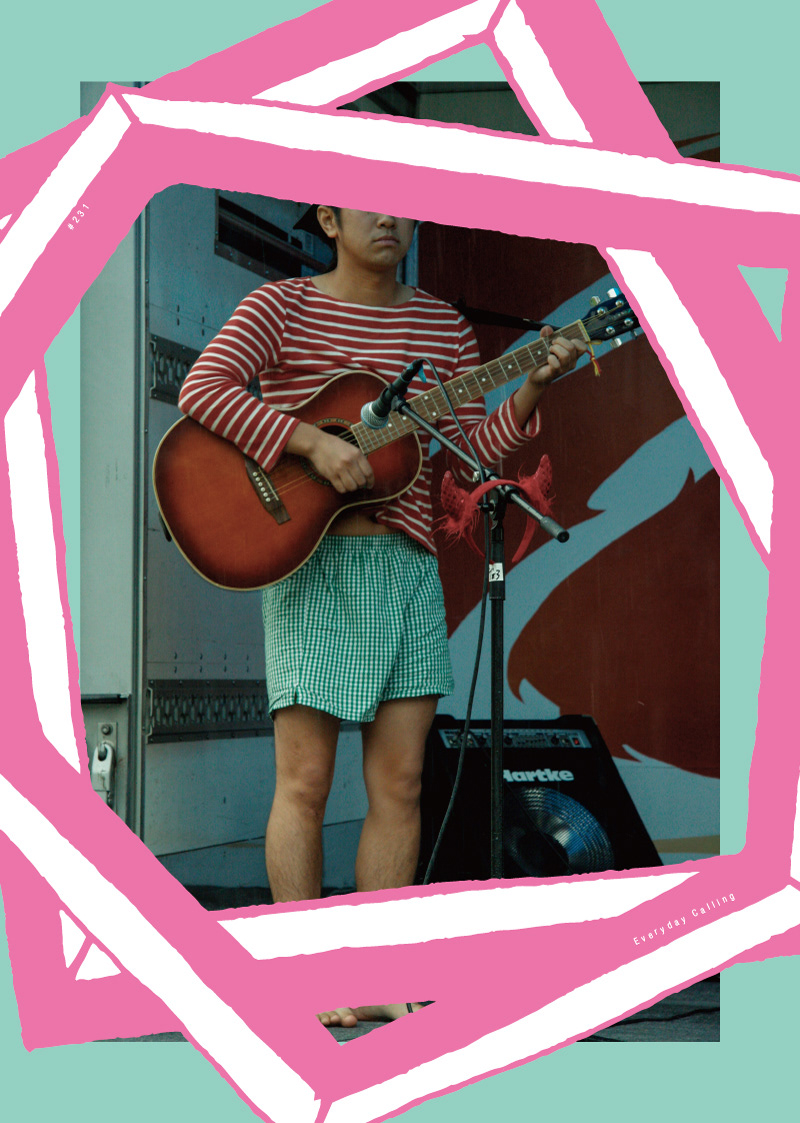
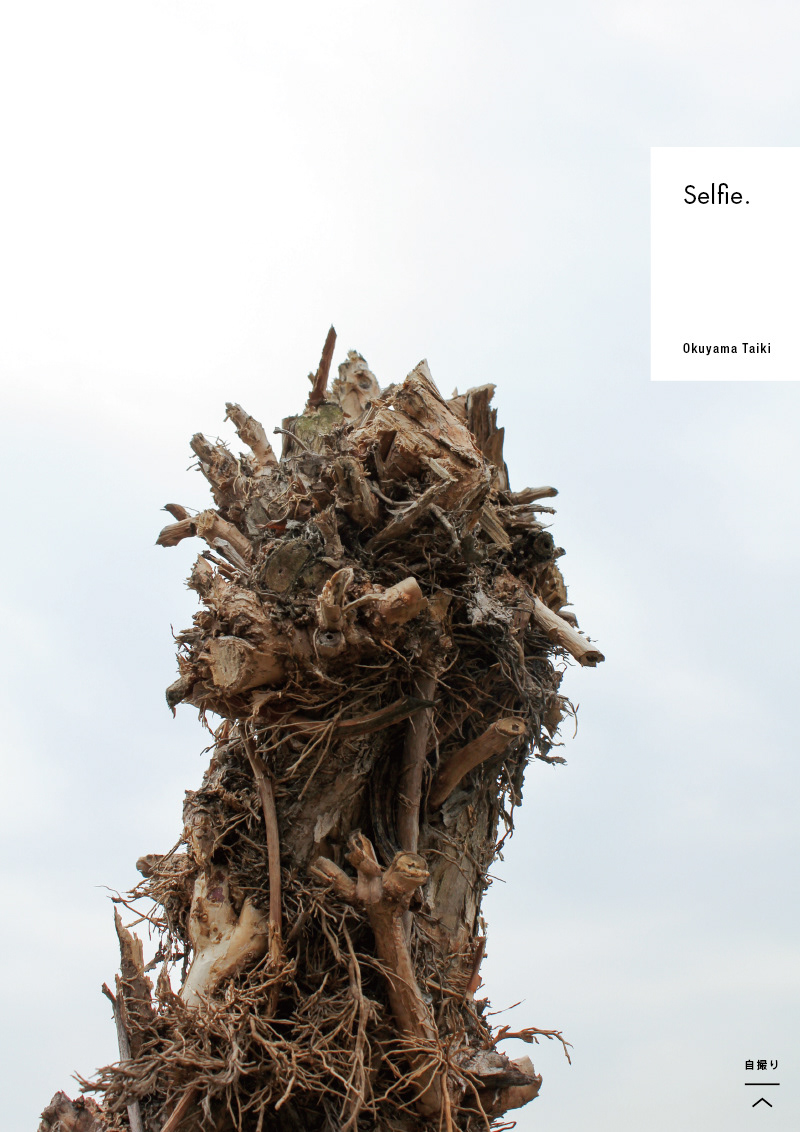
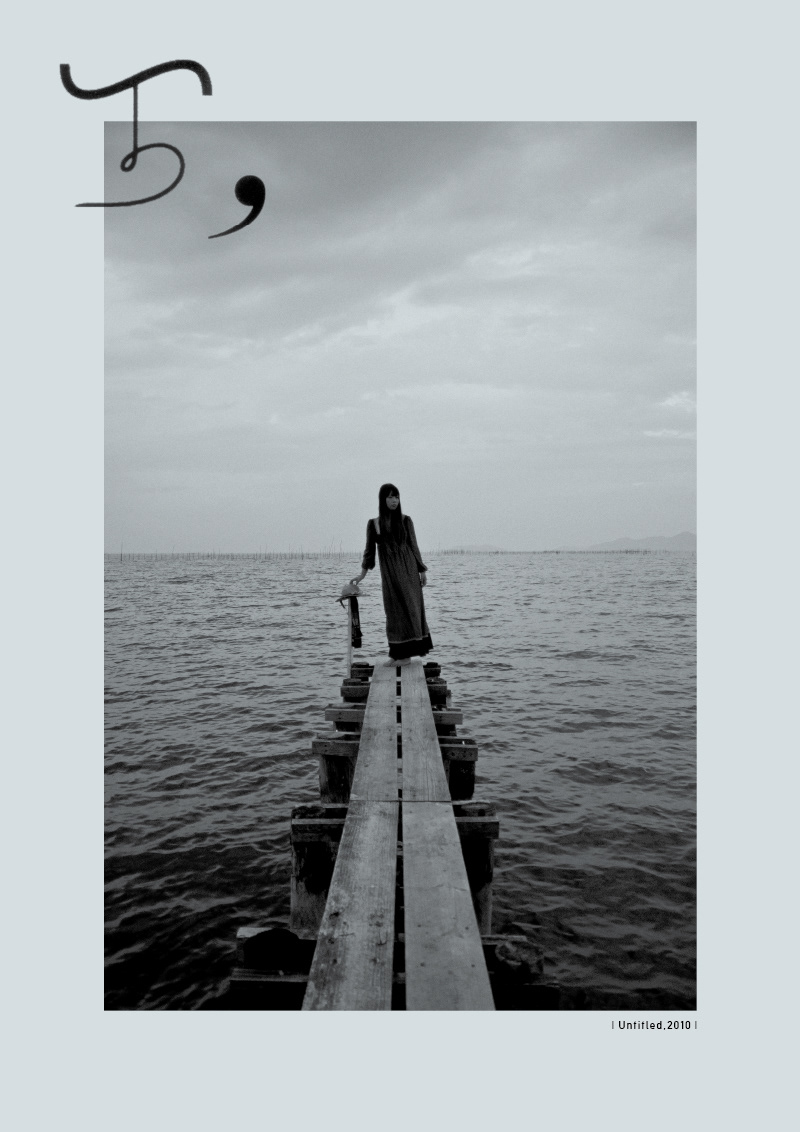
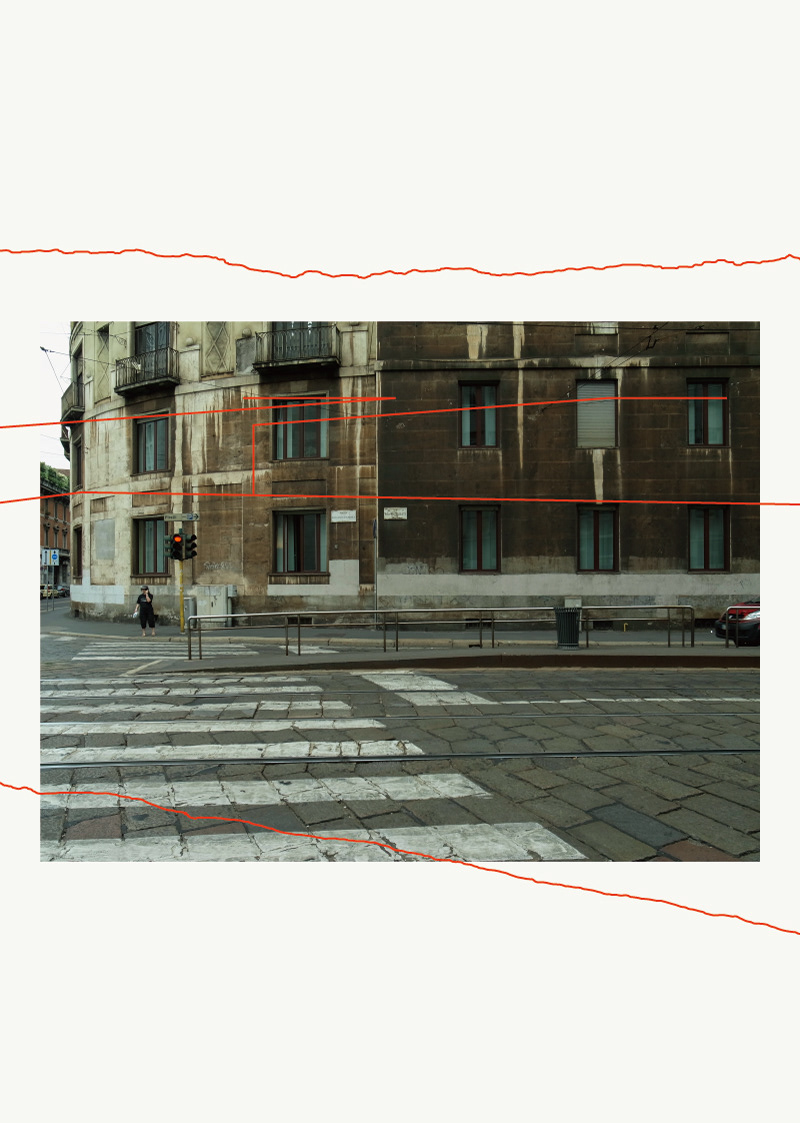
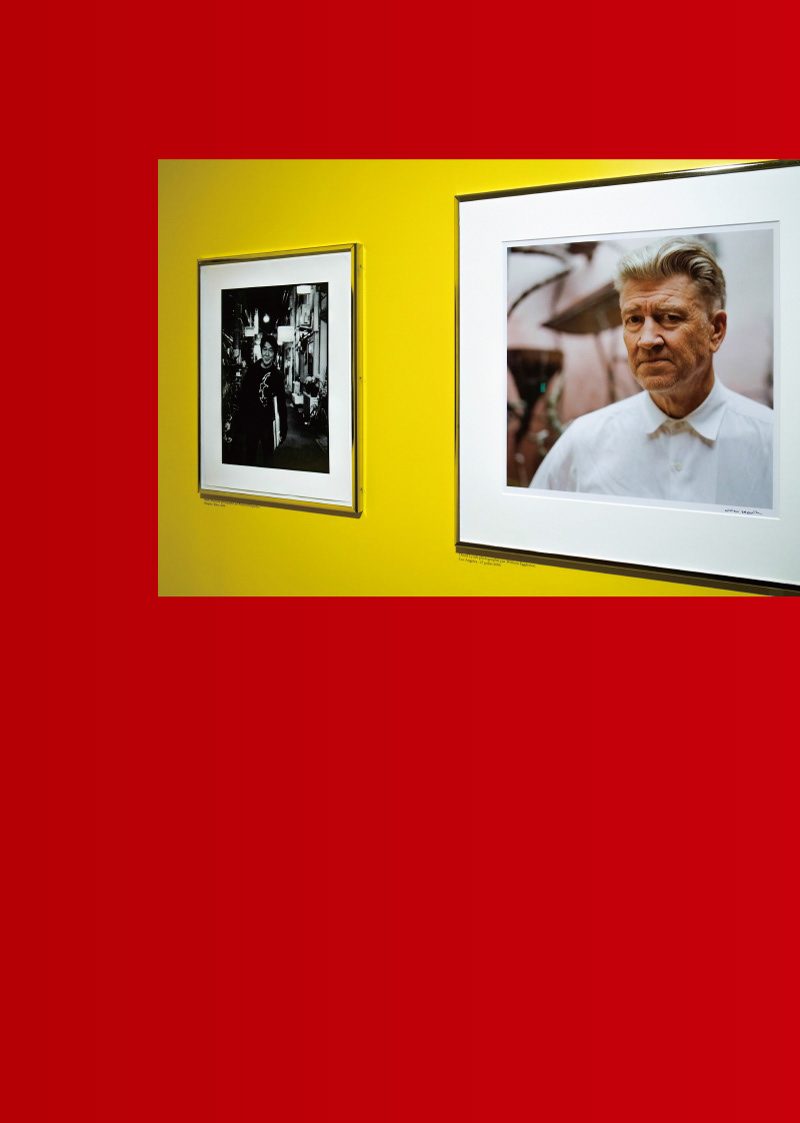
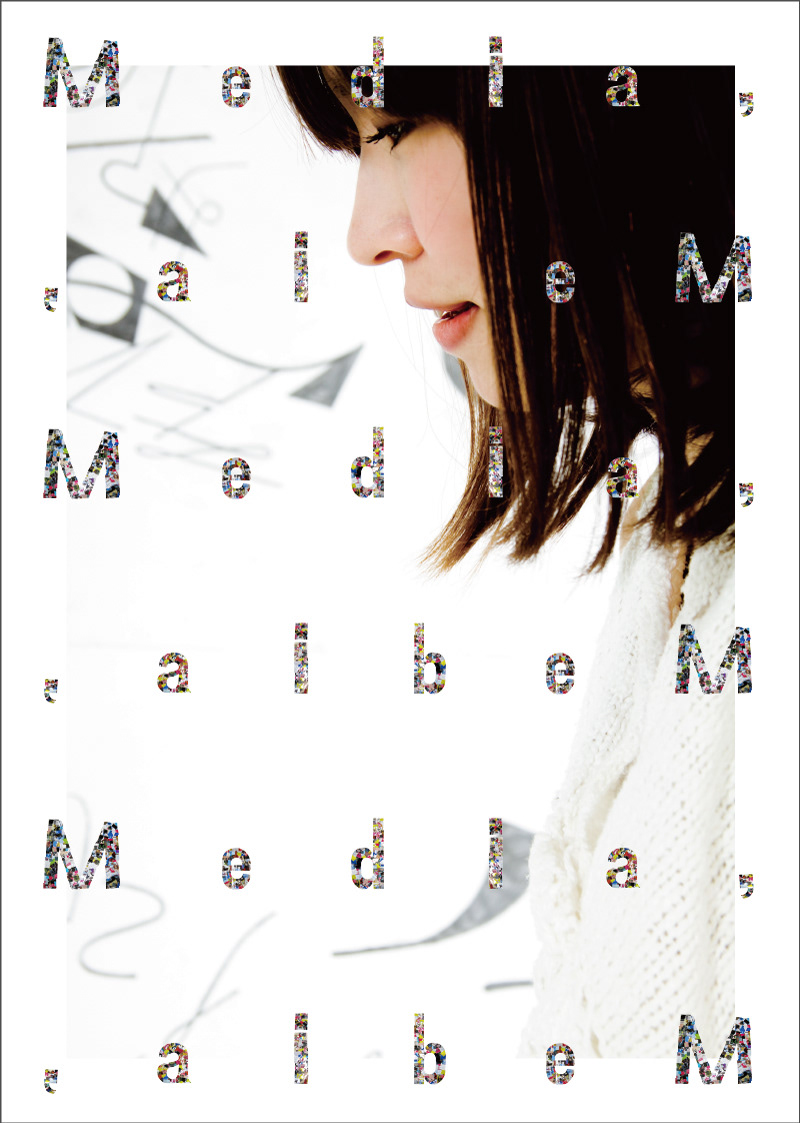
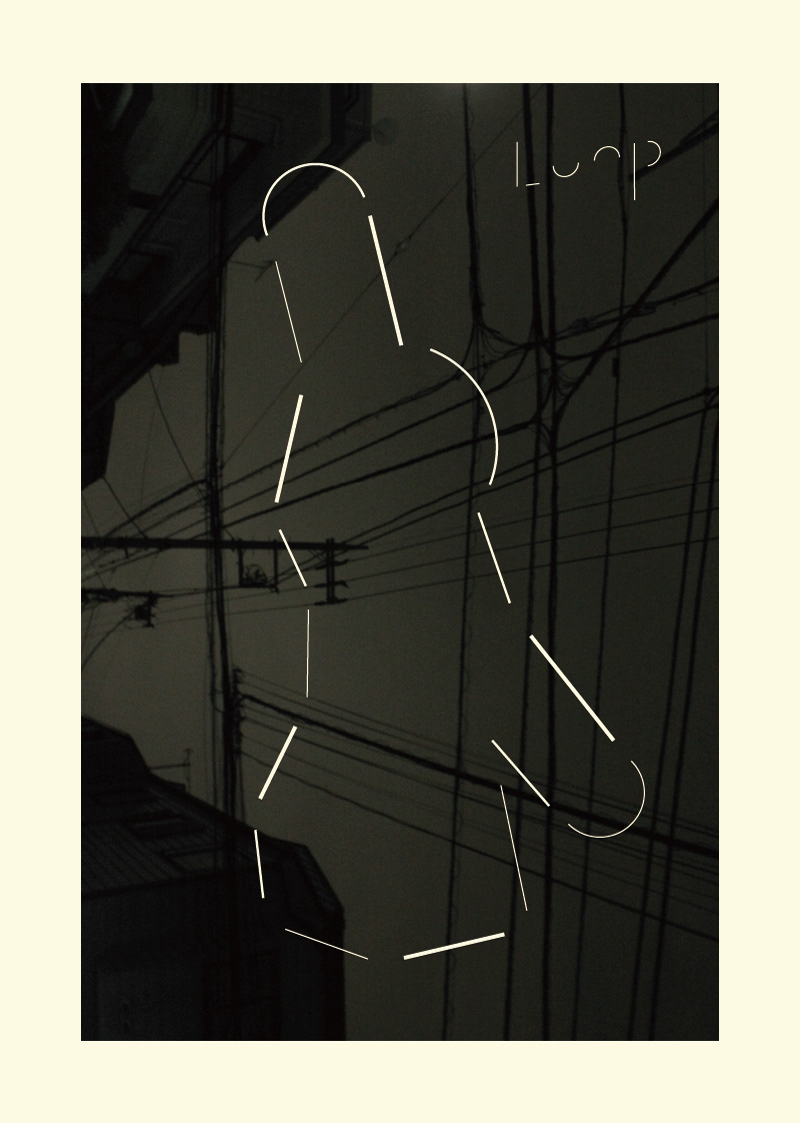
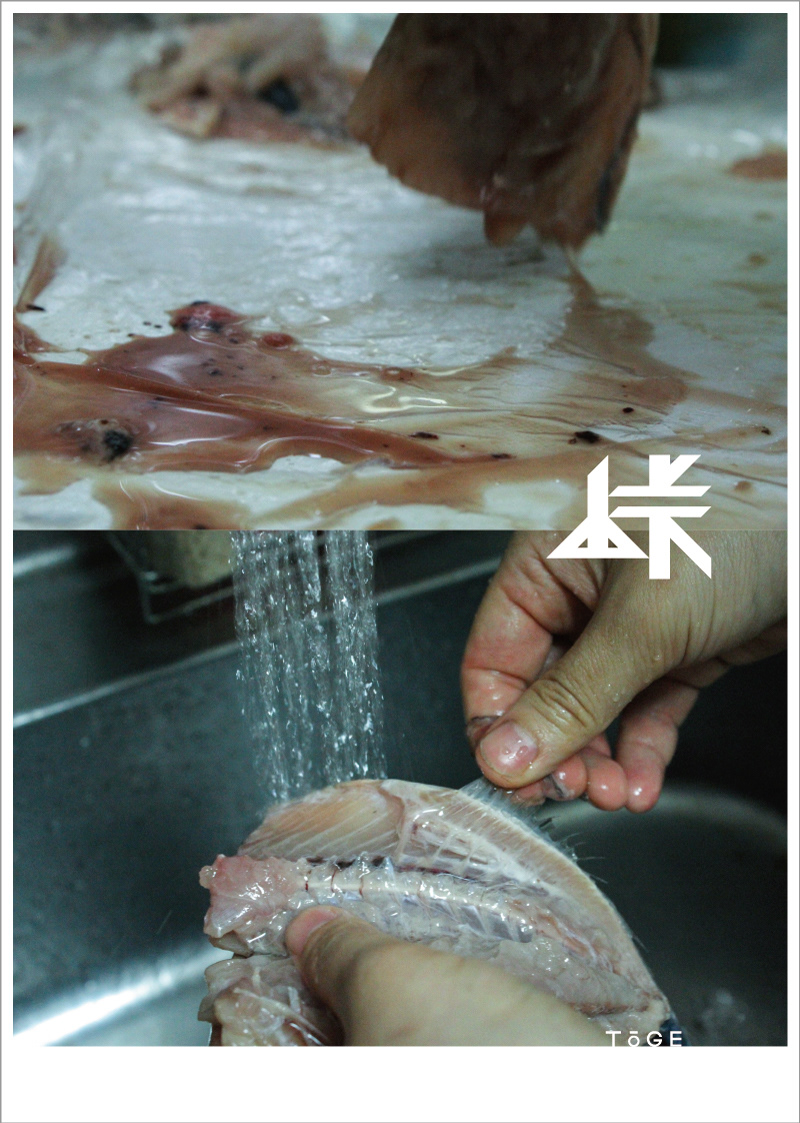
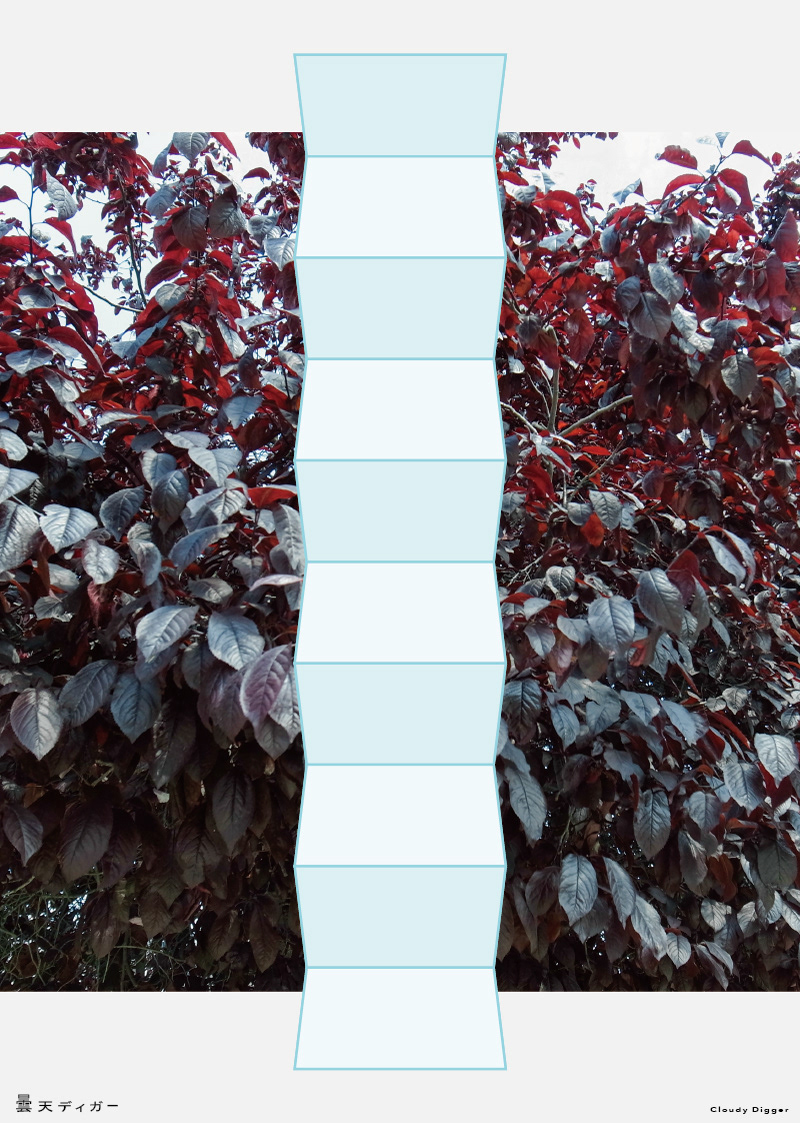
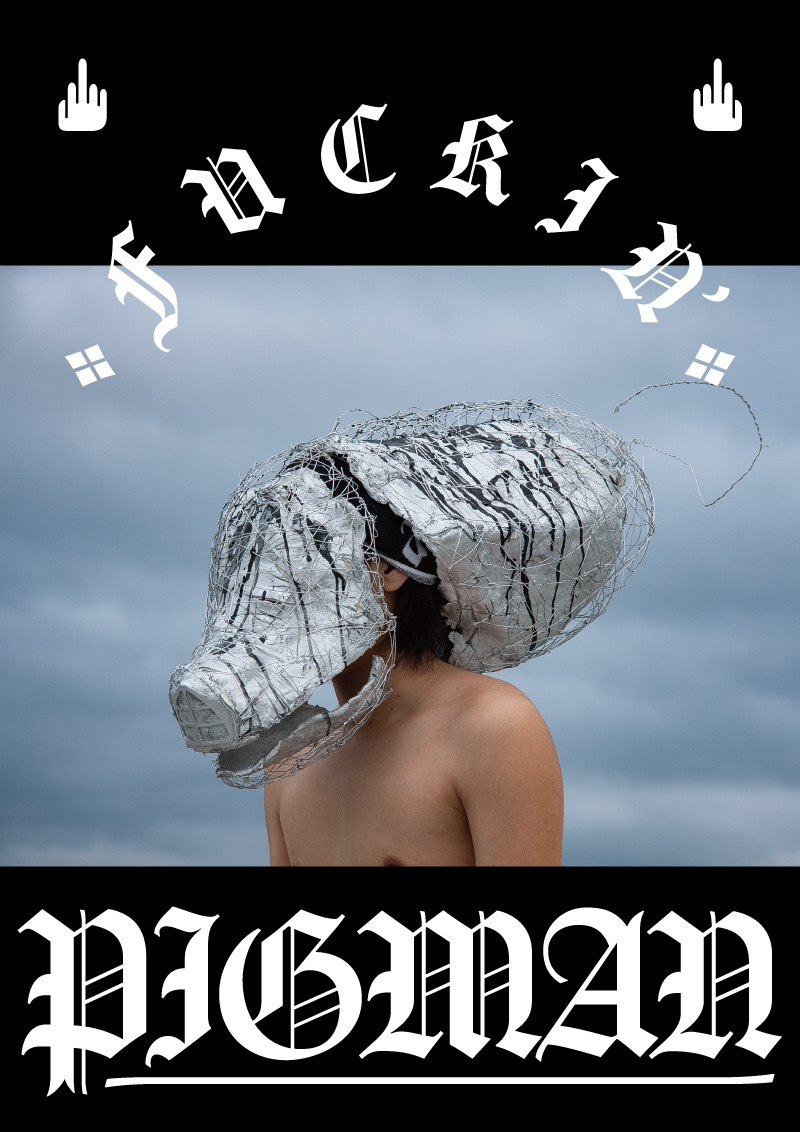
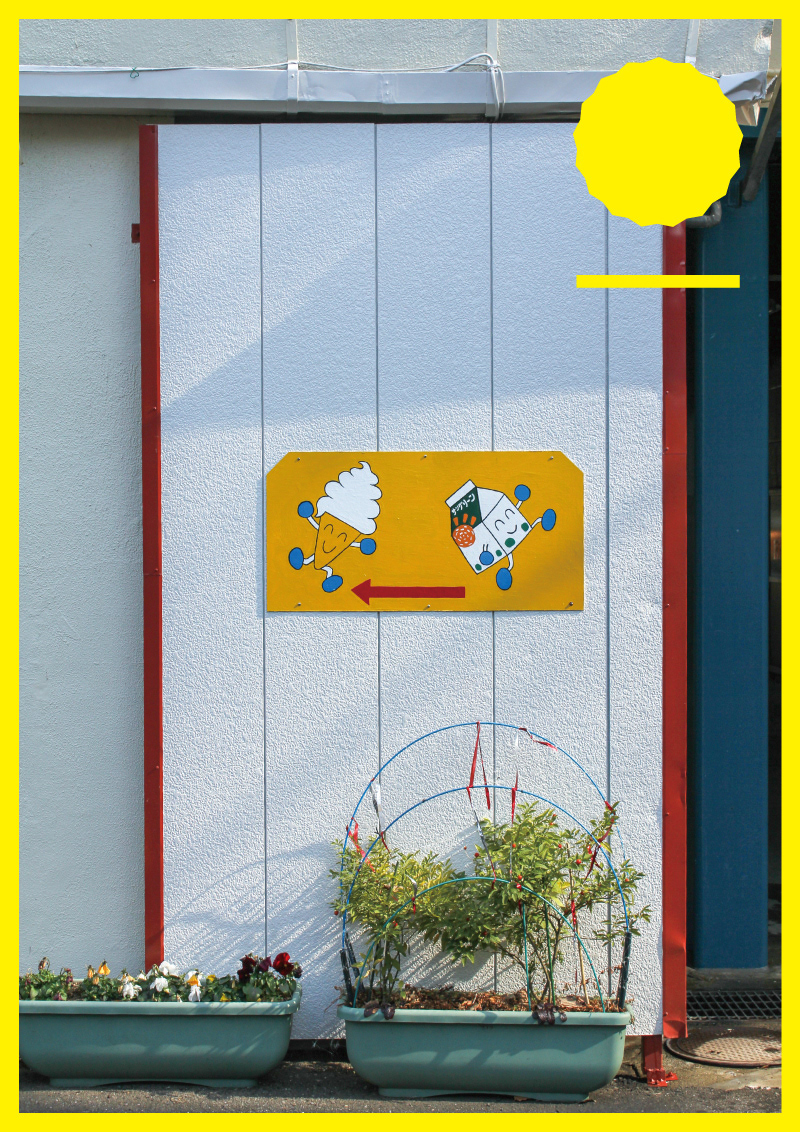
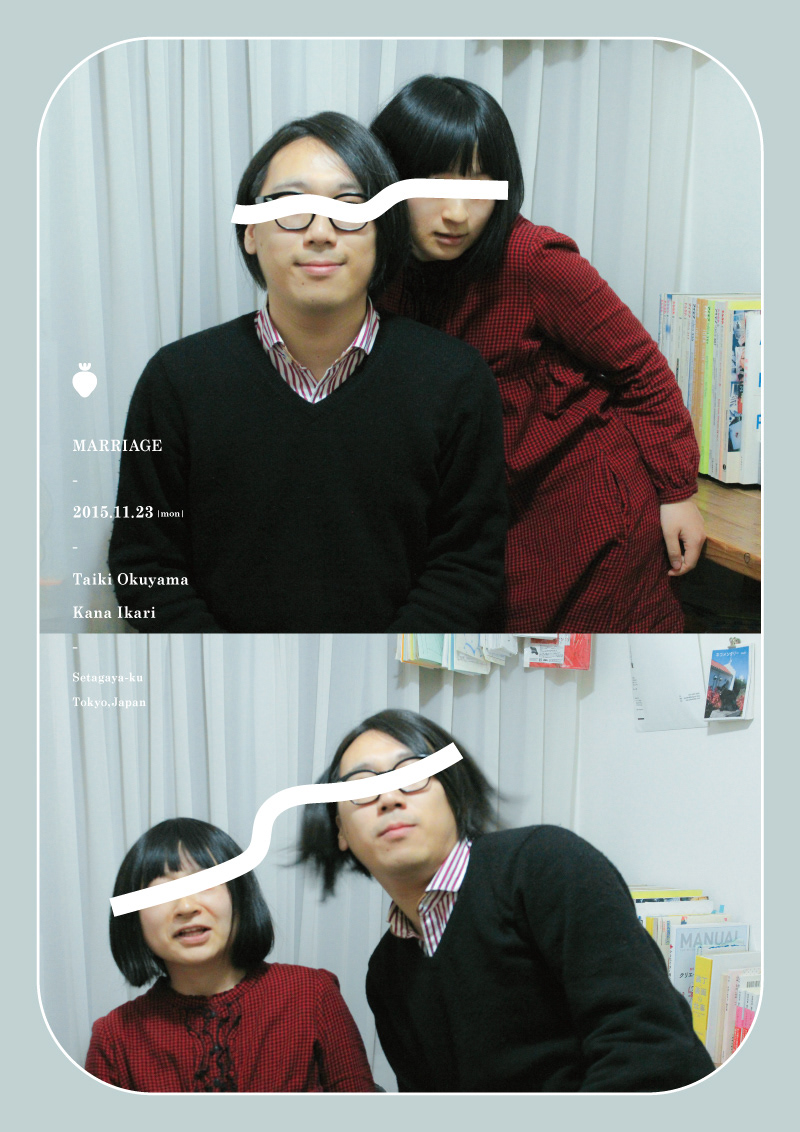
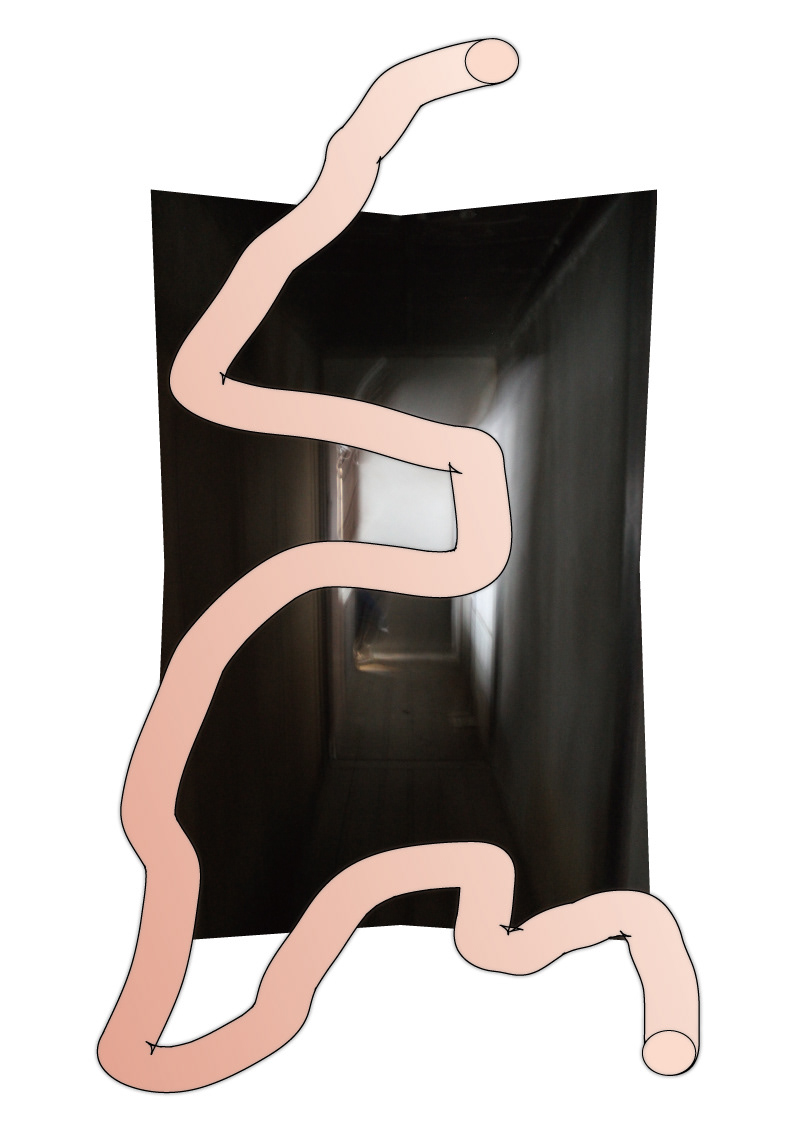
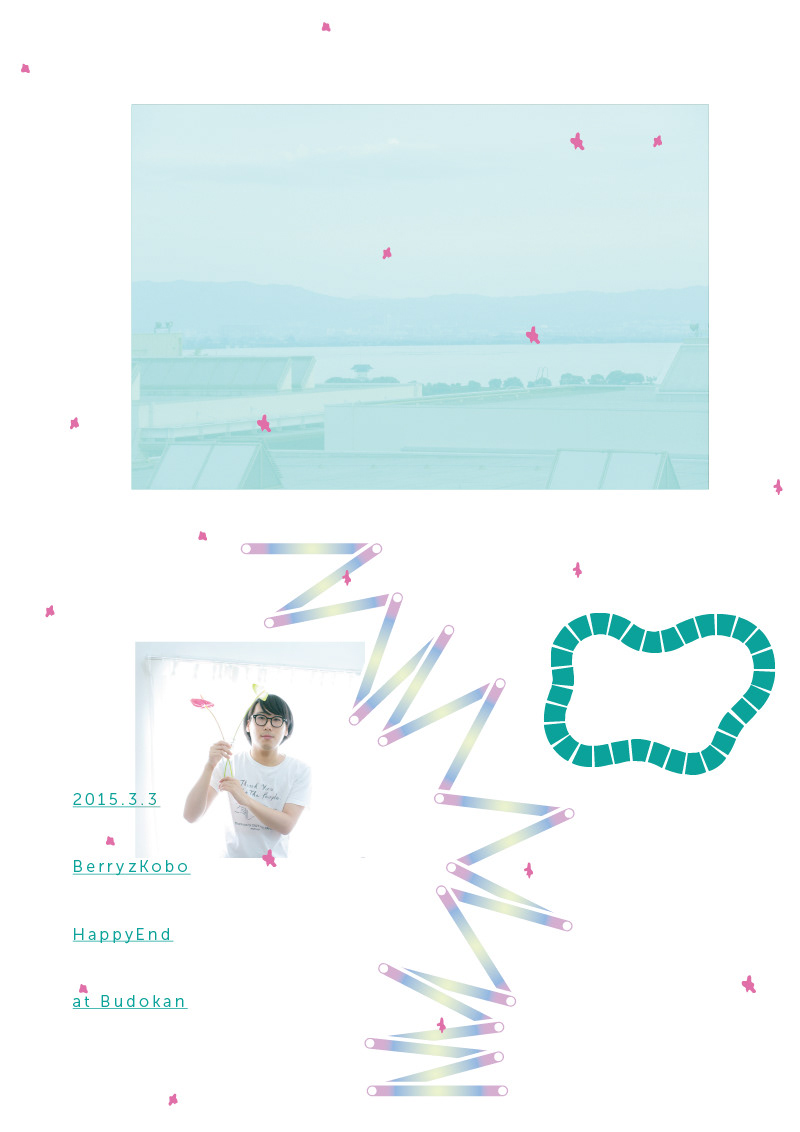
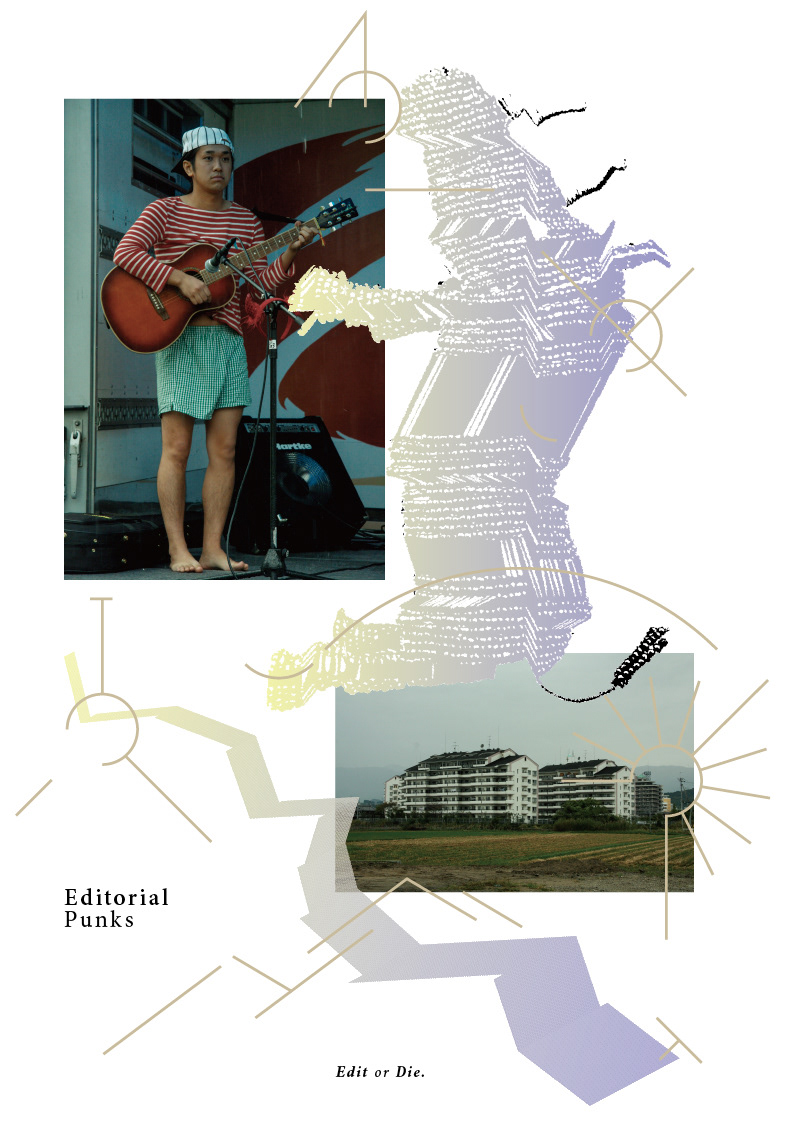
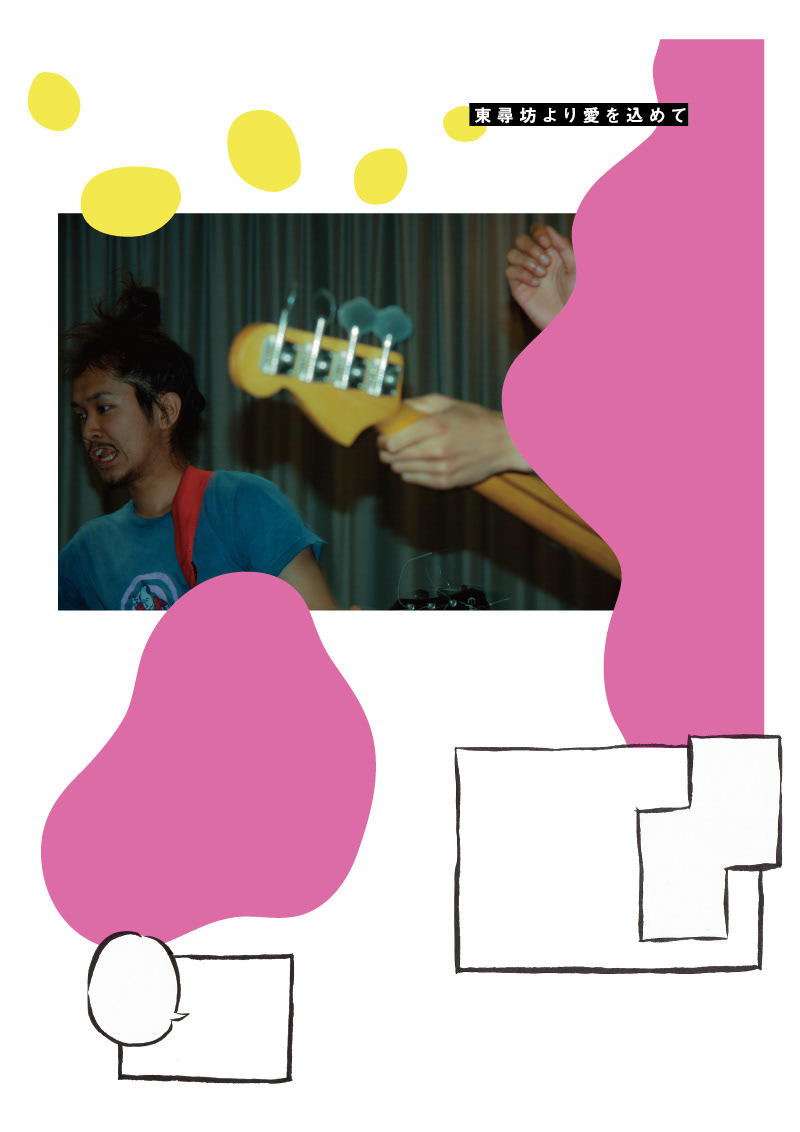
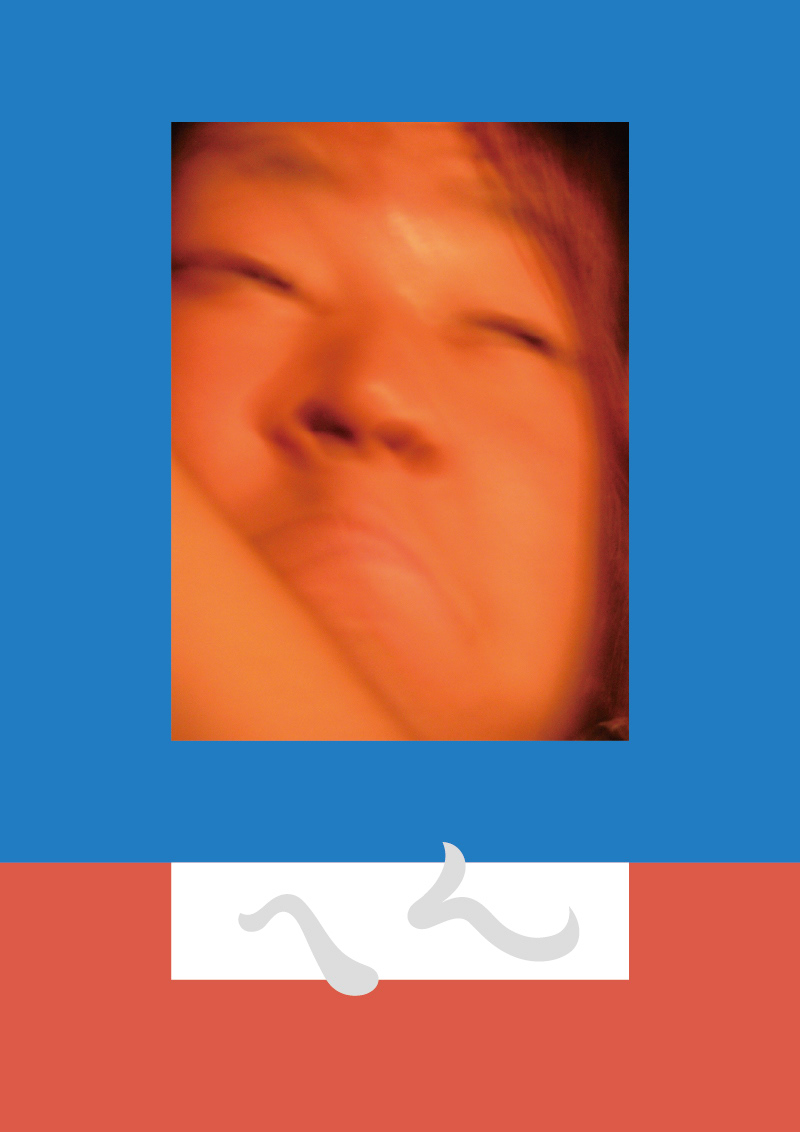
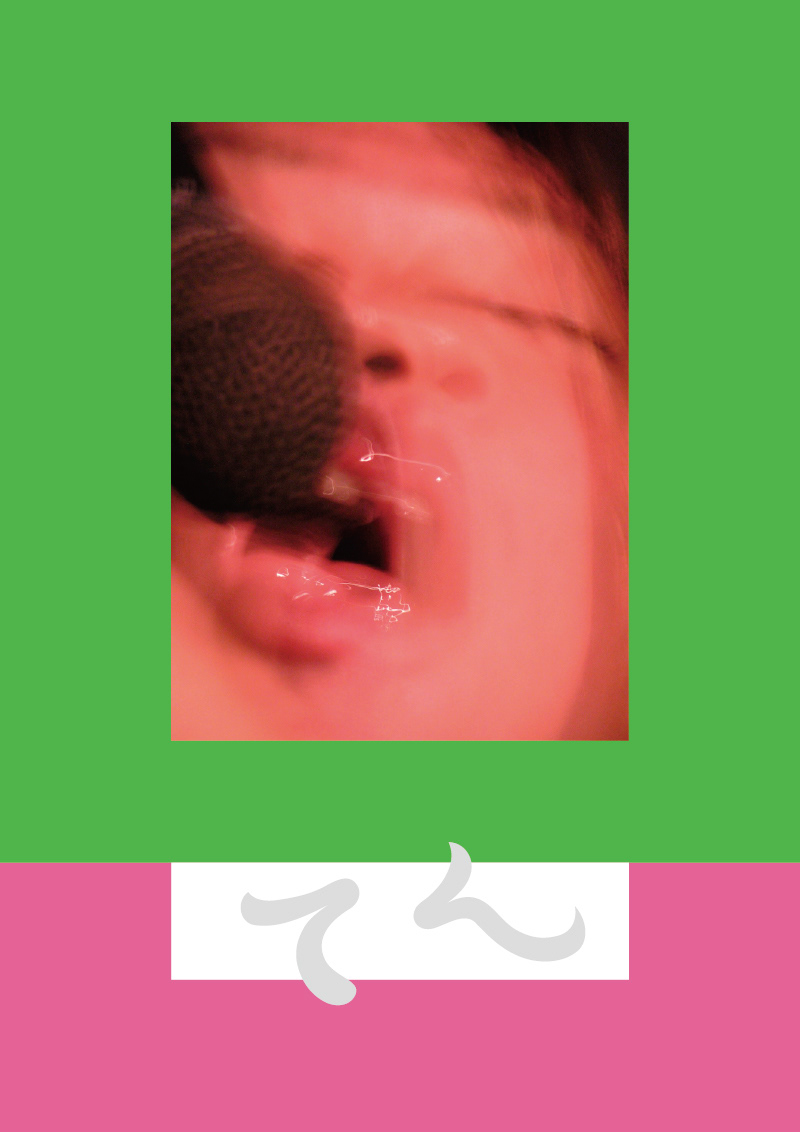
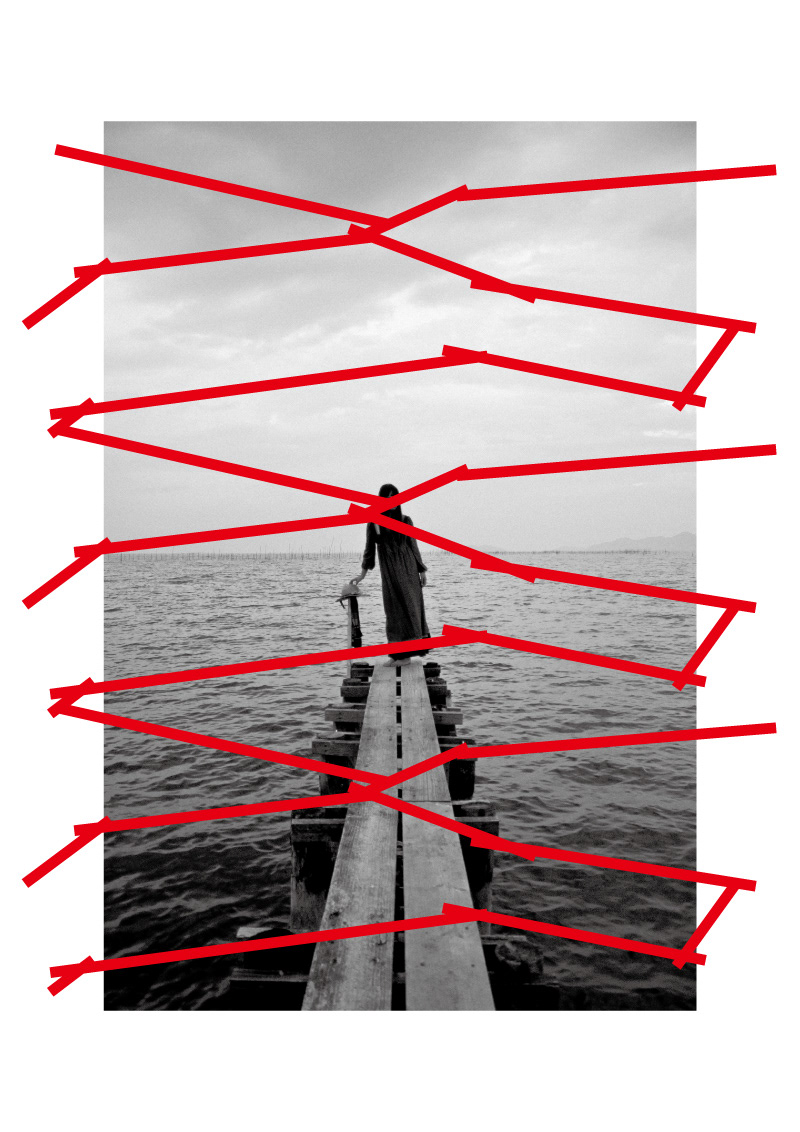
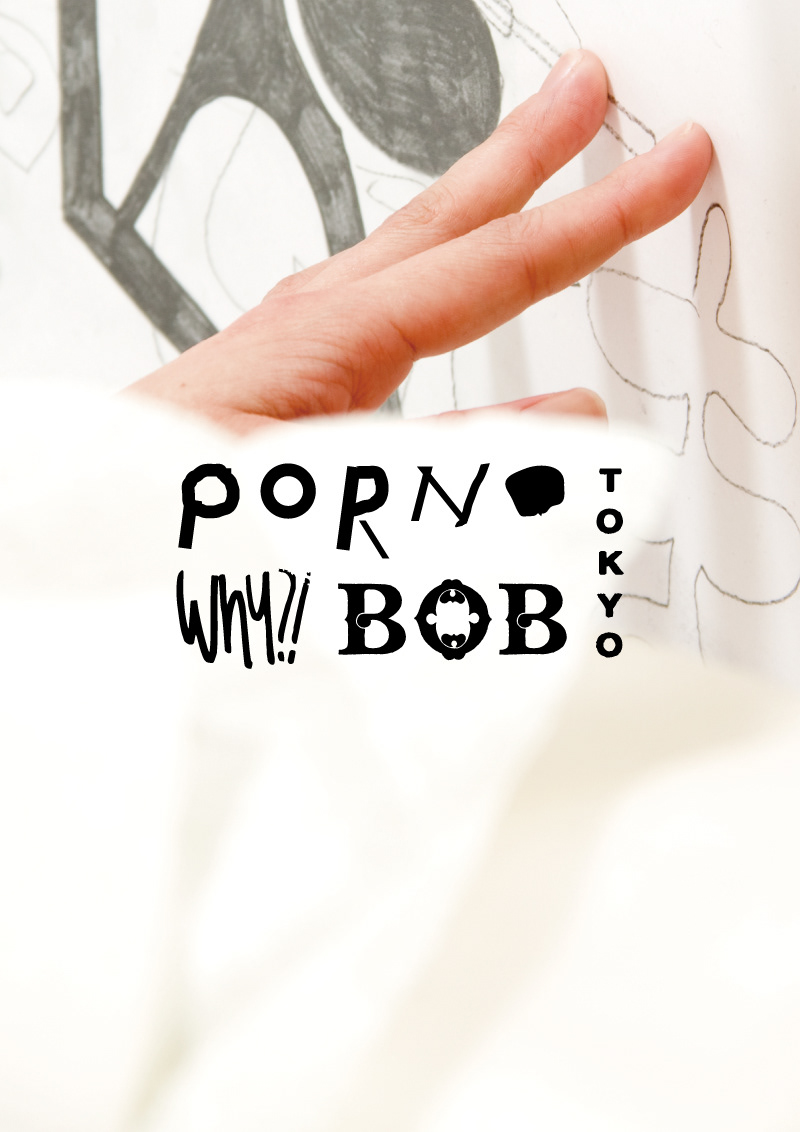
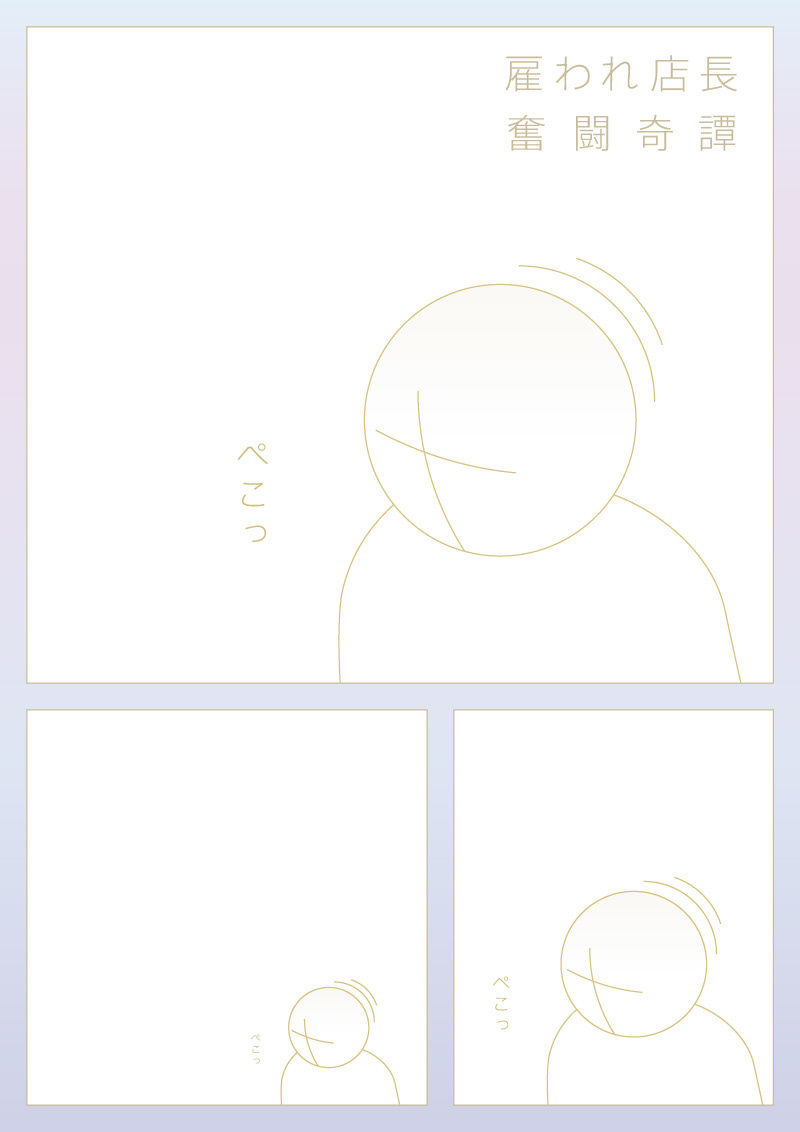
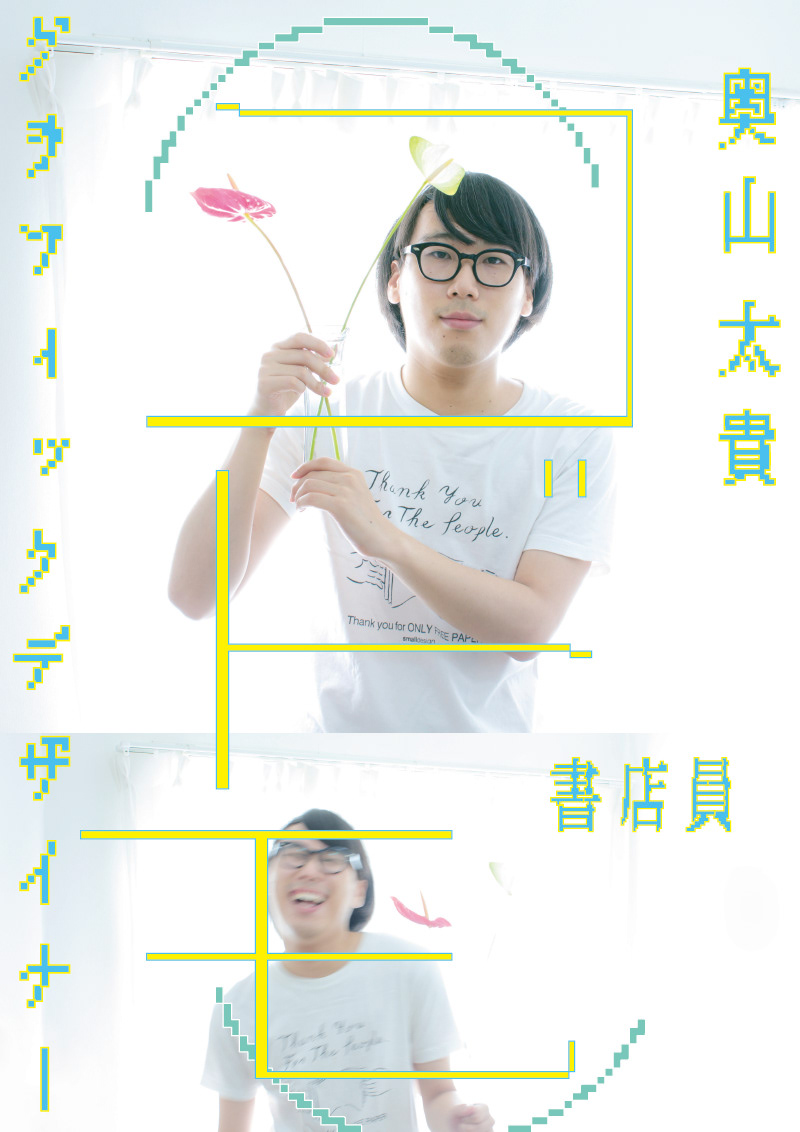
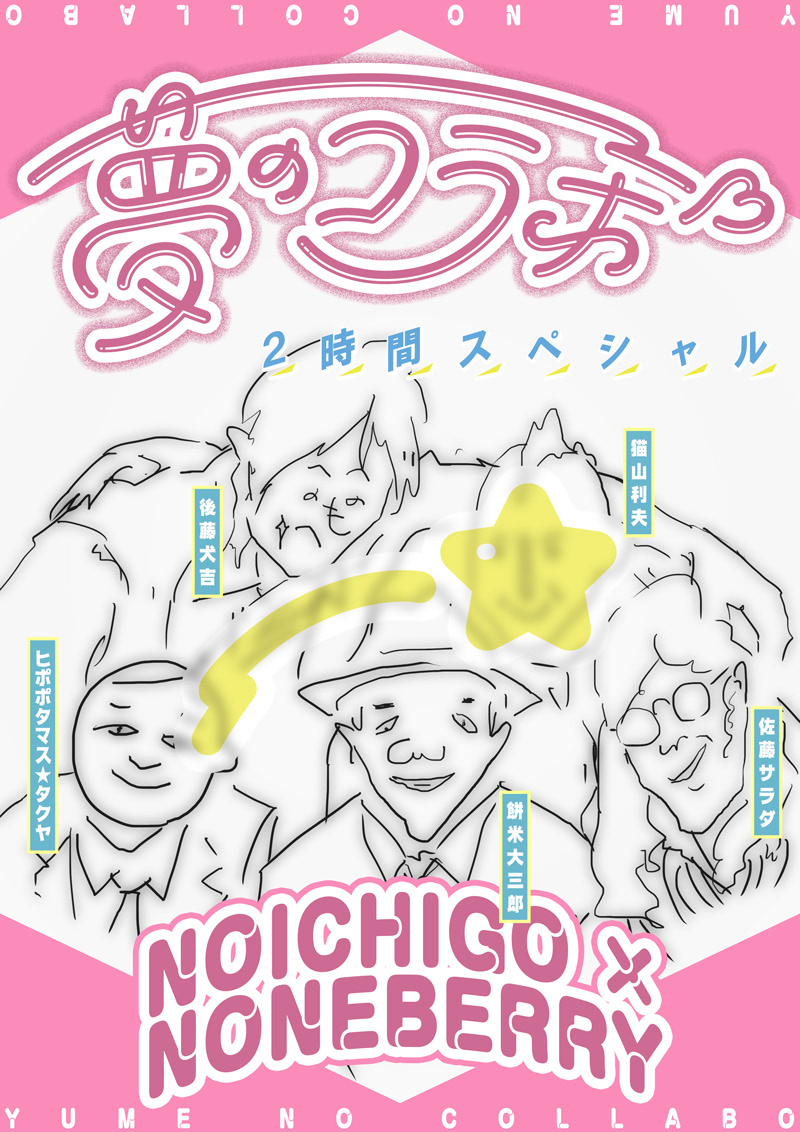
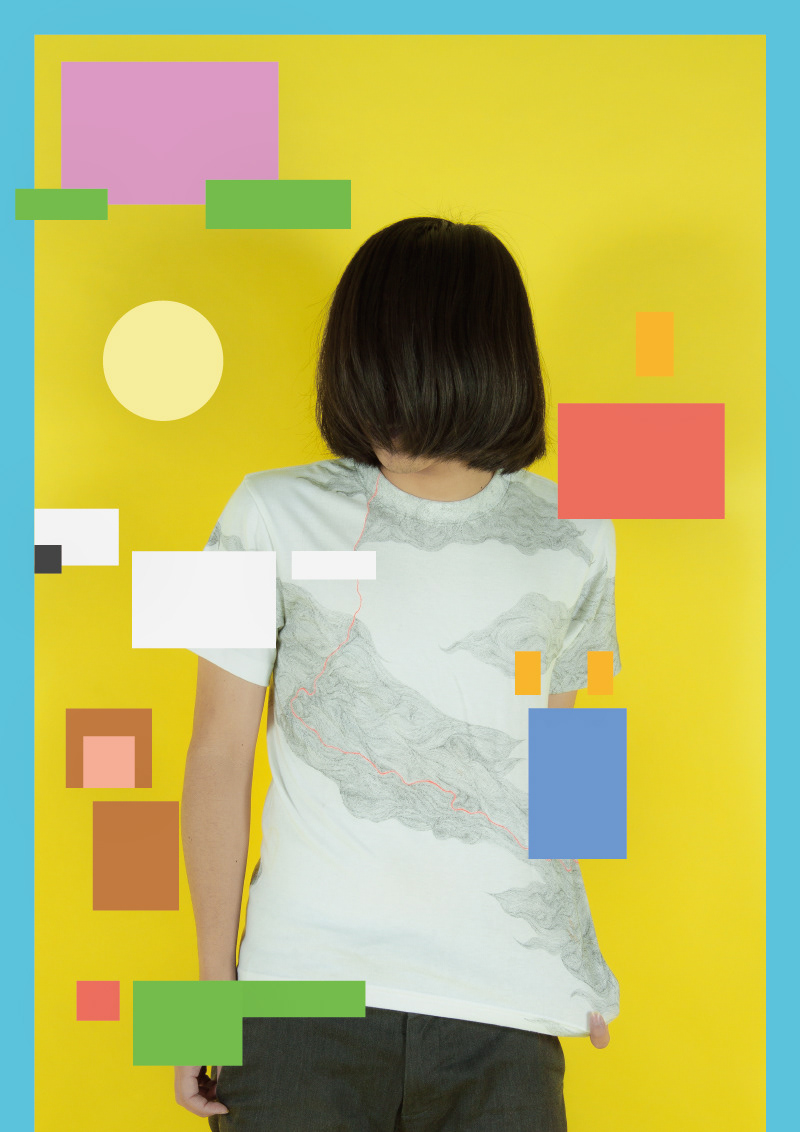
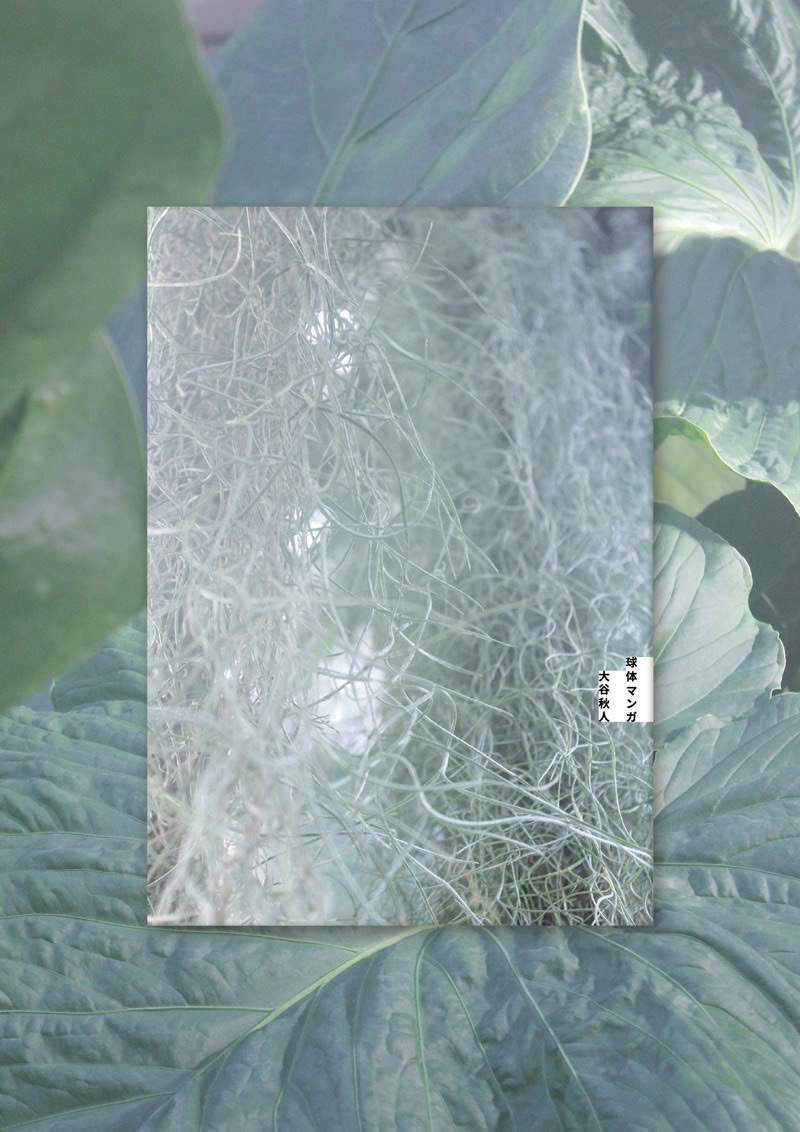
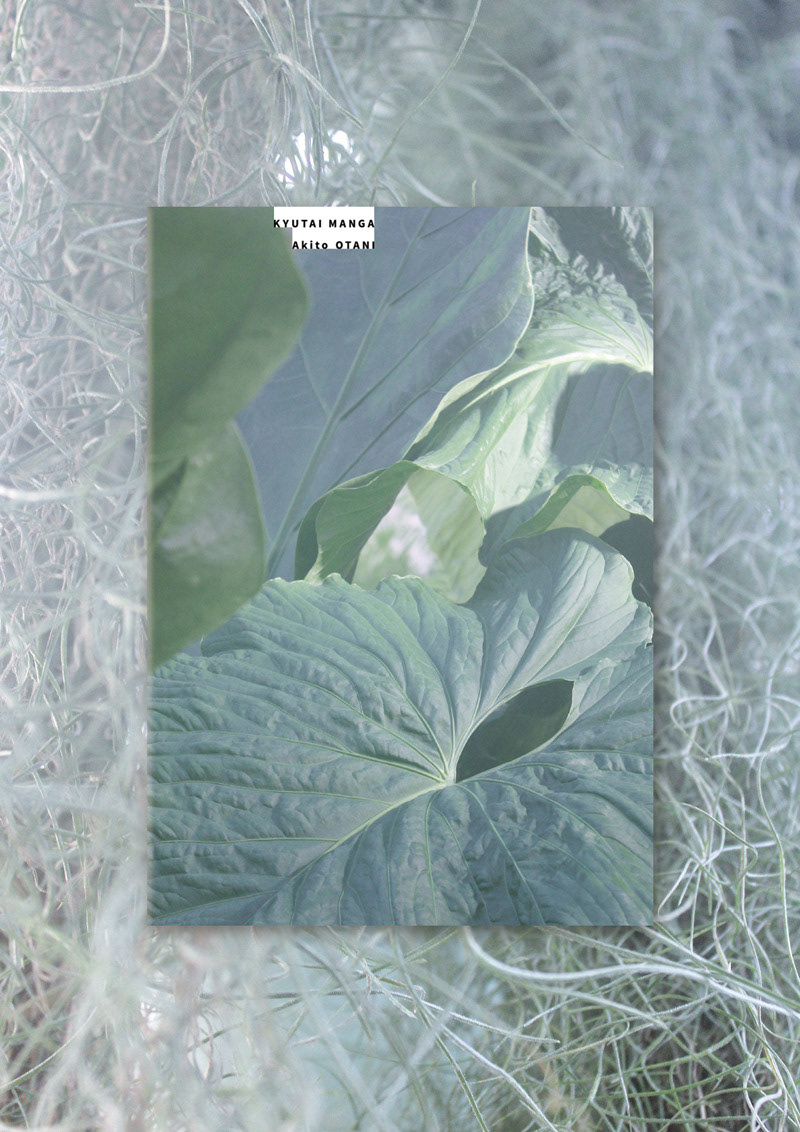
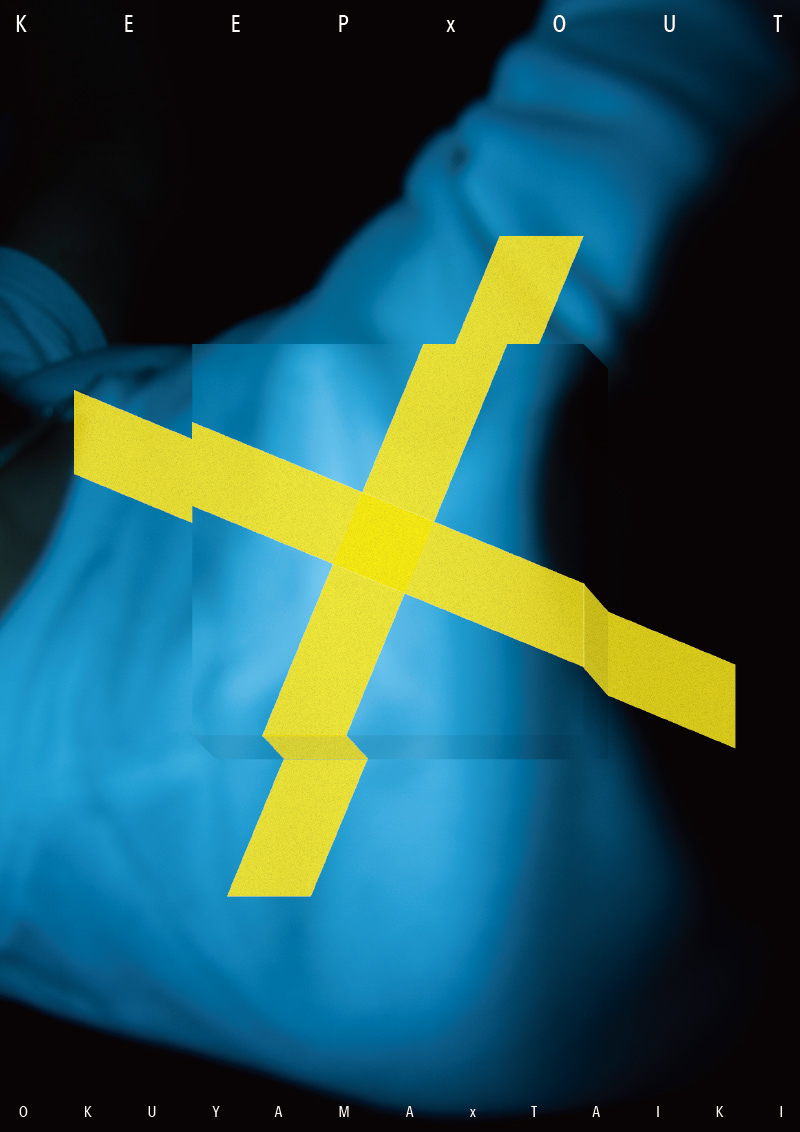
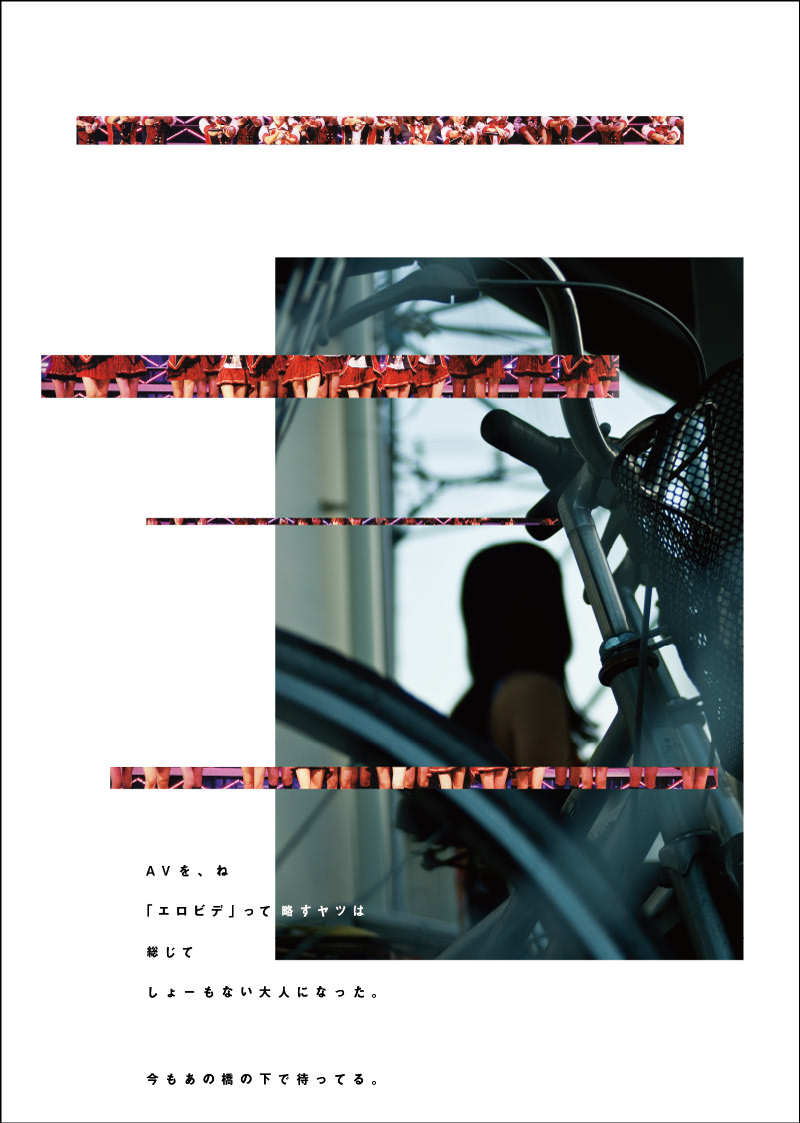
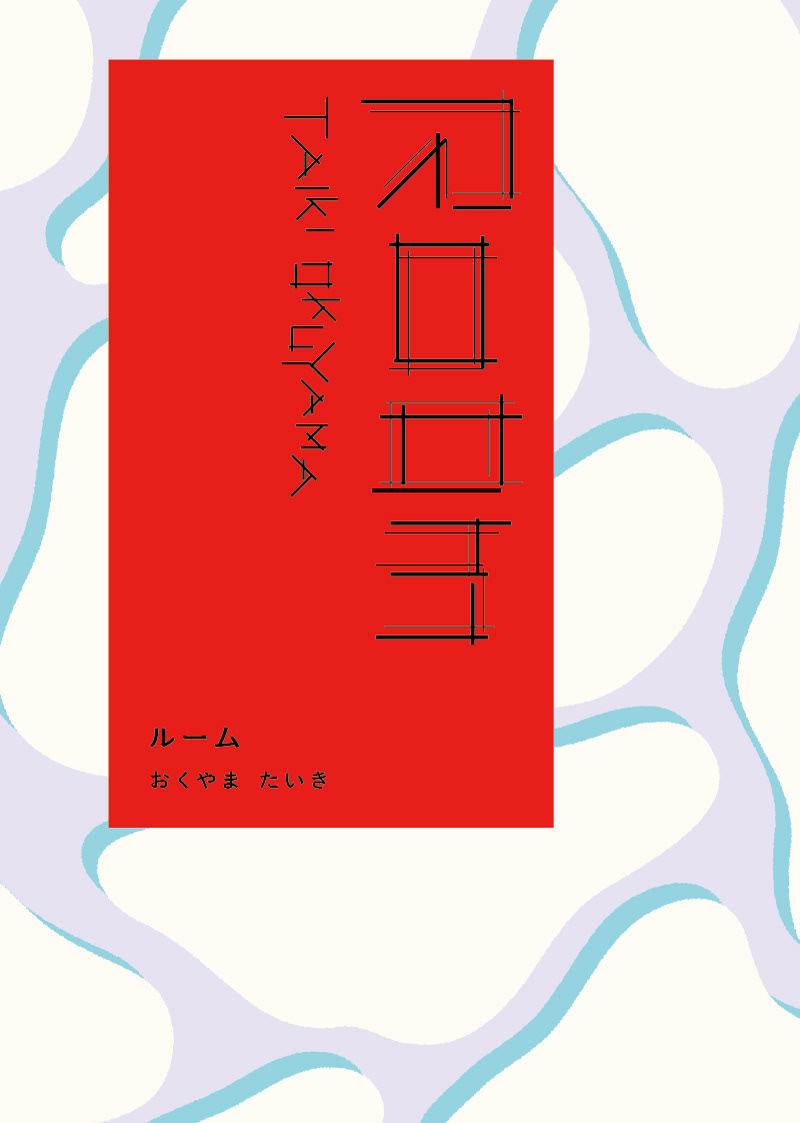
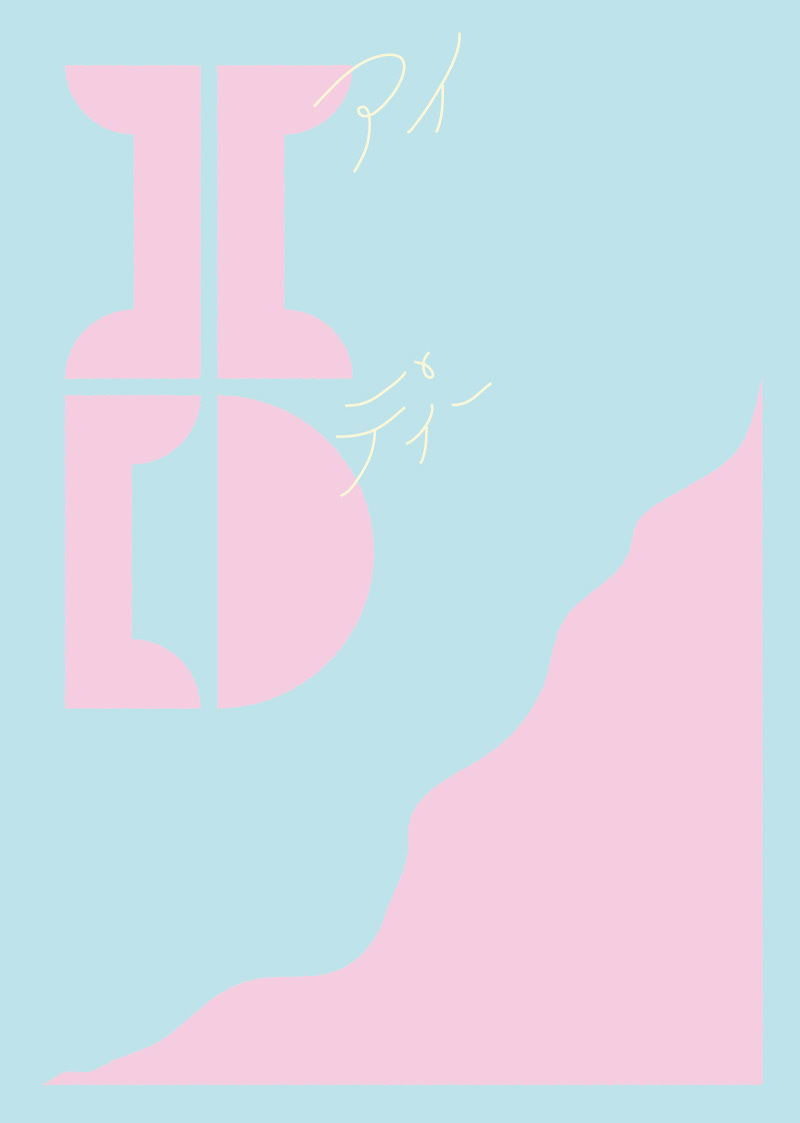
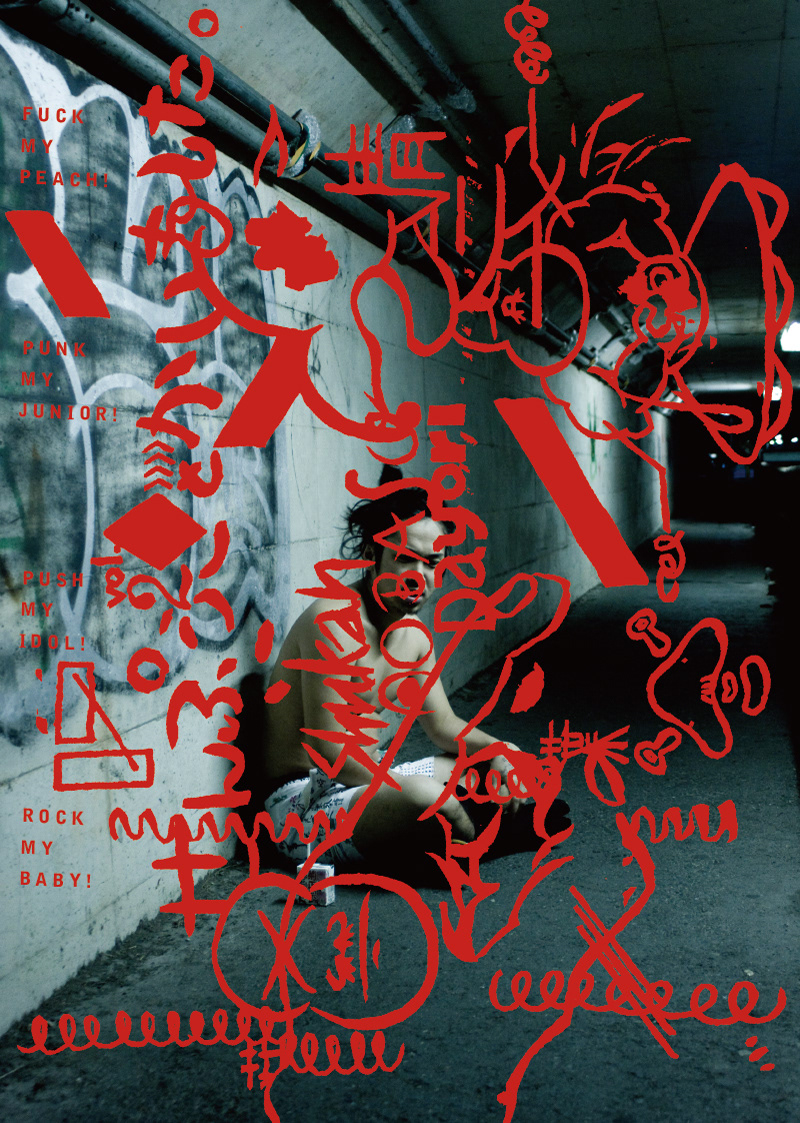
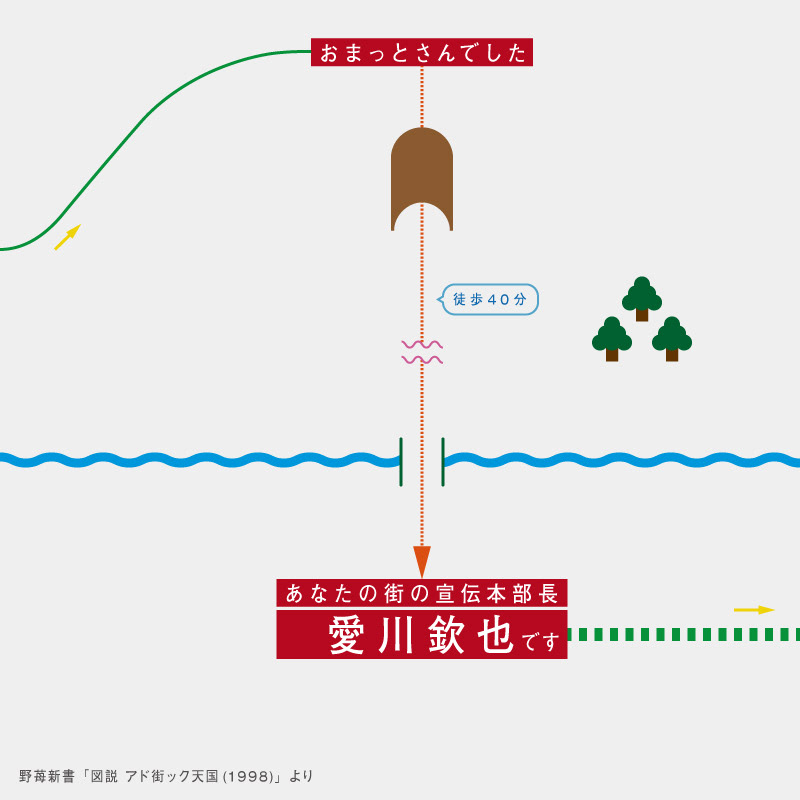
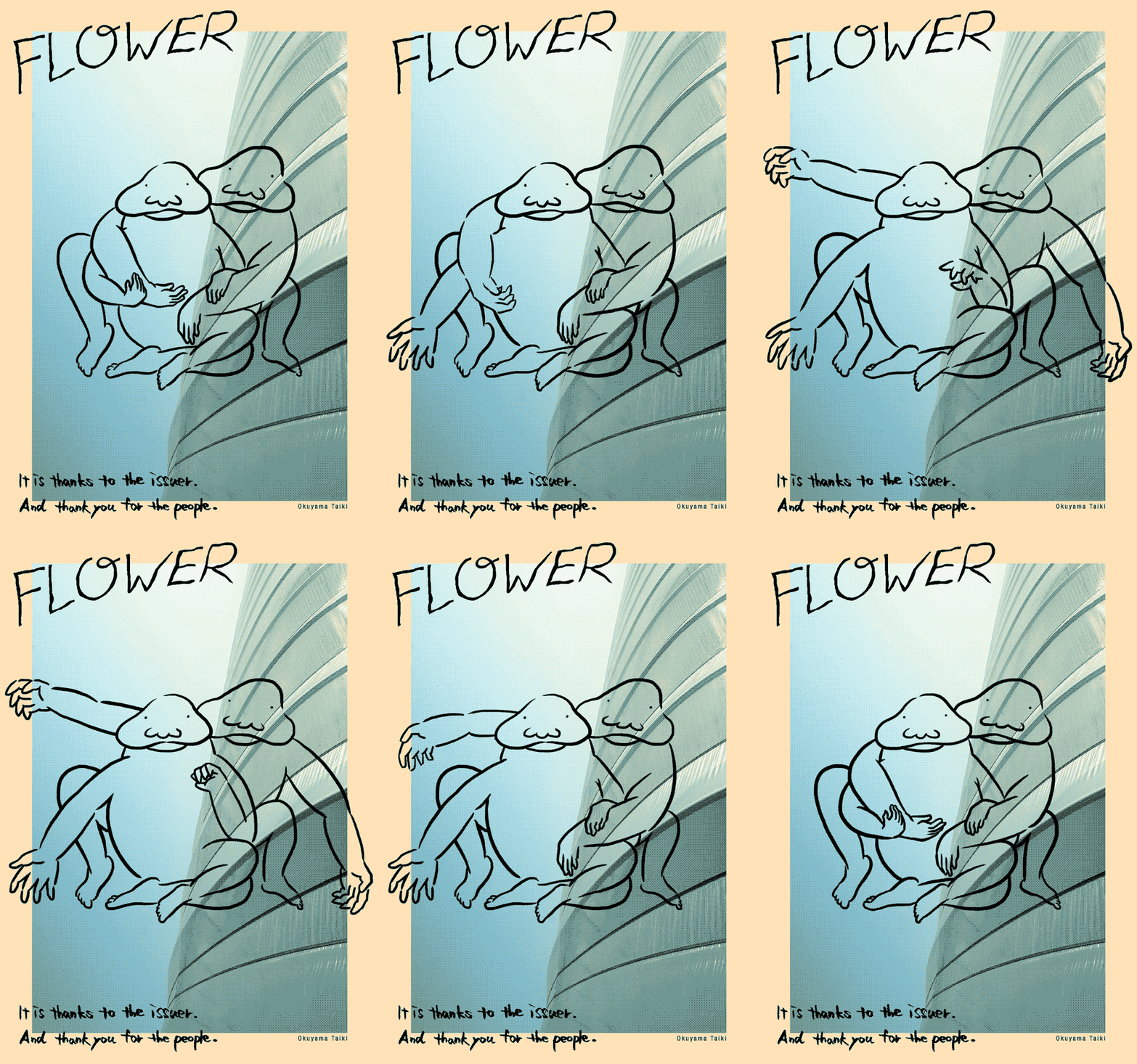
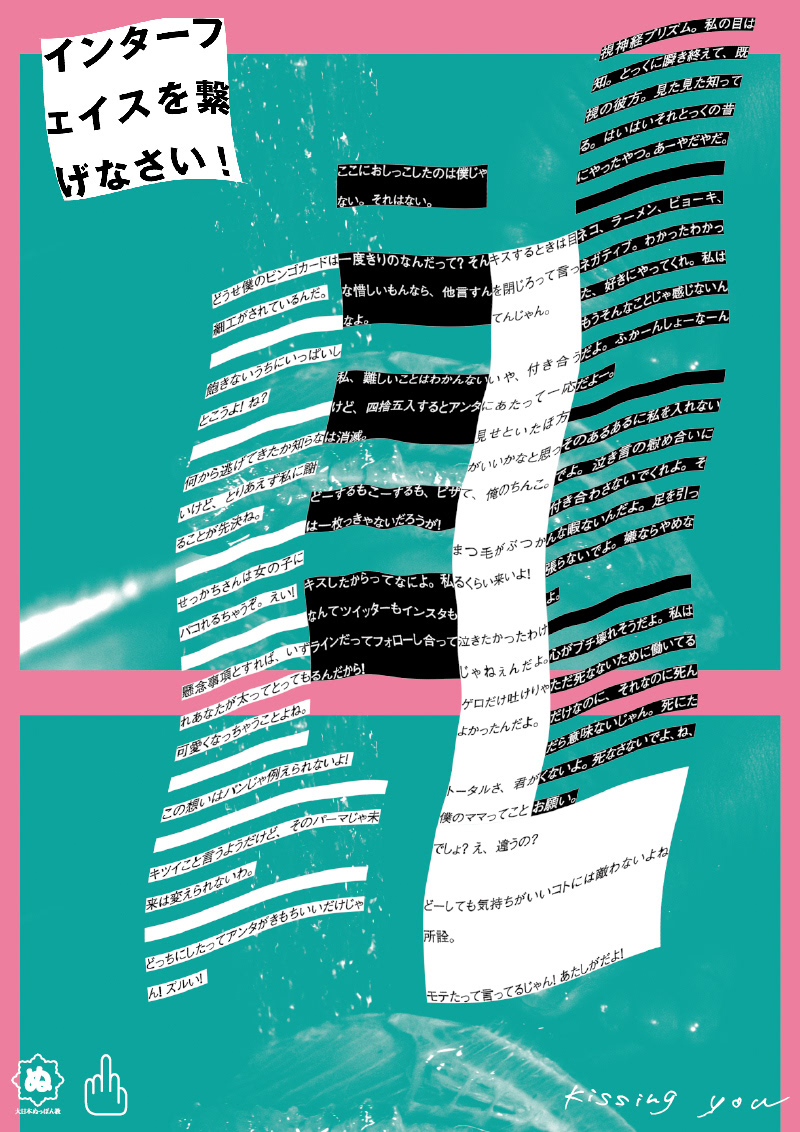
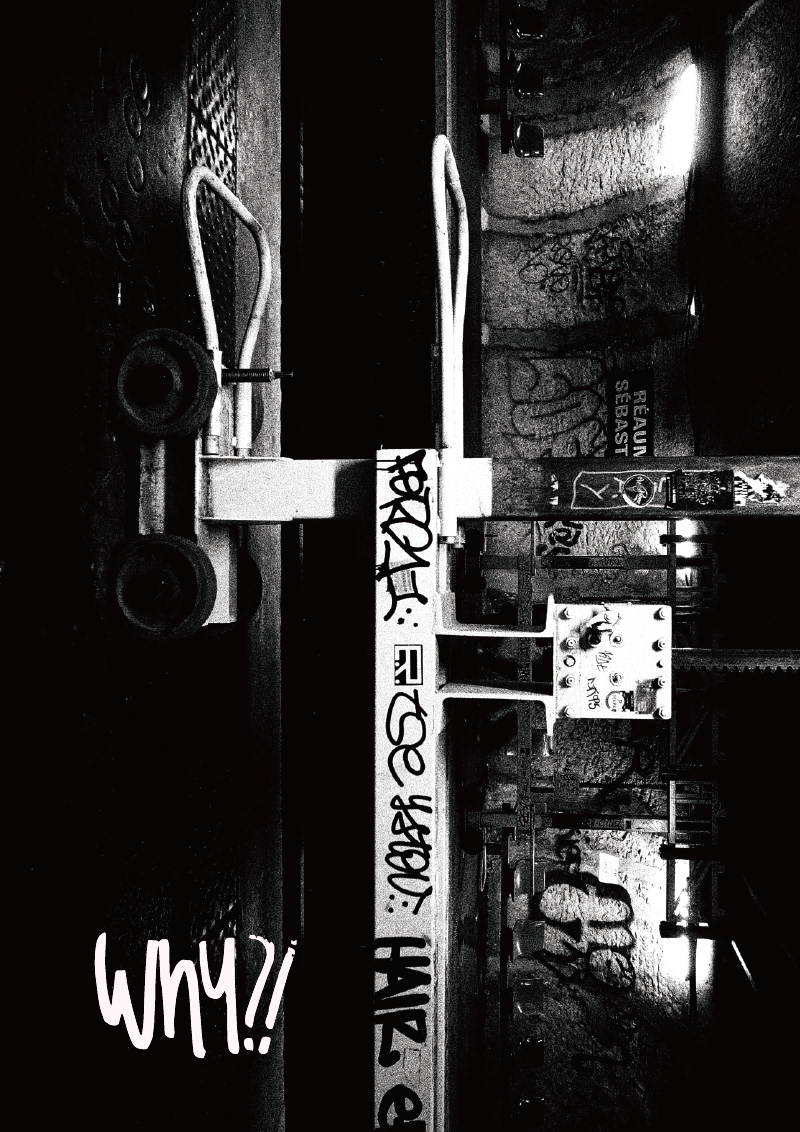
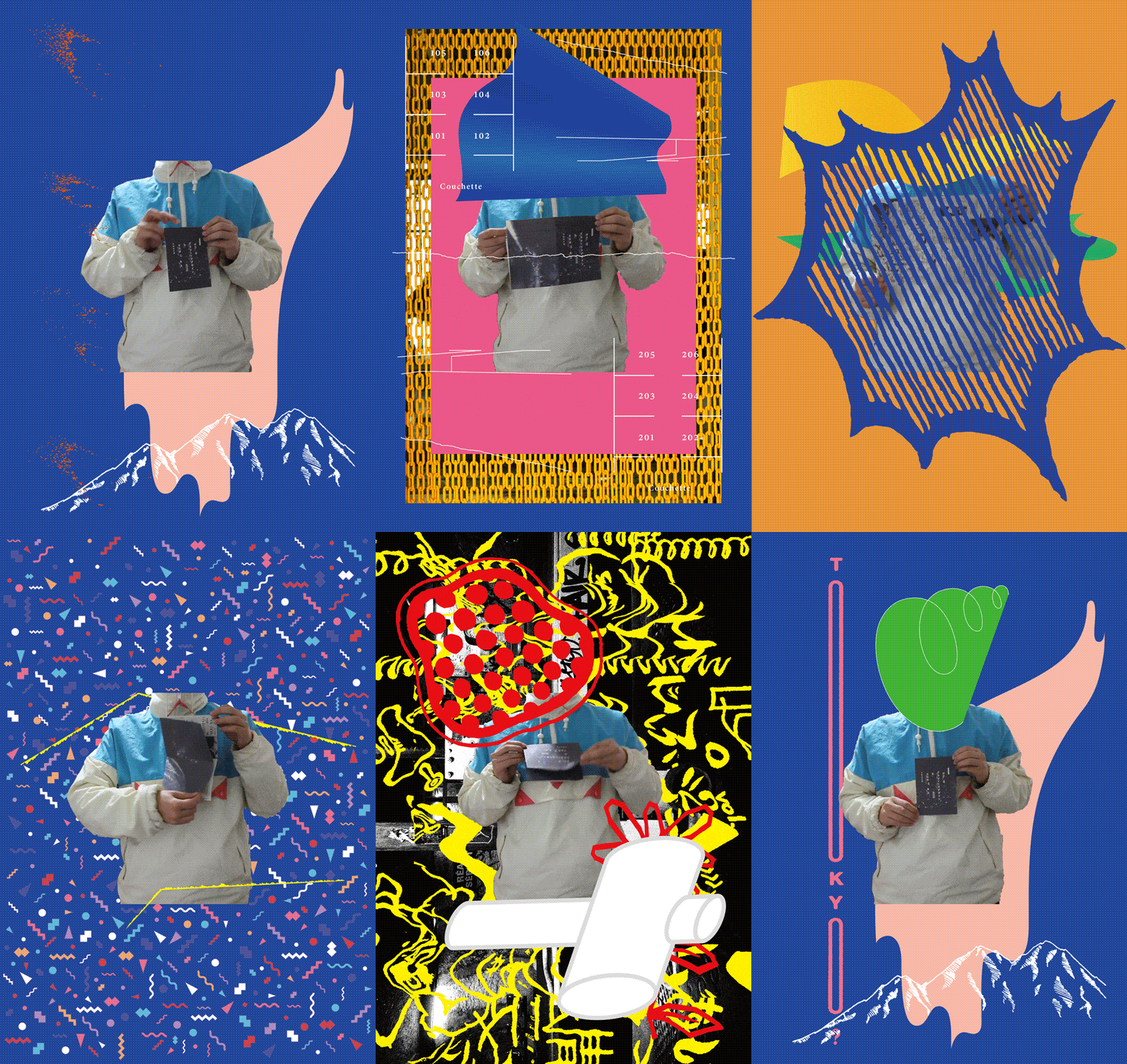
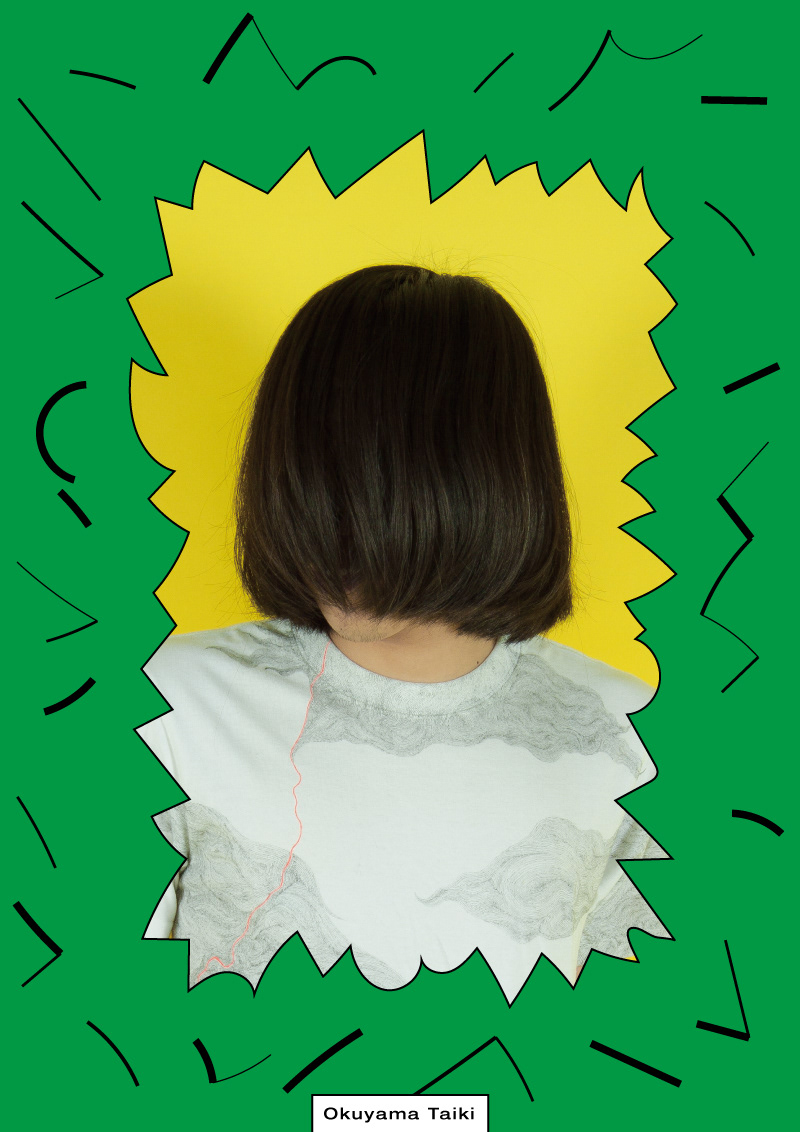
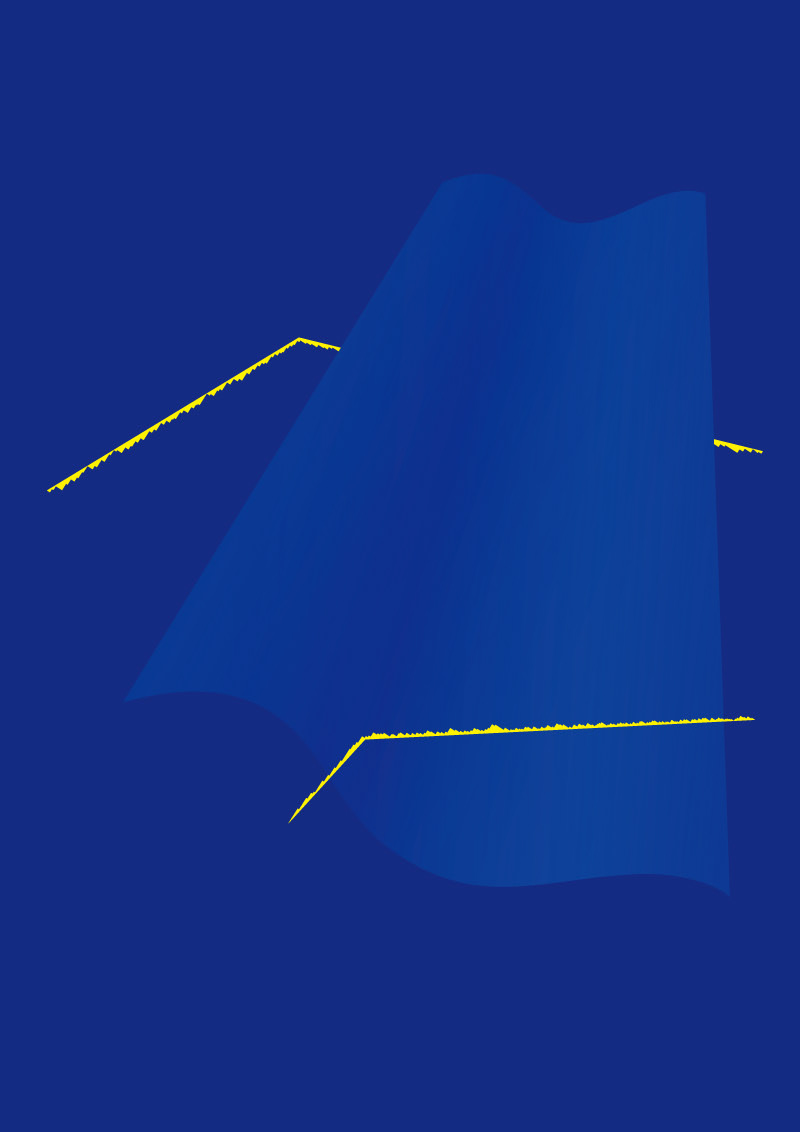
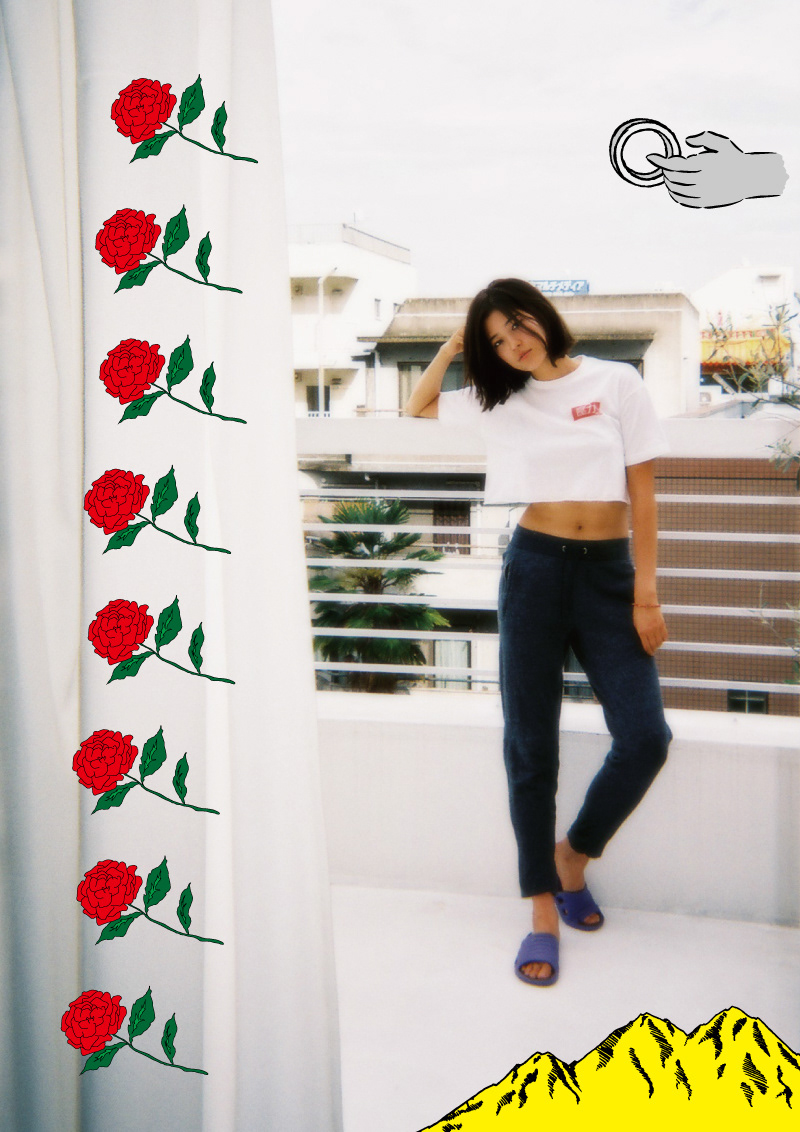
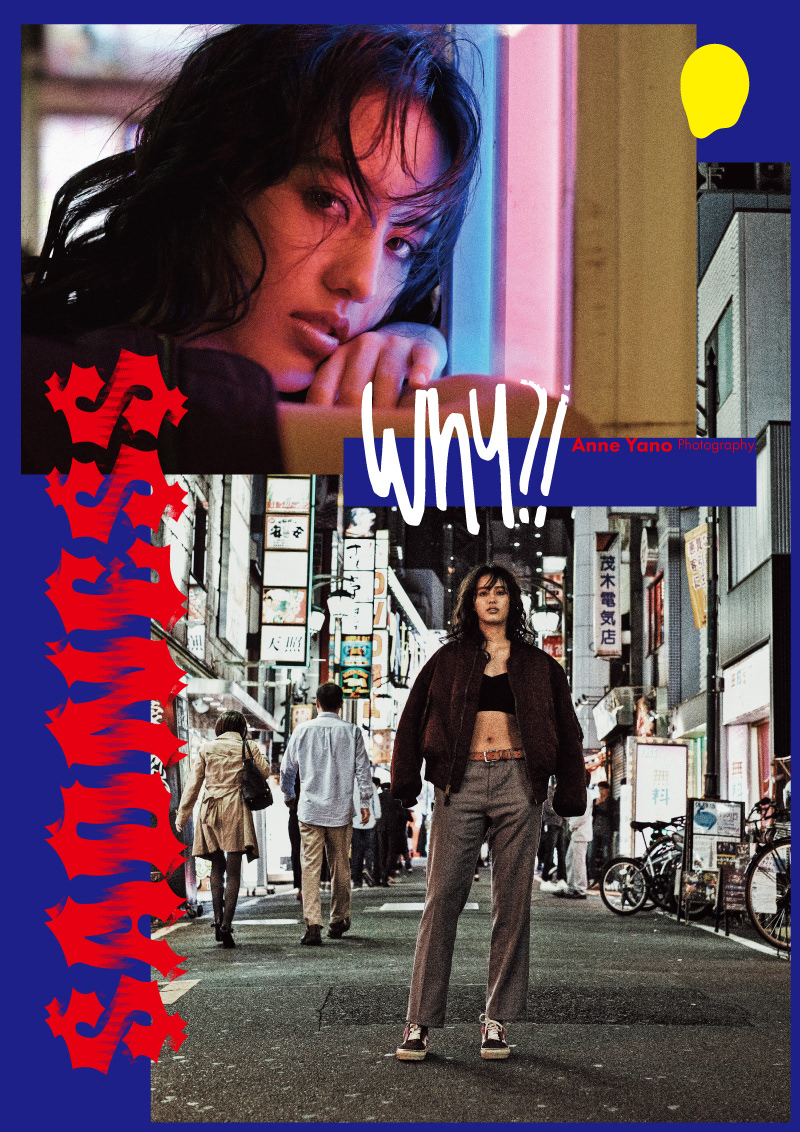
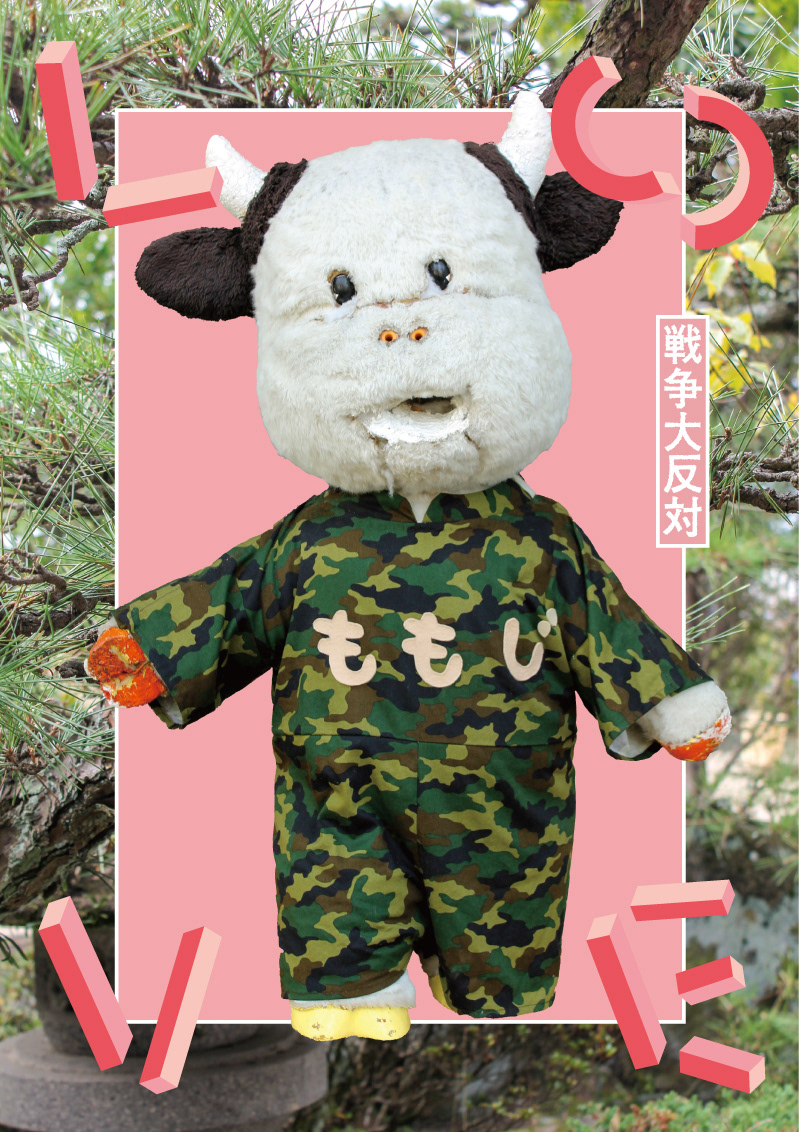
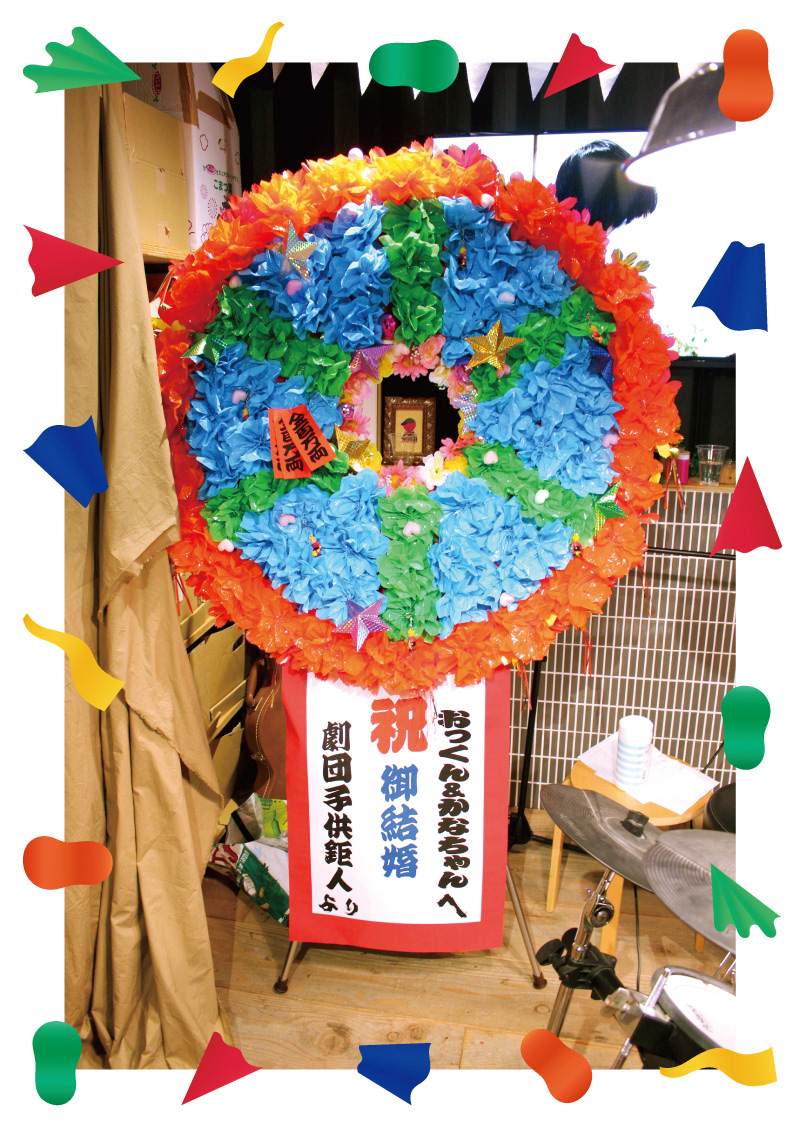
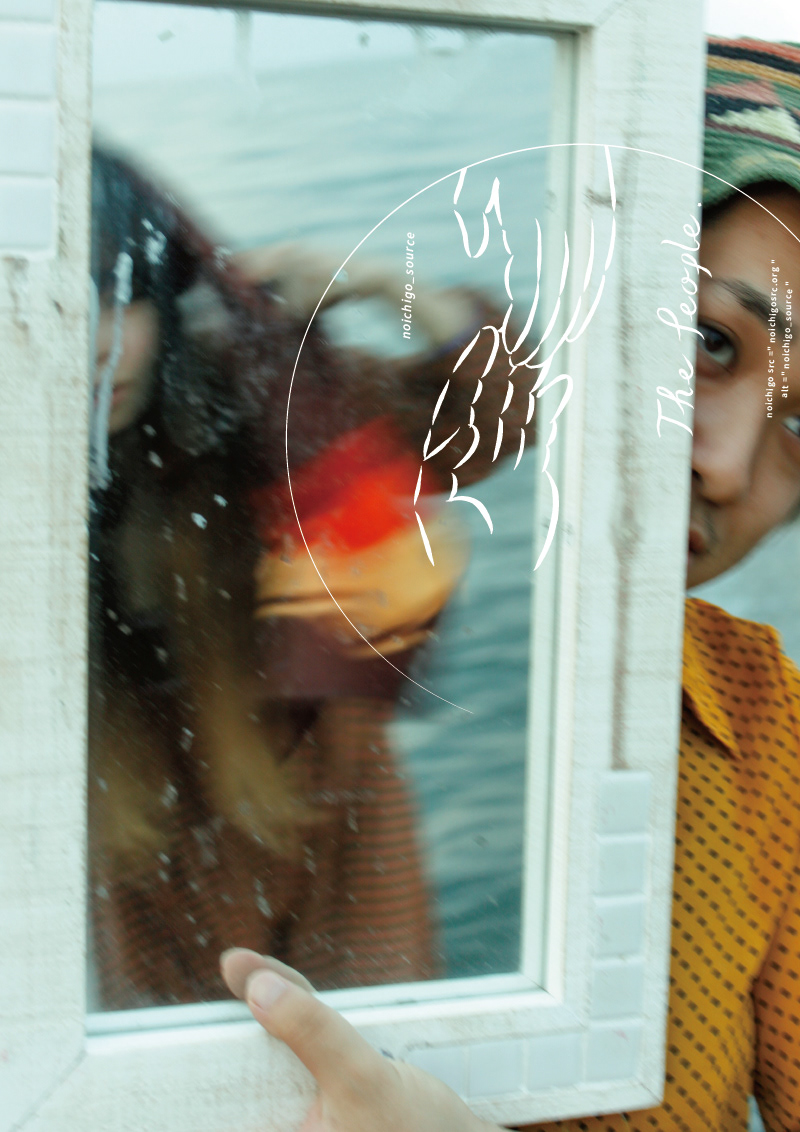
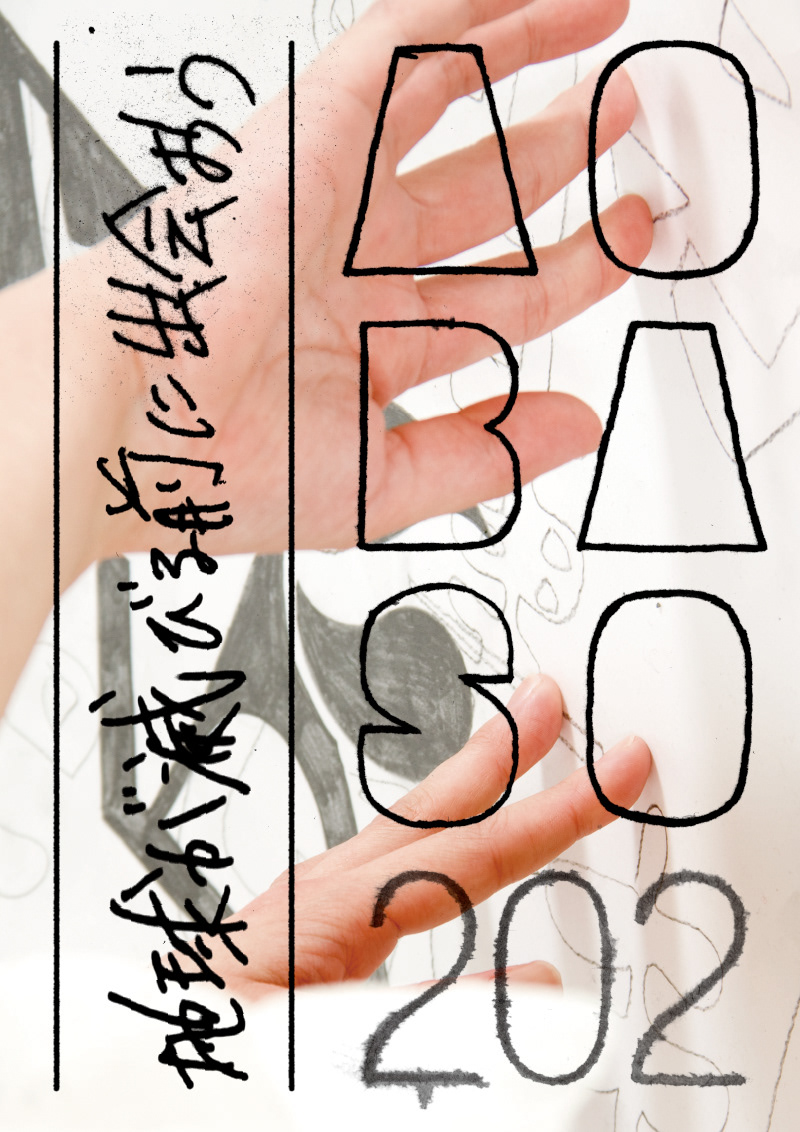
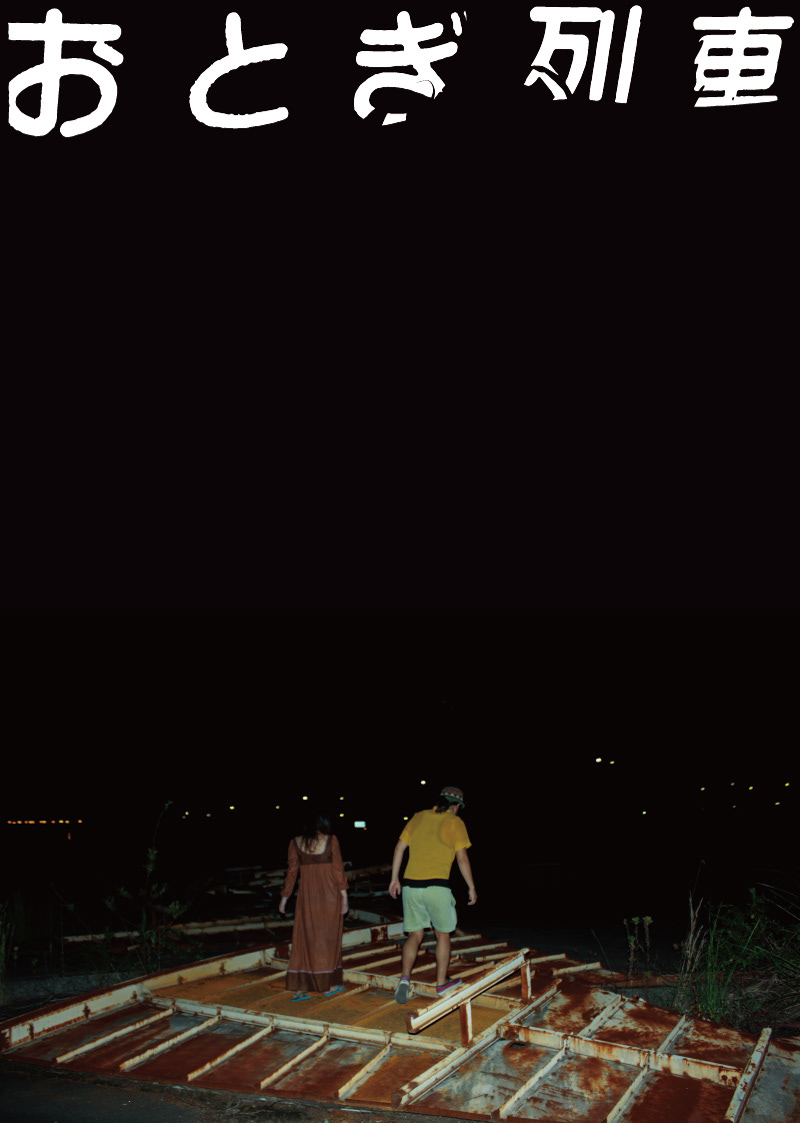
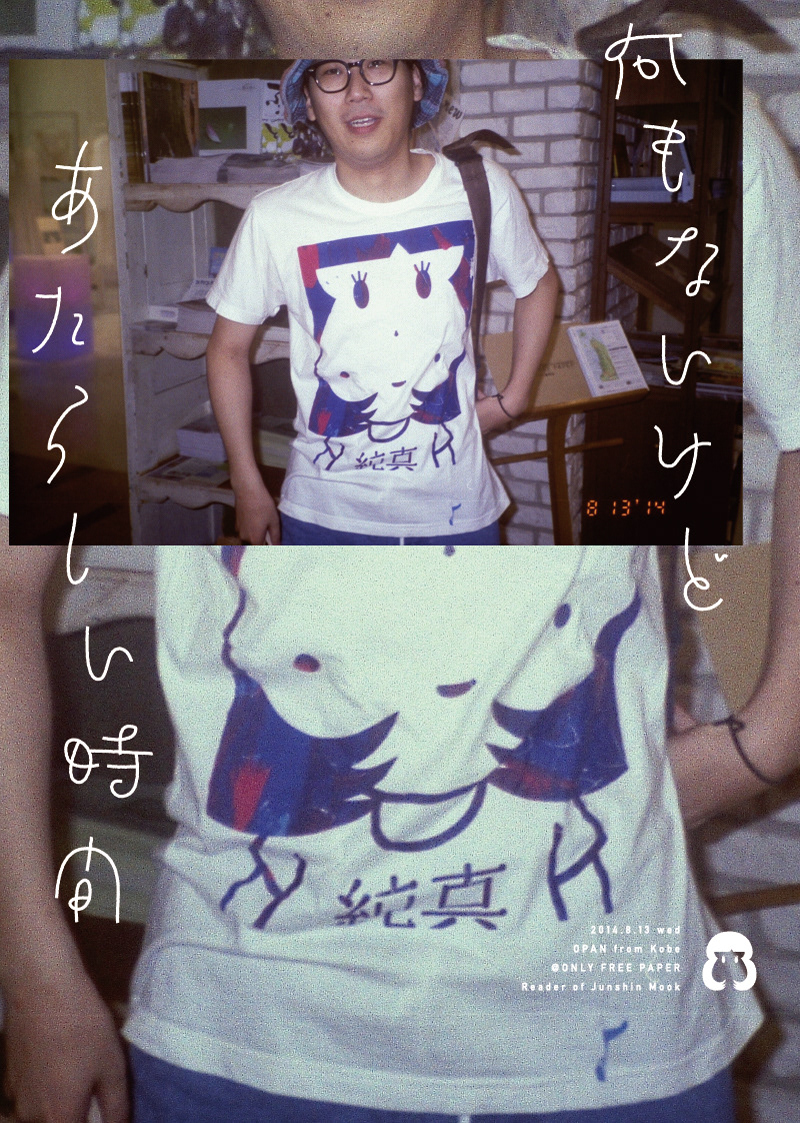
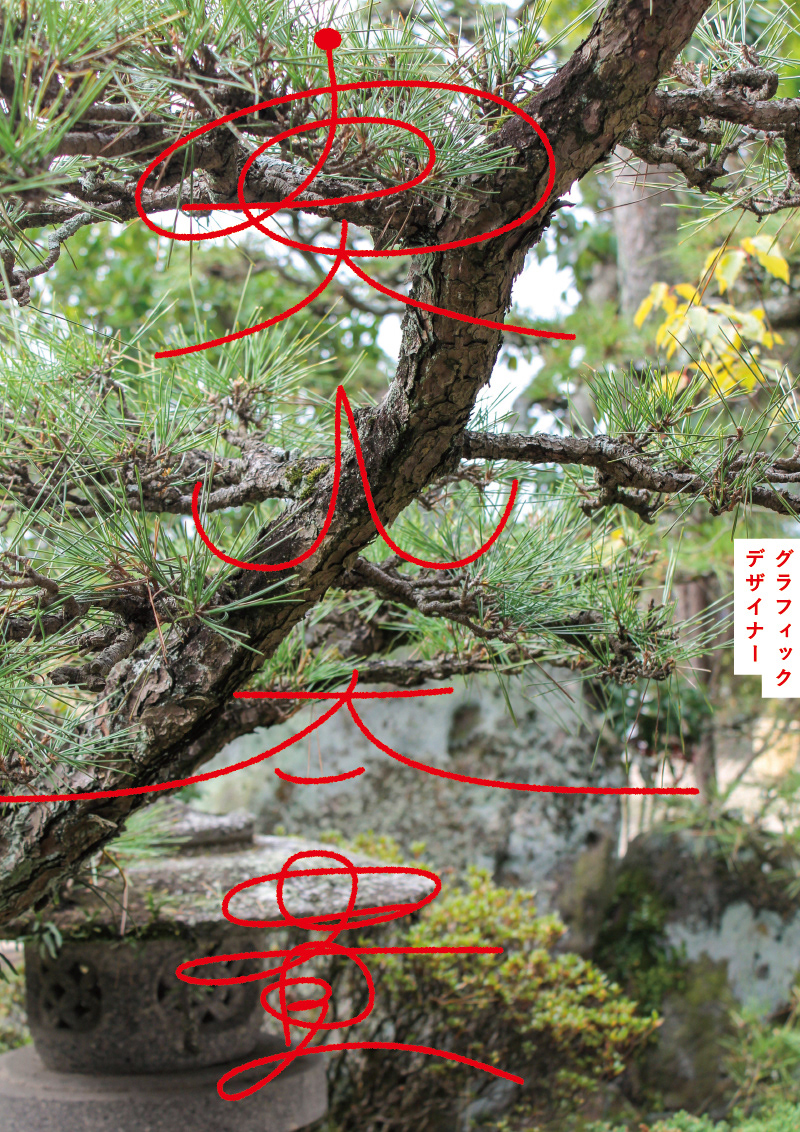
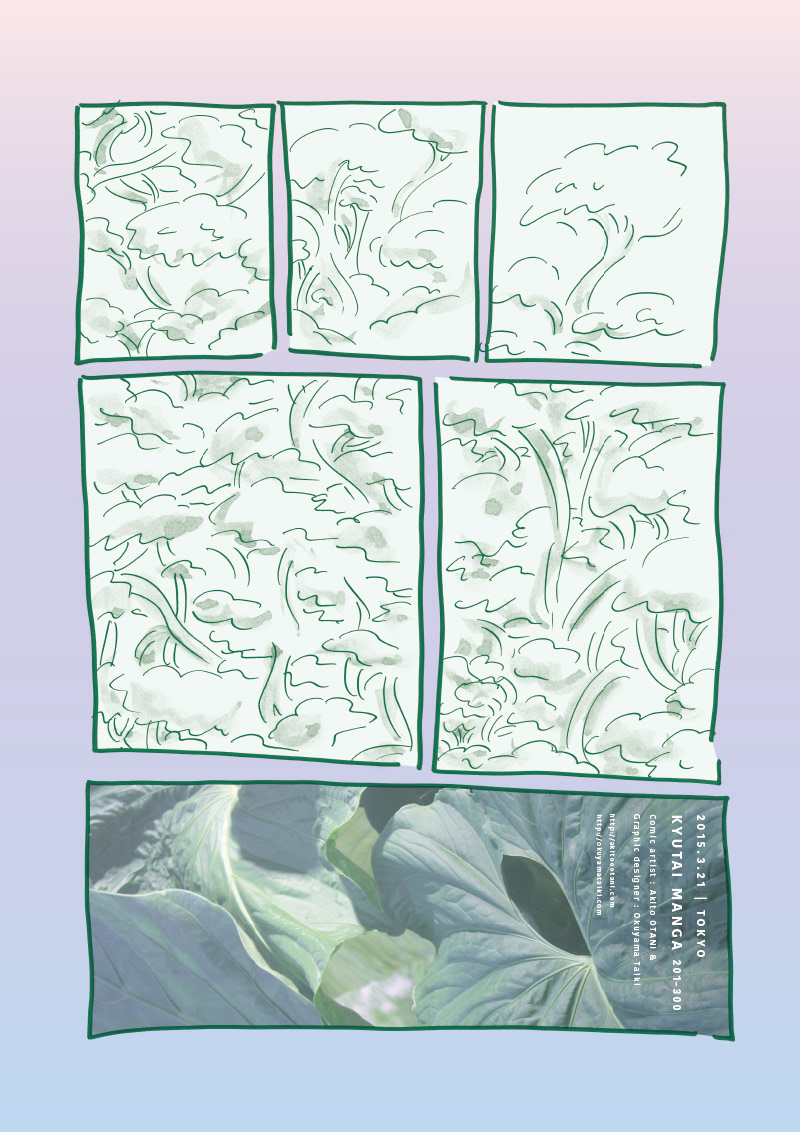
デザイナーがグラフィックを素材に新しい作品をつくり、写真家がポートレートとコラージュし、ネットレーベルがアルバムジャケットに使用するなど、二次創作、三次創作が生まれていきました。
さらに、海外での作品のリリースや展覧会への出展など、インターネットやディスプレイ上にとどまらない展開も生まれました。作品を公開することは、完成したイメージを見せることではなく、誰かの制作や活動の中へ入り込み、別の表現のためのきっかけになることでもありました。
その反応は、海外メディアへの掲載にもつながりました。
ロンドンのクリエイティブサイト《It’s Nice That》は、n_sを自由に遊べる実験的なポスター群として紹介し、様々な要素が混ざり合う“pick’n’mix”な態度、さらにGIFへ移行していく過剰な動きを高く評価しました。
そこからIt’s Nice Thatによる別の掲載や、他のメディアでの紹介へと広がり、後にはBottega Venetaのクリエイティブチームからのコンタクトにもつながっていきます。
小さな個人の実験として始めたプロジェクトが、ネットワーク上で人から人へ伝わり、国や言語を越えて仕事や創作活動へ接続していったことは、n_sが持っていた共有性とオープン化の大きな成果でした。
—— コミュニケーションとしてのデザイン、視覚言語としてのネオンサイン
このプロジェクトの根底には、人とのコミュニケーションがあります。
データをオープンにすること、自由に使えるようにすること、Reblogされること、誰かが改変することは、いずれも単なる拡散ではなく、作者と見知らぬ誰かとのあいだに生まれる遊びとしてのやり取りです。
グラフィックデザインはここでは、情報を伝えるための視覚表現であると同時に、人と感性を引き寄せるための媒介になります。
n_sは、作品を通して新しい友人や感性と出会うための方法であり、インターネットの片隅から利害関係を越えたコミュニケーションを生み出そうとする実践でもありました。
実際にこれをきっかけに出会った人や交流を深めた人たちとは、今でも親交があります。
さらに、ここで生まれたGIF的な表現は、現在のネオンやLEDを用いた作品にも接続しています。
n_sにおけるループ・明滅・反復・強度は、後のネオンの描線・低フレームのループ・都市の中で明滅するサイン、そして公共空間に置かれた光のインスタレーションへとつながっています。
デジタル画像として流通していたグラフィックは、やがて街頭のサインやLEDの光へと拡張され、ディスプレイ上の液晶の点滅から、都市の中で人を惹きつける発光体へと変化していきました。
n_sは、デザインとアート、商業とインディペンデント、完成物と素材、作者と受け手の端境に置かれたプロジェクトです。
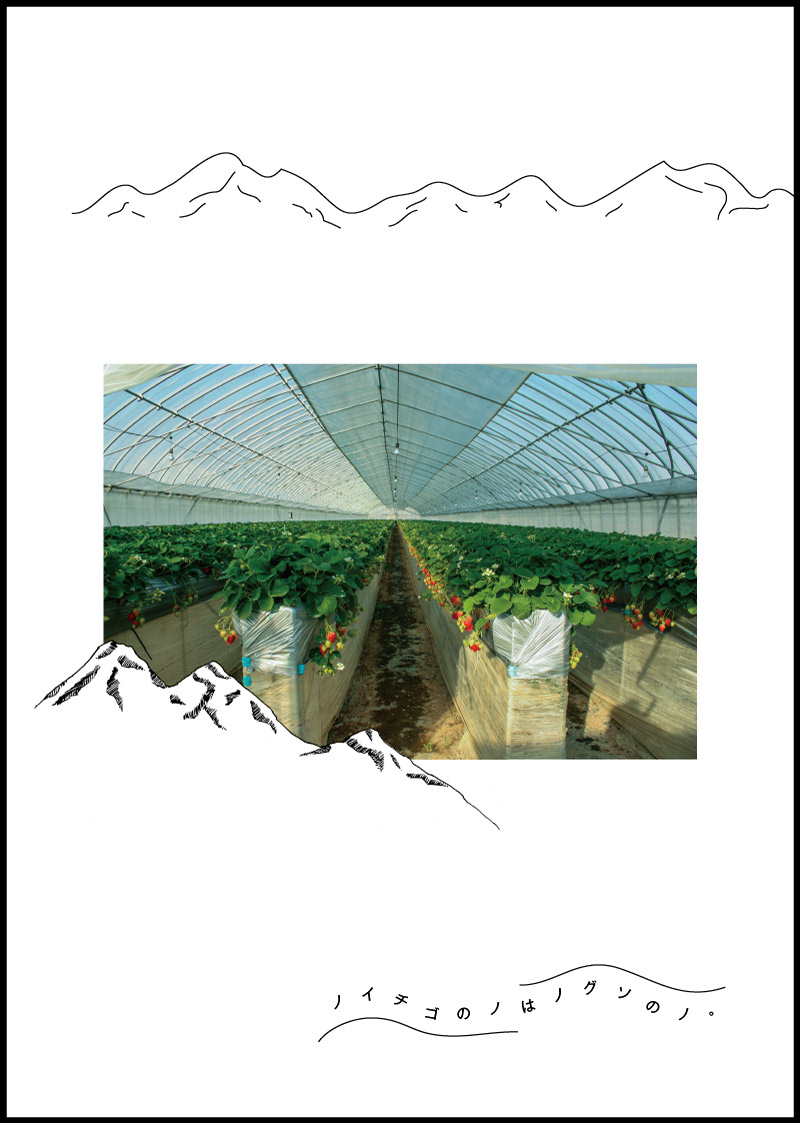
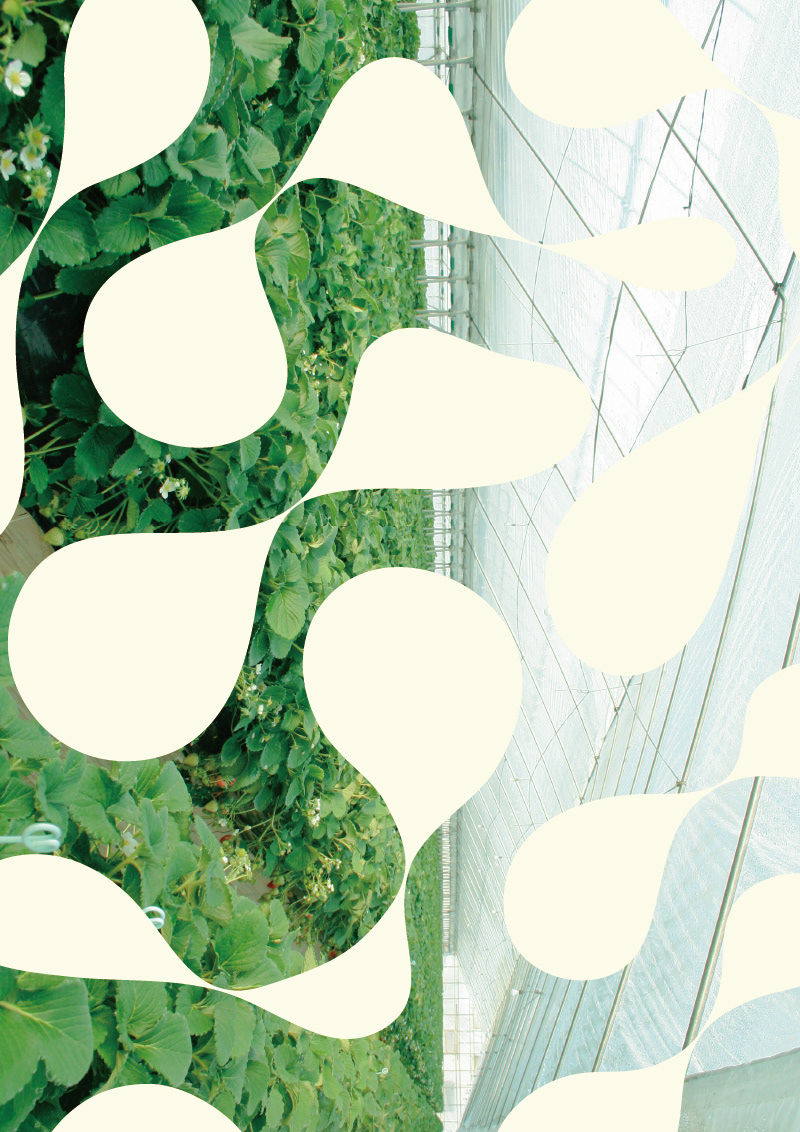
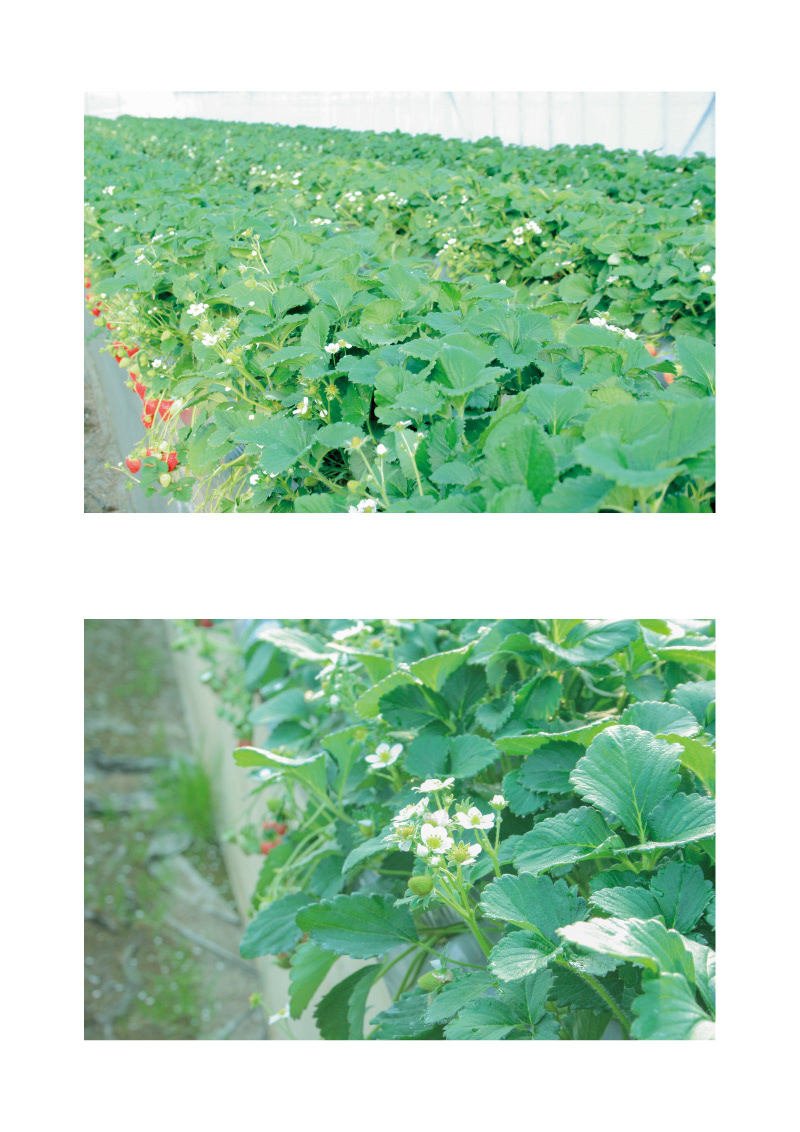
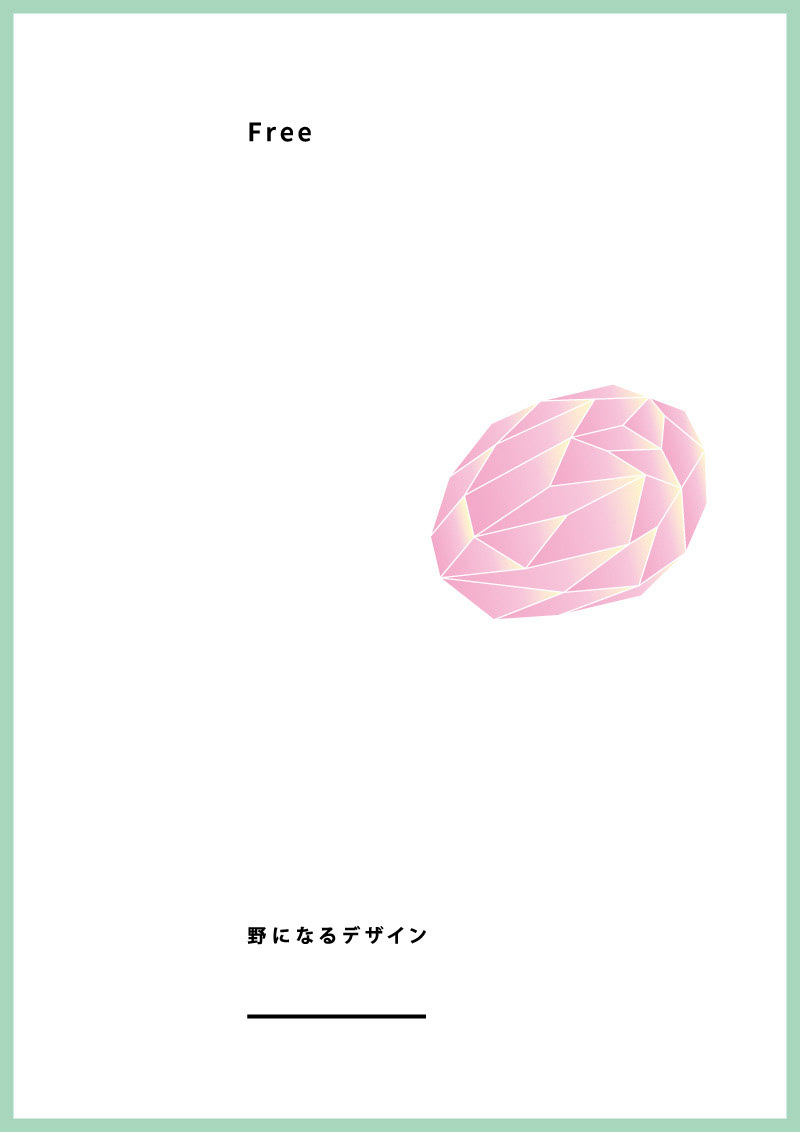
タイトルの「noichigo」は、野になるイチゴ=Wild Strawberriesを意味し、野生の果実に由来しています。それは、グラフィックデザインを依頼に応えるための成果物としてだけではなく、誰でも自由に摘んで好きなように食べられる“野になるデザイン”として扱うということです。
noichigo_sourceには、オープンソースとフリーカルチャーへの共感、Tumblr時代の画像流通への感覚、GIF表現の反復性、マッシュアップやリミックスによって生まれる創造の連鎖、そして後のネオン作品へと続く“明滅する視覚言語”の原型があります。
—— Free Media, Open Source, and Free Culture
One of the foundations of this project came from my experience running ONLY FREE PAPER, a bookstore dedicated exclusively to free publications. Through that experience, I became fascinated by the speed, openness, and communicative potential unique to freely distributed media.
Free papers and free magazines are more than simply printed information. They function as interfaces that directly connect information with people, and people with one another. Information is copied, picked up, passed from hand to hand, and continues to circulate.
I came to believe that graphic design could function in much the same way.
Rather than existing as a single finished image, graphic design can become an interface that connects people, places, and new forms of expression. With noichigo_source (hereafter referred to as n_s), I sought to extend that function onto the internet.
At the same time, I had just begun working at a digital creative studio, where I collaborated closely with software engineers. There I encountered a very different way of thinking about creative work. Design was no longer simply a printed object or a finished visual; like software, data, or source code, it could be shared, continuously updated, and transformed by others. This experience sparked my interest in the philosophy of open source.
I began asking myself whether graphic design could also participate in this kind of open ecosystem, just as free publications and open-source software already did. That question became one of the starting points of n_s.
(As a precursor to n_s, I organized ONLY FREE PUBLIC (2012), an event held in an empty retail space inside Shibuya PARCO. Participants were invited to freely install ("upload") their own works into the space, while visitors were equally free to take them away ("download"). I later attempted to develop the same concept into a web application, but the project never reached completion. The underlying idea, however, was carried directly into noichigo_source.)
Another major influence was Dominique Chen's *Guidebook for Creating Free Culture: The Circulation of Creativity through Creative Commons*. The book proposed that creative works should not be enclosed as private property, but opened so that others could use, transform, and build upon them. That philosophy strongly shaped the direction of this project.
—— Publishing the Source
Through the website, I made each artwork available together with its original editable files (.ai / .psd), released under a Creative Commons license (CC BY-SA).
Rather than publishing only the finished image, I chose to open the Source itself—including its layers, construction, materials, imperfections, and traces of the production process. In doing so, graphic design was no longer treated as a finished product or a piece of intellectual property, but as raw material that could be shared, edited, transformed, and continuously reinterpreted.
Publishing unfinished structures rather than polished perfection prioritized circulation over completion. It blurred the boundary between viewing design and using it.
n_s was also born from an interest in free culture.
Just as independent netlabels released sound materials that others could freely mash up, remix, and develop into new works, I wondered whether graphic design could participate in the same creative ecosystem.
A work should not end the moment it leaves its creator's hands. Instead, it should continue to evolve as others borrow it, cut it apart, rearrange it, and place it into entirely new contexts. Rather than enclosing creative work through ownership, I became interested in opening it as a form of play—allowing culture itself to move forward through participation.
The principle of "freely use it, freely play with it" was therefore never simply about distributing files. It became an experiment in practicing remix culture within graphic design itself, encouraging an ongoing chain of creative reinterpretation.
—— Tumblr, GIFs, and Graphics That Propagate Across Networks
Tumblr was equally fundamental to this project.
Works published through n_s appeared as images within Tumblr timelines, where they gradually left my own control through Reblogs and Likes. Rather than remaining fixed inside exhibitions or portfolios, they appeared on countless dashboards, were saved, reposted, combined with unrelated images, and continuously relocated into new contexts.
Tumblr's circulation system transformed n_s from a simple archive of posters into a laboratory for graphics capable of propagating across networks.
Visually, the works combined abstract forms, cartoon-like symbols, typography, bold fields of colour, fragmented characters, and familiar motifs without ever resolving into a single stable meaning. Instead of communicating a fixed message, they allowed visual elements to collide, drift apart, overlap, and generate new associations within the viewer.
This reflected Tumblr itself—a place where unrelated images constantly produced unexpected meanings simply by appearing next to one another through the mechanics of the dashboard. The countless reactions, reinterpretations, and conversations generated by users around the world gradually became part of my own creative process.
Elements often considered inappropriate within conventional graphic design—text detached from context, fragmented typography without linguistic meaning, abstract icons, saturated colour fields, and mysterious symbols—were instead welcomed within Tumblr's visual culture.
Eventually these images began moving as GIF animations, shaped partly by Tumblr's own technical constraints. Through looping, flickering, repetition, and discontinuous movement, they acquired a new temporal dimension that would later become central to my artistic practice.
—— Outcomes Born Through Remix
After its release, n_s began to circulate far beyond anything I had anticipated.
Designers incorporated the graphics into new works, photographers combined them with portraits, and netlabels adopted them for album artwork. The project generated a growing body of remixes, reinterpretations, and derivative works. It also expanded beyond the screen, leading to overseas releases and exhibitions. Publishing the work was never simply about presenting a finished image—it was about allowing it to enter someone else's creative process and become the starting point for something new.
This response eventually led to international media coverage. The London-based creative platform *It's Nice That* introduced n_s as a collection of experimental posters that invited people to freely download, remix, and play with them. It praised the project's "pick'n'mix" attitude—the way abstract symbols, typography, familiar motifs, and fragmented imagery collided—and later highlighted its evolution into GIF-based works.
The exposure led to further features across international design media, eventually resulting in contact from the creative team at Bottega Veneta.
What began as a small personal experiment gradually travelled across networks, languages, and cultures, becoming connected to professional commissions, exhibitions, and long-term creative relationships. Looking back, the project's greatest achievement was not the works themselves, but the openness that allowed them to keep moving beyond their original context.
—— Design as Communication. Neon as a Visual Language.
At its core, this project has always been about communication.
Opening data, allowing others to reuse it, encouraging Reblogs, or inviting people to modify the work—none of these actions were simply about distribution. They became playful exchanges between myself and countless strangers connected through the internet.
Graphic design therefore became more than a medium for communicating information. It became a medium for attracting people, exchanging sensibilities, and creating unexpected encounters.
For me, n_s was a way of meeting new people through design. It was an attempt to create communication beyond commercial relationships, beginning from a small corner of the internet. Many of the people I first encountered through this project remain collaborators and close friends today.
The GIF-based language developed through n_s would later evolve directly into my current practice using neon and LED.
The loops, flickers, repetition, and visual intensity explored through GIFs gradually became neon outlines, low-frame animations, luminous urban signs, and eventually large-scale public light installations. What first circulated as digital images on LCD screens slowly transformed into physical sources of light capable of attracting people within the city itself.
n_s exists at the threshold between design and art, commercial practice and independent production, finished work and source material, author and audience.
The title, *noichigo* ("wild strawberry"), refers to fruit that grows freely in nature, available for anyone to discover and pick. Likewise, I wanted graphic design to exist not only as a commissioned outcome, but also as something that anyone could freely encounter, use, transform, and pass on—a form of "design growing in the wild."
Within noichigo_source lie the foundations of my practice today: an affinity for open source and free culture; an understanding of image circulation shaped by Tumblr; the repetitive language of GIF animation; creative chains generated through remix and mash-up culture; and ultimately the origin of the flickering visual language that continues through my neon works.
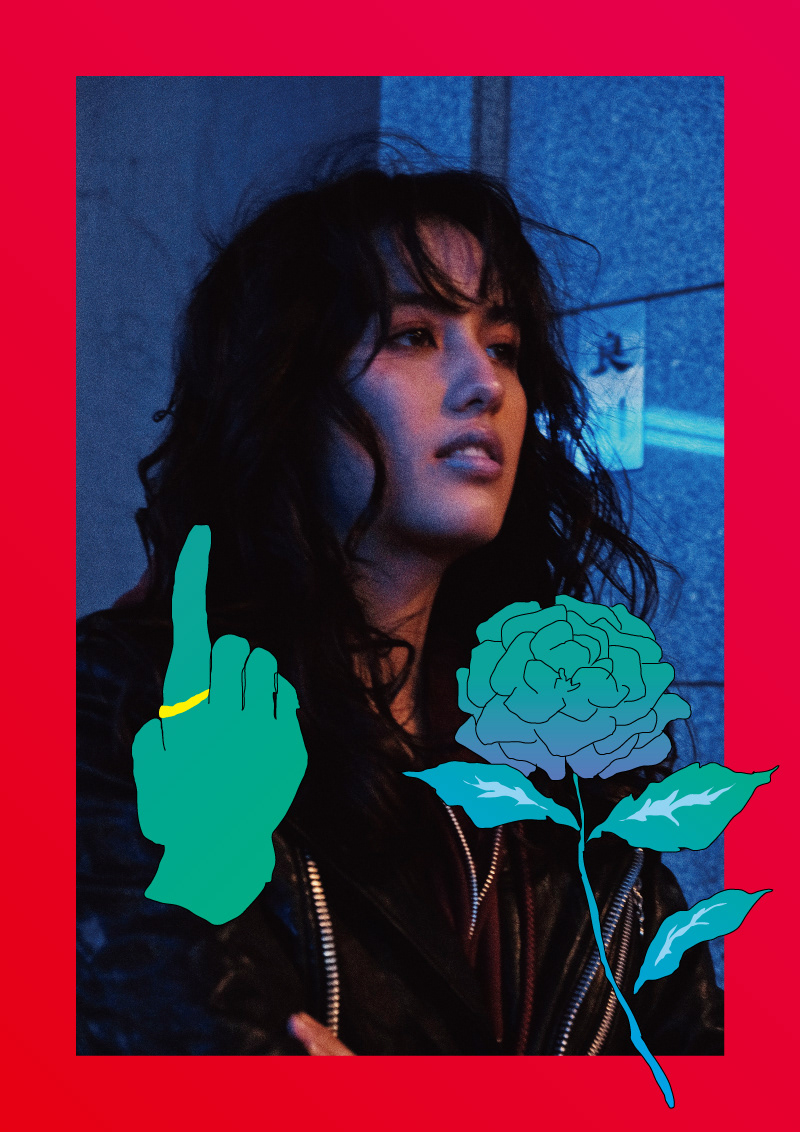
feat. Anne Yano (Photography)
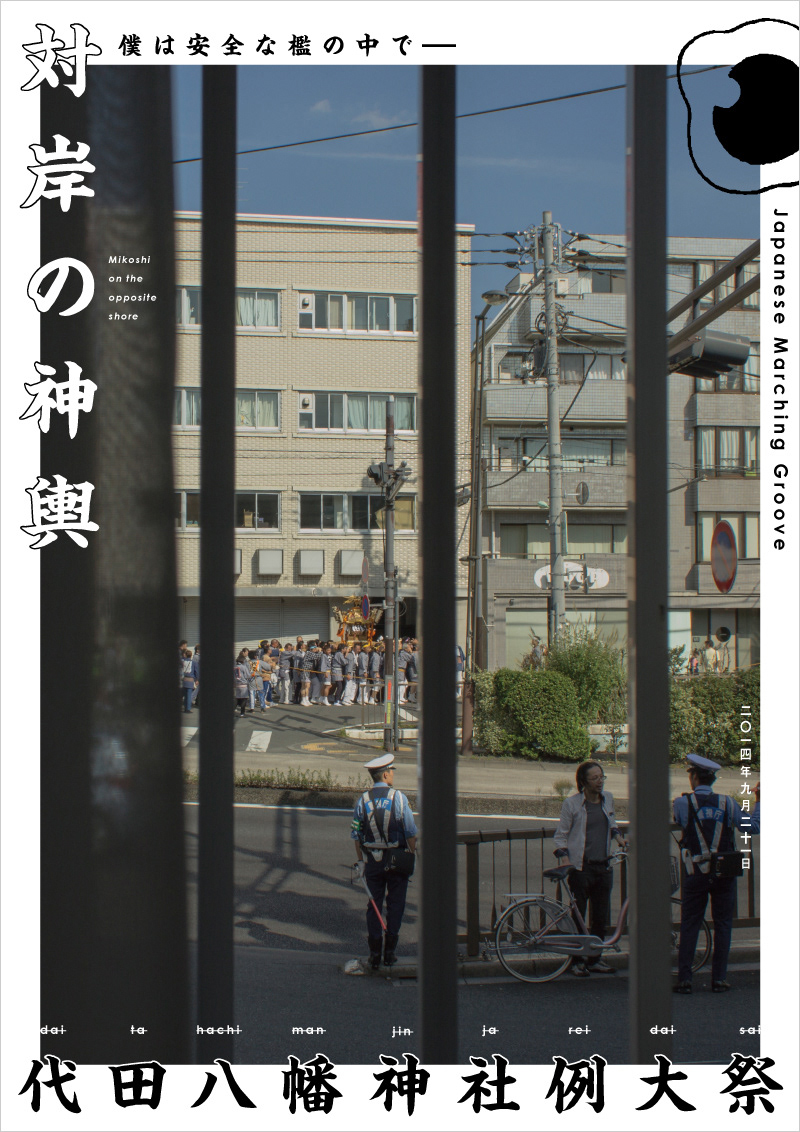
feat. OPAN (Photography)
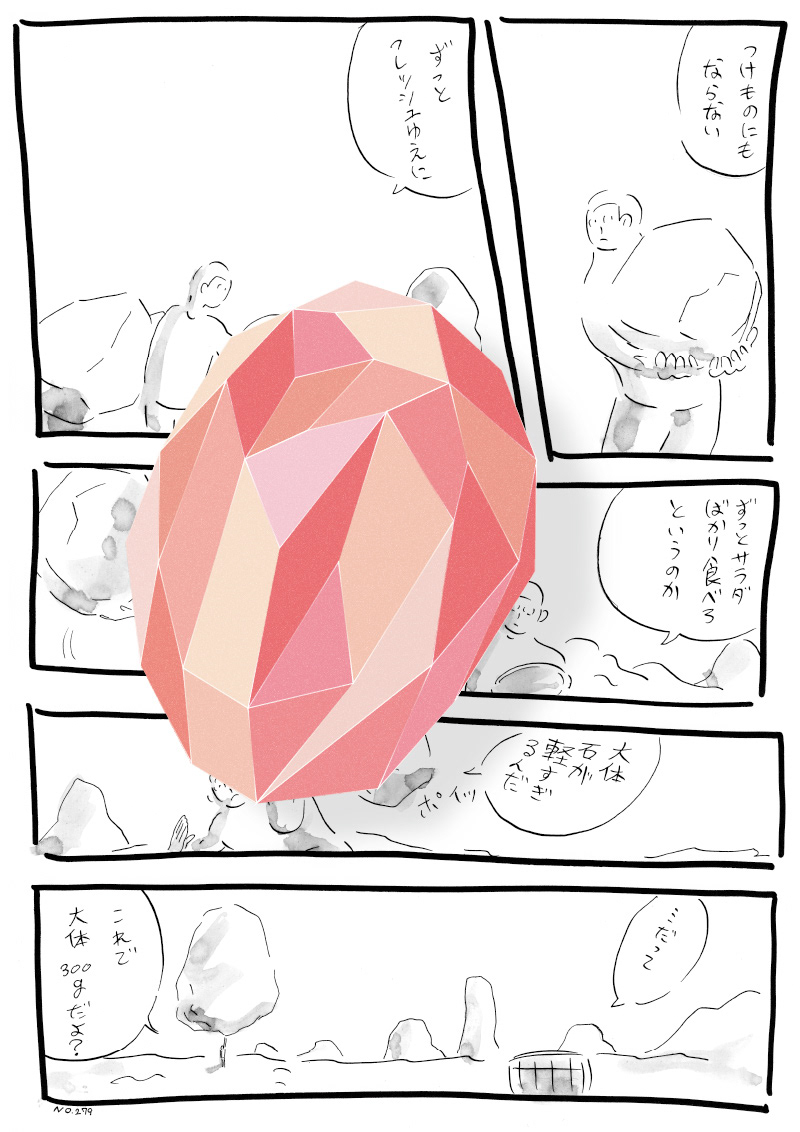
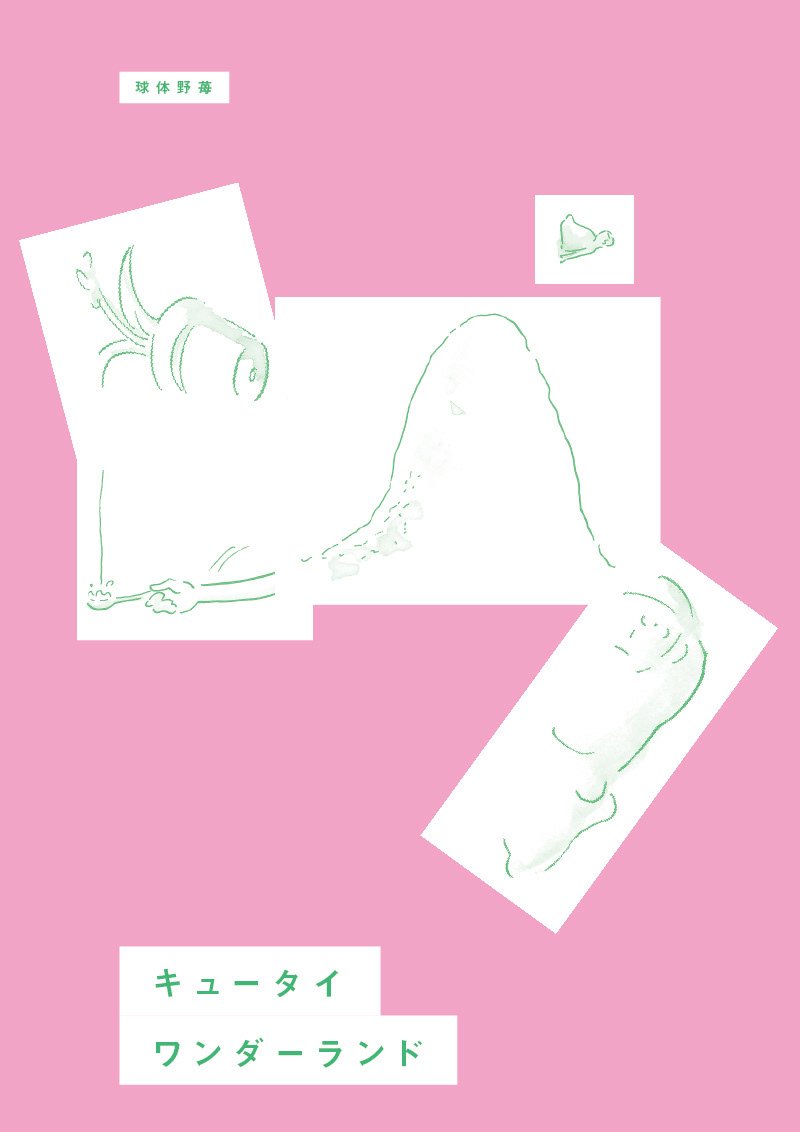
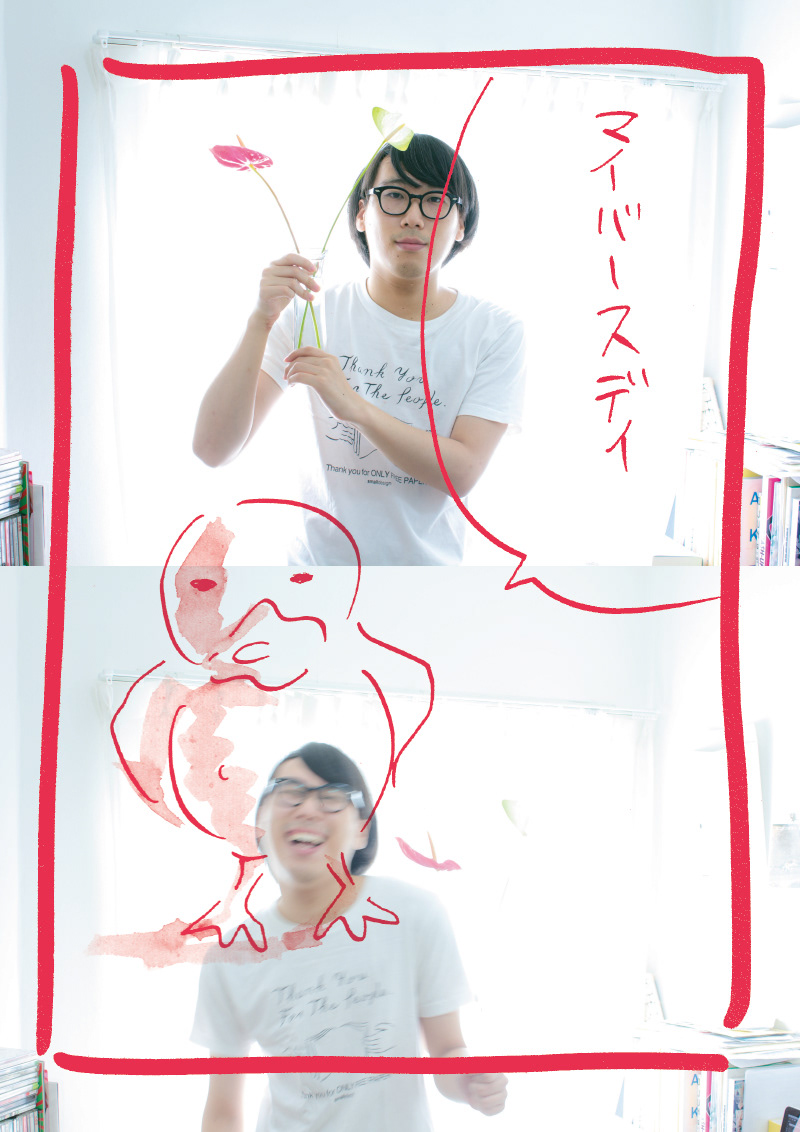
feat. Kijitori Byu (MANGA) [ex. Akito Otani]
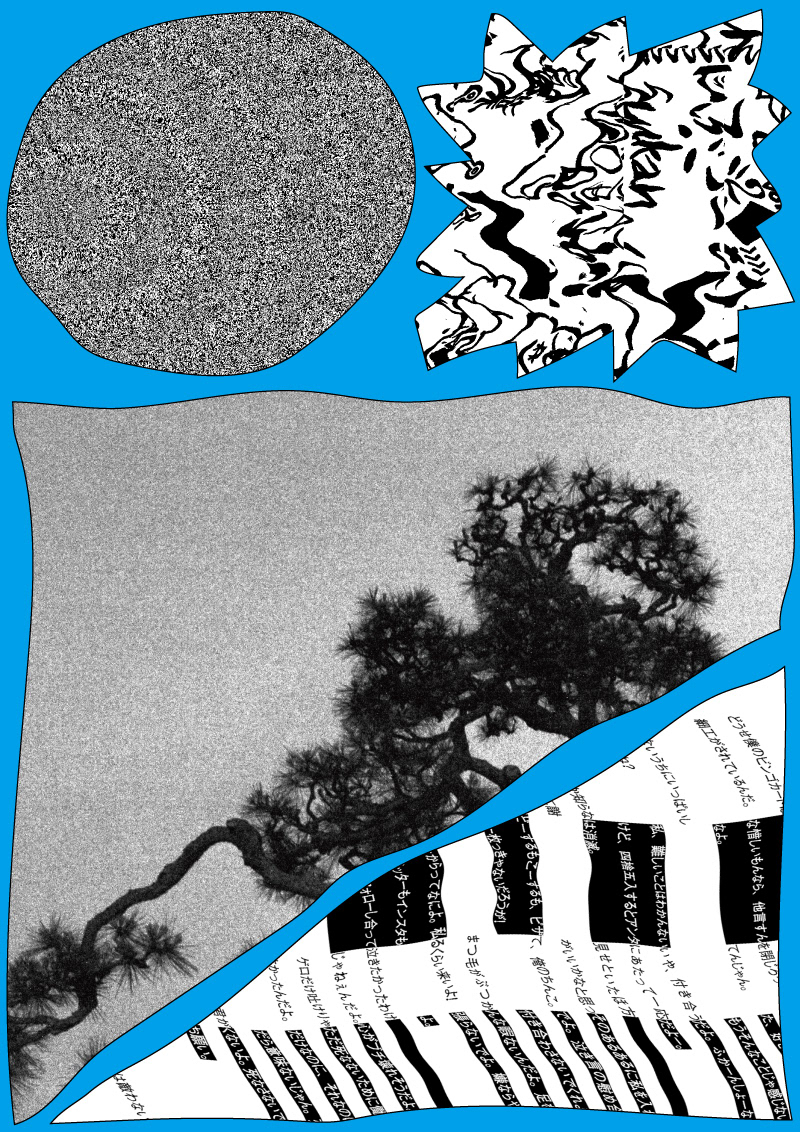
feat. Nakahara (Text)